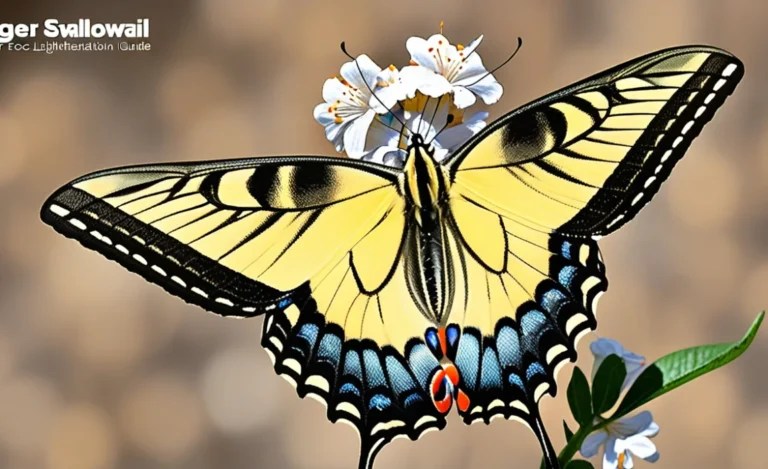
Blue Tiger Butterfly: Discover This Rare Beauty

The “blue tiger butterfly” is a common name that usually refers to several species within the Tirumala genus, known for their striking blue wing patterns. These butterflies are found across Asia and Australia, playing vital roles in their ecosystems through pollination. Their beauty and migratory habits make them fascinating subjects for nature lovers and conservationists alike.
Have you ever been captivated by a butterfly with wings that shimmer like the sky? Many people are curious about the “blue tiger butterfly” and want to know more about where it lives, what it eats, and how to identify it. It can be confusing because this name applies to a group of butterflies, not just one specific species. I’m Frances O’Brien, and I’m here to guide you through the wonderful world of these beautiful insects. Together, we’ll explore the different types of blue tiger butterflies, their life cycle, and how you can help protect them. Get ready to discover the secrets of these amazing creatures!
Frequently Asked Questions About Blue Tiger Butterflies
- What exactly *is* a blue tiger butterfly?
- The name “blue tiger butterfly” generally refers to several species in the Tirumala genus. These butterflies share a similar appearance with blue or bluish-purple markings on their wings.
- Where can I find blue tiger butterflies?
- Blue tiger butterflies are primarily found in Asia and Australia. They inhabit a range of environments, including forests, gardens, and coastal areas.
- What do blue tiger butterflies eat?
- As caterpillars, they feed on the leaves of milkweed plants. Adult butterflies drink nectar from various flowers.
- Are blue tiger butterflies poisonous?
- Yes, blue tiger butterflies are toxic. As caterpillars, they ingest toxins from milkweed plants. These toxins remain in their bodies even after they transform into butterflies, making them unpalatable to predators.
- How can I attract blue tiger butterflies to my garden?
- Plant milkweed species to provide food for the caterpillars and nectar-rich flowers for the adults. Ensure your garden is free from pesticides, which can harm these delicate creatures.
- Do blue tiger butterflies migrate?
- Yes, some species of blue tiger butterflies are known to migrate, often traveling long distances in search of food and suitable breeding grounds. These migrations are influenced by seasonal changes and the availability of resources.
- Why are blue tiger butterflies important?
- Blue tiger butterflies play a crucial role in their ecosystems as pollinators. They help to spread pollen from flower to flower, which is essential for plant reproduction and biodiversity.
Understanding the Blue Tiger Butterfly
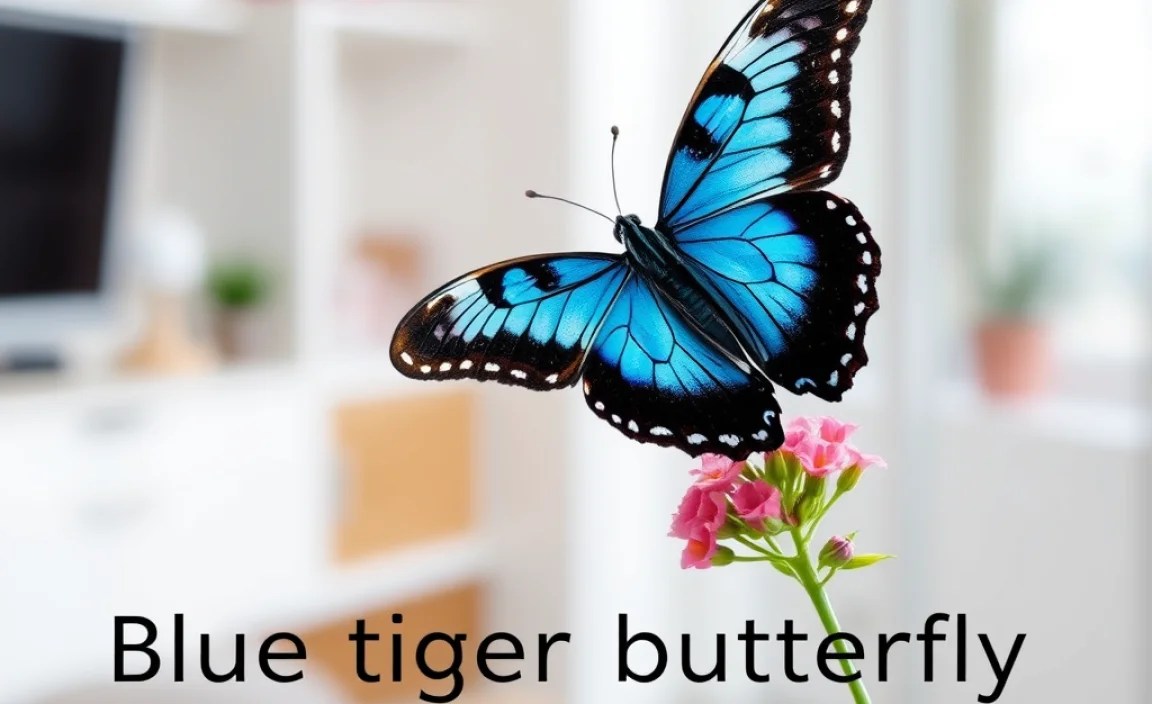
The term “blue tiger butterfly” isn’t limited to one specific species. Instead, it’s a common name applied to several butterflies within the genus Tirumala. These butterflies are known for their striking blue or bluish-purple markings, often set against a darker background, creating a “tiger-stripe” effect. Their captivating beauty and ecological importance make them a favorite among butterfly enthusiasts and conservationists alike.
Species Commonly Called Blue Tiger Butterflies
While many butterflies share similar patterns, here are some of the most frequently recognized species referred to as “blue tiger butterflies”:
- Common Blue Tiger (Tirumala limniace): This is perhaps the most well-known of the blue tigers, found across Southeast Asia and Australia.
- Dark Blue Tiger (Tirumala septentrionis): Similar in appearance to the Common Blue Tiger, but with a darker overall coloration.
- Blue Wanderer (Tirumala petiverana): Found in parts of Africa and Asia, this species also boasts beautiful blue markings.
It’s important to note that while these are the most common, regional variations and related species may also be called “blue tiger butterflies” in specific areas.
Habitat and Distribution
Blue tiger butterflies are primarily found in Asia and Australia. Their distribution spans a wide range of habitats, from tropical rainforests to coastal areas and urban gardens. They thrive in environments where their host plants, primarily milkweeds, are abundant.
These butterflies are adaptable and can be found at varying altitudes, depending on the species and local climate. Their presence is often a good indicator of a healthy, biodiverse ecosystem.
Identifying Blue Tiger Butterflies: A Step-by-Step Guide
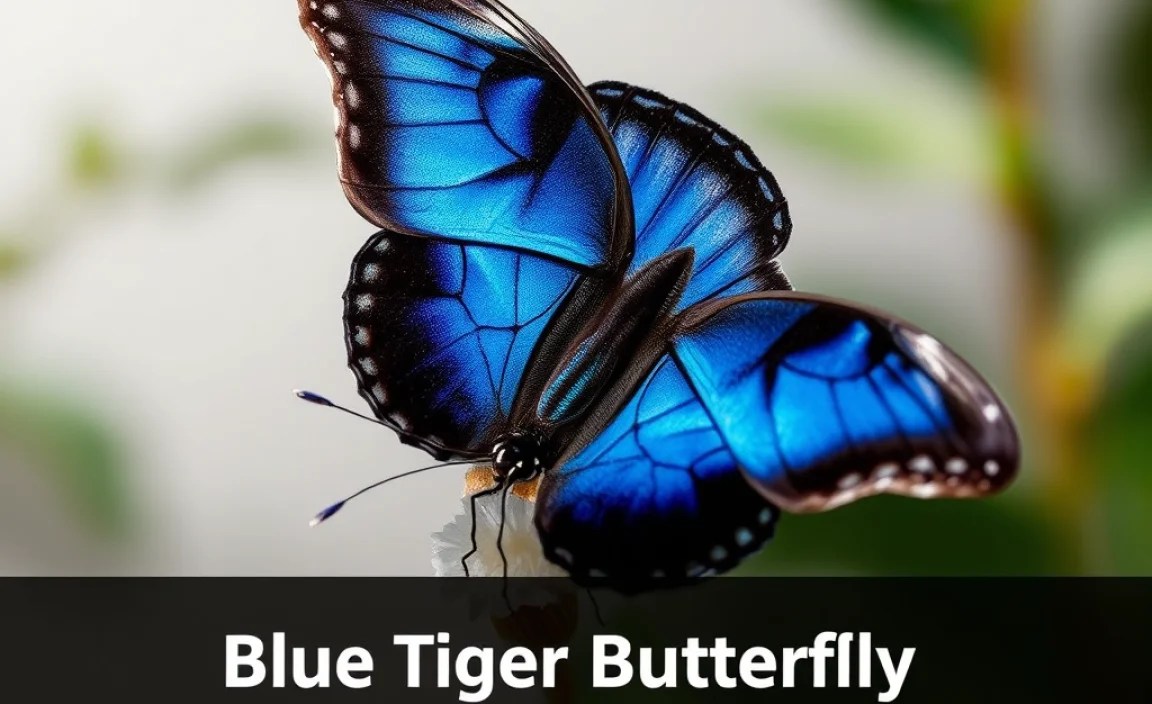
Identifying butterflies can be a rewarding experience. Here’s how to distinguish blue tiger butterflies from other species:
Step 1: Observe the Wing Pattern
The most distinctive feature of blue tiger butterflies is their wing pattern. Look for:
- Blue or bluish-purple stripes or spots: These markings are usually prominent and create a tiger-like appearance.
- Dark background: The blue markings are typically set against a dark brown or black background, enhancing their contrast.
- Wing shape: The wings are generally elongated and have a slightly rounded shape.
Step 2: Check the Size
Blue tiger butterflies are medium to large in size. Their wingspan typically ranges from 7 to 9 centimeters (approximately 2.7 to 3.5 inches). This size can help differentiate them from smaller, similarly colored butterflies.
Step 3: Note the Location
Knowing the geographical location can help narrow down the species. For example:
- If you’re in Southeast Asia or Australia, you’re more likely to see the Common Blue Tiger (Tirumala limniace).
- In parts of Africa and Asia, you might encounter the Blue Wanderer (Tirumala petiverana).
Step 4: Examine the Body
The body of a blue tiger butterfly is usually dark, complementing the wing coloration. Look for subtle differences in body markings, which can vary between species.
Step 5: Observe the Flight Pattern
Blue tiger butterflies have a distinctive flight pattern. They tend to fly slowly and gracefully, often gliding between flowers. This leisurely flight distinguishes them from faster-flying butterfly species.
Step 6: Use a Field Guide or App
Field guides and butterfly identification apps can be invaluable tools. They provide detailed descriptions and images to help you accurately identify different species. Some popular apps include:
- iNaturalist: A community science platform that helps you identify plants and animals.
- Picture Insect: An app specifically designed for insect identification using image recognition.
The Life Cycle of a Blue Tiger Butterfly

Understanding the life cycle of a blue tiger butterfly can deepen your appreciation for these creatures. Like all butterflies, they undergo complete metamorphosis, which includes four distinct stages:
Stage 1: Egg
The life cycle begins with an egg, typically laid on the underside of milkweed leaves. The eggs are small and often pale in color, blending in with the foliage to avoid predators.
Stage 2: Larva (Caterpillar)
Once the egg hatches, a caterpillar emerges. The caterpillar’s primary job is to eat and grow. Blue tiger butterfly caterpillars feed exclusively on milkweed leaves. These caterpillars are often brightly colored, warning predators of their toxicity.
Stage 3: Pupa (Chrysalis)
After several molts, the caterpillar transforms into a pupa, also known as a chrysalis. The chrysalis is usually green or brown, providing camouflage. Inside the chrysalis, the caterpillar undergoes a remarkable transformation, reorganizing its tissues to become a butterfly.
Stage 4: Adult Butterfly
After about two weeks, the adult butterfly emerges from the chrysalis. The newly emerged butterfly’s wings are soft and crumpled. It pumps hemolymph (insect blood) into its wing veins to expand and harden them. Once the wings are dry and firm, the butterfly is ready to fly and reproduce.
Ecological Role and Importance
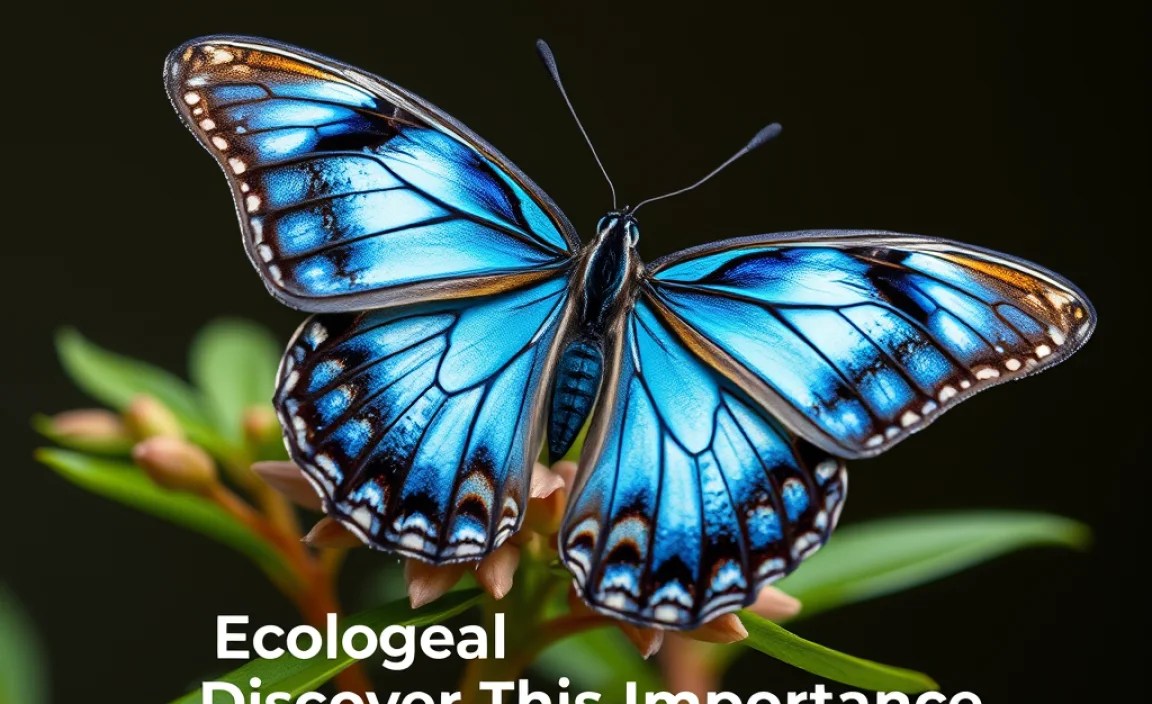
Blue tiger butterflies play several crucial roles in their ecosystems:
- Pollination: Adult butterflies visit flowers to drink nectar, transferring pollen from one flower to another. This process is essential for plant reproduction.
- Food Source: They serve as a food source for various predators, including birds, reptiles, and other insects.
- Indicator Species: The presence and health of blue tiger butterfly populations can indicate the overall health of an ecosystem.
Their dependence on milkweed plants also highlights the importance of preserving these plants in their natural habitats.
Attracting Blue Tiger Butterflies to Your Garden

Creating a butterfly-friendly garden is a wonderful way to support these beautiful creatures. Here’s how you can attract blue tiger butterflies to your garden:
Step 1: Plant Milkweed
Milkweed is the essential host plant for blue tiger butterfly caterpillars. Planting different species of milkweed will provide a food source for the larvae. Some popular milkweed varieties include:
- Common Milkweed (Asclepias syriaca): A widely available and hardy species.
- Swamp Milkweed (Asclepias incarnata): Prefers moist soil and produces beautiful pink flowers.
- Butterfly Weed (Asclepias tuberosa): Known for its vibrant orange flowers and drought tolerance.
Ensure you choose milkweed varieties that are native to your region to best support local butterfly populations. You can find native plant resources through organizations like the Lady Bird Johnson Wildflower Center.
Step 2: Provide Nectar Sources
Adult butterflies need nectar for energy. Plant a variety of nectar-rich flowers that bloom throughout the butterfly season. Some excellent choices include:
- Lantana: Produces clusters of colorful flowers that attract butterflies.
- Salvia: Offers a long blooming period and comes in various colors.
- Zinnia: Easy to grow and provides a vibrant display of flowers.
- Butterfly Bush (Buddleja davidii): A classic butterfly magnet.
Select flowers with different shapes and sizes to cater to a wide range of butterfly species.
Step 3: Offer a Water Source
Butterflies need water to stay hydrated. Provide a shallow dish of water with pebbles or marbles for them to land on while drinking. A butterfly puddling station can be as simple as a saucer filled with wet sand.
Step 4: Provide Shelter
Butterflies need shelter from wind and predators. Plant shrubs and trees to create a protective environment. Overhanging branches can also provide a place for butterflies to rest.
Step 5: Avoid Pesticides
Pesticides can be harmful to butterflies and other beneficial insects. Avoid using pesticides in your garden. Instead, use natural pest control methods, such as introducing beneficial insects like ladybugs or using organic insecticidal soap.
Step 6: Create a Sunny Spot
Butterflies are cold-blooded and need sunlight to warm up. Create a sunny spot in your garden where they can bask and raise their body temperature.
Threats and Conservation
Blue tiger butterflies face several threats, including habitat loss, pesticide use, and climate change. Conservation efforts are crucial to protect these beautiful insects and their ecosystems.
Habitat Loss
The destruction of natural habitats, such as forests and grasslands, is a major threat to blue tiger butterflies. Urban development, agriculture, and deforestation reduce the availability of host plants and nectar sources.
Pesticide Use
Pesticides can directly harm butterflies and other beneficial insects. Even pesticides that are not directly toxic to butterflies can reduce the availability of their food sources.
Climate Change
Climate change can disrupt butterfly life cycles and alter the distribution of their host plants. Changes in temperature and rainfall patterns can affect butterfly migration and breeding patterns.
Conservation Strategies
Here are some strategies to help conserve blue tiger butterflies:
- Habitat Preservation: Protecting and restoring natural habitats is essential. This can involve establishing protected areas, reforestation efforts, and sustainable land management practices.
- Promoting Native Plants: Encouraging the use of native plants in gardens and landscaping can provide food and shelter for butterflies.
- Reducing Pesticide Use: Promoting organic gardening practices and reducing the use of pesticides can help protect butterflies and other beneficial insects.
- Raising Awareness: Educating the public about the importance of butterflies and their conservation needs can inspire action and support for conservation efforts.
- Supporting Citizen Science: Participating in citizen science projects, such as butterfly counts and monitoring programs, can help researchers track butterfly populations and assess the effectiveness of conservation efforts.
Blue Tiger Butterfly Migration
Migration is a fascinating aspect of blue tiger butterfly behavior. Certain species undertake long-distance migrations, often following seasonal changes and the availability of food resources. These migrations can span hundreds or even thousands of kilometers.
Why Do They Migrate?
Blue tiger butterflies migrate for several reasons:
- Food Availability: They migrate to areas where their host plants and nectar sources are abundant.
- Climate: They seek out more favorable climates, avoiding extreme temperatures and weather conditions.
- Breeding: Migration allows them to find suitable breeding grounds.
Migration Patterns
The migration patterns of blue tiger butterflies vary depending on the species and region. Some species undertake regular seasonal migrations, while others migrate only in response to specific environmental conditions.
Understanding these migration patterns is crucial for effective conservation efforts. Protecting key migratory corridors and stopover sites can help ensure the survival of these butterflies.
Blue Tiger Butterfly in Culture and Art
Butterflies, in general, hold significant cultural and artistic value across various societies. They often symbolize transformation, beauty, and freedom. The blue tiger butterfly, with its striking appearance, is no exception.
Symbolism
In many cultures, butterflies are seen as symbols of:
- Transformation: Representing the journey from caterpillar to butterfly.
- Hope: Signifying new beginnings and positive change.
- Freedom: Embodying the ability to move freely and explore the world.
- Soul: In some cultures, butterflies are believed to represent the human soul.
Artistic Representations
The blue tiger butterfly’s distinctive markings make it a popular subject in art and design. It is often featured in:
- Paintings: Capturing its vibrant colors and graceful flight.
- Jewelry: Recreating its intricate wing patterns in delicate designs.
- Textiles: Incorporating its image into fabrics and clothing.
Its presence in art serves to highlight its beauty and inspire a sense of wonder and appreciation for nature.
Interesting Facts About Blue Tiger Butterflies
Here are some fascinating facts about blue tiger butterflies that you might not know:
- Toxicity: Blue tiger butterflies are toxic to predators because their caterpillars feed on milkweed plants, which contain poisonous compounds.
- Aposematism: Their bright colors serve as a warning to predators, a phenomenon known as aposematism.
- Mimicry: Some butterfly species mimic the appearance of blue tiger butterflies to gain protection from predators. This is known as Batesian mimicry.
- Long Lifespan: Compared to some other butterfly species, blue tiger butterflies have a relatively long lifespan, often living for several months.
- Strong Flight: They are strong fliers and can travel long distances during migration.
Resources for Further Learning
To deepen your understanding of blue tiger butterflies and butterfly conservation, here are some valuable resources:
- The Xerces Society: A non-profit organization dedicated to invertebrate conservation.
- Butterfly Conservation: An organization focused on protecting butterflies and their habitats.
- Local Butterfly Clubs: Joining a local butterfly club can provide opportunities for learning, networking, and participating in conservation activities.
| Resource Type | Organization/Platform | Description |
|---|---|---|
| Conservation Organization | The Xerces Society | Provides resources and information on invertebrate conservation, including butterflies. |
| Butterfly Conservation | Butterfly Conservation | Dedicated to protecting butterflies, moths, and their habitats. |
| Citizen Science Platform | iNaturalist | A platform for identifying and recording observations of plants and animals, including butterflies. |
| Educational Website | National Geographic | Offers articles, videos, and other resources on butterflies and their ecosystems. |
Conclusion
As we’ve explored the world of blue tiger butterflies, it’s clear they are more than just beautiful insects. From their critical role in pollination to their fascinating migratory behaviors and the cultural symbolism they embody, these butterflies are integral to the ecosystems they inhabit. By understanding their life cycle, the threats they face, and the ways we can support their conservation, we can all play a part in ensuring these magnificent creatures continue to grace our world. Whether it’s planting milkweed in your garden, reducing pesticide use, or simply spreading awareness, every action counts. Let’s continue to cherish and protect these symbols of transformation and beauty for generations to come.