
Karner Blue Butterfly: Spot This Rare Beauty!

Quick Summary:
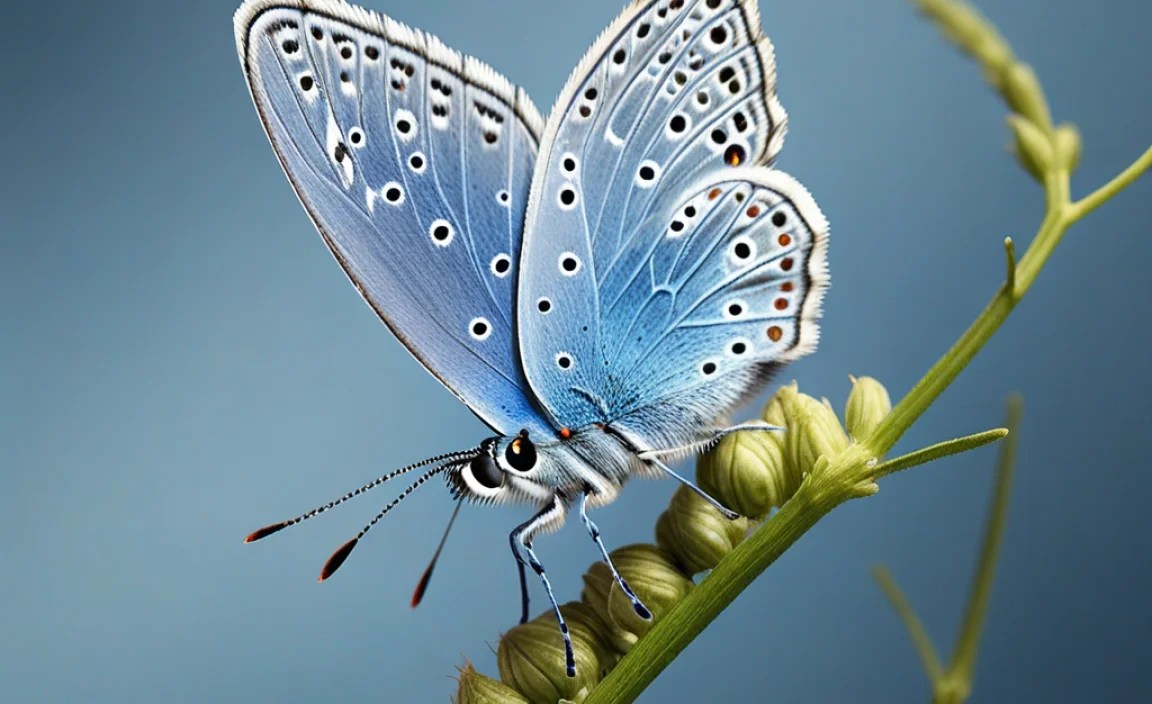
The Karner blue butterfly is a small, endangered butterfly known for its vibrant blue wings (in males) and grayish-brown wings (in females) with orange spots. To help protect them, learn to identify them, support habitat conservation efforts focused on their primary food source – wild lupine, and advocate for responsible land management practices in their natural range.
Have you ever been captivated by a flash of blue in a meadow, only to wonder what kind of butterfly it was? Identifying butterflies can sometimes feel like solving a mystery, especially when dealing with rare and endangered species. One butterfly that often sparks curiosity is the Karner blue.
This beautiful little butterfly is facing significant challenges, and understanding how to identify it and support its conservation is more important than ever. Together, we can learn about this amazing creature and contribute to its survival.
What is the Karner Blue Butterfly?

The Karner blue butterfly (Lycaeides melissa samuelis) is a subspecies of the Melissa blue butterfly. It’s a small butterfly, only about an inch wide, found in fragmented habitats across the northeastern and midwestern United States. What sets it apart is its dependence on wild lupine (Lupinus perennis) as its sole food source during the larval stage.
Appearance
Here’s a table summarizing the key features of the Karner blue butterfly’s appearance:
| Feature | Male | Female |
|---|---|---|
| Upperwing Color | Bright blue | Grayish-brown with blue near the body |
| Underwing Color | Gray with black spots surrounded by white rings and orange crescents near the edge | Gray with black spots surrounded by white rings and orange crescents near the edge |
| Size | About 1 inch | About 1 inch |
Habitat
Karner blue butterflies live in oak savannas and pine barrens, areas where wild lupine thrives. These habitats are characterized by:
- Sandy soil
- Open sunny areas
- Presence of wild lupine
Life Cycle
The Karner blue butterfly has a fascinating life cycle:
- Eggs: Laid on or near wild lupine plants in late summer.
- Larvae (Caterpillars): Emerge in spring and feed exclusively on wild lupine leaves.
- Pupae (Chrysalis): Form on or near the lupine plant.
- Adults: Emerge in late spring/early summer, mate, and lay eggs, completing the cycle. They have two broods per year.
Why are Karner Blue Butterflies Endangered?

The Karner blue butterfly is listed as an endangered species due to several factors:
- Habitat Loss: Development, agriculture, and fire suppression have reduced the availability of suitable habitats.
- Wild Lupine Decline: The decline of wild lupine, their primary food source, directly impacts their survival.
- Fire Suppression: Historically, natural fires maintained the open savanna habitats that lupine needs to thrive. Suppression of these fires allows forests to encroach, shading out the lupine.
- Pesticide Use: Insecticides can directly harm Karner blue butterflies and their larvae.
How to Identify a Karner Blue Butterfly

Identifying a Karner blue butterfly requires a keen eye and some knowledge of their key characteristics. Here’s a step-by-step guide:
Step 1: Observe the Size and Shape
Karner blue butterflies are small, typically with a wingspan of only about one inch. They have a delicate appearance, so take note of their overall size.
Step 2: Check the Upperwing Color
- Males: Bright, vibrant blue wings.
- Females: Grayish-brown wings, often with some blue coloring closer to the body.
This is the most distinguishing feature, but remember that females can have some blue, so look closely.
Step 3: Examine the Underwing Pattern
Both males and females have similar underwing patterns. Look for:
- Gray background color.
- Black spots surrounded by white rings.
- Orange crescents along the outer edges of the wings.
The arrangement and intensity of these markings can vary slightly, but the basic pattern remains consistent.
Step 4: Note the Habitat
Consider the location where you spotted the butterfly. Karner blues are typically found in oak savannas and pine barrens where wild lupine grows. If you’re in an area known for these habitats, it increases the likelihood of it being a Karner blue.
Step 5: Look for Wild Lupine
Since Karner blue caterpillars feed exclusively on wild lupine, the presence of this plant is a strong indicator. Look for the characteristic palmate leaves and purple flowers of wild lupine. You can find a detailed description of wild lupine at the US Fish & Wildlife Service website. If you see butterflies fluttering around these plants, observe them closely.
Step 6: Observe the Behavior
Karner blue butterflies have a distinctive flight pattern. They tend to fly low to the ground, often near wild lupine plants. Watch how they interact with their environment. Are they nectaring on flowers? Are the females laying eggs on lupine leaves?
Step 7: Compare with Similar Species
Several other blue butterfly species can be found in the same region as the Karner blue. It’s essential to distinguish it from similar species like the eastern tailed-blue or the spring azure. Pay close attention to the wing patterns and colors to differentiate them.
Step 8: Use a Field Guide or App
Field guides specific to butterflies of your region can be invaluable tools. They provide detailed descriptions and illustrations to help with identification. There are also several butterfly identification apps available for smartphones that can assist you in the field. Consider apps like iNaturalist or those developed by local butterfly organizations.
Step 9: Take a Photo
If possible, take a clear photo of the butterfly. This will allow you to examine it more closely later and compare it with images in field guides or online resources. Include a size reference in your photo, such as a coin or ruler, to help with scale.
Step 10: Report Sightings
If you believe you’ve spotted a Karner blue butterfly, consider reporting your sighting to a local conservation organization or government agency. These reports can help track populations and inform conservation efforts. Be sure to include details such as the date, location, habitat description, and, if possible, a photo.
Here is a summary table:
| Step | Action | Details |
|---|---|---|
| 1 | Size and Shape | Small butterfly, about 1 inch wingspan |
| 2 | Upperwing Color | Males: Bright blue; Females: Grayish-brown (sometimes with blue) |
| 3 | Underwing Pattern | Gray with black spots, white rings, and orange crescents |
| 4 | Habitat | Oak savannas and pine barrens |
| 5 | Wild Lupine | Presence of wild lupine plants |
| 6 | Behavior | Flies low to the ground, near lupine |
| 7 | Compare Species | Distinguish from similar blue butterflies |
| 8 | Field Guide/App | Use identification resources |
| 9 | Take a Photo | Capture clear images for later review |
| 10 | Report Sightings | Inform conservation organizations |
How to Help Karner Blue Butterflies
Even though the situation seems dire, there are many ways you can help protect the Karner blue butterfly:
- Support Habitat Conservation: Donate to organizations that work to protect and restore oak savannas and pine barrens. The Nature Conservancy, for example, is actively involved in preserving these habitats.
- Promote Wild Lupine: Encourage the growth of wild lupine in suitable areas. If you have property in or near Karner blue habitat, consider planting lupine.
- Advocate for Responsible Land Management: Support land management practices that benefit Karner blue butterflies, such as prescribed burns and selective logging. These practices help maintain open habitats and promote lupine growth.
- Reduce Pesticide Use: Avoid using pesticides in areas where Karner blue butterflies are present. If you must use pesticides, choose products that are least harmful to non-target insects and apply them carefully.
- Educate Others: Spread awareness about the Karner blue butterfly and its plight. The more people know about this endangered species, the more likely they are to support conservation efforts.
Frequently Asked Questions (FAQ)
What does the Karner blue butterfly eat?
The Karner blue butterfly caterpillar exclusively eats the leaves of wild lupine (Lupinus perennis). Adult butterflies feed on nectar from various flowers.
Where can I find Karner blue butterflies?
Karner blue butterflies are found in oak savannas and pine barrens in the northeastern and midwestern United States, wherever wild lupine grows.
Why is the Karner blue butterfly endangered?
The Karner blue butterfly is endangered due to habitat loss, decline of wild lupine, fire suppression, and pesticide use.
How can I help protect Karner blue butterflies in my backyard?
You can help by planting wild lupine, avoiding pesticide use, and supporting local conservation efforts.
What is the lifespan of a Karner blue butterfly?
Adult Karner blue butterflies typically live for only a few days to a few weeks.
Are there any other butterflies that look similar to the Karner blue?
Yes, several other blue butterfly species can be mistaken for the Karner blue. Pay close attention to wing patterns and colors for accurate identification.
What role does fire play in the Karner blue butterfly’s habitat?
Historically, natural fires maintained the open savanna habitats that lupine needs to thrive. Prescribed burns mimic these natural fires, preventing forests from encroaching and shading out the lupine.
Conclusion
The Karner blue butterfly, with its striking blue wings and critical role in its ecosystem, is a reminder of the delicate balance of nature. By understanding its unique needs and the threats it faces, we can all take steps to support its conservation. Whether it’s planting wild lupine, advocating for responsible land management, or simply spreading awareness, every action counts.
Let’s work together to ensure that future generations can witness the beauty and wonder of the Karner blue butterfly fluttering through its natural habitat. By turning knowledge into action, we can protect this precious species and the ecosystems it calls home.


