
Essex Skipper Butterfly: Your Easy ID Guide

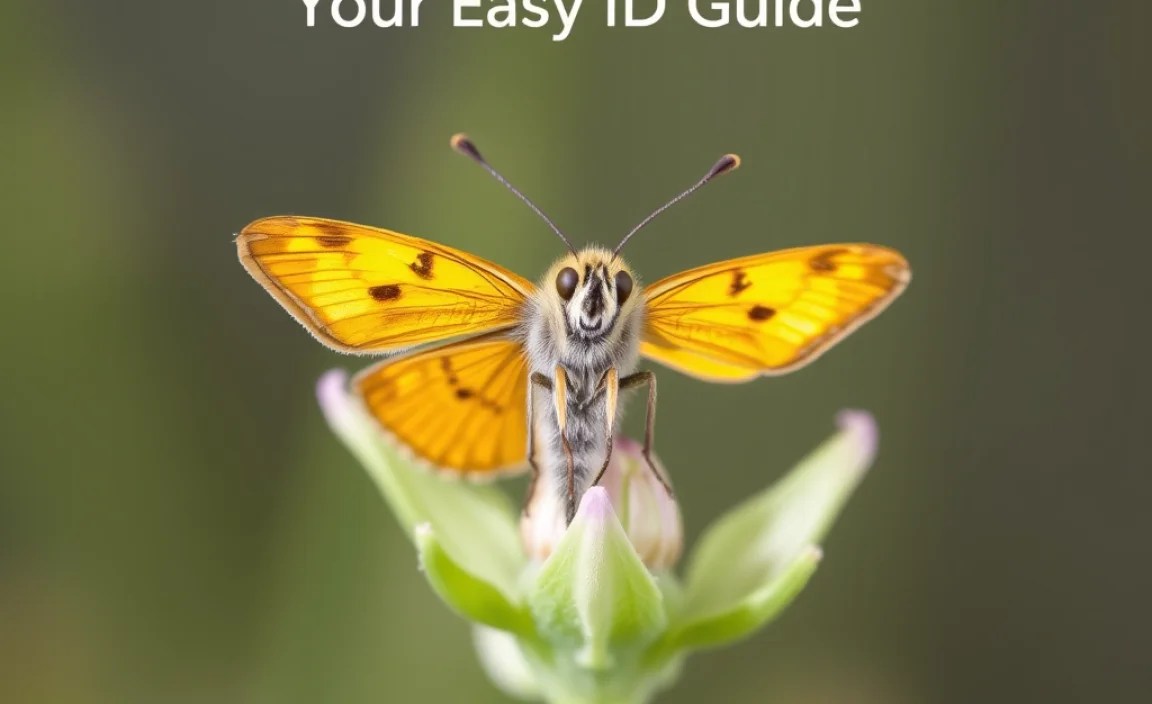
**The Essex skipper butterfly is a small, orange butterfly often seen in grasslands and gardens. To identify it, look for its slender, dark brown antennae tips, a key difference from the similar Small skipper. These butterflies are important pollinators and indicators of healthy grassland habitats.**
Have you ever spotted a small, orange butterfly flitting through your garden and wondered what it was? Identifying butterflies can sometimes feel like a tricky task, especially when different species look so similar. The Essex skipper butterfly is one that often gets mistaken for other skippers. Don’t worry, with a few simple tips, you’ll be able to confidently identify this charming little butterfly.
In this article, I’ll walk you through the key characteristics of the Essex skipper, where you can find them, and their importance in our ecosystem. By the end, you’ll not only know how to identify an Essex skipper, but you’ll also gain a deeper appreciation for these vital pollinators. Ready to become an Essex skipper expert? Let’s get started!
Identifying the Essex Skipper Butterfly

The Essex skipper (Thymelicus lineola) is a small butterfly belonging to the skipper family (Hesperiidae). Skippers are unique butterflies known for their rapid, skipping flight patterns. Identifying the Essex skipper involves looking at several key characteristics.
Key Identification Features
Here are the main features to look for when identifying an Essex skipper:
- Size: Small, with a wingspan of about 2.5 to 2.9 cm (approximately 1 inch).
- Color: Predominantly orange wings. The upperside is a bright, tawny orange, while the underside is a duller orange.
- Antennae Tips: This is the most important feature. The antennae tips are black. This is the easiest way to differentiate it from the Small skipper, which has orange-brown tips.
- Wing Shape: The wings are relatively short and rounded compared to other butterflies.
- Body: The body is slender and orange, matching the wing color.
Comparing Essex Skipper with Similar Species
The Essex skipper is often confused with the Small skipper (Thymelicus sylvestris). Here’s a table to help you distinguish between the two:
| Feature | Essex Skipper (Thymelicus lineola) | Small Skipper (Thymelicus sylvestris) |
|---|---|---|
| Antennae Tips | Black | Orange-brown |
| Wing Color | Bright orange | Slightly more yellow-orange |
| Habitat | Grasslands, meadows, gardens | Similar to Essex skipper |
| Abundance | Often more common in certain areas | Common, but may vary regionally |
Another butterfly that might cause confusion is the Lulworth skipper (Thymelicus acteon). Here’s how to tell them apart:
| Feature | Essex Skipper (Thymelicus lineola) | Lulworth Skipper (Thymelicus acteon) |
|---|---|---|
| Color | Orange-brown | Dark brown with pale spots |
| Underside | Duller orange | Greyish-brown |
| Habitat | Grasslands, meadows, gardens | Chalk downland and coastal grasslands |
| Distribution | Wider distribution | Restricted to southern coastal areas of England |
Behavioral Clues
Observing the behavior of butterflies can also aid in identification:
- Flight Pattern: Skippers have a distinctive, rapid, and erratic flight, often described as “skipping.”
- Nectar Sources: Essex skippers are attracted to various nectar-rich flowers such as thistles, knapweed, and clover.
- Resting Posture: When resting, they often hold their wings partially open.
Habitat and Distribution
Understanding the habitat and distribution of the Essex skipper can also help you identify it. Knowing where they are typically found narrows down the possibilities.
Geographical Range
The Essex skipper is widespread across Europe and Asia. In Europe, it can be found from southern Scandinavia to the Mediterranean. In Asia, its range extends to Japan. In the United Kingdom, it is common in southern and eastern England but has been expanding its range northward over recent decades, according to Butterfly Conservation.
Preferred Habitats
Essex skippers thrive in specific types of environments:
- Grasslands: They prefer grasslands with a variety of grasses and wildflowers.
- Meadows: Meadows provide an ideal habitat with plenty of nectar sources.
- Gardens: They can also be found in gardens, especially those that include butterfly-friendly plants.
- Roadside Verges: These areas often provide suitable grassy habitats.
Factors Influencing Distribution
Several factors influence the distribution of the Essex skipper:
- Climate: Warmer temperatures generally favor their expansion.
- Habitat Availability: The presence of suitable grasslands and meadows is crucial.
- Land Management: Practices that promote diverse grasslands, such as low-intensity grazing or occasional mowing, help maintain their habitat.
Life Cycle of the Essex Skipper

Understanding the life cycle of the Essex skipper offers insights into their behavior and habitat needs.
Egg Stage
- Appearance: The eggs are small and creamy-white when first laid, later turning a pale yellow.
- Location: Females lay their eggs on the stems or leaves of grass plants, particularly Cock’s-foot grass (Dactylis glomerata).
- Timing: Eggs are typically laid in late summer.
Larval Stage (Caterpillar)
- Appearance: The caterpillars are green with a darker green dorsal stripe.
- Feeding: They feed on various grasses, growing through several instars (stages) while molting their skin.
- Overwintering: The caterpillars overwinter as larvae, sheltering in the base of grass tussocks.
Pupal Stage (Chrysalis)
- Appearance: The pupa is a pale green color, blending in with the surrounding foliage.
- Location: The pupa is formed within a loose silk web attached to a grass stem.
- Duration: The pupal stage lasts for a few weeks.
Adult Stage
- Emergence: Adult butterflies emerge in early summer, typically from late June to August.
- Lifespan: Adult Essex skippers live for about two to three weeks, during which they focus on feeding and reproduction.
- Reproduction: Females lay their eggs, continuing the life cycle.
Attracting Essex Skippers to Your Garden

Creating a butterfly-friendly garden can help attract Essex skippers and support their populations. Here’s how:
Planting Nectar-Rich Flowers
Essex skippers, like all butterflies, rely on nectar for energy. Plant a variety of nectar-rich flowers that bloom throughout the summer.
- Thistles (Cirsium): These are highly attractive to Essex skippers.
- Knapweed (Centaurea): Another excellent nectar source.
- Clover (Trifolium): Both red and white clover are beneficial.
- Lavender (Lavandula): Provides nectar and a pleasant fragrance.
- Marjoram (Origanum): A favorite among many butterfly species.
Providing Host Plants for Caterpillars
To support the entire life cycle of the Essex skipper, include host plants for the caterpillars:
- Cock’s-foot Grass (Dactylis glomerata): This is the primary host plant for Essex skipper caterpillars.
- Other Grasses: Various other grasses can also serve as food sources.
Creating a Suitable Habitat
Enhance your garden to create an inviting habitat for Essex skippers:
- Sunny Spots: Butterflies need sunny areas to bask and warm up.
- Shelter: Provide shelter from wind with shrubs and trees.
- Avoid Pesticides: Pesticides can harm or kill butterflies and caterpillars. Opt for organic gardening methods.
- Water Source: A shallow dish of water with pebbles provides a place for butterflies to drink.
Sustainable Gardening Practices
Adopting sustainable gardening practices ensures a healthy environment for butterflies and other wildlife:
- Reduce Mowing: Allow grasses to grow longer in some areas to provide habitat for caterpillars.
- Plant Native Species: Native plants are best adapted to the local climate and provide the most suitable food and shelter for native butterflies.
- Composting: Use compost to enrich the soil, reducing the need for chemical fertilizers.
Conservation Status and Threats
Understanding the conservation status and threats faced by the Essex skipper is crucial for protecting this species.
Current Status
The Essex skipper is not currently classified as endangered. However, like many butterfly species, it faces several threats that could impact its population.
Threats to Essex Skipper Populations
- Habitat Loss: The loss of grasslands and meadows due to agricultural intensification, urbanization, and development is a major threat.
- Agricultural Practices: Intensive farming practices, such as the use of pesticides and herbicides, can harm butterflies and their host plants.
- Climate Change: Changes in temperature and rainfall patterns can affect the timing of butterfly life cycles and the availability of food sources.
- Overgrazing or Undergrazing: Improper grazing management can degrade grassland habitats.
Conservation Efforts
Several conservation efforts are in place to protect the Essex skipper and its habitat:
- Habitat Management: Conservation organizations and landowners manage grasslands and meadows to maintain diverse habitats. This includes practices such as controlled grazing, mowing, and scrub control.
- Habitat Restoration: Restoration projects aim to recreate or enhance grassland habitats that have been degraded or lost.
- Monitoring Programs: Monitoring programs track butterfly populations to assess their status and identify trends.
- Public Awareness: Raising public awareness about the importance of butterflies and their habitats can encourage conservation actions.
How You Can Help
Individuals can play a role in conserving the Essex skipper:
- Create Butterfly-Friendly Gardens: Plant nectar-rich flowers and host plants in your garden.
- Support Conservation Organizations: Donate to or volunteer with organizations that work to protect butterfly habitats.
- Advocate for Conservation: Support policies and initiatives that promote habitat conservation and sustainable land management.
- Report Sightings: Report your sightings of Essex skippers to local butterfly monitoring programs to help track their populations.
The Essex Skipper in Culture and Ecology
The Essex skipper, while small, plays a significant role in the ecosystem and has some cultural relevance.
Ecological Importance
- Pollination: As nectar-feeding adults, Essex skippers contribute to the pollination of various wildflowers and garden plants.
- Food Source: They serve as a food source for birds, small mammals, and other insects.
- Indicator Species: Their presence and abundance can indicate the health of grassland ecosystems.
Cultural Significance
While the Essex skipper may not have the same level of cultural significance as some larger, more colorful butterflies, it is still valued for its beauty and contribution to biodiversity. Butterflies, in general, hold cultural meanings in many societies:
- Symbolism: Butterflies often symbolize transformation, hope, and new beginnings.
- Art and Literature: They frequently appear in art, literature, and folklore, representing beauty and fragility.
Frequently Asked Questions
Here are some frequently asked questions about the Essex skipper butterfly:
- How can I tell the difference between an Essex skipper and a Small skipper?
- The easiest way to tell them apart is by looking at their antennae tips. Essex skippers have black antennae tips, while Small skippers have orange-brown tips.
- Where can I find Essex skippers?
- Essex skippers are commonly found in grasslands, meadows, and gardens, particularly in southern and eastern England. They are also widespread across Europe and Asia.
- What do Essex skipper caterpillars eat?
- Essex skipper caterpillars primarily feed on Cock’s-foot grass (Dactylis glomerata) and other grasses.
- When is the best time to see Essex skippers?
- Adult Essex skippers are typically seen from late June to August.
- How can I attract Essex skippers to my garden?
- Plant nectar-rich flowers like thistles, knapweed, and clover, and include host plants like Cock’s-foot grass. Provide sunny spots, shelter, and avoid using pesticides.
- Are Essex skippers endangered?
- No, Essex skippers are not currently classified as endangered, but they face threats from habitat loss and agricultural practices.
- What is the lifespan of an adult Essex skipper?
- Adult Essex skippers typically live for about two to three weeks.
Conclusion
The Essex skipper butterfly, with its bright orange wings and distinctive black antennae tips, is a delightful sight in grasslands and gardens. While it may be small, it plays a vital role in our ecosystem as a pollinator and indicator of habitat health. By learning to identify this charming butterfly and understanding its life cycle and habitat needs, you can contribute to its conservation. Plant nectar-rich flowers, provide host plants for caterpillars, and support sustainable gardening practices to create a welcoming environment for Essex skippers and other butterflies. Together, we can ensure that these beautiful creatures continue to grace our landscapes for generations to come.


