
Blue Butterflies in India: A Powerful Guide!

Quick Summary: India boasts a stunning array of blue butterflies, from the iridescent Blue Mormon, the country’s state butterfly of Maharashtra, to the tiny but vibrant Forget-Me-Not. These beauties can be found across diverse habitats, each with unique wing patterns and ecological roles. To attract them, plant native flowering plants and provide a safe, pesticide-free garden environment.
Have you ever been mesmerized by a flash of brilliant blue in your garden, only to realize it was a butterfly? India is home to some of the most breathtaking blue butterflies in the world. Identifying these delicate creatures can be a delightful adventure, and understanding their needs allows us to create havens where they can thrive. Whether you’re a seasoned naturalist or simply curious, this guide will help you discover the fascinating world of blue butterflies in India.
Discovering India’s Blue Butterflies: A Beginner’s Guide

India’s diverse landscapes provide a home to a remarkable variety of butterfly species, and among them, the blue butterflies stand out for their captivating beauty. These butterflies belong to several different families, but they share the common trait of having blue coloration on their wings, often shimmering with iridescent hues. Let’s explore some of the most enchanting blue butterflies found in India.
The Alluring Blue Mormon
The Blue Mormon (Papilio polymnestor) is not just any blue butterfly; it is the state butterfly of Maharashtra, India. This large and striking butterfly is a sight to behold, with its velvety black wings adorned with broad iridescent blue bands. The Blue Mormon is a strong flier and can often be seen gliding gracefully through forests and gardens.
- Appearance: Predominantly black wings with vibrant blue bands.
- Size: Large, with a wingspan of about 12-15 cm.
- Habitat: Commonly found in forests, gardens, and urban areas.
- Host Plants: Citrus species, such as lime and orange trees.
Attracting Blue Mormons to your garden is possible by planting their host plants. They are particularly fond of citrus trees, so consider adding a few to your landscape.
The Tiny but Mighty Forget-Me-Not
In contrast to the large Blue Mormon, the Forget-Me-Not (Catochrysops strabo) is a small and delicate butterfly. Don’t let its size fool you, though. Its bright blue wings edged with black and white markings make it a standout beauty. This butterfly is common in gardens, open woodlands, and grasslands.
- Appearance: Small with bright blue wings and black and white markings.
- Size: Small, with a wingspan of about 2-3 cm.
- Habitat: Gardens, open woodlands, and grasslands.
- Host Plants: Legumes like beans and peas.
To attract Forget-Me-Nots, plant legumes in your garden. These butterflies are also attracted to nectar-rich flowers, so include a variety of flowering plants in your garden.
The Common Cerulean: A Widespread Beauty
The Common Cerulean (Jamides celeno) is a widespread butterfly found throughout India. Its pale blue wings and distinctive black spots make it easy to identify. This butterfly is often seen flitting around flowering plants in gardens and forests.
- Appearance: Pale blue wings with black spots.
- Size: Medium, with a wingspan of about 3-4 cm.
- Habitat: Gardens and forests.
- Host Plants: Various plants including creepers and shrubs.
Planting a variety of flowering plants will help attract Common Ceruleans to your garden. They are particularly fond of nectar-rich flowers, so choose plants that bloom throughout the year.
The Chestnut Bob: A Unique Blue
The Chestnut Bob (lambrix salsala) is known for its robust body and rapid flight. The male exhibits a striking blue sheen on its wings, especially when viewed in sunlight. They are often found near forest edges and in open areas.
- Appearance: Robust body with a blue sheen on the wings (males).
- Size: Medium, with a wingspan of about 3-4 cm.
- Habitat: Forest edges and open areas.
- Host Plants: Various, including forest trees and shrubs.
Other Notable Blue Butterflies
India is also home to several other blue butterfly species, each with its own unique characteristics and habitat preferences. Some of these include:
- Lime Blue (Chilades lajus): A small butterfly with pale blue wings, often found near citrus trees.
- Pea Blue (Lampides boeticus): A migratory butterfly with iridescent blue wings, found in various habitats.
- Dark Cerulean (Jamides bochus): Similar to the Common Cerulean but with darker blue wings.
Identifying Blue Butterflies: Key Characteristics
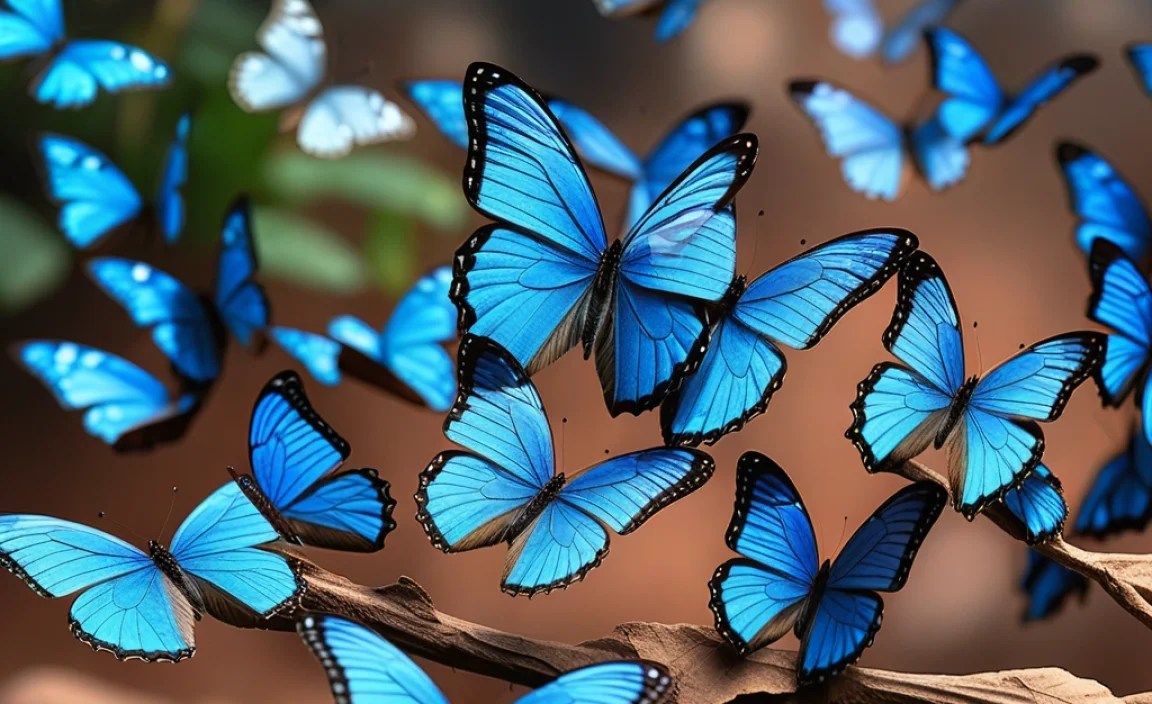
Identifying blue butterflies can be a rewarding experience. Here are some key characteristics to look for:
- Wing Color: The most obvious characteristic is the blue coloration of the wings. Pay attention to the shade of blue, as it can vary from pale to dark.
- Size: Blue butterflies come in various sizes, from small to large. Note the wingspan to help narrow down the species.
- Markings: Look for any spots, bands, or other markings on the wings. These markings can be unique to certain species.
- Habitat: Consider the habitat where you spotted the butterfly. Some species are more common in forests, while others prefer gardens or grasslands.
- Flight Pattern: Observe how the butterfly flies. Some species are strong fliers, while others have a more delicate flight pattern.
Creating a Butterfly-Friendly Garden
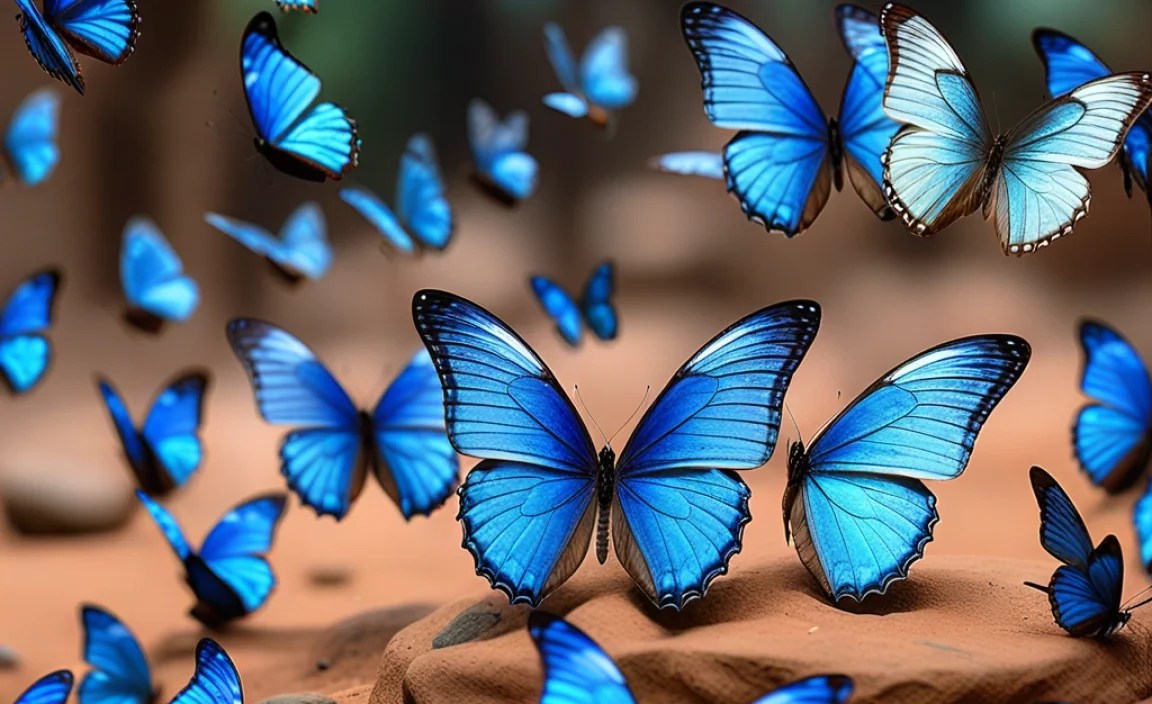
Attracting blue butterflies to your garden is easier than you might think. By providing the right food sources and habitat, you can create a haven for these beautiful creatures.
Plant Native Flowering Plants
Native flowering plants are the best source of nectar for butterflies. Choose a variety of plants that bloom throughout the year to provide a continuous food source. Some excellent choices for attracting blue butterflies include:
- Lantana: A colorful flowering shrub that attracts a wide range of butterflies.
- Hibiscus: A tropical flower that provides nectar and shelter for butterflies.
- Marigold: A bright and cheerful flower that attracts butterflies and other pollinators.
- Zinnia: An easy-to-grow flower that comes in a variety of colors and attracts butterflies.
- Cosmos: A delicate flower that provides nectar for butterflies and other insects.
Provide Host Plants
Butterflies need host plants to lay their eggs on. These plants serve as food for the caterpillars. Research which host plants are preferred by the blue butterflies in your area and include them in your garden. For example:
- Citrus trees: Host plants for the Blue Mormon.
- Legumes (beans, peas): Host plants for the Forget-Me-Not.
Provide a Water Source
Butterflies need water to stay hydrated. Provide a shallow dish of water with pebbles or stones for them to land on. This will prevent them from drowning.
Avoid Pesticides
Pesticides can be harmful to butterflies and other beneficial insects. Avoid using pesticides in your garden. Instead, use natural methods to control pests.
Create a Sheltered Environment
Butterflies need shelter from wind and rain. Plant trees and shrubs to create a sheltered environment in your garden.
The Ecological Importance of Blue Butterflies

Blue butterflies play an important role in the ecosystem. They are pollinators, helping to spread pollen from flower to flower. This is essential for the reproduction of many plants. Butterflies also serve as a food source for birds and other animals.
Pollination
Butterflies are important pollinators. As they feed on nectar, they transfer pollen from flower to flower. This helps plants to reproduce and produce seeds and fruits. The US Forest Service notes that butterflies can travel great distances while pollinating, ensuring genetic diversity among plant populations.
Food Source
Butterflies are a food source for birds, lizards, and other animals. Caterpillars are also an important food source for birds, especially during the breeding season.
Indicators of Environmental Health
Butterflies are sensitive to changes in their environment. Their presence or absence can indicate the health of an ecosystem. A decline in butterfly populations can be a sign of habitat loss, pollution, or climate change.
Conservation Efforts
Many butterfly species are threatened by habitat loss, pollution, and climate change. Conservation efforts are needed to protect these beautiful creatures and their habitats. Here are some ways you can help:
- Create a butterfly-friendly garden: Provide food and shelter for butterflies in your own backyard.
- Support conservation organizations: Donate to organizations that are working to protect butterfly habitats.
- Educate others: Share your knowledge about butterflies with friends, family, and community members.
- Reduce your carbon footprint: Climate change is a major threat to butterflies and other wildlife. Reduce your carbon footprint by conserving energy, using public transportation, and making sustainable choices.
Blue Butterflies in Culture and Symbolism
Beyond their ecological role, blue butterflies hold cultural significance in many societies, often symbolizing transformation, hope, and beauty.
Symbolism and Meaning
In many cultures, butterflies represent transformation and change. The butterfly’s life cycle, from egg to caterpillar to pupa to butterfly, is a powerful metaphor for personal growth and spiritual transformation. Blue butterflies, in particular, are often associated with hope, dreams, and the beauty of life.
Cultural Significance in India
In India, butterflies are often seen as symbols of good luck and prosperity. They are also associated with love and romance. The Blue Mormon, as the state butterfly of Maharashtra, holds a special place in the hearts of the people of that state.
Frequently Asked Questions
What attracts blue butterflies?
Blue butterflies are attracted to nectar-rich flowers and host plants for their caterpillars. Planting native flowering plants, citrus trees, and legumes can help attract them to your garden.
Where can I find blue butterflies in India?
Blue butterflies can be found in various habitats throughout India, including forests, gardens, and grasslands. The Blue Mormon is commonly found in Maharashtra, while other species are more widespread.
Are blue butterflies endangered?
Some butterfly species are threatened by habitat loss, pollution, and climate change. Supporting conservation efforts and creating butterfly-friendly habitats can help protect these creatures.
How can I tell the difference between different blue butterfly species?
Pay attention to the size, wing color, markings, and habitat of the butterfly. Use field guides and online resources to help identify different species.
What do blue butterfly caterpillars eat?
Blue butterfly caterpillars feed on various host plants, depending on the species. Some common host plants include citrus trees, legumes, and other native plants.
How long do blue butterflies live?
The lifespan of a blue butterfly varies depending on the species. Some species live for only a few weeks, while others can live for several months.
Why are butterflies important?
Butterflies are important pollinators and play a crucial role in the ecosystem. They also serve as a food source for birds and other animals and can indicate the health of an environment.
Additional Resources
For further information on blue butterflies and butterfly conservation, check out these resources:
- National Geographic – Butterflies
- The Xerces Society for Invertebrate Conservation
- Indian Foundation for Butterflies
Conclusion
The world of blue butterflies in India is a realm of vibrant beauty and ecological significance. From the majestic Blue Mormon to the delicate Forget-Me-Not, each species contributes to the rich biodiversity of the Indian subcontinent. By understanding their needs and creating butterfly-friendly habitats, we can help ensure that these enchanting creatures continue to thrive for generations to come. So, venture out into your garden or local park, and keep an eye out for these dazzling blue gems – you might just discover a newfound appreciation for the delicate wonders of nature.


