
Butterfly Notebooking Pages: Free & Beautiful!

Quick Summary:
Butterfly notebooking pages are printable templates designed to help you record and learn about butterflies! They are great for nature studies, homeschooling, or anyone who loves these beautiful insects. You can use them to draw butterflies, write down facts you discover, track life cycles, and more. They’re a fun way to get closer to nature and build a lasting record of your butterfly observations!
Have you ever watched a butterfly flutter by and wished you knew more about it? Maybe you’re fascinated by their colourful wings or their incredible journey during migration. It can be frustrating to try and remember all the details you learn. That’s where butterfly notebooking pages come in handy!
These pages are a simple and fun way to keep track of everything you discover about butterflies. Whether you’re a student, a nature enthusiast, or just curious, notebooking pages can help you organize your observations and create a beautiful record of your butterfly adventures. Let’s explore how to use them!
What are Butterfly Notebooking Pages?
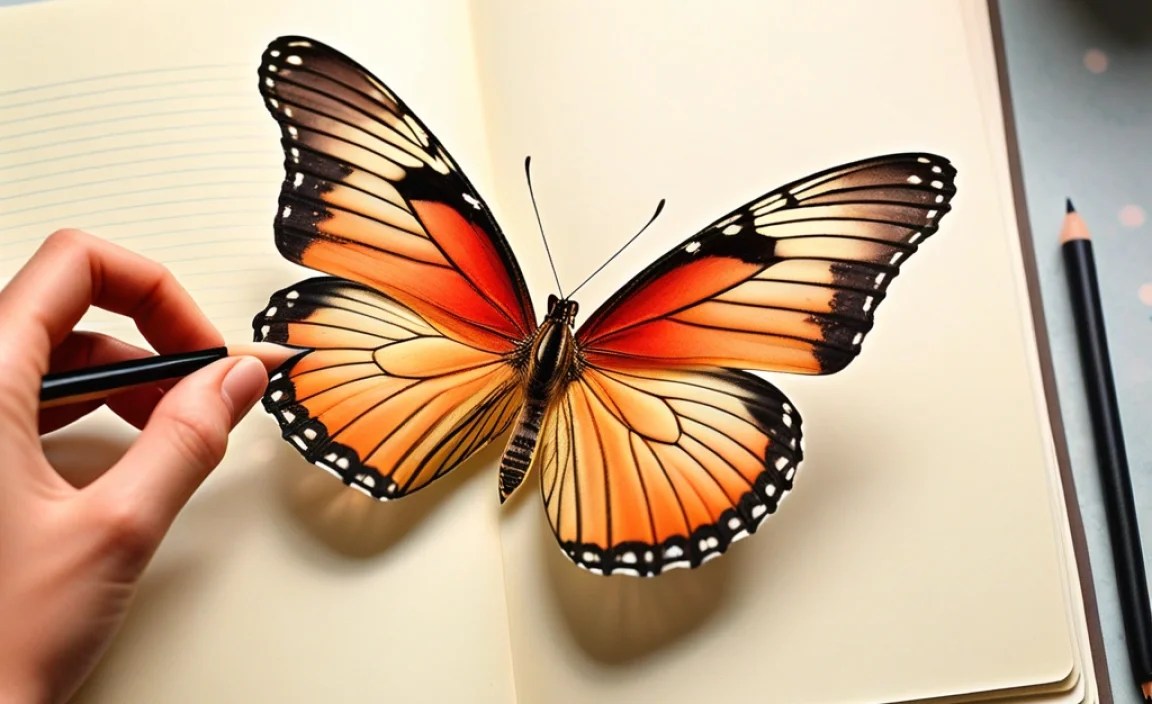
Butterfly notebooking pages are printable worksheets designed to help you document and learn about butterflies. They typically include spaces for:
- Drawing or sketching butterflies
- Writing down facts about different species
- Recording observations about their behaviour and habitat
- Tracking the butterfly life cycle (egg, larva, pupa, adult)
These pages can be used by children and adults alike, making them a versatile tool for learning about nature. They encourage observation, research, and creative expression.
Why Use Butterfly Notebooking Pages?

Using butterfly notebooking pages offers many benefits:
- Improved Observation Skills: Notebooking encourages you to pay closer attention to the details of butterfly appearance and behaviour.
- Enhanced Learning: Writing down facts helps reinforce your understanding of butterfly biology and ecology.
- Creative Expression: You can use notebooking pages to draw, paint, or write poems about butterflies.
- Personalized Learning: Tailor your notebooking pages to your specific interests and learning goals.
- Record Keeping: Create a lasting record of your butterfly observations and discoveries.
- Fun and Engaging: Notebooking makes learning about butterflies more interactive and enjoyable.
How to Use Butterfly Notebooking Pages: A Step-by-Step Guide

Here’s how to get started with butterfly notebooking:
Step 1: Gather Your Supplies
You’ll need a few basic supplies:
- Butterfly Notebooking Pages: You can find free printable pages online (more on that later) or purchase pre-made notebooks.
- Notebook or Binder: To store your completed pages.
- Pencils and Erasers: For sketching and writing.
- Coloured Pencils, Crayons, or Watercolours: To add colour to your drawings.
- Field Guides: To help you identify different butterfly species. The Butterflies and Moths of North America website is a great resource.
- Magnifying Glass: For closer observation of butterfly details.
- Camera: To capture photos of butterflies you encounter.
Step 2: Find Butterfly Notebooking Pages
There are many sources for butterfly notebooking pages:
- Free Printables: Many websites offer free downloadable notebooking pages. Search for “free butterfly notebooking pages” to find a variety of options.
- Homeschooling Resources: Homeschooling websites often have excellent notebooking resources.
- Educational Websites: Look for science or nature education websites that may offer printable pages.
- Create Your Own: You can also design your own notebooking pages using a word processor or drawing program.
Step 3: Choose Your Butterfly
Decide which butterfly you want to focus on. Here are a few ideas:
- A Butterfly You Saw in Your Garden: Observe it closely and record your observations.
- A Butterfly from Your Local Area: Research butterflies that are native to your region.
- A Butterfly with an Interesting Life Cycle: Learn about the monarch butterfly’s amazing migration.
- A Butterfly with a Unique Appearance: Study the camouflage of the viceroy butterfly.
Step 4: Observe and Research
Now it’s time to learn about your chosen butterfly!
- Observe: If possible, observe the butterfly in its natural habitat. Note its size, colour, markings, and behaviour.
- Research: Use field guides, websites, and books to learn about the butterfly’s life cycle, habitat, diet, and any interesting facts. The National Geographic website is a great place to start.
Step 5: Fill Out Your Notebooking Page
Use your observations and research to fill out the notebooking page. Here are some things you might include:
- Drawing or Sketch: Draw a picture of the butterfly, paying attention to its details.
- Identification: Write down the butterfly’s common and scientific name.
- Description: Describe its appearance, including its size, colour, and markings.
- Habitat: Note where the butterfly lives and what plants it prefers.
- Life Cycle: Describe the stages of the butterfly’s life cycle (egg, larva, pupa, adult).
- Diet: What does the butterfly eat as a larva (caterpillar) and as an adult?
- Interesting Facts: Record any interesting facts you learn about the butterfly. For example, monarch butterflies migrate thousands of miles!
Step 6: Add Colour and Personal Touches
Make your notebooking pages your own by adding colour and personal touches.
- Colour Your Drawings: Use coloured pencils, crayons, or watercolours to bring your drawings to life.
- Add Photos: If you have taken photos of butterflies, you can print them out and glue them to your notebooking pages.
- Write Poems or Stories: Express your appreciation for butterflies through creative writing.
- Add Pressed Flowers or Leaves: Collect flowers and leaves from the butterfly’s habitat and press them to add to your pages.
Step 7: Organize Your Pages
Keep your completed notebooking pages organized in a notebook or binder. You can organize them by:
- Butterfly Species: Group pages together by butterfly species.
- Date: Arrange pages in chronological order to track your observations over time.
- Habitat: Organize pages by the type of habitat where you observed the butterflies.
Examples of Butterfly Notebooking Page Templates
Here are some common elements you might find in butterfly notebooking pages, often formatted into a table for easy use:
| Section | Description | Example Content |
|---|---|---|
| Butterfly Name | Common and scientific name of the butterfly. | Monarch Butterfly (Danaus plexippus) |
| Appearance | Description of the butterfly’s colours, patterns, and size. | Bright orange wings with black veins and white spots. Wingspan of 3.5-4 inches. |
| Habitat | Where the butterfly lives (e.g., meadows, gardens, forests). | Open fields, meadows, and gardens with milkweed plants. |
| Life Cycle | Stages of the butterfly’s life cycle (egg, larva, pupa, adult). | Egg: Laid on milkweed leaves. Larva: Caterpillar feeds on milkweed. Pupa: Chrysalis forms. Adult: Butterfly emerges. |
| Diet | What the butterfly eats as a larva and as an adult. | Larva: Milkweed leaves. Adult: Nectar from flowers. |
| Interesting Facts | Any unique or noteworthy information about the butterfly. | Monarch butterflies migrate thousands of miles each year to overwinter in Mexico. |
| Drawing/Sketch | Space to draw or sketch the butterfly. | (Blank space for drawing) |
| Observations | Personal observations of the butterfly’s behaviour. | Observed the monarch butterfly nectaring on a purple coneflower in my garden. |
Finding Free Butterfly Notebooking Pages Online
Many websites offer free printable butterfly notebooking pages. Here are a few places to start your search:
- The Notebooking Nook: This website offers a variety of free notebooking pages, including butterfly-themed pages.
- Homeschool Share: A great resource for homeschooling materials, including butterfly notebooking pages.
- Teachers Pay Teachers: While some resources on this site are paid, many teachers offer free notebooking pages.
When searching for free printables, be sure to check the terms of use. Some pages may be for personal use only, while others may be used in a classroom setting.
Tips for Successful Butterfly Notebooking
Here are some tips to make your butterfly notebooking experience more enjoyable and educational:
- Be Patient: Observing butterflies takes time and patience. Don’t get discouraged if you don’t see a butterfly right away.
- Be Respectful: Observe butterflies from a distance and avoid disturbing their habitat. The Xerces Society has excellent resources on insect conservation.
- Be Curious: Ask questions and explore the world of butterflies with an open mind.
- Be Creative: Don’t be afraid to experiment with different drawing techniques and writing styles.
- Share Your Discoveries: Share your notebooking pages with friends, family, or classmates.
Butterfly Notebooking for Different Age Groups
Butterfly notebooking can be adapted for different age groups:
Young Children (Ages 5-7)
- Focus on basic observation skills.
- Use simple drawings and labels.
- Write short sentences about what they see.
- Focus on one or two key facts about each butterfly.
Older Children (Ages 8-12)
- Encourage more detailed drawings and descriptions.
- Introduce scientific names and terminology.
- Research different butterfly species and their habitats.
- Write short reports about their findings.
Teenagers and Adults
- Conduct in-depth research on specific butterfly topics.
- Explore butterfly conservation efforts.
- Create detailed scientific illustrations.
- Write essays or articles about butterflies.
Butterfly Notebooking and Citizen Science
Butterfly notebooking can be a great way to participate in citizen science projects. Many organizations track butterfly populations and migration patterns. By recording your butterfly observations, you can contribute valuable data to these projects.
Here are a few citizen science projects to consider:
- Journey North: Track the migration of monarch butterflies.
- eButterfly: Submit your butterfly sightings and photos.
- Butterfly Counts: Participate in local butterfly counts organized by conservation groups.
By participating in citizen science, you can help scientists learn more about butterflies and protect their habitats.
The Symbolism and Cultural Significance of Butterflies
Beyond their scientific interest, butterflies hold deep symbolic meaning in many cultures. They often represent:
- Transformation and Change: The butterfly’s metamorphosis from caterpillar to winged beauty symbolizes personal growth and transformation.
- Hope and Rebirth: Butterflies emerging from their chrysalises are seen as symbols of hope and new beginnings.
- Souls and Spirits: In some cultures, butterflies are believed to represent the souls of the departed.
- Beauty and Grace: Their delicate wings and graceful flight make butterflies symbols of beauty and elegance.
Consider exploring the cultural significance of butterflies in your notebooking pages. You might research how different cultures view butterflies and record your findings.
FAQ About Butterfly Notebooking Pages
Here are some frequently asked questions about using butterfly notebooking pages:
What age is butterfly notebooking suitable for?
Butterfly notebooking can be adapted for all ages! Younger children can focus on simple drawings and observations, while older children and adults can conduct more in-depth research.
Where can I find free butterfly notebooking pages?
Many websites offer free printable butterfly notebooking pages. Search online for “free butterfly notebooking pages” to find a variety of options.
What supplies do I need for butterfly notebooking?
You’ll need butterfly notebooking pages, a notebook or binder, pencils, coloured pencils, field guides, and a magnifying glass (optional).
How can I make my butterfly notebooking pages more creative?
Add colour to your drawings, write poems or stories about butterflies, or add pressed flowers and leaves to your pages.
Can I use butterfly notebooking to participate in citizen science?
Yes! Butterfly notebooking is a great way to record your butterfly observations and contribute data to citizen science projects.
What if I don’t know how to draw butterflies?
Don’t worry about being perfect! Just do your best to capture the butterfly’s key features. You can also trace photos or use stencils to help you draw.
How can I get started if I don’t know much about butterflies?
Start by observing butterflies in your garden or local park. Use field guides and websites to identify the species you see and learn about their life cycles and habitats.
Conclusion
Butterfly notebooking pages are a wonderful tool for learning about these fascinating creatures. They encourage observation, research, and creative expression. Whether you’re a student, a nature enthusiast, or just curious, butterfly notebooking can help you deepen your appreciation for the natural world.
So, grab your notebooking pages, head outside, and start exploring the world of butterflies! You’ll be amazed at what you discover.


