Hybridization in Butterfly Species: Discoveries!

Hybridization in butterfly species occurs when two distinct species interbreed, producing offspring with a mix of traits. This can lead to new variations, but also poses risks to the genetic integrity of butterfly populations, especially if hybrids are less fit or fertile. Understanding hybridization helps us protect these beautiful creatures and their unique genetic identities.
Have you ever wondered how butterflies can have such diverse colors and patterns? Sometimes, this variety comes from a fascinating, yet complex, process called hybridization. It happens when two different butterfly species mate and produce offspring. While this might sound like a simple mixing of genes, it can have significant effects on butterfly populations and their conservation. Don’t worry if it sounds complicated! We’ll walk through the process step-by-step. We’ll explore how it happens, why it matters, and what it means for the future of these incredible insects. Ready to discover the world of butterfly hybridization?
What is Hybridization in Butterflies?

As a naturalist and butterfly enthusiast, I often get asked about unusual butterfly sightings. Sometimes, these unusual butterflies are hybrids. Hybridization, in simple terms, is the process where two different species of butterflies interbreed and produce offspring. These offspring, known as hybrids, carry a mix of genetic material from both parent species.
Defining Species and Hybrids
Before diving deeper, let’s clarify what we mean by “species” and “hybrids.”
- Species: A group of butterflies that can naturally interbreed and produce fertile offspring. They share similar characteristics and genetic makeup.
- Hybrids: The offspring resulting from a mating between two different species. Hybrids often exhibit a combination of traits from both parent species.
How Does Hybridization Occur?
Hybridization isn’t always a common occurrence in nature. Several factors can lead to it:
- Overlapping Habitats: When the ranges of two different butterfly species overlap, they have a greater chance of encountering each other and potentially interbreeding.
- Habitat Disturbance: Human activities like deforestation or urbanization can disrupt natural habitats, forcing different species into closer proximity.
- Lack of Mate Choice: Sometimes, if a butterfly can’t find a mate of its own species, it might mate with a closely related species instead.
Examples of Butterfly Hybrids
Here are a few known examples of butterfly hybridization:
- Limenitis arthemis and Limenitis lorquini: These admiral butterflies are known to hybridize where their ranges overlap in North America, producing offspring with intermediate wing patterns.
- Swallowtail Butterflies (Papilio species): Several swallowtail species, such as the Eastern Tiger Swallowtail (Papilio glaucus) and the Canadian Tiger Swallowtail (Papilio canadensis), can hybridize, especially in areas where their ranges meet.
Why Does Hybridization Matter?
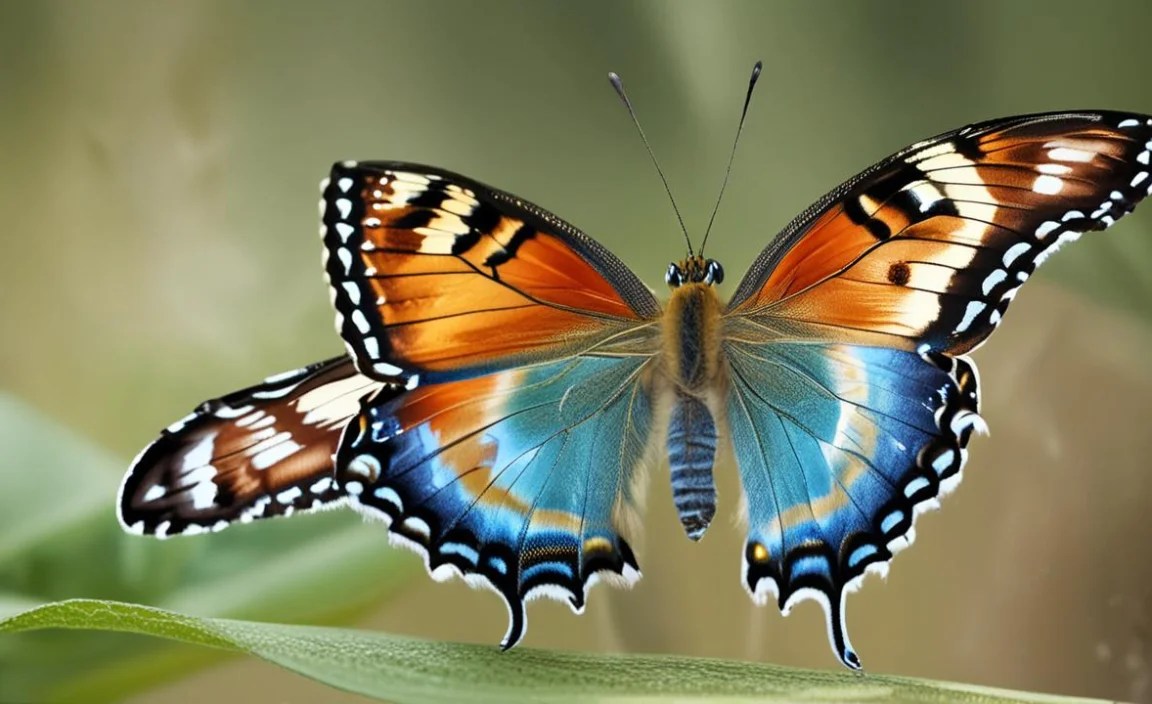
Hybridization can have various consequences for butterfly populations, both positive and negative. Understanding these effects is crucial for conservation efforts.
Potential Benefits of Hybridization
In some cases, hybridization can introduce beneficial genetic variation into a population.
- Increased Genetic Diversity: Hybridization can bring new genes into a population, potentially increasing its ability to adapt to changing environments.
- New Traits: Hybrids might exhibit novel traits that are advantageous, such as increased resistance to diseases or better adaptation to specific habitats.
Potential Risks of Hybridization
However, hybridization also carries potential risks:
- Outbreeding Depression: Hybrids may be less fit than their parent species, exhibiting reduced survival rates or fertility. This is known as outbreeding depression.
- Loss of Genetic Integrity: Frequent hybridization can blur the genetic boundaries between species, leading to a loss of unique genetic identities.
- Threat to Endangered Species: If an endangered species hybridizes with a more common one, its unique genetic makeup can be diluted, potentially leading to its extinction.
Case Study: Hybridization in Swallowtail Butterflies
Swallowtail butterflies in the genus Papilio provide a fascinating case study of hybridization. Several species within this group are known to hybridize, particularly where their ranges overlap. For instance, the Eastern Tiger Swallowtail (Papilio glaucus) and the Canadian Tiger Swallowtail (Papilio canadensis) can produce hybrids with intermediate characteristics.
The consequences of this hybridization are complex. While it might introduce some beneficial genetic variation, it also raises concerns about the long-term genetic integrity of both species. Conservation efforts in these areas need to carefully consider the potential impacts of hybridization.
Factors Influencing Hybridization

Several environmental and genetic factors can influence the likelihood and outcomes of hybridization in butterflies.
Environmental Factors
Environmental conditions play a significant role in determining whether hybridization occurs.
- Climate Change: Altered climate patterns can shift the ranges of butterfly species, leading to increased overlap and hybridization.
- Habitat Fragmentation: Destruction and fragmentation of habitats can force different species into closer contact, increasing the chances of interbreeding.
- Introduction of Non-Native Species: The introduction of non-native butterfly species can disrupt existing ecosystems and lead to hybridization with native species.
Genetic Factors
Genetic compatibility between species also influences the success of hybridization.
- Genetic Similarity: Closely related species are more likely to produce viable hybrids than distantly related ones.
- Chromosomal Compatibility: Differences in chromosome number or structure can affect the fertility of hybrids.
- Behavioral Isolation: Differences in mating behaviors or pheromones can prevent hybridization, even if species are closely related.
Identifying Butterfly Hybrids

Identifying butterfly hybrids can be challenging, as they often exhibit a mix of traits from both parent species. However, there are several clues to look for.
Physical Characteristics
Hybrids often display intermediate physical characteristics.
- Wing Patterns: Look for wing patterns that combine elements from both parent species. For example, a hybrid might have the general shape of one species but the coloration of another.
- Size and Shape: Hybrids may have a size or body shape that falls between that of the two parent species.
- Coloration: The colors of a hybrid butterfly might be a blend of the colors found in its parent species.
Genetic Analysis
Genetic testing provides a more definitive way to identify hybrids.
- DNA Sequencing: Analyzing the DNA of a butterfly can reveal whether it carries genetic material from multiple species.
- Molecular Markers: Specific genetic markers can be used to identify the parentage of a hybrid.
Behavioral Observations
Sometimes, behavior can also provide clues.
- Mating Behavior: Observe whether the butterfly attempts to mate with individuals from both parent species.
- Habitat Preference: Hybrids might occupy habitats that are intermediate between those preferred by their parent species.
Conservation Implications
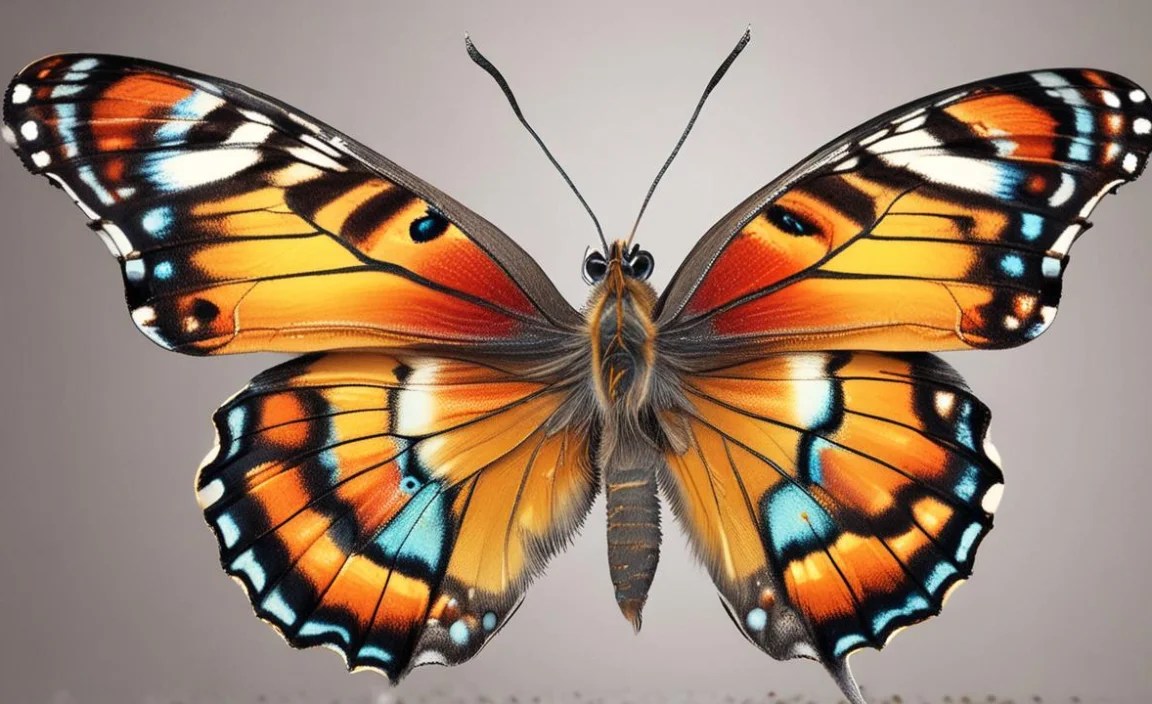
Hybridization poses significant challenges for butterfly conservation. It’s important to develop strategies that address these challenges effectively.
Managing Hybridization
Managing hybridization requires a careful and nuanced approach.
- Habitat Preservation: Protecting and restoring natural habitats can reduce the likelihood of hybridization by maintaining species separation.
- Monitoring Populations: Regularly monitoring butterfly populations can help detect hybridization events early on.
- Captive Breeding Programs: In some cases, captive breeding programs can be used to preserve the genetic integrity of endangered species.
Ethical Considerations
Conservation efforts must also consider the ethical implications of intervening in natural processes.
- Balancing Genetic Purity and Adaptation: Deciding whether to prioritize the preservation of genetic purity or allow for natural adaptation through hybridization can be a difficult choice.
- Impact on Ecosystems: Interventions aimed at managing hybridization can have unintended consequences on entire ecosystems.
How to Help Butterflies
Everyone can play a role in protecting butterflies and their habitats. Here are some simple steps you can take:
- Plant Native Flowers: Native flowers provide the best source of nectar for butterflies.
- Avoid Pesticides: Pesticides can harm butterflies and other beneficial insects.
- Create a Butterfly Garden: Design a garden that provides food, water, and shelter for butterflies.
- Support Conservation Organizations: Donate to or volunteer with organizations that work to protect butterfly habitats.
Tools for Butterfly Identification
Identifying butterflies, including potential hybrids, can be made easier with the right tools.
Field Guides
Field guides are essential for visual identification.
- Regional Guides: Choose field guides that are specific to your geographic area.
- Photo-Based Guides: Guides with high-quality photographs can be particularly helpful.
Online Resources
Numerous online resources can assist with identification.
- Butterfly Identification Websites: Websites like Butterflies and Moths of North America (BAMONA) provide detailed information and images.
- Citizen Science Platforms: Platforms like iNaturalist allow you to submit photos of butterflies and get help with identification from experts.
Apps
Smartphone apps can be convenient tools for identifying butterflies in the field.
- Picture Insect: An app that uses image recognition to identify insects, including butterflies.
- Seek by iNaturalist: An app that helps you identify plants and animals using your phone’s camera.
Further Research and Resources
To deepen your understanding of butterfly hybridization, consider exploring these resources:
- Scientific Journals: Publications like “Evolution” and “Conservation Biology” often feature research on hybridization.
- Books: “The Butterflies of North America” by James A. Scott is a comprehensive guide to North American butterflies.
- Websites: The Xerces Society website offers valuable information on butterfly conservation and identification.
Table: Comparison of Hybridization Benefits and Risks
| Aspect | Potential Benefits | Potential Risks |
|---|---|---|
| Genetic Diversity | Increases genetic variation, enhancing adaptability. | Can lead to outbreeding depression, reducing fitness. |
| Species Integrity | May introduce new traits. | Blurs genetic boundaries, threatening species identities. |
| Endangered Species | Potentially increases resilience. | Dilutes unique genetic makeup, risking extinction. |
| Ecosystem Effects | May lead to novel adaptations. | Unpredictable impacts on ecosystem dynamics. |
Table: Tools for Butterfly Identification
| Tool | Description | Pros | Cons |
|---|---|---|---|
| Field Guides | Printed guides with photos and descriptions. | Portable, detailed information. | Can be bulky, requires some knowledge. |
| Online Resources | Websites with databases and identification tools. | Accessible, often free, updated information. | Requires internet access, variable accuracy. |
| Smartphone Apps | Apps that use image recognition for identification. | Convenient, fast results. | Accuracy varies, may require subscription. |
| Citizen Science Platforms | Platforms for submitting photos and getting expert help. | Connects with experts, contributes to research. | Requires time, identification may not be immediate. |
FAQ About Hybridization in Butterfly Species
Here are some frequently asked questions about hybridization in butterfly species:
What exactly is a butterfly hybrid?
A butterfly hybrid is the offspring of two different butterfly species that have mated. These hybrids carry a mix of genetic traits from both parent species.
How common is hybridization in butterflies?
Hybridization is relatively rare but can occur more frequently when habitats are disturbed or when species’ ranges overlap.
Can butterfly hybrids reproduce?
Some butterfly hybrids are fertile and can reproduce, while others are infertile. Fertility often depends on the genetic compatibility of the parent species.
Why is hybridization a concern for butterfly conservation?
Hybridization can threaten endangered species by diluting their unique genetic makeup and potentially leading to outbreeding depression.
How can I identify a butterfly hybrid in my garden?
Look for butterflies with wing patterns or colors that seem intermediate between two known species in your area. Genetic testing provides the most definitive identification.
Does climate change affect hybridization in butterflies?
Yes, climate change can alter species ranges, leading to increased overlap and opportunities for hybridization.
What can I do to help prevent harmful hybridization?
Support habitat preservation and restoration efforts, and avoid introducing non-native butterfly species to your area.
Conclusion
Understanding hybridization in butterfly species is crucial for effective conservation efforts. As we’ve explored, hybridization can have both positive and negative consequences, from introducing beneficial genetic variation to threatening the genetic integrity of endangered species. By recognizing the factors that influence hybridization and learning how to identify hybrids, we can better protect these beautiful creatures and their diverse ecosystems.
As a butterfly enthusiast, I encourage you to continue learning and exploring the fascinating world of butterflies. Whether you’re planting native flowers in your garden, participating in citizen science projects, or simply observing these delicate creatures in their natural habitats, your efforts contribute to their conservation. Together, we can ensure that future generations will continue to marvel at the beauty and diversity of butterflies.