
Butterfly Flight Distance: How Far Can They Go?

Butterflies can fly anywhere from a few feet to thousands of miles! Most butterflies stay within a few acres of where they hatch, but some migratory species, like the Monarch, travel incredible distances. The flight range depends on factors like species, habitat, and weather conditions.
Have you ever wondered just how far those beautiful butterflies can fly? It’s a question that fascinates many nature lovers. It can be tricky to get clear answers. The flight distance of a butterfly varies greatly depending on its species and environment. But don’t worry! This guide will help you understand the amazing distances butterflies can cover. We’ll explore the factors that affect their flight and highlight some incredible long-distance champions of the butterfly world.
Ready to learn about the flight capabilities of these delicate creatures? We’ll uncover the secrets behind their journeys, from short hops in your garden to epic migrations across continents. Let’s begin!
Understanding Butterfly Flight Distance
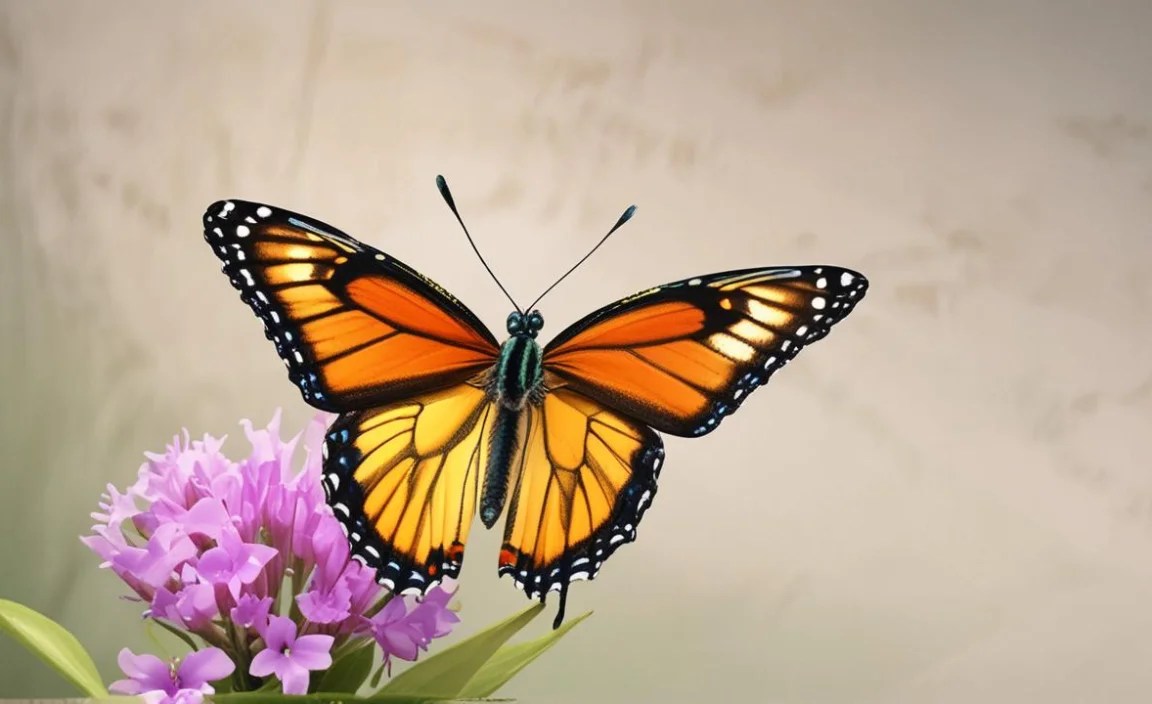
Butterfly flight distance is not a simple measurement. It’s affected by many things. Let’s explore the key factors that play a role.
Factors Influencing Flight Range
Several elements determine how far a butterfly can fly:
- Species: Different butterfly species have different flight capabilities. Some are built for short, quick flights, while others can handle long migrations.
- Habitat: The availability of food and shelter impacts a butterfly’s flight. Butterflies in rich habitats may not need to travel far.
- Weather Conditions: Wind, temperature, and humidity all affect flight. Strong winds can help or hinder flight, while ideal temperatures keep butterflies active.
- Age and Health: A butterfly’s age and health will impact its ability to fly.
- Sex: Often females fly shorter distances and males fly longer distances to find females.
Types of Butterfly Flight
Butterflies exhibit different flight patterns based on their needs:
- Local Flights: Short flights within a small area, usually for feeding or mating.
- Migration: Long-distance, seasonal movements to find better climates or breeding grounds.
- Dispersal: One-way movement from a birth area to new habitats.
The Amazing Flight Ranges of Different Butterflies

Let’s look at specific butterfly species and their typical flight distances.
Monarch Butterfly (Danaus plexippus)
The Monarch butterfly is famous for its long migration. It can travel up to 3,000 miles during its journey from Canada and the US to Mexico. These butterflies make this trip to avoid cold weather and find breeding grounds. You can learn more about Monarch migration on the World Wildlife Fund website.
Painted Lady Butterfly (Vanessa cardui)
The Painted Lady is another migratory species. It can fly long distances, sometimes covering thousands of miles across continents. These butterflies are known for their unpredictable movements, driven by food availability and climate.
Swallowtail Butterflies (Papilio spp.)
Swallowtail butterflies include many species with varying flight ranges. Some, like the Eastern Tiger Swallowtail, mainly stay in their local area. Others, like the Anise Swallowtail, can disperse over longer distances to find host plants.
Cabbage White Butterfly (Pieris rapae)
Cabbage White butterflies are common garden visitors. They typically fly short distances, searching for host plants to lay eggs on. Their flights are usually within a few acres.
Other Common Butterflies
Many other butterflies have more limited flight ranges. These include:
- Blues (Lycaenidae): Often stay close to their host plants, flying only short distances.
- Skippers (Hesperiidae): Quick, darting flights within a small area.
- Brush-footed Butterflies (Nymphalidae): Varies greatly; some migrate, while others remain local.
How Weather Impacts Butterfly Flight
Weather conditions play a big role in butterfly flight. Let’s see how different weather elements affect them.
Wind
Wind can be a friend or foe to butterflies. Light winds can help them glide, saving energy. Strong winds, however, make it hard to control their flight. Butterflies often seek shelter during windy conditions.
Temperature
Butterflies need warmth to fly. Their muscles work best at certain temperatures. On cool days, they bask in the sun to warm up. Very hot temperatures can also be a problem, causing them to seek shade.
Rain and Humidity
Rain can weigh down a butterfly’s wings, making it hard to fly. High humidity can also affect their flight performance. Butterflies usually find shelter during rain to protect themselves.
Butterfly Migration: Long-Distance Champions

Some butterflies are true long-distance travelers. Migration is a key part of their life cycle. They move to find better conditions for survival and reproduction.
Monarch Migration Explained
Monarch butterflies undertake one of the most amazing migrations in the animal kingdom. They travel thousands of miles from North America to Mexico and California. This journey takes several generations to complete. Each fall, the eastern population migrates to the oyamel fir forests in Mexico. The western population migrates to overwintering sites along the California coast.
Other Migratory Butterflies
Besides Monarchs, other butterflies also migrate:
- Painted Lady: Migrates across continents, including Europe, Asia, and North America.
- Cloudless Sulphur: Moves north in the spring and south in the fall in North America.
- Common Buckeye: Migrates north in the summer and south in the fall in North America.
Tracking Butterfly Movements
Scientists use various methods to study butterfly flight and migration patterns.
Tagging
Tagging involves attaching small, lightweight tags to butterflies. These tags have unique codes that allow researchers to track their movements. When a tagged butterfly is found, the information is reported, helping to map migration routes.
Radar
Radar technology can detect large groups of migrating butterflies. This helps scientists understand the scale and direction of their movements. Radar is especially useful for tracking high-flying butterflies.
Citizen Science
Citizen science projects rely on volunteers to observe and report butterfly sightings. These projects provide valuable data on butterfly distribution and migration patterns. You can participate through programs like the Journey North project.
Genetic Studies
Genetic analysis helps determine the origins and relationships of different butterfly populations. By studying their DNA, scientists can learn about their migration history and how they adapt to different environments.
Attracting Butterflies to Your Garden
You can create a butterfly-friendly garden to support these amazing creatures. Here’s how:
Planting Host Plants
Host plants are essential for butterfly reproduction. These are the plants that caterpillars feed on. Some popular host plants include:
- Milkweed: For Monarch butterflies.
- Parsley, Dill, Fennel: For Swallowtail butterflies.
- Cabbage, Broccoli, Kale: For Cabbage White butterflies.
Providing Nectar Sources
Nectar-rich flowers provide butterflies with the energy they need to fly. Choose a variety of flowers that bloom at different times of the year. Some good nectar sources include:
- Butterfly Bush (Buddleja davidii)
- Zinnia
- Lantana
- Salvia
- Coneflowers (Echinacea)
Creating Shelter
Butterflies need shelter from wind and rain. Plant shrubs and trees to provide protected areas. You can also create rock piles or brush piles for them to hide in.
Avoiding Pesticides
Pesticides can harm butterflies and other beneficial insects. Avoid using pesticides in your garden. Instead, use natural pest control methods.
Providing Water
Butterflies need water to stay hydrated. Create a shallow dish of water with pebbles or sand for them to land on. Make sure the water is always fresh and clean.
Conserving Butterfly Habitats
Protecting butterfly habitats is crucial for their survival. Here are some ways you can help:
Supporting Conservation Organizations
Many organizations work to protect butterfly habitats. Support these groups through donations or volunteer work. Some reputable organizations include:
Promoting Native Plants
Native plants are best for butterflies. They provide the food and shelter that butterflies need. Encourage the use of native plants in your community.
Reducing Habitat Loss
Habitat loss is a major threat to butterflies. Protect natural areas from development. Support policies that conserve butterfly habitats.
Educating Others
Spread the word about butterfly conservation. Educate your friends, family, and community about the importance of protecting butterflies and their habitats.
Butterfly Flight Distance: A Summary Table
Here is a table summarizing the flight distances of different butterfly species:
| Butterfly Species | Typical Flight Distance | Notes |
|---|---|---|
| Monarch Butterfly | Up to 3,000 miles | Migrates between North America and Mexico |
| Painted Lady Butterfly | Thousands of miles | Migrates across continents |
| Swallowtail Butterflies | Varies; some local, some disperse | Depends on species and habitat |
| Cabbage White Butterfly | Short distances (few acres) | Common garden butterfly |
| Blues | Short distances | Stay close to host plants |
| Skippers | Short, darting flights | Within a small area |
Factors Affecting Butterfly Flight: A Quick Guide
Here’s a table summarizing the factors that affect butterfly flight:
| Factor | Impact on Flight |
|---|---|
| Species | Determines flight capabilities (short vs. long distances) |
| Habitat | Availability of food and shelter influences flight range |
| Weather | Wind, temperature, and rain affect flight performance |
| Age and Health | Healthy, younger butterflies fly more effectively |
| Sex | Males often fly longer distances to find females |
FAQ About Butterfly Flight Distance
How far can a butterfly fly without stopping?
Most butterflies can fly for several hours without stopping, especially if they have access to nectar sources along the way. Migratory butterflies like the Monarch can fly for days as they travel long distances, relying on stored energy reserves.
What is the fastest recorded butterfly flight?
The fastest butterfly flight speeds can reach up to 30 miles per hour, but this is usually during short bursts. Average flight speeds are generally much slower, around 5 to 12 miles per hour.
Do butterflies fly at night?
Most butterflies are diurnal, meaning they are active during the day. However, some moth species, which are closely related to butterflies, are nocturnal and fly at night.
How do butterflies navigate during migration?
Butterflies use a combination of methods to navigate, including the Earth’s magnetic field, the position of the sun, and visual landmarks. Monarch butterflies, for example, have a “magnetic compass” in their antennae that helps them orient themselves during their long migration.
What role does nectar play in butterfly flight?
Nectar is the primary energy source for butterflies. It provides the sugars they need to power their flight muscles. Butterflies can fly farther and longer when they have access to plenty of nectar-rich flowers.
Can butterflies fly in the rain?
Butterflies can fly in light rain, but heavy rain can weigh down their wings and make it difficult for them to fly. They typically seek shelter under leaves or in protected areas during heavy rain.
How does climate change affect butterfly flight distance?
Climate change can alter butterfly migration patterns and flight distances. Changes in temperature and weather patterns can affect the availability of host plants and nectar sources, forcing butterflies to fly farther to find suitable habitats.
Conclusion
Understanding butterfly flight distance involves many factors. From species-specific capabilities to environmental influences, each plays a vital role. Whether it’s the epic journey of the Monarch or the short hop of a Cabbage White, every flight is a testament to nature’s beauty. By creating butterfly-friendly habitats and supporting conservation, we can help these amazing creatures thrive. So, next time you see a butterfly, take a moment to appreciate its incredible journey and the delicate balance of its world.


