
Blue Morpho Breeding Enclosures: The Ultimate Guide

Do you love butterflies? Have you ever seen a Blue Morpho? These butterflies are big and bright. They are a beautiful, shimmering blue color. People all around the world love them. Some people even want to raise them. To do this, they need special places. These places are called Blue Morpho breeding enclosures.
Raising butterflies needs care. It is important to know what they need. This article will teach you about Blue Morpho breeding enclosures. You will learn how to make a great home for these amazing creatures. Get ready to learn all about butterflies!
Key Takeaways
- Blue Morpho breeding enclosures need proper humidity and temperature control.
- Caterpillars need specific plants to eat and grow big and strong.
- Cleanliness is very important to prevent diseases in your enclosure.
- The right size enclosure gives butterflies enough space to fly and breed.
- Good airflow and lighting are key for healthy butterfly development.
Setting Up Blue Morpho Breeding Enclosures
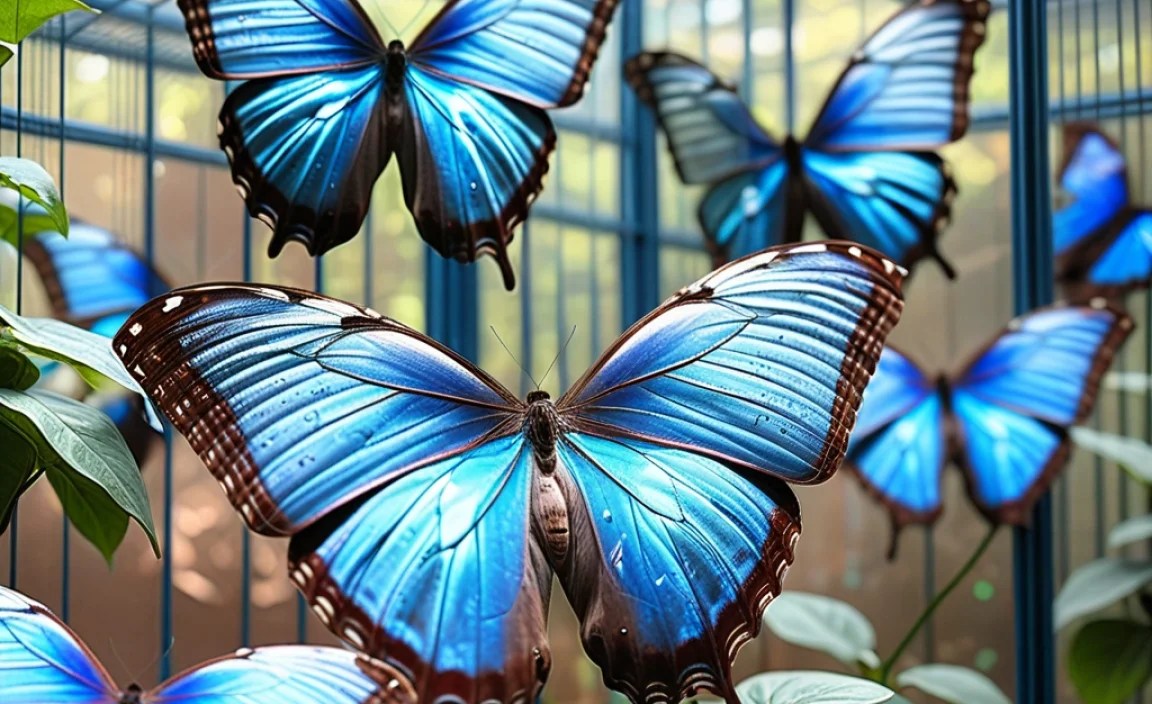
Setting up Blue Morpho breeding enclosures is super important. These butterflies need a special home to grow. The enclosure keeps them safe from harm. It also helps you control their environment. Think of it like building a cozy house. But this house is for butterflies! You need to consider a few things. How big should it be? What should you put inside? How can you keep it clean? These are all good questions. Making the perfect enclosure takes planning. But it is worth it to see these beautiful butterflies thrive. A good enclosure makes raising Blue Morphos easier and more fun. The right setup will help the butterflies stay healthy and happy. Then you can watch them grow from tiny eggs to amazing butterflies. Isn’t that an exciting idea?
- Choose a large enclosure for flight.
- Use netting or a screen for the walls.
- Add plants that caterpillars can eat.
- Include branches for butterflies to rest.
- Keep the enclosure in a warm place.
Think about where you will put the enclosure. It should be in a place that is not too hot or too cold. Butterflies like warm, humid places. You can use a humidifier to keep the air moist. You can also use a heater if it gets too cold. Make sure the enclosure gets enough light. But don’t put it in direct sunlight. Too much sun can overheat the butterflies. Good airflow is also important. You can use a small fan to keep the air moving. Cleaning the enclosure regularly is a must. Remove any dead leaves or waste. This will help prevent diseases. With a little care, your Blue Morpho breeding enclosure will be a perfect home for these amazing creatures.
Fun Fact or Stat: Blue Morpho butterflies can only see red, green, and yellow!
What Size Enclosure Do You Need?
How big should your butterfly home be? This is a very important question! Butterflies need space to fly around. If the enclosure is too small, they might get stressed. A good size for a Blue Morpho breeding enclosure is about six feet tall, four feet wide, and four feet deep. This gives them plenty of room to move. If you want to raise many butterflies, you might need an even bigger space. Remember, happy butterflies are healthy butterflies. The right size enclosure helps them stay that way. It lets them stretch their wings and fly freely. A spacious enclosure also makes it easier for them to find food and mates. It is like giving them a big playground to enjoy. So, when you are planning your enclosure, think big!
What Materials Work Best for Enclosures?
Choosing the right materials is important for your butterfly enclosure. You need something that is strong and safe. Many people use netting or screen for the walls. This lets air flow through. It also keeps the butterflies from escaping. The frame of the enclosure can be made of wood or metal. Wood is nice because it looks natural. Metal is good because it is strong and easy to clean. Make sure the materials are not treated with chemicals. Chemicals can hurt the butterflies. You also need a door or opening to get inside. This should be easy to open and close. It should also seal tightly to keep the butterflies in. The bottom of the enclosure should be easy to clean. You can use a tray or liner to catch any waste. Picking the right materials will make your enclosure last longer and keep your butterflies safe.
How to Keep Your Enclosure Clean
Keeping your Blue Morpho breeding enclosures clean is very important. A clean enclosure helps prevent diseases. It also makes the butterflies feel more comfortable. You should clean the enclosure at least once a week. Remove any dead leaves or waste. Wipe down the walls and floor with a damp cloth. You can use a mild soap if needed. But be sure to rinse it off well. Change the plants regularly. Old plants can rot and cause problems. You should also clean the water dishes. Algae can grow in the water and make it dirty. A clean enclosure is a happy enclosure. It helps your butterflies stay healthy and strong. Plus, it makes your butterfly raising experience more enjoyable. Nobody wants to work in a dirty space!
Maintaining Proper Temperature and Humidity
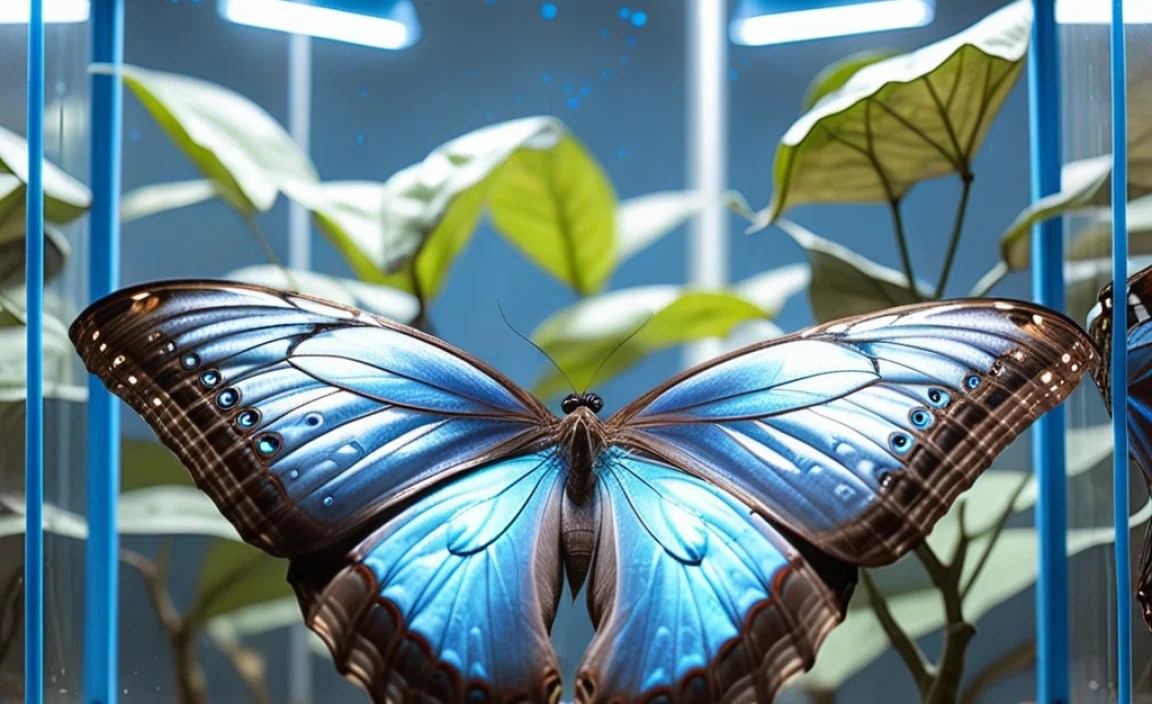
Blue Morphos are from warm, wet places. They need the right temperature and humidity. This helps them grow and stay healthy. Temperature is how hot or cold it is. Humidity is how much water is in the air. Butterflies like it warm. About 80 to 85 degrees Fahrenheit is good. They also like it humid. About 70 to 80 percent humidity is best. You can use a thermometer to check the temperature. A hygrometer measures humidity. If it is too cold, use a heater. If it is too dry, use a humidifier. Keep checking these things. This will keep your butterflies happy. It will also help them live longer. They need the right conditions to thrive. It is like making sure they have the perfect weather every day.
- Use a thermometer to monitor temperature.
- A hygrometer will measure humidity levels.
- Maintain a warm temperature for growth.
- Keep humidity high for healthy butterflies.
- Adjust conditions as needed.
Think about how you feel when the weather is just right. Not too hot, not too cold, and not too dry. Butterflies feel the same way! When the temperature and humidity are perfect, they are more active. They eat more and they are more likely to breed. If the conditions are not right, they can get sick. They might not eat or grow. They might even die. So, it is very important to pay attention to the temperature and humidity in your Blue Morpho breeding enclosures. It is one of the most important things you can do to keep them healthy. It shows that you care about their well-being. You are giving them the best possible chance to thrive.
Fun Fact or Stat: Blue Morpho butterflies taste with their feet!
Why Is Temperature So Important?
Temperature plays a big role in a butterfly’s life. It affects how fast they grow. It also affects how active they are. If it is too cold, they slow down. They might not eat or move around much. If it is too hot, they can overheat. This can also be dangerous. The right temperature helps them digest their food. It helps them fly and find mates. It even affects their colors! Butterflies are very sensitive to temperature changes. That is why it is so important to keep the temperature steady in your Blue Morpho breeding enclosures. You want to create a comfortable environment for them. A stable temperature helps them stay healthy and happy.
How Does Humidity Affect Butterflies?
Humidity is all about water in the air. Butterflies need moisture to stay hydrated. They also need it to help them shed their skin. When a caterpillar grows, it sheds its skin several times. Humidity makes this process easier. If the air is too dry, the skin can get stuck. This can hurt the caterpillar. Butterflies also get moisture from the plants in their enclosure. But they still need humidity in the air. The right humidity level helps them breathe. It also keeps their wings from drying out. Dry wings can crack and break. So, keeping the humidity up is very important for healthy butterflies. It is like giving them a refreshing drink of water all the time.
What Tools Do You Need to Monitor Temperature and Humidity?
To keep track of temperature and humidity, you need some tools. A thermometer tells you how hot or cold it is. A hygrometer tells you how much water is in the air. You can buy these tools at most pet stores. Some thermometers and hygrometers are digital. This means they show the temperature and humidity on a screen. Others are analog. These have a needle that points to the temperature or humidity level. You can also buy a combination thermometer and hygrometer. This tool does both jobs! Place the thermometer and hygrometer inside your Blue Morpho breeding enclosures. Check them regularly. This will help you keep the temperature and humidity just right for your butterflies.
Providing the Right Food for Caterpillars

Caterpillars are like little eating machines. They need to eat a lot to grow big. Blue Morpho caterpillars only eat certain plants. These plants are called host plants. Knowing what plants to give them is very important. Some good host plants for Blue Morphos are pea plants. You can grow these plants in the enclosure. Or you can buy them from a nursery. Make sure the plants are healthy. Don’t use any pesticides on them. Pesticides can hurt the caterpillars. It is important to give the caterpillars fresh food every day. Remove any old or wilted leaves. This will keep the enclosure clean. It will also make sure the caterpillars have plenty to eat. Giving them the right food is like giving them the fuel they need to grow into beautiful butterflies.
| Caterpillar Food | Description | Benefits |
|---|---|---|
| Pea Plants | Green, leafy plants | Easy to grow and readily available |
| Legume Plants | Plants in the bean family | Provide essential nutrients for growth |
| Specific Host Plants | Vary depending on the Morpho species | Caterpillars thrive on their natural diet |
| Fresh Leaves | Clean, pesticide-free leaves | Keep caterpillars healthy and prevent illness |
Think about your favorite food. You need it to stay healthy and strong. Caterpillars are the same way! They need the right food to grow into butterflies. If they don’t get enough food, they might not grow properly. They might even die. So, it is very important to make sure they have plenty of the right plants to eat. You can also supplement their diet with other things. Some people give them slices of fruit. Or they might give them a sugar water solution. But the main thing is to make sure they have plenty of their host plants. This will give them the best chance to grow into beautiful, healthy Blue Morphos.
Fun Fact or Stat: A Blue Morpho caterpillar can eat several times its weight in one day!
What Are Host Plants?
Host plants are special plants that caterpillars eat. Different butterflies like different host plants. Blue Morpho caterpillars like pea plants. These plants give the caterpillars the nutrients they need to grow. The caterpillars eat the leaves of the host plants. They get energy from the leaves. This energy helps them turn into butterflies. You can grow host plants in your enclosure. This gives the caterpillars a constant food source. It also makes the enclosure look more natural. When you choose host plants, make sure they are healthy. Don’t use any chemicals on them. Chemicals can hurt the caterpillars. Giving your caterpillars the right host plants is like giving them the perfect recipe for growth.
How Often Should You Feed Caterpillars?
Caterpillars eat a lot! They are always munching on leaves. You should give them fresh food every day. Remove any old or wilted leaves. This will keep the enclosure clean. It will also make sure the caterpillars have plenty to eat. If you see that the caterpillars have eaten all the leaves, give them more. They need a constant supply of food. Some people even give them food twice a day. It depends on how many caterpillars you have. And how fast they are eating. The important thing is to keep an eye on them. Make sure they always have something to munch on. It is like having a never-ending buffet for your caterpillars!
Can You Use Artificial Caterpillar Food?
Some people use artificial caterpillar food. This is a special food that is made in a lab. It contains all the nutrients that caterpillars need. You can buy artificial caterpillar food at some pet stores. It can be a good option if you can’t find host plants. Or if you don’t have time to grow them. But most people prefer to use real plants. Real plants are more natural. They also provide a more varied diet. If you do use artificial food, make sure it is made for Blue Morpho caterpillars. Not all artificial food is the same. Some of it might not be good for your caterpillars. It is always best to do your research. And talk to other butterfly raisers. They can give you advice on what works best.
Protecting Butterflies from Predators
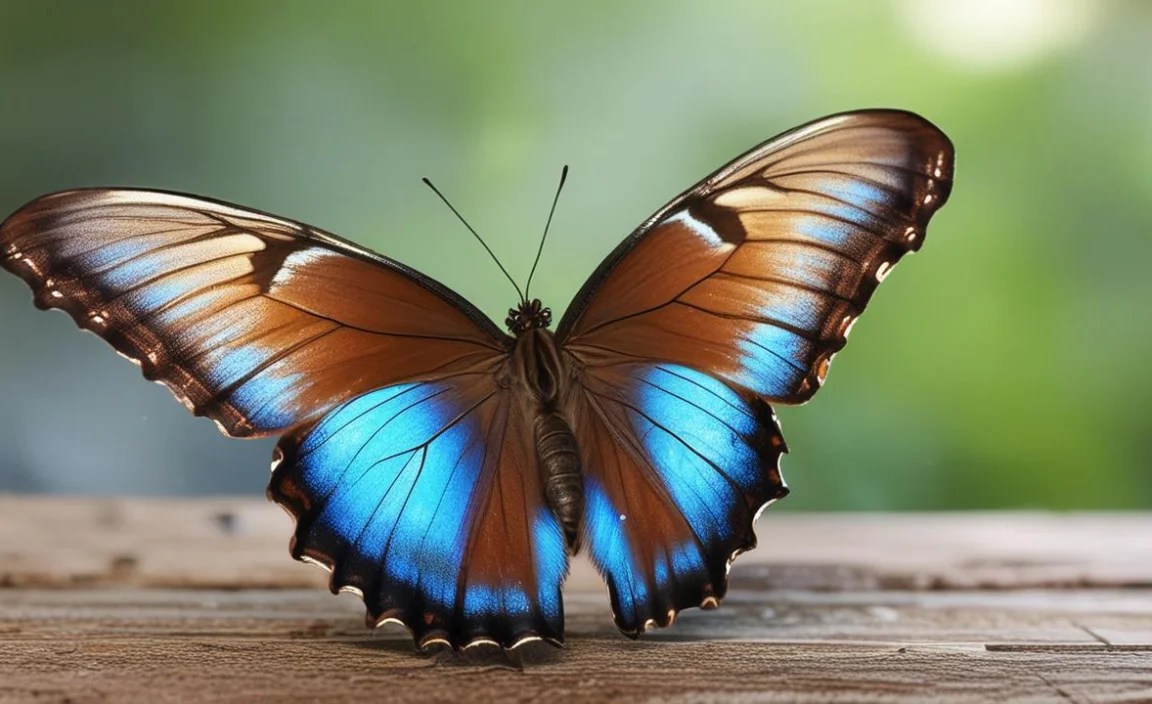
Butterflies are beautiful, but they are also delicate. Many animals like to eat them. These animals are called predators. You need to protect your butterflies from predators. This will keep them safe and healthy. One way to protect them is to use a good enclosure. The enclosure should have strong walls. The walls should be made of netting or screen. This will keep predators out. Some common predators are birds. Birds can fly into the enclosure and eat the butterflies. Lizards also like to eat butterflies. They can climb into the enclosure. Spiders can also be a problem. They can build webs and trap the butterflies. By keeping predators away, you help your butterflies live longer. A safe enclosure means happy butterflies.
- Use netting or screen enclosures.
- Keep the enclosure indoors if possible.
- Check for spiders and remove webs.
- Protect caterpillars from ants.
- Monitor for lizards or other pests.
Think about how you feel when you are safe and secure. Butterflies need to feel safe too. A good enclosure gives them a sense of security. It protects them from harm. You can also use other methods to protect them. Some people use sticky traps to catch insects. These traps can catch ants and other pests. You can also use natural repellents. Some plants repel insects. You can plant these around the enclosure. The important thing is to be vigilant. Keep an eye on your Blue Morpho breeding enclosures. Look for any signs of predators. Take action to remove them. This will help your butterflies thrive. It will also give you peace of mind.
Fun Fact or Stat: Some butterflies have patterns on their wings that look like eyes to scare away predators!
What Animals Are Butterfly Predators?
Many different animals like to eat butterflies. Birds are a common predator. They can swoop down and catch butterflies in mid-air. Lizards are another predator. They can sneak up on butterflies and grab them. Spiders are also a threat. They can build webs and trap butterflies. Ants can attack caterpillars. They can bite and sting them. Even some mammals like to eat butterflies. Mice and rats might eat butterflies if they can catch them. It is important to be aware of these predators. This will help you protect your butterflies. A safe enclosure is the best defense. But you should also be on the lookout for any signs of predators.
How Can You Keep Predators Out of the Enclosure?
The best way to keep predators out is to use a good enclosure. The enclosure should have strong walls. The walls should be made of netting or screen. Make sure there are no holes or gaps in the walls. Predators can squeeze through even small openings. The door or opening should also seal tightly. This will prevent predators from getting inside. You can also put the enclosure in a safe place. Keep it away from trees or bushes. Predators can hide in these places. If you have pets, keep them away from the enclosure. Cats and dogs might try to catch the butterflies. A secure enclosure is the first line of defense against predators.
What to Do If a Predator Gets Inside?
Sometimes, even with the best precautions, a predator might get inside the enclosure. If this happens, you need to act quickly. Try to remove the predator without harming the butterflies. If it is a bird, gently guide it out of the enclosure. If it is a lizard, try to catch it and release it outside. If it is a spider, remove its web and kill the spider. Be careful not to damage the enclosure. And don’t scare the butterflies too much. After you remove the predator, check the enclosure for any damage. Repair any holes or gaps. This will prevent other predators from getting inside. It is always best to be prepared for the unexpected.
Ensuring Good Airflow and Lighting
Blue Morphos need fresh air and light. Good airflow helps prevent diseases. It also keeps the butterflies comfortable. Lighting helps them see and find food. It also helps them regulate their body temperature. You can use a small fan to improve airflow. The fan should be gentle. Don’t point it directly at the butterflies. Natural light is best. But if you don’t have enough natural light, use artificial lights. Use lights that are designed for plants. These lights give off the right kind of light for butterflies. Make sure the lights are not too hot. Overheating can hurt the butterflies. Good airflow and lighting are essential for healthy butterflies. They help them thrive in their enclosure.
- Provide natural sunlight if possible.
- Use full-spectrum lights for indoor setups.
- Ensure proper ventilation with fans.
- Avoid direct drafts on butterflies.
- Monitor light and airflow regularly.
Think about how you feel in a stuffy room. You need fresh air to breathe. Butterflies are the same way! Good airflow helps them get the oxygen they need. It also helps remove any bad smells. Lighting is also important for their well-being. Butterflies use light to navigate. They also use it to find mates. Without enough light, they can get disoriented. They might not be able to find food. Or they might not be able to breed. So, it is very important to make sure your Blue Morpho breeding enclosures have good airflow and lighting. It is like creating a comfortable and inviting space for them. A place where they can thrive and be happy.
Fun Fact or Stat: Blue Morpho butterflies often bask in the sun to warm up their bodies!
Why Is Airflow Important for Butterflies?
Airflow is important for several reasons. It helps prevent diseases. Stale air can breed bacteria and mold. This can make the butterflies sick. Airflow also helps regulate the temperature. It can help cool down the enclosure if it gets too hot. It also helps distribute humidity evenly. This prevents some areas from getting too wet or too dry. Butterflies need fresh air to breathe. Just like us! Good airflow provides them with the oxygen they need to stay healthy. It also helps remove any waste gases. A well-ventilated enclosure is a healthy enclosure.
What Kind of Lighting Is Best?
Natural light is always the best option. Sunlight provides the full spectrum of light that butterflies need. But if you don’t have enough natural light, you can use artificial lights. Full-spectrum lights are a good choice. These lights mimic natural sunlight. They provide the same kind of light that butterflies need. You can also use plant lights. These lights are designed to help plants grow. They also work well for butterflies. Avoid using regular light bulbs. These bulbs can get too hot. They can also give off the wrong kind of light. The right lighting helps butterflies stay healthy and active.
How Can You Improve Airflow in the Enclosure?
There are several ways to improve airflow in your Blue Morpho breeding enclosures. You can use a small fan. Place the fan near the enclosure. But don’t point it directly at the butterflies. You can also open a window or door. This will let fresh air into the room. Just make sure the butterflies can’t escape. You can also use an air purifier. This will help remove any dust or pollutants from the air. Make sure the enclosure is not too crowded. Too many plants or butterflies can restrict airflow. A well-ventilated enclosure is a happy enclosure. It helps your butterflies thrive.
Preventing Diseases in Blue Morpho Breeding Enclosures
Keeping your butterflies healthy is very important. Diseases can spread quickly in Blue Morpho breeding enclosures. Preventing diseases is better than treating them. Good hygiene is key. Clean the enclosure regularly. Remove any dead leaves or waste. Use clean water. Change the water dishes often. Provide fresh food. Don’t overcrowd the enclosure. Too many butterflies can stress them out. This makes them more likely to get sick. Monitor your butterflies closely. Look for any signs of illness. If you see something wrong, take action quickly. By following these tips, you can help prevent diseases and keep your butterflies healthy.
- Maintain a clean environment always.
- Quarantine new butterflies before introducing.
- Monitor for signs of disease regularly.
- Use disease-resistant plant varieties.
- Consult with experts for advice.
Think about how you feel when you are healthy. You have more energy. You feel happier. Butterflies are the same way! When they are healthy, they are more active. They eat more. They are more likely to breed. Diseases can weaken them. They can make them less active. They can even kill them. So, it is very important to take steps to prevent diseases. This will help your butterflies live longer. It will also make your butterfly raising experience more enjoyable. A healthy butterfly is a beautiful butterfly. And a healthy enclosure is a happy enclosure.
Fun Fact or Stat: Some butterflies can live for several months, while others only live for a few days!
What Are Common Butterfly Diseases?
There are several common butterfly diseases. One is bacterial infections. These infections can cause the butterflies to become weak and lethargic. Another common disease is fungal infections. These infections can cause white spots to appear on the butterflies’ wings. Viral infections are also a problem. These infections can cause deformities in the butterflies. Parasites can also affect butterflies. Mites and other parasites can suck the butterflies’ blood. This can weaken them and make them more susceptible to disease. Knowing about these diseases can help you prevent them.
How Can You Spot a Sick Butterfly?
It is important to monitor your butterflies closely. Look for any signs of illness. Some common signs of a sick butterfly are: Weakness or lethargy, loss of appetite, deformed wings, white spots on the wings, unusual behavior. If you see any of these signs, take action quickly. Isolate the sick butterfly from the others. This will prevent the disease from spreading. Consult with a veterinarian or butterfly expert. They can help you diagnose the problem. And recommend the best treatment. Early detection is key to treating butterfly diseases.
What Steps to Take If You Find a Sick Butterfly
If you find a sick butterfly, take these steps: Isolate the sick butterfly. Put it in a separate enclosure. This will prevent the disease from spreading to the other butterflies. Clean the original enclosure thoroughly. Remove any dead leaves or waste. Disinfect the enclosure with a mild bleach solution. Consult with a veterinarian or butterfly expert. They can help you diagnose the problem. And recommend the best treatment. Follow their instructions carefully. Provide the sick butterfly with supportive care. Make sure it has fresh food and water. Keep it warm and comfortable. With proper care, the sick butterfly may recover.
Summary
Raising Blue Morpho butterflies can be a rewarding experience. It requires careful planning and attention to detail. Setting up the right Blue Morpho breeding enclosures is crucial. You need to maintain proper temperature and humidity. Providing the right food for caterpillars is also important. Protecting butterflies from predators is a must. Ensuring good airflow and lighting is essential. Preventing diseases will keep your butterflies healthy. By following these guidelines, you can create a thriving environment for these beautiful creatures. This will allow you to observe their fascinating life cycle. From tiny eggs to magnificent butterflies, you will witness a true wonder of nature.
Conclusion
Creating the perfect home for Blue Morpho butterflies takes work. You must control temperature and humidity. Caterpillars need the right food to grow. Protection from predators is also key. Cleanliness prevents disease. Good airflow and lighting helps. When you provide these things, the butterflies will thrive. With care and attention, anyone can raise Blue Morphos. It is a fun and educational hobby. Enjoy the beauty of these amazing creatures.
Frequently Asked Questions
Question No 1: What is the ideal size for Blue Morpho breeding enclosures?
Answer: Blue Morpho breeding enclosures should be large enough to allow the butterflies to fly freely. A good size is around 6 feet tall, 4 feet wide, and 4 feet deep. This provides enough space for them to move around and exercise their wings. If you plan to raise many butterflies, you might need an even larger enclosure. The bigger the enclosure, the more comfortable the butterflies will be. Make sure the enclosure is also easy to clean and maintain. A spacious enclosure will help your butterflies thrive.
Question No 2: What kind of plants should I put in the enclosure?
Answer: You should include host plants that the caterpillars can eat. Blue Morpho caterpillars like pea plants. You can also include nectar plants for the adult butterflies. Nectar plants provide food for the butterflies. Choose plants that are easy to grow and maintain. Make sure the plants are healthy and free of pesticides. Pesticides can harm the butterflies and caterpillars. You can buy plants from a nursery or grow them yourself. A variety of plants will make the enclosure more attractive and provide a more natural environment for the butterflies.
Question No 3: How do I control the temperature and humidity?
Answer: Use a thermometer to monitor the temperature. Use a hygrometer to measure the humidity. Blue Morpho butterflies like it warm and humid. The ideal temperature is around 80 to 85 degrees Fahrenheit. The ideal humidity is around 70 to 80 percent. You can use a heater to increase the temperature. You can use a humidifier to increase the humidity. If it is too hot, you can use a fan to cool down the enclosure. If it is too humid, you can improve the airflow. Regular monitoring is key to keeping the temperature and humidity just right.
Question No 4: How often should I clean the Blue Morpho breeding enclosures?
Answer: You should clean the Blue Morpho breeding enclosures at least once a week. Remove any dead leaves or waste. Wipe down the walls and floor with a damp cloth. You can use a mild soap if needed. But be sure to rinse it off well. Change the water dishes regularly. Cleanliness is very important to prevent diseases. A clean enclosure will help your butterflies stay healthy and happy. It will also make your butterfly raising experience more enjoyable. Make cleaning a regular part of your butterfly care routine.
Question No 5: How can I protect the butterflies from predators?
Answer: The best way to protect your butterflies is to use a good enclosure. The enclosure should have strong walls made of netting or screen. This will keep predators out. Keep the enclosure indoors if possible. Check for spiders and remove their webs. Protect the caterpillars from ants. Monitor for lizards or other pests. A secure enclosure is the best defense against predators. Regularly inspect the enclosure for any signs of damage or entry points. Taking these precautions will help keep your butterflies safe.
Question No 6: What should I do if I see a sick butterfly in the Blue Morpho breeding enclosures?
Answer: If you see a sick butterfly in your Blue Morpho breeding enclosures, isolate it immediately. This will prevent the disease from spreading to the other butterflies. Place the sick butterfly in a separate enclosure with fresh food and water. Observe the butterfly closely and note any symptoms. Consult with a veterinarian or butterfly expert for advice. They can help you diagnose the problem and recommend the best treatment. Early detection and treatment are crucial for the butterfly’s recovery.


