Metallic Blue Butterfly: The Ultimate Beauty Secret

Quick Summary: Metallic blue butterflies are a diverse group known for their dazzling, iridescent wings. These beauties belong to several butterfly families, including Lycaenidae (blues, coppers, hairstreaks), Morphidae (morphos), and others. Their shimmering blue color comes from microscopic structures on their wings that reflect light, not from pigments. Spotting one of these butterflies adds a spark of magic to any garden or woodland!
Have you ever been stopped in your tracks by a butterfly flashing an otherworldly blue? These metallic blue butterflies are some of the most captivating creatures in the insect world. Their shimmering wings seem to change color as they flutter, creating a truly magical experience. But identifying them can be tricky, as many different species boast this brilliant hue. Don’t worry! I’m Frances O’Brien, and I’ll guide you through the fascinating world of metallic blue butterflies. We’ll explore their unique features, where to find them, and how to attract them to your garden. Get ready to discover the secrets behind their stunning beauty!
Understanding Metallic Blue Butterflies
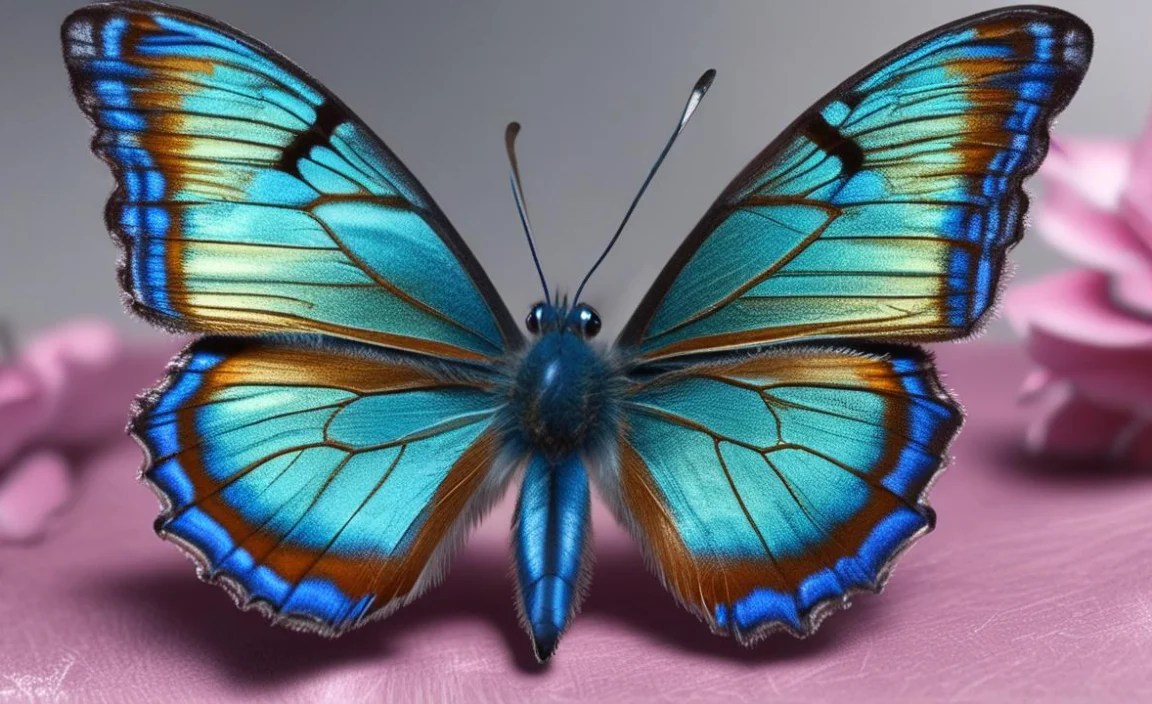
The term “metallic blue butterfly” isn’t specific to one particular species. Instead, it describes a variety of butterflies across different families that share a common characteristic: their stunning, iridescent blue coloration. This shimmering effect isn’t due to pigments, but rather to the microscopic structures on their wings. These structures, known as scales, reflect light in a way that creates the illusion of a metallic sheen.
The Science Behind the Shimmer
The brilliant blue color of these butterflies is a result of structural coloration. This phenomenon occurs when the physical structure of an object causes interference with light, producing vibrant colors. In the case of metallic blue butterflies, the scales on their wings have intricate, layered structures. When light hits these structures, certain wavelengths are amplified while others are canceled out. This selective reflection results in the intense blue color we see.
Think of it like a prism separating white light into a rainbow. The butterfly’s wing scales act similarly, but instead of creating a full spectrum, they primarily reflect blue light. This is why the color appears to shift and shimmer depending on the angle of light and the viewer’s perspective. This effect is similar to what you see on a soap bubble or an oil slick.
The University of Cambridge has done some fascinating research into the structure of butterfly wings and how they create these colours. You can read more about it here.
Common Families with Metallic Blue Butterflies
Several butterfly families include species with metallic blue coloration. Here are some of the most well-known:
- Lycaenidae (Blues, Coppers, Hairstreaks): This is a large family of small butterflies, many of which exhibit beautiful blue colors. Examples include the Common Blue (Polyommatus icarus) and the Adonis Blue (Lysandra bellargus).
- Morphidae (Morphos): Morpho butterflies are famous for their large size and brilliant, iridescent blue wings. These tropical butterflies are truly a sight to behold. The Blue Morpho (Morpho menelaus) is perhaps the most iconic example.
- Nymphalidae (Brush-footed Butterflies): While not as consistently blue as the other families, some brush-footed butterflies have blue markings or iridescent scales.
Identifying Metallic Blue Butterflies: A Step-by-Step Guide

Identifying metallic blue butterflies can be a rewarding challenge. Here’s a step-by-step guide to help you distinguish between different species:
Step 1: Observe the Size and Shape
Start by noting the butterfly’s size and overall shape. Morpho butterflies are generally large, with broad wings, while blues and hairstreaks are much smaller and more delicate. The shape of the wings can also provide clues. Some species have rounded wings, while others have more angular or pointed wings.
Step 2: Examine the Wing Color and Pattern
Pay close attention to the intensity and shade of blue on the wings. Is it a deep, vibrant blue, or a paler, more subtle hue? Also, look for any patterns or markings on the wings, such as spots, stripes, or borders. These markings can be crucial for identifying specific species.
Step 3: Check the Underside of the Wings
The underside of the wings often has different patterns and colors than the upper side. These patterns can be very helpful in identifying the butterfly. Look for spots, lines, and other markings on the underside of the wings.
Step 4: Consider the Location and Habitat
The geographic location and habitat where you spot the butterfly can also narrow down the possibilities. Some species are only found in specific regions or habitats. For example, Morpho butterflies are primarily found in tropical rainforests, while some blues are more common in meadows and grasslands.
Step 5: Use a Field Guide or Online Resource
A good field guide or online resource can be invaluable for identifying butterflies. Look for guides that include detailed descriptions and photographs of different species. Websites like the Butterflies and Moths of North America are excellent resources for identifying butterflies in North America.
Example: Identifying the Common Blue Butterfly
Let’s say you spot a small, blue butterfly in a meadow in Europe. Here’s how you might identify it as a Common Blue (Polyommatus icarus):
- Size and Shape: It’s a small butterfly with rounded wings.
- Wing Color and Pattern: The upper side of the male’s wings is a bright, sky blue. The female’s wings are often brown with some blue scaling.
- Underside of the Wings: The underside of the wings has a pattern of black spots surrounded by white rings.
- Location and Habitat: It’s found in meadows and grasslands in Europe.
Based on these characteristics, you can confidently identify it as a Common Blue butterfly.
Attracting Metallic Blue Butterflies to Your Garden

Creating a butterfly-friendly garden is a wonderful way to attract these beautiful creatures and support their populations. Here are some tips for creating a garden that will entice metallic blue butterflies:
Plant Host Plants
Host plants are plants that butterfly larvae (caterpillars) feed on. Different butterfly species have different host plant preferences. Research which metallic blue butterflies are found in your area and plant their preferred host plants. Here are some examples:
- Blues (Lycaenidae): Many blues feed on legumes, such as clover, alfalfa, and peas.
- Morphos (Morphidae): Morpho caterpillars feed on a variety of tropical plants, including legumes, bignonias, and passionflowers.
Provide Nectar Sources
Nectar is the primary food source for adult butterflies. Plant a variety of flowering plants that provide nectar throughout the butterfly season. Choose plants with different colors, shapes, and blooming times to attract a wide range of butterflies. Some good nectar sources for metallic blue butterflies include:
- Butterfly Bush (Buddleja davidii): A popular choice for attracting butterflies.
- Zinnia (Zinnia elegans): Easy to grow and provides lots of nectar.
- Lantana (Lantana camara): A colorful and long-blooming plant.
- Milkweed (Asclepias): While primarily known as a host plant for Monarch butterflies, it also provides nectar for other species.
Offer a Water Source
Butterflies need water to survive. Provide a shallow dish of water with pebbles or stones for them to land on. This will prevent them from drowning. You can also create a “puddling station” by filling a shallow dish with sand and keeping it moist. Butterflies will gather at the puddling station to drink and extract minerals from the soil.
Provide Shelter
Butterflies need shelter from wind and predators. Plant trees and shrubs to provide them with protected areas. You can also create a butterfly house, although these are more for decoration than actual shelter.
Avoid Pesticides
Pesticides can be harmful to butterflies and other beneficial insects. Avoid using pesticides in your garden, or choose organic and butterfly-friendly options. Encourage natural pest control by attracting beneficial insects like ladybugs and lacewings.
The Xerces Society is an excellent resource for learning about pollinator conservation and pesticide-free gardening. You can visit their website here.
Table: Host Plants and Nectar Sources for Metallic Blue Butterflies
| Butterfly Family | Host Plants | Nectar Sources |
|---|---|---|
| Lycaenidae (Blues) | Clover, Alfalfa, Peas, Bird’s-foot Trefoil | Butterfly Bush, Zinnia, Lavender, Thistle |
| Morphidae (Morphos) | Legumes, Bignonias, Passionflowers | Hibiscus, Lantana, Pentas |
The Symbolic Meaning of Blue Butterflies

Butterflies, in general, are often seen as symbols of transformation, rebirth, and hope. The color blue adds another layer of meaning to these symbols. Blue is often associated with:
- Peace and Tranquility: The calming color of the sky and the ocean.
- Spirituality and Intuition: Connecting with the higher self and inner wisdom.
- Communication and Expression: Sharing your thoughts and feelings openly and honestly.
- Change and Transformation: Embracing new beginnings and letting go of the past.
Seeing a metallic blue butterfly can be interpreted as a sign of encouragement to embrace change, trust your intuition, and communicate your truth. It can also be a reminder to find peace and tranquility in your life.
Conserving Metallic Blue Butterflies
Many butterfly species are facing threats from habitat loss, climate change, and pesticide use. It’s important to take steps to protect these beautiful creatures and their habitats. Here are some ways you can help:
Support Butterfly Conservation Organizations
There are many organizations dedicated to butterfly conservation. Support their work by donating, volunteering, or spreading awareness.
Create Butterfly-Friendly Habitats
As mentioned earlier, creating a butterfly-friendly garden is a great way to support butterfly populations. You can also encourage your community to create butterfly gardens in parks, schools, and other public spaces.
Reduce Your Environmental Impact
Climate change and pollution are major threats to butterflies and other wildlife. Reduce your environmental impact by conserving energy, reducing waste, and supporting sustainable practices.
Educate Others
Spread awareness about the importance of butterflies and the threats they face. Educate your friends, family, and community about how they can help protect these beautiful creatures.
The Smithsonian Institution offers a wealth of information on butterfly conservation and research. You can explore their website here.
Table: Threats to Metallic Blue Butterflies and How to Help
| Threat | How to Help |
|---|---|
| Habitat Loss | Create butterfly-friendly gardens, support conservation organizations, advocate for habitat protection. |
| Climate Change | Reduce your carbon footprint, support sustainable practices, advocate for climate action. |
| Pesticide Use | Avoid using pesticides in your garden, support organic farming, advocate for pesticide regulations. |
FAQ About Metallic Blue Butterflies
1. What makes a butterfly metallic blue?
The shimmering blue color comes from microscopic structures on their wings that reflect light, not pigments. These structures act like tiny prisms, scattering light to create the metallic effect.
2. Are metallic blue butterflies rare?
Some species are rare or endangered due to habitat loss and other threats. However, many metallic blue butterflies are relatively common in their native ranges.
3. Where can I find metallic blue butterflies?
They can be found in various habitats around the world, including tropical rainforests, meadows, and gardens. The specific species you find will depend on your geographic location.
4. What do metallic blue butterflies eat?
Caterpillars feed on specific host plants, while adult butterflies feed on nectar from flowers. Providing both host plants and nectar sources is essential for attracting them to your garden.
5. How can I attract metallic blue butterflies to my garden?
Plant host plants and nectar sources, provide a water source, offer shelter, and avoid using pesticides. This will create a welcoming habitat for these beautiful creatures.
6. What is the lifespan of a metallic blue butterfly?
The lifespan varies depending on the species. Some live only a few weeks, while others can live for several months.
7. Are metallic blue butterflies poisonous?
Most metallic blue butterflies are not poisonous. However, some species may be distasteful to predators due to chemicals they accumulate from their host plants.
Conclusion
Metallic blue butterflies are a dazzling reminder of the beauty and wonder of the natural world. From the science behind their shimmering wings to their symbolic meaning, these butterflies offer a wealth of fascinating insights. By learning about these creatures and taking steps to protect them, we can ensure that future generations will have the opportunity to witness their enchanting flight. So, plant a butterfly garden, grab your binoculars, and embark on a journey to discover the magic of metallic blue butterflies! Every small action contributes to a healthier planet and a thriving ecosystem for these incredible insects.