
Blue Morpho Attract Plants: The Ultimate Guide!

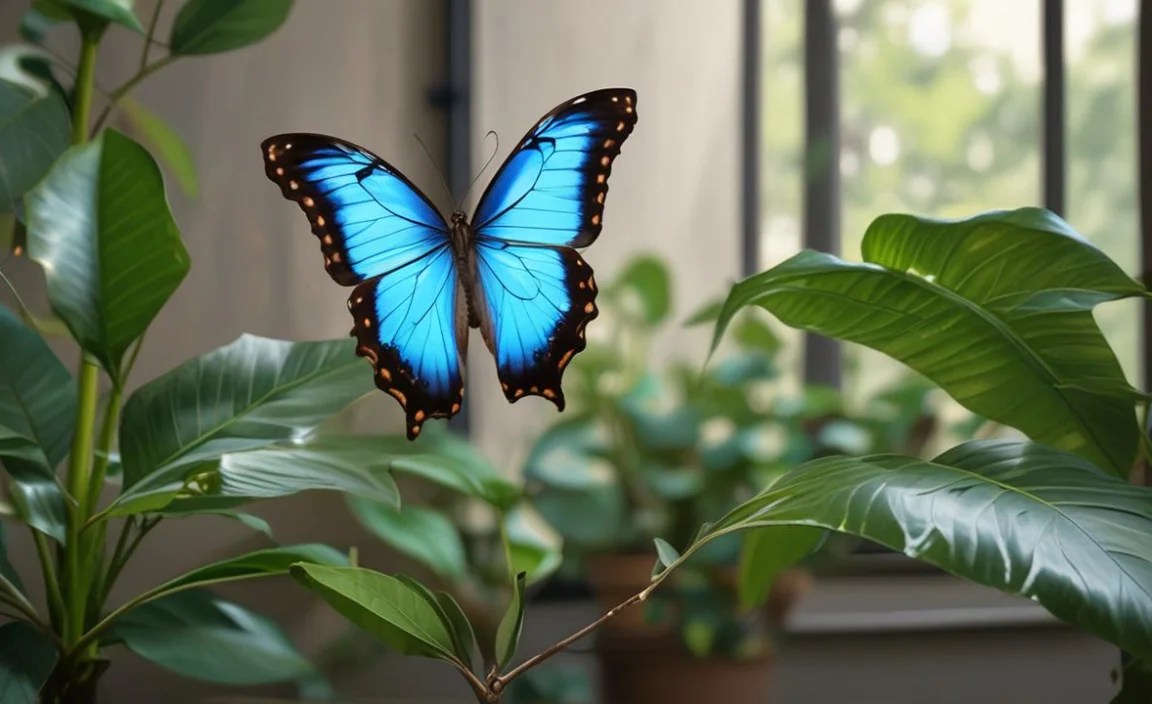
Have you ever seen a butterfly with bright blue wings? It might be a Blue Morpho! These butterflies are big and beautiful. They live in rainforests. Do you know what helps Blue Morpho attract plants? Certain plants are like a yummy snack bar for them. Let’s find out which plants Blue Morphos love.
Key Takeaways
- Blue Morpho attract plants that give them food and a place to live.
- Nectar plants give butterflies energy for flying and finding mates.
- Host plants are where butterflies lay their eggs and caterpillars eat.
- You can plant special flowers and trees to help Blue Morphos.
- Protecting rainforests is important for Blue Morphos and their plants.
Best Plants To Attract Blue Morphos

Blue Morphos are amazing butterflies. They are known for their bright blue wings. These butterflies live in Central and South America. They need specific plants to survive. Some plants give them nectar. Nectar is like sugary juice. Other plants are for their caterpillars to eat. These are called host plants. Knowing which plants Blue Morpho attract plants is key. We can help them by planting these plants. This gives them food and a home. Protecting the rainforest is also super important. It keeps their homes safe. Let’s learn more about these special plants.
- Nectar plants give adult butterflies energy.
- Host plants feed the growing caterpillars.
- Blue Morphos need both types of plants.
- Planting these plants helps them survive.
- Rainforests are their natural habitat.
Imagine you are a Blue Morpho. You need to find food. You also need to find a safe place for your babies. Nectar plants are like a quick snack. They give you energy to fly around. Host plants are like a buffet for your caterpillars. They eat and grow big. Without these plants, Blue Morphos cannot live. Planting these plants in your garden can help. Even a small garden can make a difference. Protecting the rainforests is the best way to help. It keeps their whole home safe and sound. Blue Morpho attract plants that are native to their environment.
Fun Fact or Stat: Blue Morpho butterflies taste with their feet!
Why Nectar Plants Are Important
Have you ever felt tired and needed a snack? Butterflies need energy too! Nectar plants give butterflies the energy they need. Nectar is a sweet liquid made by flowers. Butterflies drink it with their long tongues. This gives them energy to fly. They can then find mates and lay eggs. Without nectar, butterflies would be very weak. They would not be able to survive. Planting nectar plants is a great way to help butterflies. You can choose colorful flowers that bloom all season long. This will keep the butterflies happy and healthy. Blue Morphos love plants that give them lots of energy.
Why Host Plants Are Essential
Imagine you are a caterpillar. You need to eat a lot to grow big. Host plants are the only food that some caterpillars eat. Blue Morpho caterpillars only eat certain plants. These plants are their host plants. The mother butterfly lays her eggs on these plants. When the eggs hatch, the caterpillars start eating. They eat and eat until they are ready to become butterflies. Without host plants, there would be no Blue Morpho butterflies. Planting host plants is very important. It helps the caterpillars grow and become beautiful butterflies. Blue Morpho attract plants that their caterpillars can eat.
Protecting the Butterfly Habitat
Rainforests are the homes of Blue Morpho butterflies. These forests are full of special plants and animals. Sadly, rainforests are being destroyed. People cut down trees for wood and farms. This destroys the homes of many animals. It also makes it hard for Blue Morphos to find food and lay eggs. We need to protect rainforests. We can do this by supporting groups that save rainforests. We can also be careful about the products we buy. Choose products that do not harm the rainforest. Protecting rainforests helps Blue Morphos and many other creatures. It keeps their homes safe and sound. We can help save their homes. We must protect the plants that Blue Morpho attract plants.
Fun Fact or Stat: Rainforests cover less than 6% of the Earth’s surface but contain over half of the world’s plant and animal species.
Nectar-Rich Flowers For Blue Morphos
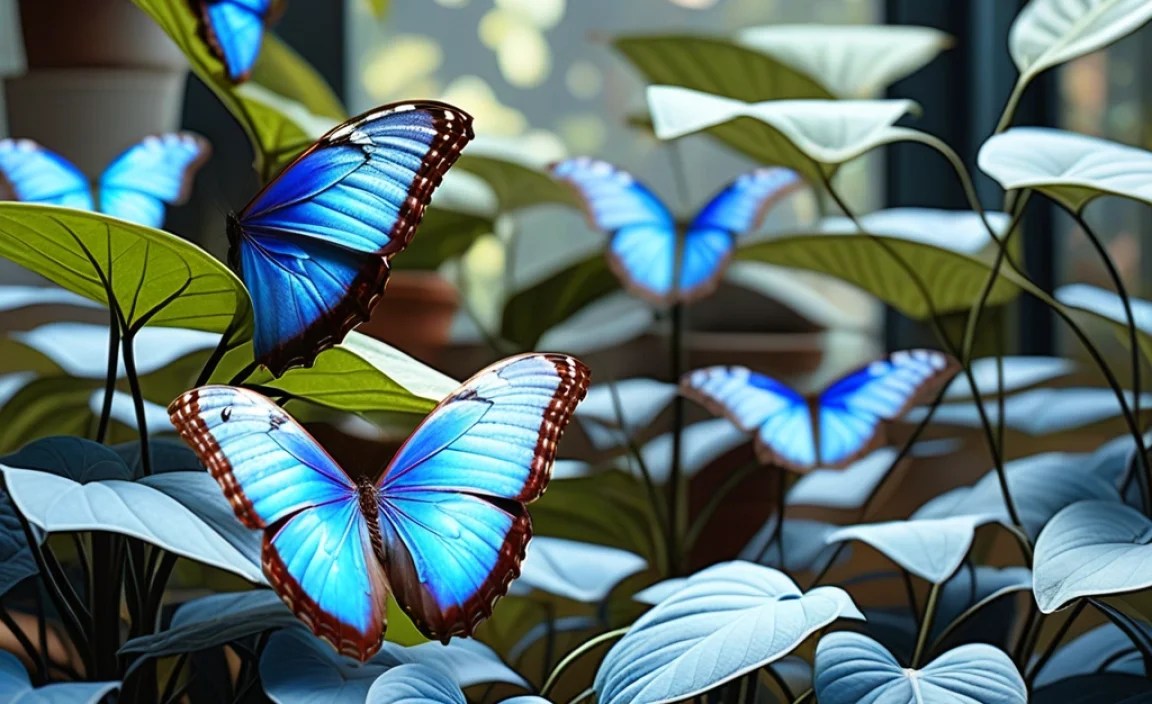
Blue Morphos need lots of energy. They get this energy from nectar. Nectar is a sweet juice made by flowers. Some flowers have more nectar than others. These are called nectar-rich flowers. Blue Morphos love these flowers. Planting nectar-rich flowers in your garden can help them. Choose flowers that are bright and colorful. These flowers attract butterflies. Make sure the flowers bloom at different times of the year. This gives the butterflies food all season long. Remember that Blue Morpho attract plants that offer a good source of nectar. This helps them fly around and find mates.
- Lantana flowers are full of nectar.
- Pentas flowers come in many colors.
- Hibiscus flowers are big and showy.
- Zinnia flowers are easy to grow.
- Butterfly bush attracts many butterflies.
- Marigolds are bright and cheerful.
Imagine you are a Blue Morpho flying through the rainforest. You are looking for a quick snack. You see a patch of bright red Lantana flowers. You fly over and sip the sweet nectar. It gives you a burst of energy. You can now fly further and look for a mate. Nectar-rich flowers are like a gas station for butterflies. They keep them going. Without these flowers, butterflies would have a hard time. Planting a variety of nectar-rich flowers is important. It gives butterflies a choice. It also makes your garden beautiful. Blue Morpho attract plants that give them the most energy.
Fun Fact or Stat: Butterflies use their antennae to smell flowers from far away.
Choosing the Right Colors
Did you know that butterflies see colors differently than we do? They are attracted to bright colors like red, orange, yellow, and purple. These colors stand out in the green rainforest. Blue Morphos are especially attracted to blue and purple flowers. Planting flowers in these colors will help attract them to your garden. You can also plant flowers in clusters. This makes it easier for butterflies to find them. Remember to choose native flowers. These flowers are best suited for your local climate. They also provide the most nectar for butterflies. Choose colors that Blue Morpho attract plants.
Providing a Water Source
Butterflies need water to survive. They get water from dew on plants. They also drink from puddles. You can provide a water source for butterflies in your garden. Fill a shallow dish with water. Add some pebbles or stones. This gives the butterflies a place to land and drink. Make sure the water is clean and fresh. You can also create a mud puddle. Butterflies love to drink from mud puddles. They get minerals from the mud. A water source will attract more butterflies to your garden. It will also help them stay healthy and hydrated. Remember to give them water near the plants that Blue Morpho attract plants.
Avoiding Pesticides
Pesticides are chemicals that kill insects. They can also harm butterflies. Avoid using pesticides in your garden. They can poison the butterflies. They can also kill the caterpillars. There are natural ways to control pests. You can use insecticidal soap. You can also attract beneficial insects. These insects eat the pests. Planting herbs like lavender and rosemary can also help. These herbs repel pests. Keeping your garden healthy is the best way to prevent pests. A healthy garden will attract more butterflies. It will also be a safe place for them to live. Avoid using chemicals near the plants that Blue Morpho attract plants.
Fun Fact or Stat: A group of butterflies is called a flutter.
Host Plants for Blue Morpho Caterpillars
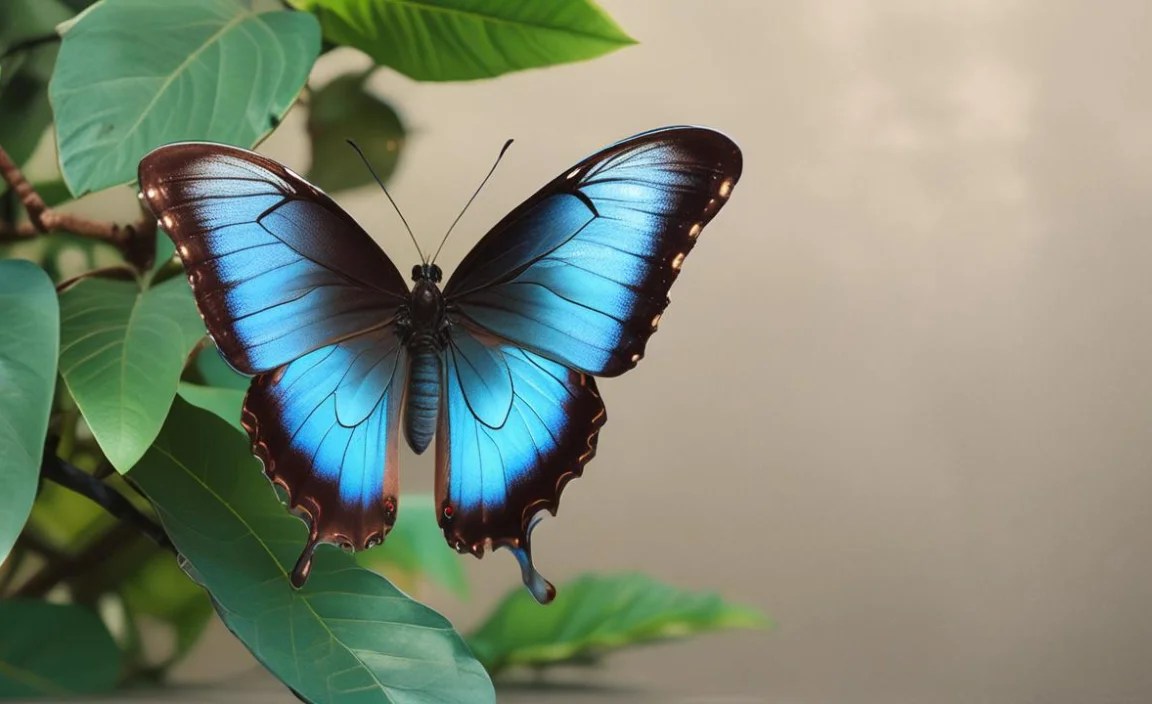
Caterpillars need to eat to grow. Blue Morpho caterpillars only eat certain plants. These plants are called host plants. The mother butterfly lays her eggs on these plants. When the eggs hatch, the caterpillars start eating. They eat and eat until they are ready to become butterflies. Without host plants, there would be no Blue Morpho butterflies. Planting host plants is very important. It helps the caterpillars grow and become beautiful butterflies. Be sure to research Blue Morpho attract plants that serve as hosts for their young. Remember that the caterpillars have very specific needs.
- Pea family plants are often host plants.
- Some caterpillars eat only one type of plant.
- Planting host plants helps caterpillars grow.
- Caterpillars eat a lot before becoming butterflies.
- Protecting host plants is very important.
Imagine you are a tiny Blue Morpho caterpillar. You have just hatched from your egg. You are very hungry. You start to eat the leaf you are on. It is the only thing you can eat. This leaf is from a host plant. You eat and eat all day long. You grow bigger and bigger. After a few weeks, you are ready to become a butterfly. Without the host plant, you would not have survived. Host plants are like a lifeline for caterpillars. They give them the food they need to grow. Blue Morpho attract plants that their caterpillars depend on.
Fun Fact or Stat: Caterpillars can increase their weight by over 1,000 times in just a few weeks.
Specific Host Plant Examples
Blue Morpho caterpillars love certain plants. Some of these include plants in the pea family. These plants provide the nutrients the caterpillars need to grow. It is important to research which plants are native to your area. Native plants are best suited for the local climate. They also provide the best food for the caterpillars. Planting a variety of host plants is a good idea. This gives the caterpillars a choice. It also increases the chances that they will find a plant they like. Remember to protect these plants from pests. Use natural methods to control pests. This will keep the caterpillars safe and healthy. Be sure to research the specific plants that Blue Morpho attract plants for their larvae.
Creating a Caterpillar-Friendly Garden
You can create a garden that is perfect for caterpillars. Plant host plants in a sunny location. Make sure the plants have plenty of water. Protect the plants from wind. You can also add a layer of mulch around the plants. This helps to keep the soil moist. Avoid using pesticides in your garden. These chemicals can harm the caterpillars. Encourage natural predators like birds and ladybugs. They will eat the pests that harm the caterpillars. A caterpillar-friendly garden will attract more butterflies to your yard. It will also help the caterpillars grow into beautiful butterflies. Design your garden with plants that Blue Morpho attract plants for the whole life cycle.
Observing the Caterpillar Life Cycle
Watching caterpillars grow is a fascinating experience. You can observe them as they eat, grow, and change. Look for eggs on the host plants. Watch the caterpillars as they hatch and start eating. Notice how they shed their skin as they grow. Eventually, the caterpillar will form a chrysalis. Inside the chrysalis, the caterpillar transforms into a butterfly. After a few weeks, the butterfly will emerge. It will fly away and start the cycle all over again. Observing the caterpillar life cycle is a great way to learn about nature. It also helps you appreciate the importance of host plants. Understand the cycle and why Blue Morpho attract plants are essential.
Fun Fact or Stat: A butterfly’s wings are covered in tiny scales.
Creating a Butterfly Garden: A Guide
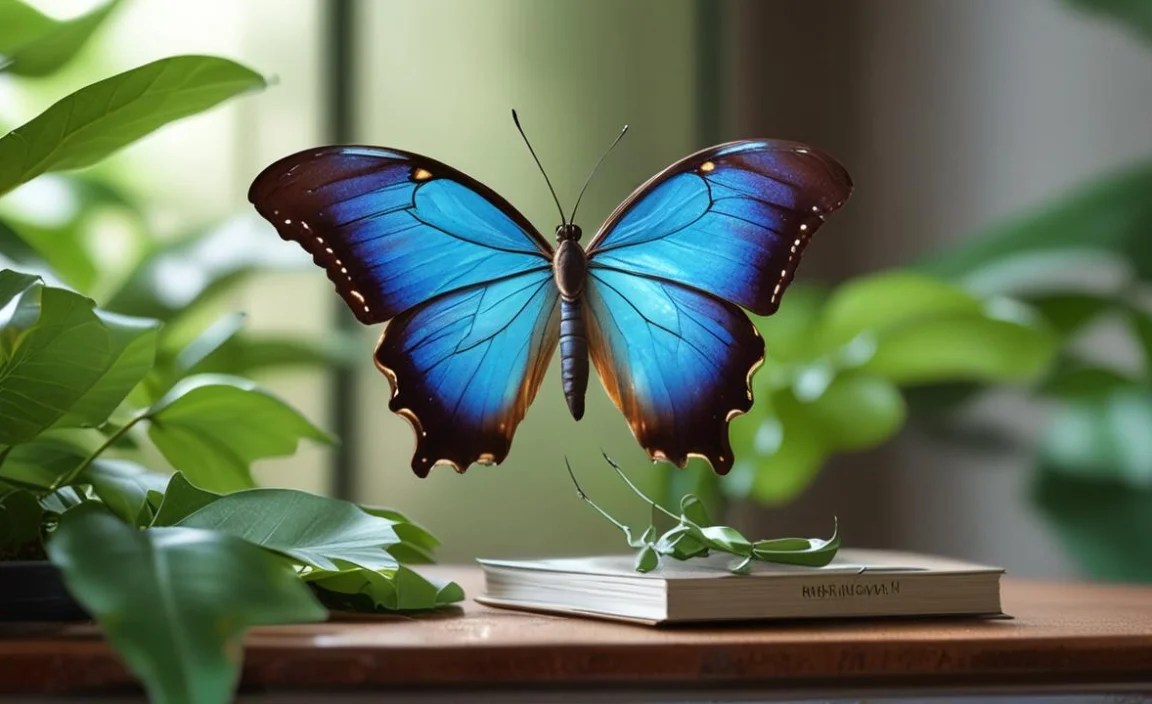
Want to attract Blue Morphos to your yard? You can create a butterfly garden. A butterfly garden is a special garden that provides food and shelter for butterflies. It includes both nectar plants and host plants. It also provides a water source and a place for butterflies to rest. Creating a butterfly garden is a fun and rewarding project. It will bring beauty and life to your yard. It will also help support these amazing creatures. Remember that Blue Morpho attract plants that meet all their needs. A well-planned garden can be a butterfly haven.
- Choose a sunny location for your garden.
- Plant a variety of nectar and host plants.
- Provide a water source for butterflies.
- Avoid using pesticides in your garden.
- Create a sheltered area for butterflies.
Imagine you are a butterfly flying over a neighborhood. You see a garden full of colorful flowers. You fly down to investigate. You find nectar-rich flowers to drink from. You also find host plants for your caterpillars. You decide to stay and make this garden your home. A butterfly garden is like a welcome sign for butterflies. It tells them that this is a safe and friendly place. Creating a butterfly garden is a great way to help butterflies. It also adds beauty and interest to your yard. Plan your garden to include the plants that Blue Morpho attract plants.
| Plant Type | Example | Benefit | Sun Needs |
|---|---|---|---|
| Nectar Plant | Lantana | Provides energy for adult butterflies | Full Sun |
| Host Plant | Pea Family Plant | Food for caterpillars | Full to Partial Sun |
| Water Source | Shallow Dish with Pebbles | Hydration for butterflies | Shade |
| Shelter | Trees and Shrubs | Protection from wind and predators | Variable |
Fun Fact or Stat: Butterflies can fly up to 12 miles per hour.
Planning Your Garden Layout
The layout of your garden is important. Group plants with similar needs together. Place taller plants in the back. Put shorter plants in the front. This allows all plants to get enough sunlight. Create a winding path through your garden. This makes it easy to walk around and enjoy the flowers. Add a bench or chair. This gives you a place to sit and watch the butterflies. Consider the location of your water source. Place it in a shady area. This will help keep the water cool. A well-planned garden is both beautiful and functional. Design your garden to make the plants that Blue Morpho attract plants accessible to them.
Choosing the Right Location
The location of your garden is crucial. Butterflies need sunlight to warm their bodies. Choose a location that gets at least six hours of sunlight per day. Butterflies also need shelter from the wind. Plant trees and shrubs to provide shelter. Avoid planting your garden near busy roads. The noise and pollution can scare away butterflies. A quiet and sunny location is ideal. Make sure the area you choose is suitable for the plants that Blue Morpho attract plants.
Maintaining Your Butterfly Garden
A butterfly garden needs regular maintenance. Water the plants regularly, especially during dry periods. Weed the garden to prevent weeds from taking over. Deadhead the flowers to encourage more blooms. Add compost to the soil to provide nutrients. Monitor your plants for pests and diseases. Use natural methods to control pests. Avoid using pesticides. A well-maintained garden will thrive. It will attract more butterflies to your yard. It will also provide a healthy habitat for them. Be sure to care for the plants that Blue Morpho attract plants so they continue to thrive.
Fun Fact or Stat: Some butterflies migrate thousands of miles each year.
Protecting Blue Morpho Habitats
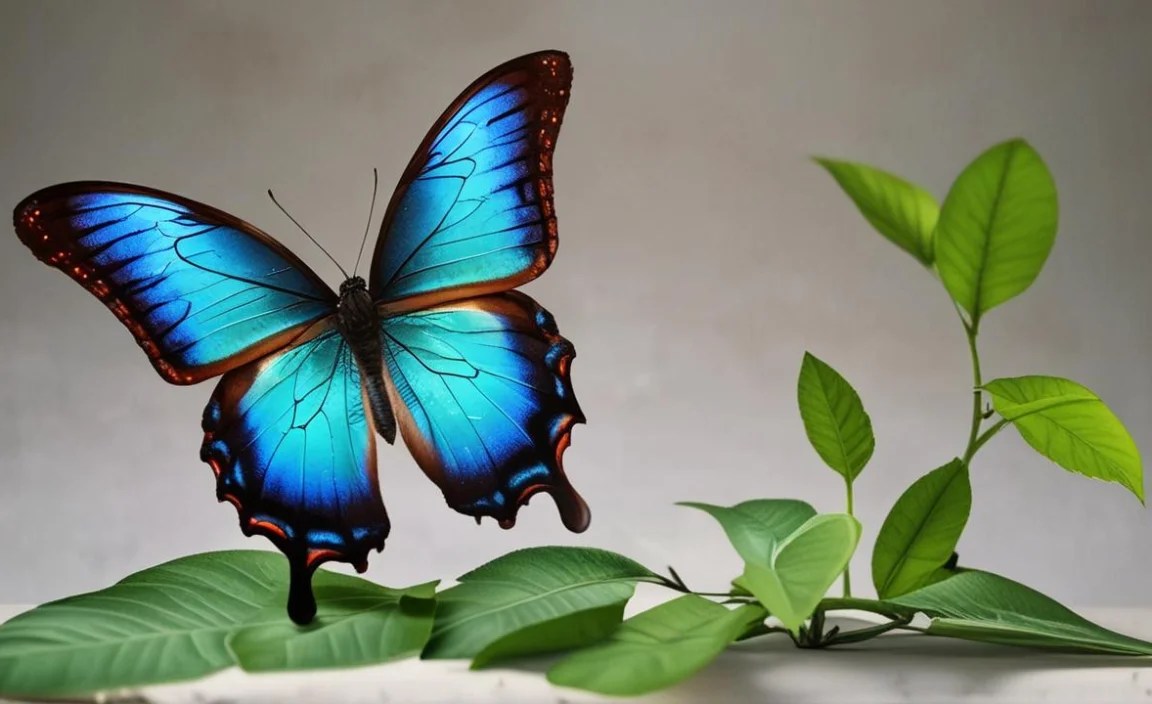
Blue Morphos live in rainforests. These forests are being destroyed. People cut down trees for wood and farms. This destroys the homes of many animals. It also makes it hard for Blue Morphos to find food and lay eggs. We need to protect rainforests. We can do this by supporting groups that save rainforests. We can also be careful about the products we buy. Choose products that do not harm the rainforest. Protecting rainforests helps Blue Morphos and many other creatures. It keeps their homes safe and sound. It also protects the plants that Blue Morpho attract plants.
- Support rainforest conservation groups.
- Buy products that are sustainably sourced.
- Reduce your use of paper and wood.
- Educate others about the importance of rainforests.
- Plant trees to help restore forests.
Imagine you are a Blue Morpho flying through the rainforest. You see a large area of trees has been cut down. Your home is gone. You have nowhere to find food or lay eggs. This is the reality for many Blue Morphos. Rainforest destruction is a serious problem. It threatens the survival of many species. We need to take action to protect these forests. By working together, we can make a difference. We can help save the homes of Blue Morphos and other amazing creatures. Blue Morpho attract plants must be protected within their natural habitat.
Fun Fact or Stat: Rainforests are home to over half of the world’s plant and animal species.
Sustainable Practices at Home
You can make a difference at home. Reduce your use of paper and wood products. Choose products that are made from recycled materials. Buy products that are sustainably sourced. This means that the products were made without harming the environment. Support companies that are committed to sustainability. You can also plant trees in your yard or community. Trees help to absorb carbon dioxide from the atmosphere. They also provide habitat for wildlife. Small changes in your lifestyle can make a big difference. You can help protect the habitats that Blue Morpho attract plants.
Supporting Conservation Organizations
Many organizations are working to protect rainforests. These organizations need your support. You can donate money to help them buy land and protect it from development. You can also volunteer your time to help with their projects. Educate yourself about the issues facing rainforests. Share this information with your friends and family. By working together, we can make a difference. We can help protect the homes of Blue Morphos and other amazing creatures. Support the organizations that protect the plants that Blue Morpho attract plants.
Educating Others About Rainforests
Education is key to protecting rainforests. Many people do not know about the importance of these ecosystems. Share information about rainforests with your friends and family. Talk about the threats they face. Explain how people can help. You can also write letters to your elected officials. Urge them to support policies that protect rainforests. The more people who know about rainforests, the better. Together, we can make a difference. We can help protect the places where Blue Morpho attract plants grow.
Fun Fact or Stat: The Amazon rainforest produces more than 20% of the world’s oxygen.
How Climate Change Affects Blue Morphos
Climate change is a big problem. It is affecting all living things. Blue Morphos are also affected by climate change. Changes in temperature and rainfall can harm their habitats. It can also affect the plants they need to survive. Warmer temperatures can cause plants to die. This means less food for caterpillars and butterflies. Changes in rainfall can cause floods and droughts. This can also damage their habitats. We need to take action to address climate change. This will help protect Blue Morphos and other creatures. This will also protect the plants that Blue Morpho attract plants.
- Climate change is causing temperatures to rise.
- Rainfall patterns are changing.
- Extreme weather events are becoming more common.
- These changes can harm butterfly habitats.
- We need to reduce our carbon footprint.
Imagine you are a Blue Morpho living in the rainforest. The temperature is getting warmer. The plants you eat are starting to die. You have to fly further to find food. The weather is becoming more unpredictable. Sometimes there are floods. Other times there are droughts. It is becoming harder to survive. Climate change is making life difficult for Blue Morphos. We need to take action to protect their homes. We need to address climate change. Blue Morpho attract plants are also impacted by climate change.
Fun Fact or Stat: The average global temperature has increased by about 1 degree Celsius since the late 19th century.
Reducing Your Carbon Footprint
You can reduce your carbon footprint at home. Use less energy. Turn off lights when you leave a room. Unplug electronics when you are not using them. Use less water. Take shorter showers. Fix leaky faucets. Recycle and compost. Reduce your waste. Eat less meat. Meat production uses a lot of energy. Walk, bike, or take public transportation instead of driving. Small changes in your lifestyle can make a big difference. You can help reduce the effects of climate change. This helps protect the habitats that Blue Morpho attract plants.
Supporting Renewable Energy
Renewable energy sources are better for the environment. They do not produce greenhouse gases. Greenhouse gases contribute to climate change. Support renewable energy sources like solar and wind power. You can install solar panels on your roof. You can also buy electricity from a renewable energy provider. Encourage your community to invest in renewable energy. This will help reduce our reliance on fossil fuels. This will also help protect the climate. This will keep safe the places where Blue Morpho attract plants thrive.
Advocating for Climate Action
Talk to your elected officials about climate change. Urge them to support policies that reduce greenhouse gas emissions. Support international agreements to address climate change. Educate others about the importance of climate action. The more people who are aware of the problem, the better. Together, we can make a difference. We can help protect the planet. We can save the plants that Blue Morpho attract plants.
Fun Fact or Stat: The Paris Agreement is an international agreement to combat climate change.
Summary
Blue Morpho butterflies are beautiful creatures. They need specific plants to survive. Nectar plants give them energy. Host plants feed their caterpillars. You can help Blue Morphos by planting these plants in your garden. You can also protect rainforests. Rainforests are the homes of these butterflies. Remember to choose plants that Blue Morpho attract plants. These plants are crucial for their survival. By creating butterfly gardens and supporting conservation, we can help these amazing butterflies thrive. Climate change also affects Blue Morphos and their habitats. Reducing our carbon footprint and supporting renewable energy are important steps to protect them. Let’s work together to ensure that Blue Morphos continue to flutter in rainforests for years to come.
Conclusion
Blue Morpho butterflies are a joy to behold. They are an important part of the rainforest ecosystem. By learning about their needs, we can help them survive. Planting nectar and host plants is a great way to attract them to your garden. Protecting rainforests is essential for their long-term survival. Addressing climate change is also crucial. Let’s all do our part to help these beautiful creatures. By protecting the plants that Blue Morpho attract plants, we can ensure their future.
Frequently Asked Questions
Question No 1: What are the best plants to attract Blue Morpho butterflies?
Answer: Blue Morpho butterflies are attracted to plants that provide nectar for the adults and serve as host plants for the caterpillars. Nectar plants include Lantana, Pentas, and Hibiscus. Host plants often belong to the pea family. Researching native plants in your area is important. These plants are best suited for the local climate and provide the best food source. Planting a variety of both nectar and host plants will increase your chances of attracting these beautiful butterflies. You should also consider the sunlight and water requirements of these plants to ensure they thrive in your garden.
Question No 2: How can I create a butterfly garden to attract Blue Morphos?
Answer: To create a butterfly garden, choose a sunny location with shelter from the wind. Plant a variety of nectar and host plants. Provide a shallow dish of water with pebbles for the butterflies to drink. Avoid using pesticides, as they can harm or kill butterflies and caterpillars. Group plants with similar needs together and arrange taller plants in the back. Regularly maintain your garden by watering, weeding, and deadheading flowers. A well-planned and maintained garden will attract Blue Morphos and other butterflies, creating a beautiful and beneficial habitat. Remember that Blue Morpho attract plants that meet their specific needs.
Question No 3: Why are host plants so important for Blue Morpho butterflies?
Answer: Host plants are essential for Blue Morpho butterflies because they serve as the sole food source for their caterpillars. The mother butterfly lays her eggs on these plants, and when the caterpillars hatch, they begin to feed on the leaves. Without the specific host plants that Blue Morpho caterpillars require, they cannot survive and develop into butterflies. Providing host plants is crucial for supporting the entire life cycle of the Blue Morpho. Some examples of host plants include those in the pea family, but specific species may vary depending on your location. It’s important to research which plants Blue Morpho attract plants for their young.
Question No 4: How does climate change affect Blue Morpho butterflies and their habitats?
Answer: Climate change poses a significant threat to Blue Morpho butterflies and their habitats. Rising temperatures, altered rainfall patterns, and more frequent extreme weather events can disrupt their delicate ecosystems. Changes in temperature can cause the plants they depend on for food and shelter to die. Altered rainfall can lead to floods or droughts, damaging their habitats and reducing the availability of resources. By reducing our carbon footprint and supporting renewable energy, we can help mitigate these effects and protect the plants that Blue Morpho attract plants.
Question No 5: What can I do to help protect Blue Morpho habitats in rainforests?
Answer: There are several ways you can help protect Blue Morpho habitats in rainforests. Support rainforest conservation organizations by donating money or volunteering your time. Buy products that are sustainably sourced, ensuring that they were produced without harming the environment. Reduce your consumption of paper and wood products to decrease the demand for logging. Educate others about the importance of rainforests and the threats they face. By taking these actions, you can contribute to the preservation of these vital ecosystems. Protecting the plants that Blue Morpho attract plants is key.
Question No 6: Are there any specific flowers that Blue Morphos prefer for nectar?
Answer: Yes, Blue Morphos are attracted to flowers with abundant nectar. They tend to prefer brightly colored flowers, such as red, orange, yellow, and purple. Some specific flowers that are known to attract butterflies and provide a good source of nectar include Lantana, Pentas, Hibiscus, Zinnia, Butterfly Bush, and Marigolds. Planting a variety of these nectar-rich flowers in your garden will increase your chances of attracting Blue Morphos. Remember to choose flowers that are native to your area whenever possible, as these will be best suited to the local climate and provide the most beneficial nectar. When selecting flowers, keep in mind that Blue Morpho attract plants that offer a high-energy food source.


