
Species Identification in Paleoecology: Easy Guide

Did you ever wonder about dinosaurs? How do we know what they ate? Species identification in paleoecology helps us learn about ancient life. It unlocks secrets from long ago.
Imagine you are a detective. You find old bones in the ground. These bones tell a story. Figuring out what species they belong to is important. This helps us understand the past.
Paleoecology is the study of old ecosystems. It looks at how plants, animals, and their surroundings interacted. Species identification in paleoecology is a key part. It helps us piece together the puzzle of ancient life.
Scientists use many clues for species identification in paleoecology. They look at bones, teeth, and even fossil poop! They compare these finds to modern animals and plants. This helps them figure out what lived long ago.
Key Takeaways
- Species identification in paleoecology helps us understand ancient ecosystems and climates.
- Fossils, including bones, teeth, and pollen, provide clues for identifying ancient species.
- Scientists use comparative anatomy to match fossils with known species or identify new ones.
- Advanced techniques like DNA analysis offer new insights into ancient species relationships.
- Understanding past biodiversity helps us protect current ecosystems and manage climate change.
Importance of Species ID in Paleoecology

Species identification in paleoecology is very important. It allows us to reconstruct ancient food webs. We can see who ate whom. It also helps us understand how climates changed. Knowing what species lived where tells us about past environments. Did it used to be a forest? Was it once a sea? Identifying species helps us answer these questions. It also helps us understand how life has changed over millions of years. We can track the rise and fall of different groups of plants and animals. This gives us a better understanding of evolution. It also shows us how ecosystems respond to change. This knowledge is valuable for predicting the future.
- It helps us understand ancient food webs.
- It helps us reconstruct past climates.
- We can understand changes over millions of years.
- It shows how ecosystems respond to change.
- This knowledge is valuable for predicting the future.
Without species identification in paleoecology, we would be lost. We would not know what dinosaurs ate. We wouldn’t know how plants adapted to different climates. It is like having a time machine. We can travel back and see what life was like millions of years ago. This helps us appreciate the long history of life on Earth. It also gives us a perspective on our place in the world.
Fun Fact or Stat: The oldest known fossil is around 3.5 billion years old! It is a single-celled organism found in Australia.
Why Is It Important?
Why is species identification in paleoecology so important? Imagine trying to build a house without knowing what the materials are. You wouldn’t know which tools to use. You wouldn’t know how to put it all together. Species identification in paleoecology is like knowing your materials. It allows us to understand the building blocks of ancient ecosystems. We can see how different species interacted with each other. We can see how they adapted to their environment. This helps us understand the history of life on Earth. It also gives us clues about how to protect our planet today.
What Can We Learn?
What can we learn from species identification in paleoecology? A lot! We can learn about past climates. We can learn about evolution. We can even learn about the origins of diseases. For example, scientists have used ancient DNA to study how diseases like the plague evolved. This helps us understand how to fight them today. By studying the past, we can gain valuable insights into the present and the future.
How Does It Help Us Today?
How does species identification in paleoecology help us today? By studying past climate changes, we can better understand the effects of modern climate change. We can see how ecosystems responded to warming or cooling in the past. This can help us predict how they will respond in the future. It can also help us develop strategies to protect vulnerable species and ecosystems. The past holds valuable lessons for the present. We must learn from it.
Fun Fact or Stat: Some fossils are so well-preserved that they contain traces of the original animal’s DNA!
Techniques Used in Species Identification
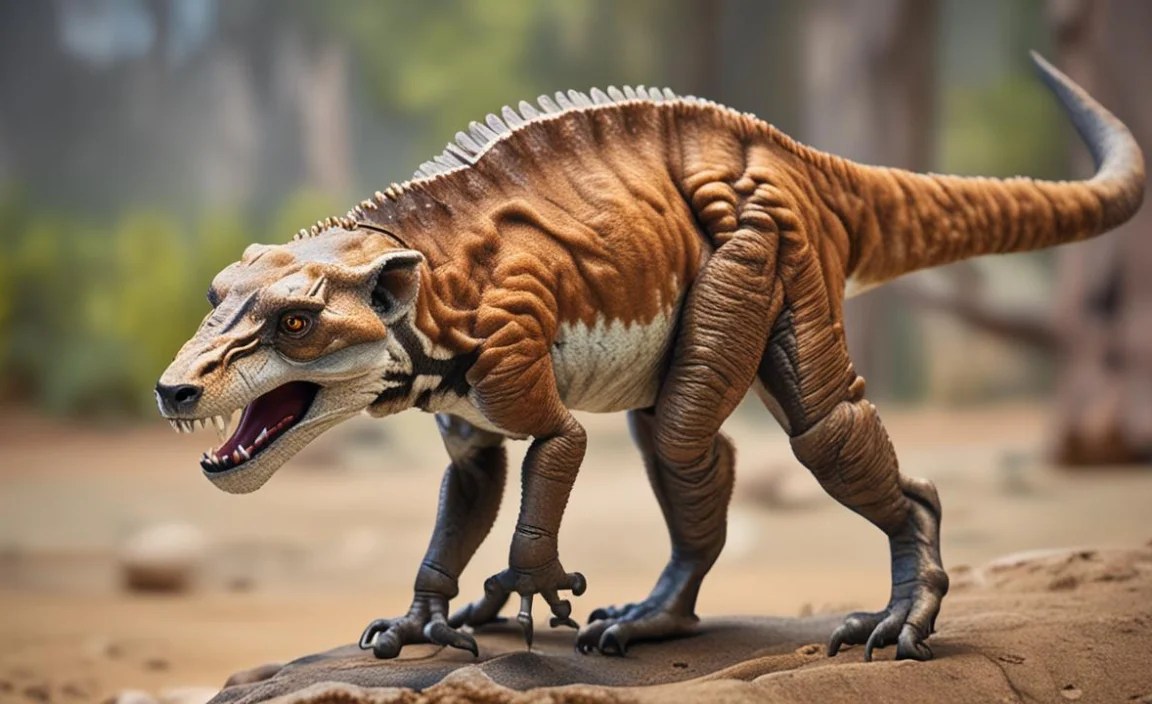
There are many techniques used for species identification in paleoecology. One common method is comparative anatomy. This involves comparing fossils to the bones of living animals. Scientists look for similarities in shape and size. They also look at the arrangement of bones. Another technique is pollen analysis. Pollen grains are tiny and can be preserved for millions of years. By studying the pollen found in ancient sediments, scientists can figure out what plants lived in the area. This helps them reconstruct the ancient environment. New technologies, like DNA analysis, are also used. Scientists can extract DNA from fossils and compare it to the DNA of living organisms.
- Comparative anatomy is a common method.
- Scientists compare fossils to living animals.
- Pollen analysis helps identify ancient plants.
- DNA analysis is a new technology.
- It helps us learn about ancient species.
Species identification in paleoecology is like solving a puzzle. Each fossil is a piece of the puzzle. Scientists use different techniques to put the pieces together. The more pieces they find, the clearer the picture becomes. It takes time and patience. It also takes a lot of knowledge and skill. But the rewards are great. We can learn about the history of life on Earth.
Fun Fact or Stat: The field of paleoecology has helped us discover that some dinosaurs had feathers!
What Is Comparative Anatomy?
What is comparative anatomy? It is the study of the similarities and differences in the anatomy of different species. In species identification in paleoecology, scientists use comparative anatomy to compare fossils to living organisms. They look at the size, shape, and arrangement of bones. They also look at other features, like teeth and claws. If a fossil bone is similar to the bone of a living animal, it is likely that the fossil belonged to a similar species. Comparative anatomy is a powerful tool for identifying fossils. It has helped us learn a lot about the history of life on Earth.
How Does Pollen Analysis Work?
How does pollen analysis work? Pollen grains are tiny structures produced by plants. They are very resistant to decay. They can be preserved in sediments for millions of years. Scientists collect sediment samples and extract the pollen grains. They then identify the pollen grains under a microscope. Different plant species produce different types of pollen. By identifying the pollen grains, scientists can figure out what plants lived in the area. This helps them reconstruct the ancient environment. It also helps them understand how the environment changed over time.
What Is DNA Analysis?
What is DNA analysis? DNA is the genetic material that carries information about an organism. Scientists can sometimes extract DNA from fossils. They can then compare this DNA to the DNA of living organisms. This can help them identify the species of the fossil. It can also help them understand the relationships between different species. DNA analysis is a powerful tool. It has helped us learn a lot about the evolution of life on Earth. However, DNA degrades over time. It is not always possible to extract it from fossils.
Fun Fact or Stat: Fossilized pollen can tell scientists about the types of plants that lived in an area thousands of years ago.
Challenges in Identifying Ancient Species
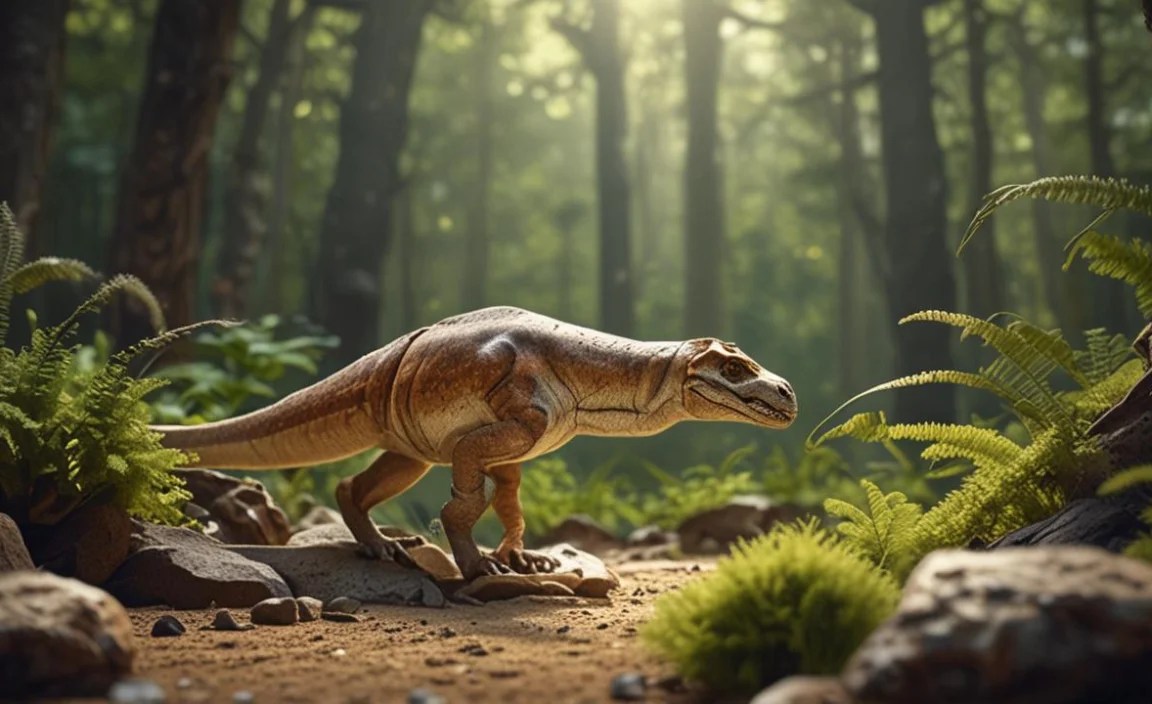
Species identification in paleoecology is not always easy. There are many challenges. Fossils can be incomplete. They may be broken or damaged. Sometimes, only a few bones are found. This makes it difficult to identify the species. Another challenge is that many ancient species are extinct. There are no living relatives to compare them to. This makes it harder to figure out what they looked like and how they lived. Also, the fossil record is incomplete. Not all organisms fossilize easily. Some environments are more conducive to fossilization than others. This means that we have a biased view of the past.
- Fossils can be incomplete or damaged.
- Many ancient species are extinct.
- The fossil record is incomplete.
- Fossilization is a rare event.
- Some environments are better than others.
Despite these challenges, scientists are making progress. They are developing new techniques for identifying fossils. They are also finding new fossils all the time. With each new discovery, we learn more about the history of life on Earth. It takes a lot of hard work. But the results are worth it. We can piece together the story of the past. It is a story that spans millions of years.
Fun Fact or Stat: Only a tiny fraction of all the species that have ever lived on Earth have been fossilized!
Why Are Fossils Incomplete?
Why are fossils often incomplete? The process of fossilization is rare. When an organism dies, it usually decomposes quickly. Scavengers eat the remains. Bacteria break down the tissues. For an organism to become a fossil, it needs to be buried quickly. It needs to be protected from scavengers and bacteria. Even if an organism is buried quickly, it may still be damaged by geological processes. Rocks can be crushed or eroded. Fossils can be broken or scattered. This is why fossils are often incomplete. Scientists have to piece together the fragments to get a complete picture.
What Does Extinct Mean?
What does extinct mean? Extinct means that a species no longer exists. There are no more living individuals of that species. Many species have gone extinct throughout Earth’s history. Some extinctions are caused by natural events. These include volcanic eruptions, asteroid impacts, and climate change. Other extinctions are caused by human activities. These include habitat destruction, pollution, and overhunting. Once a species is extinct, it is gone forever. This is why it is important to protect endangered species. We want to prevent them from going extinct.
What Is the Fossil Record?
What is the fossil record? The fossil record is the collection of all the fossils that have been found. It is a record of the history of life on Earth. However, the fossil record is incomplete. Not all organisms fossilize easily. Some environments are more conducive to fossilization than others. This means that the fossil record is biased. It does not give us a complete picture of the past. Scientists are constantly working to fill in the gaps in the fossil record. They are searching for new fossils and developing new techniques for studying them.
Fun Fact or Stat: Some fossils are found in amber, which is fossilized tree resin. Amber can preserve organisms in amazing detail!
Tools and Technologies for Paleoecology
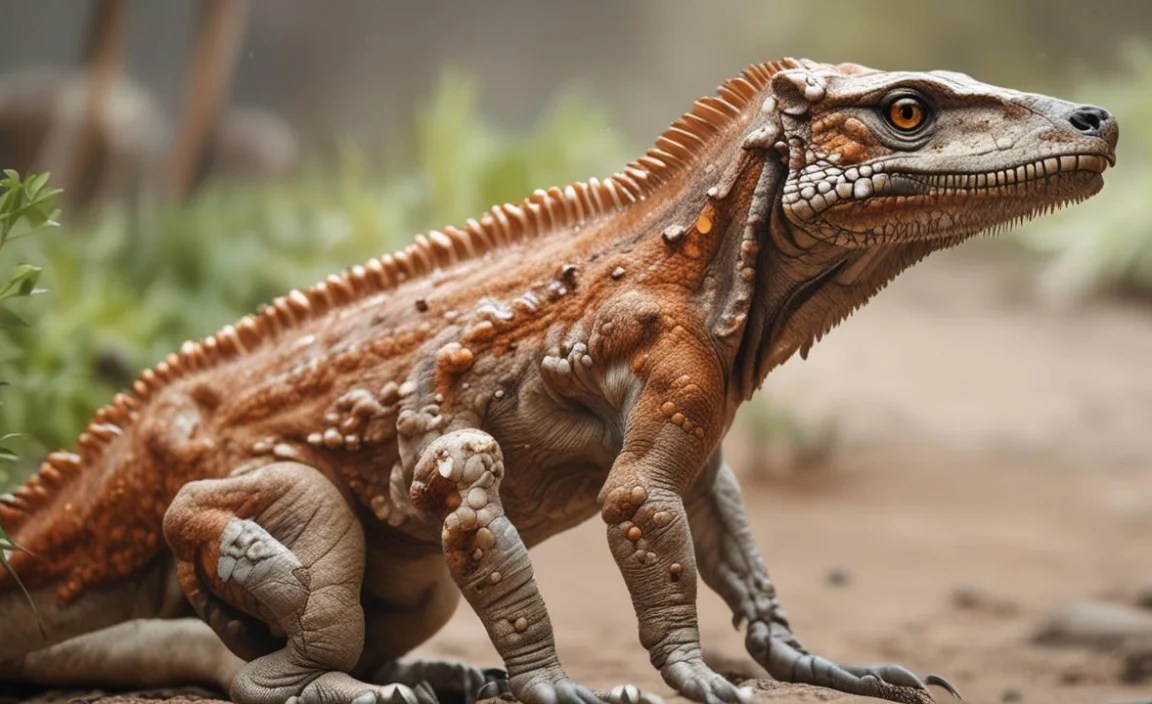
Paleoecology uses many tools. Microscopes help us see tiny fossils. Computers help us analyze data. Chemical analysis identifies elements in fossils. Radiometric dating tells us how old fossils are. These tools help with species identification in paleoecology. Each tool provides different clues. Together, they help us understand the past. The right tools can make a big difference.
- Microscopes help us see tiny details.
- Computers analyze large amounts of data.
- Chemical analysis identifies elements.
- Radiometric dating determines fossil age.
- These tools help us learn about the past.
Without these tools, species identification in paleoecology would be much harder. Imagine trying to identify a tiny fossil without a microscope. It would be nearly impossible. Or imagine trying to analyze a huge amount of data by hand. It would take forever. These tools make our work more efficient. They also make it more accurate. They help us uncover the secrets of the past.
Fun Fact or Stat: Radiometric dating is based on the decay of radioactive elements in rocks and fossils.
How Do Microscopes Help?
How do microscopes help? Microscopes allow us to see things that are too small to see with the naked eye. In species identification in paleoecology, microscopes are used to study tiny fossils. These fossils can include pollen grains, spores, and microorganisms. Microscopes can also be used to study the fine details of larger fossils. For example, scientists can use microscopes to study the surface texture of bones. This can help them identify the species. Microscopes are essential tools for paleoecology.
What Is Chemical Analysis?
What is chemical analysis? Chemical analysis is the process of identifying the chemical elements and compounds in a sample. In species identification in paleoecology, chemical analysis can be used to study the chemical composition of fossils. This can provide information about the diet and environment of the organism. For example, scientists can analyze the isotopes in bones to determine what the animal ate. They can also analyze the sediments surrounding a fossil to determine the climate. Chemical analysis is a powerful tool for paleoecology.
How Does Radiometric Dating Work?
How does radiometric dating work? Radiometric dating is a method of determining the age of a sample based on the decay of radioactive elements. Radioactive elements decay at a constant rate. By measuring the amount of radioactive element and its decay product in a sample, scientists can determine how long ago the sample was formed. In species identification in paleoecology, radiometric dating is used to determine the age of fossils. This helps scientists understand the timing of events in the history of life on Earth.
Fun Fact or Stat: Some microscopes can magnify objects up to a million times!
Case Studies of Species Identification

Let’s look at some examples. The T-Rex was identified by its unique teeth. Ancient horses were identified by their leg bones. Pollen analysis helped identify ancient forests. These case studies show the power of species identification in paleoecology. Each example teaches us something new about the past. Studying these cases helps us understand the techniques. They also show us the challenges. Each success is a step forward.
- T-Rex was identified by unique teeth.
- Ancient horses were identified by leg bones.
- Pollen helps identify ancient forests.
- Each study teaches us something new.
- Successes help us learn more.
Species identification in paleoecology is like a detective story. Each case is a new mystery. Scientists use clues to solve the mystery. They use their knowledge and skills. They also use the tools and technologies available. Each solved case adds to our understanding of the past. It also inspires us to keep searching for answers.
Fun Fact or Stat: The Tyrannosaurus Rex’s teeth were up to 12 inches long!
How Was the T-Rex Identified?
How was the T-Rex identified? The Tyrannosaurus Rex was identified by its unique teeth. The teeth were large, serrated, and cone-shaped. They were unlike the teeth of any other dinosaur. Scientists also looked at the bones of the T-Rex. The bones were massive and strong. This suggested that the T-Rex was a powerful predator. By comparing the teeth and bones to other dinosaurs, scientists were able to identify the T-Rex as a distinct species. The T-Rex is now one of the most famous dinosaurs in the world.
How Were Ancient Horses Identified?
How were ancient horses identified? Ancient horses were identified by their leg bones. The leg bones of horses are long and slender. They are adapted for running. Scientists also looked at the teeth of ancient horses. The teeth were adapted for grazing on grasses. By comparing the leg bones and teeth to modern horses, scientists were able to identify the ancient horses as belonging to the horse family. The evolution of horses is one of the best-documented examples of evolution in the fossil record.
What Can Pollen Tell Us?
What can pollen tell us? Pollen can tell us about the types of plants that lived in an area. Different plant species produce different types of pollen. By identifying the pollen grains in a sediment sample, scientists can figure out what plants lived in the area. This helps them reconstruct the ancient environment. For example, if a sediment sample contains a lot of tree pollen, it suggests that the area was forested. If a sediment sample contains a lot of grass pollen, it suggests that the area was a grassland. Pollen analysis is a powerful tool for paleoecology.
Fun Fact or Stat: Fossilized horse teeth show how their diet changed over millions of years.
Future Directions in Paleoecology
Paleoecology is always changing. New technologies are being developed. New fossils are being found. Species identification in paleoecology will become even more accurate. We will learn even more about the past. DNA analysis will play a bigger role. Computer models will help us understand ecosystems. The future of paleoecology is bright.
- New technologies are always emerging.
- More fossils are being discovered.
- DNA analysis will become more important.
- Computer models will help us learn.
- The future of paleoecology is exciting.
Species identification in paleoecology is a vital part of understanding our planet’s history. As we learn more about the past, we can better prepare for the future. This knowledge is essential for protecting our planet. It is also essential for understanding our place in the world. The future of paleoecology holds great promise.
Fun Fact or Stat: Scientists are now using drones to search for fossils in remote areas!
What Role Will DNA Play?
What role will DNA play? DNA analysis will play an increasingly important role in species identification in paleoecology. As technology improves, scientists will be able to extract DNA from older and more degraded fossils. This will allow them to identify species that were previously impossible to identify. DNA analysis will also help us understand the relationships between different species. It will help us reconstruct the tree of life. DNA analysis is a powerful tool that will revolutionize paleoecology.
How Will Computers Help?
How will computers help? Computers will help in many ways. They can be used to analyze large amounts of data. They can also be used to create computer models of ancient ecosystems. These models can help us understand how the ecosystems functioned. They can also help us predict how ecosystems will respond to future changes. Computers are essential tools for modern paleoecology. They allow us to ask and answer questions that were previously impossible to address.
What New Discoveries Await?
What new discoveries await? Many new discoveries await in the field of paleoecology. Scientists are constantly finding new fossils. They are also developing new techniques for studying them. We can expect to learn more about the history of life on Earth. We can also expect to learn more about the evolution of species. The future of paleoecology is full of exciting possibilities.
Fun Fact or Stat: Scientists are developing new ways to extract and analyze ancient DNA, even from very old fossils.
Summary
Species identification in paleoecology helps us understand ancient life. Scientists use fossils, bones, and pollen to identify species. They compare these finds to modern plants and animals. This helps them learn about past climates and ecosystems. We use different tools and technologies. Microscopes, chemical analysis, and radiometric dating are useful. These help us learn more about the past. There are challenges, like incomplete fossils. But new discoveries are always being made.
By studying the past, we can learn about the present. We can see how ecosystems have changed over time. This knowledge can help us protect our planet. Species identification in paleoecology is a valuable tool for understanding our world. It connects us to the history of life on Earth. New technologies will make it even more powerful.
Conclusion
Species identification in paleoecology is important. It helps us understand the history of life. Scientists use many techniques to identify ancient species. They compare fossils to living organisms. They also use DNA analysis. This helps us learn about past climates. It also helps us understand evolution. By studying the past, we can prepare for the future. We can learn how ecosystems respond to change.
Frequently Asked Questions
Question No 1: What is paleoecology?
Answer: Paleoecology is the study of ancient ecosystems. It looks at how plants, animals, and their environment interacted in the past. Scientists study fossils, sediments, and other clues. This helps them understand what the world was like long ago. Paleoecology helps us learn about climate change, evolution, and the history of life on Earth. It is an important field of science.
Question No 2: Why is species identification in paleoecology important?
Answer: Species identification in paleoecology is important for many reasons. It helps us understand what lived in the past. It also helps us reconstruct ancient food webs. We can see who ate whom. It helps us understand how climates have changed. Knowing what species lived where tells us about past environments. This can help us predict how ecosystems might respond to climate change today. It gives us a historical perspective.
Question No 3: What are some of the challenges in species identification in paleoecology?
Answer: There are many challenges. Fossils are often incomplete or damaged. This makes it difficult to identify the species. Many ancient species are extinct. There are no living relatives to compare them to. The fossil record is incomplete. Not all organisms fossilize easily. This means that we have a biased view of the past. Scientists are always working to overcome these challenges. They are developing new techniques for identifying fossils.
Question No 4: What tools do scientists use for species identification in paleoecology?
Answer: Scientists use many tools. Microscopes help them see tiny fossils. Computers help them analyze data. Chemical analysis identifies elements in fossils. Radiometric dating tells them how old fossils are. DNA analysis can help identify species. These tools help scientists learn about the past. Each tool provides different clues. Together, they help us understand ancient life and the world around them.
Question No 5: Can species identification in paleoecology help us today?
Answer: Yes, studying the past can help us understand the present. By studying past climate changes, we can better understand the effects of modern climate change. We can see how ecosystems responded to warming or cooling in the past. This can help us predict how they will respond in the future. It can also help us develop strategies to protect vulnerable species. The past holds valuable lessons for the present.
Question No 6: What is the future of paleoecology?
Answer: The future of paleoecology is bright. New technologies are being developed. New fossils are being found. Species identification in paleoecology will become even more accurate. We will learn even more about the past. DNA analysis will play a bigger role. Computer models will help us understand ecosystems. Paleoecology will help us learn about the Earth and its history. It will help us protect the planet.


