
Blue Morpho Citizen Science: Powerful Butterfly Fun!

Do you know about the Blue Morpho butterfly? It is big and bright blue. It lives in rainforests. People all over can help scientists study them. This is called Blue Morpho citizen science. You can be a scientist too!
Key Takeaways
- Blue Morpho citizen science lets everyone help scientists learn about butterflies.
- You can share photos and notes about Blue Morphos where you see them.
- Scientists use this data to protect the rainforests where they live.
- These butterflies have amazing blue wings and are very beautiful.
- Learning about nature helps us care for our planet better.
What Is Blue Morpho Citizen Science?
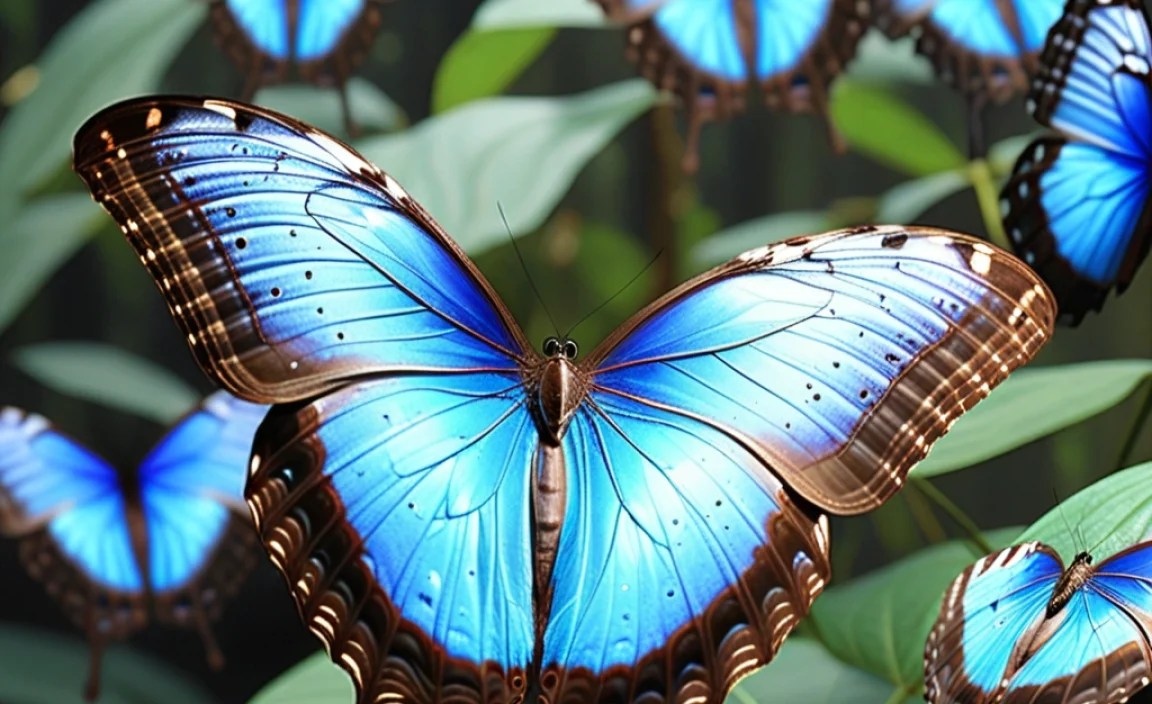
Blue Morpho citizen science is when people help scientists. They collect information about Blue Morpho butterflies. Anyone can do it! You do not need special training. You just need to be interested in nature. Scientists use this information to learn more. They learn about where the butterflies live. They learn about how many there are. This helps them protect the butterflies. It also helps protect their homes. It is fun to be a part of science. You can explore outdoors. You can share what you find. Your observations can make a big difference. It is a great way to help the planet. You can learn a lot too. So, are you ready to become a citizen scientist?
- Citizen science helps collect lots of data.
- Anyone can participate in these projects.
- You can report butterfly sightings online.
- Scientists use your data for research.
- This helps protect Blue Morphos.
Imagine you are walking in a rainforest. You see a big, blue butterfly. It is a Blue Morpho! You take a picture. You write down where you saw it. You share this information with scientists. This is what citizen science is all about. Your small action helps build a big picture. Scientists can track where the butterflies are. They can see if their numbers are changing. They can learn what the butterflies need to survive. This information helps them make good choices. They can protect the rainforests. They can make sure the butterflies have a safe home. So, keep your eyes open for Blue Morphos!
Why Is It Important?
Have you ever wondered why butterflies matter? They are more than just pretty insects. They play a big role in the environment. Butterflies help pollinate plants. This means they help plants make seeds. These seeds grow into new plants. Many animals eat these plants. So, butterflies help feed the animals. They also help keep the rainforest healthy. When we study Blue Morphos, we learn about the rainforest. If the butterflies are healthy, the rainforest is healthy. If the butterflies are struggling, we know there is a problem. That is why Blue Morpho citizen science is so important. It helps us keep an eye on the health of the rainforest.
How Can Kids Participate?
Kids can be great citizen scientists! It is easy to get involved. First, learn what a Blue Morpho looks like. Look for its bright blue wings. They are easy to spot. Then, explore your backyard or a local park. If you see a Blue Morpho, take a picture. Write down where you saw it. Note the date and time. Share your findings with a citizen science project online. Ask your parents or teachers for help. There are many websites and apps you can use. You can also join a local nature group. They might have organized butterfly walks. Remember, every observation counts! You can make a real difference.
What Tools Do You Need?
You do not need a lot of fancy equipment. A camera is helpful. You can use your phone’s camera. A notebook and pencil are good for taking notes. You can write down where you saw the butterfly. You can also write down what it was doing. A field guide can help you identify other plants and animals. This can give you more information about the butterfly’s habitat. A GPS device or a map app can help you record the location accurately. Most importantly, you need curiosity and a love for nature. With these tools, you are ready to explore. Have fun with your Blue Morpho citizen science!
Fun Fact or Stat: The Blue Morpho’s wings look bright blue because of tiny structures that reflect light!
Identifying Blue Morpho Butterflies
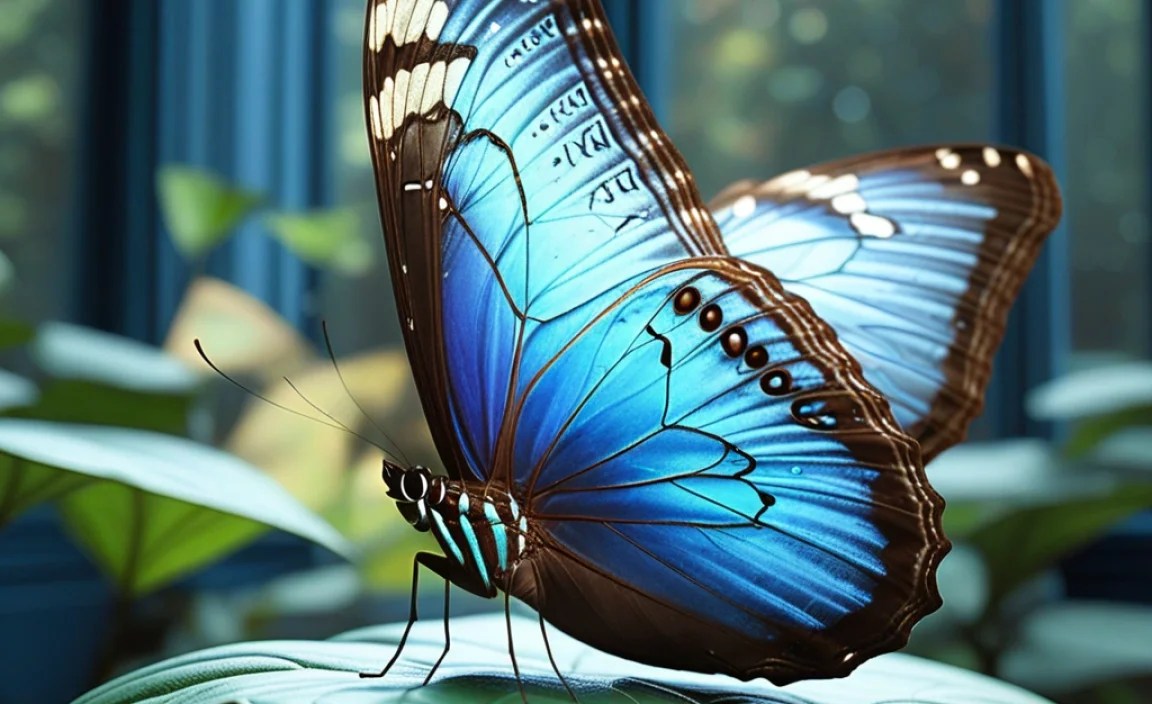
Learning to identify Blue Morphos is the first step. These butterflies are known for their vibrant blue wings. The blue color is not from pigment. It comes from the structure of the scales on their wings. These scales reflect light in a special way. This makes them appear blue. The underside of their wings is brown. It has eyespots. These spots help to scare away predators. Blue Morphos are large butterflies. Their wingspan can be up to eight inches. They live in rainforests of Central and South America. Look for them near streams and rivers. They like to fly in sunny areas. Now you know what to look for. You can start your Blue Morpho citizen science adventure.
- Look for bright blue wings.
- Check for brown undersides with eyespots.
- Note their large size.
- Observe their habitat in rainforests.
- See if they are near water.
Imagine you are on a nature walk. You see a flash of blue. It’s a Blue Morpho! But how can you be sure? First, look at the size. Is it a large butterfly? Blue Morphos are bigger than most butterflies. Next, check the color. Is it a bright, shimmering blue? This is a key sign. Then, look at the underside of the wings. Do you see eyespots? These spots look like eyes. They help protect the butterfly. Finally, think about where you are. Are you in a rainforest? Blue Morphos live in these areas. If you see all these signs, you have probably found a Blue Morpho!
What Makes Them Unique?
Blue Morphos are unique for many reasons. Their bright blue color is one. But there is more to them than just their looks. They have special scales on their wings. These scales reflect light. This creates the blue color. They also have a unique way of flying. They flap their wings slowly. This makes them look like they are floating. Blue Morphos also have a long proboscis. This is a straw-like tongue. They use it to drink nectar from flowers. They also drink juice from rotting fruit. This is another unique thing about them. They are truly special butterflies!
Where Do They Live?
Blue Morphos live in rainforests. These are warm, wet places with lots of trees. They are found in Central and South America. Countries like Brazil, Costa Rica, and Mexico have Blue Morphos. They like to live near rivers and streams. They need water to survive. They also like sunny areas. They need sunlight to warm their bodies. You can often find them flying in open areas of the rainforest. They are an important part of the rainforest ecosystem. They help pollinate plants and provide food for other animals.
What Do They Eat?
Blue Morphos have a varied diet. They mainly drink liquids. They use their long proboscis to suck up food. They like to drink nectar from flowers. Nectar is a sweet liquid that flowers make. They also like to drink juice from rotting fruit. This might sound gross, but it gives them important nutrients. They also drink sap from trees. Sap is a sticky liquid that trees make. Sometimes, they even drink from mud puddles. This gives them minerals they need. Their diet helps them stay healthy and strong. It also helps them reproduce.
Fun Fact or Stat: The Blue Morpho can live for about 115 days!
How to Collect Data for Blue Morpho Citizen Science
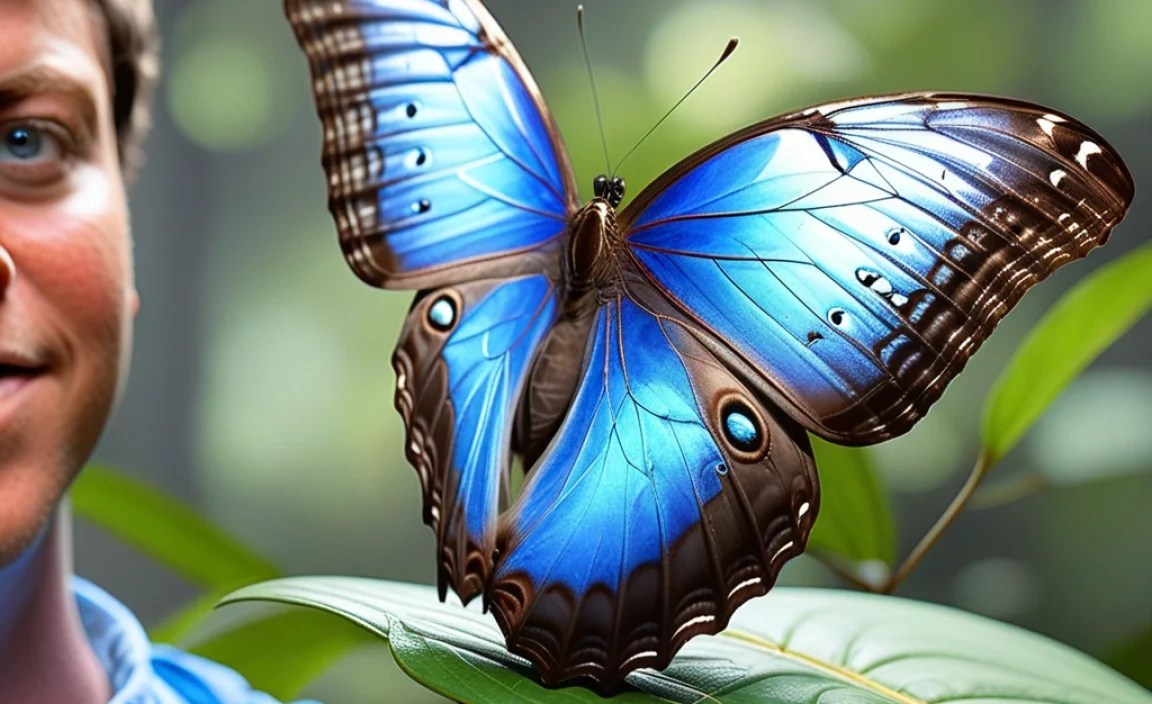
Collecting good data is important for Blue Morpho citizen science. The first step is to find a Blue Morpho. Once you see one, observe it carefully. Note the date, time, and location. You can use a GPS device or a map app on your phone. Take pictures of the butterfly. Try to get clear photos of its wings. Note what the butterfly is doing. Is it flying? Is it feeding? Is it resting? Also, note the weather. Is it sunny or cloudy? All this information is useful. It helps scientists understand the butterfly’s behavior. It also helps them understand its habitat. The more details you collect, the better!
- Record the date and time of the sighting.
- Note the exact location.
- Take clear photos of the butterfly.
- Describe the butterfly’s behavior.
- Record the weather conditions.
- Note the surrounding habitat.
Imagine you are a detective. You are trying to solve a mystery. The mystery is about Blue Morpho butterflies. To solve it, you need clues. The clues are the data you collect. Every detail matters. The date and time tell scientists when the butterfly is active. The location tells them where it lives. The photos help them identify the butterfly. The behavior tells them what it is doing. The weather tells them what conditions it likes. The habitat tells them about its environment. All these clues come together to paint a picture. This picture helps scientists understand and protect the Blue Morpho.
What Kind of Data Is Useful?
Many kinds of data are useful for scientists. Location data is very important. This tells them where the butterflies are. Date and time data is also useful. This tells them when the butterflies are active. Photos are great for identification. They help scientists confirm that it is a Blue Morpho. Behavior data is interesting too. This tells them what the butterflies are doing. Are they feeding? Are they mating? Are they flying? Habitat data is also important. What kind of plants are nearby? What is the weather like? All this data helps scientists understand the Blue Morpho’s life.
How to Record Your Observations?
There are many ways to record your observations. You can use a notebook and pencil. Write down the date, time, and location. Describe the butterfly’s appearance and behavior. Draw a picture if you like. You can also use a smartphone or tablet. Take photos and videos. Use a notes app to record your observations. There are also special apps for citizen science. These apps make it easy to share your data with scientists. Choose the method that works best for you. The important thing is to record your observations accurately.
Tips for Taking Good Photos
Taking good photos is important for Blue Morpho citizen science. First, get close to the butterfly. But be careful not to scare it. Use your camera’s zoom feature if needed. Make sure the butterfly is in focus. A blurry photo is not very helpful. Try to get a clear shot of its wings. This is important for identification. Take photos from different angles. This will show different features of the butterfly. Pay attention to the lighting. Good lighting makes for a better photo. If it is too dark, use your camera’s flash. Remember, a good photo can tell a thousand words!
Fun Fact or Stat: Blue Morphos taste with sensors on their feet!
Tools and Resources for Blue Morpho Citizen Science

Many tools and resources can help you with Blue Morpho citizen science. First, you need a way to identify Blue Morphos. Field guides and online resources are great for this. They show pictures and descriptions of the butterfly. You also need a way to record your observations. A notebook and pencil work well. A smartphone or tablet is even better. You can use it to take photos and videos. You can also use apps to record your data. There are many citizen science platforms online. These platforms let you share your data with scientists. They also let you see what other people have found. These tools and resources can make your citizen science experience more fun and rewarding.
- Use field guides for identification.
- Download citizen science apps.
- Explore online databases of butterfly sightings.
- Join local nature groups.
- Check out museum exhibits.
Imagine you are going on a treasure hunt. You need the right tools to find the treasure. For Blue Morpho citizen science, the tools are the resources you use. A field guide is like a map. It shows you what a Blue Morpho looks like. An app is like a metal detector. It helps you record and share your findings. A website is like a library. It gives you information about the butterfly. A local nature group is like a team. It helps you explore and learn with others. With the right tools, you are ready to find the treasure of knowledge about Blue Morphos.
Online Citizen Science Platforms
Online platforms are great for citizen science. They connect you with scientists and other volunteers. They provide tools for recording and sharing data. Many platforms focus on butterflies. Some focus specifically on Blue Morphos. These platforms often have maps. You can see where other people have spotted Blue Morphos. You can also upload your own sightings. Scientists use this data to study the butterflies. They can track their movements and populations. They can also learn about their habitat. These platforms make it easy to contribute to science.
Apps for Butterfly Identification
Apps can help you identify butterflies. You can take a photo of a butterfly. The app will compare it to images in its database. It will then suggest possible matches. Some apps even use artificial intelligence. This helps them identify butterflies more accurately. These apps are great for beginners. They can help you learn about different butterfly species. They can also help you identify Blue Morphos. Remember to always double-check the app’s suggestion. Use other resources to confirm the identification.
Field Guides and Books
Field guides and books are valuable resources. They provide detailed information about butterflies. They include pictures, descriptions, and range maps. They can help you identify Blue Morphos and other species. Look for field guides specific to your region. This will ensure that the information is accurate. Many libraries and bookstores have field guides. You can also find them online. These resources can help you become a butterfly expert. They can also enhance your citizen science experience.
Fun Fact or Stat: Blue Morpho butterflies are iridescent, meaning their color changes depending on the angle you view them!
The Impact of Citizen Science on Blue Morpho Research
Blue Morpho citizen science has a big impact on research. Scientists can learn a lot from citizen scientists. They can collect data from many different places. They can collect data over a long period of time. This gives scientists a more complete picture. They can see how the butterflies are doing. They can track their populations. They can learn about their habitat. This information helps them protect the butterflies. It also helps them protect the rainforest. Citizen science is a powerful tool. It helps us understand and protect our planet. It is amazing how much we can learn together.
| Benefit | Description |
|---|---|
| Large-scale Data Collection | Citizen scientists gather data across wide geographic areas. |
| Long-term Monitoring | Volunteers can track butterfly populations over many years. |
| Increased Public Awareness | Citizen science promotes awareness of butterfly conservation. |
| Cost-Effective Research | Citizen science reduces the cost of data collection for scientists. |
| Community Engagement | It connects people with nature and science. |
Imagine scientists trying to study Blue Morphos all by themselves. It would be very hard! They could only go to a few places. They could only study the butterflies for a short time. But with citizen science, they have many helpers. People all over can collect data. This gives scientists much more information. It is like having many eyes watching the butterflies. It helps scientists see the big picture. It helps them understand what is happening. This is why citizen science is so important for research. It makes it possible to learn so much more.
How Does Data Help Scientists?
Data helps scientists in many ways. It gives them information about the world. They can use this information to answer questions. They can learn about how things work. For example, they can learn about how Blue Morphos live. They can learn about what they eat. They can learn about where they live. They can also learn about how they are affected by changes in the environment. This data helps scientists make informed decisions. They can use it to protect the butterflies and their habitat. Data is the foundation of science.
Real-World Examples of Impact
There are many examples of how citizen science has helped. One example is the Monarch butterfly. Citizen scientists have helped track their migration. This has helped scientists understand their needs. It has also helped them protect their habitat. Another example is the Christmas Bird Count. This is a long-running citizen science project. It has helped track bird populations for over 100 years. This data has helped scientists understand how birds are affected by climate change. These examples show the power of citizen science. It can make a real difference in the world.
Protecting Blue Morpho Habitats
Protecting Blue Morpho habitats is very important. These butterflies need rainforests to survive. Rainforests are being destroyed for many reasons. People are cutting down trees for wood. They are clearing land for farming. They are also building roads and cities. This destroys the butterfly’s home. We need to protect the rainforests. We can do this by supporting sustainable practices. We can also donate to conservation organizations. Blue Morpho citizen science helps raise awareness. It helps people understand the importance of these habitats. Together, we can make a difference.
Fun Fact or Stat: Blue Morphos are a favorite subject for butterfly gardens and exhibits!
Challenges and Solutions in Blue Morpho Citizen Science
Blue Morpho citizen science has some challenges. One challenge is data accuracy. Not everyone is an expert. People might misidentify butterflies. They might make mistakes when recording data. Another challenge is data coverage. Some areas are easier to access than others. This means that some areas might have more data than others. This can make it hard to get a complete picture. Another challenge is engaging volunteers. It can be hard to keep people interested over a long period of time. But there are solutions to these challenges. Training can help improve data accuracy. Targeted outreach can improve data coverage. Fun activities can help engage volunteers.
- Ensuring data accuracy is important.
- Addressing gaps in data coverage is key.
- Keeping volunteers engaged is a challenge.
- Using technology can help.
- Promoting collaboration can improve results.
Imagine you are building a puzzle. You need all the pieces to complete the picture. In Blue Morpho citizen science, the data is like the puzzle pieces. If some pieces are missing or wrong, the picture is not complete. That is why data accuracy and coverage are important. It is like making sure you have all the right pieces. Engaging volunteers is like keeping the puzzle fun. If it is boring, people will stop playing. So, we need to make citizen science fun and rewarding. This will help us build a complete and accurate picture of Blue Morpho butterflies.
Ensuring Data Quality
Data quality is very important. We need to make sure the data is accurate. We can do this by providing training. We can teach people how to identify Blue Morphos. We can also teach them how to record data correctly. We can also use technology to help. Apps can help people identify butterflies. They can also help people record data accurately. We can also have experts review the data. They can check for errors and inconsistencies. By taking these steps, we can ensure data quality.
Addressing Data Gaps
Data gaps can be a problem. Some areas might have less data than others. This can make it hard to get a complete picture. We can address this by targeting outreach. We can encourage people to collect data in under-represented areas. We can also use technology to help. We can use satellite imagery to identify potential habitats. We can then focus our efforts on these areas. We can also partner with local communities. They can help us collect data in remote areas. By taking these steps, we can address data gaps.
Maintaining Volunteer Engagement
Keeping volunteers engaged is important. We want people to stay involved in citizen science. We can do this by making it fun and rewarding. We can organize butterfly walks and events. We can also provide feedback to volunteers. Let them know how their data is being used. We can also recognize their contributions. We can give them awards or certificates. We can also create a community. This will help volunteers connect with each other. By taking these steps, we can maintain volunteer engagement.
Fun Fact or Stat: Blue Morphos are sensitive to changes in their environment, making them good indicators of rainforest health!
Summary
Blue Morpho citizen science is a fantastic way for everyone to help scientists study these beautiful butterflies. By taking pictures, recording locations, and sharing observations, people of all ages can contribute valuable data. This data helps scientists understand where Blue Morphos live, how they behave, and what they need to survive. Citizen science projects help protect the rainforests where these butterflies thrive. They also raise awareness about the importance of conservation. With simple tools like cameras, notebooks, and online platforms, anyone can become a citizen scientist and make a difference.
Conclusion
Blue Morpho citizen science is a powerful tool. It helps us learn about these amazing butterflies. It also helps us protect their rainforest home. You can join the effort. Explore your backyard or a local park. Look for Blue Morphos. Record your observations. Share your findings with scientists. Together, we can make a difference. We can help protect these beautiful creatures for future generations.
Frequently Asked Questions
Question No 1: What is citizen science?
Answer: Citizen science is when regular people help scientists with their research. You do not need to be a scientist to participate. You just need to be interested in learning and helping. Citizen scientists can collect data, analyze information, and share their findings. It is a great way to get involved in science and make a difference. In the case of Blue Morpho citizen science, your observations contribute directly to understanding and protecting these butterflies.
Question No 2: How can I identify a Blue Morpho butterfly?
Answer: Blue Morphos are famous for their bright blue wings. The blue color is very vibrant and shiny. The underside of their wings is brown with eyespots. These spots look like eyes. They help scare away predators. Blue Morphos are also large butterflies. Their wingspan can be up to eight inches. They live in rainforests of Central and South America. Look for them near streams and rivers. Knowing these characteristics makes it easier to spot them during your Blue Morpho citizen science adventures.
Question No 3: What tools do I need to participate in citizen science?
Answer: You do not need a lot of fancy equipment. A camera is helpful for taking pictures of butterflies. You can use your phone’s camera. A notebook and pencil are good for taking notes. You can write down where you saw the butterfly. You can also write down what it was doing. A field guide can help you identify butterflies. Most importantly, you need curiosity and a love for nature. These are the most valuable tools for Blue Morpho citizen science!
Question No 4: Where do Blue Morpho butterflies live?
Answer: Blue Morphos live in rainforests. These are warm, wet places with lots of trees. They are found in Central and South America. Countries like Brazil, Costa Rica, and Mexico have Blue Morphos. They like to live near rivers and streams. They need water to survive. They also like sunny areas. They need sunlight to warm their bodies. Understanding their habitat helps you know where to look during your Blue Morpho citizen science observations.
Question No 5: Why is citizen science important for Blue Morphos?
Answer: Citizen science helps scientists collect a lot of data. They can get data from many different places. They can also get data over a long period of time. This gives them a better understanding of the butterflies. They can learn about their populations. They can learn about their habitat. They can also learn about threats to their survival. This information helps scientists protect the butterflies. Your participation in Blue Morpho citizen science directly contributes to their conservation.
Question No 6: How can I share my Blue Morpho observations?
Answer: There are many ways to share your observations. You can use online citizen science platforms. These platforms allow you to upload photos and data. You can also share your observations with local nature groups. They might have organized butterfly walks. You can also contact scientists directly. They might be interested in your findings. Sharing your data is an important part of citizen science. It helps scientists learn and protect Blue Morphos and their habitat.


