
Conservation Butterfly Database: Your FREE Guide

Quick Summary:
A conservation butterfly database is a crucial tool for tracking butterfly populations, understanding their habitats, and guiding conservation efforts. These databases gather information on butterfly sightings, species distribution, and habitat conditions. By accessing and contributing to these databases, citizen scientists and researchers alike can help protect these vital pollinators and their ecosystems.
Butterflies are more than just beautiful insects; they’re vital indicators of environmental health. Unfortunately, butterfly populations are facing increasing threats from habitat loss, climate change, and pesticide use. It can feel overwhelming to know how to help. The good news is that conservation butterfly databases are making a real difference. They are user-friendly tools that allow anyone to contribute to butterfly conservation.
This article will guide you through how to use and contribute to these valuable resources. You’ll learn where to find them, how to use them effectively, and how your observations can make a real difference in protecting these amazing creatures. Let’s get started!
Why Use a Conservation Butterfly Database?
Butterfly databases are essential for several reasons:
- Monitoring Populations: Tracking changes in butterfly populations over time.
- Identifying Threats: Understanding the factors impacting butterfly survival.
- Guiding Conservation Efforts: Informing strategies to protect butterfly habitats.
- Supporting Research: Providing data for scientific studies on butterfly ecology.
- Raising Awareness: Educating the public about the importance of butterfly conservation.
These databases act as a central repository for information, allowing researchers, conservationists, and citizen scientists to collaborate effectively. By combining data from various sources, we can gain a more complete picture of butterfly populations and their needs.
Key Features of a Conservation Butterfly Database
Most conservation butterfly databases share several common features:
- Species Information: Detailed descriptions, images, and life cycle information for different butterfly species.
- Distribution Maps: Visual representations of where different butterfly species have been observed.
- Sighting Records: Data on individual butterfly sightings, including location, date, and observer information.
- Habitat Information: Details on the types of habitats where different butterfly species are found.
- Conservation Status: Information on the conservation status of different butterfly species, such as whether they are endangered or threatened.
These features allow users to explore butterfly diversity, track population trends, and identify areas where conservation efforts are most needed.
Step-by-Step Guide to Using a Conservation Butterfly Database
Here’s a step-by-step guide to using a conservation butterfly database effectively:
Step 1: Choose a Database
There are several excellent conservation butterfly databases available. Some popular options include:
- The Global Butterfly Information System (GloBIS): A comprehensive database with information on butterfly species worldwide (https://www.globalbutterfly.info/).
- Butterflies and Moths of North America (BAMONA): Focuses on North American species and allows users to submit sightings (https://www.butterfliesandmoths.org/).
- iNaturalist: A citizen science platform where users can record and share observations of all types of wildlife, including butterflies (https://www.inaturalist.org/).
- eButterfly: A platform specifically designed for butterfly sightings, with a focus on North America and Europe (https://www.e-butterfly.org/).
Consider which database is most relevant to your region and interests.
Step 2: Create an Account
Many databases require you to create an account to submit sightings or access certain features. This is usually a simple process that involves providing your name, email address, and a password.
Step 3: Explore the Database
Take some time to explore the database and familiarize yourself with its features. Look for information on butterfly species in your area, distribution maps, and recent sightings. Most databases have search functions to help you find specific information.
Step 4: Submit Sightings
If you see a butterfly, record as much information as possible, including:
- Species: If you know the species, record it. If not, take a photo and try to identify it later.
- Location: Use GPS coordinates or a detailed description of the location.
- Date and Time: Record the date and time of the sighting.
- Habitat: Describe the habitat where you saw the butterfly (e.g., meadow, forest, garden).
- Behavior: Note what the butterfly was doing (e.g., feeding, flying, resting).
- Photos: Take photos of the butterfly from different angles to aid in identification.
Once you have this information, submit it to the database. Be as accurate as possible.
Step 5: Verify Your Sightings
Some databases have a verification process to ensure the accuracy of sightings. This may involve experts reviewing your submission or comparing it to other records. Be prepared to provide additional information or photos if requested.
Step 6: Engage with the Community
Many databases have online forums or communities where you can connect with other butterfly enthusiasts. Share your sightings, ask questions, and learn from others. This is a great way to improve your butterfly identification skills and contribute to conservation efforts.
Tips for Accurate Butterfly Identification
Accurate butterfly identification is crucial for contributing valuable data to conservation databases. Here are some tips to help you improve your identification skills:
- Use a Field Guide: A good field guide is essential for identifying butterflies. Look for one that covers your region and includes detailed descriptions and illustrations.
- Take Clear Photos: Photos are invaluable for identification. Try to capture the butterfly from different angles, including the upper and lower sides of the wings.
- Pay Attention to Details: Note the butterfly’s size, shape, color, and markings. Look for unique features that can help you distinguish it from similar species.
- Consider the Habitat: Some butterfly species are more likely to be found in certain habitats. Knowing the habitat can help you narrow down the possibilities.
- Use Online Resources: Websites like Butterflies and Moths of North America (BAMONA) and iNaturalist have identification tools and forums where you can get help from experts.
- Practice Regularly: The more you observe and identify butterflies, the better you will become at it.
Tools for Butterfly Identification
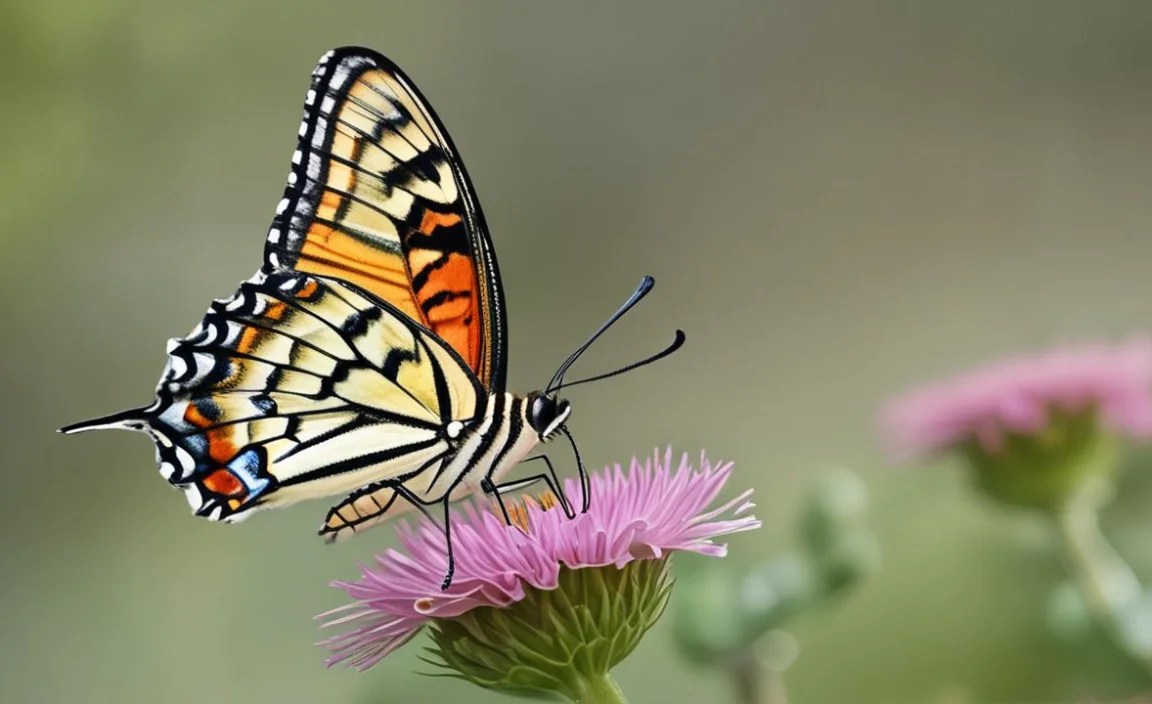
Several tools can assist you in identifying butterflies:
- Field Guides: Peterson Field Guide to Butterflies, National Audubon Society Field Guide to North American Butterflies
- Online Databases: Butterflies and Moths of North America (BAMONA), iNaturalist
- Butterfly Identification Apps: Apps like Picture Insect and Seek can help identify butterflies from photos.
- Binoculars: A good pair of binoculars can help you get a closer look at butterflies without disturbing them.
- Camera: A camera with a macro lens is ideal for capturing detailed photos of butterflies.
How Your Sightings Help Butterfly Conservation
Every butterfly sighting you submit to a conservation database contributes to a larger effort to protect these important insects. Here’s how:
- Tracking Population Trends: By monitoring butterfly populations over time, scientists can identify declines and take action to address them.
- Identifying Important Habitats: Sightings data can help identify critical habitats for butterflies, which can then be protected through conservation efforts.
- Assessing the Impact of Climate Change: Butterfly distributions are shifting in response to climate change. Sightings data can help track these changes and inform conservation strategies.
- Evaluating the Effectiveness of Conservation Efforts: By monitoring butterfly populations in areas where conservation efforts are underway, scientists can assess whether these efforts are working.
- Raising Awareness: Citizen science projects like butterfly monitoring can raise awareness about the importance of butterfly conservation and inspire people to take action.
Examples of Conservation Success Stories
Butterfly conservation efforts have led to several success stories, demonstrating the positive impact of these initiatives:
- Monarch Butterfly Conservation: Efforts to protect monarch butterfly overwintering habitats in Mexico and restore milkweed habitat in North America have helped stabilize monarch populations.
- Mission Blue Butterfly Recovery: Habitat restoration and captive breeding programs have helped the endangered Mission Blue Butterfly recover in the San Francisco Bay Area.
- Karner Blue Butterfly Conservation: Habitat management and reintroduction programs have helped the Karner Blue Butterfly recover in several states.
These success stories show that conservation efforts can make a real difference for butterfly populations.
Challenges in Butterfly Conservation
Despite these successes, butterfly conservation still faces significant challenges:
- Habitat Loss: Habitat loss is the biggest threat to butterflies. As natural areas are converted to agriculture, development, and other uses, butterflies lose their homes and food sources.
- Climate Change: Climate change is altering butterfly distributions and phenology (the timing of life cycle events). Some butterfly species are struggling to adapt to these changes.
- Pesticide Use: Pesticides can directly kill butterflies or harm their food sources. Neonicotinoid insecticides are particularly harmful to pollinators.
- Invasive Species: Invasive plants can outcompete native plants that butterflies rely on for food and habitat.
- Lack of Funding: Butterfly conservation often receives less funding than other conservation priorities.
Addressing these challenges requires a multi-faceted approach that includes habitat protection, climate change mitigation, pesticide reduction, invasive species control, and increased funding for conservation efforts.
How to Create a Butterfly-Friendly Habitat
Creating a butterfly-friendly habitat in your backyard or community can make a big difference for butterfly populations. Here’s how:
- Plant Native Flowers: Native flowers provide nectar for adult butterflies and food for caterpillars. Choose a variety of flowers that bloom throughout the growing season.
- Plant Host Plants: Host plants are plants that caterpillars feed on. Research which host plants are needed by the butterfly species in your area and plant them in your garden.
- Provide a Water Source: Butterflies need water to drink. Provide a shallow dish of water with pebbles or sand for them to land on.
- Avoid Pesticides: Pesticides can harm butterflies and other beneficial insects. Avoid using pesticides in your garden.
- Provide Shelter: Butterflies need shelter from wind and rain. Plant trees and shrubs to provide them with cover.
- Leave Leaf Litter: Some butterflies overwinter as pupae in leaf litter. Leave some leaf litter in your garden to provide them with a place to hibernate.
By creating a butterfly-friendly habitat, you can help support butterfly populations and enjoy the beauty of these amazing creatures in your own backyard.
Engaging Children in Butterfly Conservation
Engaging children in butterfly conservation is a great way to foster a love of nature and inspire the next generation of conservationists. Here are some ideas:
- Visit a Butterfly Garden: Take children to a butterfly garden or nature center where they can see butterflies up close and learn about their life cycle.
- Raise Butterflies at Home: Raising butterflies from caterpillars is a fun and educational activity that allows children to observe the butterfly life cycle firsthand.
- Read Butterfly Books: There are many excellent children’s books about butterflies. Read these books with children to teach them about butterfly biology and conservation.
- Create Butterfly Art: Make butterfly crafts with children, such as painting, drawing, or making butterfly masks.
- Participate in Citizen Science Projects: Involve children in citizen science projects like butterfly monitoring. This is a great way to teach them about scientific data collection and contribute to conservation efforts.
By engaging children in butterfly conservation, we can help them develop a lifelong appreciation for nature and a commitment to protecting our planet.
Ethical Considerations for Butterfly Observation
When observing butterflies, it’s important to do so ethically and minimize your impact on their habitat. Here are some guidelines:
- Observe from a Distance: Avoid getting too close to butterflies, as this can disturb them and disrupt their behavior.
- Do Not Handle Butterflies: Handling butterflies can damage their delicate wings and scales. Only handle butterflies if you are participating in a research project that requires it.
- Stay on Trails: When observing butterflies in natural areas, stay on trails to avoid trampling vegetation and disturbing butterfly habitats.
- Do Not Collect Butterflies: Collecting butterflies can harm butterfly populations, especially if they are rare or endangered. Only collect butterflies if you have a permit for scientific research.
- Respect Private Property: Obtain permission before observing butterflies on private property.
By following these ethical guidelines, you can enjoy observing butterflies without harming them or their habitat.
Conservation Butterfly Database Comparison
| Database | Geographic Focus | Key Features | User-Friendliness |
|---|---|---|---|
| GloBIS | Global | Comprehensive species information, distribution maps | Moderate |
| BAMONA | North America | Sighting submissions, species guides, identification tools | High |
| iNaturalist | Global | General wildlife sightings, image recognition, community engagement | High |
| eButterfly | North America, Europe | Butterfly-specific sightings, data visualization, expert verification | High |
Conservation Status Categories Explained
| Category | Definition | Implications |
|---|---|---|
| Extinct (EX) | No reasonable doubt that the last individual has died. | Species is lost; efforts focus on preventing future extinctions. |
| Critically Endangered (CR) | Extremely high risk of extinction in the wild. | Urgent conservation action required to prevent extinction. |
| Endangered (EN) | Very high risk of extinction in the wild. | Significant conservation efforts needed to improve survival chances. |
| Vulnerable (VU) | High risk of endangerment in the wild. | Requires monitoring and habitat protection to prevent decline. |
| Near Threatened (NT) | Close to qualifying for a threatened category. | Needs regular evaluation to determine if conservation action is necessary. |
| Least Concern (LC) | Widespread and abundant, not facing immediate threats. | Monitored to ensure populations remain stable. |
FAQ Section
What is a conservation butterfly database?
A conservation butterfly database is a digital collection of information about butterflies. It includes details on their distribution, habitat, and population sizes. This helps scientists and conservationists track and protect these important insects.
Why are butterfly databases important?
Butterfly databases help us monitor butterfly populations, understand their needs, and identify threats they face. This information is essential for effective conservation planning and action.
How can I contribute to a butterfly database?
You can contribute by submitting your butterfly sightings to platforms like BAMONA, iNaturalist, or eButterfly. Include details like the species, location, date, and photos if possible.
What if I don’t know the butterfly species?
Take clear photos of the butterfly and use online resources or field guides to help identify it. You can also post the photos on online forums and ask for help from experts.
Are there any ethical considerations when observing butterflies?
Yes, always observe butterflies from a distance, avoid handling them, and stay on trails to minimize disturbance to their habitat. Do not collect butterflies unless you have a permit for scientific research.
What are the biggest threats to butterflies?
The biggest threats to butterflies include habitat loss, climate change, pesticide use, and invasive species. These factors can reduce butterfly populations and even lead to extinction.
How can I help butterflies in my backyard?
Plant native flowers and host plants, provide a water source, avoid pesticides, and provide shelter. Creating a butterfly-friendly habitat in your backyard can make a big difference for local butterfly populations.
Conclusion
Conservation butterfly databases are powerful tools for protecting these beautiful and important insects. By understanding how to use these databases and contributing your own sightings, you can play a vital role in butterfly conservation. Whether you’re a seasoned naturalist or just starting to explore the world of butterflies, your observations can make a difference. So, get outside, start exploring, and help us protect these amazing creatures for generations to come. Every sighting counts!


