
Butterfly Migration Triggers: Unlocking the Secret

Butterfly Migration Triggers: A Naturalist’s Guide

Quick Summary: Butterfly migration is sparked by a combination of environmental cues, including changes in temperature, day length, and the availability of food sources like nectar and host plants. These triggers signal the butterflies that it’s time to move to more favorable conditions for survival and reproduction.
Have you ever wondered why some butterflies embark on incredible journeys across vast distances? It’s truly one of nature’s most captivating events. Butterfly migration is not just a random flight; it’s a carefully orchestrated response to specific environmental signals. Understanding these “triggers” helps us appreciate the complexity of butterfly behavior and how they adapt to changing conditions. In this guide, we’ll explore the key factors that set these amazing migrations in motion, making it easier for you to witness and support these natural wonders in your own backyard.
What Sparks the Journey?

Butterfly migration isn’t a simple decision; it’s a complex interplay of several factors. These triggers tell butterflies when and where to fly, ensuring their survival and the continuation of their species.
1. Temperature Changes
Temperature plays a crucial role in initiating butterfly migration. As temperatures drop in the late summer and fall, many butterfly species, especially those in temperate climates, begin to prepare for migration. Cooler temperatures can reduce their activity levels and signal the approach of less favorable conditions. Monarch butterflies, for example, cannot survive freezing temperatures, which prompts their southward journey to warmer overwintering sites in Mexico and California. You can learn more about monarch butterfly biology from resources like the USDA Forest Service website.
2. Changes in Day Length (Photoperiod)
The changing length of daylight, known as photoperiod, is another significant trigger. As days shorten in the fall, butterflies sense the shift in seasons. This change influences their physiology and behavior, preparing them for the energy-demanding journey ahead. The reduction in sunlight hours affects hormone production in butterflies, which in turn affects their development and reproductive status. This cue is vital for species that rely on consistent seasonal changes to time their migrations correctly.
3. Availability of Food Resources
The availability of food resources, particularly nectar for adults and host plants for larvae, is a critical factor. As certain plants die back or become scarce, butterflies may need to seek out areas with more abundant food sources. For example, the decline of milkweed, the primary host plant for monarch caterpillars, can prompt adult monarchs to migrate in search of new breeding grounds where milkweed is still plentiful. The Xerces Society offers valuable resources on finding milkweed seeds and plants to support monarch populations.
4. Population Density
High population density can also trigger migration. When an area becomes overcrowded, competition for resources like food and habitat intensifies. This competition can lead some butterflies to seek out new territories with less competition, ensuring better survival rates for themselves and their offspring. This is particularly noticeable in species that reproduce rapidly and can quickly exhaust local resources.
5. Genetic Predisposition
Genetic factors also play a significant role in butterfly migration. Some butterfly species are genetically programmed to migrate, with each generation undertaking the same migratory routes and behaviors. These innate tendencies are passed down through their genes, ensuring that the butterflies instinctively know when and where to migrate. Scientists are still uncovering the specific genes involved, but it’s clear that genetics provide a fundamental blueprint for migration.
How These Triggers Work Together
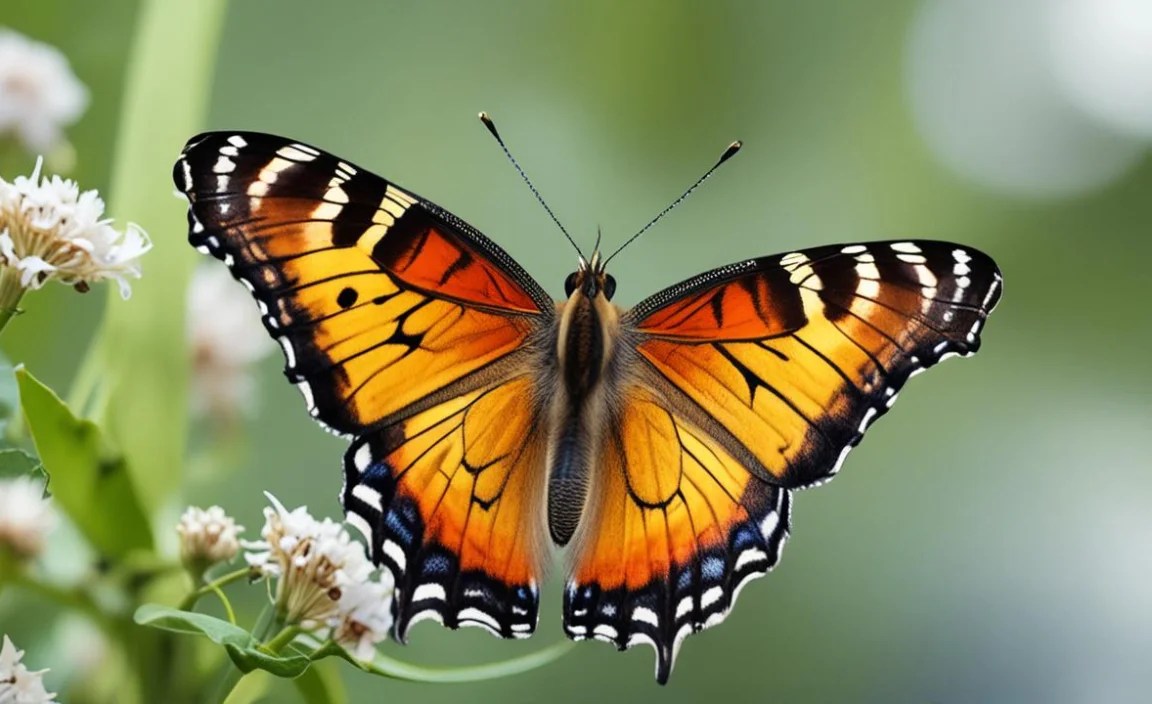
These triggers don’t operate in isolation; they often work together to initiate butterfly migration. For instance, decreasing temperatures and shortening day lengths might coincide with the decline of nectar sources, creating a combined signal that prompts butterflies to migrate. The interplay of these factors ensures that butterflies respond appropriately to their environment, maximizing their chances of survival and successful reproduction.
Here’s a table summarizing these key triggers:
| Trigger | Description | Impact on Migration |
|---|---|---|
| Temperature Changes | Decreasing temperatures signal the onset of less favorable conditions. | Prompts butterflies to seek warmer climates to avoid freezing temperatures. |
| Changes in Day Length (Photoperiod) | Shortening daylight hours indicate the changing of seasons. | Affects hormone production and prepares butterflies for migration. |
| Availability of Food Resources | Decline in nectar sources and host plants. | Drives butterflies to find areas with abundant food. |
| Population Density | Overcrowding and increased competition for resources. | Encourages butterflies to seek new territories with less competition. |
| Genetic Predisposition | Innate migratory behaviors passed down through genes. | Ensures butterflies instinctively know when and where to migrate. |
Examples of Butterfly Migration and Their Triggers

Let’s look at some specific examples of butterfly migration and how these triggers play out in real life.
Monarch Butterfly Migration
The monarch butterfly migration is perhaps the most well-known and studied butterfly migration in the world. Monarchs undertake an epic multi-generational journey from Canada and the United States to overwintering sites in Mexico and California. Several triggers contribute to this migration:
- Temperature: As temperatures drop in the fall, monarchs cannot survive in colder climates.
- Day Length: Shortening daylight hours signal the approach of winter.
- Milkweed Decline: The end of the milkweed growing season means that there is no food for the monarch caterpillars.
These factors combine to prompt monarchs to fly thousands of miles to their overwintering destinations, where they cluster together for warmth and protection. You can support monarch conservation efforts by planting milkweed and nectar-rich flowers in your garden, as recommended by organizations like World Wildlife Fund.
Painted Lady Migration
Painted Lady butterflies are another migratory species, undertaking long-distance flights across continents. Their migration is often triggered by:
- Food Availability: Painted Ladies migrate in search of areas with abundant thistle, their primary host plant.
- Population Density: Large populations can exhaust local resources, prompting them to disperse.
These butterflies can travel thousands of miles, sometimes in massive swarms, to find suitable breeding grounds. Their migration patterns are less predictable than those of monarchs, but equally fascinating.
Cloudless Sulphur Migration
Cloudless Sulphur butterflies migrate in response to seasonal changes in temperature and host plant availability. They move northward in the spring and southward in the fall, following the growth of their host plants, such as cassia and senna. Triggers for their migration include:
- Temperature: They move to warmer regions to extend their breeding season.
- Host Plant Availability: They follow the growth of cassia and senna plants, which provide food for their caterpillars.
How to Observe and Support Butterfly Migration

Observing butterfly migration can be an incredibly rewarding experience. Here are some tips on how to witness and support these amazing journeys:
1. Plant Native Nectar and Host Plants
Providing food sources for migrating butterflies is one of the best ways to support them. Plant native nectar-rich flowers to provide energy for adult butterflies and host plants to support their caterpillars. For monarchs, planting milkweed is essential. For other species, research native plants that attract butterflies in your area. Resources like the National Wildlife Federation’s Native Plant Finder can help you choose the right plants for your region.
2. Create a Butterfly-Friendly Habitat
In addition to providing food, create a habitat that offers shelter and water. Butterflies need places to rest and protection from the elements. Include shrubs and trees in your garden to provide shelter, and add a shallow dish of water with pebbles for butterflies to drink from. Avoid using pesticides, which can harm or kill butterflies and other beneficial insects.
3. Time Your Observations
Learn about the typical migration patterns of butterflies in your area and plan your observations accordingly. Fall is often the best time to see monarch migrations in North America. Check local resources and butterfly monitoring programs to find out when and where to see migrating butterflies.
4. Participate in Citizen Science Projects
Contribute to butterfly conservation by participating in citizen science projects. These projects help scientists track butterfly populations and migration patterns. Organizations like Journey North and the Monarch Joint Venture offer opportunities to contribute valuable data. Your observations can help researchers better understand and protect migrating butterflies.
5. Educate Others
Share your knowledge and enthusiasm for butterflies with others. Educate your friends, family, and community about the importance of butterfly conservation. By raising awareness, you can inspire others to take action and support these incredible creatures.
The Future of Butterfly Migration
Butterfly migration faces numerous challenges, including habitat loss, climate change, and pesticide use. Protecting and supporting these migrations is crucial for the health of our ecosystems. By understanding the triggers that drive butterfly migration and taking action to create butterfly-friendly habitats, we can help ensure that these amazing journeys continue for generations to come.
Here’s a table outlining the threats and conservation actions:
| Threat | Description | Conservation Action |
|---|---|---|
| Habitat Loss | Destruction of breeding and overwintering habitats. | Protect and restore natural habitats; create butterfly gardens. |
| Climate Change | Changes in temperature and weather patterns disrupting migration. | Reduce carbon footprint; support climate-friendly policies. |
| Pesticide Use | Harmful chemicals killing butterflies and their food sources. | Avoid using pesticides; promote organic gardening practices. |
FAQ: Butterfly Migration Triggers
1. What exactly triggers butterfly migration?
Butterfly migration is triggered by a combination of factors, including temperature changes, the length of daylight, food availability, population density, and genetic predisposition.
2. Why do monarchs migrate so far?
Monarchs migrate to escape freezing temperatures and find suitable overwintering habitats. They travel to warmer climates where they can survive and reproduce.
3. How do butterflies know when to migrate?
Butterflies sense environmental cues such as changes in temperature and day length. These cues trigger hormonal and behavioral changes that prepare them for migration.
4. What can I do to help migrating butterflies?
You can help by planting native nectar and host plants, creating a butterfly-friendly habitat, avoiding pesticide use, and participating in citizen science projects.
5. Are all butterflies migratory?
No, not all butterflies migrate. Migration is more common in certain species that live in temperate climates with distinct seasons.
6. How does climate change affect butterfly migration?
Climate change can disrupt butterfly migration patterns by altering temperatures, weather patterns, and the availability of food resources. This can make it harder for butterflies to find suitable breeding and overwintering grounds.
7. What is the role of genetics in butterfly migration?
Genetics play a significant role, providing an innate blueprint for migration. Some butterfly species are genetically programmed to migrate, with each generation undertaking the same migratory routes and behaviors.
Conclusion
Understanding the triggers of butterfly migration allows us to appreciate the incredible adaptations and resilience of these creatures. From temperature changes and day length to food availability and genetic programming, each factor plays a crucial role in initiating these epic journeys. By creating butterfly-friendly habitats, supporting conservation efforts, and educating others, we can help ensure that future generations have the opportunity to witness the magic of butterfly migration. As a naturalist, I encourage you to observe, learn, and take action to protect these beautiful and vital members of our ecosystem. Together, we can make a difference!


