
Easy Species Identification Images: A Visual Guide

Have you ever seen a cool bug? Did you wonder what kind it was? It can be hard to know. There are so many different plants and animals. Luckily, species identification images can help! They show us what different things look like. This helps us learn about the world around us.
Learning about nature is super fun. We can use pictures to find out names. Then we can learn all about them. Do you want to learn how to use species identification images? Keep reading to find out more!
Key Takeaways
- Species identification images are useful for figuring out what different animals and plants are.
- Clear photos and good descriptions make it easy to identify species.
- Websites and apps can help you use species identification images quickly.
- Looking at key features helps you tell different species apart.
- Learning about species helps us protect our planet and its creatures.
Using Photos to Identify Species

Have you ever gone on a nature walk? Did you see a bird you didn’t know? Or a cool flower? Figuring out what they are can be tricky. But species identification images make it easier! They give us a visual way to learn. We can compare what we see to the pictures. This helps us find the right name. It also helps us learn about the species. Photos show us important details. These details can include colors, shapes, and sizes. They can also show where the animal or plant lives. This can help us narrow down the possibilities. With good pictures, we can all become nature detectives! It’s like having a helpful guide with us. We can learn new things every time we go outside.
- Photos show colors and patterns.
- Images show the size and shape.
- Pictures can show where it lives.
- You can compare your findings to the photos.
- Good photos make identification easier.
Species identification images are important for science. Scientists use them to study living things. They can track where different species live. They can also see how they change over time. This helps us understand our world better. It also helps us protect animals and plants. By using pictures, we can all help. We can share what we see. We can also learn from others. Learning about species can make us better caretakers of the Earth. Every photo we take can become a learning opportunity. It’s a great way to explore the outdoors. Plus, it helps us understand the importance of every living thing.
Fun Fact or Stat: There are over 1.5 million known species of animals on Earth!
Why are Photos So Helpful?
Have you ever tried to describe something to a friend? It can be hard to put it into words. Sometimes a picture is much easier. The same is true for identifying species. Species identification images show us exactly what to look for. They give us a clear example. We can see the details. This helps us match what we see in nature. Descriptions are useful too. But pictures make it faster. They also make it more accurate. Think about trying to describe a bird’s song. It’s much easier to hear it. A picture is like hearing the bird’s song. It gives you the information you need instantly. This is why photos are such a powerful tool.
How Do Scientists Use Images?
Scientists use species identification images in many ways. They use them to create guides. These guides help other scientists. They also help anyone who wants to learn. Scientists also use images to track species. They can see how many there are. They can also see where they live. This information is important for conservation. It helps us protect endangered species. Scientists also use images to study changes. They can see how species change over time. This helps us understand evolution. It also helps us understand how humans affect the environment. So, species identification images are very important for science.
What Makes a Good Identification Image?
Not all photos are good for identifying species. Some photos are blurry. Some photos are too far away. A good species identification image is clear. It shows the important details. It shows the whole animal or plant. It also shows close-ups of key features. These might include leaves, flowers, or markings. Good lighting is also important. The colors should be accurate. The photo should be in focus. If the photo is good, it will be easy to use. It will help you identify the species quickly and accurately. So, next time you take a photo, think about these things.
Fun Fact or Stat: Some butterflies use camouflage to look like leaves!
Key Features for Plant Identification

Plants are all around us. They come in many shapes and sizes. Identifying plants can be fun. It can also be useful. Species identification images help us learn about different plants. When you look at a plant, what do you see? Do you notice the leaves? Are they round or pointy? Do you see flowers? What color are they? These are all key features. They can help you figure out what kind of plant it is. The stem is also important. Is it woody or soft? Does it have thorns? The way the leaves grow can also tell you something. Are they opposite each other? Or do they alternate? All these details add up. They help you identify the plant using species identification images.
- Look at the shape of the leaves.
- Notice the color of the flowers.
- Check if the stem is woody or soft.
- See how the leaves grow on the stem.
- Pay attention to thorns or other features.
Using species identification images with key features is like solving a puzzle. Each feature is a clue. The images help you put the clues together. For example, if you see a plant with small, round leaves and red berries, it might be a cranberry. If you see a tree with pointy needles and cones, it might be a pine tree. The more you practice, the better you get. Soon you will be able to identify plants quickly. You will also learn about their uses. Some plants are edible. Some plants are used for medicine. Some plants are just beautiful to look at. Learning about plants can make you appreciate nature even more.
Fun Fact or Stat: The largest flower in the world is the Rafflesia arnoldii, which can grow up to 3 feet wide!
What are Leaf Arrangements?
Have you ever noticed how leaves grow on a stem? They can grow in different ways. This is called leaf arrangement. There are three main types. Opposite, alternate, and whorled. Opposite means the leaves grow in pairs. They are across from each other on the stem. Alternate means the leaves grow one at a time. They alternate sides as you go up the stem. Whorled means three or more leaves grow at the same point on the stem. Knowing the leaf arrangement helps you identify plants. It’s another clue in the puzzle. So, pay attention to how the leaves grow. It can tell you a lot about the plant.
Why are Flowers Important for Identification?
Flowers are often the most beautiful part of a plant. They are also very important for identification. Flowers have different shapes, colors, and sizes. These features can help you tell plants apart. For example, a daisy has a yellow center and white petals. A rose has many layers of petals. A sunflower has a big brown center and yellow petals. The number of petals can also be important. Some flowers have three petals. Some have five. Some have many. The shape of the flower can also be helpful. Some flowers are tube-shaped. Some are bell-shaped. Some are star-shaped. So, when you see a flower, take a close look. It can tell you a lot about the plant.
How Do I Use a Plant Identification Guide?
A plant identification guide is a helpful tool. It can help you identify plants using species identification images. Most guides are organized by leaf shape or flower color. First, find the section that matches the plant you are trying to identify. Then, look at the pictures. Compare the pictures to the plant you see. Read the descriptions. Look for key features. These might include leaf shape, flower color, or stem type. Once you find a match, you have identified the plant. Keep practicing. The more you use the guide, the better you will get. Soon you will be able to identify plants without the guide.
Fun Fact or Stat: Some plants can live for thousands of years!
Animal Identification Using Images

Animals are fascinating. They come in all shapes and sizes. From tiny insects to giant whales, there is so much to learn. Species identification images make it easier. They help us identify different animals. When you see an animal, what do you notice? Do you see fur, feathers, or scales? What color is it? How big is it? What shape is it? These are all important clues. They can help you figure out what kind of animal it is. The way an animal moves can also tell you something. Does it fly, swim, or crawl? Does it hop or run? All these details add up. They help you identify the animal using species identification images.
- Look at the animal’s fur, feathers, or scales.
- Notice the color and size of the animal.
- Check how the animal moves.
- See what the animal is eating.
- Pay attention to its habitat.
Using species identification images with key features is exciting. It’s like being a wildlife detective. Each feature is a clue. The images help you put the clues together. For example, if you see a bird with a red breast, it might be a robin. If you see an animal with black and white stripes, it might be a zebra. The more you practice, the better you get. Soon you will be able to identify animals quickly. You will also learn about their behavior. Some animals are active during the day. Some animals are active at night. Some animals live in groups. Some animals live alone. Learning about animals can make you appreciate them even more.
Fun Fact or Stat: The blue whale is the largest animal on Earth!
What are Key Features of Birds?
Birds are amazing creatures. They can fly high in the sky. Identifying birds can be fun. It can also be challenging. But species identification images can help. When you see a bird, what do you notice? Do you see its beak? Is it long or short? Is it curved or straight? Do you see its feathers? What color are they? Do you see its legs? Are they long or short? The way a bird flies can also tell you something. Does it flap its wings quickly? Does it soar? All these details add up. They help you identify the bird using species identification images.
How Do I Identify Insects?
Insects are everywhere. They are small but important. Identifying insects can be tricky. But species identification images can help. When you see an insect, what do you notice? Do you see its wings? How many wings does it have? What color are they? Do you see its legs? How many legs does it have? Do you see its antennae? Are they long or short? The shape of the insect’s body can also be helpful. Some insects are long and thin. Some are round and fat. Some are spiky. So, when you see an insect, take a close look. It can tell you a lot about the insect.
What About Mammals?
Mammals are animals that have fur or hair. They also feed their babies milk. Identifying mammals can be fun. It can also be easy with species identification images. When you see a mammal, what do you notice? Do you see its fur? What color is it? Do you see its tail? Is it long or short? Do you see its ears? Are they big or small? The size of the mammal can also be important. Some mammals are very small. Some mammals are very big. The way a mammal moves can also be helpful. Does it run, hop, or swim? So, when you see a mammal, take a close look. It can tell you a lot about the mammal.
Fun Fact or Stat: Bats are the only mammals that can fly!
Using Websites for Species Identification

The internet is a powerful tool. You can use it to learn about anything. You can also use it to identify species. There are many websites that offer species identification images. These websites can help you identify plants and animals. Some websites are specific. They focus on one type of species. For example, there are websites just for birds. There are also websites just for flowers. Other websites are more general. They cover many different types of species. These websites often have search tools. You can use these tools to narrow down your search. You can enter information about the species you saw. Then the website will show you pictures. You can compare the pictures to what you saw. This can help you identify the species.
| Website Name | Focus | Features |
|---|---|---|
| iNaturalist | All species | Image recognition, community help |
| All About Birds | Birds | Bird guide, sounds, ID tips |
| PlantNet | Plants | Image recognition, plant database |
| BugGuide.net | Insects | Insect photos, identification help |
- Websites have many species identification images.
- You can search for specific features.
- Websites often have expert advice.
- Many sites have community forums.
- You can upload your own photos.
Using websites with species identification images is easy. First, find a website you like. Then, enter information about the species you saw. You can describe its features. You can also upload a photo. The website will then show you possible matches. Compare the matches to what you saw. Read the descriptions. Look for key features. Once you find a match, you have identified the species. Websites are a great way to learn. They also help you share your findings. You can post your photos online. You can also ask for help from experts. The internet makes it easy to connect with others. Together, you can learn about the world around you.
Fun Fact or Stat: There are more than 4 billion web pages on the internet!
How Do I Choose a Good Website?
There are many websites for species identification. How do you choose a good one? Look for websites that are reliable. They should have accurate information. They should also have good species identification images. Look for websites that are easy to use. They should have a simple design. They should also have clear instructions. Look for websites that are specific to your area. They will have information about the species in your region. Finally, look for websites that are free. There are many great free resources available. So, do your research. Find a website that works for you.
What are the Benefits of Using Online Resources?
Online resources offer many benefits. They are convenient. You can access them from anywhere. They are also up-to-date. The information is constantly being updated. Online resources are also interactive. You can ask questions. You can also share your findings. They also offer many species identification images. This makes it easier to identify species. Finally, online resources are often free. This makes them accessible to everyone. So, using online resources is a great way to learn about species.
Are There Any Downsides to Online Identification?
While online resources are helpful, there are downsides. The information might not always be accurate. Anyone can create a website. So, it’s important to check the source. The species identification images might not be clear. Or they might not show the key features. It can be hard to identify a species from a photo alone. You might need to see it in person. Finally, online resources can be distracting. It’s easy to get sidetracked. So, use online resources wisely. Supplement them with other resources. This will help you get the most accurate information.
Fun Fact or Stat: The first website was created in 1991!
Using Apps for Species Identification
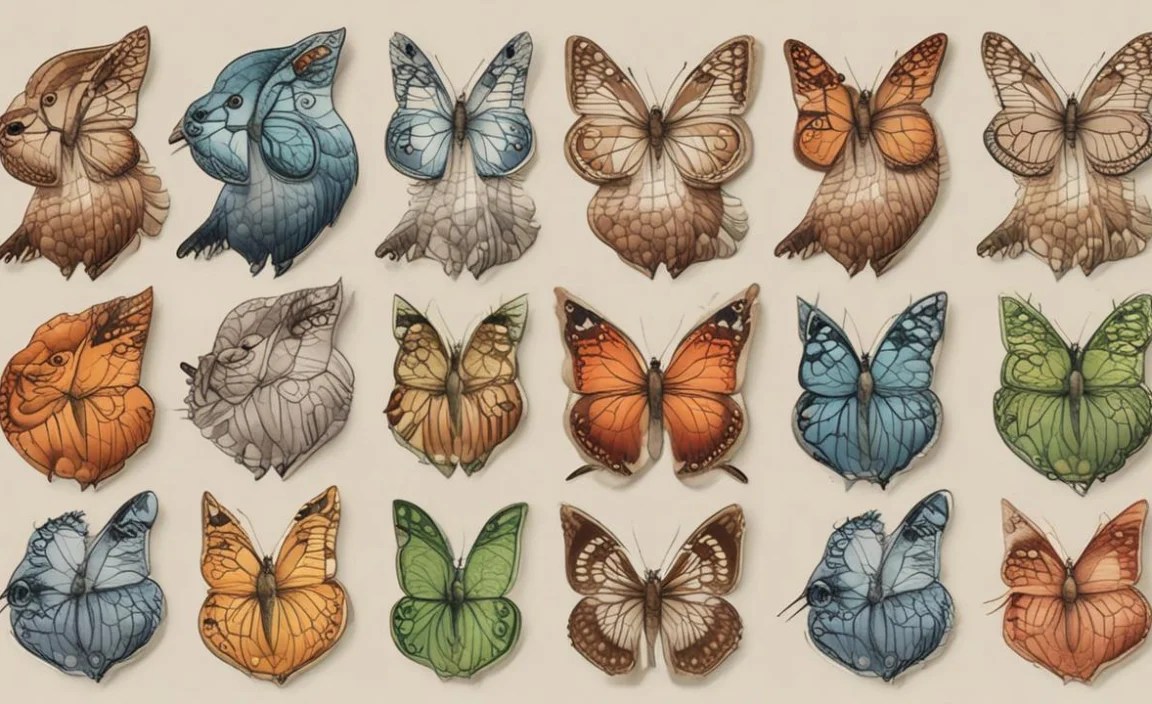
Do you have a smartphone or tablet? You can use it to identify species. There are many apps that offer species identification images. These apps can help you identify plants and animals. Some apps use image recognition. You can take a photo of the species. The app will then compare it to its database. It will show you possible matches. Other apps use key features. You can enter information about the species you saw. The app will then show you pictures. You can compare the pictures to what you saw. This can help you identify the species. Apps are a great way to learn on the go. You can use them anywhere, anytime.
- Apps use image recognition technology.
- You can identify species with your phone.
- Apps are portable and easy to use.
- Many apps work offline.
- Some apps have social features.
Using apps with species identification images is simple. First, download an app you like. Then, take a photo of the species. Or enter information about its features. The app will then show you possible matches. Compare the matches to what you saw. Read the descriptions. Look for key features. Once you find a match, you have identified the species. Apps are a fun way to learn. They also help you share your findings. You can post your photos online. You can also ask for help from experts. Apps make it easy to connect with others. Together, you can learn about the world around you.
Fun Fact or Stat: There are millions of apps available for download!
What are Some Popular Identification Apps?
There are many identification apps available. Some popular apps include iNaturalist. This app uses image recognition to identify plants and animals. Another popular app is PlantNet. This app focuses on plant identification. It has a large database of species identification images. There is also Merlin Bird ID. This app helps you identify birds by their appearance. There is also Picture Insect. This app identifies insects through a photo. These apps are all free to download. They are a great way to learn about species.
How Accurate are Identification Apps?
Identification apps can be very accurate. But they are not perfect. The accuracy depends on several factors. The quality of the photo is important. A clear photo will give better results. The accuracy of the app’s database is also important. A large database will have more matches. The user’s skill is also important. The more you know about species, the better you can use the app. So, while apps are helpful, it’s important to use them wisely. Don’t rely on them completely. Double-check your findings with other resources. This will help you get the most accurate information.
What are the Benefits of Using Apps in the Field?
Using apps in the field offers many benefits. They are convenient. You can use them anywhere, anytime. They are also fast. You can identify a species in seconds. Apps are also educational. They teach you about species and their features. They also help you share your findings. You can post your photos online. You can also ask for help from experts. Finally, apps are fun. They make learning about species more engaging. Many use species identification images for quick results. So, using apps in the field is a great way to learn about the world around you.
Fun Fact or Stat: The first smartphone was created in 1992!
Protecting Species Through Identification
Identifying species is not just fun. It’s also important. It helps us protect the environment. When we know what species live in an area, we can protect them. We can also protect their habitats. Species identification images play a big role. They help us track endangered species. We can see where they live. We can also see how many there are. This information is important for conservation efforts. We can also use images to educate others. We can show people what species are at risk. We can also show them how to help. By learning about species, we can all make a difference. We can help protect the planet for future generations.
- Identification helps us protect endangered species.
- We can track species’ populations.
- We can protect their habitats.
- Identification helps us educate others.
- It lets us understand ecosystems better.
Species identification images are powerful tools for conservation. They help us understand the world around us. They also help us protect it. By learning about species, we can all become better stewards of the Earth. We can support conservation organizations. We can also make changes in our own lives. We can reduce our impact on the environment. We can also educate others about the importance of conservation. Every small action makes a difference. Together, we can protect the planet for future generations. This all starts with knowing what lives here with us. That’s why identifying species is so important.
Fun Fact or Stat: Over 26,000 species are currently threatened with extinction!
How Does Identification Help Conservation?
Identification is the first step in conservation. You can’t protect what you don’t know. By identifying species, we can understand their needs. We can also understand their threats. This information is important for conservation planning. We can create strategies to protect species and their habitats. We can also monitor the effectiveness of these strategies. Are the species thriving? Are their populations increasing? Identification helps us answer these questions. It also helps us adapt our strategies as needed. So, identification is essential for effective conservation.
What Can I Do to Help Protect Species?
There are many things you can do to help protect species. Learn about the species in your area. Use species identification images to learn about them. Support conservation organizations. These organizations work to protect species and their habitats. Reduce your impact on the environment. Recycle, conserve water, and reduce your use of energy. Educate others about the importance of conservation. Share what you learn with your friends and family. Encourage them to take action. Every small action makes a difference. Together, we can protect the planet for future generations.
How Can I Share My Identification Knowledge?
Sharing your identification knowledge is a great way to help. You can teach others about species. You can also share your photos and observations. You can use social media to spread the word. You can also volunteer with conservation organizations. You can lead nature walks. You can also give presentations. You can also write articles for local newspapers or websites. By sharing your knowledge, you can inspire others to take action. You can also help create a community of conservationists. Together, we can make a difference.
Fun Fact or Stat: Many conservation efforts are funded by donations from people like you!
Summary
Species identification images are very helpful for learning about plants and animals. They show us important details. They make it easier to tell different species apart. We can use photos, websites, and apps to identify species. Key features like leaf shape, flower color, and animal markings are important clues. Identifying species helps us protect the environment. It helps us track endangered species. It also helps us educate others about conservation. We can all make a difference by learning about the species around us.
Conclusion
Learning about species identification images is fun and important. You can use these skills to explore nature. You can also help protect the environment. Look closely at the plants and animals around you. Use photos, websites, and apps to identify them. Share what you learn with others. Together, we can all become nature detectives. We can also help protect the planet for future generations. So, get outside and start exploring!
Frequently Asked Questions
Question No 1: What is species identification?
Answer: Species identification is figuring out what kind of plant or animal you are seeing. It’s like being a detective. You look for clues. These clues help you name the species. For example, you might see a bird with a red breast. That could be a robin. Or you might see a flower with yellow petals. That could be a sunflower. Using species identification images makes it easier. Pictures show you what to look for. They help you match the clues. Then you can name the species!
Question No 2: Why is species identification important?
Answer: Species identification is important for many reasons. First, it helps us understand the world around us. When we know what species live in an area, we can learn about their roles. We can also learn about how they interact with each other. Second, it helps us protect the environment. When we know what species are endangered, we can take steps to protect them. We can also protect their habitats. Finally, it helps us appreciate nature. The more we learn about species, the more we appreciate their beauty and diversity. Species identification images help us with all of that!
Question No 3: How can I use images to identify species?
Answer: You can use images in many ways to identify species. First, you can compare photos to what you see in nature. Look for key features. These might include leaf shape, flower color, or animal markings. Second, you can use websites or apps. These tools have large databases of species identification images. You can search for species by their features. You can also upload a photo. The website or app will then show you possible matches. Finally, you can use field guides. These books have pictures and descriptions of species. They can help you identify species in your area.
Question No 4: What are some key features to look for when identifying plants?
Answer: When identifying plants, there are several key features to look for. First, look at the leaves. What shape are they? How are they arranged on the stem? Second, look at the flowers. What color are they? How many petals do they have? Third, look at the stem. Is it woody or soft? Does it have thorns? Finally, look at the overall size and shape of the plant. All these features can help you identify the plant. Species identification images can show you these features clearly.
Question No 5: What are some key features to look for when identifying animals?
Answer: When identifying animals, there are several key features to look for. First, look at the animal’s fur, feathers, or scales. What color are they? What pattern do they have? Second, look at the animal’s size and shape. How big is it? Is it long and thin, or short and stocky? Third, look at the animal’s behavior. How does it move? What does it eat? All these features can help you identify the animal. Using species identification images helps a lot!
Question No 6: Where can I find reliable species identification images?
Answer: You can find reliable species identification images in several places. First, look for websites and apps that are created by experts. These might include universities, museums, or conservation organizations. Second, look for field guides that are written by experts. These books are often very accurate. Third, look for photos that are taken by professionals. These photos are usually clear and well-lit. Finally, be careful when using images from the internet. Check the source to make sure it is reliable.


