
Swallowtail Butterfly Naming Origin: The Smart Secret

Quick Summary:
The name “swallowtail butterfly” comes from the distinctive tail-like extensions on their hindwings, resembling the tails of swallow birds. This feature, along with their large size and vibrant colors, makes them one of the most recognizable and admired butterfly families worldwide. The swallow-like tails help with flight stability and may also distract predators.
Have you ever wondered why these magnificent butterflies are called “swallowtails”? It’s a question that often flits through the minds of nature lovers, especially when you spot one of these beauties gracing your garden. Understanding the origin of their name not only deepens our appreciation for these creatures but also connects us to the historical observations of naturalists who came before us. Let’s embark on a journey to uncover the story behind the name “swallowtail butterfly” and discover the unique characteristics that define this fascinating group.
The Tale Behind the Tails
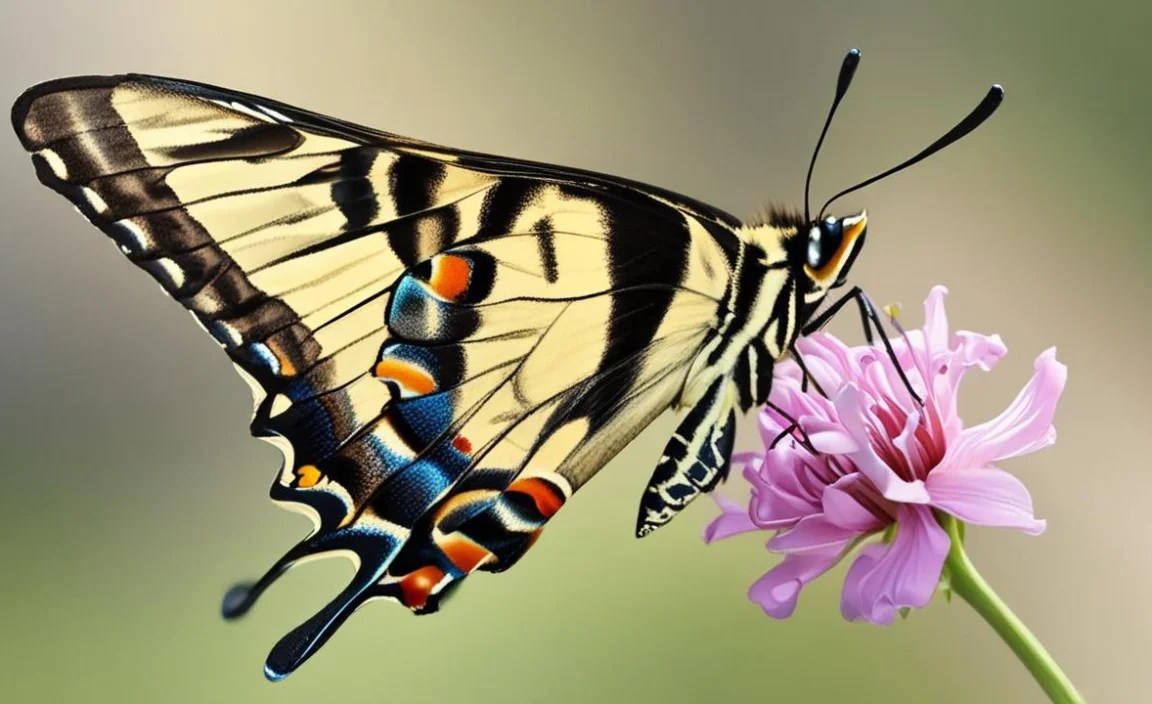
The most prominent feature of swallowtail butterflies is, without a doubt, the elegant extensions on their hindwings. These extensions, resembling the forked tails of swallow birds, are the primary reason for their name. But why do these butterflies have these tails, and what purpose do they serve?
Appearance and Identification
Swallowtail butterflies are typically large and brightly colored, making them easy to spot. Here’s what to look for:
- Size: Generally larger than most other butterfly species.
- Color: Often vibrant, with combinations of yellow, black, blue, and red.
- Tails: Distinctive extensions on the hindwings, varying in length and shape depending on the species.
Identifying different species of swallowtails can be a rewarding challenge. Some of the more common and recognizable species include:
| Species | Appearance | Habitat |
|---|---|---|
| Eastern Tiger Swallowtail (Papilio glaucus) | Yellow with black stripes, resembling a tiger. Females can also be black. | Eastern North America |
| Black Swallowtail (Papilio polyxenes) | Black with yellow spots and blue iridescent scales. | North America |
| Giant Swallowtail (Papilio cresphontes) | Large, brown with yellow markings. | North America |
| Spicebush Swallowtail (Papilio troilus) | Black with green and blue iridescent scales. | Eastern North America |
The Purpose of the Tails
The tails on swallowtail butterflies are not just for show; they serve several important functions:
- Flight Stability: The tails act as stabilizers during flight, helping the butterfly maneuver more effectively.
- Predator Confusion: The tails can serve as a target for predators, distracting them from the butterfly’s vital organs. If a bird pecks at the tail, the butterfly has a better chance of escaping with its life.
- Mate Selection: In some species, the length and shape of the tails may play a role in mate selection, with females preferring males with more prominent tails.
Historical Context
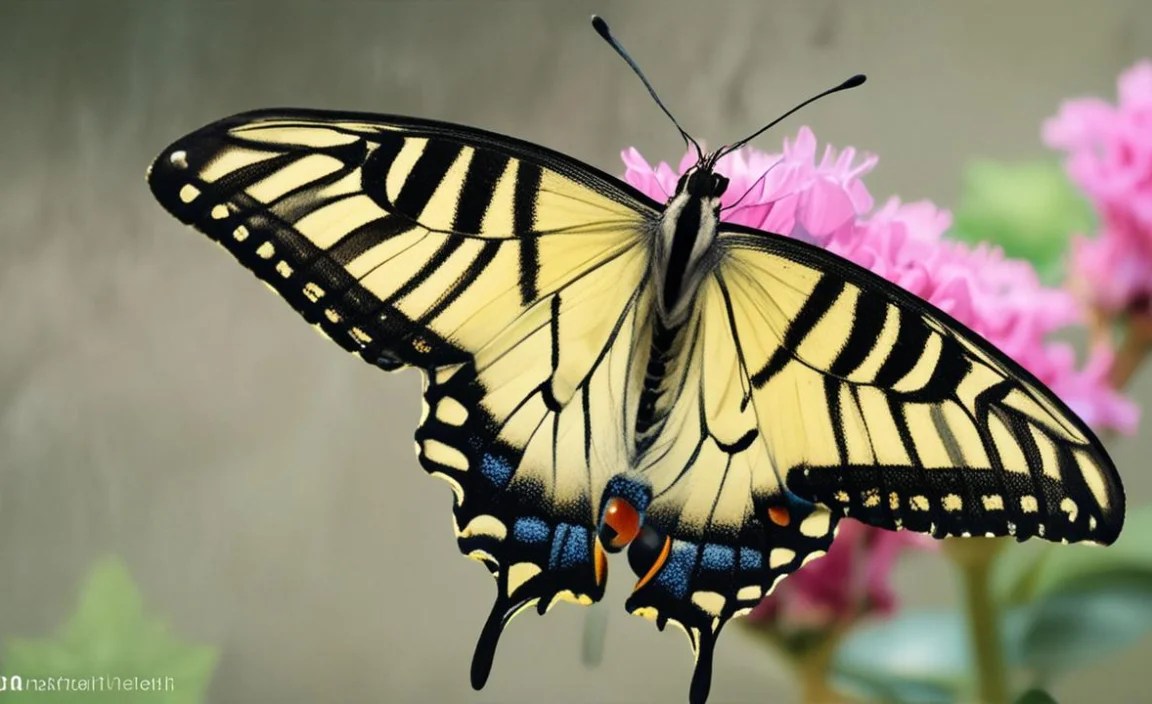
To fully appreciate the naming origin, it’s helpful to delve into the history of butterfly classification and the naturalists who contributed to our understanding of these insects. The term “swallowtail” has been used for centuries, reflecting early naturalists’ observations and comparisons to the natural world around them.
Early Naturalists and Taxonomy
The formal classification of butterflies began in the 18th century with the work of Carl Linnaeus, the Swedish botanist and zoologist. Linnaeus developed a system of binomial nomenclature, giving each species a unique two-part name consisting of the genus and species. This system is still used today and provides a standardized way to identify and classify organisms.
Early naturalists often named organisms based on their resemblance to other animals or objects. The swallowtail butterfly, with its distinctive tails, was an easy comparison to make. The name stuck, and over time, it became the common name for butterflies in the Papilionidae family.
Evolution of the Name
The term “swallowtail” has been used in various languages to describe these butterflies. In many European languages, the name reflects the same comparison to swallow birds. This widespread usage indicates that the characteristic tails were a universally recognized feature that captured the attention of people across different cultures.
The Papilionidae Family

Swallowtail butterflies belong to the family Papilionidae, one of the most diverse and widely distributed butterfly families in the world. This family includes over 550 species, found on every continent except Antarctica. Understanding the characteristics of the Papilionidae family can help you appreciate the unique adaptations and evolutionary history of these butterflies.
Characteristics of Papilionidae
Here are some key characteristics that define the Papilionidae family:
- Large Size: Most swallowtail butterflies are larger than other butterfly species.
- Bright Colors: They often exhibit vibrant colors and patterns, including yellow, black, blue, and red.
- Tails on Hindwings: The presence of tails on the hindwings is a defining feature, although some species may have reduced or absent tails.
- Osmeterium: Swallowtail caterpillars have a unique defense mechanism called an osmeterium, a forked gland that can be everted from the prothoracic segment. It emits a foul odor to deter predators.
- Flight Patterns: They are known for their strong and graceful flight, often soaring high above the ground.
Global Distribution
Swallowtail butterflies are found in a wide range of habitats, from tropical rainforests to temperate woodlands. Some species are migratory, traveling long distances to find suitable breeding grounds. Their global distribution reflects their adaptability and resilience.
Here is a table showing the distribution of some notable swallowtail butterfly species:
| Species | Distribution | Habitat |
|---|---|---|
| Apollo Butterfly (Parnassius apollo) | Europe and Asia | Mountainous regions |
| Birdwing Butterflies (Troides spp.) | Southeast Asia and Australia | Tropical rainforests |
| Zebra Swallowtail (Protographium marcellus) | Eastern North America | Woodlands and forests |
| Old World Swallowtail (Papilio machaon) | Europe, Asia, and North America | Various habitats, including gardens and meadows |
Ecological Importance
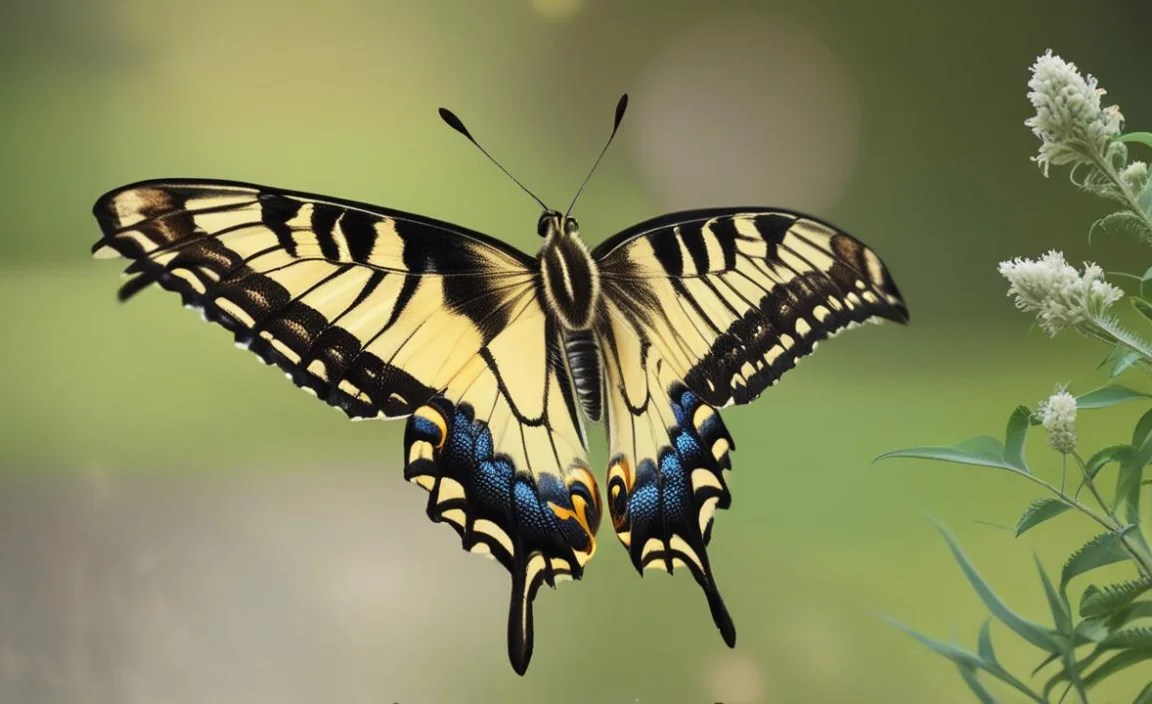
Swallowtail butterflies play a crucial role in their ecosystems. As pollinators, they help to ensure the reproduction of many plant species. Their presence is also an indicator of a healthy environment, as they are sensitive to changes in habitat and climate.
Pollination
Like bees, butterflies are important pollinators. As they feed on nectar, they transfer pollen from one flower to another, facilitating fertilization. Swallowtail butterflies are particularly effective pollinators due to their large size and active flight patterns.
Food Source
Swallowtail butterflies and their caterpillars serve as a food source for other animals, including birds, reptiles, and insects. They are an integral part of the food web, contributing to the balance and stability of their ecosystems.
Indicator Species
The health and abundance of swallowtail butterfly populations can provide valuable information about the overall health of the environment. Declines in their populations may indicate habitat loss, pollution, or climate change. Monitoring swallowtail butterflies can help scientists and conservationists identify and address environmental problems.
Did you know that the presence of swallowtail butterflies in your garden can indicate a healthy ecosystem? Their sensitivity to environmental changes makes them excellent indicators of ecological well-being.
Attracting Swallowtails to Your Garden

If you’re passionate about butterflies, creating a butterfly-friendly garden is a wonderful way to support these creatures and enjoy their beauty up close. Here are some tips for attracting swallowtail butterflies to your garden:
Plant Host Plants
Swallowtail caterpillars are very specific about the plants they eat. Planting host plants that are native to your area is the best way to attract these butterflies. Some popular host plants for swallowtails include:
- Dill and Parsley: Essential for Black Swallowtail caterpillars.
- Spicebush and Sassafras: Preferred by Spicebush Swallowtail caterpillars.
- Citrus Trees: Host plants for Giant Swallowtail caterpillars.
- Milkweed: Though more commonly associated with Monarch butterflies, some swallowtails will also use milkweed.
Provide Nectar Sources
Adult butterflies feed on nectar from flowers. Planting a variety of nectar-rich flowers that bloom at different times of the year will provide a continuous food source for swallowtails. Some good choices include:
- Butterfly Bush (Buddleja davidii): A classic choice for attracting butterflies.
- Zinnia: Easy to grow and comes in a variety of colors.
- Lantana: Provides a long-lasting source of nectar.
- Bee Balm (Monarda): Attracts both butterflies and hummingbirds.
Offer a Water Source
Butterflies need water to stay hydrated. Provide a shallow dish of water with pebbles or marbles for them to land on. This will prevent them from drowning while they drink.
Avoid Pesticides
Pesticides can be harmful to butterflies and other beneficial insects. Avoid using pesticides in your garden, or choose organic alternatives that are less harmful.
Provide Shelter
Butterflies need shelter from wind and rain. Plant shrubs and trees to provide them with protected areas where they can rest and take refuge from the elements.
Conservation Efforts
Many swallowtail butterfly species are facing threats from habitat loss, climate change, and pesticide use. Supporting conservation efforts is essential to ensure the survival of these beautiful creatures.
Habitat Preservation
Protecting and restoring natural habitats is crucial for swallowtail butterflies. Supporting organizations that work to conserve forests, wetlands, and other ecosystems can help to ensure that these butterflies have the resources they need to thrive. The Xerces Society is a great resource for learning about habitat conservation and how you can get involved.
Sustainable Practices
Adopting sustainable practices in your own life can also make a difference. This includes reducing your carbon footprint, using eco-friendly products, and supporting local farmers who use sustainable agriculture practices.
Citizen Science
Participating in citizen science projects is a great way to contribute to butterfly conservation. You can help scientists collect data on butterfly populations, distribution, and behavior. Many organizations offer opportunities for citizen scientists to get involved. The North American Butterfly Association (NABA) is a great place to start.
Swallowtails in Culture and Symbolism
Beyond their ecological importance, swallowtail butterflies hold cultural and symbolic significance in many societies. Their beauty and grace have made them a popular motif in art, literature, and mythology.
Symbolism
In many cultures, butterflies symbolize transformation, rebirth, and hope. The swallowtail butterfly, with its elegant tails and vibrant colors, often represents beauty, grace, and freedom. Its metamorphosis from a caterpillar to a butterfly is a powerful metaphor for personal growth and change.
Art and Literature
Swallowtail butterflies have been featured in countless works of art and literature. From ancient paintings to modern novels, these butterflies have captured the imagination of artists and writers for centuries. Their delicate beauty and symbolic meaning make them a compelling subject for creative expression.
Mythology
In some cultures, butterflies are believed to be the souls of the dead. The swallowtail butterfly, with its connection to the natural world, may be seen as a messenger between the living and the spirit world. These beliefs reflect the deep connection between humans and nature, and the reverence for the beauty and mystery of the natural world.
FAQ About Swallowtail Butterflies
Why are they called swallowtail butterflies?
They’re named for the distinctive tails on their hindwings, which resemble the tails of swallow birds.
What do swallowtail caterpillars eat?
Swallowtail caterpillars eat specific host plants like dill, parsley, spicebush, sassafras, and citrus leaves, depending on the species.
Are swallowtail butterflies rare?
Some species are common, while others are rare or endangered due to habitat loss and other environmental factors.
How can I attract swallowtail butterflies to my garden?
Plant host plants for their caterpillars and nectar-rich flowers for the adults, provide water, and avoid pesticides.
What is the lifespan of a swallowtail butterfly?
The lifespan varies by species but generally ranges from a few weeks to several months.
Where do swallowtail butterflies live?
They are found on every continent except Antarctica, in various habitats from tropical rainforests to temperate woodlands.
Do swallowtail butterflies migrate?
Some species are migratory, traveling long distances to find suitable breeding grounds.
Conclusion
The story behind the name “swallowtail butterfly” is a fascinating blend of natural history, observation, and cultural significance. From the distinctive tails that give them their name to their ecological importance and symbolic meaning, these butterflies hold a special place in our hearts and minds. By understanding the origins of their name and the characteristics that define them, we can deepen our appreciation for these magnificent creatures and support efforts to protect them for future generations. So, the next time you see a swallowtail butterfly flitting through your garden, take a moment to admire its beauty and reflect on the rich history and natural wonders that it represents. Happy butterfly watching!


