
Blue Butterfly Species: Discover Rare Beauty!

Quick Summary: Identifying blue butterfly species can be tricky! They range from the vibrant Blue Morpho to the delicate Spring Azure. Key features for identification include size, wing patterns (especially on the underside), habitat, and flight period. Using field guides, observing details closely, and noting location will help you confidently identify these beautiful butterflies.
Have you ever been captivated by a flash of brilliant blue as a butterfly flits past? Identifying blue butterflies can feel like a delightful challenge. With so many shades and patterns, it’s easy to get them mixed up. Don’t worry; it’s a common experience! This guide will help you become a confident blue butterfly identifier.
We’ll explore different species, focusing on key characteristics like wing patterns, size, habitat, and flight times. Get ready to uncover the secrets to distinguishing these enchanting creatures and deepen your appreciation for the butterfly world!
Identifying Blue Butterfly Species: A Comprehensive Guide


Blue butterflies, belonging mainly to the Lycaenidae family, are a diverse and captivating group. Accurate identification requires careful observation and a basic understanding of their characteristics. Let’s dive into the key aspects that will help you distinguish one species from another.
Key Characteristics to Observe
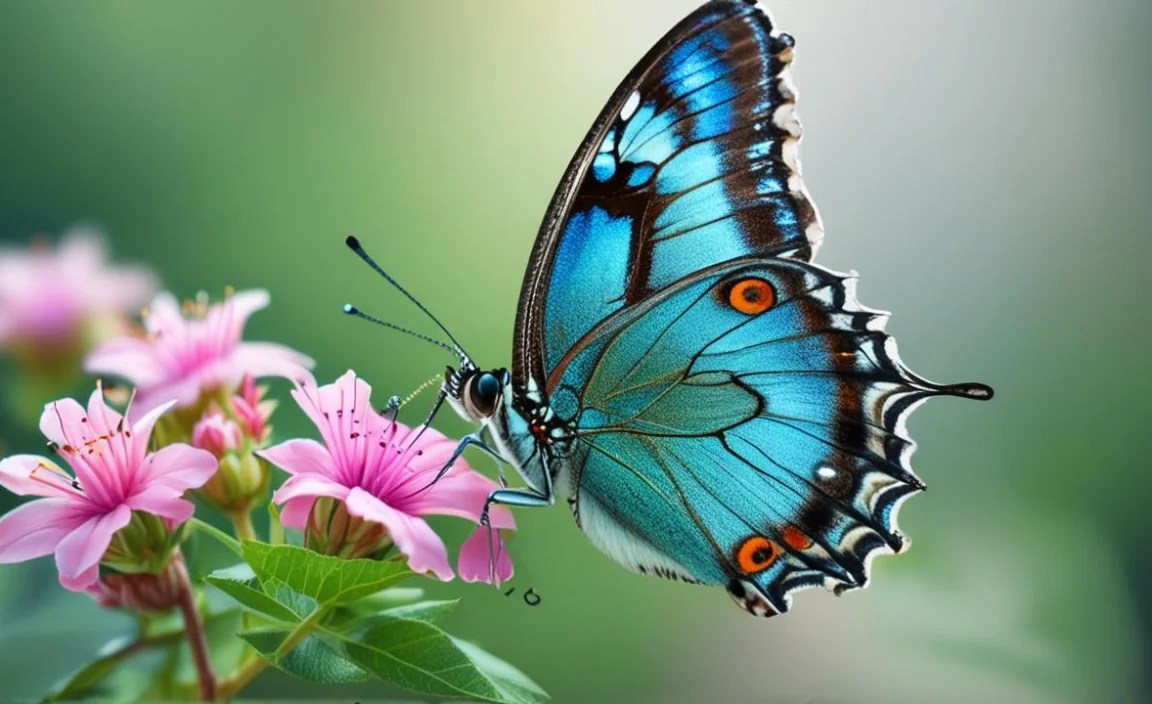
When identifying blue butterflies, pay close attention to these features:
- Wing Color and Pattern: Note the shade of blue (bright, pale, iridescent), presence of borders, spots, or other markings on the upper and lower wings.
- Size: Butterfly size can vary significantly between species. Use a ruler if possible, or compare it to familiar objects.
- Underside Wing Patterns: The patterns on the underside of the wings are often more distinctive than the upper side and crucial for identification.
- Habitat: Where did you see the butterfly? Different species prefer specific habitats like meadows, forests, or gardens.
- Flight Period: When did you see the butterfly? Each species has a specific flight period during the year.
- Behavior: Observe how the butterfly flies and interacts with its environment.
Common Blue Butterfly Species and Their Identification

Let’s explore some well-known blue butterfly species and their unique features:
1. Blue Morpho (Morpho menelaus)
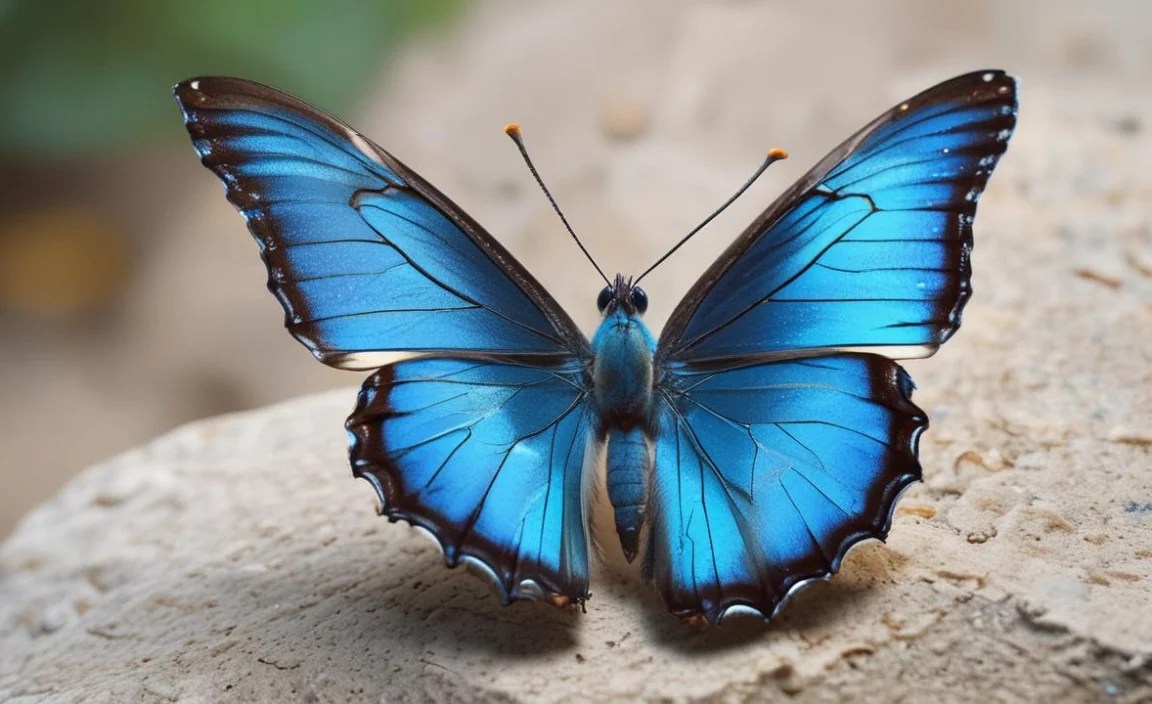
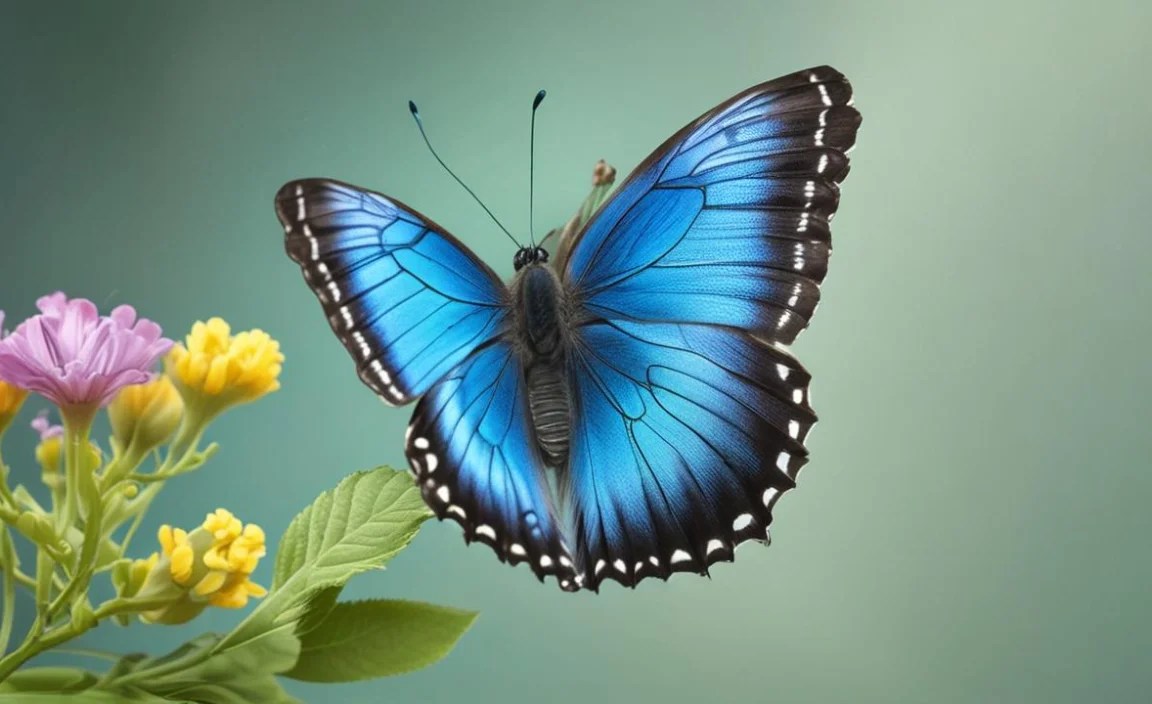
The Blue Morpho is famous for its iridescent blue wings. Found in Central and South American rainforests, this large butterfly is a true spectacle.
- Size: Wingspan of 5-8 inches (12.5-20 cm)
- Color: Brilliant, iridescent blue on the upper side of the wings; brown with eye spots on the underside.
- Habitat: Tropical rainforests
- Flight Period: Year-round in tropical climates
2. Spring Azure (Celastrina ladon)
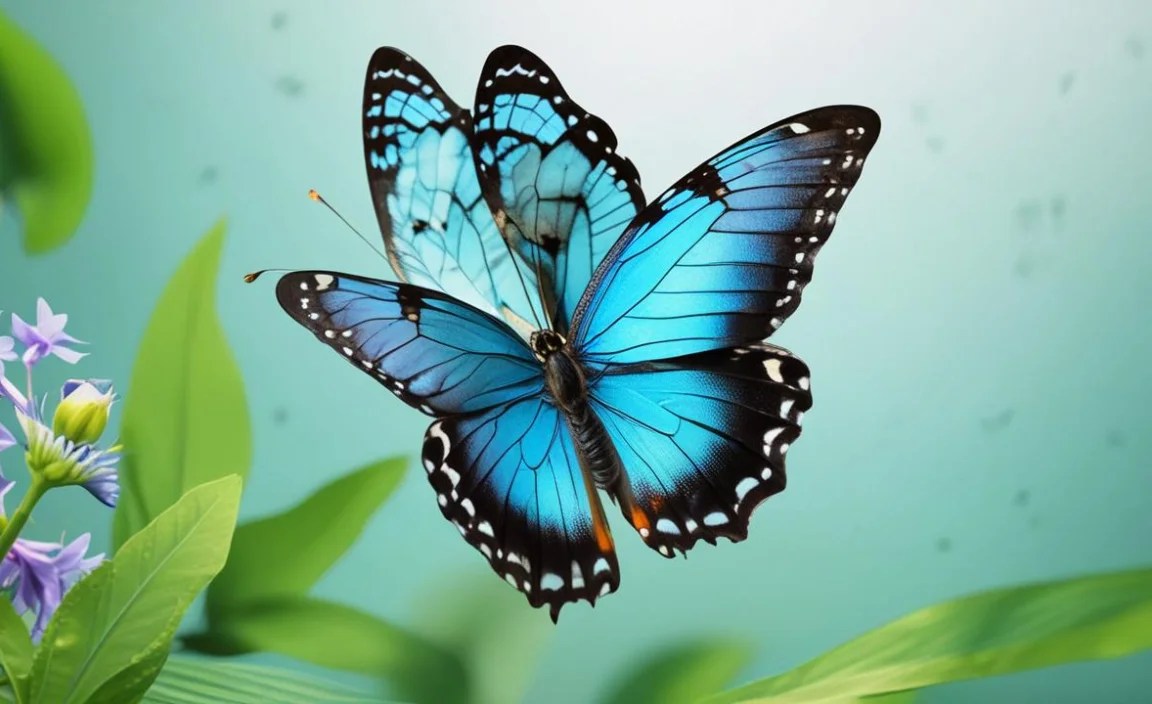
The Spring Azure is a small, delicate butterfly found across North America. It’s one of the first butterflies to emerge in the spring.
- Size: Wingspan of 0.75-1.25 inches (1.9-3.2 cm)
- Color: Pale blue to white on the upper side; pale gray or white with faint dark spots on the underside.
- Habitat: Woodlands, forests, and gardens
- Flight Period: Spring (March-May)
3. Karner Blue (Lycaeides melissa samuelis)

The Karner Blue is a federally endangered species found in oak savannas and pine barrens of the Great Lakes region and the Northeast US. It is closely associated with wild lupine.
- Size: Wingspan of 0.75-1 inch (1.9-2.5 cm)
- Color: Male is bright blue on the upper side with a narrow black border; female is grayish-brown with patches of orange crescents along the edge. Underside is gray with black spots and orange crescents.
- Habitat: Oak savannas and pine barrens with wild lupine
- Flight Period: Two broods: late May-June and late July-August
4. Silvery Blue (Glaucopsyche lygdamus)
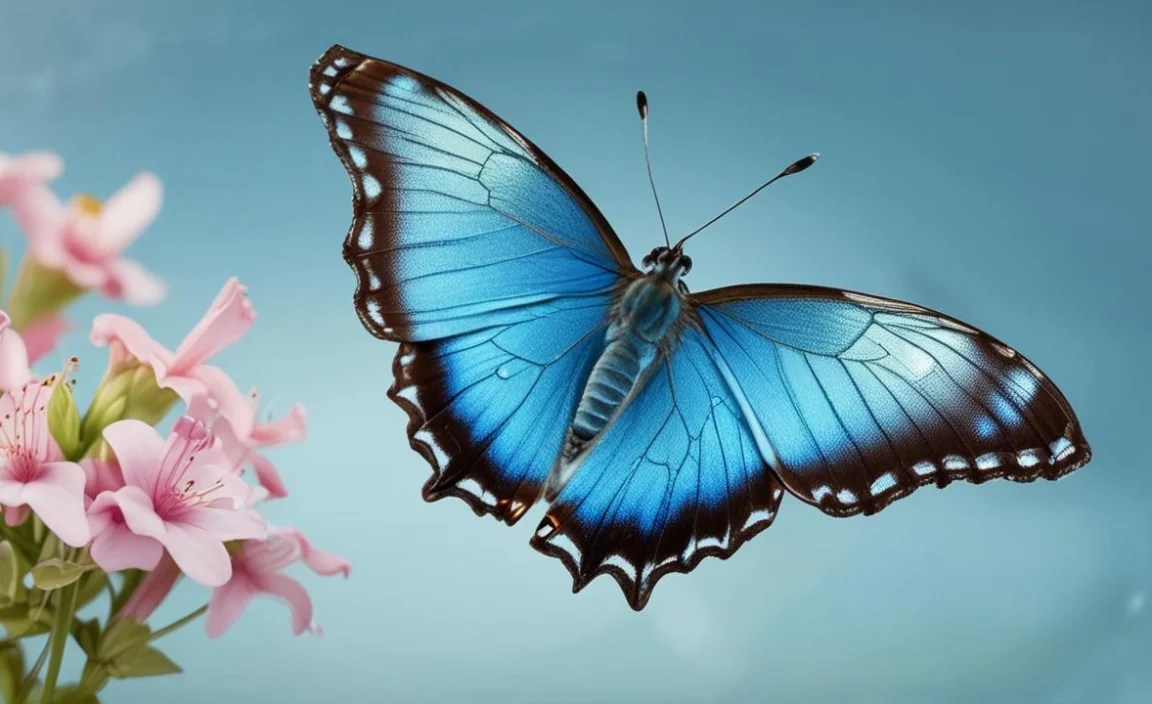
The Silvery Blue is a widespread species found across North America. It gets its name from the silvery sheen on the underside of its wings.
- Size: Wingspan of 1-1.4 inches (2.5-3.6 cm)
- Color: Male is bright blue on the upper side; female is often bluish-gray. Underside is pale gray with black spots surrounded by white.
- Habitat: Meadows, grasslands, and open woodlands
- Flight Period: Spring to early summer (April-July)
5. Eastern Tailed-Blue (Cupido comyntas)
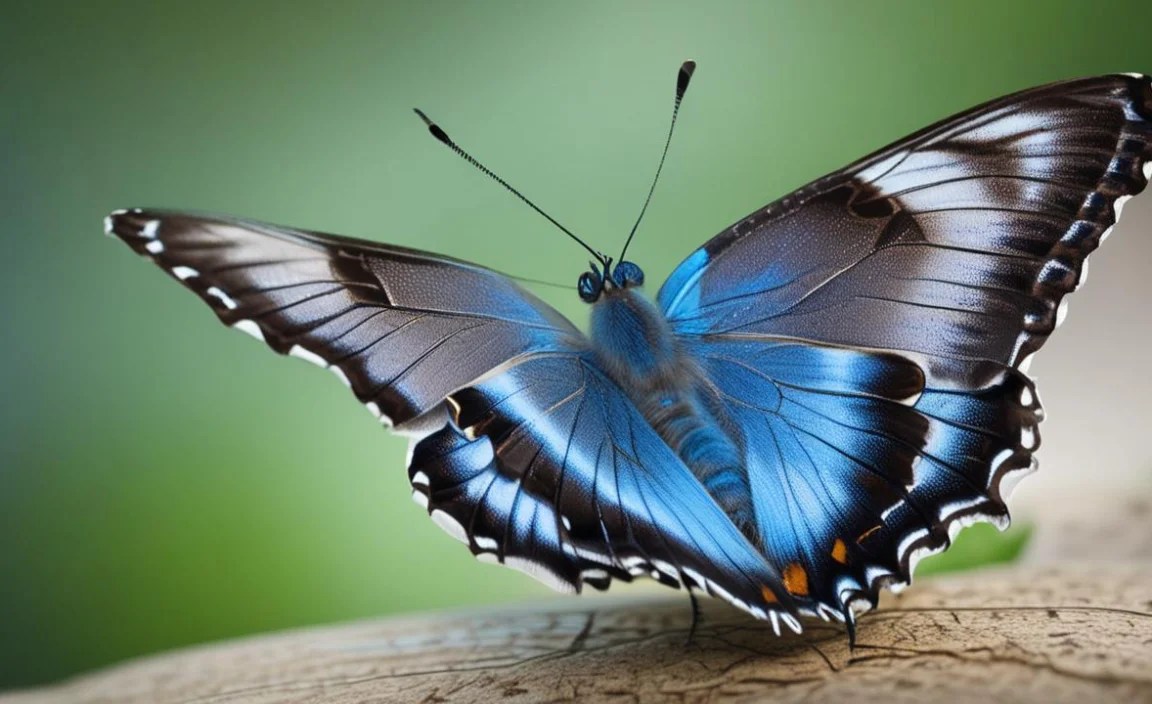
The Eastern Tailed-Blue is a small, common butterfly found throughout eastern North America. It’s easily identified by the small “tail” on its hindwings.
- Size: Wingspan of 0.75-1 inch (1.9-2.5 cm)
- Color: Male is bright blue on the upper side; female is bluish-gray. Underside is pale gray with black spots and a small orange spot near the tail.
- Habitat: Gardens, fields, and open woodlands
- Flight Period: Spring to fall (March-November)
6. Western Tailed-Blue (Cupido amyntula)

Similar to the Eastern Tailed-Blue, the Western Tailed-Blue is found in western North America and also has a distinctive tail on its hindwings.
- Size: Wingspan of 0.75-1 inch (1.9-2.5 cm)
- Color: Male is bright blue on the upper side; female is bluish-gray. Underside is pale gray with black spots and a small orange spot near the tail.
- Habitat: Open woodlands, meadows, and riparian areas
- Flight Period: Spring to summer (April-August)
7. Common Blue (Polyommatus icarus)
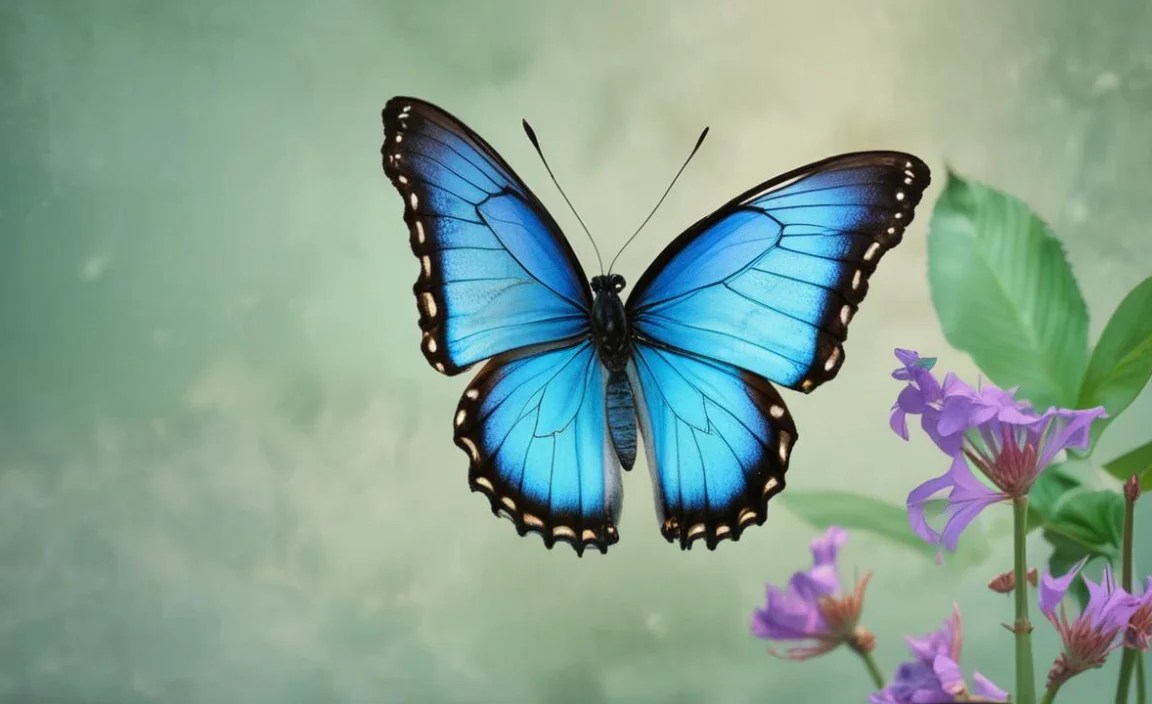
The Common Blue is one of the most widespread butterflies in Europe and Asia. It’s found in a variety of habitats.
- Size: Wingspan of 1-1.5 inches (2.5-3.8 cm)
- Color: Male is bright blue on the upper side; female is brown with varying amounts of blue. Underside is gray with black spots and orange spots along the edge.
- Habitat: Grasslands, meadows, and gardens
- Flight Period: Spring to fall (May-October)
Comparing Key Features: A Quick Reference Table
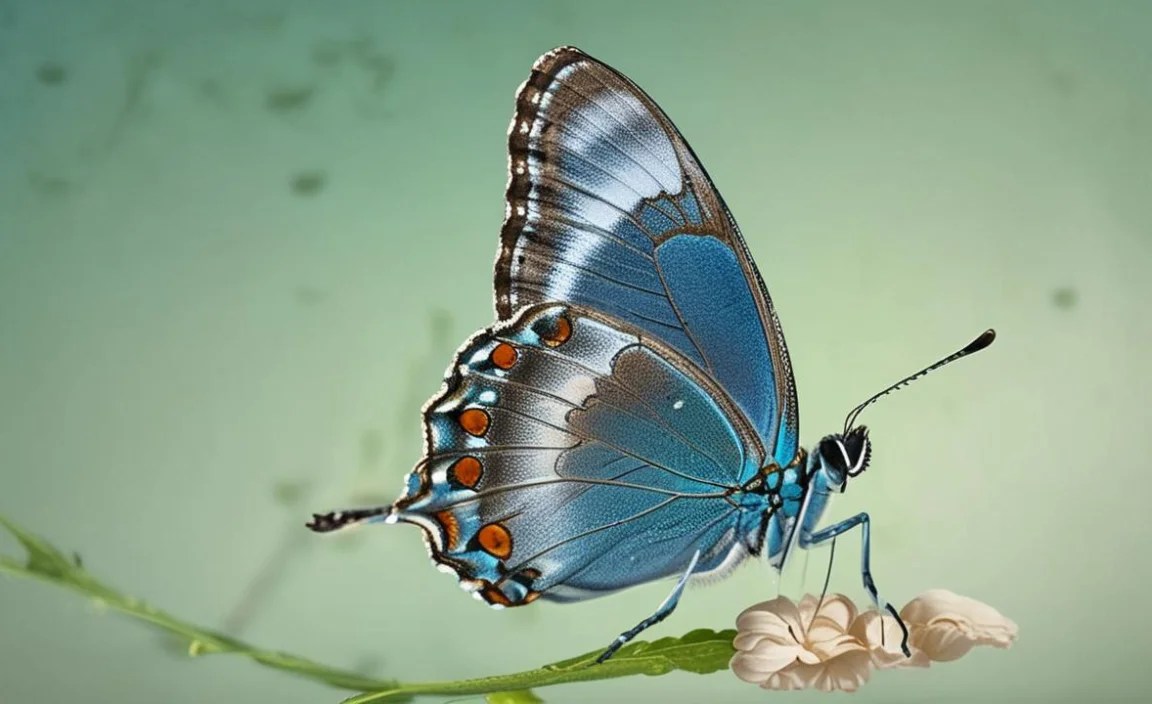
Use this table to quickly compare the key features of different blue butterfly species:
| Species | Size (Wingspan) | Upper Wing Color | Underside Wing Pattern | Habitat | Flight Period |
|---|---|---|---|---|---|
| Blue Morpho | 5-8 inches | Iridescent blue | Brown with eye spots | Tropical rainforests | Year-round |
| Spring Azure | 0.75-1.25 inches | Pale blue to white | Pale gray/white with faint spots | Woodlands, gardens | Spring (March-May) |
| Karner Blue | 0.75-1 inch | Male: Bright blue; Female: Grayish-brown | Gray with black spots, orange crescents | Oak savannas with lupine | Late May-June, Late July-August |
| Silvery Blue | 1-1.4 inches | Male: Bright blue; Female: Bluish-gray | Pale gray with black spots | Meadows, open woodlands | Spring to early summer |
| Eastern Tailed-Blue | 0.75-1 inch | Male: Bright blue; Female: Bluish-gray | Pale gray with black spots, orange spot near tail | Gardens, fields | Spring to fall |
| Western Tailed-Blue | 0.75-1 inch | Male: Bright blue; Female: Bluish-gray | Pale gray with black spots, orange spot near tail | Open woodlands, meadows | Spring to summer |
| Common Blue | 1-1.5 inches | Male: Bright blue; Female: Brown (variable blue) | Gray with black spots, orange spots | Grasslands, gardens | Spring to fall |
Tips for Accurate Identification
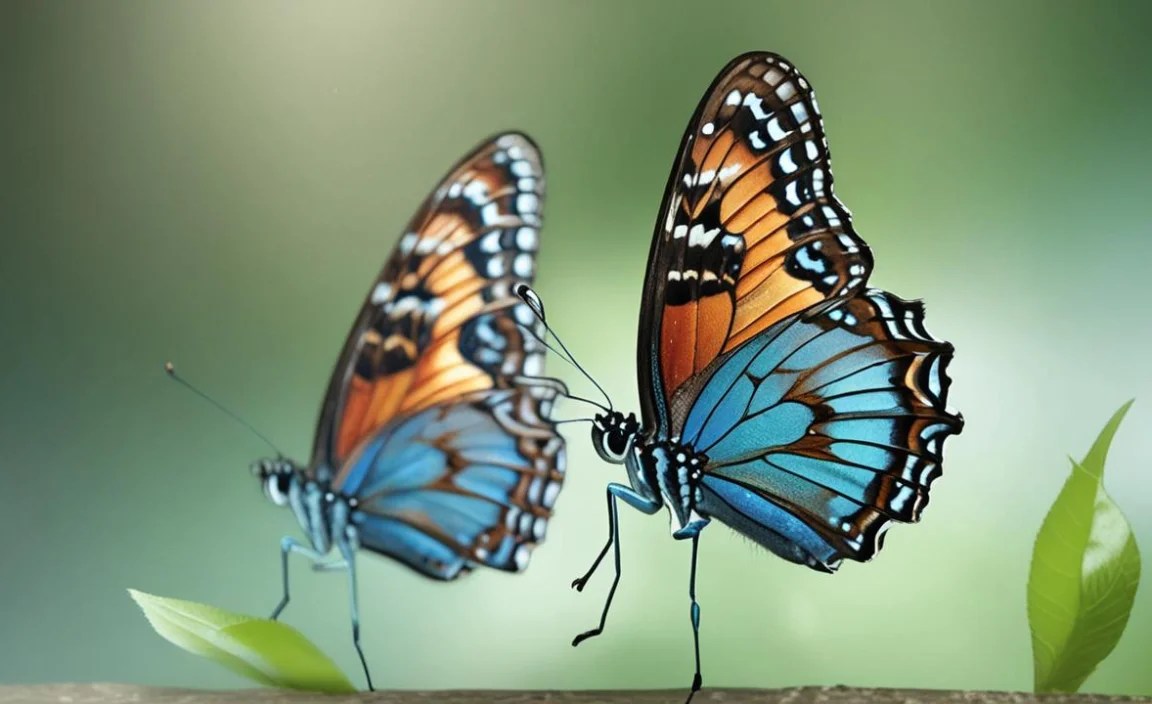
Here are some practical tips to improve your butterfly identification skills:
- Use a Field Guide: A good field guide with detailed descriptions and illustrations is essential. Peterson Field Guides and Kaufman Field Guides are excellent resources.
- Take Photos: Capture clear photos of the butterfly from different angles. This will help you compare it to images in field guides or online resources.
- Note the Location: Record the location where you saw the butterfly. This can help narrow down the possibilities based on known species ranges.
- Observe Behavior: Pay attention to the butterfly’s behavior, such as its flight pattern, feeding habits, and interactions with other butterflies.
- Use Online Resources: Websites like BugGuide.net and iNaturalist are valuable resources for identifying butterflies. You can submit photos and get help from experts.
- Join a Butterfly Club: Joining a local butterfly club or society is a great way to learn from experienced enthusiasts and participate in field trips.
Butterfly Habitats and Conservation
Understanding the habitats that blue butterflies depend on is crucial for their conservation. Many species are threatened by habitat loss, pesticide use, and climate change. Here are some ways you can help:
- Plant Native Flowers: Provide nectar sources for adult butterflies by planting native flowers that bloom throughout the growing season.
- Provide Host Plants: Plant the specific host plants that blue butterfly caterpillars need to feed on. For example, Karner Blue caterpillars feed exclusively on wild lupine (Lupinus perennis).
- Avoid Pesticides: Pesticides can harm or kill butterflies and other beneficial insects. Use organic gardening practices and avoid spraying insecticides.
- Create a Butterfly Garden: Design a butterfly garden that provides food, water, shelter, and egg-laying sites for butterflies.
- Support Conservation Organizations: Donate to or volunteer with organizations that work to protect butterfly habitats and promote conservation. The Xerces Society is a leading invertebrate conservation organization.
The Symbolism and Cultural Significance of Blue Butterflies

Blue butterflies have captivated humans for centuries and hold symbolic meanings in various cultures. Here are some common interpretations:
- Transformation: Like all butterflies, blue butterflies symbolize transformation, change, and rebirth.
- Hope: The color blue is often associated with hope, peace, and tranquility.
- Good Luck: In some cultures, seeing a blue butterfly is considered a sign of good luck or a positive omen.
- Spirituality: Blue butterflies are sometimes seen as messengers from the spirit world or symbols of spiritual guidance.
- Beauty: Their vibrant color and delicate wings make them symbols of beauty and grace.
Attracting Blue Butterflies to Your Garden

Want to see more blue butterflies fluttering around your yard? Here’s how to create a butterfly-friendly garden:
- Plant Host Plants: Research which blue butterfly species are native to your area and plant their specific host plants.
- Provide Nectar Sources: Choose a variety of nectar-rich flowers that bloom at different times of the year. Some good options include asters, coneflowers, milkweed, and zinnias.
- Offer a Water Source: Butterflies need water to drink. Provide a shallow dish of water with pebbles or marbles for them to land on.
- Provide Shelter: Plant shrubs and trees to provide shelter from wind and predators.
- Avoid Pesticides: As mentioned earlier, avoid using pesticides that can harm butterflies.
- Provide a Sunny Spot: Butterflies need sunlight to warm their bodies. Make sure your garden has a sunny area where they can bask.
- Leave Some Leaf Litter: Some butterfly species overwinter as pupae in leaf litter. Leave some undisturbed areas in your garden to provide habitat for them.
Frequently Asked Questions (FAQs)
1. What is the most common blue butterfly?

The Common Blue (Polyommatus icarus) is one of the most widespread blue butterflies, found throughout Europe and Asia.
2. How can I tell the difference between male and female blue butterflies?

In many blue butterfly species, males are brighter blue than females. Females may be brown or have varying amounts of blue on their wings.
3. What do blue butterfly caterpillars eat?

Blue butterfly caterpillars feed on a variety of plants, depending on the species. Some are very specific, like the Karner Blue, which only eats wild lupine.
4. Are blue butterflies endangered?
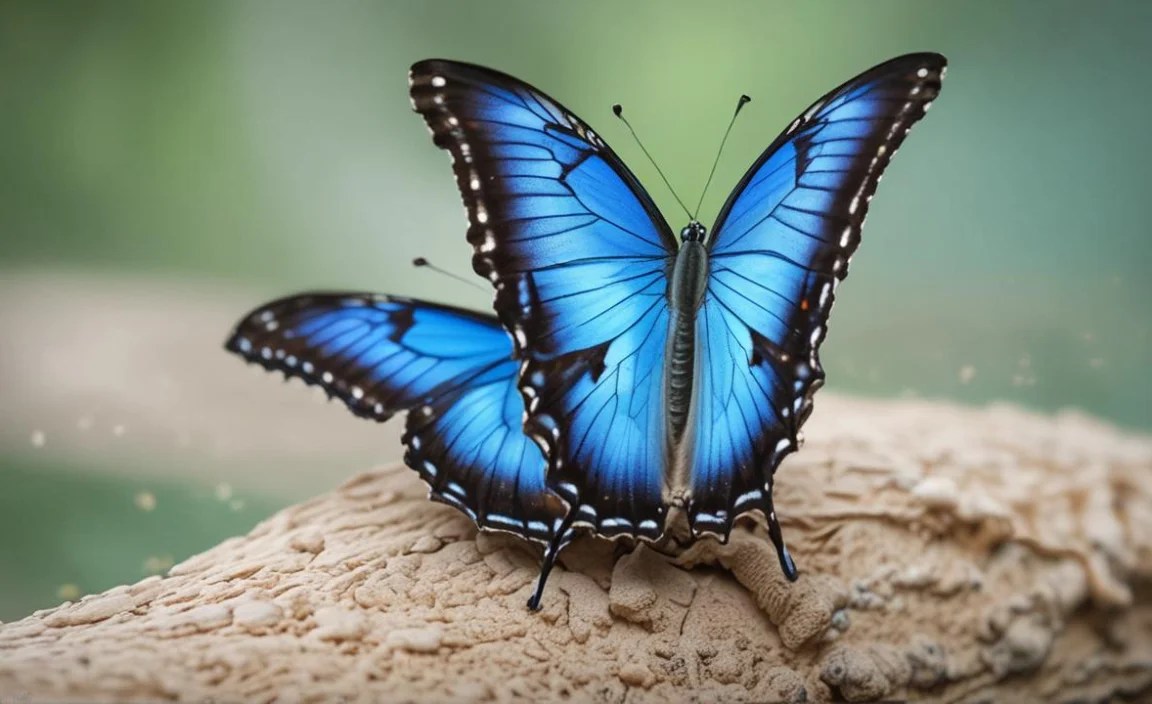
Some blue butterfly species, like the Karner Blue, are endangered due to habitat loss and other factors. Conservation efforts are underway to protect them.
5. What is the lifespan of a blue butterfly?

The lifespan of a blue butterfly varies depending on the species, but most live for only a few weeks as adults.
6. Where can I find blue butterflies?

Blue butterflies can be found in a variety of habitats, including meadows, grasslands, woodlands, and gardens, depending on the species.
7. What is the best time of year to see blue butterflies?

The best time to see blue butterflies depends on the species and your location, but many are active in the spring and summer months.
Further Resources for Butterfly Identification
To deepen your knowledge and identification skills, explore these resources:
- The Xerces Society for Invertebrate Conservation: Offers a wealth of information on butterfly conservation and identification.
- Butterflies and Moths of North America: A comprehensive online database with photos, descriptions, and range maps.
- National Geographic – Butterflies: General information about butterflies, their life cycle, and behavior.
Conclusion
Identifying blue butterflies is a rewarding journey that connects you more deeply with the natural world. By observing key characteristics like wing patterns, size, habitat, and flight period, you can confidently distinguish between different species. Remember to use field guides, take photos, and note the location of your sightings.
Creating butterfly-friendly habitats in your garden and supporting conservation efforts are essential for protecting these beautiful creatures for future generations. So, grab your binoculars, head outdoors, and start exploring the fascinating world of blue butterflies. Happy butterflying!
10 Most Beautiful Butterflies on Planet Earth


