
Asian Butterfly Digitized Specimens: Explore FREE!

Have you ever seen a butterfly? They are so pretty. They fly around in gardens. They come in many colors and sizes. Did you know scientists study butterflies? They even keep Asian butterfly digitized specimens. These help us learn about nature.
These special collections help us understand our world. What can we learn from them? Let’s find out more about these amazing collections. We can discover how they help scientists. We can also learn how they help us protect butterflies.
Key Takeaways
- Asian butterfly digitized specimens help scientists study these insects closely.
- Digitizing butterflies lets researchers share data worldwide easily.
- These collections show how butterflies have changed over time.
- Scientists use them to protect butterflies from dangers.
- Everyone can learn about butterflies through online collections.
What Are Asian Butterfly Digitized Specimens?

Imagine a library, but instead of books, it has butterflies! These aren’t just any butterflies. They are Asian butterfly digitized specimens. This means they are butterflies from Asia. Scientists have taken photos of them. They have also put the photos on computers. Each butterfly gets its own special page. This page might have its name, where it was found, and other important facts. This helps scientists study them without hurting the real butterflies. It also lets many people see the butterflies, even if they live far away. It is like having a giant butterfly museum online! These digitized specimens allow us to see the beauty and learn about these amazing creatures without disturbing their natural homes.
- Specimens are butterflies from Asia.
- Photos are taken of each butterfly.
- Data is stored on computers.
- Each butterfly has its own page.
- Scientists can study them easily.
- People all over the world can see them.
Why is it important to keep these records? Well, butterflies can tell us a lot about our world. They are very sensitive to changes in the environment. If the air or water gets polluted, butterflies might disappear. By studying Asian butterfly digitized specimens, scientists can see if butterfly populations are changing. They can also learn why these changes are happening. This helps us protect butterflies and the places where they live. It also helps us understand how to keep our planet healthy. These collections act like a warning system, alerting us to problems in our environment before they get too bad.
Fun Fact or Stat: There are over 20,000 species of butterflies in the world, and many of them are found in Asia!
Why Digitize Butterfly Specimens?
Have you ever tried to share a cool rock you found with your friends? It can be hard if they live far away. Digitizing butterfly specimens solves this problem. When scientists digitize butterflies, they make them available to everyone online. Researchers in different countries can study the same butterfly without needing to travel. This saves time and money. It also means more people can work together to understand butterflies. Plus, the butterflies are kept safe. They don’t get damaged by being moved around. Digitizing helps more people learn about butterflies and protect them better.
How Are Butterflies Digitized?
Imagine you are taking a super close-up photo of a butterfly. That’s kind of what scientists do! They use special cameras to take very detailed pictures. They also use tools to measure the butterfly’s size and shape. Then, they put all this information into a computer. They create a digital record of the butterfly. This record might include where the butterfly was found, what it ate, and other important details. It’s like making a butterfly biography! This process helps scientists keep track of many different butterflies and learn from each one.
Who Uses Digitized Specimens?
Think about detectives solving a mystery. They use clues to figure out what happened. Scientists use Asian butterfly digitized specimens like clues. They study the butterflies to learn about nature. Teachers use them to teach students about insects. Conservationists use them to protect butterfly habitats. Anyone can use these digitized butterflies to learn more about the world around them. These collections are a valuable resource for anyone interested in science and nature. They help us all become better detectives of our planet!
Benefits of Asian Butterfly Digitized Collections

Think about trying to find a specific book in a huge library without any help. It would take forever! That’s how it used to be for scientists studying butterflies. They had to travel to museums and look through thousands of specimens. Now, with Asian butterfly digitized specimens, it’s much easier. Scientists can search for specific butterflies online. They can compare different butterflies quickly. They can also share their findings with other scientists easily. This saves time and helps them make new discoveries faster. Digitized collections make butterfly research more efficient and collaborative than ever before.
- Easy access to butterfly data.
- Saves time for researchers.
- Allows for quick comparisons.
- Facilitates collaboration among scientists.
- Protects delicate butterfly specimens.
- Helps in identifying new species.
How do these collections help protect butterflies? By studying digitized specimens, scientists can learn which butterflies are in danger. They can see if certain butterflies are disappearing from certain areas. This helps them understand what is causing the decline. They can then work to protect the butterflies’ habitats. They might plant more of the flowers that butterflies need to survive. They might also work to reduce pollution. Digitized collections are an important tool for butterfly conservation. They help us take action to protect these beautiful creatures before it’s too late.
Fun Fact or Stat: Some butterfly species migrate thousands of miles each year!
Improved Data Accessibility
Imagine you are trying to build a Lego castle, but some of the instructions are missing. It would be very frustrating! That’s how it feels when scientists don’t have all the information they need. Asian butterfly digitized specimens make data more accessible. All the information about each butterfly is in one place online. Scientists can easily find the data they need. This helps them build a more complete picture of butterflies and their world. Better data leads to better understanding and better protection for these amazing insects.
Enhanced Research Capabilities
Have you ever used a magnifying glass to look at something small? It helps you see details you couldn’t see before. Digitized butterfly specimens are like a magnifying glass for scientists. They can zoom in on tiny details of the butterfly’s wings. They can compare the colors and patterns of different butterflies. They can even study the butterfly’s DNA. All this information helps them understand how butterflies have changed over time. It also helps them learn how to protect butterflies from future threats.
Better Conservation Efforts
Think about a doctor trying to help a sick patient. The doctor needs to know what is wrong before they can give the right medicine. Similarly, conservationists need to understand why butterflies are declining before they can help them. Digitized butterfly specimens provide valuable clues. They help conservationists identify the threats that butterflies face. This allows them to develop better strategies for protecting butterflies and their habitats. It’s like giving butterflies the right medicine to help them thrive.
How to Access Asian Butterfly Digitized Specimens

Want to see these amazing butterflies for yourself? It’s easier than you think! Many museums and universities have put their Asian butterfly digitized specimens online. You can find them by searching on the internet. Just type in “Asian butterfly digitized specimens” and see what comes up. You might find websites with photos, data, and even interactive maps showing where the butterflies were found. It’s like taking a virtual trip to a butterfly museum! You can explore the world of butterflies from the comfort of your own home. It is a fun and educational experience for everyone.
- Search online for collections.
- Visit museum websites.
- Explore university databases.
- Use specific search terms.
- Check for interactive maps.
- Look for photo galleries.
Are these collections only for scientists? Not at all! Anyone can access and learn from Asian butterfly digitized specimens. Teachers can use them to create lessons about butterflies. Students can use them for research projects. Artists can use them for inspiration. Nature lovers can simply enjoy the beauty of these amazing creatures. Digitized collections are a valuable resource for everyone. They help us all connect with nature and learn more about the world around us. They are a gift to us all from the scientists and museums who created them.
Fun Fact or Stat: Butterflies taste with their feet!
Online Databases
Imagine a giant computer filled with information about butterflies. That’s what an online database is like! These databases contain photos, descriptions, and other data about Asian butterfly digitized specimens. You can search these databases to find specific butterflies. You can also learn about their habitats, diets, and life cycles. These databases are a treasure trove of information for anyone interested in butterflies. They are a great place to start your butterfly adventure!
Museum Websites
Have you ever visited a museum and seen a butterfly collection? Many museums now have their collections online. You can visit their websites and explore the Asian butterfly digitized specimens they have. These websites often have beautiful photos and interesting information about each butterfly. It’s like taking a virtual tour of the museum! You can learn about the butterflies without even leaving your home. It’s a fun and educational way to spend an afternoon.
Educational Resources
Think about your favorite science class. Did you learn about butterflies? Many educational websites use Asian butterfly digitized specimens to teach students about insects. These resources often include lesson plans, activities, and quizzes. They make learning about butterflies fun and engaging. You can use these resources to learn more about butterflies on your own. You can also share them with your friends and family. Learning about butterflies is a great way to connect with nature and appreciate the world around us.
The Role of Technology in Digitization

Technology is like a superhero for scientists studying butterflies. It helps them do things they couldn’t do before. Special cameras take super clear pictures of Asian butterfly digitized specimens. Computers store all the information about each butterfly. Software helps scientists analyze the data. The internet lets them share the information with people all over the world. Without technology, digitizing butterfly specimens would be much harder. Technology makes it possible to study and protect butterflies more effectively than ever before. It’s like giving scientists the tools they need to save the day!
- High-resolution cameras capture detailed images.
- Computers store vast amounts of data.
- Software analyzes butterfly characteristics.
- The internet allows for global sharing.
- Drones can survey butterfly habitats.
- AI helps identify butterfly species.
How does artificial intelligence (AI) help? AI can help scientists identify butterfly species. It can analyze images of butterflies and compare them to known species. This can save scientists a lot of time. It can also help them discover new species. AI is like a super-smart assistant that helps scientists with their research. It makes the process of studying butterflies faster and more accurate. This means we can learn more about butterflies and protect them better.
| Technology | Purpose | Benefit |
|---|---|---|
| High-Resolution Cameras | Capturing detailed images | Clear images for study |
| Databases | Storing data | Easy data access |
| AI Software | Identifying butterflies | Faster identification |
| Internet | Sharing information | Global collaboration |
Fun Fact or Stat: Some butterflies can fly up to 30 miles per hour!
Advancements in Imaging Techniques
Imagine taking a photo with a regular camera versus a super fancy one. The fancy camera captures so much more detail! That’s what advancements in imaging do for Asian butterfly digitized specimens. Scientists use special cameras that can see tiny details on the butterflies’ wings. They can even see the different colors and patterns that aren’t visible to the naked eye. This helps them learn more about the butterflies’ evolution and behavior. Better images lead to better understanding and better protection for these amazing creatures.
Data Storage and Management
Think about trying to organize a huge collection of toys. It would be a mess without a good storage system! That’s why data storage is so important for Asian butterfly digitized specimens. Scientists need a way to store all the information about each butterfly. They also need a way to easily find the information they need. Databases are like the perfect storage system for butterfly data. They allow scientists to keep everything organized and accessible. This makes it easier to study and protect butterflies.
The Role of Artificial Intelligence
Have you ever played a video game where the computer learns how to play better over time? That’s similar to how artificial intelligence (AI) works. AI can help scientists analyze Asian butterfly digitized specimens. It can identify patterns and relationships that humans might miss. For example, AI can help scientists understand how butterflies are affected by climate change. This information can be used to develop better conservation strategies. AI is a powerful tool for butterfly research and protection.
Challenges in Digitizing Butterfly Specimens

Even superheroes face challenges! Digitizing Asian butterfly digitized specimens can be tricky. Butterflies are very delicate. It’s hard to handle them without damaging them. Also, some butterflies are very small. It can be hard to take clear pictures of them. Plus, it takes a lot of time and money to digitize a large collection. But even with these challenges, scientists are working hard to make these collections available to everyone. They know that the benefits of digitization are worth the effort. It’s like climbing a mountain – it’s hard, but the view from the top is amazing!
- Butterflies are delicate and easily damaged.
- Small size makes imaging difficult.
- Funding is often limited.
- Time-consuming process.
- Ensuring data accuracy is crucial.
- Copyright issues can arise.
How do scientists ensure that the data is accurate? They have special procedures for collecting and recording data. They double-check their work to make sure there are no mistakes. They also use standardized methods for identifying butterfly species. This helps to ensure that the data is reliable. Accurate data is essential for scientific research. It allows scientists to draw meaningful conclusions and make informed decisions about conservation. It’s like making sure your math homework is correct before you turn it in!
Fun Fact or Stat: The largest butterfly in the world is the Queen Alexandra’s birdwing, which can have a wingspan of up to 12 inches!
Specimen Handling and Preservation
Imagine you are holding a tiny, fragile bird in your hands. You would need to be very careful not to hurt it! That’s how scientists feel when they handle butterfly specimens. Butterflies are very delicate, and their wings can easily be damaged. Scientists use special tools and techniques to handle Asian butterfly digitized specimens. They also store the butterflies in special containers to protect them from dust and insects. Proper handling and preservation are essential for ensuring that the specimens remain in good condition for future study.
Data Accuracy and Standardization
Think about trying to follow a recipe that has missing ingredients or incorrect measurements. It would be very difficult to make the dish correctly! That’s why data accuracy is so important for Asian butterfly digitized specimens. Scientists need to make sure that the information they collect about each butterfly is accurate and consistent. They use standardized methods for identifying species and recording data. This helps to ensure that the data is reliable and can be used for scientific research.
Funding and Resource Constraints
Have you ever wanted to buy something but didn’t have enough money? That’s a common problem for scientists who want to digitize butterfly specimens. Digitization can be expensive. It requires special equipment, trained personnel, and a lot of time. Funding for these projects is often limited. This can make it difficult to digitize large collections or to keep the data up-to-date. Scientists are always looking for new ways to find funding and resources to support their digitization efforts. They know that these collections are a valuable resource for science and conservation.
Future Directions for Digitized Specimens
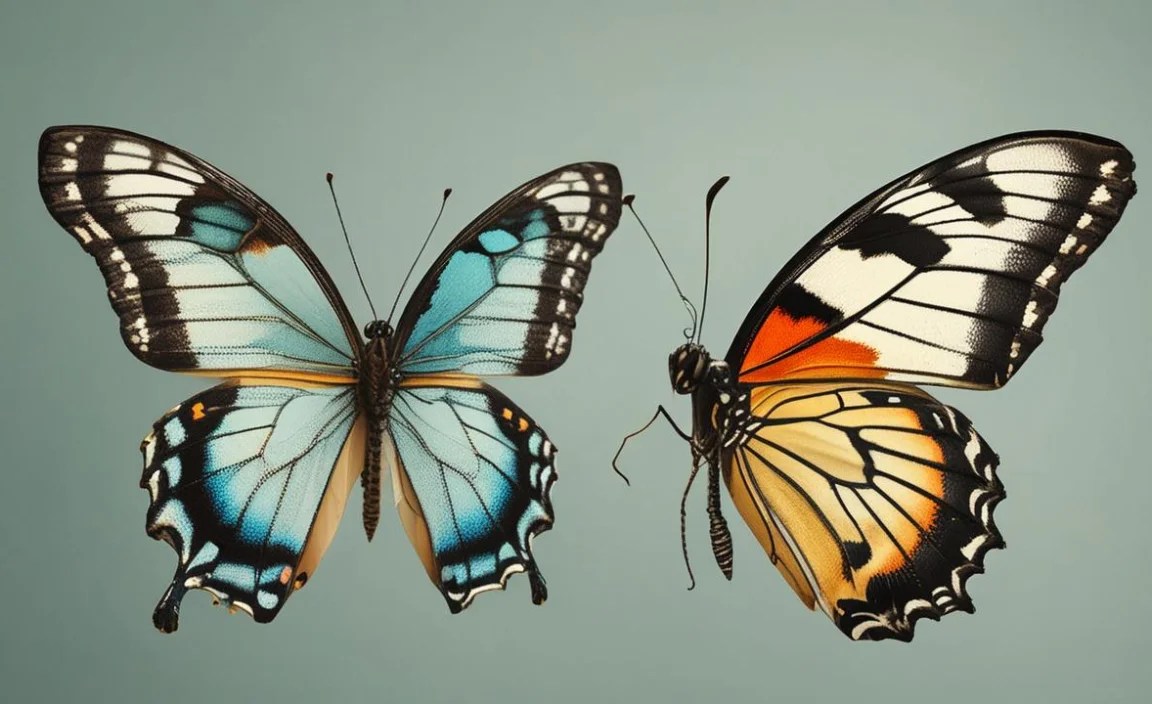
What will happen next with Asian butterfly digitized specimens? Scientists are always working to improve these collections. They want to make them even more accessible and useful. They are using new technologies to create 3D models of butterflies. This will allow people to see the butterflies from all angles. They are also developing new ways to analyze the data. This will help them learn even more about butterflies and their world. The future of digitized specimens is bright! These collections will continue to play an important role in science and conservation for many years to come.
- Creating 3D models of butterflies.
- Developing new data analysis tools.
- Integrating citizen science projects.
- Expanding collections to include more species.
- Using AI for automated identification.
- Improving data accessibility for everyone.
How can you get involved? You can participate in citizen science projects. These projects allow you to help scientists collect data about butterflies. You can take photos of butterflies in your backyard and upload them to online databases. You can also help identify butterfly species. Citizen science is a great way to learn more about butterflies and contribute to scientific research. It’s like becoming a scientist yourself! You can make a real difference in the world by helping to protect these amazing creatures.
Fun Fact or Stat: Butterflies can see red, green, and yellow!
Integration with Citizen Science
Imagine a team of scientists working together to solve a mystery. Now imagine that you are part of that team! That’s what it’s like to participate in citizen science projects. You can help scientists collect data about Asian butterfly digitized specimens. You can take photos of butterflies in your area and upload them to online databases. You can also help identify butterfly species based on their appearance. Your contributions can help scientists learn more about butterflies and protect them from threats. Citizen science is a fun and rewarding way to get involved in scientific research.
Expanding Geographic Coverage
Think about a map of the world. Some areas are well-explored, while others are still largely unknown. The same is true for butterfly collections. Some regions have been extensively studied, while others have been neglected. Scientists are working to expand the geographic coverage of Asian butterfly digitized specimens. They want to collect data from all parts of Asia. This will give them a more complete picture of butterfly diversity and distribution. It will also help them identify areas that are in need of conservation efforts.
Developing Advanced Analytical Tools
Have you ever used a computer program to analyze data? These tools can help you find patterns and relationships that you might not notice on your own. Scientists are developing advanced analytical tools to study Asian butterfly digitized specimens. These tools can help them understand how butterflies are affected by climate change, habitat loss, and other threats. They can also help them predict how butterfly populations will change in the future. These analytical tools are essential for developing effective conservation strategies.
Summary
Asian butterfly digitized specimens are like a virtual museum of butterflies. Scientists take photos and collect data about butterflies from Asia. They put this information online so that anyone can access it. This helps scientists study butterflies without harming them. It also allows people all over the world to learn about these amazing creatures. Digitized collections make it easier to study butterflies, protect them from threats, and share information with others. They are a valuable resource for science, education, and conservation.
Technology plays a big role in digitization. Special cameras take clear pictures. Computers store all the data. Software helps scientists analyze the information. The internet allows them to share it with the world. While there are challenges in digitizing butterfly specimens, the benefits are worth the effort. Scientists are always working to improve these collections and make them even more useful. You can even get involved by participating in citizen science projects.
Conclusion
Asian butterfly digitized specimens are a powerful tool for understanding and protecting butterflies. These online collections provide access to valuable data. Scientists use this data to study butterfly populations. They also learn about their habitats and threats. Technology helps make these collections possible. By digitizing butterfly specimens, we can all learn more about these amazing creatures. We can also help protect them for future generations. These collections are a gift to the world.
Frequently Asked Questions
Question No 1: What are Asian butterfly digitized specimens?
Answer: Asian butterfly digitized specimens are digital records of butterflies from Asia. Scientists take pictures and gather data about these butterflies. They then store this information online. This makes it easier for researchers and the public to access and study these specimens. The digitized specimens include details like the butterfly’s name, location, and physical characteristics. This helps in research and conservation efforts without needing physical access to the butterflies.
Question No 2: Why is it important to digitize butterfly specimens?
Answer: Digitizing butterfly specimens is important for several reasons. First, it allows scientists to study butterflies without harming them. Second, it makes the specimens accessible to researchers all over the world. Third, it helps to preserve the specimens for future generations. Fourth, it facilitates data sharing and collaboration among scientists. Finally, Asian butterfly digitized specimens can be used for educational purposes. This helps to raise awareness about the importance of butterfly conservation.
Question No 3: How can I access Asian butterfly digitized specimens?
Answer: You can access Asian butterfly digitized specimens through online databases and museum websites. Many museums and universities have digitized their butterfly collections and made them available online. You can search for these collections using keywords like “Asian butterfly digitized specimens” or the name of a specific museum. Once you find a collection, you can browse the specimens and learn about their characteristics and distribution. Some websites also offer interactive maps and data analysis tools.
Question No 4: What kind of information is included in a digitized butterfly specimen record?
Answer: A digitized butterfly specimen record typically includes a high-resolution image of the butterfly. It also includes data about the butterfly’s species, location, date of collection, and collector. Additionally, the record may include information about the butterfly’s habitat, diet, and behavior. Some records also include DNA sequences and other genetic information. All of this data helps scientists to understand the butterfly’s biology and ecology. The data associated with Asian butterfly digitized specimens aims to be comprehensive.
Question No 5: How are Asian butterfly digitized specimens used in research?
Answer: Asian butterfly digitized specimens are used in a variety of research projects. Scientists use them to study butterfly evolution, distribution, and conservation. They also use them to identify new species and track changes in butterfly populations over time. Digitized specimens can also be used to study the effects of climate change and habitat loss on butterflies. The availability of digitized specimens makes research more efficient and accessible to scientists around the world. This contributes to better conservation strategies.
Question No 6: Can I contribute to the digitization of butterfly specimens?
Answer: Yes, you can contribute to the digitization of butterfly specimens through citizen science projects. Many museums and universities offer opportunities for volunteers to help with digitization efforts. You can help by taking photos of butterflies, transcribing data from specimen labels, or identifying butterfly species. Your contributions can help to make these valuable collections more accessible to scientists and the public. This makes Asian butterfly digitized specimens more comprehensive and beneficial for everyone involved.


