
Apollo Metalmark Butterfly: Discover This Beauty!

Have you ever seen a tiny flash of orange? It might be the Apollo metalmark butterfly. These butterflies are small and special. They live in only a few places. People love to watch them flutter around.
These butterflies are important to their homes. They help flowers grow. They are also very beautiful. Let’s learn more about this amazing bug.
Key Takeaways
- The Apollo metalmark butterfly is small but important for its ecosystem.
- These butterflies have bright orange spots and a wingspan of about one inch.
- They live in specific areas of Texas and Mexico, needing special plants.
- Conservation efforts help protect their habitat from being destroyed.
- Learning about them helps us protect all butterflies and their homes.
Discovering the Apollo Metalmark Butterfly
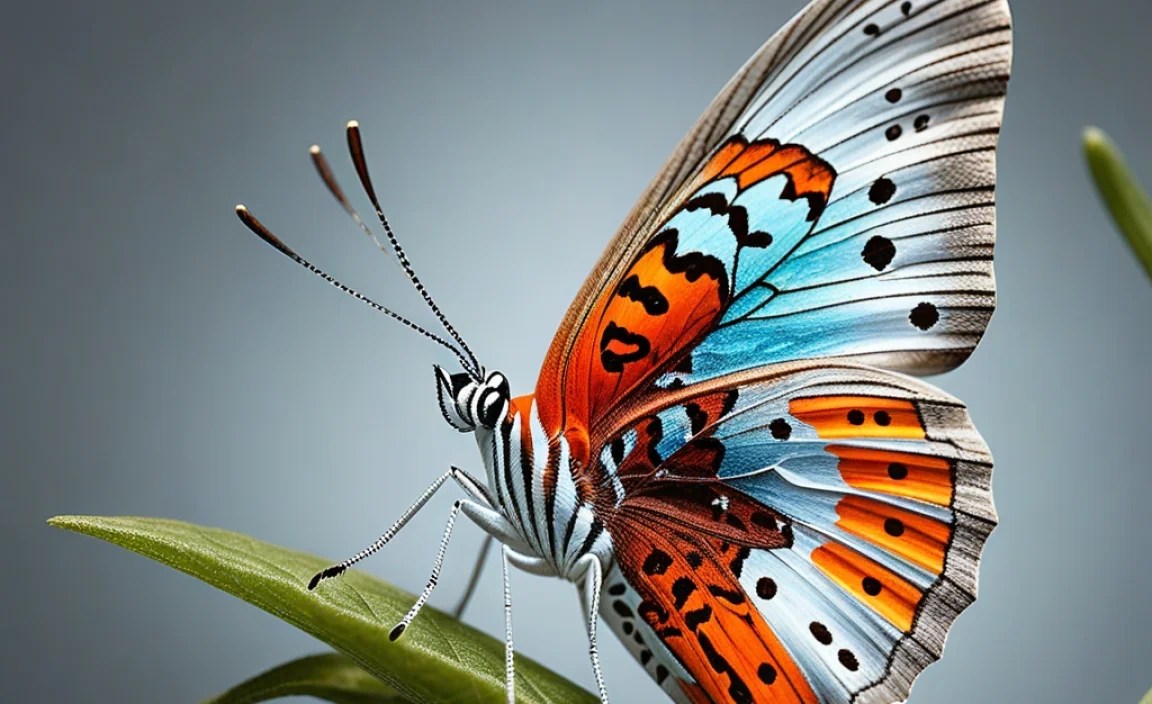
The Apollo metalmark butterfly is a small, beautiful insect. It belongs to the Riodinidae family. This family includes many metalmark butterflies. The Apollo metalmark is special because of its bright colors. It has orange spots on its wings. These spots make it easy to see. The butterfly’s wingspan is about one inch. This makes it one of the smaller butterflies. It lives in very specific places. These places are in Texas and Mexico. It needs certain plants to survive. The Apollo metalmark butterfly is a fascinating creature. People study it to learn more. They want to protect it from disappearing. Learning about it helps us protect all butterflies.
- They are part of the Riodinidae family.
- Orange spots make them easy to spot.
- Their wingspan is only about one inch.
- They live in Texas and Mexico.
- They need specific plants to live.
These butterflies are important to their ecosystem. They help pollinate flowers. This means they help flowers make seeds. The Apollo metalmark butterfly is also food for other animals. Birds and lizards might eat them. Protecting these butterflies helps the whole ecosystem. When we protect their homes, we help many other animals too. It is important to keep our planet healthy. Small actions can make a big difference. We can all help protect these butterflies.
Fun Fact or Stat: The Apollo metalmark butterfly’s wingspan is about the same size as a quarter!
What Does the Name Mean?
Have you ever wondered where names come from? The name “Apollo” comes from Greek myths. Apollo was a god of light and beauty. “Metalmark” refers to the shiny, metallic spots. These spots are on the wings of many butterflies in this family. So, Apollo metalmark butterfly means a beautiful butterfly with shiny marks. It is a fitting name for such a pretty insect. Names often tell us something about the thing they name. This name tells us about the butterfly’s looks and family. It is fun to think about where names come from.
Where Do They Live?
Imagine a small butterfly needing a very special home. The Apollo metalmark butterfly lives in specific areas. These areas are in southern Texas and northern Mexico. They need places with certain plants. One important plant is the croton plant. The butterflies lay their eggs on this plant. The caterpillars eat the leaves of the croton plant. Without these plants, they cannot survive. Their habitat is often dry and brushy. It is important to protect these areas. Protecting their homes helps them survive.
Why Are They Important?
Butterflies might seem small and unimportant. But they play a big role in nature. The Apollo metalmark butterfly helps pollinate flowers. When they fly from flower to flower, they carry pollen. Pollen helps plants make seeds. These seeds grow into new plants. Butterflies are also food for other animals. Birds, lizards, and other insects eat them. They are part of the food chain. Losing them could hurt other animals. Protecting them helps keep nature in balance.
Identifying Apollo Metalmark Butterfly
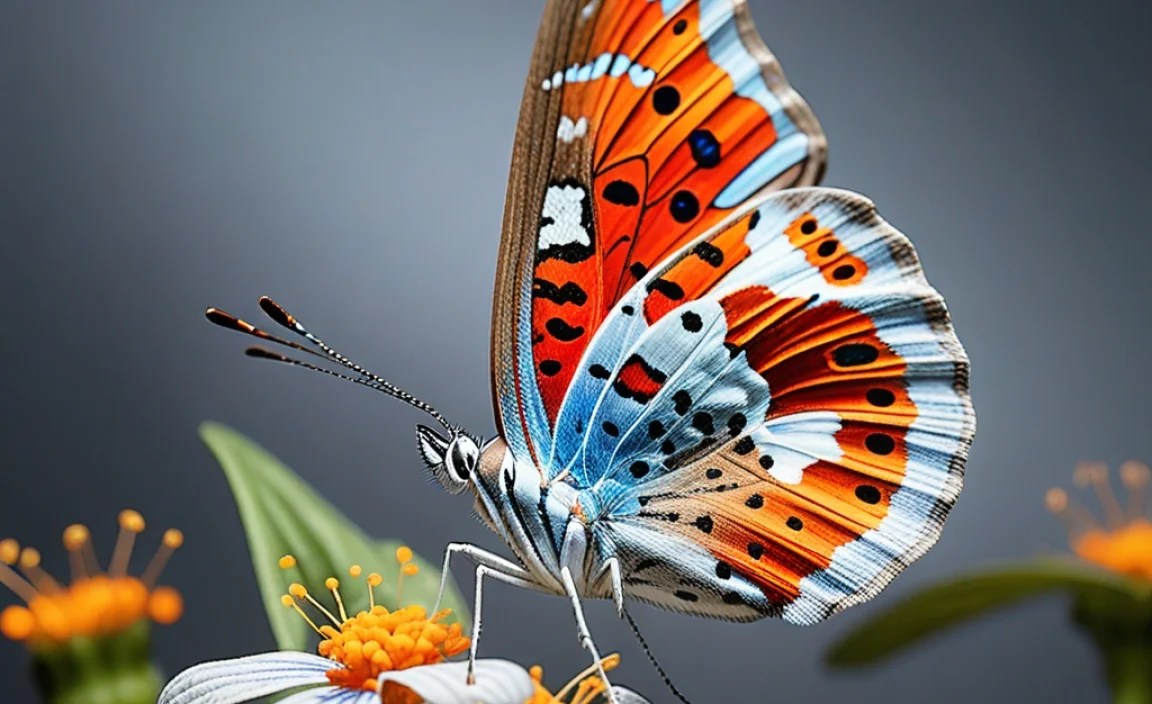
Identifying the Apollo metalmark butterfly is fun. Look for its small size. It has a wingspan of about one inch. The bright orange spots on its wings are a key feature. These spots are easy to see against the brown wings. The butterfly flies low to the ground. It often stays near its favorite plants. These plants include different kinds of croton. Knowing these things helps you spot it. You can tell it apart from other butterflies. When you see one, you know it is special.
- Look for a small butterfly.
- Check for orange spots on brown wings.
- See if it flies low to the ground.
- Notice if it stays near croton plants.
- Remember its size and colors.
There are other butterflies that look similar. But the Apollo metalmark butterfly has unique markings. The specific pattern of orange spots helps identify it. The size and shape of its wings are also different. Learning these details takes practice. But it is a rewarding skill. You can impress your friends with your butterfly knowledge. Plus, you can help scientists track these butterflies. Your observations can help protect them.
Fun Fact or Stat: The Apollo metalmark butterfly’s caterpillar eats only croton plant leaves!
What Colors Are They?
Imagine painting a butterfly. What colors would you use? For the Apollo metalmark butterfly, you’d need brown and orange. The base color of their wings is brown. Bright orange spots dot the wings. These spots make them easy to see. The contrast between brown and orange is striking. It is a beautiful combination. These colors help them blend in, too. They can hide among the plants. The colors are both pretty and useful.
How Big Are They?
Think about how big your hand is. Now imagine a butterfly that is much smaller. The Apollo metalmark butterfly has a wingspan of about one inch. This is about the size of a quarter. They are tiny compared to other butterflies. Their small size makes them delicate. It also makes them harder to find. You have to look closely to see them. But their small size is part of what makes them special. They are tiny jewels of the butterfly world.
What Do They Look Like Up Close?
Have you ever looked at a butterfly up close? If you could see the Apollo metalmark butterfly up close, you’d see amazing details. Their wings are covered in tiny scales. These scales give the wings their color. The orange spots are made of many small scales. Their bodies are fuzzy. They have long antennae. These antennae help them sense their surroundings. Up close, they are even more beautiful. Every detail is perfect.
Habitat Needs of the Apollo Metalmark Butterfly

The Apollo metalmark butterfly needs a very specific habitat. This means they need a certain type of place to live. They live in areas with croton plants. Croton plants are their main food source. The butterflies lay their eggs on these plants. The caterpillars eat the leaves. The habitat must also have the right climate. They need warm temperatures. They also need some moisture. Too much or too little rain can hurt them. Protecting their habitat is very important. It helps them survive.
- They need areas with croton plants.
- They require warm temperatures.
- They need some moisture in the air.
- Their habitat must be protected.
- They need the right balance of sun and shade.
Changes in their habitat can hurt them. If people build houses or roads, it destroys their homes. Pollution can also harm them. Pesticides can kill the butterflies and their food plants. Climate change can change the weather. This can make it too hot or too dry for them. We need to be careful about how we treat the land. Protecting their habitat is protecting them. Small changes can make a big difference.
Fun Fact or Stat: The Apollo metalmark butterfly can only live in habitats with specific croton plant species!
Why Are Croton Plants Important?
Imagine your favorite food disappearing. How would you feel? The Apollo metalmark butterfly depends on croton plants. The caterpillars only eat the leaves of these plants. Without croton plants, they cannot survive. The adult butterflies also use croton plants. They lay their eggs on the leaves. The plants provide shelter and food. Croton plants are essential for their life cycle. Protecting croton plants means protecting them. It is a simple but important connection.
What Kind of Climate Do They Need?
Goldilocks needed her porridge to be just right. The Apollo metalmark butterfly needs its climate to be just right, too. They need warm temperatures. They cannot survive in very cold places. They also need some moisture. Too much rain can wash away their eggs. Too little rain can dry out their food plants. They need a balance. The right climate helps them thrive. It is an important part of their habitat.
How Can We Protect Their Habitat?
Pretend you are a superhero. Your mission is to save the Apollo metalmark butterfly. How would you do it? One way is to protect their habitat. We can avoid building in their areas. We can plant croton plants. We can reduce pollution. We can use less pesticides. We can educate others about them. Small actions can make a big difference. Together, we can protect their homes. We can be their heroes.
Life Cycle of the Apollo Metalmark Butterfly

The life cycle of the Apollo metalmark butterfly is amazing. It starts with an egg. The female butterfly lays her eggs on croton plants. The eggs are tiny and hard to see. After a few days, the egg hatches into a caterpillar. The caterpillar eats the leaves of the croton plant. It grows bigger and bigger. The caterpillar sheds its skin several times. This is called molting. After growing enough, the caterpillar turns into a pupa. The pupa is also called a chrysalis. Inside the pupa, the butterfly changes. After a few weeks, the butterfly emerges. It flies away to find a mate.
- It starts as an egg on a croton plant.
- The egg hatches into a caterpillar.
- The caterpillar eats and grows.
- It turns into a pupa (chrysalis).
- The butterfly emerges from the pupa.
Each stage of the life cycle is important. The egg needs the right conditions to hatch. The caterpillar needs plenty of food to grow. The pupa needs to be protected from harm. The butterfly needs to find a mate to lay more eggs. If any stage is disrupted, the butterfly may not survive. Understanding their life cycle helps us protect them. We can make sure they have what they need to thrive. Small actions can make a big difference.
Fun Fact or Stat: The Apollo metalmark butterfly spends most of its life as a caterpillar!
What Do the Eggs Look Like?
Imagine searching for tiny, hidden treasures. That is like looking for the eggs of the Apollo metalmark butterfly. The eggs are very small. They are laid on the leaves of croton plants. They are often pale in color. They can be hard to see. The female butterfly carefully places them. She chooses the best spot for them to hatch. These tiny eggs hold the future of the butterfly.
What Do the Caterpillars Eat?
Caterpillars are like eating machines. All they do is eat and grow. The caterpillar of the Apollo metalmark butterfly is no different. It eats the leaves of croton plants. These leaves are its only food source. The caterpillar eats a lot. It grows bigger and bigger. As it grows, it sheds its skin. This is called molting. The caterpillar needs a lot of energy to change into a butterfly.
How Long Does Each Stage Last?
Have you ever waited for something to happen? The Apollo metalmark butterfly goes through different stages. Each stage takes a different amount of time. The egg stage lasts a few days. The caterpillar stage lasts several weeks. The pupa stage also lasts several weeks. The butterfly stage lasts a few weeks to a month. The whole life cycle takes a few months. Each stage is important for the butterfly’s survival.
Threats to the Apollo Metalmark Butterfly

The Apollo metalmark butterfly faces many threats. These threats make it hard for them to survive. One major threat is habitat loss. People destroy their homes to build houses and roads. Pollution also harms them. Pesticides can kill the butterflies and their food plants. Climate change can change the weather patterns. This can make it too hot or too dry for them. Invasive species can also be a problem. These are plants or animals that don’t belong in their habitat. They can compete with the butterflies for food and space. Protecting them from these threats is important.
- Habitat loss due to construction.
- Pollution from pesticides and chemicals.
- Climate change affecting weather patterns.
- Invasive species competing for resources.
- Lack of awareness about their importance.
We can help reduce these threats. We can protect their habitat. We can use less pesticides. We can fight climate change. We can control invasive species. We can also educate others about the Apollo metalmark butterfly. The more people know about them, the more likely they are to help. Small actions can make a big difference. Together, we can protect these beautiful butterflies.
Fun Fact or Stat: Habitat loss is the biggest threat to the Apollo metalmark butterfly!
How Does Habitat Loss Affect Them?
Imagine your home being destroyed. Where would you go? The Apollo metalmark butterfly faces this problem when their habitat is lost. Habitat loss means their homes are destroyed. This happens when people build houses or roads. It also happens when forests are cut down. Without a home, they cannot survive. They need a place to lay their eggs. They need food to eat. Habitat loss is a major threat to their survival.
What Role Does Pollution Play?
Pollution is like a poison in the air and water. It can harm the Apollo metalmark butterfly in many ways. Pesticides can kill them directly. Pollution can also harm their food plants. This makes it hard for them to find food. Pollution can also change the climate. This can make it too hot or too dry for them. Reducing pollution is important for their survival.
Why Is Climate Change a Threat?
The weather is changing. This is called climate change. It can be a big problem for the Apollo metalmark butterfly. Climate change can make it too hot or too dry. This can kill their food plants. It can also make it hard for them to survive. They need a stable climate to thrive. Fighting climate change is important for their survival.
Conservation Efforts for the Apollo Metalmark Butterfly
People are working hard to help the Apollo metalmark butterfly. These efforts are called conservation efforts. They include protecting their habitat. This means setting aside land where they can live safely. Scientists are studying them. They are learning more about their needs. People are also planting croton plants. This provides them with food. Education is also important. The more people know about them, the more likely they are to help. These efforts are making a difference.
- Protecting their habitat from destruction.
- Studying their needs and behaviors.
- Planting croton plants for food.
- Educating the public about them.
- Working with landowners to protect them.
You can help with conservation efforts too. You can learn more about them. You can tell your friends and family about them. You can plant croton plants in your garden. You can support organizations that are working to protect them. Small actions can make a big difference. Together, we can help the Apollo metalmark butterfly survive. Every little bit helps.
| Effort | Description | Benefits |
|---|---|---|
| Habitat Protection | Setting aside land for butterflies | Provides safe places to live and breed |
| Scientific Study | Learning about their needs | Helps us understand how to protect them |
| Croton Planting | Planting their food source | Ensures they have enough to eat |
| Public Education | Teaching people about them | Encourages people to help protect them |
Fun Fact or Stat: Some conservation groups raise and release Apollo metalmark butterflies to boost populations!
What Can Scientists Do?
Scientists are like detectives. They study the Apollo metalmark butterfly to learn more about them. They track their populations. They study their habitat. They learn about their life cycle. This information helps them understand how to protect them. Scientists can also help restore their habitat. They can plant croton plants. They can remove invasive species. Scientists play a vital role in their conservation.
How Can Local Communities Help?
Imagine your community working together to save a butterfly. Local communities can play a big role in protecting the Apollo metalmark butterfly. They can protect their habitat. They can plant croton plants. They can educate others about them. They can support local conservation efforts. When communities work together, they can make a big difference.
What Can Kids Do to Help?
Even kids can be superheroes for the Apollo metalmark butterfly. You can learn about them. You can tell your friends and family about them. You can plant croton plants in your garden. You can support conservation organizations. You can reduce pollution. Small actions can make a big difference. Every little bit helps. You can be a butterfly hero.
Summary
The Apollo metalmark butterfly is a small but important insect. It has bright orange spots on its wings. It lives in specific areas of Texas and Mexico. It needs certain plants to survive. Its habitat is threatened by human activities. People are working to protect it. Conservation efforts include habitat protection, planting croton, and education. Understanding their life cycle and needs helps us protect them. Everyone can help, even kids. Small actions can make a big difference. Together, we can save the Apollo metalmark butterfly.
Conclusion
The Apollo metalmark butterfly is a special creature. It is small and beautiful. It plays an important role in its ecosystem. It faces many threats. But people are working to protect it. We can all help. By learning about them, we can make a difference. Protecting their habitat is key. Every small action counts. Let’s work together to ensure the Apollo metalmark butterfly thrives.
Frequently Asked Questions
Question No 1: What is the Apollo metalmark butterfly?
Answer: The Apollo metalmark butterfly is a small butterfly. It belongs to the Riodinidae family. It is known for its bright orange spots. These spots are on its brown wings. It is found in specific areas of Texas and Mexico. It depends on certain plants for survival. It is an important part of its ecosystem. Protecting it helps other species too.
Question No 2: Where does the Apollo metalmark butterfly live?
Answer: This butterfly lives in specific areas. These areas are in southern Texas and northern Mexico. They need places with certain plants. One important plant is the croton plant. The butterflies lay their eggs on this plant. The caterpillars eat the leaves of the croton plant. Without these plants, they cannot survive. Their habitat is often dry and brushy.
Question No 3: Why is the Apollo metalmark butterfly important?
Answer: Butterflies play a big role in nature. The Apollo metalmark butterfly helps pollinate flowers. When they fly from flower to flower, they carry pollen. Pollen helps plants make seeds. These seeds grow into new plants. Butterflies are also food for other animals. Birds, lizards, and other insects eat them. They are part of the food chain. Losing them could hurt other animals. Protecting them helps keep nature in balance.
Question No 4: What are the threats to the Apollo metalmark butterfly?
Answer: The Apollo metalmark butterfly faces many threats. These threats make it hard for them to survive. One major threat is habitat loss. People destroy their homes to build houses and roads. Pollution also harms them. Pesticides can kill the butterflies and their food plants. Climate change can change the weather patterns. Invasive species can also be a problem.
Question No 5: What can we do to help the Apollo metalmark butterfly?
Answer: We can do many things to help. We can protect their habitat. This means setting aside land where they can live safely. We can use less pesticides. Pesticides can harm the Apollo metalmark butterfly. We can fight climate change. Climate change can change the weather patterns. We can also educate others about them. The more people know, the more they can help.
Question No 6: How can kids help protect the Apollo metalmark butterfly?
Answer: Even kids can be superheroes. You can learn about the Apollo metalmark butterfly. You can tell your friends and family about them. You can plant croton plants in your garden. You can support conservation organizations. You can reduce pollution. Small actions can make a big difference. Every little bit helps. You can be a butterfly hero. Your efforts can help save this amazing species.


