
Species Identification Methods: The Smart Guide

Do you know how to tell a robin from a sparrow? What about an oak tree from a maple? Species identification methods help us name and understand the living things around us. It is like being a detective. We use clues to solve the mystery of what something is.
Long ago, people knew plants and animals for survival. Today, it helps us protect nature. Learning about species identification methods can be fun. It can also help us become better caretakers of our planet.
Key Takeaways
- Species identification methods help us understand and protect the world around us.
- Scientists use many tools, like keys and DNA, to identify species accurately.
- Looking at physical traits is an easy way to start identifying plants and animals.
- Technology, like apps, now makes species identification easier for everyone.
- Learning to identify species helps us appreciate nature and our impact on it.
Using Physical Traits for Species ID

One common way to identify species is by looking at their physical traits. This means observing their size, shape, color, and other features. For plants, we might look at the leaves, flowers, and bark. For animals, we examine their fur, feathers, scales, and body structure. Species identification methods often begin with these simple observations. Think about a bird. Does it have a long beak or a short one? Is it brightly colored or mostly brown? These details can help you narrow down the possibilities. You can use field guides or online resources to compare your observations with known species. Remember, some species look very similar, so it’s important to be careful and look at multiple traits.
- Observe the size and shape of the organism.
- Note the colors and patterns present.
- Examine any unique features like spots or stripes.
- Check the texture of the skin, fur, or leaves.
- Consider the overall structure and form.
Identifying species by physical traits is a great starting point. However, it is not always foolproof. Some species can change their appearance depending on their age or environment. Also, different species can sometimes look very similar. This is why scientists often use other species identification methods. These methods include genetic analysis or studying behavior. Even with these challenges, observing physical traits remains a fundamental part of identifying species. It helps us appreciate the diversity of life on Earth. It also teaches us to pay attention to the details around us. Next time you are outside, try to identify a plant or animal using only its physical traits.
Fun Fact or Stat: The science of naming and classifying living things is called taxonomy. It was started by Carl Linnaeus in the 1700s!
What Are Key Physical Traits?
Have you ever tried to describe someone to a friend who has never met them? You probably talked about their hair color, height, or eye color. Identifying species using physical traits is similar. Key physical traits are like the defining characteristics of a plant or animal. For example, the shape of a bird’s beak can tell you what it eats. A long, thin beak is good for sipping nectar. A short, thick beak is good for cracking seeds. The spots on a ladybug can help you identify which type it is. Paying attention to these details helps us understand the differences between species. It also helps us understand how they live in their environment.
Why Is Observation Important?
Imagine you are a detective trying to solve a mystery. What is the first thing you do? You observe the scene! Observation is super important in species identification methods. It is how we gather clues about the plant or animal we are trying to identify. The more carefully we observe, the more likely we are to identify the species correctly. We learn to see the subtle differences that set one species apart from another. Observation also connects us to nature. It encourages us to slow down and appreciate the world around us. It makes learning about species more engaging and fun.
How Can Field Guides Help?
What if you found a strange-looking bug in your backyard? How would you figure out what it is? Field guides are like treasure maps for nature explorers. They provide pictures and descriptions of different species. They also highlight the key physical traits that help with identification. Many field guides are organized by region. This makes it easier to find species that are likely to be in your area. Field guides often include information about habitat, behavior, and diet. This helps you learn even more about the species you identify. Using a field guide is like having an expert naturalist by your side.
Using Dichotomous Keys for Identification

Dichotomous keys are tools used to identify organisms. They work by presenting a series of choices. Each choice leads you to another question. Eventually, you will arrive at the name of the species. It is like playing a “choose your own adventure” game, but with plants and animals! Species identification methods often rely on these keys for accuracy. The questions in a dichotomous key are based on physical traits. For example, “Does the leaf have smooth edges or jagged edges?” or “Does the animal have feathers or fur?” By answering these questions step by step, you can narrow down the possibilities and identify the species. Dichotomous keys are useful for both beginners and experts. They provide a structured way to approach species identification.
- Start at the beginning of the key.
- Read each pair of statements carefully.
- Choose the statement that best describes the organism.
- Follow the key’s directions to the next step.
- Continue until you reach the species name.
Dichotomous keys are valuable tools. They help people identify unfamiliar organisms. But they are not always perfect. Sometimes, the choices can be confusing. Or, the organism might not perfectly fit any of the descriptions. In these cases, it can be helpful to consult other species identification methods. These methods include field guides or expert opinions. Despite these challenges, dichotomous keys are a great way to learn about different species. They encourage careful observation and critical thinking. They also provide a sense of accomplishment when you finally identify the mystery organism.
Fun Fact or Stat: The word “dichotomous” comes from Greek words meaning “divided in two.”
How Do Dichotomous Keys Work?
Imagine you are trying to find a specific book in a library. The librarian might ask you questions to narrow down your search. “Is it fiction or non-fiction?” “Is it a children’s book or an adult book?” Dichotomous keys work in a similar way. Each question presents two choices. Each choice eliminates some possibilities and leads you closer to the answer. The key keeps asking questions until only one species remains. It is like a process of elimination. This method helps you identify species even if you don’t know much about them to begin with.
What Are Examples of Key Questions?
What kind of questions might you find in a dichotomous key? For plants, you might see questions about leaf shape, flower color, or stem type. For animals, you might see questions about body covering, limb structure, or tail length. The questions are designed to highlight the key differences between species. For example, “Does the animal have a backbone?” This question separates vertebrates (animals with backbones) from invertebrates (animals without backbones). “Are the leaves arranged opposite each other on the stem, or alternately?” This question helps identify different types of trees. The questions are clear and easy to understand.
Where Can You Find Dichotomous Keys?
Want to try using a dichotomous key? You can find them in many places! Some field guides include dichotomous keys for specific groups of organisms. You can also find them online. Many websites offer keys for identifying plants, animals, and fungi. Your school or local library might have books with dichotomous keys. You can even create your own dichotomous key for the plants and animals in your backyard! This is a fun way to learn about the species around you and practice your observation skills.
Using DNA Barcoding for Species ID

DNA barcoding is a modern species identification method. It uses a small piece of DNA to identify an organism. DNA is like a unique code for each species. Scientists compare the DNA barcode of an unknown organism to a library of known species. If the barcode matches, they have identified the species. DNA barcoding can be very accurate. It can also be used to identify species that are difficult to tell apart using physical traits. This method is especially useful for identifying insects, fungi, and other small organisms. DNA barcoding is a powerful tool for understanding biodiversity. It helps us discover new species and track changes in populations.
- Collect a sample from the organism.
- Extract the DNA from the sample.
- Amplify the DNA barcode region.
- Sequence the DNA.
- Compare the sequence to a reference library.
- Identify the species based on the match.
DNA barcoding is a revolutionary technique. It has changed the way scientists study biodiversity. However, it is not without its challenges. DNA barcoding requires specialized equipment and expertise. It can also be expensive. Furthermore, the reference libraries are not complete. This means that it is not always possible to identify a species using DNA barcoding. Despite these challenges, DNA barcoding is becoming more widely used. It is helping us understand the tree of life and protect endangered species. As technology advances, DNA barcoding will likely become even more important in species identification methods.
Fun Fact or Stat: Scientists use a specific region of DNA called COI (cytochrome c oxidase I) as a standard barcode for animals.
What Is DNA?
Have you ever heard of DNA? It’s like a blueprint that tells your body how to grow and work. Every living thing has DNA. It is found in tiny structures called cells. DNA contains all the information needed to make an organism unique. It determines your eye color, hair color, and even your height. DNA is passed down from parents to their children. That is why you might share traits with your family members. Scientists can read DNA to learn about different species. They can even use it to identify species that look very similar.
How Does DNA Barcoding Work?
Imagine you have a library with millions of books. Each book has a unique barcode on the back. You can scan the barcode to quickly identify the book. DNA barcoding works in a similar way. Scientists focus on a specific region of DNA that varies between species. They create a “barcode” for each species. Then, they can compare the barcode of an unknown organism to a library of known barcodes. If the barcodes match, they have identified the species. It’s a fast and accurate way to identify organisms.
What Are the Benefits of DNA Barcoding?
Why is DNA barcoding so useful? It can help identify species that are difficult to tell apart using physical traits. It can also be used to identify species from small samples. This is helpful for studying insects or fungi. DNA barcoding can help us discover new species. It can also help us track the movement of species around the world. This information is important for protecting biodiversity. DNA barcoding is a powerful tool for understanding the natural world. It helps us learn more about the amazing diversity of life on Earth.
Comparing Traditional and Modern ID Methods
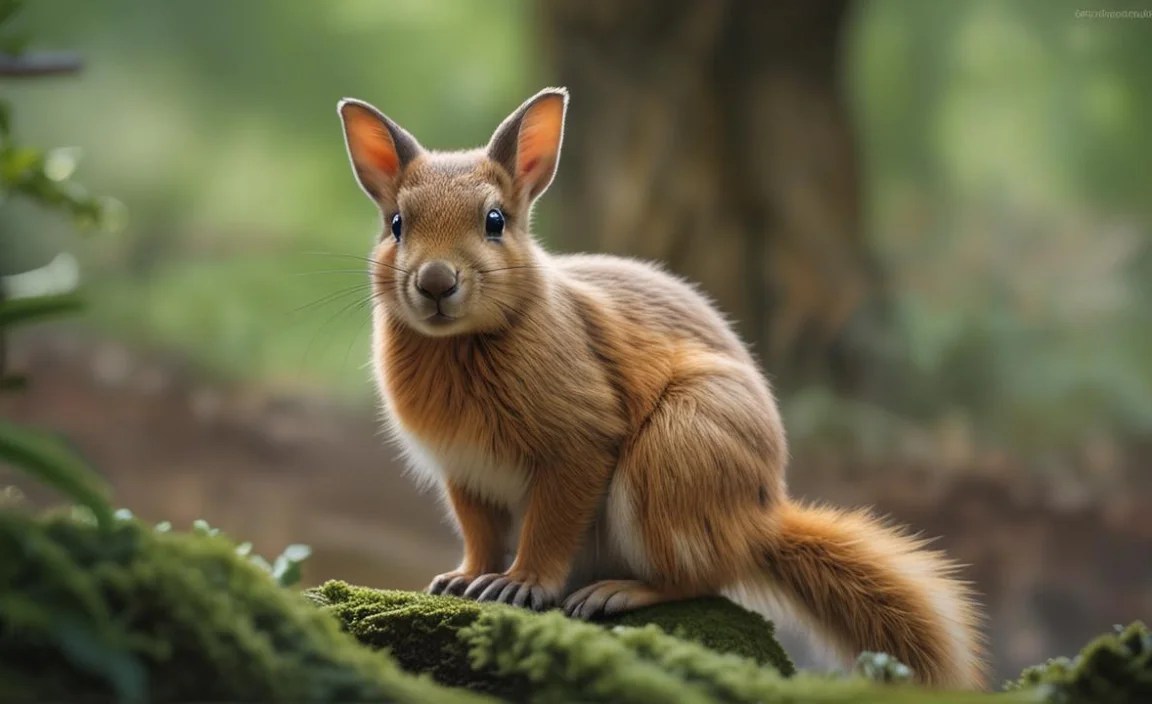
Species identification methods have changed a lot over time. Traditional methods rely on physical traits and dichotomous keys. Modern methods use DNA and technology. Both approaches have their strengths and weaknesses. Traditional methods are often simpler and less expensive. They can be used by anyone with a field guide and a keen eye. However, they can be less accurate. Especially when dealing with species that look very similar. Modern methods are more accurate. But they require specialized equipment and expertise. Understanding the differences between these approaches is important. It helps us choose the best method for a given situation. It also helps us appreciate the progress that has been made in species identification.
- Traditional methods are often less expensive.
- Modern methods can be more accurate.
- Traditional methods rely on observation.
- Modern methods use technology and DNA.
- Both methods contribute to our understanding of biodiversity.
The best approach to species identification methods often involves combining traditional and modern techniques. Start by observing the physical traits of the organism. Then, use a dichotomous key to narrow down the possibilities. If you are still unsure, consider using DNA barcoding. By combining these approaches, you can increase your chances of identifying the species correctly. Remember, species identification is a skill that takes practice. The more you learn, the better you will become at recognizing the plants and animals around you.
Fun Fact or Stat: Some museums are now using DNA barcoding to identify specimens in their collections.
| Method | Pros | Cons | Best Used For |
|---|---|---|---|
| Physical Traits | Simple, inexpensive, accessible | Can be subjective, less accurate | Initial identification, field observations |
| Dichotomous Keys | Structured, helpful for beginners | Can be confusing, may not always fit | Identifying common species, learning key features |
| DNA Barcoding | Highly accurate, identifies cryptic species | Expensive, requires specialized equipment | Confirming identification, discovering new species |
| Citizen Science Apps | Easy to use, large community support | Accuracy depends on user input | Quick identification, community-based learning |
What Are the Strengths of Each Method?
Each species identification method has its own strengths. Observing physical traits is a great way to start. It helps you become familiar with the characteristics of different species. Dichotomous keys provide a structured approach. They guide you through the identification process step by step. DNA barcoding is highly accurate. It can identify species that are difficult to tell apart. Knowing the strengths of each method helps you choose the right tool for the job. It also helps you understand the limitations of each method.
What Are the Limitations of Each Method?
No species identification method is perfect. Observing physical traits can be subjective. Different people might see things differently. Dichotomous keys can be confusing. The organism might not perfectly fit any of the descriptions. DNA barcoding is expensive. It requires specialized equipment and expertise. It is important to be aware of these limitations. This will help you avoid making mistakes and ensure accurate identifications. Remember, it is always a good idea to double-check your work.
How Can We Combine Methods?
The best approach to species identification methods often involves combining different techniques. Start by observing the physical traits of the organism. Then, use a dichotomous key to narrow down the possibilities. If you are still unsure, consider using DNA barcoding. You can also use citizen science apps to get help from other people. By combining these approaches, you can increase your chances of identifying the species correctly. Remember, species identification is a skill that takes practice. The more you learn, the better you will become at recognizing the plants and animals around you.
The Role of Technology in Species ID

Technology has made species identification methods easier than ever. There are many apps available for smartphones and tablets. These apps use image recognition to identify plants and animals. You simply take a picture of the organism. The app compares it to a database of known species. Technology can also help us access information. Online databases and field guides provide detailed descriptions and images of different species. Technology is making species identification more accessible to everyone. This is helping us learn more about the natural world. It is also empowering us to protect biodiversity.
- Use smartphone apps for quick identification.
- Access online databases for detailed information.
- Share observations with other citizen scientists.
- Learn about species distributions through interactive maps.
- Contribute to scientific research by recording observations.
While technology is a powerful tool, it is important to use it wisely. Apps and online resources are not always accurate. It is important to double-check the information with other sources. It is also important to remember that technology is not a substitute for careful observation. Take the time to examine the organism closely. Consider its physical traits, habitat, and behavior. By combining technology with traditional methods, you can become a skilled species identifier. You can also contribute to our understanding of the natural world.
Fun Fact or Stat: The iNaturalist app has millions of users who have recorded tens of millions of observations of plants and animals.
What Are Citizen Science Apps?
Have you ever wanted to be a scientist? Citizen science apps let you do just that! These apps allow you to record your observations of plants and animals. The data you collect is shared with scientists and other researchers. This helps them track species distributions and monitor changes in the environment. Citizen science apps are a great way to learn about the natural world and contribute to scientific research. They also connect you with a community of other nature enthusiasts. You can share your findings, ask questions, and learn from others.
How Accurate Are These Tools?
How much can you trust these apps? While technology is amazing, it is not always perfect. The accuracy of species identification apps depends on several factors. These factors include the quality of the image, the database of species, and the algorithms used by the app. Some apps are more accurate than others. It is important to use multiple sources of information to confirm your identification. Always double-check your findings with a field guide or expert opinion. Remember, technology is a tool to help you learn and explore.
What Are the Ethical Considerations?
It is important to be responsible when using technology to study nature. Avoid disturbing plants and animals. Follow guidelines for responsible data collection. Respect private property and protected areas. Be mindful of your impact on the environment. Share your findings with others in a respectful and constructive way. By following these ethical guidelines, you can ensure that your use of technology is beneficial for both people and nature.
The Importance of Accurate Species ID
Accurate species identification methods are very important for many reasons. It helps us understand biodiversity. It allows us to monitor changes in populations. It is essential for conservation efforts. If we cannot identify species correctly, we cannot protect them effectively. Accurate species identification is also important for human health. It helps us identify poisonous plants and dangerous animals. It is also important for agriculture. It helps us identify pests and diseases that can harm crops. Accurate species identification is essential for a healthy planet and a healthy society.
- Protect endangered species from extinction.
- Track the spread of invasive species.
- Monitor the health of ecosystems.
- Develop effective conservation strategies.
- Understand the relationships between species.
Even if you are not a scientist, you can contribute to accurate species identification. By using citizen science apps, you can record your observations of plants and animals. This data helps scientists track species distributions and monitor changes in the environment. You can also learn to identify species in your own backyard. This will help you appreciate the biodiversity around you. It will also empower you to protect the natural world. Every observation counts. Together, we can make a difference.
Fun Fact or Stat: There are an estimated 8.7 million species on Earth, but only about 1.2 million have been identified so far.
Why Is It Important for Conservation?
Imagine trying to protect a species without knowing what it is! Conservation efforts rely on accurate species identification methods. We need to know which species are endangered. We also need to know where they live. This information helps us develop effective conservation strategies. We can protect their habitats. We can also reduce threats to their survival. Without accurate species identification, our conservation efforts would be like shooting in the dark. We would not be able to protect the species that need our help the most.
How Does It Impact Human Health?
Did you know that accurate species identification methods can protect your health? Identifying poisonous plants and dangerous animals can prevent injuries and illnesses. Knowing which insects carry diseases can help you avoid getting sick. Accurate species identification is also important for food safety. It helps us identify contaminated food and prevent foodborne illnesses. By learning about the species around us, we can protect ourselves and our communities.
What Is the Role in Agriculture?
Farmers rely on accurate species identification methods to protect their crops. Identifying pests and diseases can help them prevent crop damage and yield losses. Knowing which insects are beneficial can help them promote natural pest control. Accurate species identification is also important for managing livestock. It helps farmers identify diseases and ensure the health of their animals. By using accurate species identification, farmers can produce more food and protect the environment.
Summary
Species identification methods are essential for understanding and protecting the world around us. We can learn about different species by observing their physical traits. Dichotomous keys provide a structured way to identify organisms. DNA barcoding uses genetic information for accurate identification. Technology has made species identification more accessible than ever. Citizen science apps allow us to contribute to scientific research. Accurate species identification is important for conservation, human health, and agriculture.
By learning about species identification methods, we can become better stewards of the planet. We can appreciate the diversity of life. We can also take action to protect endangered species. Every observation counts. Together, we can make a difference.
Conclusion
Learning about species identification methods opens a door to understanding the natural world. We can use simple tools like field guides. We can also use advanced technology like DNA barcoding. Identifying species helps us appreciate biodiversity. It also helps us protect our planet. Let’s continue to explore and learn about the fascinating species around us.
Frequently Asked Questions
Question No 1: What is species identification?
Answer: Species identification methods involve figuring out what kind of plant or animal you are looking at. It’s like being a detective. You use clues to solve the mystery of what the organism is. These clues can include its size, shape, color, and behavior. Scientists and nature lovers use these methods to learn more about the world around us. Learning to identify species can be fun and rewarding. It helps us appreciate the diversity of life on Earth.
Question No 2: Why is species identification important?
Answer: Species identification methods are important for many reasons. It helps us understand the natural world. It also allows us to protect endangered species. When we know what species are present in an area, we can monitor their populations. We can also track the spread of invasive species. This information is crucial for conservation efforts. Accurate species identification is also important for human health and agriculture. It helps us identify poisonous plants, dangerous animals, and crop pests.
Question No 3: What are some common species identification methods?
Answer: There are several common species identification methods. One method is to observe the physical traits of the organism. This includes its size, shape, color, and other features. Another method is to use a dichotomous key. This is a tool that presents a series of choices. Each choice leads you closer to the species name. A modern method is DNA barcoding. This uses a small piece of DNA to identify the organism. Technology has also made species identification easier. There are many apps available for smartphones and tablets.
Question No 4: How can I learn to identify species?
Answer: There are many ways to learn about species identification methods. Start by observing the plants and animals in your backyard. Use a field guide to help you identify them. You can also use online resources and apps. Join a local nature club or attend a workshop. These are great ways to learn from experts. Practice is key. The more you observe and identify species, the better you will become. Remember to be patient and have fun!
Question No 5: What is DNA barcoding?
Answer: DNA barcoding is a modern species identification method. It uses a small piece of DNA to identify an organism. DNA is like a unique code for each species. Scientists compare the DNA barcode of an unknown organism to a library of known species. If the barcode matches, they have identified the species. DNA barcoding can be very accurate. It can also be used to identify species that are difficult to tell apart using physical traits. This method is especially useful for identifying insects, fungi, and other small organisms.
Question No 6: How can technology help with species identification?
Answer: Technology has made species identification methods easier than ever. There are many apps available for smartphones and tablets. These apps use image recognition to identify plants and animals. You simply take a picture of the organism, and the app compares it to a database of known species. Technology can also help us access information. Online databases and field guides provide detailed descriptions and images of different species. Technology is making species identification more accessible to everyone. This is helping us learn more about the natural world and empowering us to protect biodiversity.


