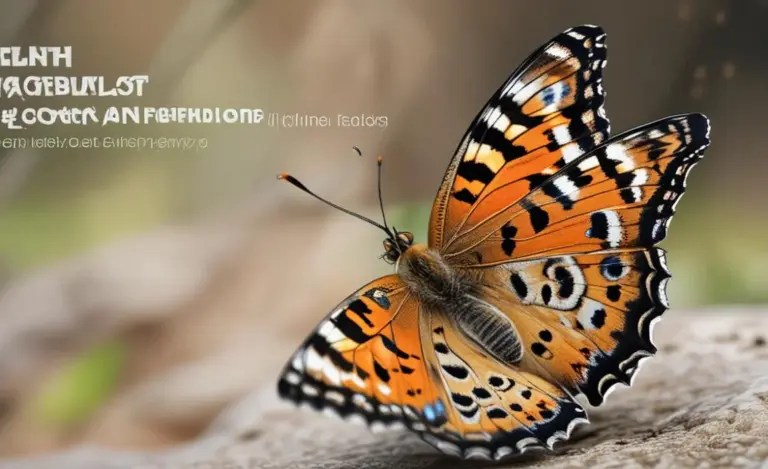
Butterfly Mimic Species: Discover Nature’s Clever Trick

Quick Summary: Butterfly mimic species are butterflies that have evolved to resemble other butterflies or even other insects. This mimicry helps them avoid predators. Some mimic toxic butterflies to deter predators (Batesian mimicry), while others mimic each other to reinforce the warning signal (Müllerian mimicry). Understanding mimicry helps us appreciate the complex ways butterflies survive.
Have you ever been fooled by a butterfly that looked like something else entirely? It’s a fascinating trick of nature! Some butterflies have evolved to mimic other species, whether to avoid becoming a tasty snack or to amplify a warning signal. It might seem complicated, but don’t worry! We’ll explore the world of butterfly mimic species together, step by step. You’ll discover how these amazing creatures use disguise to survive and thrive. Let’s dive in and uncover the secrets of butterfly mimicry!
What are Butterfly Mimic Species?

Butterfly mimic species are butterflies that have evolved to resemble other organisms, most commonly other butterflies or insects. This resemblance provides a survival advantage, primarily by deceiving predators. The predators are tricked into thinking the mimic is either dangerous, distasteful, or simply not worth the effort to catch. Butterfly mimicry is a fascinating example of natural selection at work, demonstrating how species adapt over time to increase their chances of survival.
Types of Butterfly Mimicry
There are two primary types of butterfly mimicry:
- Batesian Mimicry: A harmless butterfly mimics a harmful one.
- Müllerian Mimicry: Two or more harmful species mimic each other.
Let’s break these down further.
Batesian Mimicry: Copying the Dangerous Ones
Batesian mimicry occurs when a palatable or harmless species evolves to resemble an unpalatable or dangerous species. The mimic benefits because predators that have learned to avoid the model species will also avoid the mimic. This type of mimicry is named after Henry Walter Bates, a British naturalist who first described the phenomenon in the Amazon rainforest.
Imagine a viceroy butterfly (Limenitis archippus) that looks very similar to a monarch butterfly (Danaus plexippus). Monarchs are toxic to many predators because they feed on milkweed as caterpillars, which contains cardiac glycosides. Birds that eat monarchs often get sick, learning to avoid butterflies with that orange and black pattern. The viceroy, though not toxic, benefits from this learned avoidance because it shares the same visual cues.
Müllerian Mimicry: Strength in Similarity
Müllerian mimicry involves two or more unpalatable or dangerous species that come to resemble each other. This is beneficial to all species involved because it reduces the risk to each. Predators learn to avoid a particular pattern more quickly when multiple species display it. This type of mimicry is named after Fritz Müller, another naturalist who studied these interactions.
A classic example of Müllerian mimicry involves several species of Heliconius butterflies in South America. These butterflies are all toxic and share similar color patterns. By looking alike, they reinforce the warning signal to predators, reducing the chances of any individual butterfly being attacked. Each species benefits from the shared protection.
Other Forms of Mimicry
While Batesian and Müllerian mimicry are the most well-known, there are other forms of mimicry that butterflies employ.
- Automimicry: This occurs when one part of an animal mimics another part of the same animal. For example, some butterflies have tails that look like antennae to confuse predators about which end is the head.
- Aggressive Mimicry: This is when a predator mimics a harmless species to lure prey. This is less common in butterflies but can be seen in other insects that prey on butterflies.
Examples of Butterfly Mimic Species

Let’s explore some specific examples of butterfly mimic species to illustrate these concepts further.
The Viceroy and the Monarch
As mentioned earlier, the viceroy butterfly (Limenitis archippus) is a classic example of Batesian mimicry. It closely resembles the monarch butterfly (Danaus plexippus). The monarch’s toxicity, gained from its milkweed diet, deters predators. The viceroy, though not toxic, gains protection by mimicking the monarch’s appearance.
Initially, it was thought that the viceroy was palatable. However, recent research suggests that viceroys can also be unpalatable, especially in regions where monarchs are less common. This would make their relationship leaning more towards Müllerian mimicry in those areas.
Heliconius Butterflies
Heliconius butterflies provide excellent examples of Müllerian mimicry. Several species within this genus share similar color patterns and are all toxic. The toxicity comes from the plants their caterpillars feed on, such as passion vines (Passiflora). By sharing a common warning signal, they collectively reduce the risk of predation.
For instance, Heliconius melpomene and Heliconius erato are two species that display remarkable similarities in color patterns across different geographical regions. This convergence in appearance reinforces the warning signal to predators, benefiting both species.
Swallowtail Butterflies
Swallowtail butterflies also exhibit fascinating mimicry strategies. Some female swallowtails mimic toxic pipevine swallowtails (Battus philenor) to avoid predation. This is another example of Batesian mimicry.
For example, the female tiger swallowtail (Papilio glaucus) has two forms: a yellow form and a black form. The black form mimics the pipevine swallowtail, which is unpalatable due to the aristolochic acids it sequesters from its host plant. The yellow form does not have this protection and is more vulnerable to predation.
Why Does Mimicry Evolve?
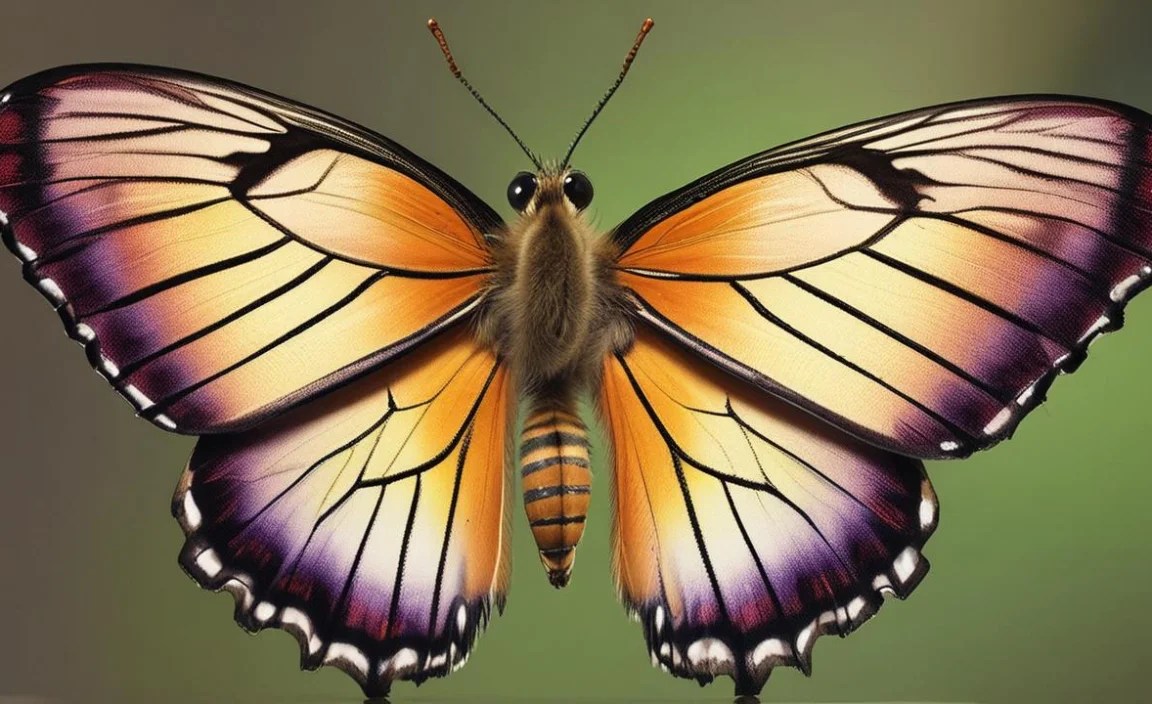
Mimicry evolves through the process of natural selection. Butterflies that happen to look similar to toxic or dangerous species have a higher chance of survival because predators are less likely to attack them. Over many generations, this advantage leads to the gradual evolution of more and more convincing mimicry.
Here are the key factors driving the evolution of mimicry:
- Predation Pressure: High predation pressure favors the evolution of defense mechanisms, including mimicry.
- Genetic Variation: Natural variation in appearance provides the raw material for selection to act upon.
- Heritability: The traits that contribute to mimicry must be heritable so that they can be passed on to future generations.
- Environmental Factors: The presence and abundance of model species influence the effectiveness of mimicry.
How to Identify Butterfly Mimic Species

Identifying butterfly mimic species can be challenging, but here are some tips to help you distinguish mimics from their models:
- Observe Color Patterns: Pay close attention to the color patterns and wing shapes. Mimics often have very similar patterns to their models, but subtle differences may exist.
- Consider Geographic Location: The geographic location can provide clues. Mimicry is often most effective in areas where both the mimic and the model species coexist.
- Examine Behavior: Observe the butterfly’s behavior. Mimics may exhibit behaviors that are similar to their models, such as a slow, deliberate flight.
- Consult Field Guides: Use field guides and online resources to compare the characteristics of different butterfly species.
- Note Host Plants: Check the host plants in the area. This can help determine if a butterfly is likely to be toxic or palatable.
Sometimes, even experts can find it difficult to tell the difference between a mimic and its model without close examination or genetic analysis.
Ecological Importance of Butterfly Mimicry

Butterfly mimicry plays a crucial role in ecological communities. It influences predator-prey relationships, affects species distribution, and contributes to the overall biodiversity of ecosystems. By understanding mimicry, we can gain insights into the complex interactions that shape the natural world.
Here are some key ecological implications of butterfly mimicry:
- Predator Learning: Mimicry relies on predators learning to associate certain patterns with unpalatability or danger. This learning process can have cascading effects on predator behavior and community structure.
- Species Coexistence: Mimicry can promote species coexistence by reducing competition for resources. If multiple species share a common defense mechanism, they may be able to coexist more easily in the same habitat.
- Evolutionary Arms Race: The interaction between mimics and their models can lead to an evolutionary arms race, where models evolve to become more distinct and mimics evolve to become more convincing.
- Conservation Implications: Understanding mimicry is important for conservation efforts. Protecting both the mimic and the model species is essential for maintaining the integrity of mimicry complexes.
Conservation Concerns
Many butterfly species, including mimics and their models, face significant threats due to habitat loss, climate change, and pesticide use. Conserving these species is crucial for maintaining biodiversity and preserving the ecological functions they perform.
Here are some steps you can take to help protect butterfly mimic species:
- Create Butterfly-Friendly Habitats: Plant native host plants and nectar sources in your garden to provide food and shelter for butterflies.
- Avoid Pesticides: Use organic gardening practices to avoid harming butterflies and other beneficial insects.
- Support Conservation Organizations: Donate to or volunteer with organizations that work to protect butterfly habitats and promote conservation.
- Educate Others: Share your knowledge about butterflies and mimicry with friends, family, and your community to raise awareness about the importance of conservation.
- Reduce Your Carbon Footprint: Climate change poses a significant threat to butterfly populations. Take steps to reduce your carbon footprint by conserving energy, using public transportation, and supporting sustainable practices.
How to Create a Butterfly Garden to Attract Mimic Species
Creating a butterfly garden is a wonderful way to attract and support butterfly mimic species. By providing the right host plants and nectar sources, you can create a habitat that benefits both the mimics and their models.
Here’s a step-by-step guide to creating a butterfly garden:
- Choose a Sunny Location: Butterflies need sunlight to warm their bodies and nectar sources to feed. Select a location that receives at least six hours of sunlight per day.
- Plant Host Plants: Host plants are the plants that butterfly caterpillars feed on. Research which host plants are preferred by the mimic species you want to attract. For example, if you want to attract viceroy butterflies, plant willow or poplar trees. If you want to attract swallowtails, plant pipevine or citrus trees.
- Provide Nectar Sources: Nectar sources are the plants that adult butterflies feed on. Choose a variety of nectar-rich flowers that bloom throughout the growing season. Some good options include milkweed, butterfly bush, zinnias, and coneflowers.
- Offer Water: Butterflies need water to stay hydrated. Provide a shallow dish of water with pebbles or stones for them to land on.
- Avoid Pesticides: Pesticides can harm or kill butterflies and other beneficial insects. Use organic gardening practices to avoid using pesticides in your butterfly garden.
- Provide Shelter: Butterflies need shelter from wind and rain. Plant shrubs and trees to provide them with a place to rest and hide.
- Observe and Enjoy: Once your butterfly garden is established, take time to observe and enjoy the butterflies that visit. You may be surprised by the diversity of species you attract!
Tools for Butterfly Identification
Identifying butterfly mimic species can be easier with the right tools. Here are some helpful resources:
- Field Guides: Peterson Field Guides, Kaufman Field Guides, and National Audubon Society Field Guides are excellent resources for identifying butterflies.
- Online Databases: Websites like BugGuide.net and Butterflies and Moths of North America (BAMONA) provide photos, descriptions, and distribution maps of butterfly species.
- Butterfly Identification Apps: Apps like iNaturalist and Picture Insect use image recognition to help you identify butterflies based on photos you take.
- Binoculars: A good pair of binoculars can help you get a closer look at butterflies without disturbing them.
- Camera: Taking photos of butterflies can help you compare them to images in field guides and online databases.
Mimicry in Other Insects
While butterfly mimicry is well-known, mimicry is also common in other insect groups. For example, some flies mimic bees or wasps to avoid predation, and some beetles mimic ants to gain access to ant colonies.
Here are some examples of mimicry in other insects:
- Hoverflies (Syrphidae): Many hoverflies mimic bees or wasps, displaying similar color patterns and behaviors. This mimicry protects them from predators that avoid stinging insects.
- Clearwing Moths (Sesiidae): Clearwing moths mimic wasps, with transparent wings and similar body shapes. This mimicry helps them avoid predation and may also allow them to infiltrate wasp nests.
- Ant-Mimicking Spiders (Myrmarachne): These spiders mimic ants in both appearance and behavior. This mimicry may help them avoid predation or allow them to prey on ants.
Mimicry in Popular Culture
Butterfly mimicry has captured the imagination of artists, writers, and filmmakers. The concept of disguise and deception is often used to symbolize themes of identity, transformation, and survival. Butterflies themselves are often used as symbols of metamorphosis, beauty, and freedom. They appear in art, jewelry, tattoos, and other forms of popular culture.
Here are some examples of butterflies in popular culture:
- Literature: Butterflies often appear in literature as symbols of transformation and beauty.
- Art: Butterflies are a popular subject in art, appearing in paintings, sculptures, and photography.
- Film: Butterflies have been featured in films such as “The Butterfly Effect” and “Papillon,” symbolizing transformation and freedom.
- Fashion: Butterfly motifs are common in fashion, appearing on clothing, accessories, and jewelry.
Frequently Asked Questions (FAQ)
What is mimicry in butterflies?
Mimicry in butterflies is when a butterfly evolves to look like another species, usually to protect itself from predators.
What is the difference between Batesian and Müllerian mimicry?
Batesian mimicry is when a harmless butterfly mimics a harmful one, while Müllerian mimicry is when two or more harmful species mimic each other.
Why do butterflies mimic other species?
Butterflies mimic other species to gain a survival advantage, such as avoiding predators or reinforcing warning signals.
How can I identify butterfly mimic species?
Look for similarities in color patterns and wing shape. Consider the geographic location and consult field guides.
What can I do to help protect butterfly mimic species?
Create butterfly-friendly habitats, avoid pesticides, support conservation organizations, and educate others.
Are viceroy butterflies poisonous?
While they were initially thought to be palatable, recent research suggests viceroy butterflies can also be unpalatable, offering them additional protection.
Do all butterflies use mimicry?
No, not all butterflies use mimicry. It is a specific adaptation that has evolved in certain species to enhance their survival.
| Mimicry Type | Description | Example |
|---|---|---|
| Batesian Mimicry | A harmless species mimics a harmful one. | Viceroy butterfly mimicking the Monarch butterfly. |
| Müllerian Mimicry | Two or more harmful species mimic each other. | Heliconius butterflies sharing similar color patterns. |
Conclusion
Butterfly mimic species offer a captivating glimpse into the intricate strategies that nature employs for survival. From the harmless viceroy masquerading as the toxic monarch to the collective defense of Müllerian mimics like the Heliconius butterflies, these adaptations highlight the power of natural selection. By understanding and appreciating these complex relationships, we can better protect these delicate creatures and the ecosystems they inhabit. So, next time you spot a butterfly, take a closer look – you might just uncover a master of disguise!