
Blue Morpho Captive Feeding: The Easy Secret!

Have you ever seen a butterfly with bright blue wings? It might have been a Blue Morpho! These butterflies are beautiful. They live in rainforests. Sometimes, people keep them in special butterfly houses. This means we need to know about Blue Morpho captive feeding. How do we feed these amazing creatures when they are not in the wild?
Learning how to feed them is very important. It helps them stay healthy and happy. Let’s learn about what they eat. We will also learn how to give them the food they need. Are you ready to become a Blue Morpho feeding expert?
Key Takeaways
- Blue Morpho captive feeding involves providing the right food sources for their survival.
- These butterflies enjoy a diet of sweet fruits and sugary solutions in captivity.
- Offering a variety of food keeps them healthy and active in butterfly houses.
- Proper feeding techniques ensure they get enough nutrients to thrive.
- Regular observation helps to adjust their diet based on their needs.
Understanding Blue Morpho Feeding in Captivity

Blue Morpho butterflies are famous for their bright blue wings. They are native to the rainforests of Central and South America. These butterflies need special care when they live in butterfly houses. Blue Morpho captive feeding is very important for their health. In the wild, they eat the juices of rotting fruit. They also drink tree sap and fungi. In captivity, we must give them similar food. This helps them stay strong and healthy. We need to understand what they like to eat. Then, we can give them the best care possible. This makes sure they live a long and happy life.
- They need sweet food.
- Rotting fruit is a good choice.
- Sugary water can also help.
- Keep their food fresh.
- Watch them eat to ensure they are healthy.
Blue Morphos need a balanced diet to stay healthy. You can offer them a mix of overripe fruits. Bananas, mangoes, and peaches are great choices. Cut the fruit into small pieces. This makes it easier for them to eat. You can also make a sugary solution. Mix water with honey or sugar. Place the food in shallow dishes. This lets the butterflies reach it easily. Clean the dishes every day. This prevents bacteria from growing. Always watch the butterflies while they eat. If they don’t eat, try different foods. It’s important to find what they like. Good food keeps them flying!
What Do Blue Morphos Eat?
What do Blue Morphos eat in the wild? They mostly drink liquids. They love the juice from rotting fruits. They also sip sap from trees. Sometimes, they even eat fungi. These foods give them energy. Blue Morphos use their long tongues to drink. It’s like a straw. In captivity, we try to copy their natural diet. We give them fruit and sugary water. This helps them stay healthy. Making sure they get the right food is key. A good diet helps them live a long and happy life.
How Often Should They Be Fed?
How often do you think Blue Morphos need to eat? They need food every day. They use a lot of energy flying. So, they need regular meals. Check their food dishes often. Make sure there is always something for them to eat. If the food is gone, add more. If it looks old, replace it. Fresh food is very important. It keeps them healthy. Watching them eat can also help. If they are not eating much, something might be wrong. Maybe they don’t like the food. Or maybe they are not feeling well. Pay close attention to their eating habits.
Why Is Diet Important for Blue Morphos?
Why is diet so important for Blue Morphos? A good diet keeps them healthy. It gives them energy to fly. It also helps them reproduce. Without the right food, they can get sick. They might not live as long. In the wild, they find their own food. But in captivity, we must provide it. We need to give them what they need. This includes the right nutrients. A balanced diet is key. Just like us, Blue Morphos need good food to thrive. Proper feeding is a big part of caring for them.
Fun Fact or Stat: Blue Morpho butterflies can live for about 115 days in captivity if they are fed well!
Best Food Sources for Captive Blue Morphos

Choosing the right food is key for Blue Morpho captive feeding. They love sweet and juicy fruits. Overripe bananas are a great choice. Mangoes and peaches are also good. These fruits are soft and easy to eat. You can also offer them a sugary solution. Mix honey or sugar with water. The solution should not be too thick. It should be easy for them to drink. Place the food in shallow dishes. This makes it easy for the butterflies to reach. Change the food every day. This keeps it fresh and prevents bacteria from growing. A variety of food keeps them interested and healthy.
- Offer overripe bananas.
- Try mangoes and peaches.
- Make a sugary solution.
- Use shallow dishes for food.
- Change the food daily.
- Provide a variety of options.
Keeping Blue Morphos healthy means understanding their food needs. In the wild, they get nutrients from various sources. Replicating this in captivity can be tricky. Overripe fruits provide essential vitamins and sugars. The sugary solution gives them quick energy. It’s like a sports drink for butterflies! Always check the food for mold. Mold can make them sick. If you see any mold, throw the food away. Replace it with fresh food. Watching the butterflies eat is important. Make sure they are getting enough food. If they seem weak, they might need more food. Or they might need a different kind of food. Good food equals happy butterflies!
How to Prepare Fruit for Blue Morphos
How do you prepare fruit for Blue Morphos? First, choose the right fruit. Overripe fruit is best. It is softer and sweeter. Bananas, mangoes, and peaches work well. Cut the fruit into small pieces. This makes it easier for them to eat. Remove any hard parts, like seeds or peels. Place the fruit in shallow dishes. This lets the butterflies reach it easily. Make sure the fruit is not too wet. Too much juice can attract bacteria. Change the fruit every day. This keeps it fresh and safe. Good preparation makes a big difference.
Making a Sugary Solution for Butterflies
Want to make a sugary solution for butterflies? It’s easy! You only need water and sugar or honey. Mix one part sugar or honey with four parts water. Stir it well until the sugar dissolves. Make sure there are no crystals left. The solution should be clear. You can use regular sugar or honey. Some people use fruit juice instead of water. This adds extra flavor and nutrients. Place the solution in shallow dishes. The butterflies will drink from it with their long tongues. Change the solution every day. This keeps it fresh and clean. A sugary solution is a great treat for Blue Morphos.
Why Variety Matters in Their Diet
Why is variety important in a Blue Morpho’s diet? Just like us, butterflies need different nutrients. Different fruits have different vitamins. A mix of fruits keeps them healthy. It also keeps them interested in eating. If they only eat one thing, they might get bored. They might not get all the nutrients they need. Offering different foods is fun for them. It also helps them stay strong and active. Variety is the spice of life, even for butterflies!
Fun Fact or Stat: Blue Morphos use their antennae to smell and taste their food!
Techniques for Successful Blue Morpho Captive Feeding
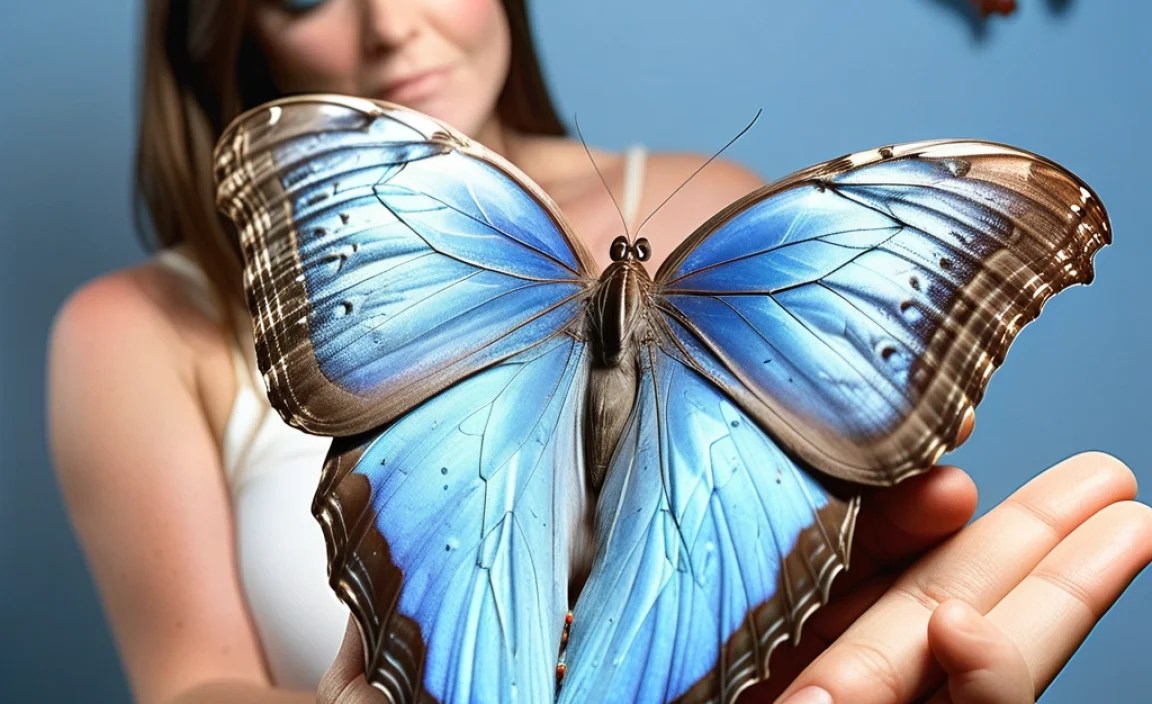
Blue Morpho captive feeding requires the right techniques. First, present the food properly. Use shallow dishes. This allows easy access for the butterflies. Place the dishes near their favorite resting spots. This encourages them to eat. Keep the food fresh. Change it daily to prevent mold. Observe the butterflies’ feeding habits. Note what they like and dislike. Adjust the food accordingly. Some butterflies prefer certain fruits. Others enjoy the sugary solution more. Regular monitoring ensures they get enough nutrients. These techniques help keep them healthy and active.
- Use shallow dishes.
- Place food near resting spots.
- Keep food fresh.
- Observe their feeding habits.
- Adjust food based on preferences.
- Monitor nutrient intake.
Successful Blue Morpho feeding also involves hygiene. Clean the dishes every day. This prevents bacteria and mold. Use clean water to wash the dishes. Avoid using soap. Soap can leave a residue that harms the butterflies. Handle the food with clean hands. This prevents the spread of germs. Keep the feeding area clean. Remove any fallen fruit or debris. A clean environment promotes healthy eating. It also reduces the risk of disease. Remember, cleanliness is key to successful feeding. It helps ensure the butterflies thrive in captivity.
Creating an Ideal Feeding Station
How can you create an ideal feeding station? Choose a quiet spot. Butterflies like calm environments. Place the feeding station near plants. This makes them feel more comfortable. Use shallow dishes for food. This allows easy access. Offer a variety of foods. Include fruits and sugary solutions. Keep the area clean. Remove any old food or debris. Make sure the area is well-lit. Butterflies need light to find food. An ideal feeding station is safe and inviting. It encourages them to eat and stay healthy.
Monitoring Feeding Habits
Why is it important to monitor feeding habits? Watching the butterflies eat helps you understand their needs. Do they prefer fruit or sugary solution? Are they eating enough? Are they losing weight? If they are not eating, something might be wrong. They might be sick. Or they might not like the food. Monitoring helps you catch problems early. You can then make changes to their diet. This ensures they get the nutrients they need. Regular observation is key to their health.
Adjusting Diet Based on Observation
How do you adjust their diet based on what you see? If they are not eating much fruit, try a different kind. Maybe they prefer mangoes over bananas. If they are not drinking the sugary solution, make it sweeter. Or try using fruit juice instead of water. If they seem weak, they might need more food. Offer them smaller meals more often. If they are getting fat, reduce the amount of food. Pay attention to their droppings. This can tell you about their digestion. Adjusting their diet is an ongoing process. It requires careful observation and a willingness to experiment.
Fun Fact or Stat: Blue Morpho butterflies use their feet to taste their food before they eat it!
Common Challenges in Blue Morpho Captive Feeding

Blue Morpho captive feeding can sometimes be tricky. One common problem is getting them to eat. Some butterflies are picky eaters. They might not like the food you offer. Another challenge is keeping the food fresh. Fruit can rot quickly. This can attract bacteria and mold. It is important to change the food daily. Sometimes, butterflies get sick. This can affect their appetite. If a butterfly stops eating, it might need medical attention. Understanding these challenges helps you prepare. It allows you to provide the best possible care.
- Picky eaters can be a problem.
- Food can rot quickly.
- Butterflies can get sick.
- Maintaining hygiene is hard.
- Providing the right nutrients is key.
Another challenge in feeding Blue Morphos is maintaining hygiene. The feeding area needs to be clean. This prevents the spread of disease. Clean the dishes every day. Remove any fallen fruit or debris. Wash your hands before handling the food. This prevents contamination. Sometimes, other insects can be a problem. Ants and flies can be attracted to the food. This can scare away the butterflies. Use ant traps to keep ants away. Cover the food with a mesh screen to keep flies out. Good hygiene is essential for healthy butterflies.
Dealing with Picky Eaters
What do you do when a Blue Morpho is a picky eater? First, try different foods. Offer a variety of fruits. Try different types of sugary solutions. Some butterflies prefer honey, others prefer sugar. Make sure the food is fresh. Old food can be unappetizing. Try placing the food in different locations. Maybe they prefer a sunnier spot. Or a shadier spot. Be patient. It can take time for them to adjust to new foods. If they still refuse to eat, consult a butterfly expert.
Preventing Food Spoilage
How can you prevent food from spoiling? Change the food every day. This removes old fruit and prevents mold. Store the food in a cool place. This slows down spoilage. Use small dishes. This prevents food from sitting out for too long. Cover the food with a mesh screen. This keeps flies away. Clean the dishes regularly. This removes bacteria and mold. Proper food storage and handling is key.
Recognizing and Addressing Sickness
How do you know if a Blue Morpho is sick? Look for changes in behavior. Is it less active than usual? Is it not eating? Are its wings damaged? These can be signs of illness. Check for any unusual spots or growths. These could be signs of infection. If you suspect a butterfly is sick, isolate it. This prevents the spread of disease. Consult a butterfly expert for advice. They can help you diagnose and treat the problem. Early detection and treatment are important.
Fun Fact or Stat: A Blue Morpho’s wings can appear dull brown when folded, helping it camouflage from predators!
Creating a Natural Habitat for Blue Morphos

To thrive, Blue Morphos need a habitat that feels like home. This means creating a space with the right temperature and humidity. They also need plenty of plants. These plants provide shelter and resting spots. When planning for Blue Morpho captive feeding, think about the environment. A good habitat encourages natural feeding behaviors. It also reduces stress. This leads to healthier and happier butterflies. The goal is to mimic their natural rainforest environment.
- Maintain proper temperature.
- Control humidity levels.
- Provide plenty of plants.
- Offer resting spots.
- Mimic their natural habitat.
Creating a natural habitat involves careful planning. Research the Blue Morpho‘s natural environment. What plants grow in their habitat? What is the average temperature? What is the humidity level? Use this information to create a similar environment. Choose plants that provide nectar and shelter. Use a humidifier to maintain the right humidity. Use a thermometer to monitor the temperature. Pay attention to details. A well-designed habitat promotes natural behaviors. It also enhances their overall well-being. Happy butterflies are more likely to eat and thrive.
Maintaining Temperature and Humidity
How do you maintain the right temperature and humidity? Use a thermometer to monitor the temperature. Keep it between 80-85°F during the day. Lower the temperature slightly at night. Use a humidifier to maintain humidity. Aim for 70-80% humidity. Mist the plants regularly with water. This helps increase humidity. Use fans to circulate the air. This prevents the air from becoming stagnant. Regular monitoring and adjustments are key.
Selecting the Right Plants
What plants are best for a Blue Morpho habitat? Choose plants that provide nectar. Lantana and pentas are good choices. Choose plants that provide shelter. Ixora and hibiscus are also helpful. Select plants that are native to their habitat. This makes them feel more at home. Avoid using plants that are poisonous. Make sure the plants are healthy. Healthy plants provide the best environment.
Providing Natural Resting Spots
Where do Blue Morphos like to rest? They often rest on leaves. They also rest on branches. Provide a variety of resting spots. Use different types of plants. Use different sizes of branches. Place the resting spots in sunny areas. Place them in shady areas. Give them choices. This allows them to find the perfect spot. Comfortable resting spots reduce stress.
Fun Fact or Stat: The bright blue color on a Blue Morpho’s wings is not from pigment, but from the way light reflects off tiny scales!
The Role of Observation in Blue Morpho Care
Careful observation is key to successful Blue Morpho care. This includes Blue Morpho captive feeding practices. By watching the butterflies closely, you can learn a lot. You can see what foods they prefer. You can notice changes in their behavior. You can identify potential health problems early. Observation allows you to adjust their care. This ensures they get the best possible treatment. It also helps you create a more natural and supportive environment. Attentive observation is essential for their well-being.
- Observe their food preferences.
- Watch for changes in behavior.
- Identify potential health issues.
- Adjust care based on observations.
- Create a supportive environment.
Regular observation involves several steps. First, spend time watching the butterflies. Pay attention to their eating habits. Note what foods they eat and how much they eat. Watch for any signs of illness. Look for changes in their activity level. Check their wings for damage. Observe their interactions with other butterflies. Record your observations in a journal. This helps you track changes over time. Share your observations with other butterfly keepers. This allows you to learn from their experiences. Continuous observation leads to better care.
What to Look for During Feeding
What should you look for during feeding time? Are the butterflies actively eating? Are they approaching the food dishes? Are they drinking the sugary solution? Are they eating the fruit? Do they seem interested in the food? Are they pushing other butterflies away? Are they avoiding certain foods? Note any unusual behavior. This could be a sign of a problem.
Identifying Signs of Stress or Illness
How can you tell if a Blue Morpho is stressed or ill? Look for changes in behavior. Is it less active than usual? Is it hiding? Is it not eating? Check for physical signs. Are its wings damaged? Is it losing scales? Are there any unusual spots or growths? Is it having trouble flying? These can be signs of stress or illness. Consult a butterfly expert if you are concerned.
Using Observations to Improve Care
How can you use your observations to improve care? If they are not eating a certain food, try a different one. If they seem stressed, try adjusting the environment. Add more plants. Adjust the temperature or humidity. If they seem ill, consult a butterfly expert. Use your observations to make informed decisions. This will help you provide the best possible care. Continuous improvement is key to their well-being.
Fun Fact or Stat: Male Blue Morphos are more brightly colored than females to attract mates!
Legal and Ethical Considerations for Blue Morpho Captive Feeding
Keeping Blue Morpho butterflies involves legal and ethical considerations. These butterflies are not endangered. But it is important to source them responsibly. Make sure they come from reputable breeders. Avoid taking them from the wild. Blue Morpho captive feeding should always prioritize the butterfly’s well-being. Provide them with a suitable habitat and proper nutrition. Follow all local and international laws. This ensures you are caring for them ethically and legally.
- Source butterflies responsibly.
- Avoid taking them from the wild.
- Prioritize their well-being.
- Follow all local laws.
- Support ethical breeding practices.
Ethical Blue Morpho care means providing a good life. This includes proper feeding, shelter, and medical care. It also means respecting their natural behaviors. Provide them with a spacious enclosure. Allow them to fly and interact with other butterflies. Avoid handling them unnecessarily. This can stress them. If you can no longer care for them, find a suitable home. Do not release them into the wild. They may not survive. Ethical care ensures they live a happy and healthy life in captivity.
### Sourcing Butterflies Responsibly
How do you source butterflies responsibly? Buy them from reputable breeders. Check their credentials. Ask about their breeding practices. Make sure they are not taking butterflies from the wild. Support breeders who prioritize the butterflies’ well-being. Avoid buying butterflies from unknown sources. This helps prevent illegal wildlife trade.
### Adhering to Local and International Laws
What laws apply to keeping Blue Morphos? Check your local laws. Some areas require permits. Some areas prohibit keeping certain species. Follow all international laws. This is especially important if you are importing butterflies. Be aware of any restrictions on trade. Comply with all regulations. This ensures you are operating legally.
### Ensuring Ethical Treatment
What does ethical treatment mean for Blue Morphos? Provide them with a suitable habitat. Give them proper food and water. Provide medical care when needed. Respect their natural behaviors. Avoid causing them stress. Treat them with kindness and compassion. Ethical treatment ensures they live a good life.
Fun Fact or Stat: Blue Morpho butterflies play an important role in their ecosystem as pollinators!
Summary
Blue Morpho captive feeding is essential for keeping these beautiful butterflies healthy in butterfly houses. They need a balanced diet of sweet fruits and sugary solutions. It’s important to prepare the food properly. Use shallow dishes and change the food daily. Observation is key. Watch their feeding habits. Adjust their diet based on their preferences. Creating a natural habitat helps. Provide the right temperature, humidity, and plants. Be aware of common challenges. Picky eaters and food spoilage can be problems. But with careful attention, you can overcome these challenges. Remember to source butterflies responsibly and follow all laws. This ensures you are caring for them ethically. By following these guidelines, you can help Blue Morphos thrive in captivity.
Conclusion
Caring for Blue Morpho butterflies is a rewarding experience. These butterflies are beautiful and fascinating. Proper Blue Morpho captive feeding is vital for their health and happiness. By providing the right food, habitat, and care, you can help them thrive. Remember to observe their behavior and adjust their diet as needed. Ethical considerations are also important. Source butterflies responsibly and follow all laws. With dedication and care, you can enjoy these amazing creatures for years to come.
Frequently Asked Questions
Question No 1: What is the best food to give a Blue Morpho butterfly in captivity?
Answer: The best food for a Blue Morpho butterfly in captivity includes a variety of overripe fruits. Bananas, mangoes, and peaches are excellent choices. You can also offer them a sugary solution made from water and honey or sugar. Make sure the solution isn’t too thick. Offer a variety of foods to ensure they get all the necessary nutrients. This is important for their health and well-being. Always keep the food fresh and clean to prevent any bacterial growth. Proper Blue Morpho captive feeding leads to a long and healthy life.
Question No 2: How often should I feed my Blue Morpho butterfly?
Answer: You should feed your Blue Morpho butterfly every day. They need a constant supply of energy to fly and stay active. Check their food dishes regularly. Make sure there is always something for them to eat. If the food is gone or looks old, replace it immediately. Regular Blue Morpho captive feeding ensures they get the nutrients they need. Keep an eye on their eating habits. If they are not eating much, something might be wrong. Adjust their diet as needed to keep them healthy and happy.
Question No 3: How do I make a sugary solution for Blue Morphos?
Answer: Making a sugary solution for Blue Morphos is simple. Mix one part sugar or honey with four parts water. Stir the mixture well until the sugar is completely dissolved. Make sure there are no crystals left. The solution should be clear and easy for them to drink. You can use regular sugar or honey. Some people also use fruit juice instead of water. This adds extra flavor and nutrients. Place the solution in shallow dishes. Change the solution every day to keep it fresh and clean. This provides a great supplement for Blue Morpho captive feeding.
Question No 4: What if my Blue Morpho is not eating?
Answer: If your Blue Morpho is not eating, there could be several reasons. First, make sure the food is fresh and appealing. Try offering different types of fruits or sugary solutions. They might simply not like what you are offering. Check the temperature and humidity in their habitat. They need the right conditions to thrive. Also, look for any signs of illness or stress. If they continue to refuse food, consult a butterfly expert. They can help you identify the problem and provide the best care. Proper Blue Morpho captive feeding is important, but so is addressing underlying issues.
Question No 5: How can I create a natural habitat for my Blue Morpho?
Answer: Creating a natural habitat for your Blue Morpho involves mimicking their natural rainforest environment. Maintain a temperature between 80-85°F during the day and slightly cooler at night. Keep the humidity level around 70-80%. Provide plenty of plants that are native to their habitat. These plants offer shelter and resting spots. Include plants that produce nectar. This encourages natural feeding behaviors. A well-designed habitat reduces stress and promotes overall well-being. Ensure you provide a suitable environment to support successful Blue Morpho captive feeding.
Question No 6: Are there any legal issues with keeping Blue Morpho butterflies?
Answer: While Blue Morpho butterflies are not currently endangered, it is important to source them responsibly. Buy them from reputable breeders who follow ethical practices. Avoid taking them from the wild. Check your local laws and regulations regarding keeping exotic species. Some areas may require permits or have restrictions on certain types of butterflies. Always prioritize the well-being of the butterflies. Provide them with proper care and nutrition. By following these guidelines, you can ensure that you are caring for them legally and ethically. This includes responsible Blue Morpho captive feeding.


