
Butterflies in Atacama Region: Ultimate Guide!

Quick Summary:
Discovering butterflies in the Atacama Desert might sound surprising, but these resilient creatures have adapted to this extreme environment. While not as numerous as in tropical regions, a few butterfly species, like the Andean Gray (Hypsochila wagenknechti), thrive in specific microclimates with available vegetation and water sources. Observing these butterflies offers a unique glimpse into the adaptability of life in one of the driest places on Earth.
Imagine the Atacama Desert—a place of stark beauty, endless sand dunes, and some of the driest conditions on our planet. It might seem like the last place you’d expect to find delicate butterflies flitting about. Yet, these amazing insects have found ways to survive and even thrive in this harsh environment.
If you’re curious about where to spot these resilient butterflies, what species call the Atacama home, and how they manage to survive in such an extreme climate, you’re in the right place. We will explore the fascinating world of Atacama butterflies, revealing their secrets and offering insights into their unique adaptations. Get ready to discover the hidden beauty of butterflies in the Atacama Desert!
Frequently Asked Questions (FAQs)
1. Are there really butterflies in the Atacama Desert?
Yes, although they are not as common as in more temperate or tropical regions, some butterfly species have adapted to the unique conditions of the Atacama Desert. These butterflies are often found in specific microclimates where vegetation and water sources are available.
2. What kind of butterflies live in the Atacama Desert?
One notable species is the Andean Gray (Hypsochila wagenknechti). These butterflies are adapted to the high-altitude and arid conditions of the Andes Mountains, which border the Atacama Desert.
3. How do butterflies survive in such a dry environment?
Butterflies in the Atacama Desert survive by utilizing limited water sources such as morning dew, small streams, and moisture from the plants they feed on. Their life cycles are also often synchronized with the brief periods of increased vegetation growth following occasional rainfall.
4. Where are the best places to see butterflies in the Atacama?
Butterflies are most likely to be found in areas with more vegetation, such as oases, river valleys, and higher-altitude regions where moisture is more available. Look for them near flowering plants, which provide nectar for food.
5. What is the role of butterflies in the Atacama ecosystem?
Butterflies, like other pollinators, play a role in the reproduction of native plants. They contribute to the biodiversity of the region by facilitating the pollination of various plant species, helping to maintain the ecosystem’s health.
6. Are Atacama butterflies endangered?
The conservation status of specific Atacama butterfly species can vary. Habitat loss, climate change, and other environmental factors can pose threats. It’s important to support conservation efforts to protect these unique creatures and their habitats.
7. Can I attract butterflies to my garden in a dry climate?
Yes, you can attract butterflies to your garden even in a dry climate by planting native, drought-resistant flowering plants that provide nectar and host plants for caterpillars. Providing a water source, such as a shallow dish with pebbles, can also help.
Understanding the Atacama Desert Environment
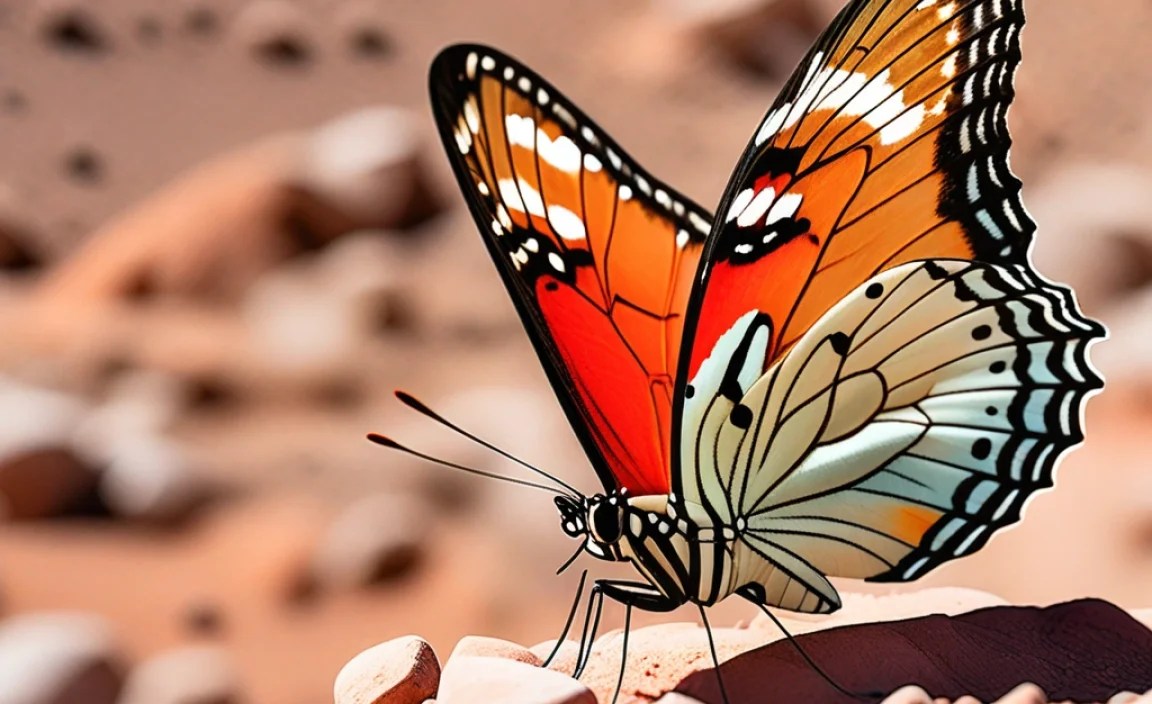
The Atacama Desert, stretching along the Pacific coast of Chile, is one of the driest places on Earth. Rainfall is extremely rare, and some areas have reportedly never received rain. This aridity is due to a combination of factors:
- The rain shadow effect: The Andes Mountains block moist air from the Amazon basin.
- The cold Humboldt Current: This Pacific current cools the air, reducing evaporation and cloud formation.
- A stable high-pressure system: This atmospheric condition suppresses precipitation.
Temperatures in the Atacama can fluctuate wildly, with scorching daytime heat and surprisingly cold nights. The soil is often barren and rocky, with little organic matter. Despite these challenges, life persists in the Atacama, including specialized plants, insects, and even a few butterfly species.
Butterfly Adaptations to Arid Environments
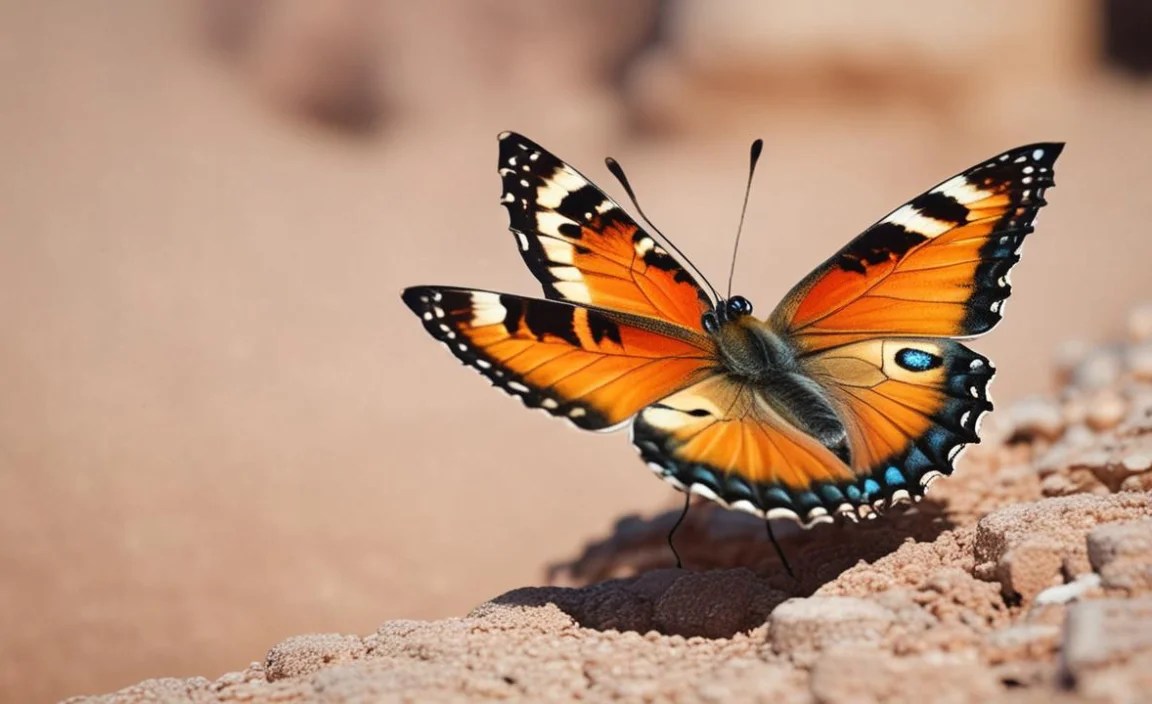
Butterflies that survive in arid environments like the Atacama Desert have developed remarkable adaptations to cope with the lack of water and extreme temperatures. These adaptations can be behavioral, physiological, or morphological.
Behavioral Adaptations
- Seeking Microclimates: Butterflies often seek out small pockets of relatively cooler and more humid conditions, such as shaded areas under rocks or near sparse vegetation. These microclimates offer refuge from the intense heat and reduce water loss.
- Timing Activity: Many desert butterflies are most active during the cooler parts of the day, such as early morning or late afternoon, to avoid the hottest temperatures.
- Migration and Dispersal: Some species may undertake local migrations or dispersal flights to find areas with more abundant resources, especially after infrequent rainfall events.
Physiological Adaptations
- Water Conservation: Butterflies minimize water loss through their exoskeleton and by excreting uric acid, a semi-solid waste product.
- Efficient Feeding: They are efficient at extracting moisture and nutrients from the limited resources available, such as nectar from desert flowers.
- Diapause: Some species enter a state of dormancy (diapause) during the driest periods, allowing them to survive until conditions improve.
Morphological Adaptations
- Coloration and Reflectivity: Light-colored wings can reflect sunlight, helping to keep the butterfly cooler. Some species have iridescent scales that also reflect heat.
- Wing Size and Shape: Smaller wing sizes can reduce the surface area exposed to the sun, while wing shape may be adapted for efficient flight in windy conditions.
- Specialized Scales: The structure of the scales on their wings can help to reduce water loss and provide insulation.
Notable Butterfly Species in the Atacama Region

While the Atacama Desert is not known for its butterfly diversity, a few species have carved out a niche in this extreme environment. These butterflies are often associated with specific habitats and plant communities.
Andean Gray (Hypsochila wagenknechti)
The Andean Gray is a butterfly adapted to high-altitude and arid conditions. It is typically found in the Andean regions bordering the Atacama Desert. This species is known for its muted gray coloration, which helps it blend in with the rocky terrain.
- Habitat: High-altitude grasslands and rocky slopes.
- Food Sources: Nectar from alpine flowers.
- Conservation Status: Relatively little is known about its conservation status, but habitat loss and climate change are potential threats.
Other Potential Species
While Hypsochila wagenknechti is one of the more well-known species, other butterflies may occasionally be found in the Atacama region, especially in areas with more vegetation. These might include:
- Skippers (Hesperiidae): Some skipper species are known for their ability to tolerate a wide range of habitats.
- Whites and Yellows (Pieridae): Certain pierid butterflies can be found in arid regions, often associated with specific host plants.
- Blues (Lycaenidae): A few lycaenid species are adapted to dry environments and may be present in the Atacama.
Where to Find Butterflies in the Atacama

Finding butterflies in the Atacama Desert requires knowing where to look. The key is to focus on areas with more available moisture and vegetation.
Oases and River Valleys
Oases and river valleys, such as the Valley of Copiapó, provide relatively lush habitats in the midst of the desert. These areas support a variety of plants, which in turn attract butterflies. Look for butterflies near flowering plants, especially those with bright colors.
High-Altitude Regions
The higher elevations of the Andes Mountains, which border the Atacama, receive more precipitation and support alpine meadows and grasslands. These areas are home to species like the Andean Gray. Hiking in these regions can offer opportunities to spot butterflies.
Areas After Rainfall
Following infrequent rainfall events, the desert can briefly come alive with vegetation. This is a prime time to see butterflies, as they take advantage of the temporary abundance of food and water. Keep an eye on local weather reports and plan your visit accordingly.
Tips for Butterfly Watching in the Atacama

Butterfly watching in the Atacama Desert requires some preparation and awareness of the unique conditions.
- Timing: The best time to see butterflies is during the cooler parts of the day, such as early morning or late afternoon.
- Location: Focus on areas with more vegetation, such as oases, river valleys, and higher-altitude regions.
- Gear: Bring binoculars for closer observation, a camera for documenting your sightings, and a field guide to help with identification.
- Protection: Wear sunscreen, a hat, and sunglasses to protect yourself from the intense sun. Bring plenty of water to stay hydrated.
- Respect: Be mindful of the fragile environment. Avoid disturbing plants and animals, and pack out all your trash.
Butterfly Conservation in Arid Environments
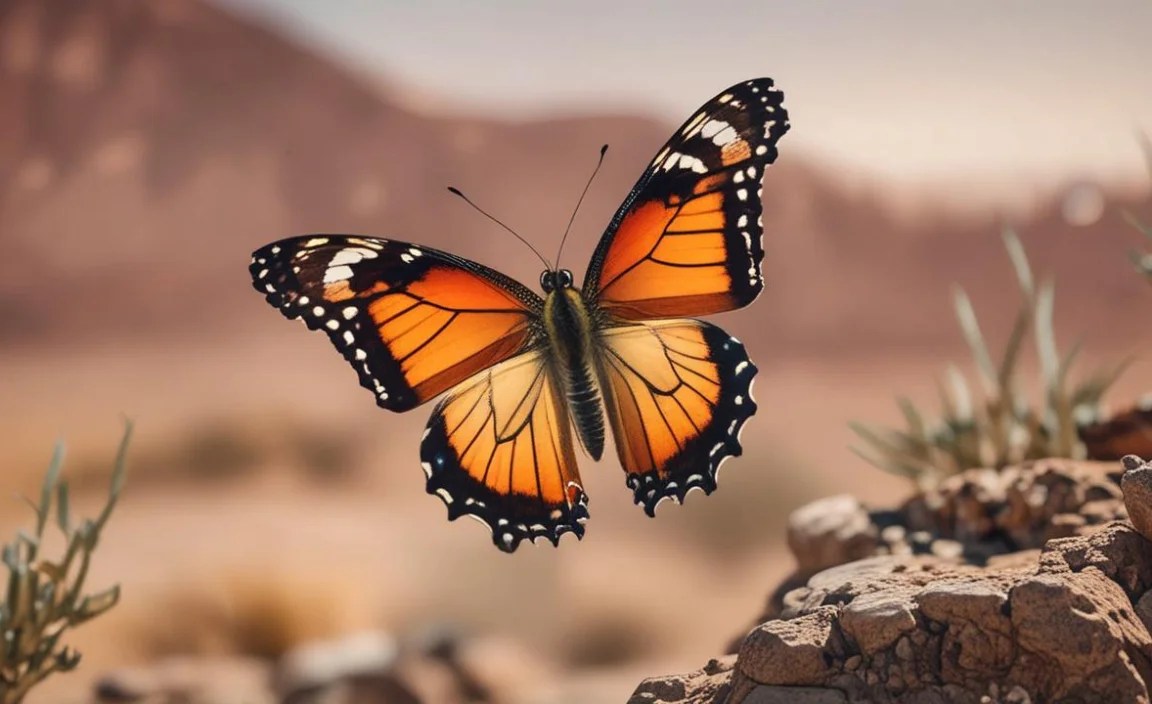
Butterfly conservation is crucial, especially in fragile environments like the Atacama Desert. These insects play an important role in the ecosystem, and their survival is threatened by habitat loss, climate change, and other factors.
Habitat Preservation
Protecting and restoring natural habitats is essential for butterfly conservation. This includes preserving oases, river valleys, and alpine meadows. Supporting conservation organizations that work to protect these areas can make a significant difference.
Sustainable Practices
Promoting sustainable land management practices can help to reduce the impact of human activities on butterfly habitats. This includes responsible grazing, water management, and tourism practices.
Climate Change Mitigation
Addressing climate change is critical for the long-term survival of butterflies in arid environments. Reducing greenhouse gas emissions and supporting climate-friendly policies can help to mitigate the impacts of climate change on butterfly habitats.
Citizen Science
Participating in citizen science projects can help to monitor butterfly populations and track changes in their distribution. Reporting your sightings to online databases or local conservation organizations can contribute valuable data for conservation efforts. Several citizen science projects you could contribute to:
- iNaturalist: A platform where you can record your observations of butterflies and other species, contributing to a global database of biodiversity.
- eButterfly: A project focused specifically on butterfly monitoring, allowing you to submit sightings and track butterfly populations in your area.
- Local Conservation Groups: Many local conservation organizations conduct butterfly surveys and monitoring programs. Contacting these groups can provide opportunities to get involved in local conservation efforts.
The Role of Butterflies in the Atacama Ecosystem
Butterflies, despite their delicate appearance, play a vital role in the Atacama ecosystem. Their primary function is pollination, which is essential for the reproduction of many native plants.
Pollination
Butterflies visit flowers to feed on nectar, and in the process, they transfer pollen from one flower to another. This pollination is crucial for the survival of many plant species, including those that provide food and shelter for other animals. The Xerces Society offers extensive resources on the importance of pollinators and how to protect them.
Food Source
Butterflies and their caterpillars also serve as a food source for other animals, such as birds, lizards, and spiders. They are an important part of the food web, contributing to the overall biodiversity of the ecosystem.
Indicator Species
Butterflies can serve as indicator species, meaning that their presence or absence can provide information about the health of the environment. Changes in butterfly populations can signal changes in habitat quality, climate, or other environmental factors.
Cultural Significance of Butterflies
Butterflies have long held cultural significance in many societies around the world. They are often seen as symbols of transformation, beauty, and hope.
Symbolism
In many cultures, butterflies are associated with the soul or spirit. They are often seen as messengers from the spiritual world or as symbols of rebirth and renewal. The metamorphosis of a caterpillar into a butterfly is a powerful metaphor for personal growth and transformation.
Art and Literature
Butterflies have been a popular subject in art and literature for centuries. They are often depicted in paintings, poems, and stories as symbols of beauty, freedom, and change. Their delicate wings and vibrant colors make them a visually appealing subject for artistic expression.
Indigenous Traditions
In some indigenous cultures, butterflies play a significant role in traditional beliefs and practices. They may be associated with specific ceremonies, rituals, or stories. Understanding the cultural significance of butterflies can deepen our appreciation for these amazing creatures.
Creating a Butterfly-Friendly Garden in a Dry Climate
Even in a dry climate, you can create a garden that attracts and supports butterflies. The key is to choose drought-resistant plants that provide nectar for adult butterflies and host plants for caterpillars.
Plant Selection
- Native Plants: Native plants are best adapted to the local climate and soil conditions. They are also more likely to attract native butterflies.
- Nectar Plants: Choose plants with bright, colorful flowers that produce abundant nectar. Some good options for dry climates include lavender, salvia, and butterfly bush (Buddleja davidii).
- Host Plants: Provide host plants for caterpillars to feed on. Some examples include milkweed for monarch butterflies and various shrubs and trees for other species.
Water Source
Provide a shallow dish of water with pebbles or stones for butterflies to land on. This will give them a place to drink without the risk of drowning.
Shelter
Provide shelter from the wind and sun by planting shrubs and trees. These will also provide habitat for caterpillars and other wildlife.
Avoid Pesticides
Avoid using pesticides in your garden, as they can harm or kill butterflies and other beneficial insects. Opt for natural pest control methods instead.
Further Resources for Butterfly Enthusiasts
If you’re interested in learning more about butterflies, there are many resources available.
- Books: Field guides are essential for identifying butterfly species. Look for guides that are specific to your region.
- Websites: The websites of conservation organizations, such as the Xerces Society and the National Wildlife Federation, offer a wealth of information about butterflies and their conservation.
- Museums: Natural history museums often have butterfly collections and exhibits. Visiting a museum can be a great way to learn more about butterfly biology and diversity.
- Butterfly Gardens: Many botanical gardens and nature centers have butterfly gardens where you can observe butterflies in a natural setting.
| Resource Type | Examples | Description |
|---|---|---|
| Field Guides | “Butterflies of North America” by Jim P. Brock and Kenn Kaufman | Books providing identification information, range maps, and habitat details for butterfly species. |
| Websites | Xerces Society, National Geographic | Online resources with articles, conservation information, and educational materials about butterflies. |
| Museums | Smithsonian National Museum of Natural History, American Museum of Natural History | Institutions with butterfly collections and exhibits for educational purposes. |
| Butterfly Gardens | Butterfly Wonderland (Arizona), Callaway Gardens (Georgia) | Gardens specifically designed to attract and showcase butterflies, offering a natural viewing environment. |
| Citizen Science Projects | iNaturalist, eButterfly | Platforms where individuals can contribute to butterfly monitoring and research by recording sightings. |
Conclusion
Discovering butterflies in the Atacama Desert is a testament to the resilience and adaptability of life. These delicate creatures have found ways to thrive in one of the harshest environments on Earth, offering a unique glimpse into the wonders of nature.
By understanding their adaptations, habitats, and roles in the ecosystem, we can better appreciate and protect these amazing insects. Whether you’re a seasoned naturalist or a curious beginner, exploring the world of Atacama butterflies is a rewarding experience that can deepen your connection to the natural world.
So, the next time you find yourself in the Atacama Desert, keep an eye out for these resilient butterflies. Their presence is a reminder that life can flourish even in the most unlikely places. And by supporting conservation efforts, we can help ensure that these beautiful creatures continue to grace the desert landscape for generations to come.


