
Butterfly Metamorphosis Guide: The Ultimate Transformation

Butterfly metamorphosis is the amazing process where a caterpillar transforms into a beautiful butterfly. It involves four distinct stages: egg, larva (caterpillar), pupa (chrysalis), and adult butterfly. Each stage is crucial for the butterfly’s survival and reproduction, showcasing one of nature’s most incredible transformations.
Have you ever wondered how a crawling caterpillar becomes a soaring butterfly? It’s one of nature’s most magical transformations, but it can also seem a little mysterious. Understanding the stages of butterfly metamorphosis can help you appreciate these creatures even more, and even create a butterfly-friendly garden. This guide will walk you through each step, from the tiny egg to the winged adult, making the process clear and fascinating. Ready to explore the wonder of butterfly metamorphosis? Let’s get started!
What is Butterfly Metamorphosis?
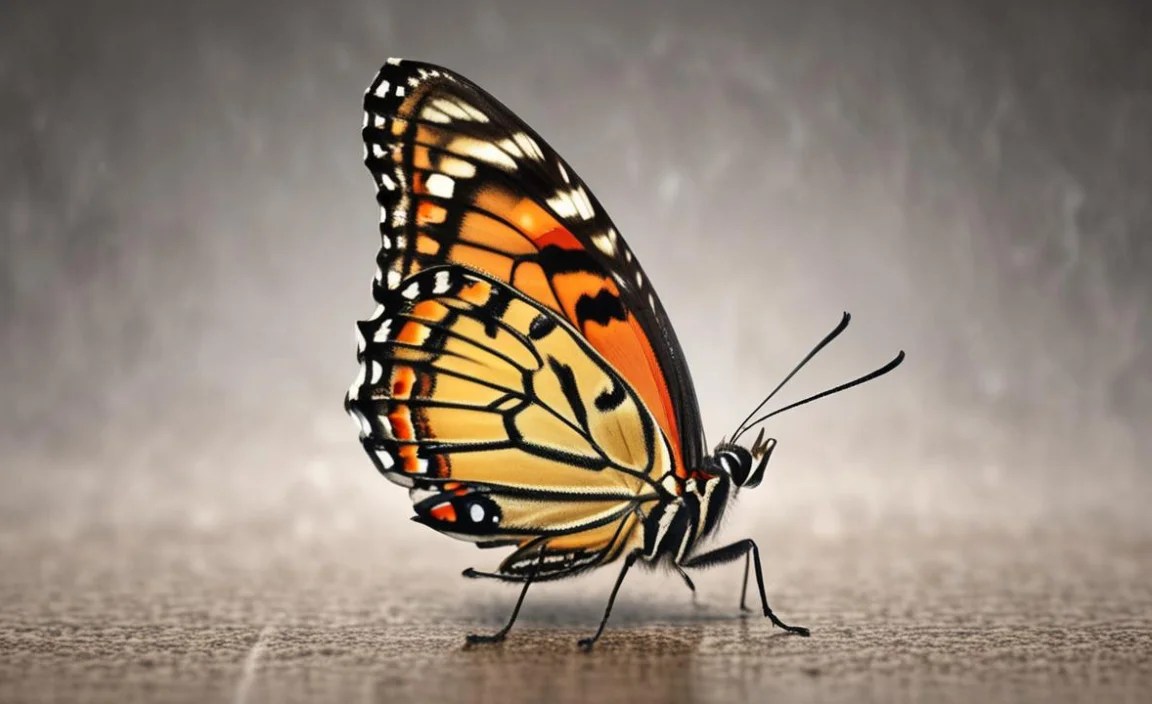
Butterfly metamorphosis is a complete transformation. Unlike humans, who grow gradually, butterflies undergo a radical change in body structure and function. This process is called complete metamorphosis and is divided into four distinct stages.
The Four Stages of Butterfly Metamorphosis
Each stage of metamorphosis plays a vital role in the butterfly’s life cycle. Let’s explore them in detail:
- Egg: The life cycle begins with a tiny egg, often laid on a specific host plant.
- Larva (Caterpillar): The egg hatches into a larva, also known as a caterpillar, which eats and grows rapidly.
- Pupa (Chrysalis): The caterpillar transforms into a pupa, forming a protective shell called a chrysalis.
- Adult Butterfly: Finally, the adult butterfly emerges from the chrysalis, ready to reproduce and continue the cycle.
Stage 1: The Egg
The butterfly life cycle begins with the egg. Butterfly eggs are small and come in various shapes and colors, depending on the species. They are usually laid on the leaves, stems, or even flowers of specific host plants.
Characteristics of Butterfly Eggs
- Shape: Butterfly eggs can be round, oval, or even ribbed.
- Color: They range in color from white and yellow to green and brown.
- Size: Generally quite small, often less than a millimeter in diameter.
- Texture: Some are smooth, while others have intricate patterns.
Host Plants: A Butterfly’s First Meal
Host plants are the specific plants that butterfly caterpillars can eat. The female butterfly carefully selects these plants when laying her eggs, ensuring the newly hatched caterpillar has a food source. Common host plants include milkweed for Monarch butterflies, parsley and dill for Swallowtails, and violets for Fritillaries. You can find a detailed list of host plants by region on websites like the Xerces Society.
How Long Does the Egg Stage Last?
The duration of the egg stage varies depending on the butterfly species and environmental conditions, particularly temperature. Generally, it lasts from a few days to a couple of weeks. Warmer temperatures can speed up the hatching process.
Stage 2: The Larva (Caterpillar)
Once the egg hatches, the larva, or caterpillar, emerges. This is the primary feeding and growing stage of the butterfly’s life cycle. Caterpillars have a single-minded focus: eat and grow.
Caterpillar Anatomy and Appearance
Caterpillars have a distinct appearance, characterized by:
- Segmented Body: Their body is divided into segments, each with a pair of legs.
- Mandibles: Strong jaws for chewing leaves.
- Prolegs: False legs that help them grip onto plants.
- Varied Colors and Patterns: Caterpillars come in a wide array of colors and patterns, often for camouflage or warning predators.
The Molting Process
As caterpillars grow, they shed their skin in a process called molting. This happens several times during the larval stage. Each stage between molts is called an instar. Caterpillars can go through as many as five instars before entering the pupa stage. This process allows the caterpillar to grow larger and develop new features.
What Do Caterpillars Eat?
Caterpillars are voracious eaters, consuming large quantities of leaves. Their diet is usually limited to specific host plants. For example, Monarch caterpillars exclusively eat milkweed. Providing the right host plants in your garden is essential for supporting local butterfly populations. If you want to attract Monarch butterflies, plant milkweed. You can find more information on butterfly gardening from resources like The National Wildlife Federation.
How Long Does the Caterpillar Stage Last?
The caterpillar stage can last from a few weeks to several months, depending on the species and environmental conditions. During this time, the caterpillar increases its weight dramatically, preparing for the next stage of metamorphosis.
Stage 3: The Pupa (Chrysalis)
Once the caterpillar has grown sufficiently, it enters the pupa stage. The pupa forms a protective shell around itself, called a chrysalis. Inside the chrysalis, the caterpillar undergoes a remarkable transformation.
Forming the Chrysalis
To form the chrysalis, the caterpillar typically hangs upside down from a branch or leaf. It then sheds its skin one last time, revealing the chrysalis underneath. The chrysalis can be green, brown, or even translucent, often blending in with its surroundings for camouflage.
What Happens Inside the Chrysalis?
Inside the chrysalis, the caterpillar’s body breaks down and reorganizes into the adult butterfly form. This process is called histolysis and histogenesis. Histolysis is the breakdown of larval tissues, while histogenesis is the formation of adult tissues. Imagine a complete remodeling project happening inside a tiny, enclosed space!
Types of Chrysalises
Chrysalises come in various shapes and sizes, depending on the butterfly species. Some are smooth and streamlined, while others have intricate patterns or projections. Some chrysalises are even camouflaged to resemble leaves or twigs.
How Long Does the Pupa Stage Last?
The pupa stage typically lasts from a few weeks to a couple of months. During this time, the butterfly is completely dependent on the resources it stored as a caterpillar. Environmental factors, such as temperature, can influence the duration of this stage. Warmer temperatures usually shorten the pupa stage.
Stage 4: The Adult Butterfly

The final stage of metamorphosis is the emergence of the adult butterfly from the chrysalis. This is a moment of incredible beauty and a testament to the wonders of nature.
Emerging from the Chrysalis
When the butterfly is ready to emerge, the chrysalis becomes transparent, allowing you to see the butterfly’s wings inside. The butterfly then breaks open the chrysalis and slowly crawls out. Its wings are initially crumpled and wet.
Drying and Expanding Wings
Once out of the chrysalis, the butterfly pumps hemolymph (insect blood) into its wings to expand them. This process can take several hours. During this time, the butterfly is vulnerable to predators and needs a safe place to rest.
Butterfly Anatomy and Appearance
Adult butterflies have a distinct anatomy, including:
- Wings: Covered in tiny scales that give them their color and pattern.
- Antennae: Used for sensing their environment.
- Proboscis: A long, straw-like tongue for feeding on nectar.
- Legs: Six legs for walking and perching.
What Do Adult Butterflies Eat?
Adult butterflies primarily feed on nectar from flowers. They use their proboscis to suck up the nectar, which provides them with energy. Some butterflies also feed on tree sap, rotting fruit, or even mud puddles to obtain minerals and nutrients. Planting nectar-rich flowers in your garden can attract and support adult butterflies. Some good choices include butterfly bush, zinnias, and coneflowers.
Reproduction and the Life Cycle Continues
The primary function of adult butterflies is to reproduce. After mating, the female butterfly lays her eggs on host plants, starting the life cycle all over again. The lifespan of adult butterflies varies depending on the species, ranging from a few weeks to several months. Some butterflies, like Monarchs, also undertake long migrations to find suitable breeding grounds. You can learn more about Monarch migration from organizations like World Wildlife Fund.
Creating a Butterfly-Friendly Garden
One of the best ways to support butterflies is by creating a butterfly-friendly garden. This involves providing both host plants for caterpillars and nectar plants for adult butterflies.
Choosing the Right Plants
Select a variety of plants that bloom at different times of the year to provide a continuous food source for butterflies. Be sure to include host plants specific to the butterfly species you want to attract. Here are some popular choices:
| Butterfly Species | Host Plant | Nectar Plant |
|---|---|---|
| Monarch | Milkweed | Butterfly Bush, Zinnia |
| Swallowtail | Parsley, Dill, Fennel | Lantana, Salvia |
| Painted Lady | Thistle, Mallow | Cosmos, Aster |
| Gulf Fritillary | Passionflower Vine | Lantana, Salvia |
| Black Swallowtail | Parsley, Dill, Carrot Tops | Zinnia, Milkweed |
Providing Shelter and Water
Butterflies also need shelter from wind and predators. Plant shrubs and trees to create sheltered areas in your garden. Provide a shallow dish of water with pebbles or sand for butterflies to drink from. This allows them to access water without the risk of drowning. Consider adding a “puddling station” which is a shallow dish filled with wet sand and a bit of sea salt or wood ashes for extra minerals.
Avoiding Pesticides
Pesticides can be harmful to butterflies and other beneficial insects. Avoid using pesticides in your garden, or choose organic alternatives. Encourage natural predators, such as birds and ladybugs, to control pests instead.
Observing Butterfly Metamorphosis
One of the most rewarding experiences is observing butterfly metamorphosis firsthand. You can do this by raising caterpillars in a controlled environment or by simply observing butterflies in your garden.
Raising Caterpillars
To raise caterpillars, you will need a suitable enclosure, such as a mesh cage or a clear container with air holes. Provide the caterpillars with fresh host plant material daily. Keep the enclosure clean and free of mold. Observe the caterpillars as they grow and molt, and watch as they transform into pupae. Once the butterfly emerges, release it into your garden or a suitable natural habitat.
Documenting the Process
Keep a journal or take photos to document the metamorphosis process. This can be a fun and educational activity for children and adults alike. Share your observations with others to spread awareness about the importance of butterflies and their conservation.
Threats to Butterflies
Butterflies face numerous threats, including habitat loss, pesticide use, and climate change. Protecting butterflies and their habitats is essential for maintaining biodiversity and ecosystem health.
Habitat Loss
Habitat loss is one of the biggest threats to butterflies. As natural habitats are converted into agricultural land, urban areas, and industrial sites, butterflies lose their food sources and breeding grounds. Preserving and restoring butterfly habitats is crucial for their survival.
Pesticide Use
Pesticides can directly kill butterflies and other beneficial insects. They can also contaminate host plants and nectar sources, poisoning caterpillars and adult butterflies. Reducing pesticide use and promoting organic farming practices can help protect butterfly populations.
Climate Change
Climate change can disrupt butterfly life cycles and alter their distribution patterns. Changes in temperature and rainfall can affect the availability of host plants and nectar sources, making it difficult for butterflies to survive. Supporting efforts to mitigate climate change and protect natural habitats can help butterflies adapt to changing conditions.
Butterfly Conservation
There are many ways to support butterfly conservation, from creating butterfly-friendly gardens to advocating for policies that protect butterfly habitats. Every little bit helps!
Supporting Conservation Organizations
Many organizations are working to protect butterflies and their habitats. Consider supporting these organizations through donations, volunteering, or advocacy. Some notable organizations include:
Advocating for Butterfly-Friendly Policies
Support policies that protect butterfly habitats and reduce pesticide use. Contact your elected officials and let them know that you care about butterfly conservation. Encourage them to support legislation that benefits butterflies and other pollinators.
Educating Others
Share your knowledge about butterflies and their importance with others. Educate your friends, family, and community about the threats facing butterflies and the steps they can take to help. Together, we can make a difference for butterflies and ensure their survival for future generations.
Fun Facts About Butterfly Metamorphosis
Here are some fun facts about butterfly metamorphosis that you might not know:
- Some caterpillars can increase their weight by over 1,000 times during the larval stage.
- The cells that will become the butterfly’s wings, legs, and other body parts are present in the caterpillar from the very beginning.
- Some butterflies migrate thousands of miles each year, like the Monarch butterfly.
- The patterns on a butterfly’s wings are unique to each individual, like fingerprints.
- Butterflies taste with their feet!
FAQ About Butterfly Metamorphosis
What is metamorphosis?
Metamorphosis is a biological process where an animal undergoes a significant physical transformation after birth or hatching. Butterflies undergo complete metamorphosis, with distinct egg, larva, pupa, and adult stages.
How long does butterfly metamorphosis take?
The duration of butterfly metamorphosis varies depending on the species and environmental conditions. It can take anywhere from a few weeks to several months to complete the entire life cycle.
What do caterpillars eat?
Caterpillars primarily eat leaves, and their diet is usually limited to specific host plants. For example, Monarch caterpillars exclusively eat milkweed.
What happens inside the chrysalis?
Inside the chrysalis, the caterpillar’s body breaks down and reorganizes into the adult butterfly form through a process called histolysis and histogenesis.
How can I attract butterflies to my garden?
You can attract butterflies to your garden by planting host plants for caterpillars and nectar plants for adult butterflies. Also, provide shelter, water, and avoid using pesticides.
Why are butterflies important?
Butterflies are important pollinators, contributing to the health of ecosystems and agricultural crops. They also serve as indicators of environmental health and add beauty to our natural world.
What are the main threats to butterflies?
The main threats to butterflies include habitat loss, pesticide use, and climate change. Conservation efforts are crucial to protect butterflies and their habitats.
Conclusion
Butterfly metamorphosis is a truly remarkable process, showcasing the wonders of nature and the intricate connections between living organisms and their environment. By understanding the stages of metamorphosis and the threats facing butterflies, we can all play a part in supporting their conservation. Whether you create a butterfly-friendly garden, educate others about the importance of butterflies, or support conservation organizations, your efforts can make a difference. So, let’s continue to appreciate and protect these beautiful creatures for generations to come. Happy butterfly watching!


