Butterfly Facts for Beginners: Easy Guide!

Quick Summary: Butterflies are fascinating insects known for their colorful wings and incredible life cycle. They start as tiny eggs, transform into caterpillars, then pupate in a chrysalis before emerging as beautiful butterflies. Butterflies play a vital role in pollination, helping flowers and plants reproduce. Each species has unique patterns and behaviors, making them a joy to observe in gardens and natural habitats.
Have you ever been mesmerized by a butterfly fluttering through your garden? These delicate creatures are more than just pretty insects; they’re vital parts of our ecosystem. Understanding butterflies opens up a world of wonder, from their incredible life cycle to their crucial role in pollination. Many people find butterflies enchanting but don’t know much about them.
This guide will walk you through essential butterfly facts, making it easy for anyone to appreciate these amazing insects. We’ll explore their biology, behavior, and how you can help protect them. Get ready to discover the fascinating world of butterflies!
Butterfly Basics: What You Need to Know

Butterflies belong to the insect order Lepidoptera, which also includes moths. There are about 20,000 different species of butterflies worldwide, each with unique characteristics. Let’s dive into some fundamental facts about these winged wonders.
Anatomy of a Butterfly
Understanding a butterfly’s anatomy helps appreciate its intricate design. Here are the key parts:
- Wings: Covered in tiny scales that give them color and patterns.
- Antennae: Used for sensing smells, air currents, and balance.
- Proboscis: A long, straw-like tongue used for drinking nectar.
- Legs: Butterflies have six legs, but some species use only four for walking.
- Body: Composed of three segments: head, thorax, and abdomen.
The wings are arguably the most striking feature of butterflies. These wings are covered in thousands of tiny scales, which are responsible for the vibrant colors and intricate patterns we see. These patterns aren’t just for show; they serve purposes such as camouflage, attracting mates, and warning predators.
The Butterfly Life Cycle: Metamorphosis
One of the most amazing facts about butterflies is their life cycle, known as complete metamorphosis. This process involves four distinct stages:
- Egg: Butterflies lay their eggs on specific host plants, which will serve as food for the caterpillar.
- Larva (Caterpillar): The caterpillar hatches from the egg and spends its time eating and growing. It molts its skin several times as it grows larger.
- Pupa (Chrysalis): Once the caterpillar is fully grown, it forms a pupa, also known as a chrysalis. Inside the chrysalis, the caterpillar undergoes a remarkable transformation.
- Adult Butterfly: Finally, the adult butterfly emerges from the chrysalis. Its wings are initially crumpled, but they expand and harden within a few hours.
This transformation is truly one of nature’s marvels. The caterpillar essentially dissolves itself within the chrysalis and reorganizes into a completely different form. This process is controlled by hormones and genetic programming, ensuring the butterfly emerges with all its adult features.
Butterfly Behavior and Habits
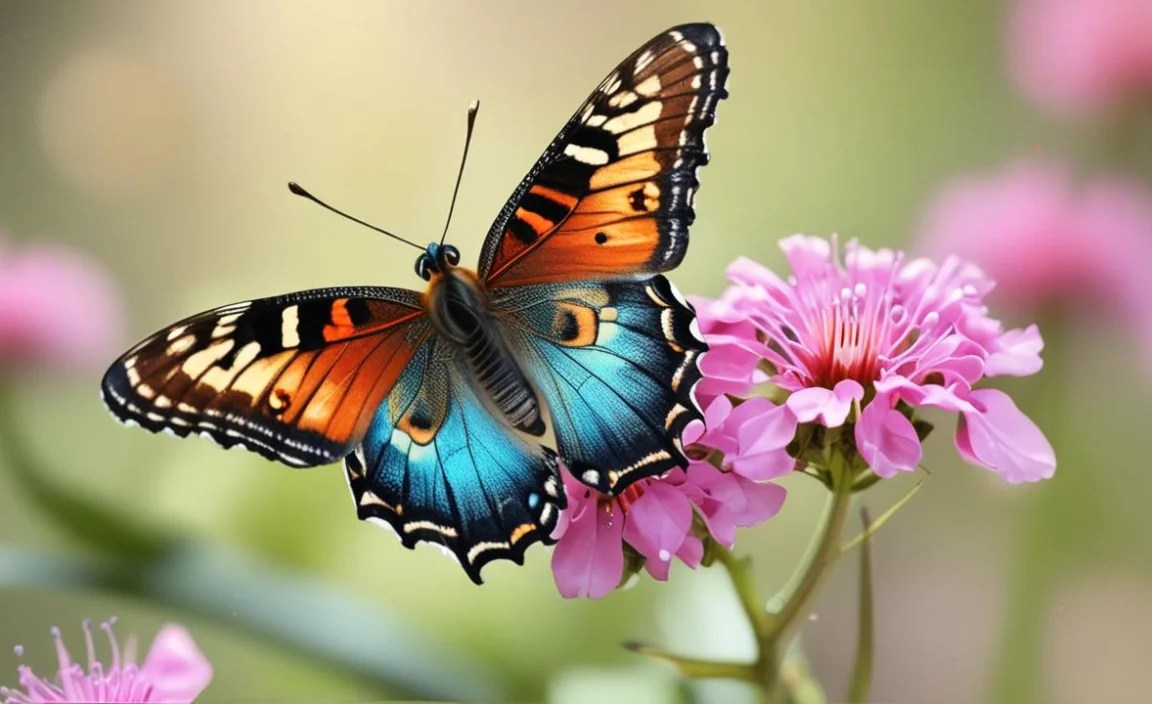
Butterflies exhibit a range of fascinating behaviors and habits. From their feeding preferences to their migration patterns, there’s always something new to discover.
Feeding Habits
Butterflies primarily feed on nectar from flowers, using their proboscis to suck up the liquid. However, some species also feed on tree sap, rotting fruit, and even animal dung to obtain essential nutrients.
- Nectar: The main source of energy for most butterflies.
- Tree Sap: Provides minerals and sugars.
- Rotting Fruit: Attracts butterflies with its sweet aroma and nutrients.
- Dung: Contains essential minerals and salts.
The type of food a butterfly consumes can vary depending on the species and its habitat. For example, some butterflies are highly specialized and only feed on nectar from specific types of flowers, while others are more generalist feeders. Understanding these feeding habits is crucial for creating butterfly-friendly gardens.
Migration Patterns
Some butterfly species, like the Monarch, are famous for their long-distance migrations. These migrations are driven by seasonal changes and the need to find suitable breeding grounds.
Monarch butterflies undertake an incredible journey of thousands of miles each year, migrating from Canada and the United States to Mexico and California. This migration is one of the most spectacular natural events on Earth, involving multiple generations of butterflies.
Other butterfly species also migrate, though their journeys may not be as extensive as the Monarch’s. These migrations are often influenced by factors such as temperature, rainfall, and the availability of food sources.
Camouflage and Mimicry
Butterflies use camouflage and mimicry to protect themselves from predators. Camouflage involves blending in with the surrounding environment, while mimicry involves resembling another species that is unpalatable or dangerous.
Some butterflies have wings that look like leaves, allowing them to disappear against foliage. Others mimic the appearance of toxic butterflies, deterring predators from attacking them. These strategies are essential for survival in the wild.
Butterfly Habitats and Conservation
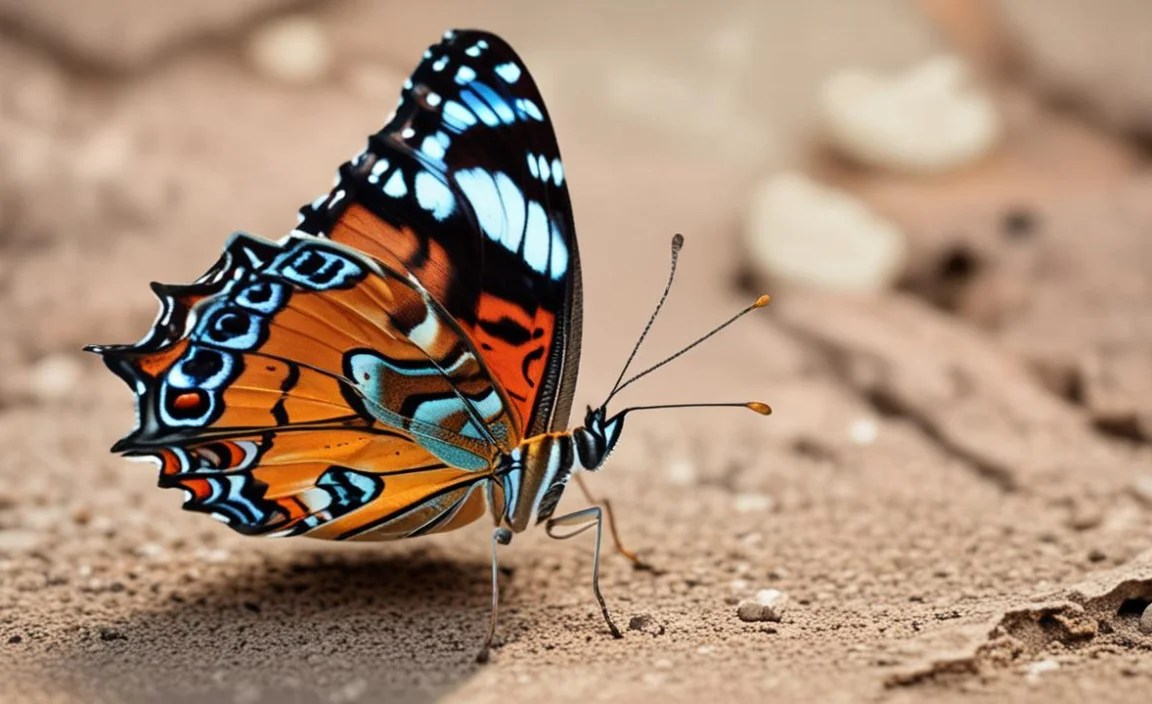
Butterflies can be found in a wide range of habitats, from tropical rainforests to alpine meadows. However, many butterfly species are threatened by habitat loss, climate change, and pesticide use.
Creating Butterfly-Friendly Gardens
One of the best ways to help butterflies is to create butterfly-friendly gardens. This involves planting nectar-rich flowers and host plants for caterpillars.
- Nectar Plants: Provide food for adult butterflies. Examples include butterfly bush, lavender, and zinnias.
- Host Plants: Serve as food for caterpillars. Examples include milkweed for Monarchs and parsley for Swallowtails.
- Shelter: Provide bushes and trees for butterflies to rest and hide from predators.
- Water Source: Offer a shallow dish of water with pebbles for butterflies to drink from.
Creating a butterfly-friendly garden not only benefits butterflies but also enhances the beauty of your outdoor space. By providing food, water, and shelter, you can attract a variety of butterfly species to your garden.
Conservation Efforts
Many organizations are working to protect butterflies and their habitats. These efforts include habitat restoration, captive breeding programs, and public education.
The Xerces Society is a leading organization in butterfly conservation, conducting research, advocating for policies, and educating the public about the importance of butterfly conservation. You can support these efforts by donating to conservation organizations and participating in citizen science projects.
Here’s a table summarizing the key aspects of butterfly conservation:
| Conservation Aspect | Description | Examples |
|---|---|---|
| Habitat Restoration | Restoring and protecting butterfly habitats. | Planting native vegetation, removing invasive species. |
| Captive Breeding | Breeding butterflies in captivity to increase populations. | Releasing captive-bred butterflies into the wild. |
| Public Education | Educating the public about butterfly conservation. | Conducting workshops, creating educational materials. |
| Policy Advocacy | Advocating for policies that protect butterflies and their habitats. | Lobbying for stricter pesticide regulations, protecting butterfly habitats from development. |
Identifying Common Butterfly Species
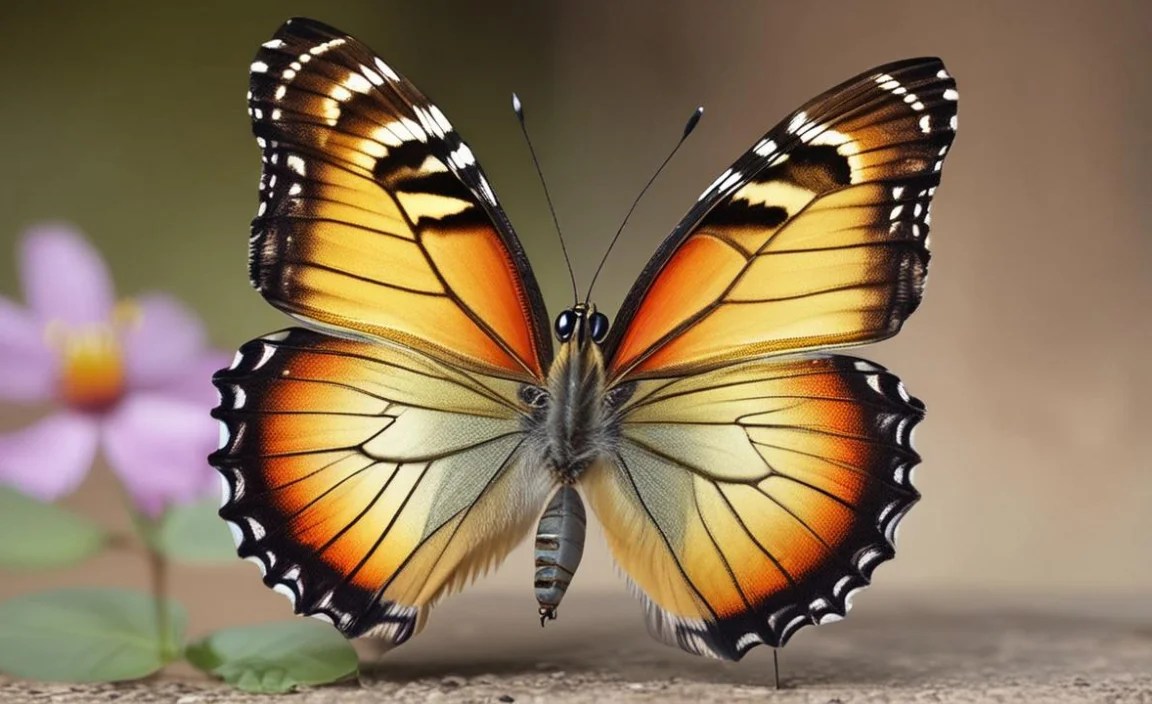
Learning to identify different butterfly species can deepen your appreciation for these insects. Here are some common butterfly species you might encounter:
Monarch Butterfly (Danaus plexippus)
The Monarch is one of the most recognizable butterflies, with its bright orange wings and black markings. It is famous for its long-distance migration.
- Habitat: Open fields, meadows, and gardens.
- Host Plant: Milkweed.
- Distinguishing Features: Orange wings with black veins and white spots.
Swallowtail Butterfly (Papilio spp.)
Swallowtail butterflies are large and striking, with long tails on their hindwings. There are many different species of Swallowtails, each with unique colors and patterns.
- Habitat: Woodlands, gardens, and fields.
- Host Plant: Various plants, including parsley, dill, and citrus trees.
- Distinguishing Features: Large size, long tails on hindwings, and vibrant colors.
Painted Lady Butterfly (Vanessa cardui)
Painted Lady butterflies are migratory and can be found all over the world. They have orange and brown wings with black and white markings.
- Habitat: Open areas, gardens, and fields.
- Host Plant: Thistles, mallows, and other plants.
- Distinguishing Features: Orange and brown wings with black and white spots.
Cabbage White Butterfly (Pieris rapae)
Cabbage White butterflies are small and white, with black spots on their wings. They are common in gardens and agricultural areas.
- Habitat: Gardens, fields, and agricultural areas.
- Host Plant: Cabbage, broccoli, and other cruciferous plants.
- Distinguishing Features: Small size, white wings with black spots.
Butterfly Symbolism and Cultural Significance

Butterflies have been symbols of transformation, beauty, and hope in cultures around the world. Their metamorphosis from caterpillar to butterfly is often seen as a metaphor for personal growth and spiritual rebirth.
- Transformation: The butterfly’s life cycle symbolizes change and transformation.
- Beauty: Butterflies are admired for their vibrant colors and delicate wings.
- Hope: Butterflies represent hope and new beginnings.
- Soul: In some cultures, butterflies are believed to represent the human soul.
In many cultures, butterflies are also associated with loved ones who have passed away. Seeing a butterfly is often interpreted as a sign that a deceased loved one is nearby, offering comfort and reassurance.
Fun Facts About Butterflies
Here are some additional fun facts about butterflies that you might find interesting:
- Butterflies taste with their feet.
- Butterflies can see ultraviolet light.
- Butterflies beat their wings about 5 to 20 times per second.
- Some butterflies can fly up to 30 miles per hour.
- The largest butterfly in the world is the Queen Alexandra’s Birdwing, which can have a wingspan of up to 12 inches.
Frequently Asked Questions (FAQ)
What is the lifespan of a butterfly?
The lifespan of a butterfly varies depending on the species. Some butterflies live only a few weeks, while others can live for several months.
What do caterpillars eat?
Caterpillars eat the leaves of specific host plants. Each butterfly species has its preferred host plants, which are essential for the caterpillar’s growth and development.
How can I attract butterflies to my garden?
You can attract butterflies to your garden by planting nectar-rich flowers and host plants, providing a water source, and avoiding the use of pesticides.
Are butterflies harmful to gardens?
No, butterflies are not harmful to gardens. In fact, they are beneficial because they pollinate flowers. However, some caterpillars can damage plants if they are present in large numbers.
What is the difference between a butterfly and a moth?
Butterflies and moths are both Lepidoptera, but they have some key differences. Butterflies are typically active during the day, have brightly colored wings, and hold their wings upright when at rest. Moths are typically active at night, have duller colored wings, and hold their wings flat when at rest. Also, butterfly antennae are club-shaped, while moth antennae are feathery.
Why are butterfly populations declining?
Butterfly populations are declining due to habitat loss, climate change, pesticide use, and other environmental factors. Conservation efforts are needed to protect butterflies and their habitats.
What is the best time of year to see butterflies?
The best time of year to see butterflies varies depending on the region and the species. In general, butterflies are most active during the warmer months, from spring to fall.
Conclusion
Butterflies are truly remarkable creatures, with their stunning beauty, incredible life cycle, and vital role in the ecosystem. By understanding more about butterflies, we can better appreciate and protect them. Whether you’re creating a butterfly-friendly garden, supporting conservation efforts, or simply observing these insects in nature, you’re contributing to their survival and ensuring that future generations can enjoy their beauty. So, next time you see a butterfly fluttering by, take a moment to admire its grace and remember the importance of these delicate creatures.