
European Butterflies Local Names: Discover Secrets!

Understanding the local names of European butterflies helps nature lovers connect more deeply with these amazing creatures. Butterfly names often reflect local folklore, habitat, or unique appearance. Learning these names adds a richer layer to your butterfly-watching experiences!
Have you ever admired a butterfly flitting through your garden and wondered what its real name is? Identifying butterflies can be tricky, especially when different regions have their own special names for these beautiful insects. It’s a common frustration for nature enthusiasts, but don’t worry! This guide will help you unlock the secret world of European butterfly names, making your butterfly-watching adventures even more rewarding. We’ll explore common butterflies, their local names, and how to identify them like a pro!
Why Do Butterflies Have Different Local Names?
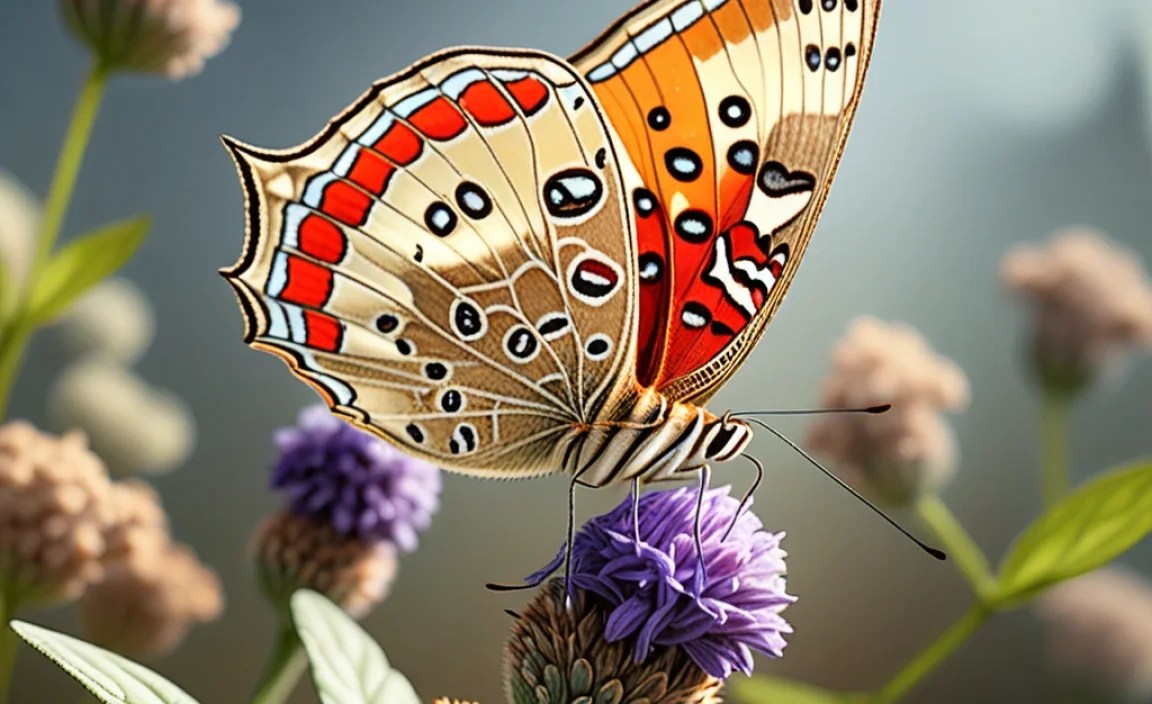
Butterflies, like many other animals and plants, often have different names depending on the region. This is due to a variety of factors, including:
- Language differences: Each country and even region has its own language or dialect, leading to unique names.
- Folklore and tradition: Local stories and beliefs can influence the names given to butterflies.
- Physical appearance: A butterfly’s color, pattern, or behavior might inspire a specific name in one area but not another.
- Historical reasons: Names may have evolved over time, reflecting changes in language and culture.
Understanding these reasons helps us appreciate the rich tapestry of butterfly names across Europe.
Common European Butterflies and Their Local Names

Let’s explore some of the most common European butterflies and their various local names. This table will help you recognize these butterflies no matter where you are in Europe!
| Butterfly (Scientific Name) | Common English Name | Local Names (Examples) | Description |
|---|---|---|---|
| Aglais io | European Peacock | Paons de jour (French), Tagpfauenauge (German), Pavón diurno (Spanish), Oogappel (Dutch) | Recognizable by its distinctive eyespots on the wings. |
| Vanessa atalanta | Red Admiral | Amiral (French), Admiral (German), Almirante (Spanish), Admiraal (Dutch) | Features striking red bands on its black wings. |
| Pieris brassicae | Large White | Piéride du chou (French), Grosser Kohlweissling (German), Blanquita de la col (Spanish), Groot koolwitje (Dutch) | A common white butterfly often seen in gardens. |
| Gonepteryx rhamni | Brimstone | Citron (French), Zitronenfalter (German), Limonera (Spanish), Citroenvlinder (Dutch) | A bright yellow butterfly, the male being more vibrant. |
| Lycaena phlaeas | Small Copper | Cuivré commun (French), Kleiner Feuerfalter (German), Manto de cobre común (Spanish), Kleine vuurvlinder (Dutch) | A small, bright orange butterfly with dark spots. |
| Polyommatus icarus | Common Blue | Argus bleu (French), Hauhechel-Bläuling (German), Niña celeste (Spanish), Icarusblauwtje (Dutch) | The male is bright blue, while the female is often brown with blue scales. |
| Maniola jurtina | Meadow Brown | Myrtil (French), Braunscheckauge (German), Lobito agreste (Spanish), Bruin zandoogje (Dutch) | A common brown butterfly with small eyespots. |
| Pararge aegeria | Speckled Wood | Tircis (French), Waldbrettspiel (German), Mariposa de los muros (Spanish), Bont zandoogje (Dutch) | Prefers shady areas and has a speckled pattern on its wings. |
Diving Deeper: Regional Variations
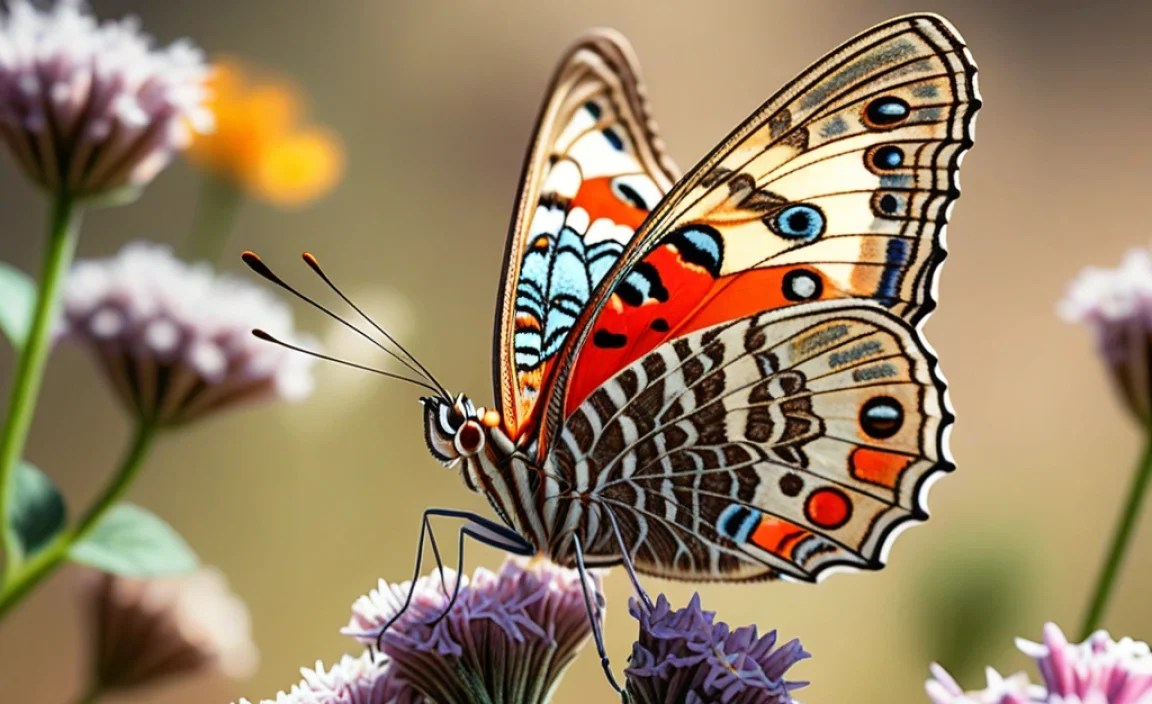
Let’s explore some specific regional variations in butterfly names to give you a better understanding of how these names differ.
France
In France, butterfly names often reflect their appearance or behavior. For example:
- The European Peacock (Aglais io) is known as “Paon de jour,” which translates to “Peacock of the day.”
- The Red Admiral (Vanessa atalanta) is called “Amiral,” which simply means “Admiral.”
- The Large White (Pieris brassicae) is known as “Piéride du chou,” meaning “Cabbage White,” referring to its habit of feeding on cabbage plants.
Germany
German butterfly names are often descriptive and precise:
- The European Peacock (Aglais io) is called “Tagpfauenauge,” meaning “Day peacock eye,” highlighting its distinctive eyespots.
- The Red Admiral (Vanessa atalanta) is also called “Admiral,” similar to the French.
- The Large White (Pieris brassicae) is “Grosser Kohlweissling,” translating to “Large cabbage white.”
Spain
Spanish butterfly names often have a poetic or descriptive quality:
- The European Peacock (Aglais io) is known as “Pavón diurno,” meaning “Day peacock.”
- The Red Admiral (Vanessa atalanta) is called “Almirante,” which means “Admiral.”
- The Large White (Pieris brassicae) is “Blanquita de la col,” translating to “Little white of the cabbage.”
Netherlands
Dutch butterfly names can be quite charming and descriptive:
- The European Peacock (Aglais io) is called “Oogappel,” which means “Eyeball,” referring to the eyespots.
- The Red Admiral (Vanessa atalanta) is “Admiraal,” similar to English, French, and German.
- The Large White (Pieris brassicae) is “Groot koolwitje,” meaning “Large cabbage white.”
How to Identify Butterflies Like a Pro

Identifying butterflies can be a fun and rewarding experience. Here are some tips to help you become a butterfly identification expert:
1. Observe Key Features
Pay close attention to the following features:
- Size: Is it a small, medium, or large butterfly?
- Color: What are the primary colors of the wings?
- Patterns: Are there spots, stripes, or other distinctive markings?
- Shape: What is the overall shape of the wings?
2. Note the Habitat
Where did you find the butterfly? Different species prefer different habitats. For example:
- Gardens: You’re likely to find Large Whites, Red Admirals, and Peacocks.
- Woodlands: Speckled Woods and various fritillaries are common.
- Meadows: Meadow Browns and Common Blues are often seen.
3. Use Field Guides and Apps
Field guides and smartphone apps are invaluable tools for butterfly identification. Some popular options include:
- National Audubon Society Field Guide to North American Butterflies: Although focused on North America, it provides a great general overview of butterfly identification principles.
- Butterflies of Europe by Tristan Lafranchis: A comprehensive guide to European butterflies.
- iNaturalist: A citizen science app that can help you identify butterflies based on photos.
- Picture Insect: An app that uses image recognition to identify insects, including butterflies.
4. Consider the Time of Year
Some butterflies are only active during certain times of the year. Knowing the flight period of different species can help narrow down your identification.
5. Observe Behavior
How does the butterfly behave? Is it a fast flier or does it glide? What flowers does it visit? These behaviors can provide clues to its identity.
6. Learn the Local Names
Familiarize yourself with the local names of butterflies in your area. This can help you communicate with other butterfly enthusiasts and access local resources.
The Importance of Butterfly Conservation
Butterflies are not just beautiful; they are also important indicators of environmental health. Their populations are declining due to habitat loss, pesticide use, and climate change. By learning about butterflies and their local names, we can become better advocates for their conservation.
How You Can Help
- Plant butterfly-friendly gardens: Choose native plants that provide nectar for adults and food for caterpillars.
- Avoid using pesticides: Pesticides can harm or kill butterflies and other beneficial insects.
- Support conservation organizations: Donate to or volunteer with organizations that work to protect butterfly habitats.
- Educate others: Share your knowledge and passion for butterflies with friends, family, and your community.
- Participate in citizen science projects: Contribute to butterfly monitoring programs to help track populations and identify conservation needs. The National Geographic Society offers many resources.
Butterfly Symbolism and Cultural Significance
Butterflies have long held symbolic and cultural significance in many societies. They often represent:
- Transformation: The butterfly’s life cycle, from caterpillar to chrysalis to butterfly, is a powerful symbol of transformation and rebirth.
- Hope: Butterflies are often seen as symbols of hope and new beginnings.
- Beauty: Their delicate wings and vibrant colors make them symbols of beauty and grace.
- Soul: In some cultures, butterflies are believed to represent the human soul.
Understanding these symbolic meanings can add another layer of appreciation to your butterfly-watching experiences.
Resources for Further Learning
To deepen your knowledge of European butterflies and their local names, here are some valuable resources:
- Books:
- Butterflies of Britain and Europe: A Photographic Guide by Tom Tolman
- Field Guide to the Butterflies of Britain and Europe by H.J. Gillam
- Websites:
- Butterfly Conservation: A UK-based organization dedicated to protecting butterflies and their habitats.
- The Xerces Society: An international organization focused on invertebrate conservation.
- Lepidopterology.it: A comprehensive website about European Lepidoptera (butterflies and moths).
- Museums:
- The Natural History Museum, London
- Muséum National d’Histoire Naturelle, Paris
- Naturhistorisches Museum, Vienna
FAQ: European Butterflies Local Names
Here are some frequently asked questions about European butterflies and their local names:
1. Why do butterflies have different names in different regions?
Butterfly names vary due to language differences, local folklore, physical appearance, and historical reasons. Each region often develops its own unique names.
2. How can I find out the local name of a butterfly in a specific region?
Consult local field guides, websites, and knowledgeable local naturalists. Online forums and social media groups dedicated to butterflies can also be helpful.
3. Are there any online resources that list butterfly names in different languages?
Yes, websites like Lepiforum.de and various online butterfly databases often provide names in multiple languages. Also, iNaturalist can help by connecting you with local experts.
4. What is the scientific name of a butterfly, and why is it important?
The scientific name is a standardized, universal name (usually in Latin) used by scientists worldwide. It ensures clear communication regardless of local names.
5. How can learning local butterfly names help with conservation?
It fosters a deeper connection with nature, increases local awareness, and encourages community involvement in conservation efforts.
6. What are some common mistakes people make when identifying butterflies?
Common mistakes include relying solely on color, not considering habitat, and overlooking subtle pattern differences. Always consider multiple features for accurate identification.
7. Can butterfly names tell us anything about the history or culture of a region?
Yes, butterfly names often reflect local folklore, traditions, and historical interactions with the environment, providing insights into the region’s cultural heritage.
Conclusion
Exploring the world of European butterfly names is a fascinating journey that connects us more deeply with nature and local cultures. By understanding the reasons behind these diverse names and learning how to identify butterflies like a pro, you can enhance your butterfly-watching experiences and become a more informed advocate for their conservation. So, grab your field guide, venture into the great outdoors, and start discovering the beauty and diversity of European butterflies, one local name at a time! Happy butterflying!


