
Common Leopard Butterfly: Easy ID Guide!

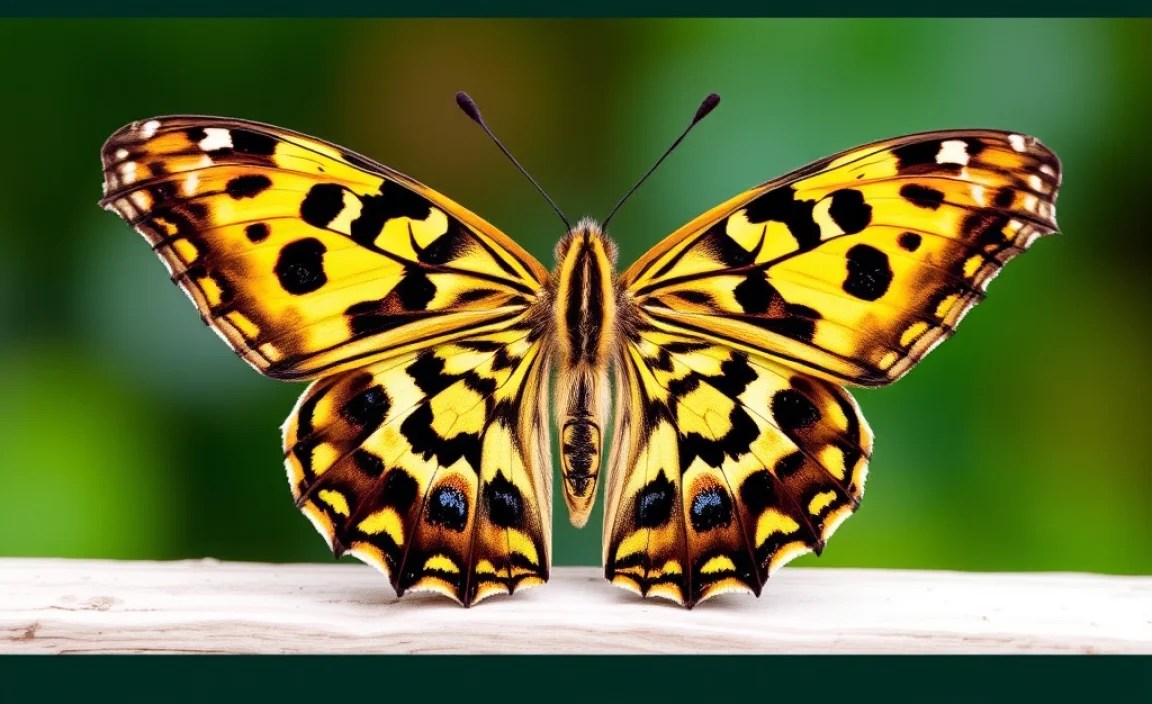
The Common Leopard butterfly (Phalanta phalantha) is a vibrant orange butterfly with striking black spots, found across Africa and Asia. To identify it, look for its bright color and distinct markings. You can attract them to your garden by planting their favorite nectar sources like lantana and zinnia, and by providing host plants such as Flacourtia indica for their caterpillars. These beautiful butterflies add a splash of color and life wherever they flutter!
Have you ever been captivated by a flash of bright orange, only to realize it was a butterfly dancing through your garden? The Common Leopard butterfly is a frequent and welcome sight in many parts of the world. However, identifying butterflies can sometimes feel like a daunting task. Don’t worry, you’re not alone! Many people struggle to tell one butterfly from another.
In this guide, we’ll explore everything you need to know about the Common Leopard butterfly. From recognizing its unique markings to creating a butterfly-friendly habitat, you’ll soon be able to appreciate these beauties even more. Let’s dive in and discover the fascinating world of the Common Leopard!
Identifying the Common Leopard Butterfly

The Common Leopard butterfly is a medium-sized butterfly that belongs to the Nymphalidae family. It’s known for its vibrant color and distinctive spots, making it relatively easy to identify. Here’s what to look for:
Key Characteristics
- Wingspan: Typically ranges from 5 to 6 centimeters (2 to 2.4 inches).
- Color: The upperside of the wings is a bright orange color.
- Markings: Distinct black spots and lines cover both the forewings and hindwings, resembling a leopard’s spots.
- Underside: The underside of the wings is a paler orange with similar, but less pronounced, black markings.
- Shape: The wings have a slightly rounded shape.
Distinguishing It From Similar Species
Several other orange butterflies might be confused with the Common Leopard. Here’s how to tell them apart:
- Plain Tiger (Danaus chrysippus): The Plain Tiger is also orange with black markings but has a more uniform pattern and a black border with white spots on the hindwings.
- Tawny Coster (Acraea violae): The Tawny Coster is another orange butterfly, but it has a more elongated wing shape and less distinct black spots.
- Indian Fritillary (Argynnis hyperbius): This butterfly has a similar orange color but has more intricate patterns and silvery spots on the underside of the hindwings.
Visual Guide: Common Leopard vs. Similar Butterflies
| Butterfly | Color | Markings | Distinguishing Features |
|---|---|---|---|
| Common Leopard (Phalanta phalantha) | Bright Orange | Distinct black spots and lines | Evenly distributed spots, medium size |
| Plain Tiger (Danaus chrysippus) | Orange | Uniform pattern, black border | Black border with white spots on hindwings |
| Tawny Coster (Acraea violae) | Orange | Less distinct black spots | Elongated wing shape |
| Indian Fritillary (Argynnis hyperbius) | Orange | Intricate patterns, silvery spots | Silvery spots on underside of hindwings |
Life Cycle of the Common Leopard Butterfly

Understanding the life cycle of the Common Leopard butterfly can deepen your appreciation for this insect. Like all butterflies, it undergoes complete metamorphosis, passing through four distinct stages.
Egg Stage
The life cycle begins with the egg. Female Common Leopard butterflies lay their eggs singly on or near the host plants. These eggs are typically small and pale green or yellow.
Larva (Caterpillar) Stage
Once the egg hatches, a caterpillar emerges. The caterpillar of the Common Leopard is dark brown or black with spines, helping to protect it from predators. Caterpillars are voracious eaters, focusing on consuming the leaves of their host plants to fuel their growth. Common host plants include:
- Flacourtia indica (Governor’s Plum)
- Smilax species
- Xylosma species
Pupa (Chrysalis) Stage
After several molts, the caterpillar enters the pupa stage. The pupa, or chrysalis, is typically suspended from a twig or leaf. It is usually a mottled brown color, providing camouflage. Inside the pupa, the caterpillar undergoes a remarkable transformation, reorganizing its tissues to form the adult butterfly.
Adult Stage
Finally, the adult butterfly emerges from the pupal case. The newly emerged butterfly will pump hemolymph (butterfly blood) into its wings to expand them. Once the wings are dry and hardened, the butterfly is ready to fly and reproduce. Adult Common Leopard butterflies can live for several weeks, feeding on nectar from flowers.
Habitat and Distribution

The Common Leopard butterfly is widely distributed across Africa and Asia. It thrives in a variety of habitats, making it a common sight in many regions.
Geographic Range
- Africa: Found throughout much of the continent, including South Africa, Nigeria, and Madagascar.
- Asia: Common in India, Sri Lanka, Southeast Asia, and parts of Australia.
Preferred Habitats
This butterfly is adaptable and can be found in a range of environments:
- Gardens: Often seen in urban and suburban gardens.
- Open Woodlands: Inhabits areas with scattered trees and shrubs.
- Forest Edges: Found along the borders of forests.
- Grasslands: Can thrive in open grassy areas with flowering plants.
Factors Influencing Habitat Choice
Several factors determine where the Common Leopard butterfly can thrive:
- Availability of Host Plants: The presence of suitable host plants for the caterpillars is crucial.
- Nectar Sources: Access to nectar-rich flowers for adult butterflies.
- Climate: Prefers warm, tropical, and subtropical climates.
- Sunlight: Open, sunny areas are preferred for basking and flight.
Attracting Common Leopard Butterflies to Your Garden
If you want to enjoy the beauty of the Common Leopard butterfly in your own backyard, there are several steps you can take to create a welcoming habitat. By providing the right food sources and shelter, you can attract these lovely creatures and support their life cycle.
Planting Nectar-Rich Flowers
Adult butterflies feed on nectar, so planting flowers that provide a good source of nectar is essential. Some excellent choices include:
- Lantana: These colorful flowers are a favorite of many butterflies.
- Zinnia: Easy to grow and available in a variety of colors, zinnias are a butterfly magnet.
- Marigold: These bright flowers are not only attractive but also repel some garden pests.
- Pentas: These star-shaped flowers offer a continuous source of nectar.
- Butterfly Bush (Buddleja): As the name suggests, this shrub is highly attractive to butterflies.
Providing Host Plants for Caterpillars
To support the entire life cycle of the Common Leopard butterfly, you need to provide host plants for the caterpillars to feed on. Some suitable host plants include:
- Flacourtia indica (Governor’s Plum): This is a primary host plant for the Common Leopard butterfly.
- Smilax species: Various Smilax vines can serve as host plants.
- Xylosma species: These shrubs or small trees are also used by the caterpillars.
Creating a Butterfly-Friendly Environment
In addition to providing food sources, there are other ways to make your garden more attractive to butterflies:
- Provide a Water Source: Butterflies need water, but they can’t drink from open water sources like ponds. Instead, create a “puddling” area by filling a shallow dish with sand and water. Keep the sand moist so butterflies can land and sip water.
- Offer Shelter: Butterflies need shelter from wind and rain. Plant shrubs and trees to provide protected areas.
- Avoid Pesticides: Pesticides can harm or kill butterflies and other beneficial insects. Use organic gardening methods to control pests.
- Provide Sunlight: Butterflies are cold-blooded and need sunlight to warm their bodies. Make sure your garden has plenty of sunny spots.
Table: Butterfly-Friendly Plants and Their Benefits
| Plant | Type | Benefits |
|---|---|---|
| Lantana | Flowering Plant | Rich nectar source for adult butterflies |
| Zinnia | Flowering Plant | Easy to grow, attracts many butterflies |
| Marigold | Flowering Plant | Attracts butterflies, repels some pests |
| Flacourtia indica | Host Plant | Food source for Common Leopard caterpillars |
| Smilax species | Host Plant | Alternative food source for caterpillars |
Conservation Status and Threats
The Common Leopard butterfly is a relatively common species and is not currently listed as threatened or endangered. However, like many insects, it faces several threats that could impact its populations in the future.
Current Conservation Status
The Common Leopard butterfly is considered a widespread and common species. It is not currently a conservation concern, according to organizations like the International Union for Conservation of Nature (IUCN).
Potential Threats
Despite its current status, several factors could pose a threat to the Common Leopard butterfly:
- Habitat Loss: As urban areas expand and natural habitats are converted for agriculture or development, the butterfly loses its breeding and feeding grounds.
- Pesticide Use: The widespread use of pesticides in agriculture and gardening can directly harm butterflies and their caterpillars.
- Climate Change: Changes in temperature and rainfall patterns can disrupt the butterfly’s life cycle and alter the availability of host plants and nectar sources.
- Invasive Species: The introduction of invasive plants can outcompete native host plants, reducing the food supply for caterpillars.
Conservation Measures
While the Common Leopard butterfly is not currently endangered, there are several steps that can be taken to help protect it and other butterfly species:
- Habitat Preservation: Protecting natural habitats, such as woodlands and grasslands, is crucial for maintaining butterfly populations.
- Sustainable Gardening: Using organic gardening methods and avoiding pesticides can create a safe environment for butterflies in your garden.
- Planting Native Species: Planting native host plants and nectar sources can provide essential food and shelter for butterflies.
- Raising Awareness: Educating others about the importance of butterflies and their conservation can help promote butterfly-friendly practices.
Cultural Significance and Symbolism
Butterflies have long held cultural significance and symbolic meaning in many societies around the world. The Common Leopard butterfly, with its striking appearance, is no exception.
Symbolism in Different Cultures
- Transformation and Rebirth: Like all butterflies, the Common Leopard symbolizes transformation and rebirth, due to its metamorphosis from a caterpillar to a beautiful winged creature.
- Beauty and Grace: Its vibrant colors and graceful flight often represent beauty, joy, and freedom.
- Spiritual Meaning: In some cultures, butterflies are seen as messengers from the spirit world, representing departed loved ones or spiritual guidance.
Butterflies in Art and Literature
Butterflies have been a popular motif in art, literature, and folklore for centuries. They often appear in paintings, poems, and stories, symbolizing various themes such as:
- Ephemeral Beauty: The fleeting nature of a butterfly’s life can represent the transient nature of beauty and happiness.
- Change and Growth: The transformation from caterpillar to butterfly can symbolize personal growth and overcoming challenges.
- Hope and Renewal: The emergence of a butterfly can represent hope, renewal, and the promise of a better future.
The Common Leopard Butterfly in Local Traditions
While specific cultural traditions related to the Common Leopard butterfly may vary depending on the region, its presence is often seen as a positive sign. In some areas, seeing a Common Leopard butterfly might be interpreted as a symbol of good luck or a reminder to appreciate the beauty of nature.
Frequently Asked Questions (FAQ)
What does the Common Leopard butterfly eat?
The adult Common Leopard butterfly feeds on nectar from flowers. Caterpillars primarily eat the leaves of Flacourtia indica (Governor’s Plum) and other host plants.
Where can I find Common Leopard butterflies?
They are commonly found in gardens, open woodlands, forest edges, and grasslands across Africa and Asia.
How can I attract Common Leopard butterflies to my garden?
Plant nectar-rich flowers like lantana and zinnia, and provide host plants like Flacourtia indica for the caterpillars. Also, ensure a water source and avoid pesticides.
Is the Common Leopard butterfly endangered?
No, it is currently considered a widespread and common species and is not listed as threatened or endangered.
What is the wingspan of a Common Leopard butterfly?
The wingspan typically ranges from 5 to 6 centimeters (2 to 2.4 inches).
What are the main threats to Common Leopard butterflies?
The main threats include habitat loss, pesticide use, climate change, and invasive species.
How long do Common Leopard butterflies live?
Adult Common Leopard butterflies can live for several weeks, depending on environmental conditions and availability of food.
Conclusion
The Common Leopard butterfly, with its striking orange wings and distinctive black spots, is a delightful addition to any garden or natural landscape. By understanding its life cycle, habitat preferences, and food sources, you can create a welcoming environment that attracts these beautiful creatures. While the Common Leopard is not currently endangered, it faces threats like habitat loss and pesticide use, highlighting the importance of conservation efforts.
Whether you’re a seasoned butterfly enthusiast or just beginning to explore the world of insects, the Common Leopard butterfly offers a fascinating glimpse into the beauty and complexity of nature. By planting the right flowers, avoiding harmful chemicals, and raising awareness about butterfly conservation, you can play a part in ensuring that these lovely butterflies continue to grace our gardens and natural habitats for generations to come. So, get outside, plant some flowers, and enjoy the enchanting presence of the Common Leopard butterfly!


