
Adonis Blue Butterfly: Spot it Easily!

The Adonis blue butterfly (Polyommatus adonis) is known for the brilliant, sky-blue wings of the male. To identify one, look for the bright blue color, white-fringed wing edges, and black borders. Females are chocolate brown with a dusting of blue near the body. These butterflies prefer chalk and limestone grasslands, where their caterpillar foodplant, horseshoe vetch, grows.
Have you ever been walking through a sunny meadow and spotted a flash of brilliant blue? It might have been the Adonis blue butterfly, one of the most stunning butterflies you can find in Europe. But identifying butterflies can be tricky, and knowing where to look for them is half the battle.

Don’t worry if you’re new to butterfly spotting! This guide will walk you through everything you need to know to confidently identify the Adonis blue, understand its life cycle, and even create a butterfly-friendly habitat in your own backyard. We’ll cover key features, habitat preferences, and fascinating facts about this beautiful insect. Get ready to become an Adonis blue expert!
Adonis Blue Butterfly: A Living Jewel of Europe’s Grasslands

The Adonis Blue Butterfly is one of nature’s most striking creations. With its vivid sky-blue wings and delicate structure, it looks almost unreal against the soft greens of grassland meadows. Yet, beyond its beauty lies a story of survival, ecological balance, and environmental change.
In this article, you’ll discover everything about the Adonis Blue—from its scientific identity and life cycle to its habitat needs, conservation status, and fascinating behavioral traits. Whether you’re a nature lover, student, or casual reader, this guide will help you see this butterfly in a whole new light.
What Is the Adonis Blue Butterfly?
The Adonis Blue Butterfly, scientifically known as Polyommatus bellargus, is a species of butterfly found mainly in Europe. It belongs to the Lycaenidae family, often called the “blues” due to their bright coloration.
Key Facts at a Glance
- Scientific name: Polyommatus bellargus
- Family: Lycaenidae
- Wingspan: 30–40 mm
- Habitat: Chalk grasslands and dry meadows
- Flight period: May–June and August–September
- Diet (larvae): Horseshoe vetch plant
What makes this butterfly stand out is the male’s intense, almost glowing blue wings, while females are usually brown with subtle orange marking.
A Splash of Blue: Appearance and Identification

Spotting an Adonis Blue Butterfly is a memorable experience. Here’s how to identify it:
Male vs Female
- Males:
Bright, shimmering blue wings with a thin black border and white fringe. - Females:
Mostly brown with orange crescents along the wing edges.
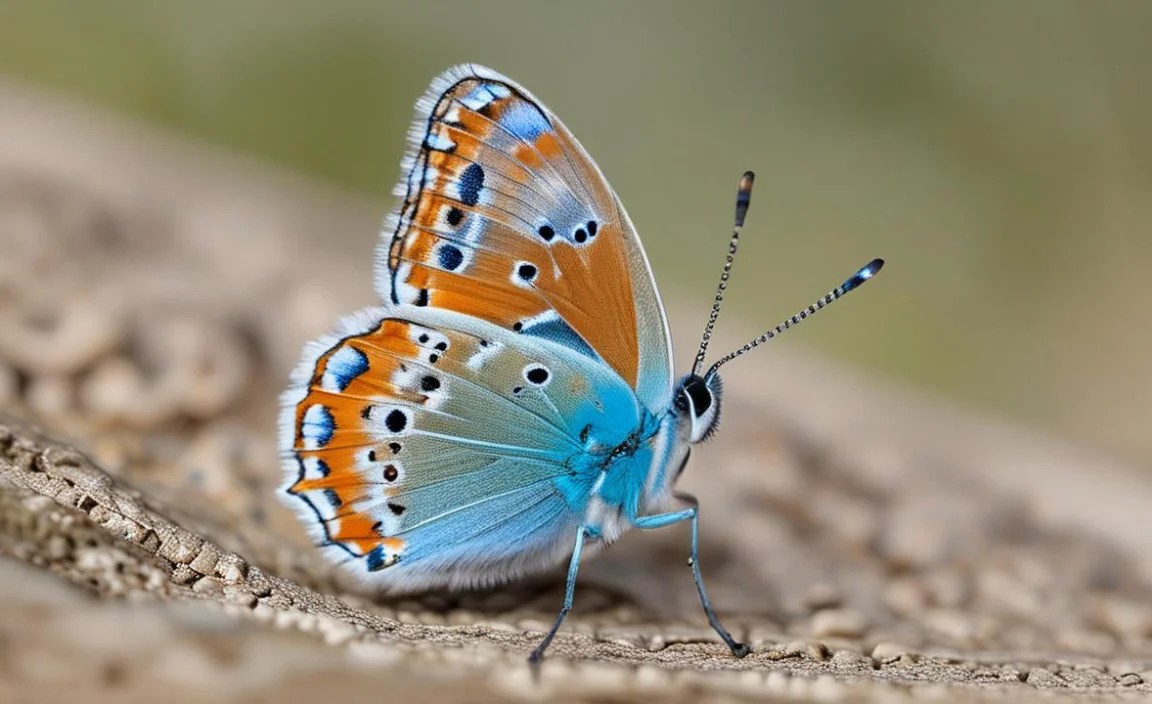
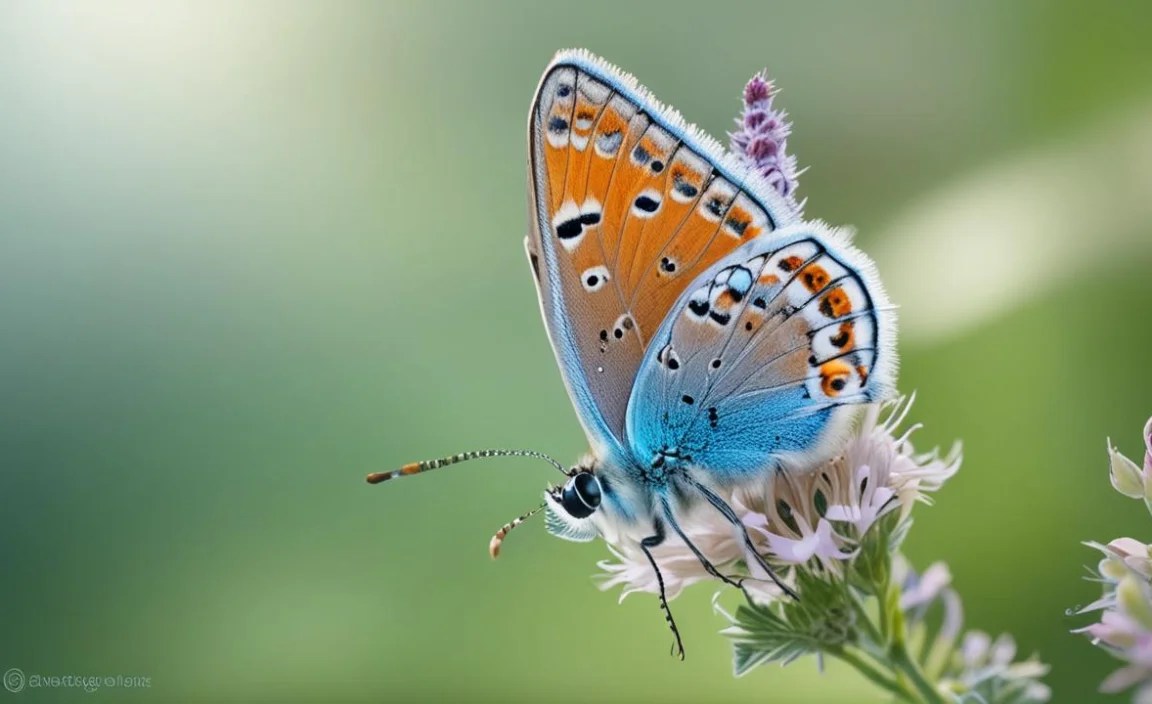
Underside Patterns
Both sexes share similar undersides:
- Pale gray or beige base
- Black spots circled in white
- A row of orange markings near the edges
This underside helps them blend into their surroundings when resting.
Where Do Adonis Blue Butterflies Live?
The Adonis Blue Butterfly prefers very specific environments, which makes it both unique and vulnerable.
Ideal Habitat Conditions
- Chalk or limestone grasslands
- Short, grazed turf
- Warm, south-facing slopes
- An abundance of horseshoe vetch plants
These habitats are often found in parts of southern England, France, Germany, and other areas of Europe.
Why Habitat Matters
The butterfly’s survival depends heavily on the presence of horseshoe vetch, the only plant its caterpillars feed on. Without it, the species cannot reproduce successfully.
Life Cycle: From Egg to Winged Beauty

Like all butterflies, the Adonis Blue undergoes a complete metamorphosis. Its life cycle is both delicate and fascinating.
1. Egg Stage
Females lay eggs on or near horseshoe vetch plants. The eggs are tiny and often go unnoticed.
2. Larva (Caterpillar)
The caterpillars feed exclusively on the plant. They are small, green, and well-camouflaged.
3. Pupa (Chrysalis)
After feeding, the caterpillar forms a chrysalis, usually hidden close to the ground.
4. Adult Butterfly
Adults emerge and live for only a few weeks, focusing on feeding and reproduction.
Two Generations Per Year
In warmer regions, the Adonis Blue produces two broods annually, which increases its chances of survival.
Behavior and Ecology
The Adonis Blue Butterfly is not just beautiful—it plays an important role in its ecosystem.
Pollination Role
Adults feed on nectar from flowers, helping with pollination.
Sun-Loving Nature
They prefer warm, sunny conditions and are most active during bright weather.
Territorial Behavior
Male butterflies are known to defend small territories, often chasing away rivals.
Population Trends and Conservation
The Adonis Blue Butterfly has faced significant population changes over time.
Important Statistics
- In some regions of the UK, populations declined sharply in the 20th century due to habitat loss.
- Conservation efforts helped numbers recover by over 150% in certain protected areas.
- Climate warming has allowed the species to expand northward in recent decades.
Threats
- Habitat destruction (agriculture, urbanization)
- Loss of grazing (leading to overgrown grasslands)
- Climate extremes
Conservation Efforts
Organizations like Butterfly Conservation work to restore habitats and monitor populations.
Efforts include:
- Controlled grazing
- Habitat restoration
- Public awareness campaigns
Why the Adonis Blue Matters
The Adonis Blue Butterfly is more than just a pretty insect. It serves as an indicator species, meaning its presence reflects the health of its environment.
When Adonis Blue populations thrive:
- Grasslands are healthy
- Biodiversity is strong
- Ecosystems are balanced
Its decline often signals environmental problems that affect many other species.
Fun and Fascinating Facts
- The butterfly is named after Adonis, a figure from Greek mythology symbolizing beauty.
- Its blue color comes from microscopic structures on its wings, not pigment.
- Males are much easier to spot due to their bright coloration.
It is often confused with the Common Blue Butterfly, but its color is more intense.
Final Thoughts
The Adonis Blue Butterfly is a stunning symbol of nature’s beauty and fragility. Its bright wings light up grasslands, but its survival depends on careful environmental balance.
By understanding and protecting this species, we also protect the rich ecosystems it represents. The next time you walk through a sunny meadow, keep an eye out—you might just spot a flash of brilliant blue, fluttering like a piece of the sky.
Frequently Asked Questions About the Adonis Blue Butterfly
1. Where can I see the Adonis Blue Butterfly?
You can spot the Adonis Blue Butterfly in warm, open chalk or limestone grasslands across Europe, especially in southern England, France, and parts of Germany. Look for them on sunny, south-facing slopes where horseshoe vetch grows. The best time to see them is during their two flight periods—late spring (May–June) and late summer (August–September), when males actively fly in bright sunlight.
2. Why is the male Adonis Blue so bright?
The male Adonis Blue’s vivid color comes from microscopic structures on its wing scales that reflect and scatter light, rather than from blue pigment. This structural coloration creates its intense, shimmering blue appearance. The brightness helps males attract females and compete with rivals. It also makes them easier to spot in sunny conditions, especially when they flutter low over grasslands.
3. What do Adonis Blue caterpillars eat?
Adonis Blue caterpillars feed exclusively on the horseshoe vetch plant, making it essential for their survival. Females carefully lay eggs on or near this plant to ensure larvae have immediate access to food after hatching. Without horseshoe vetch, caterpillars cannot develop properly. This strong dependency means the butterfly’s distribution is closely tied to areas where this plant grows naturally.
4. Is the Adonis Blue Butterfly endangered?
The Adonis Blue Butterfly is not globally endangered, but its status varies by region. In some areas, especially in the UK, it has experienced declines due to habitat loss and changes in land management. However, conservation efforts have helped certain populations recover. It is often considered a species of conservation concern because it relies on increasingly rare and very specific habitat conditions.
5. How long does an Adonis Blue Butterfly live?
The adult Adonis Blue Butterfly typically lives for about two to three weeks. During this short time, its main focus is on feeding on nectar and reproducing. The full life cycle—from egg to adult—takes several months and includes overwintering stages. Despite their brief adult lifespan, having two generations per year helps maintain stable populations under suitable environmental conditions.
6. How can we help protect this butterfly?
You can help protect the Adonis Blue Butterfly by supporting conservation organizations, preserving natural grasslands, and promoting biodiversity-friendly practices. Encouraging traditional grazing helps maintain the short grass needed for its habitat. Avoiding pesticides and planting native wildflowers, especially horseshoe vetch, can also support local populations. Raising awareness about habitat protection plays a key role in ensuring this beautiful species continues to thrive.


