
Butterflies in North-West India: A Colorful Guide

Butterflies in North-West India: A Beginner’s Guide

Quick Summary: Discover the enchanting world of butterflies in North-West India! This guide introduces you to common species like the Common Mormon and Painted Lady, where to find them in states like Rajasthan and Himachal Pradesh, and how to attract them to your garden. Learn about their life cycle, host plants, and simple conservation tips to protect these vital pollinators. Get ready to explore the colourful skies!
Have you ever wondered about the vibrant butterflies flitting around your garden or local parks in North-West India? Identifying these beautiful creatures can seem daunting at first. Many people struggle to distinguish one species from another, or even know where to begin looking. But don’t worry! This guide will simplify the process, helping you recognize common butterflies, understand their habitats, and even create a butterfly-friendly space of your own. Get ready to unlock the secrets of these fascinating insects. Let’s begin our butterfly adventure together!
Identifying Common Butterflies in North-West India

North-West India, with its diverse landscapes, is home to a wide variety of butterfly species. From the arid regions of Rajasthan to the mountainous terrains of Himachal Pradesh, each area boasts unique butterfly populations. Let’s explore some of the most commonly found butterflies in this region:
1. The Common Mormon (Papilio polytes)
The Common Mormon is a striking butterfly with several different female forms, mimicking poisonous butterfly species for protection. The males are typically black with white spots, while the females vary in colour and pattern. These butterflies are commonly seen in gardens and wooded areas.
- Appearance: Males are black with white spots; females have multiple forms, some mimicking other butterflies.
- Habitat: Gardens, open woodlands, and urban areas.
- Host Plants: Citrus plants, Glycosmis arborea, and Murraya koenigii.
2. The Painted Lady (Vanessa cardui)
The Painted Lady is a migratory butterfly found worldwide, including North-West India. It’s known for its orange and brown wings with black and white markings. This butterfly is often seen in open fields, gardens, and along roadsides.
- Appearance: Orange and brown wings with black and white markings.
- Habitat: Open fields, gardens, and disturbed areas.
- Host Plants: Thistles, mallows, and various legumes.
3. The Plain Tiger (Danaus chrysippus)
The Plain Tiger is a common butterfly with bright orange wings bordered with black and white spots. It is often found in gardens, open fields, and scrublands. The Plain Tiger is known for its ability to sequester toxins from its host plants, making it unpalatable to predators.
- Appearance: Bright orange wings with black borders and white spots.
- Habitat: Gardens, open fields, and scrublands.
- Host Plants: Milkweed plants (Asclepias species).
4. The Common Grass Yellow (Eurema hecabe)
The Common Grass Yellow is a small, vibrant yellow butterfly commonly found in grassy areas, gardens, and open woodlands. It is known for its quick, erratic flight and is often seen fluttering close to the ground.
- Appearance: Bright yellow wings with a black border.
- Habitat: Grassy areas, gardens, and open woodlands.
- Host Plants: Various legumes, including Cassia and Albizia species.
5. The Blue Mormon (Papilio polymnestor)
The Blue Mormon is a large, striking butterfly with velvety black wings and iridescent blue markings. It is the state butterfly of Maharashtra and is commonly found in forested areas and gardens. This butterfly is known for its graceful flight and striking appearance.
- Appearance: Velvety black wings with iridescent blue markings.
- Habitat: Forests and gardens.
- Host Plants: Citrus plants, Glycosmis arborea, and Murraya koenigii.
6. The Lime Butterfly (Papilio demoleus)
The Lime Butterfly, also known as the Chequered Swallowtail, is a common butterfly with black and yellow markings. It is often found in gardens, citrus orchards, and open areas. This butterfly is known for its ability to adapt to urban environments and its preference for citrus plants as host plants.
- Appearance: Black wings with irregular yellow markings.
- Habitat: Gardens, citrus orchards, and open areas.
- Host Plants: Citrus plants.
Where to Find Butterflies in North-West India

To observe butterflies in their natural habitat, it’s essential to know the best locations and times to find them. North-West India offers several prime spots for butterfly enthusiasts.
1. Rajasthan
Rajasthan, despite its arid climate, hosts a variety of butterfly species, especially in areas with vegetation and water sources. Key locations include:
- Mount Abu: This hill station offers a cooler climate and diverse flora, attracting butterflies like the Common Mormon and the Blue Mormon.
- Sariska Tiger Reserve: The reserve’s varied habitats support several butterfly species, including the Plain Tiger and the Common Grass Yellow.
- Keoladeo National Park (Bharatpur): This wetland area attracts migratory butterflies and supports a rich diversity of local species.
2. Himachal Pradesh
Himachal Pradesh, with its mountainous terrain and lush greenery, is a butterfly hotspot. Some of the best places for butterfly watching include:
- Great Himalayan National Park: This park is a biodiversity paradise, home to numerous butterfly species such as the Indian Red Admiral and the Common Blue Apollo.
- Shimla: The hills around Shimla offer excellent butterfly-watching opportunities, especially during the monsoon season.
- Kullu Valley: Known for its apple orchards and diverse flora, Kullu Valley attracts a wide range of butterfly species, including the Painted Lady and the Common Peacock.
3. Other Regions
Other parts of North-West India, such as the Shivalik Hills and areas around Chandigarh, also offer good butterfly-watching opportunities. Look for gardens, parks, and natural reserves in these regions to spot various butterfly species.
Attracting Butterflies to Your Garden
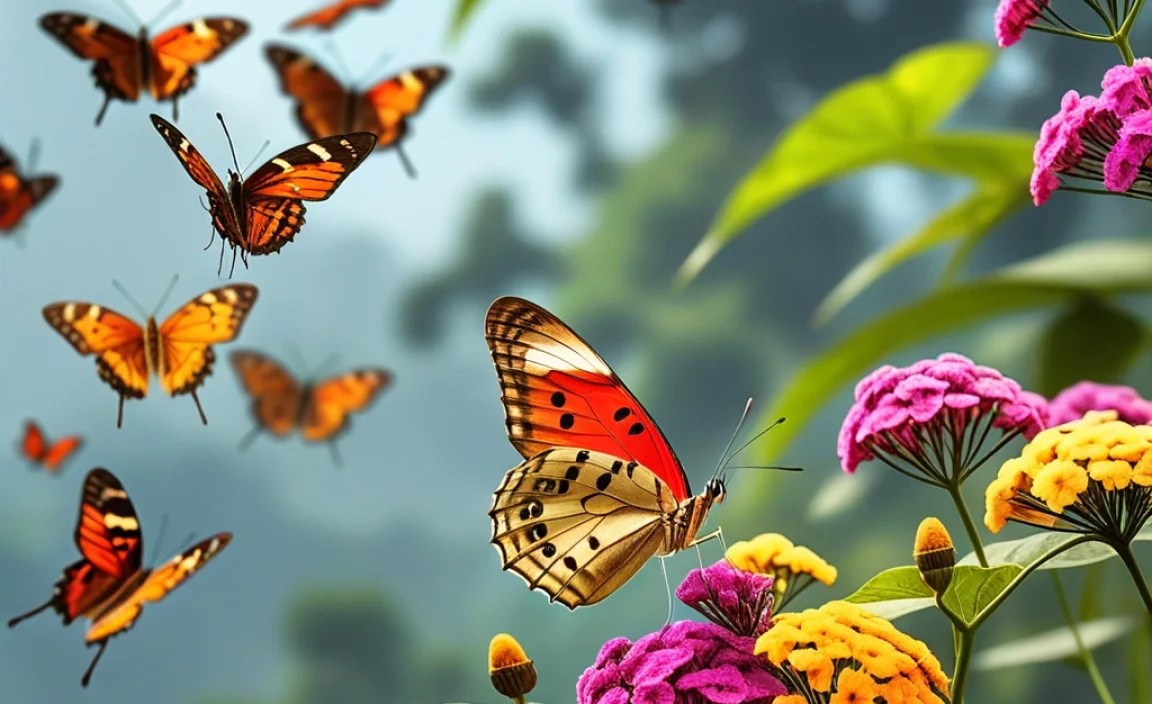
Creating a butterfly-friendly garden is a rewarding way to observe these beautiful creatures up close. Here’s how you can transform your garden into a butterfly haven:
1. Plant Host Plants
Butterflies need specific plants for their caterpillars to feed on. Planting these host plants is crucial for attracting butterflies to your garden. Some popular host plants for butterflies in North-West India include:
- Citrus plants: Host plants for the Common Mormon and Lime Butterfly.
- Milkweed (Asclepias): Host plant for the Plain Tiger.
- Thistles and Mallows: Host plants for the Painted Lady.
- Legumes (Cassia, Albizia): Host plants for the Common Grass Yellow.
2. Provide Nectar Sources
Butterflies feed on nectar from flowers. Planting a variety of nectar-rich flowers will attract adult butterflies to your garden. Some excellent nectar sources include:
- Lantana: Produces clusters of colourful flowers that attract many butterfly species.
- Zinnia: Easy-to-grow annuals that provide a continuous supply of nectar.
- Cosmos: Delicate flowers that attract butterflies and other pollinators.
- Marigold: Bright and cheerful flowers that are easy to grow and maintain.
- Buddleja (Butterfly Bush): A popular choice for attracting butterflies with its fragrant flowers.
3. Create a Water Source
Butterflies need water, but they can’t drink from deep puddles. Create a shallow water source by placing a dish with wet sand or pebbles in your garden. This allows butterflies to safely drink water without the risk of drowning.
4. Provide Shelter
Butterflies need shelter from wind and predators. Plant shrubs and trees to provide a safe haven for butterflies to rest and hide. Overhanging branches and dense foliage offer protection from the elements and potential threats.
5. Avoid Pesticides
Pesticides can harm or kill butterflies and other beneficial insects. Avoid using pesticides in your garden. Instead, use natural methods to control pests, such as introducing beneficial insects or using organic pest control products.
Understanding the Butterfly Life Cycle
The butterfly life cycle is a fascinating process that involves four distinct stages: egg, larva (caterpillar), pupa (chrysalis), and adult. Understanding each stage can help you appreciate the complexity and beauty of these insects.
1. Egg Stage
Butterflies lay their eggs on host plants. The eggs can vary in shape, size, and colour depending on the species. Some eggs are laid singly, while others are laid in clusters. The duration of the egg stage varies depending on the species and environmental conditions.
2. Larva (Caterpillar) Stage
Once the egg hatches, the larva, or caterpillar, emerges. The caterpillar’s primary job is to eat and grow. Caterpillars feed voraciously on host plants, molting their skin several times as they grow. Each molt is called an instar. The caterpillar stage can last from a few weeks to several months, depending on the species.
3. Pupa (Chrysalis) Stage
When the caterpillar is fully grown, it enters the pupa stage. The caterpillar forms a chrysalis, which is a protective shell. Inside the chrysalis, the caterpillar undergoes a remarkable transformation, reorganizing its tissues to form the adult butterfly. The pupa stage can last from a few days to several weeks.
4. Adult Stage
Finally, the adult butterfly emerges from the chrysalis. The butterfly’s wings are initially crumpled, but they quickly expand and harden. The adult butterfly’s primary job is to reproduce. Adult butterflies feed on nectar from flowers, using their long proboscis to sip the sugary liquid. The lifespan of an adult butterfly can vary from a few days to several months, depending on the species.
Butterfly Conservation in North-West India
Butterflies play a crucial role in the ecosystem as pollinators. However, they face numerous threats, including habitat loss, pesticide use, and climate change. Conservation efforts are essential to protect these vital insects. Here are some ways you can help conserve butterflies in North-West India:
1. Protect and Restore Habitats
Habitat loss is one of the biggest threats to butterflies. Support efforts to protect and restore natural habitats, such as forests, grasslands, and wetlands. Encourage sustainable land management practices that minimize habitat destruction.
2. Promote Butterfly-Friendly Gardening
Create butterfly-friendly gardens by planting host plants and nectar sources. Avoid using pesticides and herbicides, which can harm butterflies and other beneficial insects. Encourage others to create butterfly gardens in their communities.
3. Support Conservation Organizations
Many organizations are working to conserve butterflies and their habitats. Support these organizations through donations, volunteer work, or advocacy. By working together, we can make a difference in butterfly conservation.
4. Educate Others
Raise awareness about the importance of butterflies and the threats they face. Share your knowledge with friends, family, and community members. Encourage others to appreciate and protect these beautiful creatures.
5. Monitor Butterfly Populations
Participate in citizen science projects to monitor butterfly populations. By tracking butterfly numbers and distribution, we can gain valuable insights into their conservation status and identify areas where conservation efforts are needed.
Butterfly Identification Resources
Identifying butterflies can be challenging, but there are several resources available to help you. Here are some useful tools and guides:
- Butterfly Field Guides: Purchase a field guide specific to the butterflies of India or North-West India. These guides typically include detailed descriptions and illustrations of different butterfly species.
- Online Butterfly Databases: Websites like “Butterflies of India” ( https://www.ifoundbutterflies.org/ ) offer comprehensive information on Indian butterfly species, including photos, distribution maps, and host plant information.
- Mobile Apps: Several mobile apps are available for butterfly identification. These apps allow you to upload a photo of a butterfly and get a list of possible matches.
- Local Butterfly Experts: Connect with local butterfly experts or naturalists. They can provide valuable insights and help you identify butterflies in your area.
Butterflies and Their Cultural Significance
Butterflies have long held cultural significance in many societies, often symbolizing transformation, beauty, and freedom. In various cultures, butterflies are associated with:
- Transformation: The butterfly’s metamorphosis from a caterpillar to a beautiful winged creature is often seen as a symbol of personal transformation and spiritual growth.
- Beauty: Butterflies are admired for their vibrant colours and graceful flight, making them symbols of beauty and elegance.
- Freedom: The butterfly’s ability to fly freely is often associated with freedom, independence, and joy.
- Souls and Spirits: In some cultures, butterflies are believed to represent the souls of the departed or messengers from the spirit world.
In art, literature, and mythology, butterflies often appear as symbols of hope, renewal, and the ephemeral nature of life. Their presence can evoke feelings of wonder, joy, and a connection to the natural world.
Table: Common Butterflies of North-West India and Their Host Plants
| Butterfly Species | Appearance | Habitat | Host Plants |
|---|---|---|---|
| Common Mormon (Papilio polytes) | Males are black with white spots; females vary in colour and pattern. | Gardens, open woodlands, urban areas. | Citrus plants, Glycosmis arborea, Murraya koenigii. |
| Painted Lady (Vanessa cardui) | Orange and brown wings with black and white markings. | Open fields, gardens, disturbed areas. | Thistles, mallows, various legumes. |
| Plain Tiger (Danaus chrysippus) | Bright orange wings with black borders and white spots. | Gardens, open fields, scrublands. | Milkweed plants (Asclepias species). |
| Common Grass Yellow (Eurema hecabe) | Bright yellow wings with a black border. | Grassy areas, gardens, open woodlands. | Various legumes, including Cassia and Albizia species. |
| Blue Mormon (Papilio polymnestor) | Velvety black wings with iridescent blue markings. | Forests and gardens. | Citrus plants, Glycosmis arborea, Murraya koenigii. |
| Lime Butterfly (Papilio demoleus) | Black wings with irregular yellow markings. | Gardens, citrus orchards, open areas. | Citrus plants. |
Table: Butterfly-Attracting Plants for North-West India
| Plant Name | Type | Benefits |
|---|---|---|
| Lantana | Shrub | Produces clusters of colourful flowers that attract many butterfly species. |
| Zinnia | Annual | Easy-to-grow, provides a continuous supply of nectar. |
| Cosmos | Annual | Delicate flowers that attract butterflies and other pollinators. |
| Marigold | Annual | Bright and cheerful flowers, easy to grow and maintain. |
| Buddleja (Butterfly Bush) | Shrub | Fragrant flowers that are highly attractive to butterflies. |
FAQ: Butterflies in North-West India
1. What is the best time of year to see butterflies in North-West India?
The best time to see butterflies in North-West India is during and immediately after the monsoon season (July to October). The increased rainfall promotes plant growth, providing ample food for caterpillars and nectar for adult butterflies.
2. Are there any poisonous butterflies in North-West India?
While many butterflies are not poisonous, some species mimic poisonous butterflies for protection. For example, some female forms of the Common Mormon mimic the poisonous Common Rose butterfly to deter predators.
3. How can I tell the difference between a butterfly and a moth?
Butterflies typically have slender bodies, clubbed antennae, and hold their wings upright when at rest. Moths, on the other hand, have thicker, furry bodies, feathery antennae, and usually rest with their wings spread out.
4. What should I do if I find an injured butterfly?
If you find an injured butterfly, gently place it in a safe location, such as a sheltered area with access to nectar sources. You can offer it a sugar-water solution (one part sugar to four parts water) on a cotton swab to provide energy. Avoid handling the butterfly excessively.
5. How can I help protect butterflies in my community?
You can help protect butterflies by creating butterfly-friendly gardens, avoiding pesticide use, supporting conservation organizations, and educating others about the importance of butterfly conservation. Even small actions can make a big difference.
6. What are some good resources for learning more about butterflies in India?
Some excellent resources include butterfly field guides specific to India, online databases like “Butterflies of India”, and local butterfly experts or naturalist groups. These resources can provide valuable information and support for your butterfly explorations.
7. Why are butterflies important to the environment?
Butterflies are important pollinators, helping to transfer pollen from one flower to another, which is essential for plant reproduction. They also serve as a food source for birds and other animals, playing a vital role in the food chain. Their presence is an indicator of a healthy ecosystem.
Conclusion
Exploring the world of butterflies in North-West India is a journey filled with beauty, wonder, and discovery. By learning to identify common species, understanding their life cycle, and creating butterfly-friendly habitats, you can play an active role in their conservation. These delicate creatures are not only a delight to observe but also vital contributors to the health of our ecosystems. So, step outside, plant some nectar-rich flowers, and watch as your garden transforms into a vibrant haven for these winged jewels. Happy butterfly watching!


