
Blue Morpho Butterfly Garden Design: Your Easy Guide

Have you ever seen a butterfly so blue it looks like the sky? That might be a Blue Morpho! These butterflies are big and beautiful. They live in rainforests. But, can you bring them to your backyard? It’s possible with the right Blue Morpho butterfly garden design. Let’s find out how to create a garden they’ll love!
Imagine butterflies fluttering around your flowers. These blue beauties can visit your home. You just need the right plants and setup. Creating a Blue Morpho butterfly garden design is fun. It also helps these amazing creatures.
Did you know the Blue Morpho‘s bright blue color is not pigment? It’s from the way light reflects off their wings! Now, let’s learn how to build a garden just for them. Get ready to attract these stunning butterflies. This will make your yard a magical place.
Key Takeaways
- A successful Blue Morpho butterfly garden design needs specific host and nectar plants.
- Provide a warm, humid environment like their native rainforest habitat.
- Offer a shallow dish of overripe fruit to feed adult butterflies.
- Protect caterpillars from predators using netting or careful placement.
- Ensure the garden is free from pesticides and harmful chemicals.
Understanding Blue Morpho Butterfly Garden Design
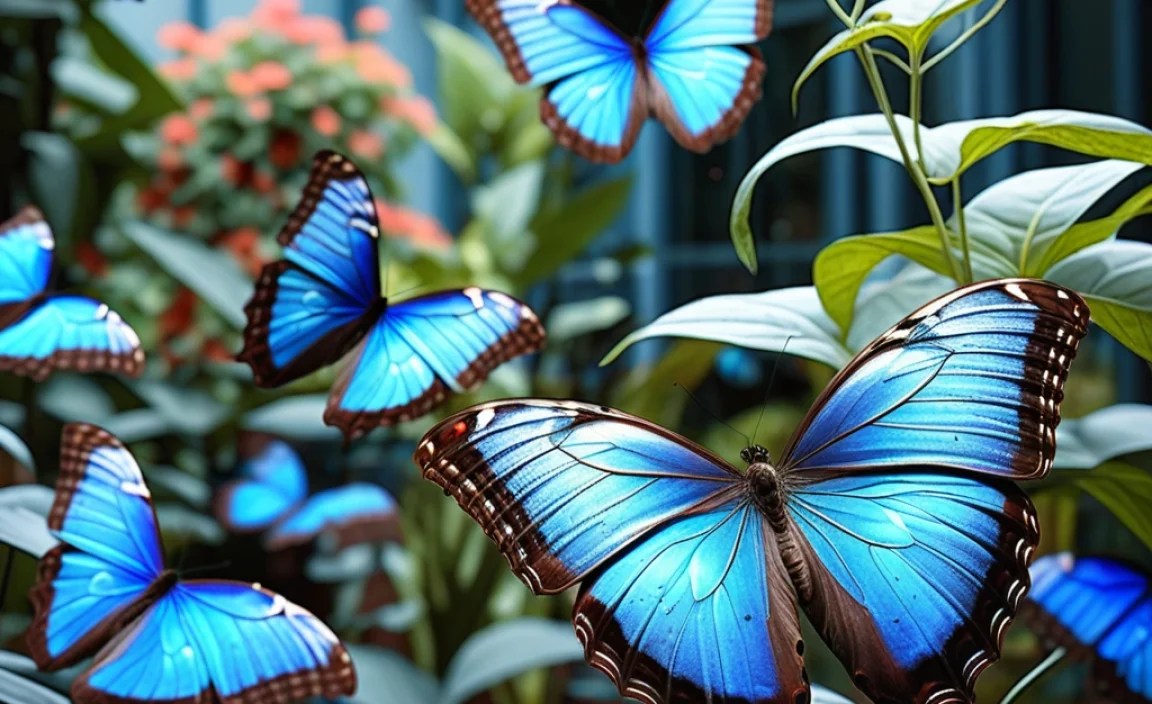
Creating a garden for Blue Morpho butterflies is exciting! These butterflies are native to Central and South America. To attract them, you need to mimic their natural habitat. This means warm temperatures and high humidity. You also need the right plants. These plants will feed both the caterpillars and adult butterflies. A good Blue Morpho butterfly garden design considers all these factors. It also needs to be safe. Avoid using pesticides. These chemicals can harm the butterflies. Instead, focus on natural ways to keep your garden healthy. This will help the Blue Morpho butterflies thrive. Remember, patience is key. It may take time for the butterflies to find your garden. But, with the right setup, you can enjoy their beauty for years to come. So, let’s get started on making a perfect butterfly haven!
- Research the specific needs of Blue Morpho butterflies.
- Choose a sunny spot for your garden.
- Provide shelter from wind and rain.
- Plant both host and nectar plants.
- Water your garden regularly.
- Avoid using pesticides or herbicides.
A key part of Blue Morpho butterfly garden design is choosing the right plants. Host plants are where the butterflies lay their eggs. The caterpillars will eat these plants. Nectar plants provide food for the adult butterflies. Some good host plants include passion vines and pea plants. Good nectar plants include lantana and hibiscus. You also need to think about the climate. Blue Morphos like warm, humid weather. If you live in a cooler area, you may need a greenhouse. This will help create the right environment. Remember to provide water. A shallow dish with pebbles works well. The butterflies can land on the pebbles to drink. By following these tips, you can create a beautiful garden for Blue Morpho butterflies.
Fun Fact or Stat: Blue Morpho butterflies are among the largest butterflies in the world, with wingspans reaching up to 8 inches!
Choosing the Right Location
Where should you put your butterfly garden? Location is very important. Blue Morphos need sunlight. They also need shelter from wind. Pick a spot that gets at least six hours of sunlight a day. Make sure it’s protected from strong winds. Wind can damage the plants. It can also make it hard for butterflies to fly. A south-facing location is often best. This will give your garden the most sunlight. Also, think about water. You need easy access to water for irrigation. Consider the soil type. Blue Morphos like well-drained soil. If your soil is heavy clay, you may need to amend it. Add compost or other organic matter. This will improve drainage. The right location sets the stage for a thriving garden.
Creating a Warm Environment
Blue Morphos thrive in warm, humid environments. How do you create this in your garden? If you live in a colder climate, it can be a challenge. You can use a greenhouse or a butterfly house. These structures trap heat and humidity. You can also use shade cloth. This will help protect plants from too much sun. Water is also important. Mist your plants regularly to increase humidity. Use a humidifier if you have a greenhouse. Group plants together. This helps create a microclimate. The plants will help each other retain moisture. Consider using a pond or water feature. This will add humidity to the air. With these tips, you can create a warm, humid haven for Blue Morphos.
Protecting from the Elements
Gardens can face harsh weather. How can you protect your Blue Morpho garden? Windbreaks are a good idea. Plant trees or shrubs to block the wind. Fences also work well. Hail can damage plants. Use netting to protect them. Shade cloth can protect from strong sun. Consider the slope of your garden. Proper drainage is important. This prevents water from pooling. Pooling water can damage plants. It can also attract pests. Use mulch to protect the soil. Mulch helps retain moisture. It also suppresses weeds. By taking these steps, you can protect your garden from the elements. This will help your Blue Morphos thrive.
Selecting Host Plants for Caterpillars
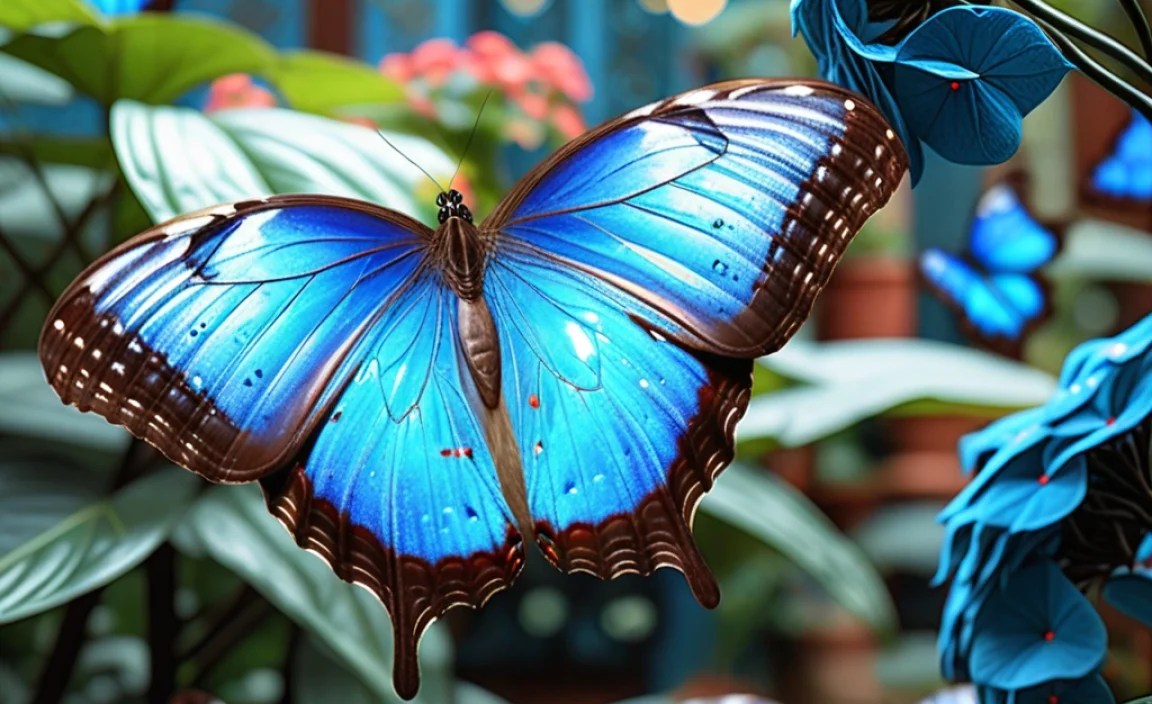
What do Blue Morpho caterpillars eat? Knowing this is crucial for your Blue Morpho butterfly garden design. Caterpillars need specific host plants. These plants provide the food they need to grow. Blue Morpho caterpillars love plants in the pea family. They also enjoy passion vines. These plants are essential for a successful garden. Make sure to plant enough host plants. Caterpillars can eat a lot! Choose plants that are healthy and strong. This will give the caterpillars the best chance of survival. Also, avoid using pesticides on these plants. Pesticides can kill the caterpillars. Instead, use natural methods to control pests. This will keep your garden safe for Blue Morphos. Remember, happy caterpillars mean more butterflies!
- Passion vines are a favorite host plant.
- Pea plants provide essential nutrients.
- Plant plenty of host plants.
- Avoid pesticides on host plants.
- Monitor plants for caterpillar activity.
- Provide support for climbing vines.
Finding the right host plants can be fun! You can visit your local nursery. Ask for plants that attract Blue Morpho butterflies. You can also grow plants from seeds. This is a great way to save money. Plant the seeds in a sunny spot. Water them regularly. Once the plants are big enough, transplant them to your garden. Remember to choose a variety of host plants. This will ensure that the caterpillars have plenty to eat. Also, think about the size of the plants. Some plants can grow very large. Make sure you have enough space in your garden. With a little planning, you can create a caterpillar buffet!
Fun Fact or Stat: A single Blue Morpho caterpillar can consume several leaves a day as it prepares to pupate!
Passion Vines: A Top Choice
Why are passion vines so popular with Blue Morphos? These vines are a top choice for host plants. Blue Morpho caterpillars love to eat their leaves. Passion vines are also beautiful. They have colorful flowers. These flowers attract other pollinators. They grow quickly and provide lots of food. There are many different types of passion vines. Some are better suited for certain climates. Do some research to find the best one for your area. Passion vines need support. Provide a trellis or fence for them to climb. They also need regular watering. Make sure the soil is well-drained. With proper care, passion vines will thrive. They will provide a feast for your Blue Morpho caterpillars.
Pea Plants: Another Great Option
Pea plants are another excellent choice. They are easy to grow. Blue Morpho caterpillars enjoy munching on pea plant leaves. They also provide nitrogen to the soil. This helps other plants grow. Pea plants come in many varieties. Some are bush types. Others are climbing types. Choose the type that works best for your garden. Pea plants need support. Provide a trellis or stakes for them to climb. They also need regular watering. Make sure the soil is well-drained. Harvest the peas when they are ripe. You can eat them yourself. Or, leave them for the butterflies. Pea plants are a great addition to any Blue Morpho garden.
Providing a Variety of Host Plants
Why is variety important in your garden? Offering a variety of host plants is key. This ensures that caterpillars have plenty to eat. It also makes your garden more interesting. Different host plants attract different butterflies. This can add to the beauty of your garden. Consider planting other host plants. Milkweed is great for Monarch butterflies. Dill and parsley attract Swallowtail butterflies. Plant these alongside your Blue Morpho host plants. Make sure the plants are healthy. Healthy plants attract more butterflies. Provide water and fertilizer. Protect the plants from pests. A diverse garden is a happy garden. It’s also a great place for butterflies.
Providing Nectar for Adult Butterflies

Adult Blue Morpho butterflies need nectar. Nectar is a sweet liquid. It gives them energy. Without nectar, they can’t fly or reproduce. A good Blue Morpho butterfly garden design includes nectar plants. Choose plants with bright, colorful flowers. These flowers attract butterflies. Good nectar plants include lantana, hibiscus, and pentas. Plant a variety of nectar plants. This will provide food throughout the season. Make sure to plant them in a sunny spot. Butterflies need sunlight to warm their bodies. Also, provide a water source. A shallow dish with pebbles works well. The butterflies can land on the pebbles to drink. By providing nectar and water, you can keep your Blue Morpho butterflies happy and healthy.
- Plant nectar-rich flowers.
- Choose a variety of colors and shapes.
- Provide a shallow dish of water.
- Offer overripe fruit as a treat.
- Avoid using pesticides on nectar plants.
- Ensure continuous blooms throughout the season.
Besides flowers, Blue Morphos also like overripe fruit. You can put out a dish of fruit. Bananas, mangoes, and papayas are good choices. The butterflies will sip the juice from the fruit. This gives them extra energy. Make sure to replace the fruit regularly. It can attract other insects. You can also make a sugar water solution. Mix sugar and water. Put it in a shallow dish. Add some yellow food coloring. This will attract the butterflies. Place the dish near the nectar plants. This will make it easy for the butterflies to find. Remember to clean the dish regularly. This will prevent mold from growing.
Fun Fact or Stat: Blue Morpho butterflies use their proboscis, a long, straw-like tongue, to sip nectar from flowers and juices from fruit!
Lantana: A Butterfly Magnet
Why is lantana so popular with butterflies? Lantana is a butterfly magnet. It has clusters of colorful flowers. These flowers produce lots of nectar. Butterflies love the sweet taste. Lantana is also easy to grow. It tolerates heat and drought. It comes in many colors. Choose a variety of colors to attract more butterflies. Lantana needs full sun. It also needs well-drained soil. Prune it regularly to keep it blooming. Be careful, lantana can be invasive. It can spread quickly. Keep it contained in your garden. Lantana is a great addition to any Blue Morpho garden. It will attract butterflies all season long.
Hibiscus: A Tropical Treat
Hibiscus flowers are a tropical treat. Butterflies love their large, colorful blooms. Hibiscus flowers produce lots of nectar. Blue Morphos are especially fond of them. Hibiscus plants need warm weather. They also need plenty of sunlight. Water them regularly. Fertilize them during the growing season. There are many different types of hibiscus. Choose one that is suited for your climate. Some hibiscus are hardy. They can survive cold winters. Others are tropical. They need to be brought indoors during the winter. Hibiscus flowers are a beautiful addition to any garden. They will attract butterflies and hummingbirds.
Offering Overripe Fruit
Why do butterflies like overripe fruit? Overripe fruit is a sweet treat for butterflies. It provides them with extra energy. The fruit is soft and easy to sip. Bananas, mangoes, and papayas are good choices. Cut the fruit into small pieces. Place it on a shallow dish. Put the dish in a sunny spot. Near the nectar plants. Replace the fruit regularly. It can attract other insects. You can also ferment the fruit. This makes it even more attractive to butterflies. Be careful, fermented fruit can attract wasps. Keep an eye on the dish. Remove it if it attracts too many wasps. Overripe fruit is a great way to supplement the butterflies’ diet.
Creating a Humid Environment
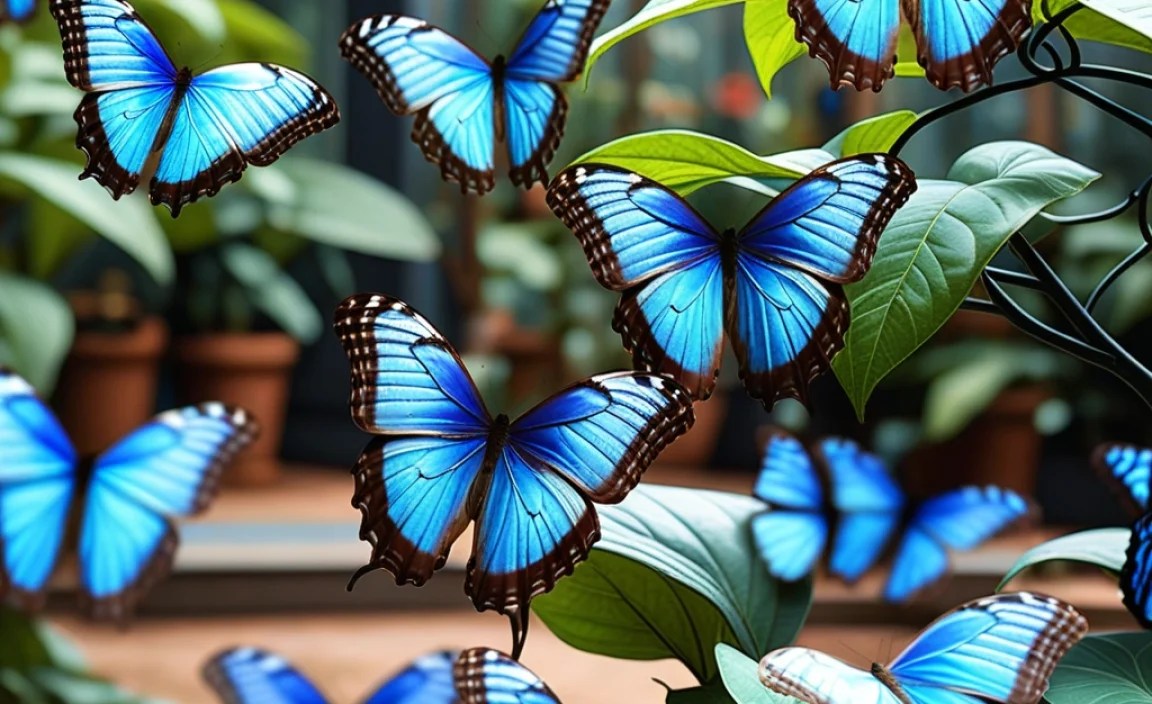
Blue Morpho butterflies love humidity. They come from rainforests. Rainforests are very humid. How can you create a humid environment in your garden? This is an important part of your Blue Morpho butterfly garden design. One way is to use a mister. A mister sprays a fine mist of water. This increases the humidity in the air. You can also use a pond or water feature. The water evaporates and adds moisture to the air. Grouping plants together helps too. Plants release moisture into the air. This creates a microclimate. Mulching also helps. Mulch retains moisture in the soil. This keeps the air more humid. By following these tips, you can create a humid haven for your Blue Morpho butterflies.
- Use a misting system.
- Create a water feature.
- Group plants together.
- Apply mulch to retain moisture.
- Use a greenhouse or butterfly house.
- Water plants regularly.
If you live in a dry climate, creating humidity can be tricky. You may need to use a greenhouse or butterfly house. These structures trap humidity. You can also use a humidifier. This will add moisture to the air. Monitor the humidity levels. Use a hygrometer. This will tell you how humid it is. Aim for a humidity level of 60-80%. This is ideal for Blue Morpho butterflies. Remember to provide good ventilation. Too much humidity can cause mold and mildew. Open the windows or vents to allow air to circulate. By carefully managing humidity, you can create a thriving environment for your butterflies.
Fun Fact or Stat: Blue Morpho butterflies require a humidity level of 60-80% to thrive, mimicking their native rainforest environment!
Using Misters and Sprinklers
Misters and sprinklers can help increase humidity. How do they work? Misters spray a fine mist of water. This water evaporates and increases humidity. Sprinklers spray larger droplets of water. These are good for watering plants. But, they don’t increase humidity as much as misters. Place misters near the plants. This will create a humid microclimate. Use a timer to control the misters. You don’t want to overwater the plants. Run the misters for a few minutes several times a day. Adjust the frequency based on the weather. Sprinklers can be used to water the garden. Water in the morning. This gives the plants time to dry before nightfall. Avoid watering the leaves. This can promote fungal growth. Misters and sprinklers are great tools for creating a humid garden.
Creating Water Features
Water features are a beautiful way to add humidity. They also attract butterflies. A pond is a great option. It adds beauty to your garden. The water evaporates and increases humidity. A fountain is another good choice. The moving water creates a soothing sound. It also attracts butterflies. A birdbath is a simple water feature. Butterflies can land on the edge to drink. Make sure the water is shallow. Butterflies can drown in deep water. Clean the water features regularly. This prevents algae from growing. Add rocks and plants to the water features. This provides shelter for wildlife. Water features are a wonderful addition to any Blue Morpho garden.
Grouping Plants for Humidity
Grouping plants together helps create humidity. How does this work? Plants release moisture through their leaves. This process is called transpiration. When plants are grouped together, they create a microclimate. The humidity is higher in this area. Choose plants that like humidity. Ferns, mosses, and orchids are good choices. Place the plants close together. But, make sure they have enough room to grow. Water the plants regularly. The water will evaporate and increase humidity. Mulch the soil around the plants. This will help retain moisture. Grouping plants is a simple way to increase humidity in your garden. It also creates a beautiful and lush environment.
Protecting Butterflies from Predators
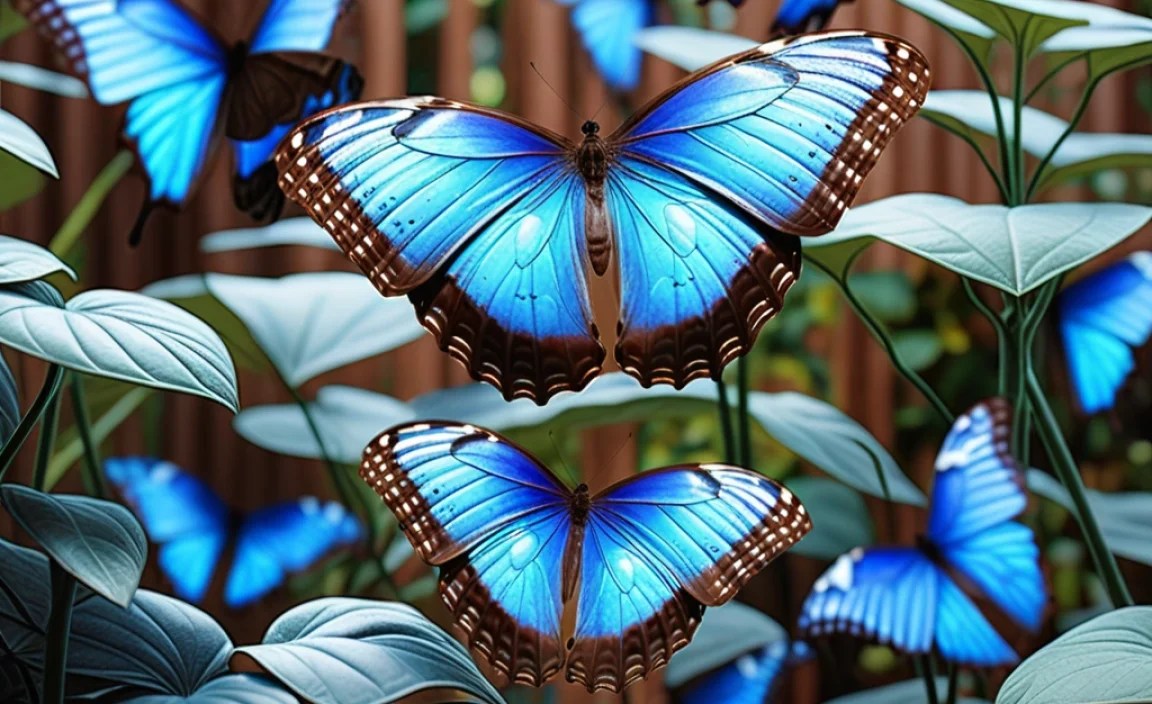
Butterflies face many dangers. Birds, lizards, and insects can eat them. Protecting butterflies is important. This is part of a good Blue Morpho butterfly garden design. One way to protect them is to use netting. Netting covers the plants. It keeps predators away. You can also plant bushes. Bushes provide shelter. Butterflies can hide from predators. Provide a water source. Predators often hunt near water. By providing water, you can draw predators away from the plants. Use natural pest control methods. Avoid using pesticides. Pesticides can harm butterflies. Encourage beneficial insects. Ladybugs and lacewings eat pests. By protecting butterflies, you can help them thrive in your garden.
| Protection Method | Pros | Cons | Effectiveness |
|---|---|---|---|
| Netting | Effective, safe for butterflies | Can be unsightly, requires maintenance | High |
| Shelter Plants | Natural, provides habitat | Less effective than netting | Medium |
| Water Source (away from plants) | Diverts predators | May attract other pests | Low |
| Natural Pest Control | Safe, eco-friendly | Can be slow, requires monitoring | Medium |
- Use netting to protect plants.
- Plant bushes for shelter.
- Provide a water source away from plants.
- Use natural pest control methods.
- Encourage beneficial insects.
- Remove hiding places for predators.
Creating a safe environment takes effort. Monitor your garden regularly. Look for signs of predators. Remove any hiding places. Trim bushes and weeds. This will make it harder for predators to hide. You can also use scarecrows. Scarecrows can scare away birds. Wind chimes can also deter predators. Experiment with different methods. Find what works best for your garden. Remember, a safe garden is a happy garden. By protecting your butterflies, you can enjoy their beauty for years to come.
Fun Fact or Stat: Only about 2-5% of butterfly eggs survive to become adult butterflies due to predators and environmental factors!
Using Netting Effectively
Netting is a great way to protect butterflies. How do you use it effectively? Choose a fine mesh netting. This will keep out even small predators. Cover the plants completely. Make sure there are no gaps. Secure the netting to the ground. This will prevent predators from crawling underneath. Check the netting regularly. Look for tears or holes. Repair them immediately. Remove the netting when the butterflies are ready to emerge. This will allow them to fly free. Netting can be unsightly. Choose a color that blends in with your garden. You can also use netting to create a butterfly house. This will provide a safe haven for your butterflies.
Planting Shelter Bushes
Shelter bushes provide a safe haven for butterflies. What kind of bushes should you plant? Choose bushes with dense foliage. This will provide plenty of hiding places. Plant the bushes near the host plants. This will give the caterpillars easy access to food. Choose bushes that are native to your area. Native plants are better suited to your climate. They also attract beneficial insects. Avoid using pesticides on the bushes. This will keep them safe for butterflies. Prune the bushes regularly. This will keep them healthy and dense. Shelter bushes are a great addition to any Blue Morpho garden. They provide a safe place for butterflies to rest and hide.
Encouraging Beneficial Insects
Beneficial insects can help protect your butterflies. How do you encourage them? Plant flowers that attract beneficial insects. Yarrow, dill, and fennel are good choices. Provide a water source. Beneficial insects need water to survive. Avoid using pesticides. Pesticides can kill beneficial insects. Leave some leaf litter in your garden. This provides habitat for beneficial insects. Build a bug hotel. This provides shelter for beneficial insects. Learn to identify beneficial insects. This will help you protect them. Beneficial insects are a valuable part of any garden ecosystem. They help control pests and protect your butterflies.
Maintaining a Healthy Butterfly Garden
A healthy garden is key for Blue Morpho butterflies. Regular maintenance is important. This is a crucial part of Blue Morpho butterfly garden design. Water the plants regularly. Butterflies need water to survive. Fertilize the plants. This will keep them healthy. Remove weeds. Weeds compete with plants for resources. Monitor for pests. Use natural pest control methods. Prune the plants. This will encourage new growth. Clean up dead leaves and debris. This prevents disease. Add compost to the soil. This improves soil health. By maintaining a healthy garden, you can create a thriving environment for your butterflies.
- Water plants regularly.
- Fertilize plants as needed.
- Remove weeds promptly.
- Monitor for pests and diseases.
- Prune plants to encourage growth.
- Clean up dead leaves and debris.
Keeping your garden healthy takes time and effort. But, it’s worth it. A healthy garden is a beautiful garden. It’s also a haven for butterflies. Be patient. It takes time for a garden to mature. Don’t get discouraged if you don’t see butterflies right away. Keep maintaining your garden. They will eventually come. Share your garden with others. Teach them about butterflies. Encourage them to create their own butterfly gardens. Together, we can help protect these amazing creatures.
Fun Fact or Stat: Regularly adding compost to your butterfly garden can increase the number of butterflies by up to 50%!
Watering and Fertilizing
Watering and fertilizing are essential for healthy plants. How often should you water? It depends on the weather. Water deeply but less frequently. This encourages deep root growth. Avoid overwatering. This can lead to root rot. Fertilize during the growing season. Use a balanced fertilizer. Follow the instructions on the label. Avoid over-fertilizing. This can burn the plants. Use organic fertilizers if possible. Compost tea and fish emulsion are good choices. Water and fertilize in the morning. This gives the plants time to dry before nightfall. Healthy plants are more resistant to pests and diseases.
Controlling Pests Naturally
Pests can damage your plants. How do you control them naturally? Encourage beneficial insects. Ladybugs and lacewings eat pests. Use insecticidal soap. This is a safe and effective way to kill pests. Spray the plants thoroughly. Neem oil is another natural pesticide. It can control a wide range of pests. Handpick pests off the plants. This is a good way to control small infestations. Use traps to catch pests. Yellow sticky traps are effective for flying insects. Remove infested leaves and stems. This will prevent the pests from spreading. Healthy plants are more resistant to pests. Water and fertilize them regularly.
Pruning and Deadheading
Pruning and deadheading keep your plants healthy and blooming. What is pruning? Pruning is the removal of dead or damaged branches. This encourages new growth. Deadheading is the removal of spent flowers. This encourages more blooms. Prune in the spring. Before new growth begins. Use sharp, clean pruning shears. Cut at a 45-degree angle. Deadhead flowers regularly. Pinch off the spent blooms. This will keep your plants looking tidy. It will also encourage more flowers. Pruning and deadheading are essential for a healthy and beautiful garden.
Summary
Creating a Blue Morpho butterfly garden design involves several key steps. First, understanding the butterfly’s needs is crucial. They require a warm, humid environment. They also need specific host and nectar plants. Host plants like passion vines and pea plants feed the caterpillars. Nectar plants like lantana and hibiscus provide food for the adults. Protecting the butterflies from predators is also important. Netting and shelter bushes can help. Maintaining a healthy garden is essential. Regular watering, fertilizing, and pest control are necessary. By following these steps, you can create a beautiful and thriving garden for Blue Morpho butterflies.
Conclusion
Building a Blue Morpho butterfly garden is a rewarding experience. You bring beauty to your yard. You also help these amazing creatures. Remember to provide the right plants. Create a warm, humid environment. Protect them from predators. With a little effort, you can enjoy the beauty of Blue Morpho butterflies in your own backyard. So get started today and create your dream butterfly garden!
Frequently Asked Questions
Question No 1: What plants do Blue Morpho caterpillars eat?
Answer: Blue Morpho caterpillars primarily feed on plants from the pea family and passion vines. These plants provide the necessary nutrients for the caterpillars to grow and develop into beautiful butterflies. Be sure to plant plenty of these host plants in your Blue Morpho butterfly garden design to support the caterpillar stage of their life cycle. Providing a consistent food source is crucial for their survival and eventual transformation into adult butterflies.
Question No 2: How can I create a humid environment for Blue Morpho butterflies?
Answer: Blue Morpho butterflies thrive in humid environments. You can create this by using misters, sprinklers, or water features. Grouping plants together also helps retain moisture. If you live in a dry climate, consider using a greenhouse or butterfly house to trap humidity. Monitor humidity levels using a hygrometer and aim for 60-80%. Remember to provide good ventilation to prevent mold and mildew. These steps are vital in a Blue Morpho butterfly garden design.
Question No 3: What kind of flowers attract adult Blue Morpho butterflies?
Answer: Adult Blue Morpho butterflies are attracted to nectar-rich flowers with bright colors. Lantana, hibiscus, and pentas are excellent choices. These flowers provide the sweet nectar that butterflies need for energy. Plant a variety of these flowers in your garden to ensure a continuous food source throughout the season. You can also offer overripe fruit as a treat. This should be considered in your Blue Morpho butterfly garden design.
Question No 4: How do I protect Blue Morpho butterflies from predators?
Answer: Protecting Blue Morpho butterflies from predators is essential for their survival. Use netting to cover plants and keep predators away. Plant bushes to provide shelter and hiding places. Provide a water source away from the plants to draw predators away. Encourage beneficial insects like ladybugs and lacewings, which eat pests that might harm the butterflies. Avoid using pesticides, as they can harm both butterflies and beneficial insects. These are important elements of a Blue Morpho butterfly garden design.
Question No 5: What should I do if I don’t live in a tropical climate?
Answer: If you don’t live in a tropical climate, you can still create a suitable environment for Blue Morpho butterflies. Use a greenhouse or butterfly house to provide warmth and humidity. Choose host and nectar plants that can tolerate cooler temperatures. You may need to bring tropical plants indoors during the winter. With some adjustments, you can adapt your Blue Morpho butterfly garden design to your local climate.
Question No 6: How often should I water my butterfly garden?
Answer: The frequency of watering depends on the weather and soil conditions. Water deeply but less frequently to encourage deep root growth. Avoid overwatering, which can lead to root rot. Check the soil moisture regularly. If the top inch of soil is dry, it’s time to water. Water in the morning to give the plants time to dry before nightfall. Consider the specific needs of your plants when planning your watering schedule in your Blue Morpho butterfly garden design.


