
Postman Butterfly Identification: Your Easy Guide

Quick Summary: Identifying a Postman butterfly involves looking for its distinctive long, narrow wings, typically bright red or orange with black stripes and white spots. These butterflies, part of the Heliconius family, exhibit Müllerian mimicry, sharing similar patterns with other toxic butterfly species for protection. Key identifiers include their slow, fluttering flight and preference for passionflower vines, where they lay their eggs. Observing these features in their natural habitat will help you accurately identify a Postman butterfly.
Have you ever been captivated by a butterfly flitting through your garden, its vibrant colors catching your eye? It’s a magical experience! But sometimes, identifying these beautiful creatures can feel like a daunting task. The Postman butterfly, with its striking patterns, is a common sight in many gardens and natural habitats. But how do you know for sure that’s what you’re seeing? Don’t worry! This guide breaks down the key features and behaviors that make the Postman butterfly unique, so you can confidently identify it every time. Let’s explore the fascinating world of the Postman butterfly together!
What is the Postman Butterfly?
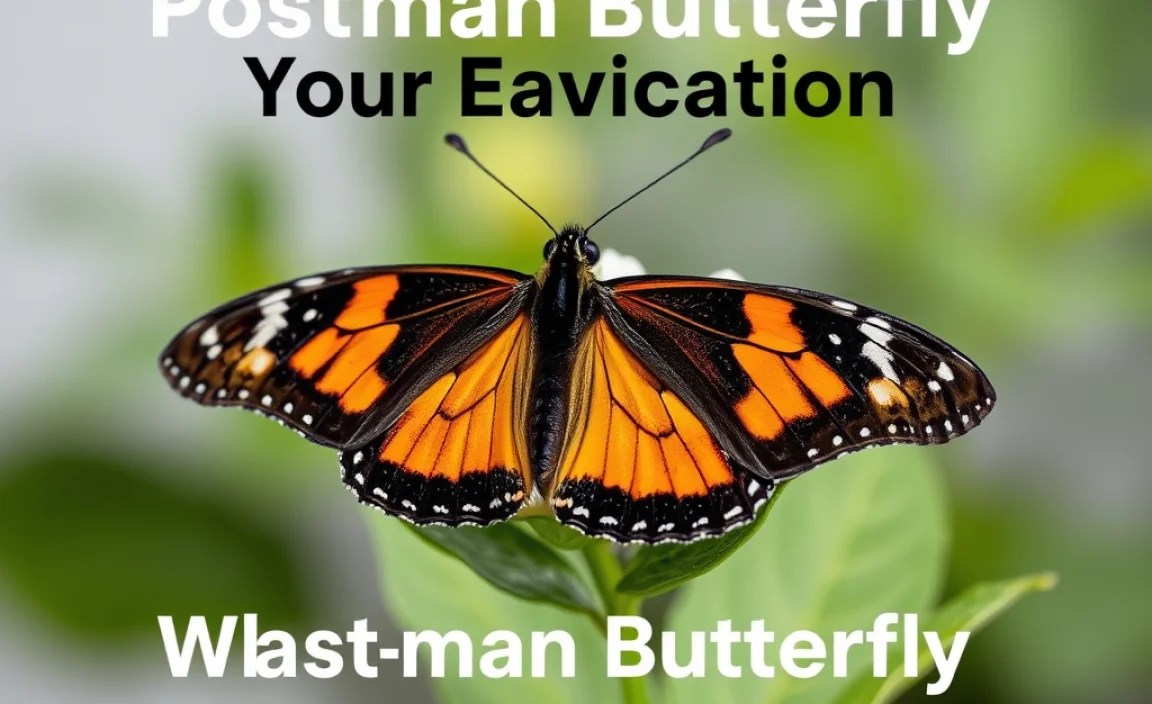
The Postman butterfly (Heliconius melpomene) is a fascinating member of the Heliconius family, known for its vibrant colors and intriguing behavior. These butterflies are primarily found in Central and South America, where they flutter through tropical forests, gardens, and open fields. Their striking appearance and unique adaptations make them a favorite among butterfly enthusiasts and scientists alike.
Key Characteristics of the Postman Butterfly
To accurately identify a Postman butterfly, it’s essential to understand its key characteristics. These include its physical appearance, behavior, and habitat. Here’s what to look for:
- Appearance: Postman butterflies typically have long, narrow wings with a distinctive pattern of bright red or orange stripes on a black background. They also have white spots on their forewings.
- Size: Their wingspan usually ranges from 5.5 to 8 centimeters (2.2 to 3.1 inches).
- Behavior: These butterflies are known for their slow, fluttering flight and their tendency to roost in groups at night.
- Habitat: Postman butterflies are commonly found in tropical and subtropical regions, especially near passionflower vines, which serve as their primary food source during their larval stage.
Step-by-Step Guide to Postman Butterfly Identification
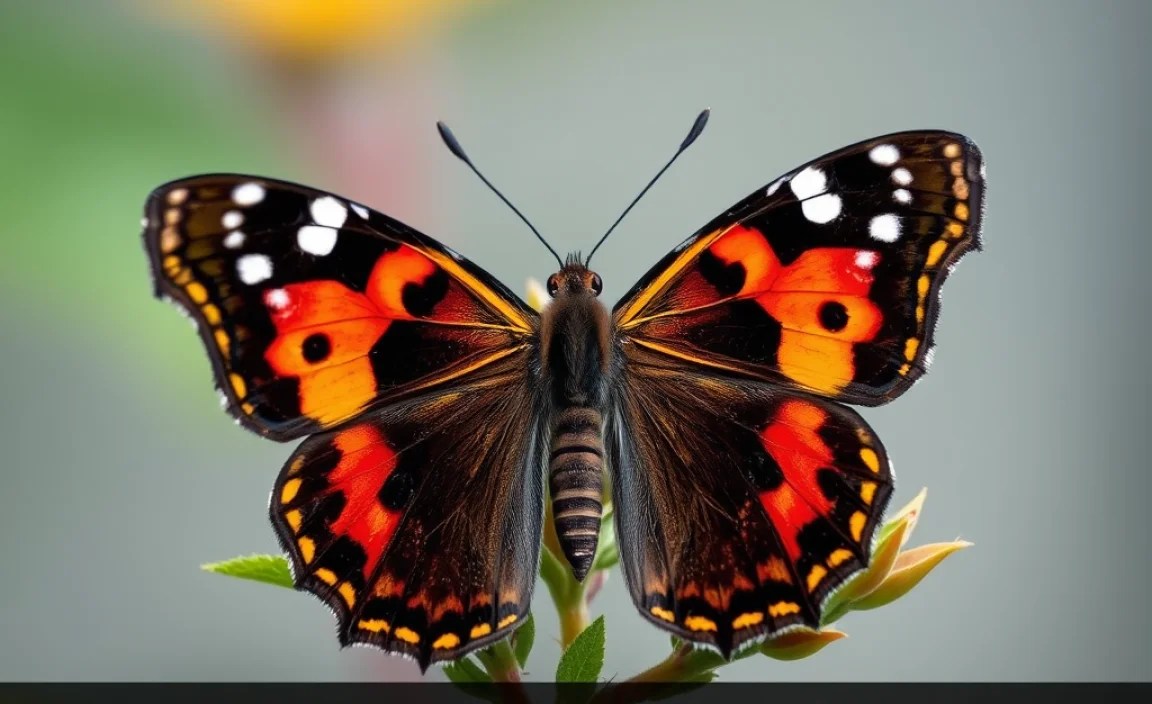
Identifying a Postman butterfly is easier than you might think! Follow these steps to confidently recognize this beautiful insect.
Step 1: Observe the Wing Shape and Size
Start by noting the shape and size of the butterfly’s wings. Postman butterflies have elongated, narrow wings, which distinguish them from many other butterfly species. Their wingspan typically falls between 5.5 and 8 centimeters.
Step 2: Examine the Color and Pattern
The color and pattern of the wings are crucial for identification. Look for these key features:
- Primary Colors: The wings are predominantly black with bold red or orange stripes.
- Stripe Placement: The stripes usually run lengthwise along the wings, creating a striking contrast.
- White Spots: Check for small white spots, typically located on the forewings.
These distinct markings are a hallmark of the Postman butterfly and help differentiate it from other species with similar coloration.
Step 3: Note the Butterfly’s Behavior
Pay attention to how the butterfly behaves. Postman butterflies have a unique set of behaviors that can aid in identification:
- Flight Pattern: They are known for their slow, fluttering flight, which is quite distinctive compared to the rapid, erratic movements of other butterflies.
- Roosting Behavior: Postman butterflies often roost in groups at night, a behavior known as communal roosting. This can be observed in sheltered areas like trees and shrubs.
- Feeding Habits: They frequently visit flowers for nectar and can be seen near passionflower vines, which are their primary larval food source.
Step 4: Identify the Habitat
The habitat in which you spot the butterfly can provide additional clues. Postman butterflies are commonly found in:
- Tropical and Subtropical Regions: They thrive in warm climates, particularly in Central and South America.
- Forests and Gardens: Look for them in forested areas, gardens, and open fields.
- Passionflower Vines: Their presence is often associated with passionflower vines, as these plants are essential for their lifecycle.
Step 5: Compare with Similar Species
It’s important to be aware of similar species to avoid misidentification. Postman butterflies are part of a mimicry complex, which means they share similar patterns with other butterflies to gain protection from predators.
- Müllerian Mimicry: Postman butterflies participate in Müllerian mimicry, where multiple unpalatable species resemble each other, reinforcing the warning signal to predators.
- Similar Species: Butterflies like the Zebra Longwing (Heliconius charithonia) and other Heliconius species may have similar patterns. Pay close attention to the specific details of the wing patterns and colors to differentiate them.
Distinguishing Features: Postman Butterfly vs. Similar Species

The Postman butterfly belongs to the Heliconius family, which includes several species with similar appearances. Understanding the subtle differences can help you accurately identify the Postman butterfly.
Table: Key Differences Between Postman Butterfly and Similar Species
| Feature | Postman Butterfly (Heliconius melpomene) | Zebra Longwing (Heliconius charithonia) | Heliconius erato |
|---|---|---|---|
| Wing Pattern | Red or orange stripes on black background with white spots | Long, narrow black and yellow stripes | Variable, but often red bands on black background |
| Wing Shape | Elongated and narrow | Very elongated and narrow | Elongated and narrow |
| Common Habitat | Tropical forests, gardens, near passionflower vines | Open woodlands, gardens, and disturbed areas | Tropical forests and edges |
| Flight Pattern | Slow, fluttering | Graceful, gliding | Similar to Postman, but can be more erratic |
By comparing these features, you can more accurately distinguish the Postman butterfly from its close relatives.
The Role of Mimicry in Postman Butterfly Identification

Mimicry plays a significant role in the survival and identification of Postman butterflies. They participate in Müllerian mimicry, where they share similar warning patterns with other unpalatable species. This shared appearance reinforces the message to predators that they are not a good meal.
Understanding Müllerian Mimicry
Müllerian mimicry is a form of mutual mimicry where multiple species, all of which are unpalatable or toxic, evolve to resemble one another. This shared appearance provides a survival advantage because predators learn to avoid the common pattern more quickly, reducing the risk to each species.
- Shared Warning Signals: Postman butterflies share their red and black patterns with other Heliconius butterflies, creating a unified warning signal.
- Increased Protection: The more species that share the pattern, the stronger the warning signal becomes, offering increased protection to all participants.
- Geographic Variation: The specific patterns can vary geographically, with different regions having different sets of mimetic species.
Examples of Mimicry in Postman Butterflies
Several Heliconius species mimic each other, creating a complex web of visual similarities. Here are a few examples:
- Heliconius erato: This species shares a similar red and black pattern with Heliconius melpomene, making them difficult to distinguish in certain regions.
- Heliconius cydno: In some areas, H. cydno also mimics the patterns of H. melpomene, adding to the complexity of identification.
Understanding these mimicry relationships can help you appreciate the evolutionary strategies of these butterflies and improve your identification skills.
Attracting Postman Butterflies to Your Garden

If you’re eager to see more Postman butterflies in your garden, there are several steps you can take to create a welcoming habitat. These butterflies are attracted to specific plants and conditions, so tailoring your garden to their needs can be very effective.
Planting Host and Nectar Plants
The most important step in attracting Postman butterflies is to plant their host and nectar plants. Host plants are those on which the butterflies lay their eggs, and the caterpillars feed. Nectar plants provide essential food for adult butterflies.
- Passionflower Vines (Passiflora spp.): These are the primary host plants for Postman butterflies. The caterpillars feed exclusively on passionflower leaves.
- Nectar-Rich Flowers: Plant a variety of nectar-rich flowers that bloom throughout the butterfly season. Some excellent choices include:
- Lantana
- Pentas
- Salvia
- Zinnia
Creating a Butterfly-Friendly Environment
In addition to providing the right plants, you can create a butterfly-friendly environment by following these tips:
- Provide Sunlight: Butterflies need sunlight to warm their bodies and be active. Ensure your garden has plenty of sunny spots.
- Offer Shelter: Plant shrubs and trees to provide shelter from wind and rain.
- Supply Water: Butterflies need water to stay hydrated. A shallow dish of water with pebbles for them to land on can be very helpful.
- Avoid Pesticides: Pesticides can harm or kill butterflies and other beneficial insects. Use organic gardening practices to protect them.
Table: Recommended Plants for Attracting Postman Butterflies
| Plant Type | Plant Name | Benefits |
|---|---|---|
| Host Plant | Passiflora spp. (Passionflower Vines) | Provides food for caterpillars |
| Nectar Plant | Lantana | Rich source of nectar for adult butterflies |
| Nectar Plant | Pentas | Attracts butterflies with its vibrant colors |
| Nectar Plant | Salvia | Long-blooming and provides ample nectar |
| Nectar Plant | Zinnia | Easy to grow and attracts a variety of butterflies |
By creating a butterfly-friendly garden, you can enjoy the beauty of Postman butterflies up close and contribute to their conservation.
Conservation Status and Efforts
While Postman butterflies are not currently listed as endangered, it’s essential to understand their conservation status and the efforts to protect them and their habitats. Like all wildlife, they face threats from habitat loss, pesticide use, and climate change.
Current Conservation Status
Postman butterflies are relatively common in their native range, but their populations can be affected by local environmental changes. Monitoring their populations and habitats is crucial for ensuring their long-term survival.
Threats to Postman Butterflies
Several factors can threaten Postman butterfly populations:
- Habitat Loss: Deforestation and urbanization can reduce the availability of suitable habitats and host plants.
- Pesticide Use: Pesticides can directly harm butterflies and their caterpillars, as well as reduce the availability of nectar sources.
- Climate Change: Changes in temperature and rainfall patterns can disrupt butterfly life cycles and alter the distribution of their host plants.
Conservation Efforts
Various conservation efforts are underway to protect butterflies and their habitats. These include:
- Habitat Preservation: Protecting and restoring natural habitats is essential for butterfly conservation. This can involve creating protected areas, managing forests sustainably, and promoting habitat corridors.
- Sustainable Gardening Practices: Encouraging the use of native plants and avoiding pesticides in gardens and agricultural areas can help support butterfly populations.
- Citizen Science: Participating in citizen science projects, such as butterfly monitoring programs, can provide valuable data on butterfly populations and their distribution.
- Education and Awareness: Raising awareness about the importance of butterflies and their conservation needs can inspire people to take action.
You can contribute to butterfly conservation by supporting these efforts and making informed choices in your own garden and community.
Frequently Asked Questions (FAQ)
What is the lifespan of a Postman butterfly?
The lifespan of a Postman butterfly is relatively long compared to other butterfly species, typically ranging from several weeks to several months. This extended lifespan is due to their ability to feed on pollen as adults, which provides them with additional nutrients.
Are Postman butterflies poisonous?
Postman butterflies are not poisonous in the sense that they don’t inject venom. However, they are unpalatable to predators because their caterpillars feed on passionflower vines, which contain toxins. This makes the butterflies taste bad, deterring predators.
How can I tell the difference between male and female Postman butterflies?
Distinguishing between male and female Postman butterflies can be challenging, as they are quite similar in appearance. However, males may have slightly brighter colors and more defined markings than females. Close examination of their wing patterns and behavior can sometimes provide clues, but it is not always definitive.
Do Postman butterflies migrate?
Postman butterflies do not typically migrate long distances like some other butterfly species, such as the Monarch. Instead, they tend to stay within their local habitats, moving short distances to find food and suitable roosting sites.
What do Postman butterfly caterpillars eat?
Postman butterfly caterpillars exclusively feed on the leaves of passionflower vines (Passiflora spp.). These vines are their primary host plants, providing all the nutrients the caterpillars need to grow and develop.
Are Postman butterflies endangered?
Postman butterflies are not currently listed as endangered. However, like many butterfly species, they face threats from habitat loss, pesticide use, and climate change. Conservation efforts are essential to ensure their long-term survival.
How can I participate in Postman butterfly conservation?
You can participate in Postman butterfly conservation by planting passionflower vines and nectar-rich flowers in your garden, avoiding pesticide use, supporting habitat preservation efforts, and participating in citizen science projects like butterfly monitoring programs.
Conclusion
Identifying a Postman butterfly is a delightful experience that connects you with the beauty and complexity of the natural world. By understanding their distinctive wing patterns, behaviors, and habitats, you can confidently recognize these vibrant creatures in your garden or local environment. Remember to observe their slow, fluttering flight, note the bold red or orange stripes on their wings, and look for them near passionflower vines. Every effort to create butterfly-friendly habitats and support conservation initiatives helps protect these amazing insects for future generations to enjoy. So, get outside, explore, and share your love for butterflies with others. Together, we can make a difference in preserving their beauty and ecological importance.


