
Small Postman Butterfly: Secret to Attracting Them?

The small postman butterfly (Heliconius erato) is a striking, long-lived butterfly found in Central and South America. To identify it, look for its elongated wings, vibrant red or orange stripes on a black background, and slow, graceful flight. Attract them to your garden with host plants like passionflower vines. They’re known for their complex social behaviours and adaptation to toxic plants, making them a fascinating subject for butterfly enthusiasts.
Have you ever been captivated by a butterfly’s graceful flight, only to wonder what secrets it holds? Identifying different butterfly species can feel overwhelming, especially when you encounter one as unique as the small postman butterfly. But don’t worry! Recognizing this beauty is simpler than you might think.
This guide will walk you through everything you need to know to identify, attract, and appreciate the small postman butterfly. We’ll cover key features, preferred habitats, and even how to create a butterfly-friendly garden. Get ready to unlock the mysteries of this stunning creature and deepen your connection with the natural world!
What is the Small Postman Butterfly?
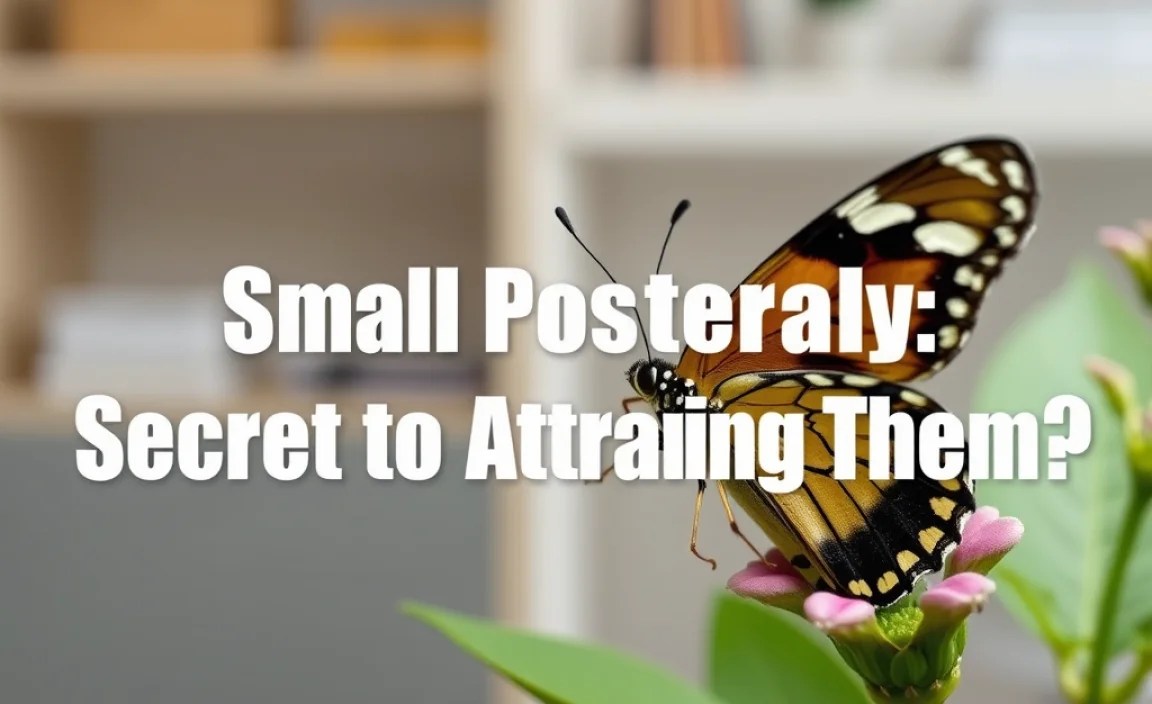
The small postman butterfly, scientifically known as Heliconius erato, is a member of the Nymphalidae family. These butterflies are native to the tropical and subtropical regions of Central and South America. Known for their striking colors and patterns, they play a vital role in their ecosystems as pollinators.
Key Characteristics
- Appearance: Typically features elongated wings with a black base adorned with vibrant red, orange, or yellow stripes and spots.
- Size: The wingspan usually ranges from 5.5 to 8 cm (2.2 to 3.1 inches).
- Habitat: Prefers tropical and subtropical forests, gardens, and open areas with abundant flowering plants.
- Diet: Adults feed on nectar and pollen, while larvae primarily consume leaves from passionflower vines (Passiflora species).
Ecological Role
As pollinators, small postman butterflies help maintain the health and diversity of plant communities. Their presence is an indicator of a healthy ecosystem. They also serve as a food source for birds, reptiles, and other insects.
Identifying the Small Postman Butterfly
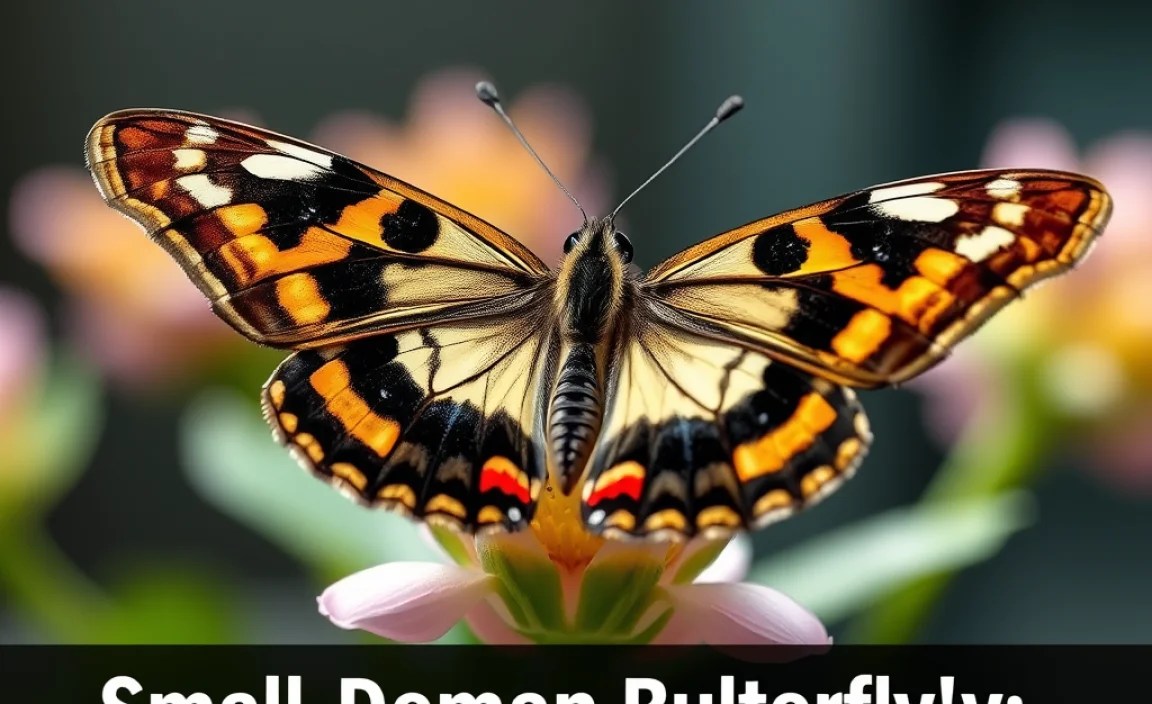
Identifying the small postman butterfly involves observing its distinctive physical traits and behavior. Here’s what to look for:
Visual Identification
Wing Patterns
The most defining characteristic is the striking wing pattern. The wings are typically black with bold red, orange, or yellow stripes. These patterns can vary geographically, with different subspecies displaying unique color combinations. The vibrant colors serve as a warning to predators, indicating the butterfly’s toxicity due to its diet of passionflower plants.
Size and Shape
Small postman butterflies have elongated wings, which distinguish them from many other butterfly species. Their wingspan usually falls between 5.5 and 8 cm (2.2 to 3.1 inches). The slender body is also a key identifier.
Behavioral Clues
Flight Patterns
These butterflies are known for their slow, graceful flight. Unlike some butterflies that flutter erratically, the small postman moves with a deliberate, almost floating motion. This leisurely flight is a result of their ability to obtain nutrients from pollen, which provides them with sustained energy.
Habitat Preference
Small postman butterflies are commonly found in tropical and subtropical forests, gardens, and open areas. They are often seen near passionflower vines, which serve as the primary food source for their caterpillars. Observing their presence in these specific habitats can aid in identification.
Distinguishing from Similar Species
Several other butterfly species share similar color patterns, which can make identification challenging. Here’s how to differentiate the small postman from its look-alikes:
- Heliconius melpomene (Postman Butterfly): The small postman is smaller and has more slender wings compared to the common postman. The patterns are similar, but the overall size and wing shape provide a clear distinction.
- Monarch Butterfly (Danaus plexippus): While both have orange and black markings, the monarch has a more robust build and distinct wing venation patterns. The small postman’s elongated wings and specific stripe patterns are unique.
- Viceroy Butterfly (Limenitis archippus): This butterfly mimics the monarch but has a horizontal black line across the hindwing. The small postman lacks this feature and has different wing shapes and patterns.
Tools for Identification
Several resources can assist in identifying the small postman butterfly:
- Butterfly Field Guides: These guides provide detailed descriptions and illustrations of various butterfly species. Examples include the “Kaufman Field Guide to Butterflies of North America” and regional guides specific to Central and South America.
- Online Databases: Websites like iNaturalist and BugGuide.net allow you to upload photos and get assistance from experts in identifying insects.
- Butterfly Identification Apps: Apps such as Picture Insect and Butterfly ID can analyze photos and provide potential matches.
Life Cycle of the Small Postman Butterfly

Understanding the life cycle of the small postman butterfly provides insights into its behavior, habitat needs, and conservation. The life cycle consists of four stages: egg, larva (caterpillar), pupa (chrysalis), and adult.
Egg Stage
The life cycle begins when the female butterfly lays tiny, yellowish eggs, usually on the young leaves or tendrils of passionflower vines. These eggs are typically laid singly or in small groups. The choice of host plant is crucial, as the hatching larvae will depend on it for food.
Larva (Caterpillar) Stage
Once the eggs hatch, the larvae emerge. These caterpillars are characterized by their white and black striped bodies and prominent spines. They feed voraciously on passionflower leaves, accumulating toxins that make them unpalatable to predators. The larval stage involves several molts as the caterpillar grows larger. The bright colors and spines serve as a warning signal to potential predators, indicating their toxicity.
Pupa (Chrysalis) Stage
After reaching full size, the caterpillar enters the pupa stage, forming a chrysalis. The chrysalis of the small postman butterfly is typically brown or greenish and hangs from a stem or leaf. Inside the chrysalis, the caterpillar undergoes metamorphosis, transforming into a butterfly. This stage usually lasts about two weeks.
Adult Stage
The final stage is the emergence of the adult butterfly from the chrysalis. The newly emerged butterfly has crumpled wings, which it expands by pumping hemolymph (insect blood) through its veins. Once the wings are fully expanded and hardened, the butterfly is ready to fly and reproduce. Adult small postman butterflies can live for several months, which is relatively long compared to many other butterfly species. They feed on nectar and pollen, contributing to pollination.
| Stage | Duration | Characteristics | Key Activities |
|---|---|---|---|
| Egg | 3-5 days | Small, yellowish, laid on passionflower leaves | Hatching |
| Larva (Caterpillar) | 2-3 weeks | White and black stripes, spiny | Feeding on passionflower leaves, molting |
| Pupa (Chrysalis) | 2 weeks | Brown or greenish, hanging from stem | Metamorphosis |
| Adult | Several months | Elongated wings, black with red/orange stripes | Feeding on nectar/pollen, reproduction |
Habitat and Distribution
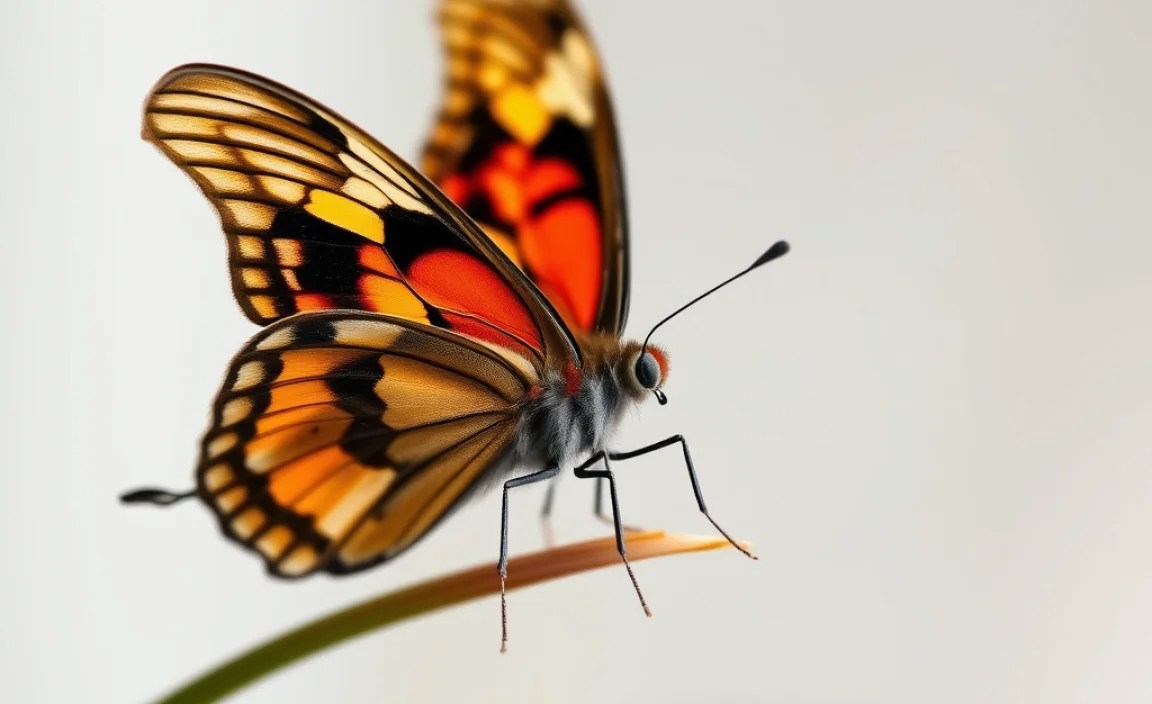
The small postman butterfly is primarily found in the tropical and subtropical regions of Central and South America. Their range extends from Mexico to Brazil, including countries such as Costa Rica, Panama, Colombia, and Ecuador. Within these regions, they inhabit a variety of environments.
Preferred Habitats
- Tropical Forests: They thrive in the understory and edges of tropical rainforests, where passionflower vines are abundant.
- Subtropical Forests: Similar to tropical forests, these areas provide the necessary host plants and nectar sources.
- Gardens: They are commonly found in gardens, especially those that cultivate passionflower vines and other nectar-rich flowers.
- Open Areas: They can also be seen in open fields and along roadsides, particularly where flowering plants are prevalent.
Geographical Distribution
The small postman butterfly’s distribution is closely tied to the availability of its host plant, passionflower. Different subspecies exhibit variations in color and pattern depending on their geographic location. For example, butterflies in the Amazon basin may have different markings compared to those in Central America.
Factors Influencing Distribution
- Availability of Host Plants: The presence of passionflower vines is the most critical factor influencing their distribution.
- Climate: They prefer warm, humid climates typical of tropical and subtropical regions.
- Altitude: They are typically found at lower altitudes, although some populations can occur at higher elevations.
- Habitat Connectivity: The presence of corridors connecting different habitats allows for dispersal and gene flow between populations.
Attracting Small Postman Butterflies to Your Garden

Creating a butterfly-friendly garden can attract small postman butterflies and support their life cycle. Here’s how to do it:
Planting Host Plants
The most effective way to attract small postman butterflies is to plant passionflower vines (Passiflora species). These vines serve as the primary food source for the caterpillars. Some popular species include:
- Passiflora incarnata (Purple Passionflower)
- Passiflora caerulea (Blue Passionflower)
- Passiflora lutea (Yellow Passionflower)
Providing Nectar Sources
Adult butterflies feed on nectar, so planting a variety of nectar-rich flowers is essential. Choose plants that bloom at different times of the year to provide a continuous food source. Good options include:
- Lantana
- Pentas
- Zinnia
- Salvia
- Butterfly Bush (Buddleja davidii)
Creating a Suitable Habitat
Butterflies need more than just food; they also require shelter, water, and protection from predators. Consider the following:
- Shelter: Plant shrubs and trees to provide shelter from wind and rain.
- Water Source: Provide a shallow dish of water with pebbles or sand for butterflies to land on while drinking.
- Sunlight: Butterflies need sunlight to warm their bodies, so ensure your garden has sunny spots.
- Avoid Pesticides: Pesticides can harm or kill butterflies and other beneficial insects. Use organic gardening practices to protect them.
Specific Tips for Success
- Plant in Clusters: Grouping plants together makes it easier for butterflies to find them.
- Choose Native Plants: Native plants are often more attractive to local butterfly species.
- Provide a Roosting Spot: Butterflies often roost in sheltered spots overnight. Dense shrubs or butterfly houses can provide this.
- Observe and Adapt: Pay attention to which plants the butterflies visit most often and adjust your garden accordingly.
Conservation Status and Threats
The small postman butterfly is not currently listed as endangered or threatened. However, like many butterfly species, it faces several threats that could impact its populations.
Habitat Loss
Deforestation and habitat destruction are major threats to the small postman butterfly. The clearing of tropical forests for agriculture, logging, and urbanization reduces the availability of passionflower vines and other essential resources. Protecting and restoring natural habitats is crucial for their survival.
Pesticide Use
The use of pesticides in agriculture and gardens can harm or kill butterflies and their larvae. Even organic pesticides can have unintended consequences. Promoting integrated pest management and reducing pesticide use can help protect butterfly populations.
Climate Change
Climate change can alter the distribution and abundance of butterflies and their host plants. Changes in temperature and rainfall patterns can disrupt their life cycle and affect the availability of food resources. Mitigating climate change through reducing greenhouse gas emissions is essential for long-term conservation.
Conservation Efforts
Several conservation efforts can help protect small postman butterflies and their habitats:
- Habitat Preservation: Protecting existing tropical and subtropical forests is crucial.
- Habitat Restoration: Restoring degraded habitats by planting passionflower vines and other native plants can help increase butterfly populations.
- Sustainable Agriculture: Promoting sustainable farming practices that reduce pesticide use and protect natural habitats.
- Education and Awareness: Educating the public about the importance of butterflies and their conservation can encourage support for conservation efforts.
- Citizen Science: Participating in citizen science projects, such as butterfly monitoring programs, can help track butterfly populations and assess the effectiveness of conservation efforts.
Cultural Significance and Symbolism
Butterflies, including the small postman, hold cultural significance and symbolism in many societies around the world. They are often associated with transformation, beauty, and the cycle of life.
Symbolism
- Transformation: The butterfly’s life cycle, from egg to caterpillar to pupa to adult, is a powerful symbol of transformation and rebirth.
- Beauty: Their vibrant colors and graceful flight make them symbols of beauty and grace.
- Soul and Spirit: In some cultures, butterflies are believed to represent the human soul or spirit.
- Hope: They can also symbolize hope and new beginnings.
Cultural Significance
- Art and Literature: Butterflies have been featured in art, literature, and mythology for centuries. They are often depicted as symbols of love, freedom, and joy.
- Religious Beliefs: In some religious traditions, butterflies are associated with spiritual transformation and the afterlife.
- Folklore: Many cultures have folktales and legends about butterflies, often attributing them with magical powers or special messages.
Understanding the cultural significance and symbolism of butterflies can deepen our appreciation for these fascinating creatures and inspire us to protect them.
FAQ About Small Postman Butterflies
What do small postman butterfly caterpillars eat?
Small postman butterfly caterpillars primarily eat the leaves of passionflower vines (Passiflora species). These vines are their main food source and provide the necessary nutrients for their growth and development.
How long do small postman butterflies live?
Adult small postman butterflies can live for several months, which is longer than many other butterfly species. This extended lifespan is due in part to their ability to obtain nutrients from pollen, which provides them with sustained energy.
Are small postman butterflies poisonous?
Yes, small postman butterflies are toxic to predators. As caterpillars, they consume passionflower leaves, which contain toxic compounds. These toxins are retained in their bodies, making them unpalatable to birds and other predators. Their bright colors serve as a warning signal.
Where can I find small postman butterflies?
Small postman butterflies are found in the tropical and subtropical regions of Central and South America. They inhabit tropical forests, gardens, and open areas where passionflower vines are abundant.
How can I attract small postman butterflies to my garden?
To attract small postman butterflies, plant passionflower vines to provide food for the caterpillars and nectar-rich flowers to feed the adults. Also, provide shelter, a water source, and avoid using pesticides.
What is the difference between the small postman and the common postman butterfly?
The small postman (Heliconius erato) is smaller and has more slender wings compared to the common postman (Heliconius melpomene). While their patterns are similar, the overall size and wing shape provide a clear distinction.
Why are small postman butterflies important?
Small postman butterflies are important pollinators, contributing to the health and diversity of plant communities. They also serve as a food source for other animals and are indicators of a healthy ecosystem. Their conservation is essential for maintaining biodiversity.
Conclusion
The small postman butterfly is a captivating species that embodies the beauty and complexity of the natural world. From its striking appearance and unique life cycle to its ecological role and cultural significance, there’s so much to appreciate about this remarkable creature.
By understanding how to identify, attract, and protect small postman butterflies, you can play a part in ensuring their survival for generations to come. Whether you’re planting passionflower vines in your garden, supporting conservation efforts, or simply sharing your knowledge with others, every action counts.
So, the next time you see a small postman butterfly fluttering by, take a moment to admire its beauty and reflect on the importance of preserving our planet’s biodiversity. Together, we can make a difference in protecting these enchanting creatures and the ecosystems they call home.


