
Cloud Forest Butterfly Species: Discover Secret Wonders

Quick Summary: Cloud forests are biodiversity hotspots, teeming with unique butterfly species. These butterflies, such as the Glasswing, Monarch, and Swallowtail, are adapted to the moist, cool environment. Their vibrant colors and patterns play crucial roles in pollination and the food chain. Identifying and conserving these butterflies is essential for maintaining the health of cloud forest ecosystems.
Have you ever wondered about the dazzling butterflies that flutter through misty cloud forests? These high-altitude habitats are home to some of the most beautiful and unique butterfly species on Earth. But identifying them can be tricky, and understanding their importance is key to protecting these fragile ecosystems. Don’t worry, we’ll explore the fascinating world of cloud forest butterflies together.
In this guide, we’ll uncover the secrets of these delicate creatures, learn how to identify them, and understand why their conservation is so crucial. Get ready to discover the magical world of cloud forest butterflies!
Identifying Cloud Forest Butterfly Species
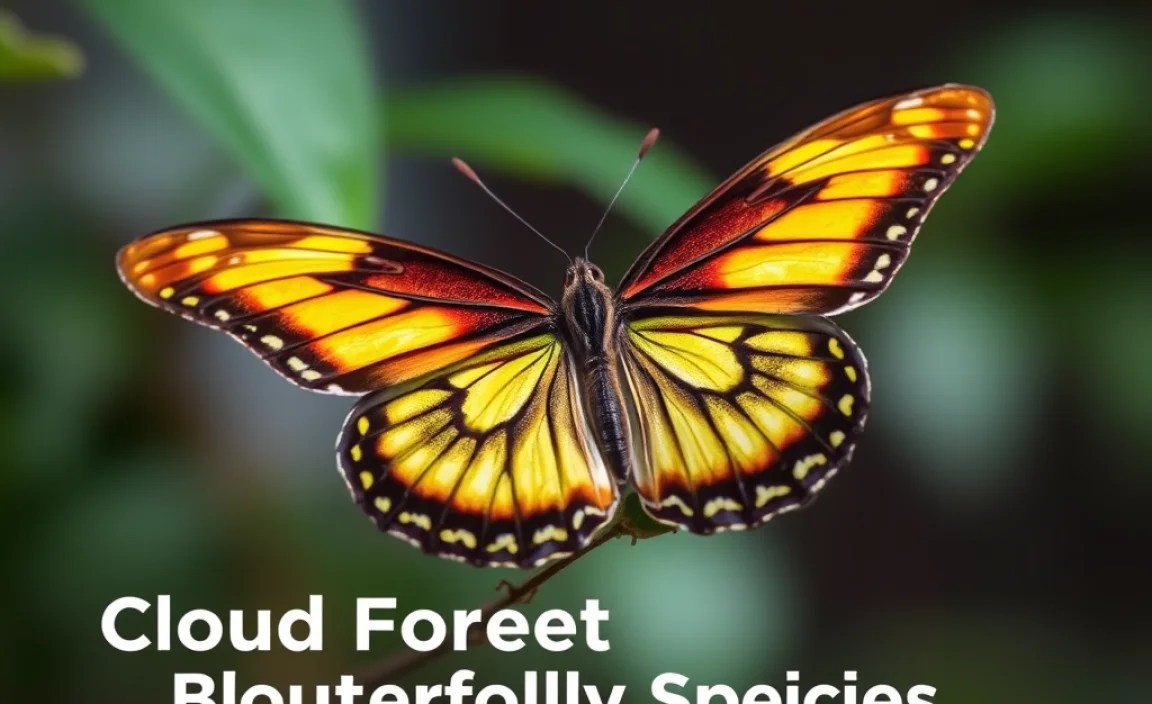
Identifying butterflies in cloud forests can be a rewarding experience. The diverse range of species requires a keen eye and some basic knowledge. Let’s explore some common and distinctive cloud forest butterflies.
Common Cloud Forest Butterflies
Several butterfly species are frequently observed in cloud forests. Knowing these common butterflies is a great starting point for identification.
- Glasswing Butterfly (Greta oto): Known for its transparent wings, this butterfly is a marvel to behold. The clear wings allow it to camouflage effectively in the dappled light of the forest.
- Monarch Butterfly (Danaus plexippus): While famous for its long migrations, the Monarch can also be found in some cloud forests, especially those at lower elevations.
- Swallowtail Butterflies (Family Papilionidae): Many species of swallowtails inhabit cloud forests, recognizable by their distinctive tail-like extensions on their hindwings.
- Morpho Butterflies (Genus Morpho): These butterflies are famous for their iridescent blue wings, which flash brilliantly in the sunlight.
- Heliconian Butterflies (Genus Heliconius): Known for their long lifespans and bright colors, Heliconians are common in many cloud forests.
Distinctive Features to Look For
When identifying cloud forest butterflies, pay attention to these key features:
- Wing Shape and Size: Note the overall shape of the wings (e.g., rounded, elongated, tailed) and their size.
- Color Patterns: Observe the colors and patterns on both the upper and lower sides of the wings. Many butterflies have different patterns on each side.
- Flight Behavior: Some butterflies have distinctive flight patterns, such as the rapid, erratic flight of skippers or the graceful gliding of Morphos.
- Habitat: Knowing the specific cloud forest region can help narrow down the possibilities, as different areas host different species.
Tools and Resources for Identification
Several tools and resources can aid in butterfly identification:
- Butterfly Field Guides: Regional field guides are invaluable for identifying local species. Look for guides specific to the cloud forest region you’re interested in.
- Online Butterfly Databases: Websites like Butterflies and Moths of North America (BAMONA) and iNaturalist provide extensive photo galleries and identification assistance.
- Butterfly Identification Apps: Apps like Seek by iNaturalist can help identify butterflies using image recognition technology.
- Local Experts and Guides: Local naturalists and guides can offer invaluable insights and expertise.
Adaptations of Cloud Forest Butterflies

Cloud forest butterflies have evolved unique adaptations to thrive in their cool, moist environment. These adaptations help them survive and reproduce in this challenging habitat.
Physical Adaptations
Several physical adaptations help cloud forest butterflies cope with the conditions:
- Wing Structure: Some species have evolved thicker wings to withstand the frequent rain and mist.
- Coloration: Many cloud forest butterflies have cryptic coloration, blending in with the surrounding vegetation to avoid predators.
- Body Size: Smaller body sizes can be advantageous in navigating the dense foliage and avoiding strong winds.
Behavioral Adaptations
Behavioral adaptations also play a crucial role in their survival:
- Sun Basking: Butterflies often bask in sunny spots to raise their body temperature and become active.
- Sheltering: During heavy rain or strong winds, butterflies seek shelter under leaves or in crevices.
- Migration Patterns: Some species migrate to lower elevations during colder months to find more favorable conditions.
Dietary Adaptations
Dietary adaptations are essential for obtaining the necessary nutrients:
- Nectar Feeding: Most butterflies feed on nectar from flowers, using their long proboscis to reach into the blossoms.
- Pollen Feeding: Some species also feed on pollen, which provides additional protein.
- Sap and Rotting Fruit: Certain butterflies feed on tree sap or rotting fruit, obtaining nutrients from these sources.
Ecological Importance of Cloud Forest Butterflies

Butterflies play a vital role in cloud forest ecosystems, contributing to pollination, nutrient cycling, and the food web. Their presence or absence can indicate the health of the environment.
Pollination
Butterflies are important pollinators, transferring pollen from flower to flower as they feed on nectar. This process is essential for the reproduction of many plant species.
- Mutualistic Relationships: Butterflies and flowering plants have co-evolved, with each benefiting from the relationship.
- Specialized Pollination: Some butterfly species are specialized pollinators, adapted to pollinate specific types of flowers.
Food Web
Butterflies serve as a food source for various animals, including birds, reptiles, and other insects. They also play a role in nutrient cycling.
- Prey Species: Butterflies are an important food source for many predators in the cloud forest ecosystem.
- Larval Stage: Butterfly larvae (caterpillars) feed on plant leaves, contributing to nutrient cycling and providing food for other animals.
Indicator Species
Butterflies are sensitive to environmental changes, making them valuable indicator species. Their presence or absence can reflect the health of the ecosystem.
- Habitat Quality: A diverse butterfly population indicates a healthy, diverse habitat.
- Climate Change: Changes in butterfly distribution and abundance can signal the impacts of climate change.
Threats to Cloud Forest Butterfly Species

Cloud forest butterflies face numerous threats, including habitat loss, climate change, and pollution. Understanding these threats is crucial for effective conservation efforts.
Habitat Loss
Deforestation and habitat fragmentation are major threats to cloud forest butterflies. As forests are cleared for agriculture, logging, and development, butterfly populations decline.
- Deforestation: The clearing of forests removes the butterflies’ habitat and food sources.
- Habitat Fragmentation: Fragmentation isolates butterfly populations, reducing genetic diversity and making them more vulnerable to extinction.
Climate Change
Climate change is altering temperature and rainfall patterns in cloud forests, impacting butterfly populations. Changes in climate can disrupt butterfly life cycles and reduce their ability to survive.
- Temperature Changes: Rising temperatures can alter butterfly development rates and disrupt their synchrony with host plants.
- Rainfall Changes: Changes in rainfall patterns can affect the availability of nectar and other food sources.
Pollution
Pollution from pesticides, herbicides, and other chemicals can harm butterflies and their habitats. These pollutants can contaminate food sources and directly affect butterfly health.
- Pesticide Use: Pesticides can kill butterflies directly or indirectly by poisoning their food sources.
- Air and Water Pollution: Air and water pollution can degrade butterfly habitats and affect their health.
Conservation Efforts for Cloud Forest Butterflies
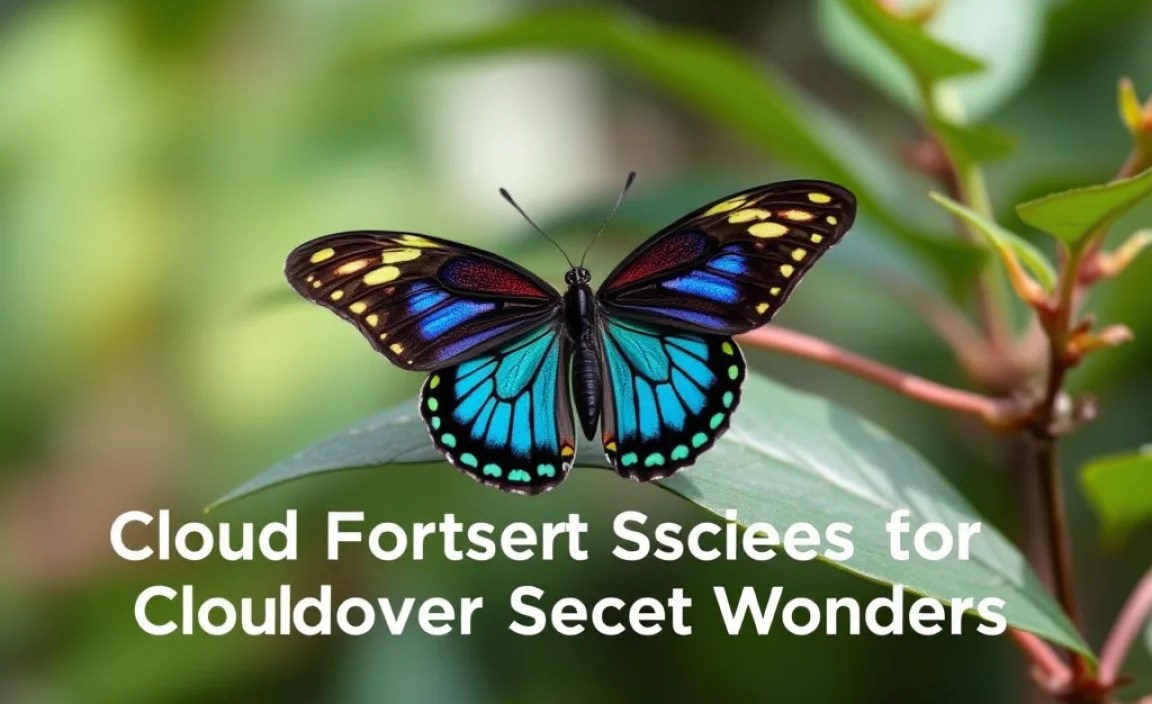
Conserving cloud forest butterflies requires a multifaceted approach, including habitat protection, restoration, and sustainable practices. Every effort counts in preserving these delicate creatures.
Habitat Protection
Protecting existing cloud forest habitats is essential for conserving butterfly populations. This can be achieved through the establishment of protected areas and sustainable land management practices.
- Protected Areas: National parks and reserves provide safe havens for butterflies and other wildlife.
- Sustainable Land Management: Promoting sustainable agriculture and forestry practices can reduce habitat loss and degradation.
Habitat Restoration
Restoring degraded cloud forest habitats can help increase butterfly populations. This involves planting native trees and plants, controlling invasive species, and restoring natural water flows.
- Reforestation: Planting native trees can restore butterfly habitats and provide food sources.
- Invasive Species Control: Removing invasive plants and animals can improve habitat quality for butterflies.
Sustainable Practices
Adopting sustainable practices in agriculture, tourism, and other industries can reduce the impact on cloud forest ecosystems. This includes reducing pesticide use, promoting eco-tourism, and supporting local communities.
- Eco-Tourism: Promoting eco-tourism can generate revenue for local communities while protecting butterfly habitats.
- Sustainable Agriculture: Reducing pesticide use and promoting organic farming practices can benefit butterflies and other wildlife.
Attracting Butterflies to Your Cloud Forest Garden
Even if you don’t live in a cloud forest, you can create a butterfly-friendly garden that supports these beautiful creatures. By providing the right plants and resources, you can attract butterflies to your backyard.
Planting Native Species
Planting native trees, shrubs, and flowers is the best way to attract butterflies to your garden. Native plants provide the food and shelter that butterflies need to survive.
- Host Plants: Plant host plants that caterpillars can feed on. Some popular host plants include milkweed for Monarchs and spicebush for Spicebush Swallowtails.
- Nectar Plants: Plant nectar-rich flowers that adult butterflies can feed on. Choose a variety of colors and shapes to attract different species.
Providing Water Sources
Butterflies need water to stay hydrated. Provide a shallow dish of water with pebbles or sand for them to land on.
- Butterfly Puddles: Create a butterfly puddle by filling a shallow dish with wet sand or mud. Add a few rocks for butterflies to perch on.
Avoiding Pesticides
Pesticides can harm butterflies and other beneficial insects. Avoid using pesticides in your garden, or choose organic alternatives.
- Organic Gardening: Use organic gardening practices to control pests and diseases. This includes using natural predators, hand-picking pests, and using organic pesticides.
Cloud Forest Butterfly Species Table
| Species | Scientific Name | Distinctive Features | Habitat |
|---|---|---|---|
| Glasswing Butterfly | Greta oto | Transparent wings | Moist understory of cloud forests |
| Monarch Butterfly | Danaus plexippus | Orange wings with black veins and white spots | Lower elevations of cloud forests |
| Blue Morpho | Morpho peleides | Iridescent blue wings | Tropical cloud forests |
| Zebra Longwing | Heliconius charithonia | Long, narrow wings with black and yellow stripes | Tropical and subtropical cloud forests |
| Tiger Swallowtail | Papilio glaucus | Yellow wings with black stripes and a “tail” | Various habitats, including cloud forests |
Butterfly Life Cycle Stages
Understanding the stages of the butterfly life cycle can help you better appreciate and protect these insects. The butterfly life cycle consists of four stages: egg, larva (caterpillar), pupa (chrysalis), and adult.
Egg Stage
The butterfly life cycle begins with the egg stage. Female butterflies lay their eggs on or near host plants, which will serve as food for the caterpillars.
- Egg Placement: Butterfly eggs come in various shapes and sizes and are often laid on specific parts of the host plant.
- Hatching: After a period of time, the eggs hatch into larvae (caterpillars).
Larva (Caterpillar) Stage
The larva stage is the feeding and growing stage of the butterfly life cycle. Caterpillars eat voraciously, molting several times as they grow.
- Feeding: Caterpillars feed on host plant leaves, growing rapidly and storing energy for the next stage.
- Molting: As caterpillars grow, they shed their skin (molt) several times to accommodate their increasing size.
Pupa (Chrysalis) Stage
The pupa stage is a transformation stage where the caterpillar undergoes metamorphosis inside a protective shell called a chrysalis.
- Metamorphosis: Inside the chrysalis, the caterpillar’s body breaks down and reorganizes into the adult butterfly form.
- Duration: The duration of the pupa stage varies depending on the species and environmental conditions.
Adult Stage
The adult stage is the reproductive stage of the butterfly life cycle. Adult butterflies mate and lay eggs, continuing the cycle.
- Reproduction: Adult butterflies mate and females lay eggs on host plants.
- Feeding: Adult butterflies feed on nectar from flowers, providing energy for flight and reproduction.
Cloud Forest Butterfly FAQ
Here are some frequently asked questions about cloud forest butterflies:
- What is a cloud forest?
- A cloud forest is a high-altitude, tropical or subtropical forest characterized by persistent low-level clouds, resulting in a moist and humid environment.
- Why are cloud forests important for butterflies?
- Cloud forests provide a unique habitat for many butterfly species, with diverse food sources and favorable conditions for survival.
- What makes the Glasswing butterfly special?
- The Glasswing butterfly is known for its transparent wings, which allow it to camouflage effectively in the forest. These clear wings make it a marvel to observe.
- How can I help protect cloud forest butterflies?
- You can support conservation efforts by donating to organizations that protect cloud forest habitats, promoting sustainable practices, and educating others about the importance of these ecosystems.
- What is the biggest threat to cloud forest butterflies?
- Habitat loss due to deforestation and climate change are the biggest threats to cloud forest butterflies. These factors reduce their food sources and disrupt their life cycles.
- Can I attract cloud forest butterflies to my garden?
- While you may not be able to attract true cloud forest species if you don’t live in the right area, you can create a butterfly-friendly garden with native plants that support local butterfly populations.
- How do butterflies adapt to the cool, moist conditions of cloud forests?
- Butterflies adapt through physical adaptations like thicker wings and cryptic coloration, behavioral adaptations like sun basking, and dietary adaptations like feeding on nectar and pollen.
Conclusion
Exploring the world of cloud forest butterflies reveals the intricate beauty and delicate balance of these unique ecosystems. From the transparent wings of the Glasswing to the iridescent hues of the Morpho, these butterflies showcase nature’s artistry. By understanding their adaptations, ecological roles, and the threats they face, we can take meaningful steps to protect these vital creatures and their habitats.
Whether you’re a seasoned naturalist or a budding butterfly enthusiast, there are countless ways to contribute to butterfly conservation. Plant native species in your garden, support sustainable practices, and educate others about the importance of these pollinators. Together, we can ensure that future generations will continue to marvel at the enchanting world of cloud forest butterflies. So, let’s spread our wings and work together to protect these precious ecosystems and the butterflies that call them home.


