
Small White Butterfly Identification: Easy ID Guide

Quick Summary: Identifying small white butterflies involves observing key features like size (usually 1-2 inches), wing patterns (often white with black spots), and habitat.
Common species include the Cabbage White, Checkered White, and Mustard White. Location, time of year, and specific markings are crucial for accurate identification. Pay close attention to the underside of the wings and consult field guides or online resources.
Have you ever been captivated by a small, fluttering white butterfly, only to wonder what kind it is? These delicate creatures are common sights in gardens and fields, but telling them apart can be tricky. Many species look similar at first glance. It’s easy to get confused!
But don’t worry, with a few simple tips, you can confidently identify these beautiful insects. We’ll walk you through the key characteristics to look for, making the process fun and educational. Get ready to unlock the secrets of small white butterfly identification!
Frequently Asked Questions About Small White Butterflies
Let’s address some common questions about these beautiful insects:
What is the most common small white butterfly?
The Cabbage White (Pieris rapae) is the most common small white butterfly in many parts of the world, especially in North America and Europe. It’s often found in gardens and fields.
Are small white butterflies harmful to gardens?
The Cabbage White can be a pest because its caterpillars feed on cabbage, broccoli, and other cruciferous vegetables. Other small white butterflies generally do not cause significant harm.
How can I attract small white butterflies to my garden?
Planting nectar-rich flowers like asters, zinnias, and butterfly bush can attract small white butterflies. Providing host plants for their caterpillars, such as cabbage or mustard, also helps.
What is the lifespan of a small white butterfly?
The lifespan of a small white butterfly is typically about 2 to 4 weeks as an adult. The entire life cycle, from egg to butterfly, lasts around 30 to 50 days, depending on the species and environmental conditions.
Do small white butterflies migrate?
Some small white butterflies, like the Checkered White, can migrate short distances in response to changing environmental conditions. However, they are not known for long-distance migrations like Monarch butterflies.
How can I tell the difference between male and female small white butterflies?
In many species, females have more extensive black markings on their wings compared to males. For example, female Cabbage Whites often have two black spots on each forewing, while males usually have one or none.
Are small white butterflies important for the ecosystem?
Yes, small white butterflies play a role in pollination, contributing to the health of plant communities. They also serve as a food source for birds and other insects.
Step-by-Step Guide to Small White Butterfly Identification
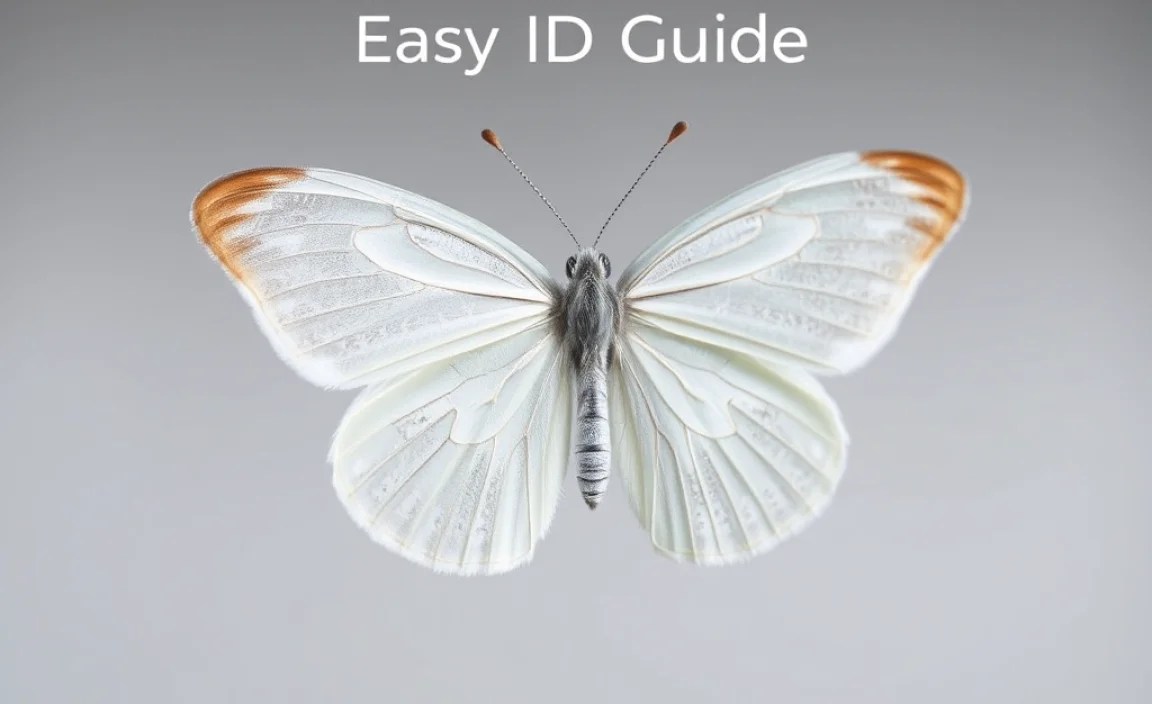
Identifying small white butterflies doesn’t have to be daunting. By following these steps and paying attention to key details, you’ll be able to distinguish between different species with confidence.
Step 1: Observe the Size and Shape
The first step is to get a sense of the butterfly’s overall size and shape. Small white butterflies typically have a wingspan between 1 and 2 inches (2.5 to 5 cm). Note the shape of the wings—are they rounded or more angular?
- Size: Measure or estimate the wingspan.
- Shape: Observe if the wings are rounded or angular.
Step 2: Examine the Wing Color and Patterns
The color and patterns on the wings are crucial for identification. Look closely at both the upper and lower sides of the wings. Use a pair of binoculars if necessary to get a better view without disturbing the butterfly.
- Upper Side: Note the presence and arrangement of black spots or markings. Are there any other colors, such as yellow or gray?
- Under Side: Check for patterns, which can be quite different from the upper side. The underside often has more intricate patterns that are helpful for distinguishing species.
Step 3: Identify Common Species
Let’s look at some of the most common small white butterflies you might encounter.
Cabbage White (Pieris rapae)
The Cabbage White is one of the most widespread and recognizable small white butterflies. It’s often seen in gardens and fields.
- Appearance: Predominantly white with a few black spots on the forewings. Females typically have two spots, while males usually have one or none. The underside of the hindwings is a pale, unmarked white.
- Habitat: Gardens, fields, and disturbed areas.
- Host Plants: Cabbage, broccoli, and other cruciferous plants.
Checkered White (Pontia protodice)
The Checkered White is another common species, particularly in North America. It has a distinctive checkered pattern on its wings.
- Appearance: White with a checkered pattern of gray or black spots on both the upper and lower sides of the wings. The pattern can vary, with some individuals having more pronounced markings.
- Habitat: Open fields, roadsides, and disturbed areas.
- Host Plants: Various cruciferous plants and weedy species.
Mustard White (Pontia occidentalis)
The Mustard White is found in western North America. It is similar to other white butterflies but has unique characteristics.
- Appearance: White with faint gray or greenish markings on the underside of the hindwings. The upper side has minimal markings.
- Habitat: Woodlands, meadows, and streamsides.
- Host Plants: Mustard plants and other cruciferous plants.
West Virginia White (Pieris virginiensis)
The West Virginia White is a delicate and beautiful butterfly found in eastern North America. It is often associated with woodlands and shaded areas.
- Appearance: Pure white with rounded wings. The underside of the hindwings has faint gray or greenish veins, giving it a subtle pattern.
- Habitat: Deciduous forests and woodlands.
- Host Plants: Toothwort (Cardamine species).
Step 4: Consider the Location and Time of Year
The location and time of year can provide valuable clues to the identity of a small white butterfly. Different species are found in different geographic regions and have different flight seasons.
- Location: Note the geographic location where you observed the butterfly. Some species are more common in certain regions.
- Time of Year: Different species emerge at different times of the year. Check local butterfly flight charts to see which species are active during the time of your observation.
Step 5: Observe Behavior and Habitat
Pay attention to the butterfly’s behavior and the type of habitat it occupies. Some species have distinct behaviors or prefer specific habitats.
- Flight Pattern: Note how the butterfly flies. Is it a strong, direct flight, or a more erratic, fluttering flight?
- Habitat Preference: Observe the type of habitat where you find the butterfly. Is it in a garden, a field, a forest, or near water?
Step 6: Use a Field Guide or Online Resources
Field guides and online resources are invaluable tools for butterfly identification. They provide detailed descriptions, photographs, and range maps that can help you narrow down the possibilities.
- Field Guides: Purchase a butterfly field guide specific to your region. Good field guides include detailed information and illustrations.
- Online Resources: Websites like BugGuide.net and iNaturalist are excellent resources for identifying butterflies. You can upload photos and get help from experts.
Step 7: Compare and Confirm
Once you’ve gathered all the information, compare your observations with the descriptions and images in your field guide or online resources. Confirm your identification by matching as many characteristics as possible.
- Checklist: Create a checklist of key characteristics to compare with the species descriptions.
- Multiple Sources: Consult multiple sources to ensure accuracy.
Detailed Species Profiles
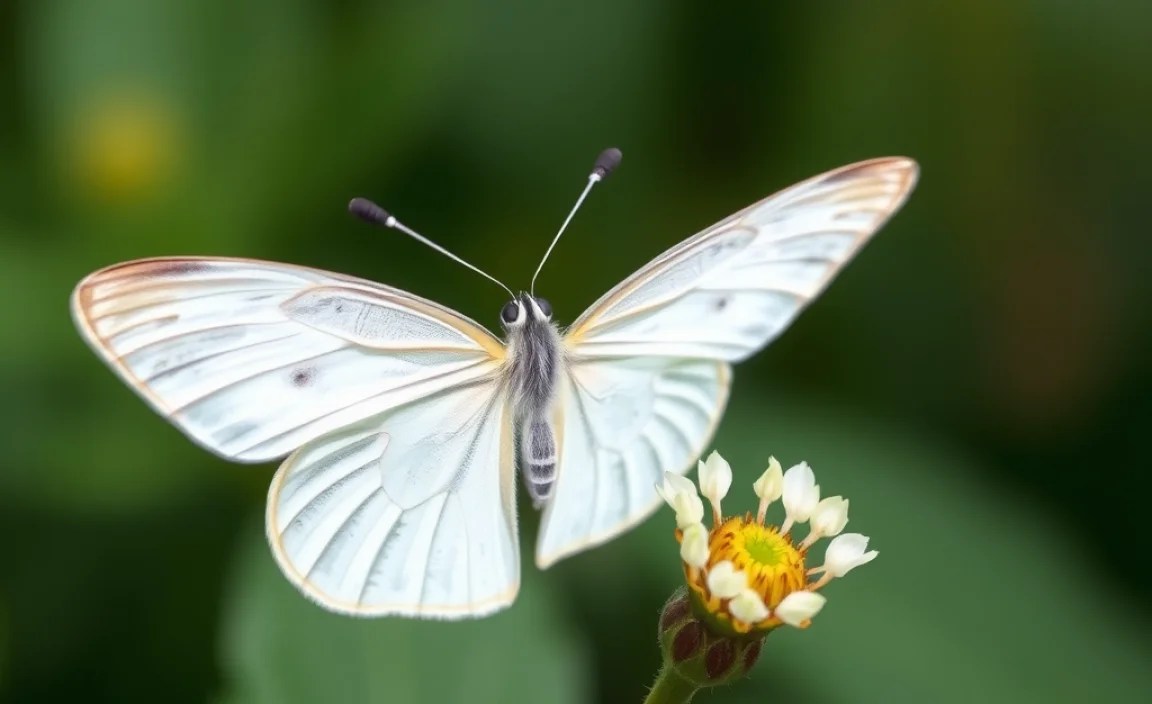
To further assist you in identifying small white butterflies, let’s delve into more detailed profiles of common species.
Cabbage White (Pieris rapae)
The Cabbage White is a familiar sight in gardens and fields, known for its simple yet elegant appearance.
| Characteristic | Description |
|---|---|
| Wingspan | 1.5 to 2 inches (3.8 to 5 cm) |
| Upper Side | White with a few black spots on the forewings. Females typically have two spots, while males usually have one or none. |
| Under Side | Pale, unmarked white. |
| Habitat | Gardens, fields, and disturbed areas. |
| Host Plants | Cabbage, broccoli, and other cruciferous plants. |
| Flight Period | Multiple generations throughout the spring, summer, and fall. |
Checkered White (Pontia protodice)
The Checkered White is distinguished by its intricate checkered pattern, making it a fascinating butterfly to observe.
| Characteristic | Description |
|---|---|
| Wingspan | 1.5 to 2 inches (3.8 to 5 cm) |
| Upper Side | White with a checkered pattern of gray or black spots. |
| Under Side | Similar to the upper side, with a distinct checkered pattern. |
| Habitat | Open fields, roadsides, and disturbed areas. |
| Host Plants | Various cruciferous plants and weedy species. |
| Flight Period | Multiple generations throughout the spring, summer, and fall. |
Mustard White (Pontia occidentalis)
The Mustard White is a subtle and elegant butterfly, often found in woodlands and meadows.
| Characteristic | Description |
|---|---|
| Wingspan | 1.5 to 1.8 inches (3.8 to 4.6 cm) |
| Upper Side | White with minimal markings. |
| Under Side | Faint gray or greenish markings on the hindwings. |
| Habitat | Woodlands, meadows, and streamsides. |
| Host Plants | Mustard plants and other cruciferous plants. |
| Flight Period | Spring and early summer. |
West Virginia White (Pieris virginiensis)
The West Virginia White is a delicate and beautiful butterfly, often associated with woodlands and shaded areas.
| Characteristic | Description |
|---|---|
| Wingspan | 1.5 to 1.8 inches (3.8 to 4.6 cm) |
| Upper Side | Pure white with rounded wings. |
| Under Side | Faint gray or greenish veins on the hindwings. |
| Habitat | Deciduous forests and woodlands. |
| Host Plants | Toothwort (Cardamine species). |
| Flight Period | Spring. |
Tips for Attracting Small White Butterflies to Your Garden

Attracting butterflies to your garden is a rewarding experience. Here are some tips to create a butterfly-friendly habitat:
- Plant Nectar-Rich Flowers: Choose flowers that provide a good source of nectar for adult butterflies. Some excellent choices include:
- Asters
- Zinnias
- Butterfly Bush (Buddleja davidii)
- Coneflowers (Echinacea)
- Phlox
- Provide Host Plants: Plant host plants that caterpillars can feed on. This is essential for the butterfly’s life cycle.
- Cabbage and Broccoli: For Cabbage Whites.
- Mustard Plants: For Mustard Whites and Checkered Whites.
- Toothwort (Cardamine species): For West Virginia Whites.
- Offer a Water Source: Butterflies need water to stay hydrated. Provide a shallow dish of water with pebbles or stones for them to land on.
- Provide Shelter: Plant shrubs and trees to provide shelter from wind and predators.
- Avoid Pesticides: Pesticides can harm or kill butterflies and other beneficial insects. Use organic gardening methods to protect your garden.
- Create a Sunning Spot: Butterflies need to bask in the sun to warm their bodies. Provide a sunny area with flat rocks or paving stones.
The Ecological Importance of Small White Butterflies

Small white butterflies play a crucial role in the ecosystem. They contribute to pollination and serve as a food source for other animals.
- Pollination: As they feed on nectar, butterflies transfer pollen from flower to flower, helping plants reproduce.
- Food Source: Butterflies and their caterpillars are an important food source for birds, reptiles, and other insects.
- Indicator Species: Butterflies are sensitive to environmental changes and can serve as indicators of ecosystem health. Their presence or absence can provide valuable information about the condition of the environment.
Supporting butterfly populations helps maintain biodiversity and ensures a healthy ecosystem. By creating butterfly-friendly habitats and avoiding harmful practices, we can help these beautiful creatures thrive. The Xerces Society offers a wealth of information on butterfly conservation and habitat restoration.
Additional Resources for Butterfly Identification
To further enhance your butterfly identification skills, consider exploring these additional resources:
- Online Butterfly Databases: Websites like BugGuide.net and iNaturalist are excellent resources for identifying butterflies. You can upload photos and get help from experts.
- Butterfly Field Guides: Purchase a butterfly field guide specific to your region. Good field guides include detailed information and illustrations.
- Local Butterfly Clubs: Join a local butterfly club or nature organization to learn from experienced enthusiasts and participate in field trips.
- Educational Workshops: Attend workshops and seminars on butterfly identification and conservation.
Conclusion
Identifying small white butterflies is a fascinating and rewarding journey into the world of nature. By paying attention to key characteristics such as size, wing patterns, location, and behavior, you can confidently distinguish between different species. Remember to use field guides and online resources to aid your identification efforts.
Small white butterflies are not only beautiful to observe but also play a vital role in the ecosystem. By creating butterfly-friendly habitats and supporting conservation efforts, we can help ensure that these delicate creatures continue to thrive for generations to come. So, grab your binoculars, head outside, and start exploring the wonderful world of small white butterflies!


