
Rare Mountain Butterflies: Discover the Secret

Have you ever hiked up a tall mountain? Did you see any colorful butterflies? Some butterflies are very special. They only live high up in the mountains. These are called rare mountain butterflies. They are hard to find, but worth looking for!
These butterflies need special places to live. They are important to the mountain’s nature. Let’s learn more about these amazing insects. We can discover where they live and why they are unique. Are you ready to explore their world?
Rare mountain butterflies are truly special. They face many dangers in their high homes. Learning about them helps us protect them. Let’s find out how we can keep them safe.
Key Takeaways
- Rare mountain butterflies are unique insects living in high-altitude environments.
- Habitat loss and climate change threaten these butterflies’ survival.
- Conservation efforts help protect their fragile ecosystems and populations.
- Identifying and studying these butterflies requires expert knowledge and care.
- These butterflies play a key role in mountain biodiversity and pollination.
What Are Rare Mountain Butterflies?

Rare mountain butterflies are special kinds of butterflies. They live only in high mountain areas. These areas have very cold weather and unique plants. These butterflies have adapted to these tough conditions. They might have thicker wings or special colors. These things help them survive in the mountains. They are different from butterflies you see in your backyard. They can only live where it’s cold and rocky. They depend on certain plants for food. If those plants disappear, the butterflies could too. Scientists study these butterflies to learn about how they live. This helps us understand how to protect them. It is important to keep their mountain homes safe.
- They live in cold and rocky places.
- They need special plants to survive.
- They have unique features.
- Scientists study them to protect them.
- They are different from other butterflies.
Imagine a tiny butterfly with wings like jewels. It flits among the highest peaks. It sips nectar from flowers that grow only there. This butterfly is perfectly suited to its home. It cannot live anywhere else. Protecting these butterflies means protecting their entire world. It means keeping the mountains clean and healthy. It means making sure their food plants continue to grow. It also means understanding how climate change affects them. As the Earth warms, these butterflies’ homes may change. They may need to move higher up the mountains to stay cool. This could mean they have less space to live. That’s why it’s so important to study and protect rare mountain butterflies.
Fun Fact or Stat: Some mountain butterflies can only be found on a single mountain range in the world!
Where Do They Live?
Rare mountain butterflies live in specific places. They need special habitats to survive. These habitats have certain plants and weather conditions. Some live on rocky slopes with few trees. Others live in high meadows with lots of flowers. The location depends on the butterfly species. Each type has its own needs. Some might live only on one mountain range. Others might be found on several different peaks. Knowing where they live helps scientists protect them. When we know their habitat, we can keep it safe. We can stop people from building roads or cutting down trees there. Protecting their homes is key to helping these butterflies.
What Do They Eat?
The food of rare mountain butterflies is very specific. They often eat nectar from only one type of flower. The caterpillars eat only one type of plant. This makes them very dependent on these plants. If the plants disappear, the butterflies will too. This is why protecting their food is so important. Scientists study what these butterflies eat. Then, they can make sure those plants are protected. Sometimes, they even plant more of those plants. This helps the butterflies have enough food to survive. Keeping their food supply safe is a big part of helping them.
Why Are They Rare?
Rare mountain butterflies are rare for many reasons. One reason is their special habitat. They can only live in specific mountain areas. These areas are often small and isolated. Another reason is climate change. As the Earth warms, their habitat changes. This can make it hard for them to survive. Pollution can also harm them and their food plants. Sometimes people collect them, which makes them even rarer. Protecting them means addressing all these problems. We need to keep their habitat safe and clean. We also need to fight climate change. By working together, we can help these butterflies survive.
Identifying Rare Mountain Butterflies
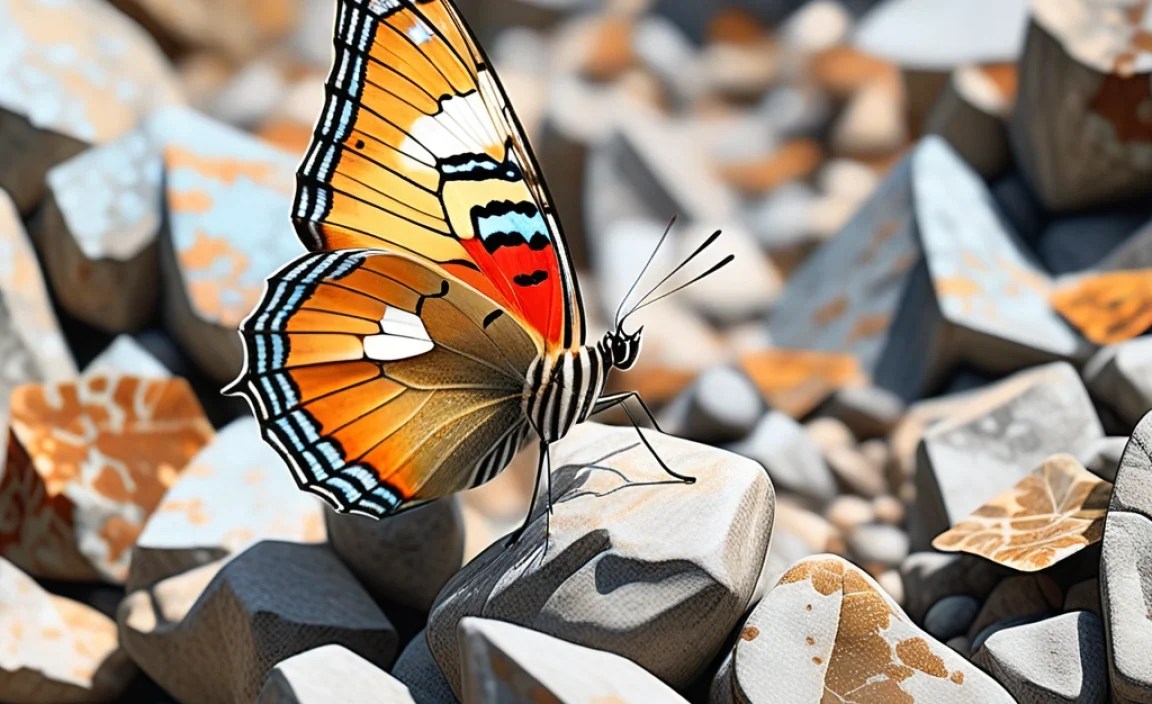
Identifying rare mountain butterflies can be tricky. They often look similar to other butterflies. But, there are some clues to help you. Look at their size, color, and wing patterns. Some have bright colors, while others are dull. Notice where you find them. Are they high up in the mountains? What plants are nearby? Experts use special guides to identify them. These guides have pictures and descriptions. You can also learn from websites and books. But, be careful not to disturb them. It’s best to take pictures and leave them in their home.
- Check the size and color.
- Look at the wing patterns.
- Note the location and plants.
- Use field guides and websites.
- Avoid disturbing them.
Imagine you are hiking in the mountains. You see a butterfly you’ve never seen before. Its wings have a unique pattern. It’s visiting a flower that grows only on that mountain. You take a picture and try to identify it later. You look through your butterfly guide. You search online. Finally, you find a match! It’s a rare mountain butterfly. You feel excited to have seen such a special creature. This is how scientists and nature lovers discover new things. They pay attention to details and use their knowledge to learn. You can do it too! Just remember to be respectful of the butterflies and their home.
Fun Fact or Stat: Some rare mountain butterflies are named after the person who first discovered them!
Using Field Guides
Field guides are helpful for identifying butterflies. They have pictures and descriptions of different species. They also tell you where each butterfly lives. Look for a field guide that covers your area. Pay attention to the details in the pictures. Compare the butterfly you see to the pictures in the guide. Read the descriptions carefully. Note the size, color, and wing patterns. Also, check the habitat information. This can help you confirm the identification. Field guides are a great tool for learning about butterflies. They can help you become a better observer of nature.
Observing Wing Patterns
Wing patterns are very important for identifying butterflies. Each species has its own unique pattern. Some have spots, stripes, or bands. Others have intricate designs. Pay close attention to the colors and shapes. Notice where the patterns are located on the wings. Are they on the top or bottom? Are they near the edge or the center? Use a magnifying glass to see the details. Draw the pattern in a notebook. This can help you remember it later. Wing patterns are like fingerprints for butterflies. They can help you tell them apart.
Photographing Butterflies
Taking pictures of butterflies is a great way to study them. You can look at the pictures later to identify them. Use a camera with a good zoom lens. This will help you get close-up shots. Be patient and wait for the butterfly to land. Try to get a clear picture of its wings. Also, take pictures of its habitat. This can help you remember where you found it. Share your pictures with other butterfly lovers. They might be able to help you identify it. Photographing butterflies is a fun and rewarding hobby.
Threats to Rare Mountain Butterflies

Rare mountain butterflies face many threats. One of the biggest threats is habitat loss. People build roads and buildings in their mountain homes. This destroys the plants they need to survive. Climate change is also a big problem. As the Earth warms, their habitat changes. They may not be able to adapt quickly enough. Pollution from cars and factories can harm them. Pesticides used in farming can also poison them. Sometimes people collect them, which makes them rarer. We need to protect them from these threats. We can do this by protecting their habitat. We can also reduce pollution and fight climate change. Every little bit helps.
- Habitat loss destroys their homes.
- Climate change alters their habitat.
- Pollution harms them and their food.
- Pesticides can poison them.
- Collecting them makes them rarer.
Imagine a small butterfly trying to survive. Its mountain home is being destroyed. The weather is getting warmer. The plants it needs to eat are disappearing. It’s a tough life for a rare mountain butterfly. That’s why it’s so important to understand the threats they face. By learning about these threats, we can take action. We can support conservation efforts. We can reduce our impact on the environment. We can help these butterflies have a better chance of survival. Even small actions can make a big difference. Let’s work together to protect these amazing creatures.
Fun Fact or Stat: Some butterfly populations have declined by over 50% in the last few decades due to habitat loss!
Habitat Destruction
Habitat destruction is a major threat to butterflies. When people build roads and buildings, they destroy butterfly homes. This leaves them with no place to live or find food. Mining and logging also destroy habitats. These activities can pollute the environment. They can also disrupt the ecosystem. Protecting butterfly habitats is very important. We can do this by supporting conservation efforts. We can also reduce our use of natural resources. Every little bit helps to protect butterfly homes.
Climate Change
Climate change is a big problem for rare mountain butterflies. As the Earth warms, their habitat changes. They may not be able to adapt quickly enough. Warmer temperatures can also affect their food plants. The plants may bloom at different times. This can make it hard for the butterflies to find food. Extreme weather events, like droughts and floods, can also harm them. We need to fight climate change to protect these butterflies. We can do this by reducing our carbon footprint. We can also support policies that protect the environment.
Pollution
Pollution can harm rare mountain butterflies in many ways. Air pollution can damage their wings and make it hard to breathe. Water pollution can contaminate their food plants. Pesticides used in farming can poison them. Litter can also be a problem. Butterflies can get trapped in plastic or eat harmful chemicals. We need to reduce pollution to protect these butterflies. We can do this by using less plastic. We can also support sustainable farming practices. Every little bit helps to keep their environment clean.
Conserving Rare Mountain Butterflies
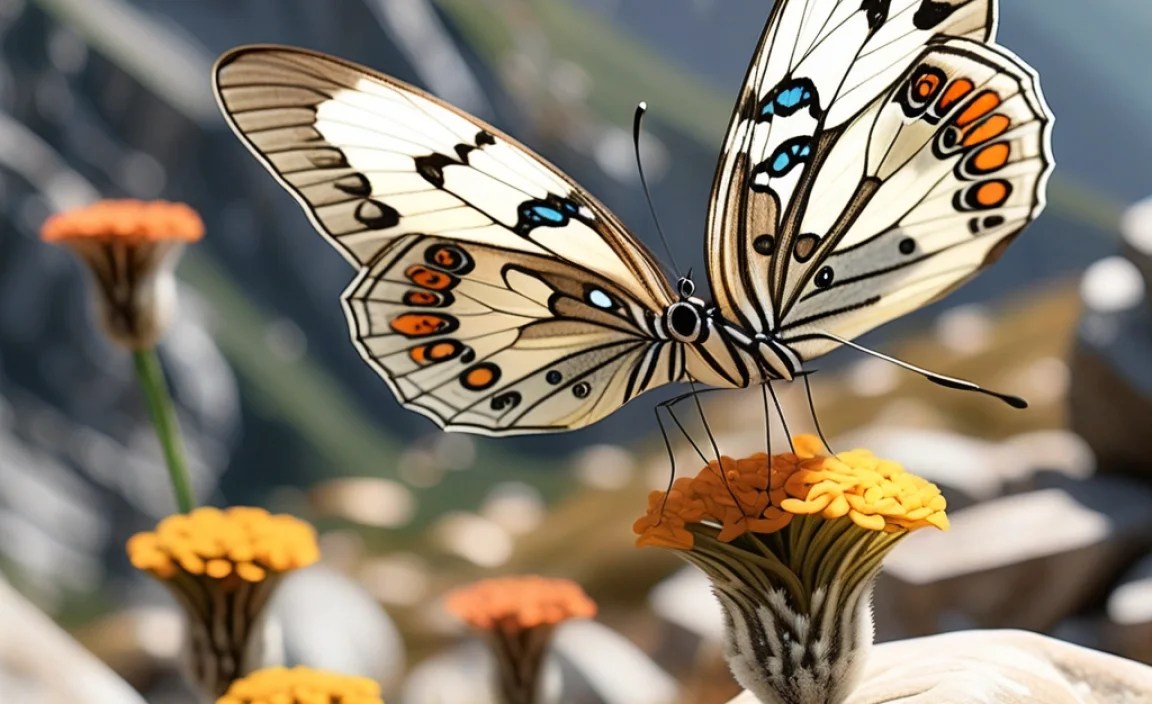
Conserving rare mountain butterflies is very important. These butterflies are a part of our natural world. They help pollinate plants and keep the ecosystem healthy. There are many ways to help them. We can protect their habitat by creating parks and reserves. We can also reduce pollution and fight climate change. Scientists study these butterflies to learn more about them. This helps us understand how to protect them. You can also help by spreading the word. Tell your friends and family about these amazing creatures. Together, we can make a difference.
- Protect their habitat with parks.
- Reduce pollution and climate change.
- Scientists study them to help.
- Spread the word about them.
- Support conservation efforts.
Imagine a world without these beautiful butterflies. The mountain meadows would be less colorful. The ecosystem would be less healthy. It’s up to us to make sure this doesn’t happen. We can all play a part in conserving rare mountain butterflies. Whether it’s donating to a conservation organization or planting native flowers in your garden, every action counts. By working together, we can create a brighter future for these amazing creatures. Let’s protect their homes and ensure they thrive for generations to come.
Fun Fact or Stat: Some conservation organizations use butterflies as a symbol to represent the importance of protecting biodiversity!
Creating Protected Areas
Creating protected areas is a great way to conserve butterflies. These areas can be parks, reserves, or wildlife sanctuaries. They provide a safe place for butterflies to live and breed. Protected areas also help to protect their habitat. This includes the plants they need for food and shelter. Governments and conservation organizations can create these areas. They can also work with local communities to manage them. Protected areas are a vital tool for conserving rare mountain butterflies.
Supporting Research
Supporting research is important for conserving butterflies. Scientists study butterflies to learn about their needs. They also study the threats they face. This information helps us develop effective conservation strategies. Research can also help us monitor butterfly populations. This allows us to track their progress and adjust our strategies. You can support research by donating to conservation organizations. You can also volunteer to help scientists in the field. Every little bit helps to advance our knowledge of butterflies.
Educating Others
Educating others is a key part of conservation. When people learn about butterflies, they are more likely to care about them. You can educate others by sharing information about butterflies. You can also take them on nature walks to see butterflies in their habitat. Schools and community groups can also play a role. They can organize events and activities to raise awareness. Educating others is a powerful way to inspire action and protect rare mountain butterflies.
Studying the Ecology of Butterflies

Studying the ecology of butterflies helps us understand them. Ecology is the study of how living things interact. This includes how butterflies interact with their environment. It also includes how they interact with other plants and animals. Scientists study their life cycle, food sources, and habitat. They also study how they respond to changes in the environment. This information is important for conservation. It helps us understand how to protect them. By studying their ecology, we can make better decisions about conservation.
- Study their life cycle and food.
- Examine their habitat needs.
- See how they react to change.
- Understand their interactions.
- Use this for conservation.
Imagine you are a scientist studying butterflies. You spend your days in the mountains, observing them. You watch them fly, eat, and mate. You collect data on their populations. You also study the plants they depend on. You learn how climate change affects them. This is all part of studying their ecology. By understanding how these butterflies live, you can help protect them. Your research can inform conservation efforts. It can help people make better decisions about land use. It can inspire others to care about these amazing creatures.
Fun Fact or Stat: Butterfly wings are covered in tiny scales that help them fly and stay warm!
Life Cycle Observations
Observing the life cycle of butterflies is fascinating. They start as eggs, then hatch into caterpillars. The caterpillars eat and grow. Then, they turn into pupae, or chrysalises. Inside the pupa, they transform into butterflies. Finally, the butterflies emerge and fly away. Each stage of the life cycle is important. Scientists study each stage to understand their needs. This helps us protect them at every stage of their life.
Food Source Analysis
Analyzing the food sources of butterflies is crucial. Butterflies need nectar from flowers to survive. Caterpillars need specific plants to eat. Scientists study which plants they prefer. They also study how climate change affects these plants. This information helps us protect their food sources. We can plant more of their favorite plants. We can also protect their habitat from pollution. By ensuring they have enough food, we can help them thrive.
Habitat Mapping
Habitat mapping is important for conservation. It involves creating maps of butterfly habitats. These maps show where they live, breed, and feed. Scientists use GPS and satellite imagery to create these maps. The maps help us identify important areas for conservation. We can use them to protect these areas from development. Habitat mapping is a valuable tool for conserving butterflies.
Butterfly Conservation Projects
Butterfly conservation projects are happening all over the world. These projects aim to protect butterflies and their habitats. Some projects focus on restoring habitats. They plant native plants and remove invasive species. Other projects focus on educating the public. They teach people about butterflies and their importance. Some projects involve captive breeding. They raise butterflies in captivity and then release them into the wild. All these projects are important for conserving rare mountain butterflies.
| Project Type | Description | Example |
|---|---|---|
| Habitat Restoration | Restoring degraded butterfly habitats. | Planting native flowers in a meadow. |
| Education Programs | Educating the public about butterflies. | Giving presentations at schools. |
| Captive Breeding | Breeding butterflies in captivity. | Releasing butterflies into the wild. |
| Monitoring Programs | Tracking butterfly populations. | Counting butterflies in a park. |
- Restoring habitats is very helpful.
- Educating the public matters too.
- Breeding them in captivity helps.
- Monitoring their populations is key.
- All these projects make a difference.
Imagine you are part of a butterfly conservation project. You spend your days planting flowers. You teach kids about butterflies. You monitor butterfly populations. You feel proud to be making a difference. These projects rely on volunteers and donations. You can get involved too. Find a local conservation organization. Offer your time or money. Even small actions can have a big impact. Together, we can protect these amazing creatures for future generations. Let’s make a positive change.
Fun Fact or Stat: Some butterfly conservation projects involve training dogs to sniff out rare butterfly eggs!
Habitat Restoration Efforts
Habitat restoration is a key part of conservation. It involves restoring degraded butterfly habitats. This can include planting native plants. It can also include removing invasive species. Habitat restoration can create a more suitable environment for butterflies. It can also improve their food supply. These efforts can help butterfly populations recover. They can also help protect biodiversity. Habitat restoration is a valuable tool for conserving rare mountain butterflies.
Community Involvement
Community involvement is important for conservation. When local communities are involved, they are more likely to support conservation efforts. Community members can help with habitat restoration. They can also help with monitoring butterfly populations. They can also educate others about butterflies. By involving the community, we can create a sense of ownership. This can lead to more sustainable conservation outcomes. Community involvement is essential for the long-term success of conservation projects.
Monitoring Butterfly Populations
Monitoring butterfly populations is crucial. It allows us to track their progress. It also allows us to assess the effectiveness of conservation efforts. Scientists use various methods to monitor butterfly populations. They count butterflies in specific areas. They also track their movements. This data helps us understand how butterfly populations are changing. It also helps us identify threats to their survival. Monitoring butterfly populations is a vital tool for conservation.
Summary
Rare mountain butterflies are unique insects. They live in high-altitude environments. These butterflies face threats like habitat loss and climate change. Conservation efforts are important to protect them. These efforts include habitat restoration and education. Scientists study their ecology to understand them better. You can help by supporting conservation projects. Every little bit makes a difference. Protecting these butterflies helps maintain biodiversity.
Conclusion
Rare mountain butterflies are special creatures. They play a vital role in mountain ecosystems. Protecting them is essential. We must act now to conserve their habitats. We need to reduce pollution and fight climate change. By working together, we can ensure their survival. Let’s protect these beautiful butterflies for future generations.
Frequently Asked Questions
Question No 1: Why are mountain butterflies rare?
Answer: Mountain butterflies are rare for several reasons. They can only live in specific high-altitude areas. These areas have unique climates and plants. Habitat loss due to human activities is also a factor. Climate change affects their food sources and habitats. Pollution can harm them too. All these things contribute to their rarity.
Question No 2: What do rare mountain butterflies eat?
Answer: Rare mountain butterflies and their caterpillars have specific diets. The caterpillars often eat only one type of plant. The butterflies drink nectar from certain flowers. These plants and flowers are usually only found in their mountain habitats. If these food sources disappear, the butterflies cannot survive. Protecting these plants is crucial for their survival.
Question No 3: How can I help protect rare mountain butterflies?
Answer: You can help in many ways! Support conservation organizations that work to protect their habitats. Reduce your carbon footprint to combat climate change. Avoid using pesticides in your garden. Educate your friends and family about these butterflies. Plant native flowers that provide nectar for them. Every small action makes a difference. Even just spreading awareness can help!
Question No 4: Where can I find rare mountain butterflies?
Answer: You can find rare mountain butterflies in high-altitude areas around the world. Look for them in mountain meadows and rocky slopes. Check field guides and online resources to find specific locations. Remember to be respectful of their habitat. Observe them from a distance and avoid disturbing them. Always leave their environment as you found it.
Question No 5: What is being done to protect rare mountain butterflies?
Answer: Many conservation projects are working to protect these butterflies. These projects include habitat restoration. They also involve captive breeding programs. Scientists study their ecology to understand their needs better. Governments create protected areas to safeguard their habitats. All these efforts aim to ensure their survival. It’s a team effort to help these butterflies thrive.
Question No 6: Why is it important to protect rare mountain butterflies?
Answer: It is important because these butterflies are part of a healthy ecosystem. They help pollinate plants. They also serve as food for other animals. They are an important part of biodiversity. Losing them can disrupt the balance of nature. Protecting rare mountain butterflies helps preserve the beauty and health of our planet.


