
African Fritillary Butterfly: See This Beauty!

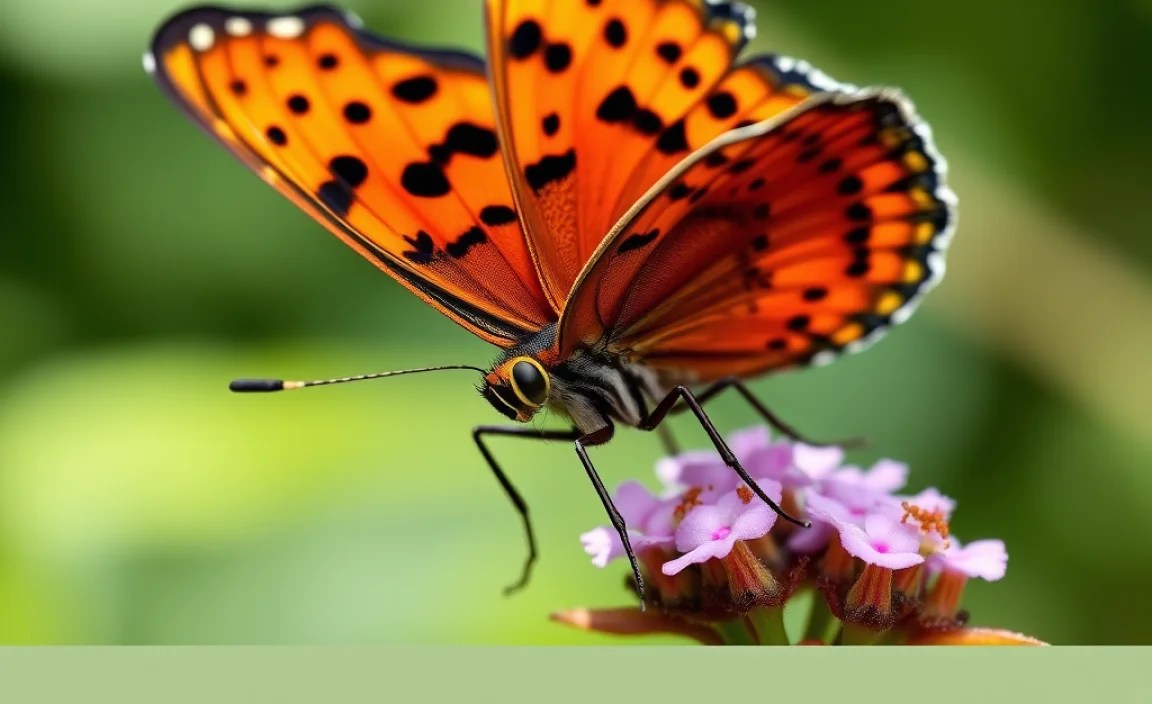
The African fritillary butterfly (Lachnoptera ayresii) is a striking butterfly known for its bright orange wings adorned with black spots. To identify them, look for their characteristic flight pattern near forest edges and sunny glades. You can attract them by planting larval host plants like Rinorea angustifolia and nectar sources such as Lantana. Conservation efforts focus on preserving their natural habitats and promoting butterfly-friendly gardening practices.
Have you ever been captivated by a flash of brilliant orange in your garden or a nearby forest, only to wonder what butterfly it was? Identifying butterflies can sometimes feel like solving a puzzle, especially with so many species flitting around. One such beauty is the African fritillary butterfly, a gem of the African landscape. Knowing how to spot them and create a welcoming habitat can bring so much joy to any nature lover.
In this guide, we’ll walk you through the fascinating world of the African fritillary butterfly. We’ll cover everything from its unique features and where to find it, to how to attract it to your garden and contribute to its conservation. Get ready to become an African fritillary expert!
What is the African Fritillary Butterfly?

The African fritillary butterfly, scientifically known as Lachnoptera ayresii, is a captivating butterfly species found across various regions of Africa. It belongs to the Nymphalidae family, which includes many of the world’s most recognizable butterflies. These butterflies are known for their vibrant colors and interesting behaviors, making them a favorite among butterfly enthusiasts and conservationists alike.
Key Characteristics
The African fritillary is easily recognizable due to its distinct appearance:
- Wings: The wings are a bright, almost luminous orange, covered with a pattern of black spots and markings. This striking contrast makes them stand out in their natural habitat.
- Size: They typically have a wingspan ranging from 5 to 6 centimeters, making them a medium-sized butterfly.
- Flight Pattern: Their flight is often described as erratic and fast, allowing them to navigate through dense vegetation and open spaces with ease.
Habitat and Distribution
These butterflies are predominantly found in the eastern and southern parts of Africa. Their habitat includes:
- Forests: They thrive in and around forests, particularly along edges and in sunny clearings.
- Woodlands: Open woodlands with plenty of sunlight and host plants are also ideal habitats.
- Gardens: They can sometimes be spotted in gardens that offer the right mix of nectar sources and larval host plants.
Life Cycle
Like all butterflies, the African fritillary undergoes a complete metamorphosis. Here’s a brief overview of their life cycle:
- Egg: The female butterfly lays her eggs on the host plant, which serves as the food source for the larvae.
- Larva (Caterpillar): The caterpillar hatches from the egg and feeds voraciously on the leaves of the host plant. It molts several times as it grows.
- Pupa (Chrysalis): Once the larva is fully grown, it forms a pupa or chrysalis. Inside this protective shell, the transformation into a butterfly takes place.
- Adult Butterfly: The adult butterfly emerges from the pupa. It then flies off to reproduce, continuing the cycle.
Identifying the African Fritillary Butterfly

Identifying the African fritillary butterfly involves looking at several key characteristics. Here’s a detailed guide to help you distinguish it from other similar species.
Visual Identification
The most straightforward way to identify the African fritillary is by its distinctive appearance. Here are the features to focus on:
- Wing Color and Pattern: Look for the bright orange wings covered in black spots. The pattern is quite unique and consistent across individuals.
- Size: Remember that they are medium-sized, with a wingspan of about 5 to 6 centimeters.
- Body: The body is usually dark, which contrasts nicely with the bright wings.
Behavioral Clues
Sometimes, observing the butterfly’s behavior can also provide clues to its identity:
- Flight: They have a rapid, erratic flight pattern, darting quickly between flowers and foliage.
- Habitat: Check if the butterfly is in or around forested areas, woodlands, or gardens.
- Feeding: Observe what types of flowers the butterfly visits for nectar. They are often attracted to brightly colored flowers.
Similar Species
It’s important to be aware of other butterflies that might look similar to the African fritillary. Here are a couple of species you might confuse it with:
- Other Fritillaries: Some other fritillary species might have similar orange coloration but different spot patterns. Pay close attention to the details of the markings.
- Monarch Butterfly: While Monarchs are not native to Africa, they share a similar orange hue. However, Monarchs have distinctive black veins on their wings, which the African fritillary lacks.
Tools for Identification
If you’re still unsure, here are some tools that can help:
- Butterfly Field Guides: A good field guide specific to your region can provide detailed descriptions and illustrations of local butterfly species.
- Online Databases: Websites like iNaturalist and Butterfly Conservation offer extensive databases of butterfly photos and information.
- Butterfly Identification Apps: Several apps allow you to upload a photo of a butterfly and get an instant identification.
Attracting African Fritillary Butterflies to Your Garden
Attracting African fritillary butterflies to your garden is a rewarding experience. These vibrant butterflies can add beauty and life to your outdoor space. Here’s how you can create a butterfly-friendly garden.
Planting Host Plants
Host plants are essential because they provide food for the caterpillars. For the African fritillary, the primary host plant is:
- Rinorea angustifolia: This plant is a favorite of the caterpillars. Planting it in your garden will encourage the butterflies to lay their eggs there.
Providing Nectar Sources
Adult butterflies feed on nectar, so providing a variety of nectar-rich flowers is crucial. Here are some great options:
- Lantana: These colorful flowers are highly attractive to butterflies.
- Pentas: Another excellent choice, Pentas flowers come in various colors and provide a steady source of nectar.
- Salvia: Many Salvia varieties are butterfly magnets.
- Hibiscus: These tropical flowers are not only beautiful but also provide nectar.
Creating a Butterfly-Friendly Environment
In addition to providing food sources, you can create a welcoming environment for butterflies by:
- Providing Sunlight: Butterflies need sunlight to warm their bodies. Make sure your garden has plenty of sunny spots.
- Offering Shelter: Plant shrubs and trees to provide shelter from wind and rain.
- Providing Water: Butterflies also need water. You can create a shallow dish of water with pebbles for them to land on.
- Avoiding Pesticides: Pesticides can harm or kill butterflies and other beneficial insects. Opt for organic gardening practices instead.
Garden Design Tips
Here are some tips for designing your garden to attract African fritillaries:
- Plant in Clusters: Group plants of the same species together to make it easier for butterflies to find them.
- Choose a Variety of Colors: Butterflies are attracted to a wide range of colors, so mix it up.
- Provide Continuous Bloom: Select plants that bloom at different times of the year to ensure a continuous supply of nectar.
Conservation Status and Efforts

Understanding the conservation status of the African fritillary butterfly and the efforts to protect it is vital. While the African fritillary is not currently listed as endangered, habitat loss and degradation pose significant threats to its populations.
Threats to the African Fritillary
Several factors contribute to the decline of butterfly populations, including:
- Habitat Loss: Deforestation and urbanization reduce the available habitat for these butterflies.
- Pesticide Use: The use of pesticides in agriculture and gardens can harm or kill butterflies and their larvae.
- Climate Change: Changes in climate patterns can disrupt butterfly life cycles and alter their habitats.
- Over-Collection: Although less common, the over-collection of butterflies for scientific or recreational purposes can also impact populations.
Conservation Efforts
Various organizations and individuals are working to protect butterflies and their habitats. Some key conservation efforts include:
- Habitat Preservation: Protecting and restoring natural habitats, such as forests and woodlands, is crucial.
- Butterfly Gardens: Encouraging the creation of butterfly gardens in urban and rural areas provides food and shelter for butterflies.
- Sustainable Agriculture: Promoting sustainable farming practices that reduce pesticide use and protect butterfly habitats.
- Education and Awareness: Raising awareness about the importance of butterflies and the threats they face can encourage people to take action.
- Research and Monitoring: Conducting research to better understand butterfly populations and their needs helps inform conservation strategies.
How You Can Help
There are many ways you can contribute to the conservation of the African fritillary and other butterflies:
- Plant a Butterfly Garden: Create a butterfly-friendly garden with host plants and nectar sources.
- Avoid Pesticides: Use organic gardening practices and avoid using pesticides.
- Support Conservation Organizations: Donate to or volunteer with organizations that work to protect butterflies and their habitats.
- Educate Others: Share your knowledge and passion for butterflies with friends, family, and your community.
- Participate in Citizen Science: Contribute to butterfly monitoring programs by recording your sightings and submitting data to research projects.
The African Fritillary Butterfly in Culture and Symbolism
Butterflies have long held symbolic significance in various cultures around the world. The African fritillary butterfly, with its vibrant colors and delicate beauty, is no exception. Understanding its cultural and symbolic meanings can add another layer of appreciation for this fascinating creature.
Symbolism of Butterflies
In general, butterflies are often seen as symbols of:
- Transformation: The butterfly’s life cycle, from egg to caterpillar to pupa to butterfly, is a powerful metaphor for transformation and change.
- Hope: The butterfly’s ability to emerge from its chrysalis and take flight symbolizes hope and new beginnings.
- Beauty: Butterflies are admired for their beauty and grace.
- Freedom: The butterfly’s ability to fly freely represents freedom and independence.
- Soul: In some cultures, butterflies are believed to represent the human soul.
Cultural Significance in Africa
While specific cultural meanings can vary depending on the region and community, butterflies often hold positive connotations in African cultures. They may be seen as:
- Messengers: In some traditions, butterflies are believed to be messengers from the spirit world.
- Symbols of Good Luck: Spotting a butterfly can be seen as a sign of good fortune.
- Representations of Ancestors: In certain communities, butterflies are thought to represent the spirits of ancestors.
The African Fritillary’s Unique Symbolism
The African fritillary, with its bright orange wings, might carry additional symbolic meanings related to:
- Energy and Vitality: Orange is often associated with energy, enthusiasm, and vitality. The butterfly’s vibrant color could symbolize these qualities.
- Warmth and Joy: The warm orange hue might also represent warmth, joy, and happiness.
Incorporating Butterfly Symbolism into Your Life
You can incorporate the symbolism of the African fritillary and other butterflies into your life in various ways:
- Wear Butterfly Jewelry: Adorn yourself with butterfly pendants, earrings, or brooches.
- Display Butterfly Art: Hang butterfly paintings, prints, or photographs in your home.
- Use Butterfly Motifs: Incorporate butterfly patterns into your clothing, accessories, or home decor.
- Reflect on Butterfly Symbolism: Take time to reflect on the meanings of transformation, hope, and freedom that butterflies represent.
Frequently Asked Questions (FAQ)
1. What does the African fritillary butterfly eat?
The caterpillars of the African fritillary butterfly primarily feed on the leaves of Rinorea angustifolia. Adult butterflies feed on the nectar of various flowers, including Lantana and Pentas.
2. Where can I find African fritillary butterflies?
These butterflies are commonly found in eastern and southern Africa, particularly in forests, woodlands, and gardens with suitable host and nectar plants.
3. How can I tell the difference between an African fritillary and other similar butterflies?
Look for the bright orange wings with black spots, a wingspan of 5-6 cm, and a rapid, erratic flight pattern. Check for the specific spot patterns to distinguish it from other fritillary species.
4. What is the lifespan of an African fritillary butterfly?
The lifespan of an African fritillary butterfly is typically a few weeks to a couple of months, depending on environmental conditions and the availability of resources.
5. Are African fritillary butterflies endangered?
While not currently listed as endangered, their populations are threatened by habitat loss, pesticide use, and climate change. Conservation efforts are important to protect them.
6. What kind of garden attracts these butterflies?
A butterfly-friendly garden includes host plants like Rinorea angustifolia for caterpillars, nectar-rich flowers like Lantana for adults, plenty of sunlight, shelter from wind, and a water source, all while avoiding pesticides.
7. How do I encourage African fritillary butterflies to lay eggs in my garden?
Plant Rinorea angustifolia, the primary host plant, in a sunny and sheltered spot in your garden. Ensure the plants are healthy and free from pesticides to encourage egg-laying.
Conclusion
The African fritillary butterfly is a true gem of the African landscape, captivating us with its vibrant colors and fascinating life cycle. By learning how to identify these butterflies, creating butterfly-friendly gardens, and supporting conservation efforts, we can all play a part in ensuring their survival for generations to come. Whether you’re a seasoned naturalist, a budding gardener, or simply someone who appreciates the beauty of nature, the world of the African fritillary offers endless opportunities for discovery and connection.


