
Butterflies of Amazon-Orinoco Region: Discover Beauty!

The Amazon-Orinoco region is home to a dazzling array of butterflies! Spotting these beauties involves understanding their habitats, preferred plants, and unique behaviors. From the electric-blue Morphos to the vibrant Swallowtails, learning to identify them adds a magical touch to any rainforest adventure. Knowing their importance also helps us protect these vital pollinators.
Ever wondered about the fluttery jewels of the Amazon and Orinoco? It’s easy to feel overwhelmed by the sheer variety of butterflies in this lush region. But don’t worry! Identifying these stunning insects can be simpler than you think. By focusing on key features like size, color, and wing patterns, you’ll be spotting butterflies like a pro in no time.
In this guide, we’ll explore the butterflies of the Amazon-Orinoco region, covering everything from their habitats to their vital role in the ecosystem. Get ready to uncover the secrets of these winged wonders and appreciate the biodiversity of the rainforest!
Exploring the Butterfly Biodiversity of the Amazon-Orinoco Region

The Amazon and Orinoco River basins are biodiversity hotspots, teeming with life. Butterflies, with their diverse colors and patterns, are a highlight of this region. Let’s dive into what makes this area so special for these incredible insects.
What Makes This Region Unique?
Several factors contribute to the extraordinary butterfly diversity in the Amazon-Orinoco region:
- Tropical Climate: Warm temperatures and high humidity support year-round butterfly activity and breeding.
- Abundant Flora: A vast array of flowering plants provides nectar for adult butterflies and food for caterpillars.
- Varied Habitats: From dense rainforests to open savannas and riverbanks, the region offers diverse niches for different butterfly species.
- Geological History: The complex geological history of the region has led to the isolation and evolution of many unique species.
Key Butterfly Families in the Region
Several butterfly families are particularly well-represented in the Amazon-Orinoco region. Here are some of the most notable:
- Nymphalidae (Brush-footed Butterflies): This large family includes many colorful and conspicuous species, such as Morphos, Emperors, and Heliconians.
- Papilionidae (Swallowtail Butterflies): Known for their elegant shapes and vibrant colors, Swallowtails are often large and eye-catching.
- Pieridae (Whites and Yellows): These butterflies are often found in open areas and are important pollinators.
- Lycaenidae (Gossamer-winged Butterflies): Small and delicate, these butterflies often have intricate patterns and iridescent colors.
- Hesperiidae (Skippers): Skippers are small, fast-flying butterflies with hooked antennae, often overlooked but abundant.
Identifying Common Butterfly Species
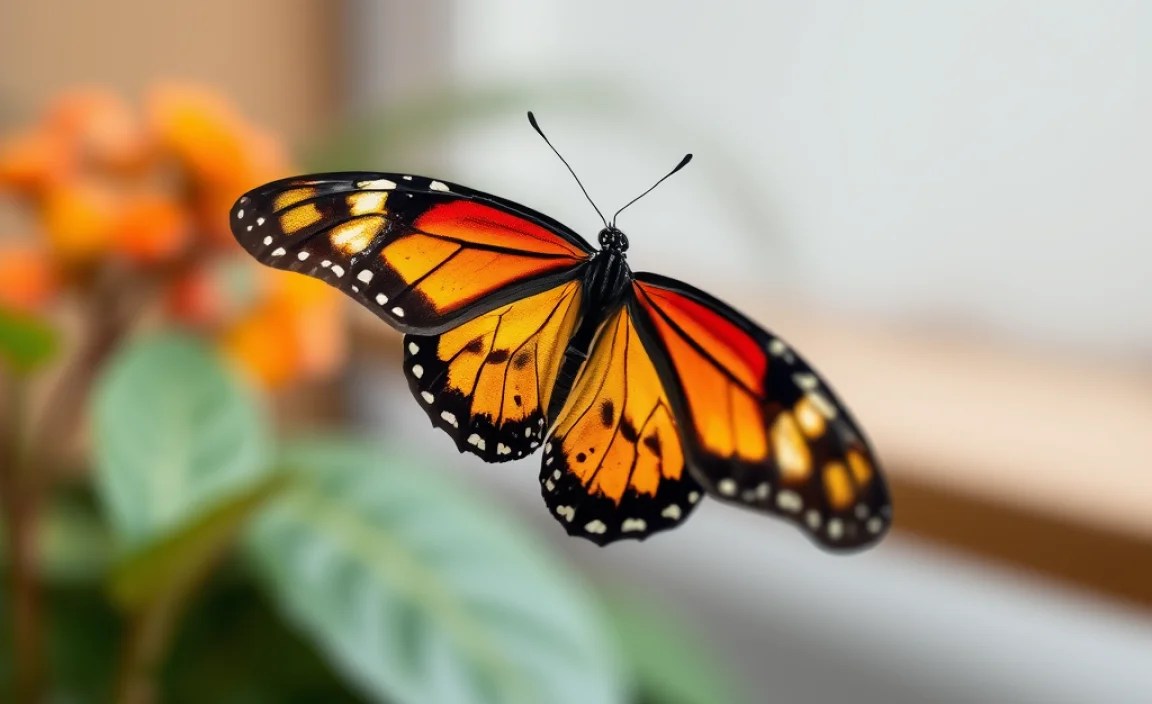
Let’s explore some of the most common and captivating butterfly species you might encounter in the Amazon-Orinoco region.
Morpho Butterflies
Morpho butterflies are famous for their iridescent blue wings. The shimmering effect is created by microscopic structures on the scales of their wings, which reflect light in a unique way. These butterflies are relatively large, with wingspans ranging from 5 to 8 inches.
Key Identification Features:
- Brilliant, iridescent blue wings (though some species have white or brown wings)
- Large size
- Often seen flying high in the forest canopy
Swallowtail Butterflies
Swallowtail butterflies are known for their distinctive “tails” on their hindwings. They come in a variety of colors and patterns, and many species are highly prized by collectors.
Key Identification Features:
- Presence of “tails” on the hindwings
- Wide range of colors, including black, yellow, green, and blue
- Often large and conspicuous
Heliconian Butterflies
Heliconian butterflies are unique because they feed on pollen as adults, in addition to nectar. This gives them a longer lifespan than most other butterflies. They also have bright, contrasting colors, which warn predators of their toxicity.
Key Identification Features:
- Bright, contrasting colors, such as red, yellow, and black
- Long lifespan compared to other butterflies
- Often found in groups
Monarch Butterflies
Monarch butterflies are famous for their long-distance migrations. While primarily known from North America, they can also be found in parts of South America, including the Amazon-Orinoco region. They have distinctive orange and black wings with white spots.
Key Identification Features:
- Orange and black wings with white spots
- Relatively large size
- Strong, gliding flight
Owl Butterflies
Owl butterflies are named for the large eyespots on their hindwings, which resemble the eyes of an owl. These eyespots are thought to startle predators and give the butterfly a chance to escape.
Key Identification Features:
- Large eyespots on the hindwings
- Brown or tan coloration
- Large size
Butterfly Habitats in the Amazon-Orinoco Region

The Amazon-Orinoco region offers a wide range of habitats for butterflies, each supporting a unique community of species. Here’s a look at some of the most important habitats:
Rainforests
The dense rainforest is the primary habitat for many butterfly species in the Amazon-Orinoco region. The forest canopy provides shelter, food, and breeding sites for a wide variety of butterflies. Look for Morphos, Swallowtails, and Heliconians in the rainforest.
Riverbanks and Floodplains
Riverbanks and floodplains are dynamic environments that support a variety of butterfly species. These areas often have a high diversity of flowering plants, which provide nectar for adult butterflies. You might find Whites, Yellows, and Skippers along riverbanks.
Savannas
Savannas are open grasslands with scattered trees and shrubs. These habitats are home to a different set of butterfly species than rainforests. Look for fast-flying Skippers and brightly colored Pierids in savannas.
Gardens and Human-Modified Landscapes
Even in human-modified landscapes, such as gardens and agricultural areas, butterflies can thrive. Planting butterfly-friendly flowers and providing larval host plants can attract a variety of species to these areas. You might see Monarchs, Swallowtails, and other common butterflies in gardens.
Attracting Butterflies to Your Garden

Even if you don’t live in the Amazon-Orinoco region, you can still attract butterflies to your garden by providing the resources they need. Here are some tips for creating a butterfly-friendly habitat:
Plant Nectar-Rich Flowers
Adult butterflies feed on nectar, so planting a variety of nectar-rich flowers is essential. Choose flowers with different colors, shapes, and bloom times to attract a wide range of species. Some good choices include:
- Butterfly Bush (Buddleja davidii)
- Zinnia (Zinnia elegans)
- Lantana (Lantana camara)
- Salvia (Salvia spp.)
- Cosmos (Cosmos bipinnatus)
Provide Larval Host Plants
Caterpillars need specific host plants to feed on, so providing these plants is crucial for supporting butterfly populations. Research which butterflies are common in your area and plant their host plants. Some examples include:
- Milkweed (Asclepias spp.) for Monarchs
- Parsley, Dill, and Fennel for Swallowtails
- Passionflower (Passiflora spp.) for Heliconians
Offer a Water Source
Butterflies need water to stay hydrated, but they can’t drink from open water sources. Provide a shallow dish of water with pebbles or sand for them to land on.
Avoid Pesticides
Pesticides can harm or kill butterflies and other beneficial insects. Avoid using pesticides in your garden, or choose organic options that are less harmful.
Provide Shelter
Butterflies need shelter from wind and rain. Plant trees, shrubs, and tall grasses to provide them with protected areas.
The Ecological Importance of Butterflies
Butterflies are not just beautiful; they also play important roles in the ecosystem. Here are some of the key ecological functions they perform:
Pollination
Butterflies are important pollinators, transferring pollen from flower to flower as they feed on nectar. This helps plants reproduce and produce seeds and fruits. While bees are often considered the primary pollinators, butterflies can be important in certain ecosystems and for specific plants.
Food Source
Butterflies and caterpillars are an important food source for many animals, including birds, reptiles, amphibians, and other insects. They help support the food web and maintain the balance of the ecosystem.
Indicator Species
Butterflies are sensitive to changes in their environment, making them good indicator species. Their presence or absence can indicate the health of an ecosystem. Declines in butterfly populations can be a warning sign of environmental problems, such as habitat loss, pollution, or climate change.
| Ecological Role | Description | Importance |
|---|---|---|
| Pollination | Transferring pollen between flowers | Helps plants reproduce, supports biodiversity |
| Food Source | Providing food for birds, reptiles, and other animals | Supports the food web, maintains ecosystem balance |
| Indicator Species | Reflecting the health of the environment | Warns of environmental problems, guides conservation efforts |
Conservation Efforts for Butterflies
Many butterfly species are threatened by habitat loss, climate change, and other factors. Conservation efforts are needed to protect these beautiful and important insects. Here are some of the ways people are working to conserve butterflies:
Habitat Protection
Protecting and restoring butterfly habitats is essential for their survival. This can involve creating protected areas, managing forests and grasslands, and restoring degraded habitats.
Captive Breeding Programs
Captive breeding programs can help to increase the populations of endangered butterfly species. These programs involve breeding butterflies in captivity and then releasing them back into the wild.
Public Education
Educating the public about the importance of butterflies and the threats they face is crucial for raising awareness and encouraging conservation action. This can involve giving presentations, creating educational materials, and leading guided tours.
Citizen Science
Citizen science programs involve volunteers in collecting data on butterfly populations and habitats. This data can be used to track changes in butterfly populations and to inform conservation decisions. You can participate in citizen science projects through organizations like the Xerces Society and local butterfly clubs.
Tools and Resources for Butterfly Identification
Identifying butterflies can be challenging, but there are many tools and resources available to help. Here are some of the most useful:
- Butterfly Field Guides: Field guides provide detailed descriptions and illustrations of butterfly species. Look for guides that are specific to your region.
- Online Butterfly Databases: Online databases, such as Butterflies and Moths of North America (BAMONA), offer photos, descriptions, and distribution maps of butterfly species.
- Butterfly Identification Apps: There are several smartphone apps that can help you identify butterflies based on photos.
- Local Butterfly Clubs: Joining a local butterfly club is a great way to learn from experienced butterfly watchers and participate in field trips.
- Museum Collections: Museum collections can provide access to preserved butterfly specimens for study and identification.
The Cultural Significance of Butterflies
Butterflies have long held cultural significance in many societies. They are often seen as symbols of transformation, rebirth, and beauty. Here are some of the cultural meanings associated with butterflies:
- Transformation: The butterfly’s life cycle, from egg to caterpillar to pupa to adult, is a powerful metaphor for transformation and personal growth.
- Rebirth: In many cultures, butterflies are seen as symbols of rebirth and resurrection.
- Beauty: Butterflies are admired for their beauty and grace. They are often used in art, literature, and fashion.
- Soul: In some cultures, butterflies are believed to represent the souls of the dead.
FAQ About Butterflies of the Amazon-Orinoco Region
What is the most common butterfly in the Amazon?
The Blue Morpho butterfly is one of the most commonly seen and recognizable butterflies in the Amazon rainforest due to its vibrant blue wings.
Are Amazonian butterflies poisonous?
Some Amazonian butterflies, like Heliconians, are poisonous to predators because their caterpillars feed on toxic plants. Their bright colors warn predators to stay away.
How can I attract butterflies to my garden?
Plant nectar-rich flowers, provide larval host plants, offer a water source, avoid pesticides, and provide shelter to create a butterfly-friendly garden.
What do Amazon butterflies eat?
Adult butterflies primarily feed on nectar from flowers. Caterpillars eat the leaves of specific host plants, which varies depending on the butterfly species.
Why are butterflies important to the environment?
Butterflies are important pollinators, transferring pollen from flower to flower. They also serve as a food source for other animals and act as indicator species for environmental health.
What is the lifespan of a butterfly?
The lifespan of a butterfly varies greatly depending on the species. Some butterflies live only a few weeks, while others, like Heliconians, can live for several months.
Where is the best place to see butterflies in the Amazon?
butterfly farms, botanical gardens, and protected rainforest areas are excellent places to observe a variety of butterfly species in the Amazon region.
Conclusion
The butterflies of the Amazon-Orinoco region are a testament to the incredible biodiversity of our planet. From the shimmering Morphos to the elegant Swallowtails, these winged wonders captivate our imagination and inspire a sense of awe. By learning about these butterflies, their habitats, and their ecological roles, we can better appreciate their importance and contribute to their conservation. Whether you’re a seasoned naturalist or a curious beginner, there’s always something new to discover in the world of butterflies. So, grab your binoculars, head out into nature, and start exploring the fluttery jewels of the Amazon-Orinoco region!


