
Species Identification of Insects by Wing: Easy Guide

Have you ever seen a butterfly up close? Did you notice the patterns on its wings? Those patterns help us know what kind of butterfly it is. Scientists use wings to learn about different bugs. This is called species identification of insects by wing. It is like using a puzzle to find out what kind of insect you see.
Imagine you are a detective. Your job is to find out what kind of insect is in your garden. You look at its wings very closely. You see lines and shapes. These clues help you solve the mystery. Figuring out what kind of bug it is can be fun!
Wings are like fingerprints for bugs. Each type of insect has its own special wing design. Even small differences can tell us a lot. It helps us understand where they live and what they eat. Ready to learn more about species identification of insects by wing?
Key Takeaways
- Wing patterns and shapes are key to species identification of insects by wing.
- Wing veins are like fingerprints, unique to each insect species.
- Wing size and color help scientists classify different types of insects.
- Insect wings help us understand insect behavior and where they live.
- Careful observation of wings can unlock the secrets of insect diversity.
Basics of Insect Wing Identification
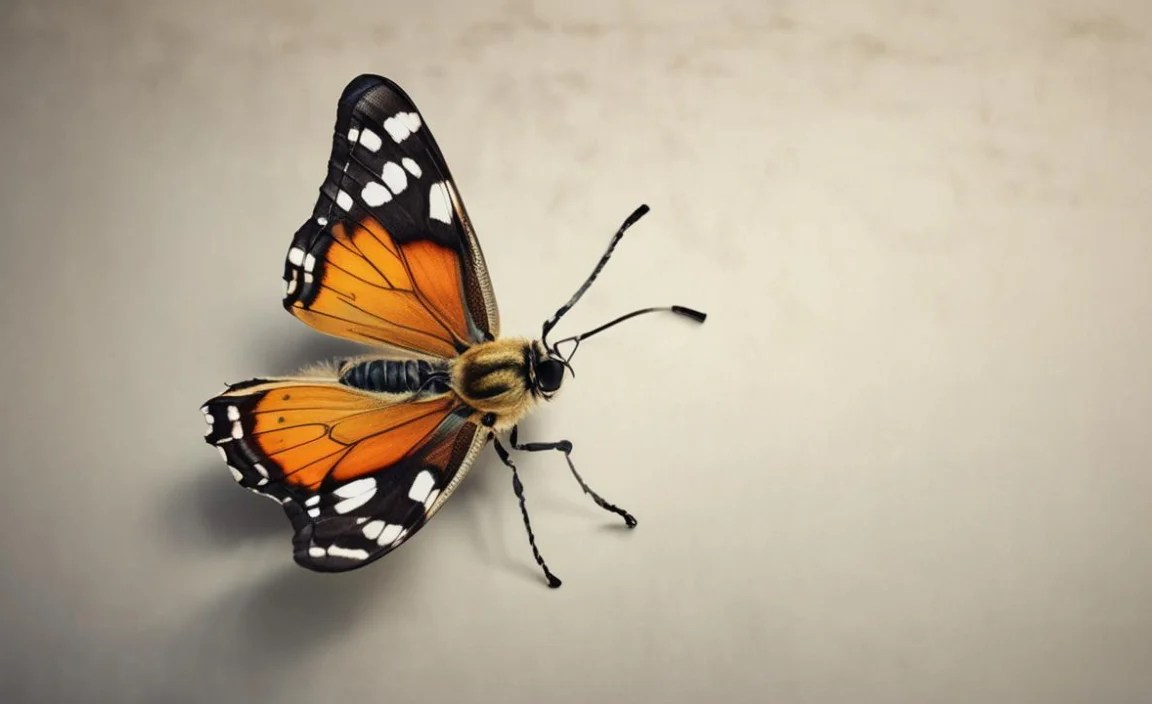
Species identification of insects by wing starts with understanding basic wing parts. Insect wings have veins, which are like tiny roads. These veins give the wing its shape and strength. The spaces between the veins are called cells. Scientists look at the arrangement of veins and cells. This helps them tell different insects apart. The shape of the wing itself is also important. Is it long and narrow or short and round? All these details matter when identifying insect species.
- Veins provide support and carry fluids.
- Cells are the areas between the veins.
- Wing shape varies among insect groups.
- Color patterns can be very distinctive.
- Scales on wings can create patterns.
Learning about insect wings is like learning a new language. Each part of the wing has a name and a purpose. The veins have names like costa, subcosta, and radius. These names help scientists talk about wings clearly. The more you learn about these parts, the easier it is to identify insects. So, grab a magnifying glass and start exploring! You might be surprised at what you discover. Remember to be gentle with the insects you find.
What Are Insect Wing Veins?
Have you ever looked closely at an insect’s wing? You might see lines running through it. These lines are called veins. Veins are like tiny straws. They carry fluids that keep the wing alive. Veins also give the wing strength. They help the insect fly without the wing tearing. Each type of insect has a different pattern of veins. These patterns are key to species identification of insects by wing. Scientists use these patterns to tell insects apart.
Why Are Wing Cells Important?
Wing cells are the spaces between the veins. They come in different shapes and sizes. These cells help make the wing strong and light. The pattern of cells can help identify the insect. Some insects have many small cells. Others have a few large cells. These differences help scientists tell insects apart. Looking at wing cells is like looking at a map. It shows you where you are in the insect world.
How Does Wing Shape Help?
Imagine a butterfly wing. Now imagine a fly wing. They look very different, right? The shape of the wing is another clue. Some wings are long and thin. Some are short and wide. Bees have two pairs of wings. Flies only have one pair. The shape and number of wings help us identify insects. Does the wing have a pointy tip? Or is it rounded? These are important questions to ask when identifying insects by their wings.
Fun Fact or Stat: Did you know that some insects can beat their wings hundreds of times per second?
Wing Patterns and Coloration
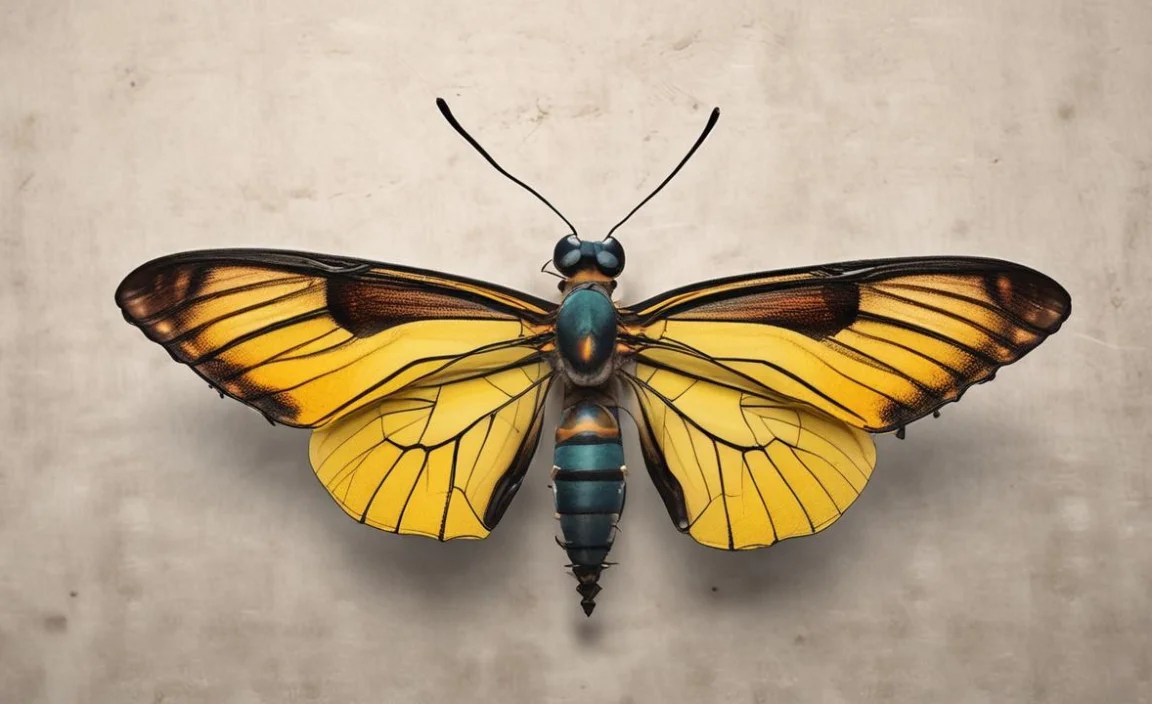
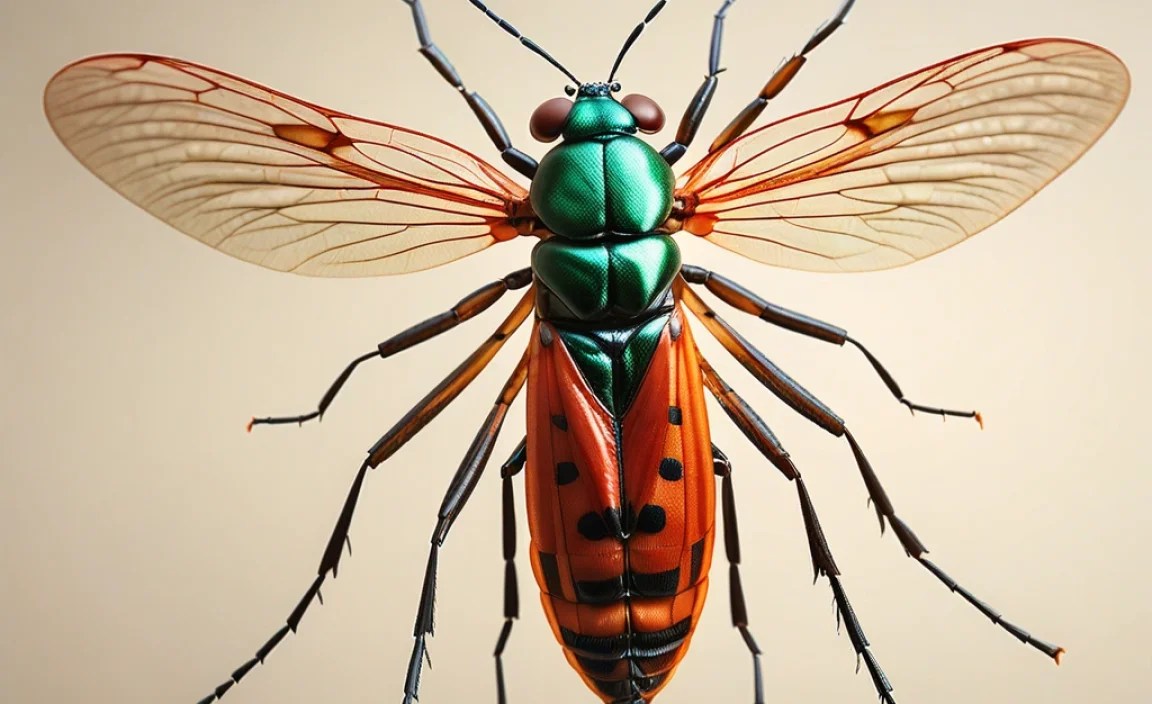
Wing patterns and colors are amazing tools for species identification of insects by wing. Think of butterflies. Their wings are covered in colorful scales. These scales create beautiful patterns. These patterns help them attract mates. They also help them hide from predators. Other insects have different kinds of patterns. Some have spots, stripes, or bands. These patterns and colors are unique to each species. Scientists use these details to identify insects from all over the world. It is like having a secret code to unlock the insect’s identity.
- Patterns can attract mates.
- Colors can provide camouflage.
- Spots and stripes are common patterns.
- Some insects have iridescent wings.
- Patterns can change with the seasons.
- Coloration varies by region.
The colors on insect wings come from pigments. Pigments are like tiny paint particles. Some colors are made by the structure of the wing itself. These structural colors can change depending on the angle of light. This is why some butterfly wings seem to shimmer. Scientists study these colors to understand more about insect evolution. They also learn about how insects interact with their environment. The world of insect wings is full of surprises.
What Makes Wing Colors?
Have you ever wondered where butterfly wings get their colors? The colors come from tiny scales. These scales are like tiny tiles. They cover the wing and reflect light. Different scales have different pigments. Pigments are like tiny bits of paint. Some scales reflect blue light. Others reflect red or yellow light. The combination of these colors creates the patterns we see. Some colors are even made by the shape of the scales themselves. This is called structural coloration. It’s like nature’s own special effect!
How Do Patterns Help Insects?
Patterns on insect wings aren’t just for show. They help insects in many ways. Some patterns help insects hide from predators. This is called camouflage. The patterns blend in with leaves or bark. Other patterns warn predators that the insect is poisonous. These patterns are often bright and colorful. Patterns can also help insects find mates. Males and females of the same species recognize each other by their wing patterns. Wing patterns are a form of communication.
Can Wing Colors Change?
Believe it or not, wing colors can change! Some insects change color as they grow. The colors might get brighter or darker. Some insects change color depending on the season. This helps them blend in with their surroundings. Environmental factors can also affect wing color. For example, temperature and humidity can change the pigments in the scales. Scientists study these changes to understand how insects adapt to their environment. It’s amazing how much a wing can tell us!
Fun Fact or Stat: Some butterfly wings have eyespots. These spots scare away predators by making the butterfly look like a larger animal.
Size and Shape Variations in Wings
Wing size and shape are key to species identification of insects by wing. Think about a tiny midge and a giant dragonfly. Their wings are very different sizes. The shape of the wing also varies. Some are long and narrow, perfect for fast flight. Others are broad and rounded, good for hovering. These variations are adaptations to different lifestyles. An insect’s wing size and shape tells us about how it moves. It also tells us where it lives. Scientists measure wings carefully to classify insects.
- Wing size relates to body size.
- Wing shape affects flight ability.
- Some insects have very small wings.
- Others have wings larger than their body.
- Shape can indicate habitat.
Wing size and shape are influenced by genetics and environment. Insects in different regions may have different wing shapes. This is because they have adapted to local conditions. Scientists study these variations to understand evolution. They can learn how insects change over time. Comparing wings from different populations can reveal fascinating insights. The tiny details in wing size and shape hold important clues.
How Does Size Affect Flight?
The size of an insect’s wing greatly affects how it flies. Larger wings create more lift. Lift is what keeps an insect in the air. Smaller wings require faster flapping. This means the insect has to work harder to stay aloft. Some insects have very small wings relative to their body size. These insects often glide or rely on wind to carry them. The relationship between wing size and flight is a delicate balance. It shows how insects have adapted to their environment.
What Shapes Are Best for Speed?
If an insect needs to fly fast, it needs a special wing shape. Long, narrow wings are best for speed. These wings cut through the air easily. Think of a dragonfly. It has long, narrow wings that allow it to dart through the air. Insects with broad wings are not as fast. But they can hover more easily. Hummingbird moths have broad wings that let them stay in one place while feeding. The shape of the wing determines how the insect moves through the air.
Do Wings Change Over Time?
Yes, insect wings can change over time! Over many generations, wings can evolve to better suit an insect’s needs. If an insect needs to fly higher, its wings might get larger. If it needs to hide better, its wing patterns might change. These changes happen slowly, over long periods of time. Scientists study fossils to see how insect wings have changed over millions of years. It’s like looking at a family photo album for insects!
Fun Fact or Stat: The smallest insect wings are smaller than a grain of rice.
Using Wing Veins for Identification
Wing veins are like road maps for species identification of insects by wing. Each insect has a unique pattern of veins. These veins support the wing and carry fluids. Scientists study the arrangement of veins to identify insects. The veins have names like costa, radius, and ulna. Each vein branches off in a specific way. By comparing these patterns, experts can tell different species apart. It’s like using a fingerprint to identify a person.
- Vein patterns are unique to each species.
- Veins provide structural support.
- Veins carry blood and air.
- Scientists use vein patterns to classify insects.
- Comparing vein patterns requires practice.
- Different veins have different names.
Studying wing veins requires patience and attention to detail. Scientists use microscopes to examine the veins closely. They draw diagrams of the vein patterns. They compare these diagrams to known species. It’s a bit like solving a puzzle. Each vein is a piece of the puzzle. When you put all the pieces together, you can identify the insect. This method is very important for understanding insect diversity.
What Are the Main Veins?
Insect wings have several main veins. The costa is the vein along the leading edge of the wing. The subcosta runs parallel to the costa. The radius is a major vein that branches out. The media is another important vein in the middle of the wing. The cubitus and anal veins are located near the trailing edge. Each of these veins has branches that create a complex pattern. Scientists use these patterns to identify different types of insects. Learning the names of the veins is the first step.
How Do Veins Branch?
The way veins branch is very important for identification. Some veins branch many times. Others branch only a few times. The angles of the branches also matter. Some branches are sharp, while others are curved. Scientists look at these details to tell insects apart. They create diagrams to show how the veins branch. These diagrams help them compare different species. Branching patterns are like a secret code.
Why Are Veins Consistent?
Vein patterns are usually consistent within a species. This means that the veins look the same on all individuals of that species. This consistency makes veins a reliable way to identify insects. However, there can be some variation. Sometimes, a vein might be slightly different. Scientists take these variations into account when they identify insects. They look for the overall pattern, not just one tiny detail. Consistency is key, but flexibility is also important.
| Insect Group | Wing Vein Characteristics | Example Insect |
|---|---|---|
| Butterflies | Reduced number of veins, delicate structure | Monarch Butterfly |
| Flies | Simplified vein pattern, one pair of wings | Housefly |
| Bees | Complex vein patterns, two pairs of wings | Honeybee |
| Dragonflies | Many crossveins, strong wing structure | Common Green Darner |
Fun Fact or Stat: Some fossil insects have vein patterns that are over 300 million years old!
Microscopic Features of Insect Wings
Species identification of insects by wing can go beyond what you see with your eyes. Scientists use microscopes to look at tiny details on insect wings. They examine the scales, hairs, and other structures. These microscopic features can help identify insects that look very similar. For example, some moths have scales that look like tiny feathers. Others have hairs that create a fuzzy appearance. These details are like secret clues that only a microscope can reveal. Microscopic features add another layer of information for identifying insects.
- Scales cover butterfly and moth wings.
- Hairs can create a fuzzy texture.
- Microscopic structures affect color.
- Some wings have tiny sensors.
- Microscopes reveal hidden details.
Microscopic analysis of insect wings requires special equipment. Scientists use scanning electron microscopes to get very detailed images. These microscopes can magnify wings thousands of times. The images reveal the intricate structures of the wing surface. Scientists can then compare these images to identify different species. This technique is especially useful for identifying small or damaged insects. It opens up a whole new world of insect identification.
What Are Wing Scales Made Of?
Wing scales are tiny, flat structures that cover the wings of butterflies and moths. They are made of a substance called chitin. Chitin is the same material that makes up the insect’s exoskeleton. The scales are arranged in rows, like tiles on a roof. They overlap each other to protect the wing. The scales also contain pigments that give the wing its color. Each scale is a tiny masterpiece of engineering.
How Do Hairs Help Insects?
Some insect wings have tiny hairs. These hairs can serve several purposes. They can help the insect sense air currents. This helps them fly more efficiently. The hairs can also help keep the wing clean. They trap dust and pollen, preventing them from interfering with flight. In some insects, the hairs create a fuzzy texture. This texture can help the insect blend in with its surroundings. Hairs are small but mighty helpers.
Can Sensors Be Found on Wings?
Believe it or not, some insect wings have tiny sensors. These sensors can detect changes in air pressure. They can also detect the insect’s position in space. This information helps the insect control its flight. The sensors are located at the base of the wing. They send signals to the insect’s brain. This allows the insect to make adjustments to its flight path. These sensors are like tiny pilots on the wings.
Fun Fact or Stat: A single butterfly wing can have over a million scales!
Tools and Techniques for Wing Analysis
Species identification of insects by wing requires special tools and techniques. Scientists use magnifying glasses and microscopes to examine wings closely. They use calipers and rulers to measure wing size and shape. They also use computer software to analyze wing vein patterns. These tools help them collect accurate data. Accurate data is essential for identifying insects correctly. The right tools make the job easier and more precise.
- Magnifying glasses help see details.
- Microscopes reveal microscopic features.
- Calipers measure wing dimensions.
- Software analyzes vein patterns.
- Digital photography documents wings.
Collecting and preserving insect wings is also important. Scientists use nets to catch insects. They carefully remove the wings without damaging them. The wings are then mounted on slides or stored in envelopes. Proper preservation ensures that the wings can be studied for years to come. The techniques used for wing analysis are constantly improving. New technologies are making it easier to identify insects.
How Are Wings Collected?
Collecting insect wings requires care and precision. Scientists use insect nets to catch the insects. They then gently remove the wings from the body. It’s important not to damage the wings during this process. The wings are then placed in special envelopes or on microscope slides. The slides are labeled with information about the insect. This information includes the date, location, and collector’s name. Careful collection is the first step in wing analysis.
What Magnification Is Needed?
The amount of magnification needed depends on what you are looking for. A magnifying glass is often enough to see basic wing patterns. However, a microscope is needed to see microscopic features. Scientists use microscopes with different levels of magnification. Some microscopes can magnify up to 1000 times. This allows them to see the smallest details on the wing surface. The right magnification is essential for accurate analysis.
Can Computers Help Identify Wings?
Yes, computers can be very helpful for identifying wings. Scientists use computer software to analyze wing vein patterns. The software can measure the angles and lengths of the veins. It can also compare the patterns to known species. This makes the identification process faster and more accurate. Computer software is a valuable tool for insect identification. It helps scientists identify insects from all over the world.
Fun Fact or Stat: Some museums have collections of millions of insect wings.
Applications of Wing-Based Insect ID
Species identification of insects by wing has many important applications. It helps us understand insect biodiversity. It also helps us track the spread of invasive species. Wing analysis can be used in forensic entomology. This is the study of insects in criminal investigations. It can also be used in agriculture to identify pests. The applications of wing-based insect ID are diverse and growing.
- Track invasive species.
- Assess biodiversity.
- Identify agricultural pests.
- Assist forensic investigations.
- Monitor environmental changes.
Wing-based insect identification is crucial for conservation efforts. By identifying insects, scientists can assess the health of ecosystems. They can also monitor the impact of climate change. This information helps them develop strategies to protect endangered species. Wing analysis is a powerful tool for understanding and protecting our planet. It helps us appreciate the amazing diversity of insect life.
How Does It Help Track Pests?
Identifying insects by their wings helps track agricultural pests. Farmers and scientists can identify pests quickly. This allows them to take action before the pests cause too much damage. Wing identification can also help track the spread of pests. This information is used to develop strategies to control pests. Protecting our crops depends on accurate insect identification.
Can It Aid Crime Scene Investigations?
Yes, wing-based insect identification can aid crime scene investigations. Forensic entomologists study insects found at crime scenes. They can use wing analysis to identify the species of insects. This information can help determine the time of death. It can also help determine if a body has been moved. Insects can be valuable witnesses in criminal investigations.
Why Is It Important for Conservation?
Wing-based insect identification is important for conservation. It helps scientists understand insect biodiversity. By identifying insects, they can assess the health of ecosystems. This information is used to develop strategies to protect endangered species. Insect conservation is essential for maintaining healthy ecosystems. Insects play a vital role in the environment.
Fun Fact or Stat: Forensic entomologists can use insects to estimate the time of death in a crime scene.
Summary
Species identification of insects by wing is a fascinating field. Scientists use wing patterns, colors, and shapes to identify different types of insects. Wing veins and microscopic features also provide important clues. Tools like magnifying glasses and microscopes help with the analysis. This method has many applications. It helps track pests, aids crime scene investigations, and supports conservation efforts.
Understanding insect wings is like learning a new language. Each part of the wing tells a story. The patterns, colors, and shapes reveal the insect’s identity. By studying wings, we can learn about insect behavior, evolution, and ecology. It’s a window into the amazing world of insects. The more we learn, the better we can protect these important creatures.
Conclusion
Insects are everywhere. They play important roles in our world. Species identification of insects by wing helps us understand these tiny creatures. By studying their wings, we can learn about their lives and their impact on the environment. This knowledge is crucial for protecting our planet. Keep exploring the world of insects. You might be surprised by what you discover.
Frequently Asked Questions
Question No 1: What is species identification of insects by wing?
Answer: Species identification of insects by wing is when scientists use the patterns, shapes, and colors of insect wings to figure out what kind of insect it is. It’s like using a puzzle to find the insect’s name. They look at the veins, the cells, and even tiny hairs on the wings. This helps them tell different insects apart. It’s a useful tool because many insects look similar, but their wings have unique features that help scientists tell them apart.
Question No 2: Why are insect wings important?
Answer: Insect wings are important for many reasons. First, they help insects fly. Flight allows insects to find food, escape from predators, and find mates. Second, insect wings can help scientists identify different species. The patterns and shapes on the wings are like fingerprints. They are unique to each type of insect. This helps us study insect diversity and understand how they live.
Question No 3: How do scientists study insect wings?
Answer: Scientists use special tools to study insect wings. They use magnifying glasses to see the basic patterns. They use microscopes to see tiny details. They also use computers to analyze the wing patterns. These tools help them measure the size, shape, and color of the wings. Scientists compare these measurements to known species. They use this information to identify the insect. The process of species identification of insects by wing is a careful and precise one.
Question No 4: Can insect wings tell us about the environment?
Answer: Yes, insect wings can tell us about the environment. The size and shape of the wings can be affected by the environment. For example, insects in polluted areas might have smaller wings. Scientists can study wing patterns to see how the environment is changing. This can help us protect the environment for insects and other animals. The study of species identification of insects by wing can therefore contribute to environmental monitoring.
Question No 5: What are some interesting facts about insect wings?
Answer: Here are some interesting facts about insect wings. Some insects can beat their wings hundreds of times per second. Butterfly wings are covered in tiny scales. These scales give the wings their color. Some insects have wings that are clear, like glass. Other insects have wings that are brightly colored. Insect wings are amazing structures that help insects survive. The study of species identification of insects by wing reveals so many fascinating details!
Question No 6: Where can I learn more about insect wings?
Answer: You can learn more about insect wings in many places. You can read books about insects. You can visit a museum and look at insect collections. You can also search the internet for information about insect wings. There are many websites and videos that can teach you about this topic. You can even try to identify insects in your own backyard! You can start by looking closely at their wings and comparing them to pictures online. The more you explore, the more you will learn about the wonderful world of insects and the importance of species identification of insects by wing.


