
Swallowtail Butterfly Predators & Threats: Ultimate Guide

Swallowtail butterflies face threats from birds, spiders, parasitic wasps, and habitat loss. Protecting these beautiful insects involves creating butterfly-friendly gardens, avoiding pesticides, and supporting conservation efforts that preserve their natural habitats. These actions help ensure swallowtails thrive in our ecosystems.
Have you ever watched a graceful swallowtail butterfly flutter through your garden, only to worry about what dangers it might face? It’s natural to feel protective of these beautiful creatures. Many things can threaten a swallowtail’s life, from predators looking for a tasty meal to the loss of the plants they need to survive.
Understanding these threats is the first step in helping swallowtails thrive. In this article, we’ll explore the common predators and dangers swallowtails encounter throughout their life cycle. We’ll also discuss simple, effective ways you can protect these amazing insects and ensure they continue to grace our gardens for years to come. Let’s dive in and discover how to become a swallowtail champion!
Common Swallowtail Butterfly Predators
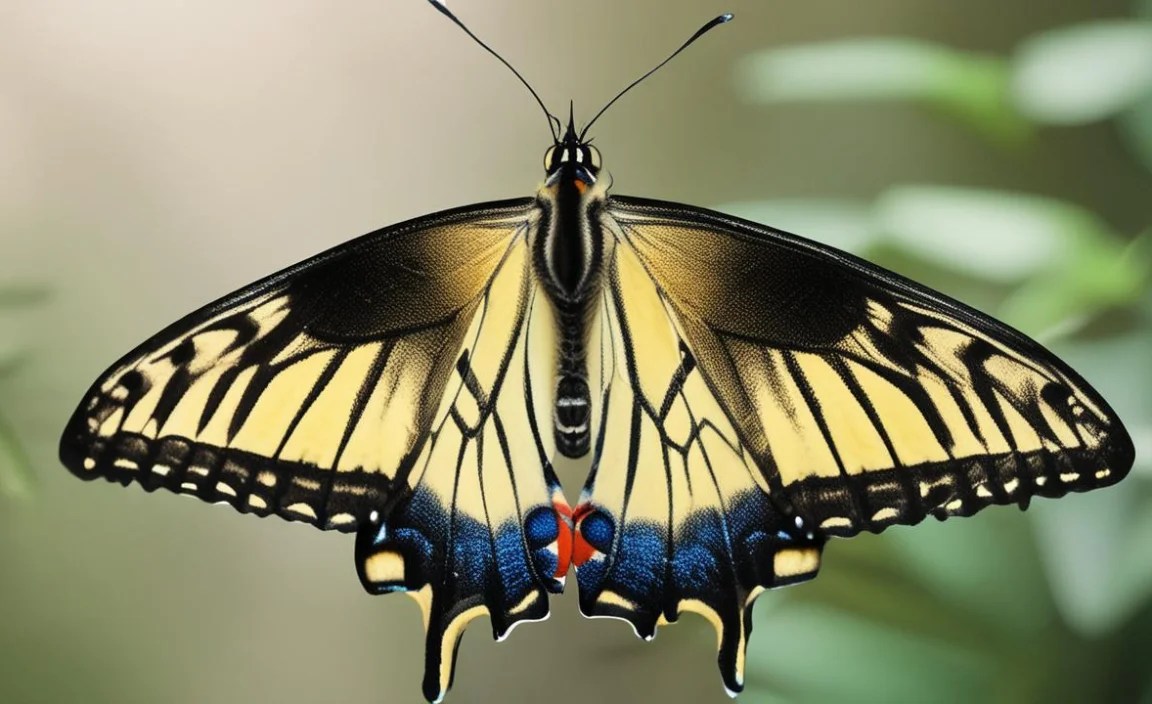
Swallowtail butterflies, like many insects, are a food source for various predators. These predators target different life stages, from eggs and caterpillars to the adult butterflies. Knowing who these predators are can help you protect swallowtails in your garden and local environment.
Predators of Swallowtail Caterpillars
Swallowtail caterpillars are vulnerable due to their slow movement and bright colors, which, while sometimes a form of camouflage, can also attract unwanted attention. Here are some of the most common predators of swallowtail caterpillars:
- Birds: Many bird species, such as robins, blue jays, and mockingbirds, feed on caterpillars. Birds are particularly effective at spotting and consuming caterpillars from a distance.
- Spiders: Various spiders, including jumping spiders and crab spiders, prey on caterpillars. These spiders often ambush caterpillars on plants.
- Ants: Ants can be a significant threat, especially to young caterpillars. They often work together to attack and carry off small caterpillars to their nests.
- Wasps: Certain wasp species, like paper wasps and yellowjackets, hunt caterpillars to feed their larvae.
- Assassin Bugs: These predatory insects use their sharp mouthparts to pierce and kill caterpillars, feeding on their bodily fluids.
- Parasitic Flies and Wasps: These insects lay their eggs inside the caterpillar. When the eggs hatch, the larvae consume the caterpillar from the inside out.
Predators of Adult Swallowtail Butterflies
Adult swallowtail butterflies are more mobile than caterpillars, but they still face threats from predators. Here are some common predators of adult swallowtails:
- Birds: Birds remain a significant threat to adult butterflies. Flycatchers, swallows, and kingbirds are particularly adept at catching butterflies in flight.
- Spiders: Orb-weaver spiders and other web-building spiders can trap butterflies that fly into their webs.
- Lizards: Lizards, such as fence lizards and anoles, will prey on butterflies that land nearby.
- Praying Mantises: These ambush predators can quickly snatch butterflies with their powerful forelegs.
- Dragonflies: Dragonflies are agile fliers and effective predators of butterflies, often catching them in mid-air.
Other Threats to Swallowtail Butterflies

Besides direct predation, swallowtail butterflies face other threats that can impact their populations. These threats include habitat loss, pesticide use, and climate change. Understanding these challenges is crucial for effective conservation efforts.
Habitat Loss
Habitat loss is one of the most significant threats to swallowtail butterflies. As natural areas are converted for agriculture, urban development, and other human activities, swallowtails lose the plants they need for food and reproduction. This loss of habitat can lead to population declines and even local extinctions. According to the World Wildlife Fund, habitat loss is a primary driver of species endangerment worldwide.
- Deforestation: Clearing forests for timber, agriculture, and development removes critical habitat for many swallowtail species.
- Urbanization: The expansion of cities and towns often replaces natural habitats with buildings, roads, and other infrastructure.
- Agricultural Expansion: Converting grasslands and forests into farmland reduces the availability of host plants and nectar sources for swallowtails.
Pesticide Use
Pesticides, including insecticides and herbicides, can have devastating effects on swallowtail butterflies. Insecticides directly kill butterflies and caterpillars, while herbicides eliminate the host plants that caterpillars need to survive. Even pesticides used far from butterfly habitats can drift and contaminate food sources.
- Insecticides: Broad-spectrum insecticides, such as neonicotinoids, are particularly harmful to butterflies. These chemicals can persist in the environment and affect non-target insects, including swallowtails.
- Herbicides: Herbicides can eliminate the host plants that swallowtail caterpillars rely on for food. For example, milkweed, the host plant for monarch butterflies, is often targeted by herbicides in agricultural areas.
- Indirect Effects: Pesticides can also harm butterflies indirectly by reducing the availability of nectar sources and other food resources.
Climate Change
Climate change poses a growing threat to swallowtail butterflies. Changes in temperature and precipitation patterns can disrupt their life cycles, alter the availability of host plants, and increase the frequency of extreme weather events. According to the Environmental Protection Agency (EPA), climate change is affecting butterfly populations across the United States.
- Changes in Temperature: Rising temperatures can cause butterflies to emerge earlier in the spring, potentially leading to a mismatch with the availability of host plants.
- Changes in Precipitation: Altered rainfall patterns can affect the growth and distribution of host plants, impacting swallowtail populations.
- Extreme Weather Events: More frequent and intense heatwaves, droughts, and storms can directly kill butterflies and damage their habitats.
How to Protect Swallowtail Butterflies

Protecting swallowtail butterflies requires a multi-faceted approach that addresses the various threats they face. By creating butterfly-friendly habitats, reducing pesticide use, and supporting conservation efforts, you can help ensure these beautiful insects thrive.
Create a Butterfly-Friendly Garden
One of the most effective ways to help swallowtail butterflies is to create a butterfly-friendly garden. This involves planting host plants for caterpillars and nectar plants for adult butterflies. Here are some tips for creating a butterfly garden:
- Plant Host Plants: Choose host plants that are specific to the swallowtail species in your area. Some popular host plants include dill, parsley, fennel, citrus trees, and pipevine.
- Plant Nectar Plants: Select nectar plants that provide a continuous source of food for adult butterflies throughout the growing season. Good choices include butterfly bush, zinnias, coneflowers, and milkweed.
- Provide Shelter: Plant shrubs and trees to provide shelter from wind and predators.
- Offer a Water Source: Butterflies need water to stay hydrated. Provide a shallow dish of water with pebbles or marbles for them to land on.
- Avoid Pesticides: Never use pesticides in your butterfly garden, as they can harm or kill butterflies and caterpillars.
Reduce Pesticide Use
Reducing pesticide use is crucial for protecting swallowtail butterflies and other beneficial insects. Here are some ways to minimize pesticide use in your garden and community:
- Use Natural Pest Control Methods: Instead of pesticides, use natural pest control methods such as hand-picking pests, using beneficial insects, and applying organic sprays.
- Choose Native Plants: Native plants are often more resistant to pests and diseases, reducing the need for pesticides.
- Support Organic Farming: Buy organic produce to support farmers who avoid using synthetic pesticides.
- Advocate for Pesticide Regulations: Encourage your local and state governments to regulate the use of harmful pesticides.
Support Conservation Efforts
Supporting conservation efforts is essential for protecting swallowtail butterflies and their habitats. Here are some ways to get involved in conservation:
- Donate to Conservation Organizations: Support organizations that work to protect butterfly habitats and promote conservation.
- Participate in Citizen Science Projects: Get involved in citizen science projects that monitor butterfly populations and track their movements.
- Educate Others: Share your knowledge about swallowtail butterflies and the importance of conservation with friends, family, and community members.
- Advocate for Conservation Policies: Contact your elected officials and urge them to support policies that protect butterfly habitats and promote conservation.
Detailed Table of Swallowtail Predators and Threats

Here is a detailed table summarizing the various predators and threats that swallowtail butterflies face, along with specific examples and potential solutions:
| Predator/Threat | Life Stage Affected | Specific Examples | Potential Solutions |
|---|---|---|---|
| Birds | Caterpillars and Adults | Robins, Blue Jays, Flycatchers | Provide shelter (shrubs, trees), use netting over host plants |
| Spiders | Caterpillars and Adults | Jumping Spiders, Orb-Weaver Spiders | Maintain a clean garden, remove spider webs |
| Ants | Caterpillars | Various Ant Species | Use ant baits, create barriers around host plants |
| Wasps | Caterpillars | Paper Wasps, Yellowjackets, Parasitic Wasps | Remove wasp nests, encourage beneficial insects |
| Assassin Bugs | Caterpillars | Various Assassin Bug Species | Hand-pick assassin bugs, encourage beneficial insects |
| Lizards | Adults | Fence Lizards, Anoles | Provide shelter for butterflies, reduce lizard habitat near butterfly gardens |
| Praying Mantises | Adults | Various Praying Mantis Species | Relocate mantises if necessary, provide ample nectar sources |
| Dragonflies | Adults | Various Dragonfly Species | Create open flying spaces, provide shelter for butterflies |
| Habitat Loss | All Life Stages | Deforestation, Urbanization, Agricultural Expansion | Plant native host plants, support conservation organizations, advocate for habitat protection |
| Pesticide Use | All Life Stages | Insecticides, Herbicides | Use natural pest control methods, choose native plants, support organic farming |
| Climate Change | All Life Stages | Changes in Temperature, Changes in Precipitation, Extreme Weather Events | Reduce carbon footprint, plant diverse habitats, support climate change policies |
Life Cycle Vulnerabilities
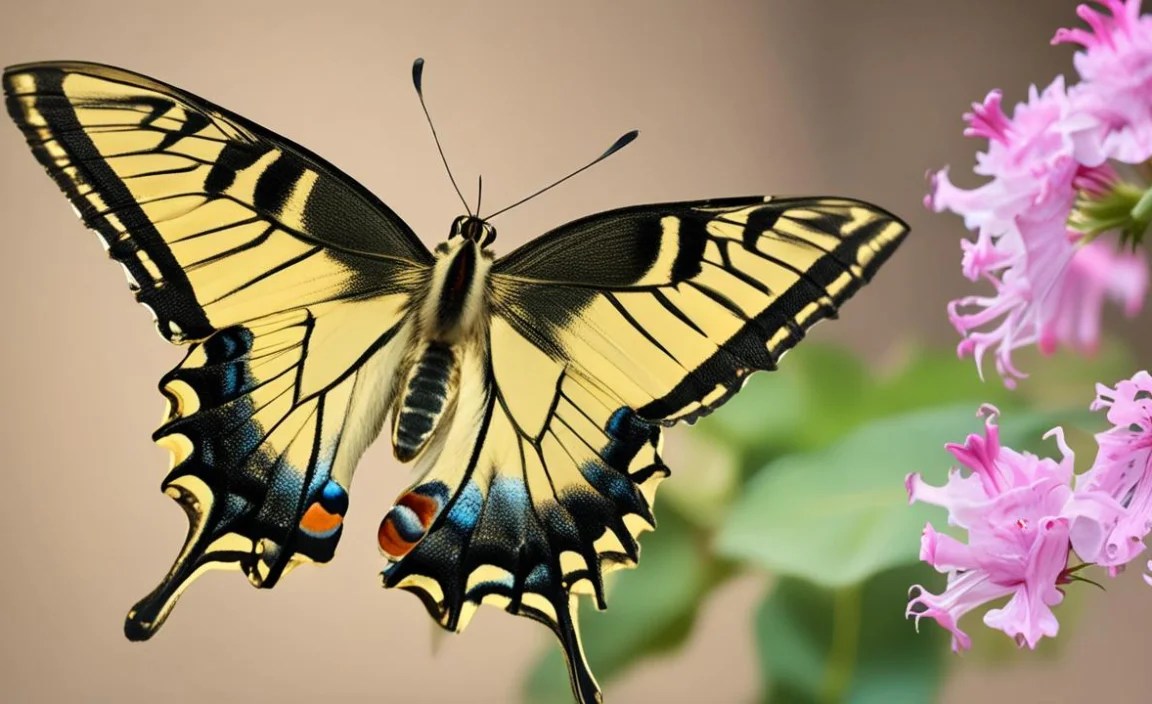
Understanding the life cycle of swallowtail butterflies can help you identify specific vulnerabilities and implement targeted protection strategies. Each stage—egg, larva (caterpillar), pupa (chrysalis), and adult—faces unique challenges.
Egg Stage
Swallowtail eggs are often laid singly on host plants. Their small size makes them vulnerable to:
- Predation: Tiny insects, mites, and spiders may prey on the eggs.
- Environmental Factors: Desiccation (drying out) or being washed away by heavy rain can also impact egg survival.
Protection Strategies: Regularly inspect host plants for eggs and consider moving them to a sheltered location if necessary. Ensure the host plants are healthy and well-watered.
Larval Stage (Caterpillar)
Caterpillars are voracious feeders, growing rapidly through several instars (growth stages). They are highly vulnerable to:
- Predation: As mentioned earlier, birds, spiders, wasps, and other insects are significant predators.
- Parasitism: Parasitic wasps and flies lay their eggs inside caterpillars, eventually killing them.
- Disease: Bacterial or viral infections can decimate caterpillar populations.
- Lack of Food: Insufficient host plant availability can lead to starvation.
Protection Strategies: Provide ample host plants, use netting to protect caterpillars from predators, and monitor for signs of disease or parasitism. Hand-remove pests like ants that may prey on young caterpillars.
Pupal Stage (Chrysalis)
The pupal stage is a period of transformation within a chrysalis. During this stage, swallowtails are vulnerable to:
- Predation: Birds and other predators may target the chrysalis.
- Parasitism: Parasitic wasps can also attack the chrysalis.
- Environmental Factors: Extreme temperatures or physical damage can harm the developing butterfly inside.
Protection Strategies: If possible, protect the chrysalis from direct sunlight and extreme weather. If a chrysalis falls, gently reattach it to a suitable location on or near the host plant using a dab of non-toxic glue.
Adult Stage
Adult butterflies are more mobile but still face threats such as:
- Predation: Birds, spiders, dragonflies, and other predators can capture adult butterflies.
- Habitat Loss: Lack of nectar sources and suitable resting places can limit their survival.
- Pesticide Exposure: Contact with pesticides can be fatal.
Protection Strategies: Provide nectar-rich flowers, create sheltered areas in your garden, and avoid pesticide use. Support conservation efforts to protect and restore butterfly habitats.
Specific Threats to Different Swallowtail Species
Different swallowtail species may face unique threats depending on their geographic location and specific host plant requirements. For example:
- Pipevine Swallowtail: This species relies on pipevine plants as its host. Habitat loss and the decline of pipevine populations can significantly impact their numbers.
- Black Swallowtail: Black swallowtails use plants in the parsley family, such as dill and fennel. Pesticide use in gardens and agricultural areas can be particularly harmful.
- Eastern Tiger Swallowtail: These butterflies use a variety of trees as host plants, including wild cherry and tulip poplar. Deforestation and habitat fragmentation pose significant threats.
Understanding the specific needs and threats facing different swallowtail species in your area can help you tailor your conservation efforts for maximum impact.
FAQ: Protecting Swallowtail Butterflies
Here are some frequently asked questions about protecting swallowtail butterflies, with simple and clear answers.
- What is the biggest threat to swallowtail butterflies?
- The biggest threats are habitat loss, pesticide use, and climate change. These factors reduce their food sources, destroy their homes, and disrupt their life cycles.
- How can I attract swallowtail butterflies to my garden?
- Plant host plants like dill, parsley, fennel, citrus trees, and pipevine for caterpillars, and nectar plants like butterfly bush, zinnias, and coneflowers for adult butterflies.
- Are pesticides harmful to swallowtail butterflies?
- Yes, pesticides can be very harmful. Insecticides can directly kill butterflies and caterpillars, while herbicides can eliminate the host plants they need to survive.
- What can I do to help swallowtail butterflies in my community?
- Support local conservation organizations, participate in citizen science projects, educate others about the importance of butterfly conservation, and advocate for policies that protect butterfly habitats.
- How do I protect swallowtail caterpillars from predators?
- Provide shelter by planting shrubs and trees, use netting over host plants, and hand-remove pests like ants that may prey on young caterpillars.
- What should I do if I find a swallowtail chrysalis that has fallen?
- Gently reattach it to a suitable location on or near the host plant using a dab of non-toxic glue. Protect it from direct sunlight and extreme weather.
- How does climate change affect swallowtail butterflies?
- Climate change can disrupt their life cycles, alter the availability of host plants, and increase the frequency of extreme weather events, all of which can harm butterfly populations.
Conclusion
As we’ve explored, swallowtail butterflies face numerous challenges, from natural predators to human-induced threats like habitat loss and pesticide use. However, by understanding these dangers and taking proactive steps, we can make a real difference in protecting these beautiful creatures. Creating butterfly-friendly gardens, reducing pesticide use, supporting conservation efforts, and educating others are all powerful ways to help swallowtails thrive.
Every action, no matter how small, contributes to a larger effort to conserve these vital pollinators. So, let’s embrace our role as stewards of the environment and work together to ensure that swallowtail butterflies continue to grace our world with their beauty and ecological importance for generations to come. By creating safe havens and advocating for their protection, we can help these enchanting insects flourish and maintain the delicate balance of our ecosystems.


