
Butterflies of Bermuda: A Colorful Guide!

Bermuda is home to about 30 butterfly species, some year-round residents, others seasonal visitors. Key species include the Gulf Fritillary, Monarch, and Cloudless Sulphur. To attract butterflies to your garden, plant nectar-rich flowers like lantana and milkweed. Conservation efforts are crucial to protect these beautiful pollinators and their habitats from environmental threats.
Have you ever wondered about the colorful butterflies fluttering around Bermuda’s beautiful landscapes? Identifying them can be tricky, and knowing how to support these delicate creatures is even more important. Don’t worry; you’re not alone! Many nature enthusiasts share your curiosity and concern.
In this guide, we’ll explore the fascinating world of Bermuda’s butterflies. You’ll learn how to identify common species, discover their unique life cycles, and find out how to create a butterfly-friendly garden. Let’s dive in and uncover the secrets of these enchanting insects!
Identifying Butterflies of Bermuda

Bermuda boasts a diverse array of butterflies, each with unique characteristics. Knowing how to identify them is the first step to appreciating their beauty and understanding their ecological roles. Here are some of the most common butterflies you’ll find on the island:
Common Butterfly Species
- Gulf Fritillary (Agraulis vanillae): Bright orange with elongated wings and distinctive silver spots on the underside. It’s a year-round resident and a frequent sight in gardens.
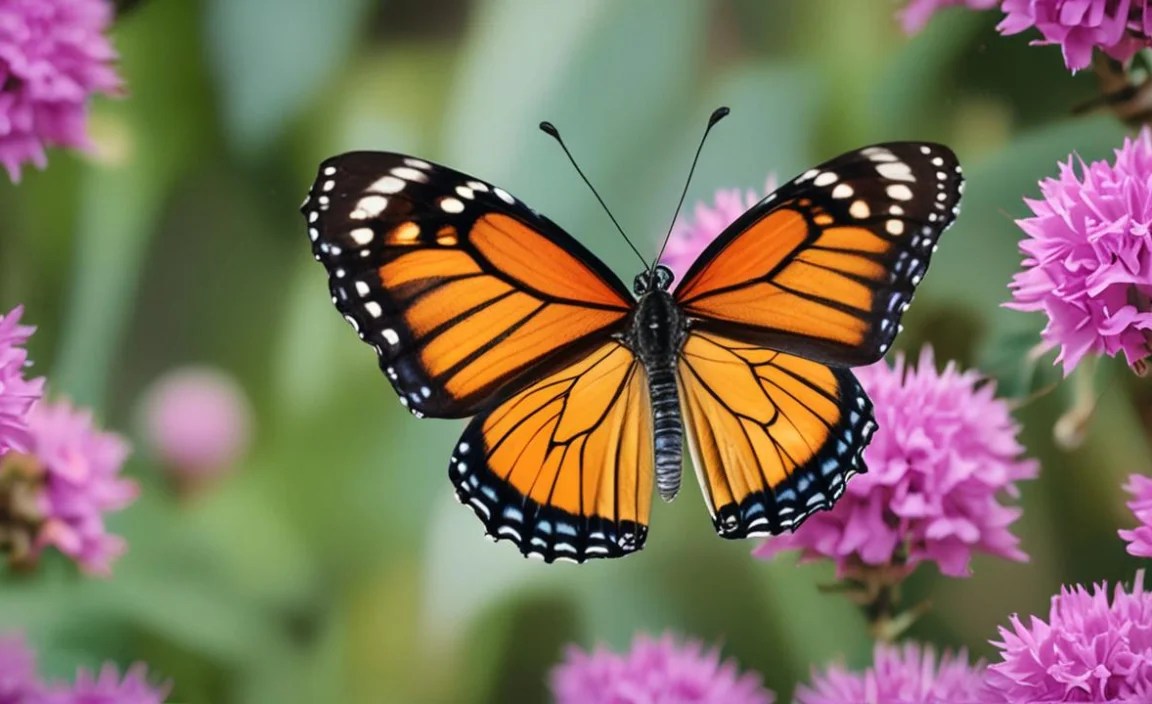
- Monarch (Danaus plexippus): Famous for its long migration, the Monarch is orange with black veins and a black border marked with white spots. Bermuda serves as a stopover point during their journey.
- Cloudless Sulphur (Phoebis sennae): A vibrant yellow butterfly that’s hard to miss. It’s a common visitor and can be seen fluttering around flowering plants.
- Long-tailed Skipper (Urbanus proteus): Recognizable by its long “tails” on the hindwings. It’s brown with iridescent blue-green scales and enjoys nectar from various flowers.
- Great Southern White (Ascia monuste): A medium-sized white butterfly often seen near coastal areas. Its caterpillars feed on plants in the cabbage family.
Butterfly Identification Tips
Identifying butterflies involves observing several key features:
- Color and Pattern: Note the dominant colors and any distinct patterns on the wings.
- Size: Estimate the wingspan to help narrow down the possibilities.
- Shape: Pay attention to the shape of the wings and any unique features like tails or elongated shapes.
- Behavior: Observe how the butterfly flies and what flowers it visits.
Use a field guide or a butterfly identification app to help you match your observations with known species. Websites like Butterflies and Moths of North America are also excellent resources.
Butterfly Habitats in Bermuda

Butterflies thrive in specific habitats that provide them with food, shelter, and breeding grounds. Understanding these habitats is crucial for conservation efforts and for creating butterfly-friendly gardens.
Natural Habitats
- Gardens: Home gardens with a variety of flowering plants offer nectar sources for adult butterflies and host plants for caterpillars.
- Parks and Reserves: Protected areas like nature reserves provide undisturbed habitats for butterflies to breed and forage.
- Coastal Areas: Some butterfly species are adapted to coastal environments, feeding on plants that grow near the shoreline.
- Woodlands: Forested areas offer shelter and food sources for certain butterfly species, especially those that prefer shaded conditions.
Creating a Butterfly Garden
You can create your own butterfly haven by following these steps:
- Choose the Right Plants: Select a mix of nectar plants for adult butterflies and host plants for caterpillars.
- Provide Sunlight: Butterflies need sunlight to warm their bodies, so choose a sunny location for your garden.
- Offer Shelter: Plant shrubs and trees to provide shelter from wind and predators.
- Supply Water: Butterflies need water to drink. A shallow dish with pebbles will provide a safe drinking spot.
- Avoid Pesticides: Pesticides can harm or kill butterflies and other beneficial insects. Use natural pest control methods instead.
Butterfly Life Cycle
The butterfly life cycle is a remarkable transformation, consisting of four distinct stages:
The Four Stages
- Egg: Butterflies lay their eggs on specific host plants. The eggs can vary in shape and color depending on the species.
- Larva (Caterpillar): The caterpillar hatches from the egg and spends its time eating and growing. It molts its skin several times as it grows larger.
- Pupa (Chrysalis): Once the caterpillar is fully grown, it forms a pupa or chrysalis. Inside the chrysalis, the caterpillar undergoes a complete transformation.
- Adult Butterfly: After a period of time, the adult butterfly emerges from the chrysalis. It will then reproduce and continue the cycle.
Host Plants and Nectar Sources
Butterflies have specific host plants for their caterpillars and nectar sources for adult butterflies. Here are some examples:
| Butterfly Species | Host Plant | Nectar Source |
|---|---|---|
| Gulf Fritillary | Passionflower (Passiflora) | Lantana, Milkweed |
| Monarch | Milkweed (Asclepias) | Milkweed, Goldenrod |
| Cloudless Sulphur | Senna (Senna) | Hibiscus, Bougainvillea |
| Long-tailed Skipper | Beans, Peas (Fabaceae) | Lantana, Salvia |
| Great Southern White | Cabbage, Mustard (Brassica) | Various wildflowers |
Butterfly Migration in Bermuda

Bermuda plays a role in the migration patterns of certain butterfly species, most notably the Monarch. Understanding these migrations is crucial for conservation efforts.
Monarch Migration
Monarch butterflies undertake an incredible multi-generational migration across North America. They travel thousands of miles from their breeding grounds in Canada and the United States to overwintering sites in Mexico and California. Bermuda serves as a stopover point for some Monarchs during their journey.
Other Migratory Species
While the Monarch is the most famous migratory butterfly in Bermuda, other species also migrate or disperse to the island, including the Cloudless Sulphur and various skipper species. These movements are often influenced by weather patterns and the availability of food sources.
Tracking Migration
Scientists use various methods to track butterfly migration, including:
- Tagging: Attaching small tags to butterfly wings to track their movements.
- Citizen Science: Encouraging the public to report butterfly sightings and contribute to migration data.
- Genetic Studies: Analyzing the genetic makeup of butterfly populations to understand their origins and migration routes.
Organizations like Journey North rely on citizen scientists to track Monarch butterfly migrations.
Threats to Butterflies in Bermuda

Butterflies in Bermuda face several threats that can impact their populations. Addressing these threats is essential for their long-term survival.
Habitat Loss
Habitat loss is one of the most significant threats to butterflies. As natural areas are developed for housing, agriculture, and other purposes, butterflies lose their food sources and breeding grounds.
Pesticide Use
Pesticides can directly harm or kill butterflies and other beneficial insects. Even pesticides that are not directly toxic to butterflies can reduce their food sources by killing the plants they rely on.
Climate Change
Climate change can alter butterfly habitats and disrupt their life cycles. Changes in temperature and rainfall patterns can affect the availability of food sources and the timing of breeding seasons.
Invasive Species
Invasive plants and animals can outcompete native species and disrupt ecosystems, impacting butterfly populations. For example, invasive vines can smother host plants and reduce their availability to caterpillars.
Butterfly Conservation Efforts
Many organizations and individuals are working to protect butterflies in Bermuda. Here are some ways you can get involved:
Supporting Local Organizations
Several organizations in Bermuda are dedicated to conservation and environmental education. Supporting these organizations can help protect butterfly habitats and promote sustainable practices.
Creating Butterfly-Friendly Gardens
As mentioned earlier, creating a butterfly-friendly garden is a great way to provide habitat and food sources for butterflies. By planting native nectar and host plants, you can create a haven for these beautiful insects.
Reducing Pesticide Use
Reducing or eliminating pesticide use in your garden can help protect butterflies and other beneficial insects. Consider using natural pest control methods instead.
Raising Awareness
Educating others about the importance of butterflies and the threats they face is crucial for conservation. Share your knowledge with friends, family, and neighbors, and encourage them to take action.
The Symbolism of Butterflies
Butterflies have long held symbolic meaning in various cultures around the world. Understanding these symbols can add another layer of appreciation for these fascinating creatures.
Transformation and Rebirth
The butterfly’s life cycle, from egg to caterpillar to pupa to adult, is a powerful symbol of transformation and rebirth. It represents the ability to change and grow, to let go of the old and embrace the new.
Beauty and Grace
Butterflies are often seen as symbols of beauty and grace. Their delicate wings and vibrant colors evoke feelings of joy and wonder.
Freedom and Joy
The butterfly’s ability to fly freely from flower to flower symbolizes freedom and joy. It represents the ability to move beyond limitations and embrace life to the fullest.
Soul and Spirit
In some cultures, butterflies are believed to represent the soul or spirit. They are seen as messengers between the earthly and spiritual realms.
Frequently Asked Questions (FAQs)
What is the most common butterfly in Bermuda?
The Gulf Fritillary is one of the most common butterflies in Bermuda. It’s easily recognizable by its bright orange color and silver spots on the underside of its wings.
How can I attract butterflies to my garden?
To attract butterflies, plant a variety of nectar-rich flowers and host plants for caterpillars. Provide sunlight, shelter, and a water source, and avoid using pesticides.
What do butterfly caterpillars eat?
Butterfly caterpillars eat the leaves of specific host plants. Each butterfly species has its preferred host plants, so it’s important to research which plants are needed to support the caterpillars in your area.
Are butterflies important for the environment?
Yes, butterflies are important pollinators. As they feed on nectar, they transfer pollen from flower to flower, helping plants reproduce. They also serve as a food source for other animals.
What is the lifespan of a butterfly?
The lifespan of a butterfly varies depending on the species. Some butterflies live only a few weeks, while others can live for several months.
Why are butterfly populations declining?
Butterfly populations are declining due to habitat loss, pesticide use, climate change, and invasive species. Conservation efforts are needed to protect these important pollinators.
How can I help protect butterflies?
You can help protect butterflies by creating butterfly-friendly gardens, reducing pesticide use, supporting local conservation organizations, and raising awareness about the importance of butterflies.
Conclusion
Exploring the world of butterflies in Bermuda is a rewarding experience. By learning to identify different species, understanding their habitats and life cycles, and supporting conservation efforts, you can play a role in protecting these beautiful creatures. Whether you’re a seasoned naturalist or a curious beginner, there’s always something new to discover in the fascinating world of butterflies. So, grab your field guide, head out into nature, and start exploring the butterflies of Bermuda today! Your observations and actions can make a real difference in ensuring their survival for generations to come.


