
Species Identification by Fur Pattern: The Easy Guide

Have you ever seen an animal and wondered what it was? Figuring out what kind of animal it is can be tricky. But, did you know that you can often tell what animal it is just by looking at its fur? This is called species identification by fur pattern.
Imagine you are walking in the woods. You see a furry animal run by. It has stripes. Is it a zebra? No, probably not! Zebras live in Africa. It might be a striped skunk. Learning about fur patterns helps us know what animals live near us.
Animals’ fur patterns are like their own special uniforms. These patterns help them in many ways. Some patterns help them hide. Other patterns help them find a mate. Understanding these patterns is a fun way to learn about nature.
So, how can we use fur patterns to identify animals? What makes each animal’s fur unique? Let’s explore the amazing world of species identification by fur pattern! We will discover how patterns, colors, and textures can tell us a lot about the animal kingdom.
Key Takeaways
- Species identification by fur pattern is a useful tool for recognizing different animals.
- Distinct fur markings aid in camouflage, helping animals hide from predators and prey.
- Color variations in fur can signal important information about an animal’s health or age.
- The texture and density of fur help animals regulate body temperature in various climates.
- Observing fur patterns contributes to scientific research and conservation efforts worldwide.
The Basics of Animal Fur Patterns

Animal fur patterns are not just for show. They serve many important purposes. These patterns help animals survive in their environments. They can help an animal hide from predators. They can also help predators sneak up on their prey. Some patterns even help animals communicate with each other. The color, texture, and arrangement of fur all play a role. Species identification by fur pattern relies on understanding these features. Different species have evolved unique patterns. These patterns are adapted to their specific needs and habitats. For example, a leopard’s spots help it blend in with the trees. A zebra’s stripes may confuse predators. Even subtle differences in fur can help us tell animals apart. By studying these patterns, we can learn a lot about an animal’s life and behavior. These patterns are truly amazing adaptations.
- Fur patterns can help animals camouflage.
- Patterns assist in predator-prey interactions.
- Fur color helps animals communicate.
- Texture and density aid in temperature regulation.
- Unique patterns help with species identification.
Consider the arctic fox. Its fur changes color with the seasons. In the winter, it is white to blend in with the snow. In the summer, it turns brown to match the tundra. This color change is a remarkable adaptation. It allows the fox to stay hidden year-round. The snow leopard has a different strategy. Its spotted fur helps it blend in with the rocky mountains. These spots are not just random. They are carefully arranged to mimic the shadows and textures of the rocks. This camouflage makes it nearly invisible to its prey. Species identification by fur pattern becomes easier when we understand these adaptations. Each pattern tells a story about the animal’s life and environment.
Fun Fact or Stat: The average mammal has about 1,500 hairs per square inch of skin!
What Makes a Fur Pattern Unique?
Have you ever wondered what makes a fur pattern unique? It’s not just about the colors. Many factors contribute to the distinct look of an animal’s fur. The size, shape, and arrangement of spots, stripes, or blotches all matter. Even the texture of the fur plays a role. Some animals have smooth, silky fur. Others have coarse, bristly fur. These differences can help us identify different species. The environment also plays a role in shaping fur patterns. Animals living in dense forests may have different patterns than animals living in open grasslands. These patterns are adaptations that help them survive in their specific habitats. So, the next time you see an animal with a unique fur pattern, remember that there is much more to it than meets the eye.
How Do Genetics Influence Fur Patterns?
Have you ever noticed how some animals look just like their parents? Genetics play a big role in determining fur patterns. Genes are like instructions that tell the body how to grow and develop. These instructions determine the color, pattern, and texture of an animal’s fur. Some genes control the production of pigments, which give fur its color. Other genes control the arrangement of these pigments. This is why some animals have spots, while others have stripes. Mutations, or changes in genes, can also lead to unique fur patterns. Sometimes, these mutations can be helpful. For example, a mutation that makes an animal’s fur darker may help it blend in with its environment. Other times, mutations can be harmful. Understanding how genetics influence fur patterns is essential for species identification by fur pattern and conservation.
The Role of Environment in Fur Pattern Development
Did you know that the environment can affect an animal’s fur pattern? While genetics provide the basic blueprint, the environment can fine-tune the details. For example, animals living in colder climates often have thicker fur than animals living in warmer climates. This is because thicker fur provides better insulation. The environment can also influence the color of fur. Animals living in areas with lots of sunlight may have darker fur to protect them from the sun’s harmful rays. Animals living in snowy environments may have white fur to blend in with the snow. These adaptations are essential for survival. They allow animals to thrive in their specific environments. Scientists study these adaptations to understand how animals evolve and adapt to changing conditions. Understanding the role of the environment is important for species identification by fur pattern.
Using Fur Patterns for Animal Identification
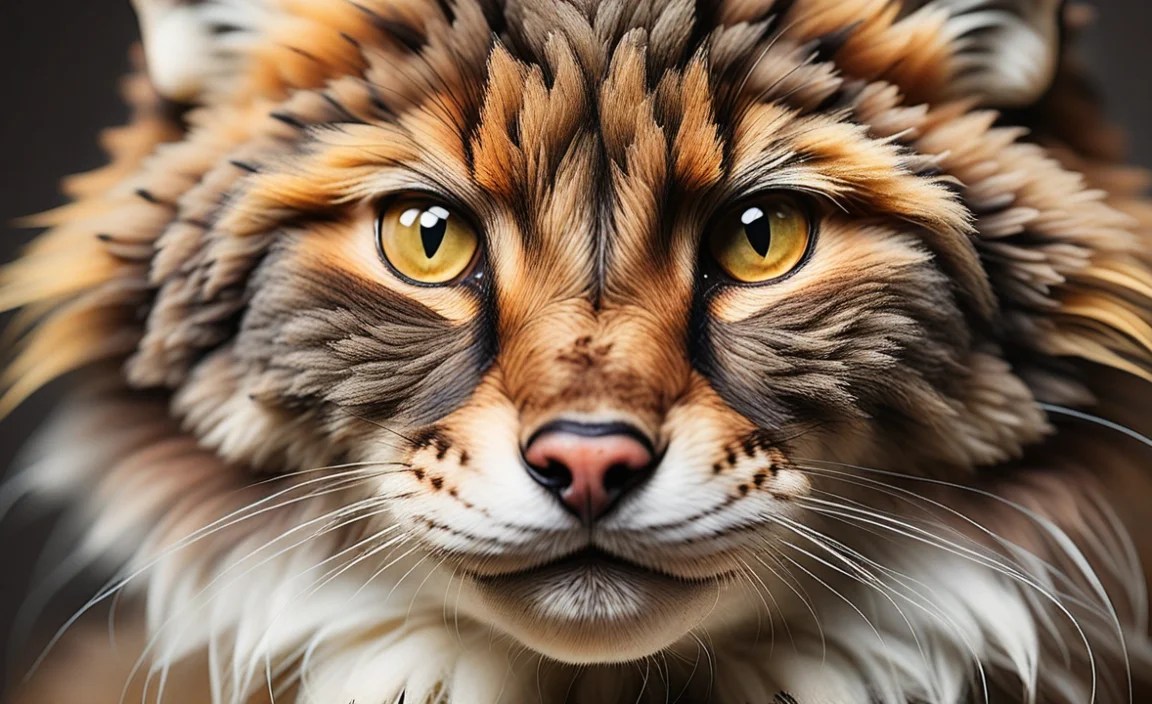
Species identification by fur pattern is a valuable skill for scientists and nature enthusiasts. It allows us to identify animals quickly and accurately. This is especially useful when observing animals in the wild. Often, we only get a brief glimpse of an animal. By recognizing its fur pattern, we can determine its species. This information can be used for research and conservation efforts. For example, scientists can track the distribution of different species by recording their fur patterns. Conservationists can use this information to protect endangered species. Even amateur nature lovers can benefit from learning about fur patterns. It adds a new dimension to our appreciation of the natural world. So, how can we learn to identify animals by their fur patterns? It starts with observation and practice.
- Learn common fur patterns of local species.
- Use field guides to compare patterns.
- Take photos for later identification.
- Observe the animal’s behavior and habitat.
- Consider other features like size and shape.
- Practice identifying patterns in different lighting.
One helpful tool for species identification by fur pattern is a field guide. Field guides provide detailed descriptions and illustrations of different animal species. They often include information about fur patterns, as well as other identifying characteristics. Another useful technique is to take photos of animals you see. This allows you to study the fur pattern more closely later on. You can compare the photos to images in field guides or online resources. It is also important to consider the animal’s behavior and habitat. This can help you narrow down the possibilities. For example, if you see an animal with stripes in a forest, it is more likely to be a chipmunk than a zebra. The more you practice, the better you will become at identifying animals by their fur patterns.
Fun Fact or Stat: Some animals, like tigers, have stripes that are unique to each individual, like human fingerprints!
Key Characteristics to Observe in Fur
When identifying animals by their fur, several key characteristics can help you. First, pay attention to the color of the fur. Is it brown, black, white, or a combination of colors? Next, look for any patterns, such as spots, stripes, or blotches. Note the size, shape, and arrangement of these patterns. Also, consider the texture of the fur. Is it smooth, rough, long, or short? Finally, observe the overall density of the fur. Is it thick and dense, or thin and sparse? All of these characteristics can provide clues about the animal’s species. For example, a cat with a black body, orange face, and white paws is a calico. By carefully observing these features, you can become a skilled species identification by fur pattern expert.
Tools and Resources for Fur Pattern Identification
Many tools and resources can help you with species identification by fur pattern. Field guides are a great starting point. They provide detailed descriptions and illustrations of different animal species. Online databases, such as the Integrated Taxonomic Information System (ITIS), can also be helpful. These databases contain information about the classification and characteristics of different species. Websites and mobile apps dedicated to animal identification are also available. These resources often allow you to upload photos of animals and get potential matches. Remember to use multiple resources and compare information to ensure accuracy. With the right tools and resources, you can confidently identify animals by their fur patterns.
Common Mistakes in Fur Pattern Identification
Even experienced observers can make mistakes in species identification by fur pattern. One common mistake is relying solely on color. While color is an important characteristic, it can be variable within a species. For example, some squirrels can be gray, black, or even reddish-brown. Another mistake is failing to consider the animal’s location and habitat. Different species are found in different regions. It is important to know which species are likely to occur in your area. Also, be aware that fur patterns can change with age or season. Young animals may have different patterns than adults. Animals may shed their fur or change color during different times of the year. By being aware of these potential pitfalls, you can avoid common mistakes and improve your accuracy.
Examples of Animals Identified by Fur
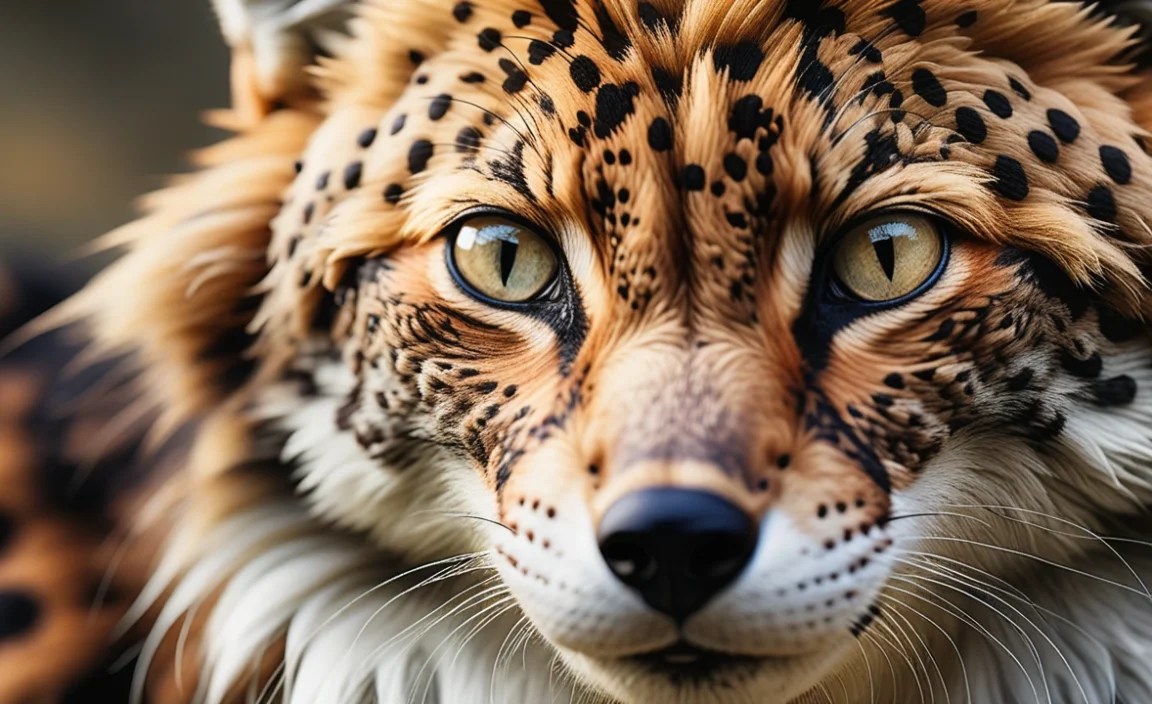
Let’s look at some examples of animals that can be easily identified by their fur. The zebra is a classic example. Its distinctive black and white stripes make it instantly recognizable. No other animal has the same pattern. Similarly, the leopard’s spotted coat is unique. These spots help it blend in with the trees in its habitat. The tiger is another animal with a distinctive fur pattern. Its black stripes on an orange background make it easily identifiable. Even within the same species, fur patterns can vary. For example, different types of tabby cats have different patterns. Some have classic swirls, while others have mackerel stripes. Species identification by fur pattern becomes easier with practice. By studying these examples, you can learn to recognize different patterns and identify animals more accurately.
- Zebras are known for black and white stripes.
- Leopards have distinctive spotted coats.
- Tigers have black stripes on orange fur.
- Giraffes feature unique blotched patterns.
- Skunks have bold black and white stripes.
Consider the giraffe. Its blotched pattern is not only beautiful but also functional. The pattern helps it blend in with the trees in its African savanna habitat. Each giraffe has a unique pattern, just like human fingerprints. The raccoon is another animal with a recognizable fur pattern. Its black mask and ringed tail make it easy to identify. These markings help it blend in with its surroundings at night. The skunk is known for its bold black and white stripes. This pattern serves as a warning to predators. It tells them that the skunk is capable of spraying a foul-smelling liquid. These examples show how fur patterns can be used for species identification by fur pattern and provide clues about an animal’s behavior and ecology.
Fun Fact or Stat: A group of zebras is called a “dazzle.” This is because their stripes create a confusing effect when they are moving together, making it difficult for predators to target an individual!
Identifying Cats by Fur Patterns
Cats come in a wide variety of fur patterns. These patterns can help you identify different breeds and types of cats. Tabby cats are one of the most common types of cats. They have distinctive stripes or swirls on their fur. Calico cats have a mix of black, orange, and white fur. Siamese cats have pointed patterns, with darker fur on their face, ears, paws, and tail. Persian cats are known for their long, fluffy fur. These are just a few examples of the many different fur patterns found in cats. By learning to recognize these patterns, you can become a cat fur pattern expert. Species identification by fur pattern is a fun and rewarding skill.
Recognizing Dogs Through Their Coat Markings
Dogs, like cats, exhibit a wide range of fur patterns. These patterns can help you identify different breeds and types of dogs. Some dogs have solid-colored coats, while others have spots, stripes, or patches. Dalmatian dogs are famous for their black spots on a white background. Australian Shepherds often have merle patterns, which are characterized by marbled patches of color. Poodles can have curly, non-shedding fur. These are just a few examples of the many different fur patterns found in dogs. By learning to recognize these patterns, you can become a dog fur pattern expert. Species identification by fur pattern applies to our beloved canine companions too!
Wildlife Identification Using Fur Characteristics
In the wild, species identification by fur pattern is even more crucial. It helps us understand and track animal populations. Deer, for example, have reddish-brown fur that helps them blend in with the forest. Bears can have black, brown, or even white fur, depending on the species and region. Foxes often have reddish-orange fur, which helps them blend in with their surroundings. Squirrels come in a variety of colors, from gray to brown to red. These are just a few examples of the many different fur patterns found in wildlife. By learning to recognize these patterns, you can become a skilled wildlife observer.
The Science Behind Fur Pattern Formation
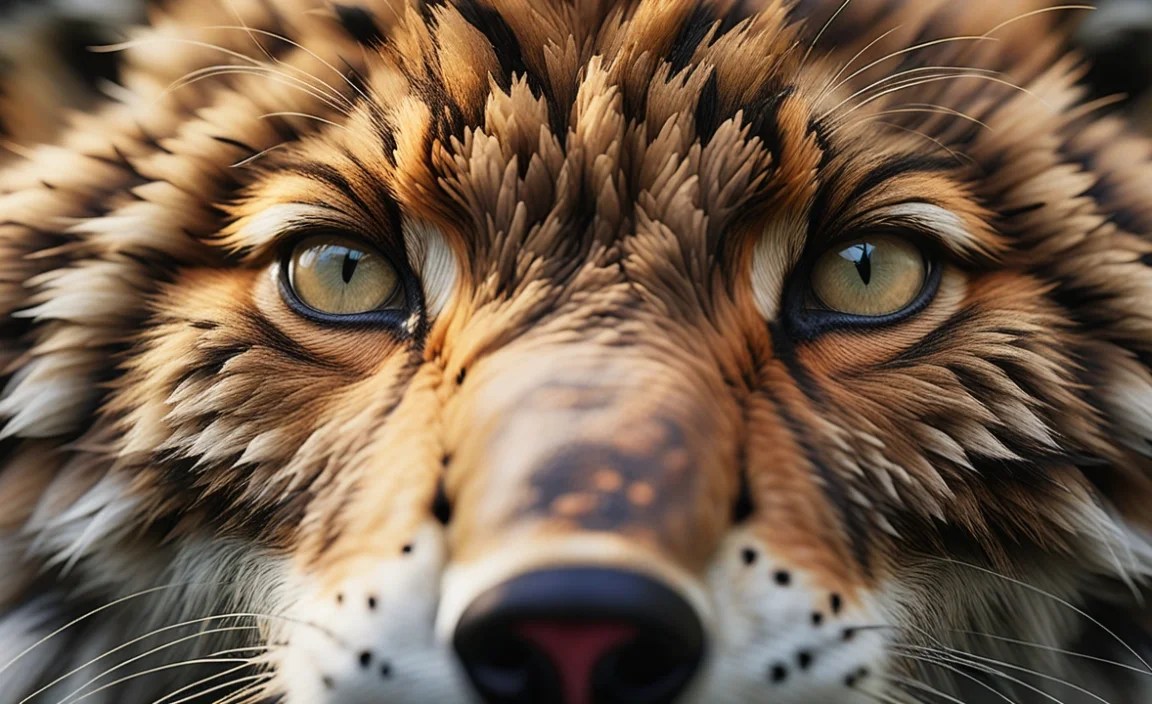
The science behind fur pattern formation is complex and fascinating. It involves a combination of genetics, chemistry, and physics. Genes control the production of pigments, which give fur its color. These pigments are distributed throughout the fur in specific patterns. Chemical reactions and physical processes also play a role in shaping fur patterns. For example, the spacing of stripes on a zebra is thought to be determined by a mathematical model called a reaction-diffusion system. This system involves the interaction of two chemicals that diffuse through the skin. Understanding the science behind fur pattern formation is essential for species identification by fur pattern and conservation efforts. It helps us understand how animals evolve and adapt to their environments.
- Genes control pigment production in fur.
- Chemical reactions shape fur patterns.
- Physical processes influence pattern formation.
- Reaction-diffusion systems explain stripe spacing.
- Understanding the science aids conservation.
- Genetics help animals adapt to environments.
| Animal | Fur Pattern | Purpose |
|---|---|---|
| Zebra | Black and white stripes | Camouflage, insect repellent |
| Leopard | Spotted coat | Camouflage in forests |
| Tiger | Black stripes on orange | Camouflage in grasslands |
| Giraffe | Blotched pattern | Camouflage in savanna |
| Skunk | Black and white stripes | Warning signal |
Scientists are still learning about the details of fur pattern formation. New research is constantly revealing new insights. For example, recent studies have shown that the expression of certain genes can be influenced by environmental factors. This means that the environment can play a role in shaping fur patterns, even after an animal is born. This is important for understanding how animals adapt to changing conditions. It also has implications for conservation efforts. By understanding the science behind fur pattern formation, we can better protect animals and their habitats. Species identification by fur pattern relies on this understanding.
Fun Fact or Stat: Scientists use mathematical models to understand how animal patterns form, similar to how they predict weather patterns!
The Genetic Basis of Coloration in Mammals
The genetic basis of coloration in mammals is a complex topic. Several genes control the production and distribution of pigments. One important gene is the melanocortin 1 receptor (MC1R) gene. This gene controls the production of melanin, which is the pigment responsible for dark colors. Different versions of the MC1R gene can lead to different shades of brown, black, or red fur. Other genes control the production of other pigments, such as yellow and orange. The interaction of these genes determines the overall color of an animal’s fur. Mutations in these genes can lead to unusual or unexpected fur colors. Understanding the genetic basis of coloration is essential for species identification by fur pattern and for studying evolution.
How Pigment Cells Create Unique Markings
Pigment cells, also known as melanocytes, are responsible for creating unique markings on animal fur. These cells produce and distribute pigments throughout the fur. The arrangement of these cells is determined by genetic and developmental factors. In some animals, pigment cells are evenly distributed, resulting in a solid-colored coat. In other animals, pigment cells are clustered in specific areas, creating spots, stripes, or other patterns. The shape and size of these clusters are also controlled by genes. Understanding how pigment cells create unique markings is essential for species identification by fur pattern and for studying the development of animal patterns.
The Role of Physics in Pattern Development
Physics plays a surprising role in the development of animal fur patterns. One important physical process is diffusion, which is the movement of molecules from an area of high concentration to an area of low concentration. Diffusion can influence the spacing and arrangement of pigments in fur. Another important physical process is reaction-diffusion, which involves the interaction of two or more chemicals that diffuse through the skin. This process can create complex patterns, such as stripes and spots. The mathematical models used to describe reaction-diffusion systems are similar to those used to predict weather patterns. Understanding the role of physics in pattern development is essential for species identification by fur pattern and for studying the fundamental principles of pattern formation.
Conservation and Fur Pattern Recognition
Conservation efforts benefit greatly from species identification by fur pattern. Accurate identification is crucial for tracking populations. It helps monitor the health and distribution of species. This information guides conservation strategies. Identifying individuals within a species can also be important. For example, researchers can track the movements of individual animals by recognizing their unique fur patterns. This information can be used to protect critical habitats and migration routes. Conservationists also use fur pattern recognition to identify illegal wildlife trade. By examining fur samples, they can determine if an animal was illegally poached or trafficked. This helps to enforce wildlife laws and protect endangered species. So, learning about fur patterns is not just a fun hobby. It can also make a real difference in conservation.
- Accurate ID helps track populations.
- Monitors species health and distribution.
- Guides effective conservation strategies.
- Tracks individual animal movements.
- Helps protect habitats and routes.
- Aids in identifying illegal trade.
Consider the case of the snow leopard. These elusive cats are difficult to study in the wild. Their spotted fur helps them blend in with their rocky mountain habitat. Researchers use camera traps to photograph snow leopards. They then analyze the photos to identify individual animals. This allows them to track the snow leopard population and monitor their movements. This information is essential for protecting snow leopards from poaching and habitat loss. Species identification by fur pattern is a valuable tool for conservation. It helps us understand and protect the world’s amazing animal diversity. By supporting conservation efforts, we can help ensure that future generations can enjoy the beauty of these animals.
Fun Fact or Stat: Camera traps, often triggered by animal movement, are used by researchers to study animals in their natural habitats without disturbing them!
Using Pattern Recognition for Tracking Endangered Species
Using pattern recognition for tracking endangered species is a crucial conservation tool. Many endangered species have unique fur patterns that can be used to identify individuals. By analyzing photos or videos of these animals, researchers can track their movements, monitor their health, and estimate their population size. This information is essential for developing effective conservation strategies. For example, researchers can use pattern recognition to identify areas where endangered species are most vulnerable to poaching or habitat loss. This allows them to focus their conservation efforts on these critical areas. Species identification by fur pattern is a powerful tool for protecting endangered species.
The Role of Citizen Science in Fur Pattern Monitoring
Citizen science plays a vital role in fur pattern monitoring. Citizen scientists are volunteers who contribute to scientific research. They can help collect data on animal fur patterns by taking photos or videos of animals in their local area. This data can then be used by researchers to track populations, monitor health, and assess the impact of environmental changes. Citizen science projects can also help raise awareness about the importance of conservation. By involving the public in research, these projects can foster a greater appreciation for the natural world. Species identification by fur pattern is a skill that anyone can learn, and citizen science provides a valuable opportunity to contribute to conservation efforts.
Ethical Considerations in Wildlife Observation
Ethical considerations are paramount in wildlife observation. It is important to observe animals from a safe distance and avoid disturbing them. Do not approach animals too closely or try to feed them. This can disrupt their natural behavior and make them dependent on humans. Be respectful of their habitat and avoid causing any damage to the environment. When taking photos or videos of animals, avoid using flash photography, as this can startle them. Remember that wildlife observation is a privilege, not a right. By following ethical guidelines, we can ensure that our observations do not harm the animals or their environment. Species identification by fur pattern should always be conducted in a responsible and ethical manner.
Summary
Species identification by fur pattern is a fascinating and useful skill. It allows us to identify animals quickly and accurately. Fur patterns serve many important purposes for animals. They provide camouflage, help regulate temperature, and aid in communication. The science behind fur pattern formation is complex, involving genetics, chemistry, and physics. Conservation efforts rely on accurate species identification to track populations and protect endangered species. By learning about fur patterns, we can deepen our appreciation for the natural world and contribute to conservation efforts.
Whether you are a scientist, a nature enthusiast, or simply curious about animals, learning about fur patterns can be a rewarding experience. Remember to observe carefully, use reliable resources, and consider the animal’s habitat and behavior. With practice, you can become a skilled animal identifier.
Conclusion
Learning about species identification by fur pattern helps us understand the animal kingdom. We can learn about camouflage and communication. Fur patterns are beautiful and useful. By studying them, we become better observers. We also become better stewards of our planet. Let’s continue to explore the amazing world of animal fur. We can protect these animals for future generations. Understanding fur patterns helps us appreciate nature’s beauty and complexity.
Frequently Asked Questions
Question No 1: Why is fur pattern important for animals?
Answer: Fur patterns are very important for animals. They help animals in many ways. Some patterns help them hide from predators. This is called camouflage. Other patterns help them sneak up on their prey. Some patterns even help animals attract mates. For example, bright colors or bold patterns can make an animal more attractive to potential partners. Species identification by fur pattern helps us understand these different functions.
Question No 2: How can I learn to identify animals by their fur?
Answer: Learning to identify animals by their fur takes practice. Start by learning the common fur patterns of animals in your area. Use field guides or online resources to study different patterns. Pay attention to the color, texture, and arrangement of the fur. Also, consider the animal’s size, shape, and behavior. The habitat where you find the animal is also a clue. Practice makes perfect! The more you observe, the better you will become at species identification by fur pattern.
Question No 3: Do all animals have unique fur patterns?
Answer: Not all animals have completely unique fur patterns, but many do. Even within the same species, there can be variations in fur patterns. This is especially true for animals with spotted or striped coats. For example, each giraffe has a unique blotch pattern, just like human fingerprints. While some animals may have similar patterns, careful observation can often reveal subtle differences. These differences can be used for species identification by fur pattern.
Question No 4: Can fur patterns change over time?
Answer: Yes, fur patterns can change over time. Some animals change their fur color with the seasons. For example, the arctic fox turns white in the winter to blend in with the snow. Other animals may lose or gain spots or stripes as they grow. Young animals may have different patterns than adults. Also, injury or disease can sometimes alter fur patterns. It’s important to consider these factors when using species identification by fur pattern.
Question No 5: What tools do scientists use to study fur patterns?
Answer: Scientists use a variety of tools to study fur patterns. Camera traps are used to capture images of animals in the wild. These images can then be analyzed to identify individuals and track their movements. Microscopes are used to examine the fine details of fur structure. Genetic analysis is used to understand the genetic basis of fur coloration. Mathematical models are used to simulate the development of fur patterns. These tools help scientists understand the complex science behind species identification by fur pattern.
Question No 6: How does fur pattern recognition help with conservation?
Answer: Fur pattern recognition is a valuable tool for conservation. It allows researchers to track endangered species, monitor their populations, and identify threats to their survival. For example, researchers can use fur pattern recognition to identify areas where endangered animals are most vulnerable to poaching or habitat loss. This information can then be used to develop effective conservation strategies. Species identification by fur pattern also helps to identify illegal wildlife trade, which is a major threat to many endangered species. By supporting conservation efforts, we can help protect these animals and their habitats.


