
Pollination by Butterflies: Attract More!

Butterflies are important pollinators! As they flit from flower to flower in search of nectar, they transfer pollen, helping plants reproduce. Though not as efficient as bees, butterflies play a vital role in pollinating many beautiful wildflowers and garden plants. By planting butterfly-friendly gardens, we can support both butterfly populations and healthy ecosystems.
Have you ever stopped to watch a butterfly dancing among the flowers in your garden? It’s a beautiful sight, but it’s more than just pretty. Butterflies are actually busy little helpers, playing a crucial role in pollination. While bees often get all the credit, butterflies are also important pollinators, especially for certain types of plants. Understanding how butterflies pollinate can help us create gardens that support these lovely creatures and boost the health of our local ecosystems. Let’s explore the fascinating world of butterfly pollination together!
The Wonderful World of Pollination by Butterflies

As a lifelong butterfly enthusiast, I’ve always been captivated by the beauty and grace of these winged wonders. But their beauty is only part of the story. Butterflies are also important players in the intricate web of life, particularly when it comes to pollination. Let’s explore how these delicate creatures contribute to the reproduction of plants, ensuring the vibrant ecosystems we all cherish.
What is Pollination?
Pollination is the process by which pollen is transferred from the male part of a flower (the stamen) to the female part (the pistil), enabling fertilization and the production of seeds and fruits. This process is essential for the reproduction of many plants, including many of the foods we eat and the flowers we enjoy in our gardens. There are two main types of pollination:
- Self-pollination: Occurs when pollen is transferred within the same flower or between different flowers on the same plant.
- Cross-pollination: Occurs when pollen is transferred between different plants of the same species. This type of pollination often results in more genetic diversity and stronger plants.
Pollinators like butterflies, bees, birds, and even the wind play a crucial role in cross-pollination, helping plants reproduce and thrive.
How Butterflies Pollinate
Butterflies are drawn to flowers primarily for nectar, a sugary liquid that provides them with energy. As they feed on nectar, pollen grains stick to their bodies, particularly their legs and proboscis (a long, straw-like tongue used for sipping nectar). When the butterfly visits another flower of the same species, some of the pollen rubs off onto the pistil, resulting in pollination.
While butterflies are not as efficient pollinators as bees (bees have specialized structures like pollen baskets to carry large amounts of pollen), they still play a significant role, especially for certain types of flowers. Their long legs and slender bodies allow them to access nectar in flowers with long, narrow tubes, which bees may have difficulty reaching.
Butterfly vs. Bee Pollination: Key Differences
Although both butterflies and bees are important pollinators, there are some key differences in how they approach the task:
| Feature | Butterflies | Bees |
|---|---|---|
| Pollen Carrying Capacity | Lower; pollen sticks loosely to their bodies. | Higher; have specialized structures like pollen baskets. |
| Pollination Efficiency | Less efficient; transfer less pollen per visit. | More efficient; designed to carry and deposit pollen effectively. |
| Flower Preferences | Prefer bright, fragrant flowers with long, narrow tubes. | Prefer a wide variety of flowers, often those with open shapes. |
| Energy Source | Nectar only. | Nectar and pollen (pollen is used to feed their young). |
| Hairiness | Less hairy; pollen doesn’t cling as well. | More hairy; helps to collect and carry pollen. |
Understanding these differences can help you create a garden that caters to both bees and butterflies, maximizing pollination potential.
Attracting Butterflies to Your Garden for Pollination

One of the best ways to support butterfly pollination is to create a butterfly-friendly garden. By providing the right plants and conditions, you can attract these beautiful pollinators to your yard and help them thrive.
Step-by-Step Guide to Creating a Butterfly Garden
- Choose the Right Location: Butterflies prefer sunny spots with shelter from strong winds. A location that receives at least six hours of sunlight per day is ideal.
- Select Host Plants: Host plants are plants that butterfly larvae (caterpillars) feed on. Including host plants in your garden is essential for supporting the entire butterfly life cycle. Some popular host plants include milkweed (for Monarchs), dill and parsley (for Swallowtails), and violets (for Fritillaries).
- Plant Nectar-Rich Flowers: Nectar-rich flowers provide adult butterflies with the energy they need to fly and reproduce. Choose a variety of flowers that bloom at different times of the year to provide a continuous source of nectar. Some great nectar plants include butterfly bush, zinnias, coneflowers, and salvia.
- Provide a Water Source: Butterflies need water to stay hydrated. A shallow dish filled with water and pebbles (so they can land without drowning) is a simple and effective way to provide a water source.
- Avoid Pesticides: Pesticides can harm or kill butterflies and other beneficial insects. Choose organic gardening methods whenever possible.
- Offer Shelter: Butterflies need shelter from wind and rain. Plant shrubs and trees to provide them with places to rest and hide.
Best Plants for Butterfly Pollination
Choosing the right plants is crucial for attracting butterflies and supporting pollination. Here are some of the best plants to include in your butterfly garden:
- Milkweed (Asclepias): The essential host plant for Monarch butterflies.
- Butterfly Bush (Buddleja davidii): A popular nectar source that attracts a wide variety of butterflies.
- Zinnias (Zinnia elegans): Brightly colored flowers that provide abundant nectar.
- Coneflowers (Echinacea purpurea): Native wildflowers that attract butterflies and other pollinators.
- Salvia (Salvia spp.): Long-blooming flowers that provide a continuous source of nectar.
- Lantana (Lantana camara): Colorful flowers that are highly attractive to butterflies.
- Dill & Parsley (Anethum graveolens & Petroselinum crispum): Host plants for Swallowtail butterflies.
Creating a Butterfly Watering Station
Butterflies need water, but they can’t drink from deep puddles or bird baths. A butterfly watering station, also known as a “puddler,” provides a safe and accessible water source.
Here’s how to create a simple butterfly puddler:
- Choose a Shallow Dish: Select a shallow dish or saucer, such as a terracotta pot saucer.
- Add Pebbles or Marbles: Place pebbles, marbles, or small rocks in the dish to provide landing spots for the butterflies.
- Add Water: Fill the dish with water, making sure the tops of the pebbles are above the water level.
- Locate in a Sunny Spot: Place the puddler in a sunny location in your garden.
- Keep it Clean: Change the water regularly to prevent the growth of algae and bacteria.
You can also add a small amount of sea salt or wood ashes to the water to provide butterflies with essential minerals. Butterflies are attracted to the salts and minerals, making the puddler even more appealing.
The Importance of Butterfly Pollination for Ecosystems

Butterfly pollination plays a crucial role in maintaining healthy ecosystems. By pollinating a wide variety of plants, butterflies help ensure the survival and diversity of plant life. This, in turn, supports the many animals that depend on plants for food and shelter.
Supporting Plant Diversity
Butterflies pollinate a wide range of plants, including many wildflowers and garden plants. This helps maintain plant diversity, which is essential for a healthy ecosystem. A diverse plant community is more resilient to pests, diseases, and climate change.
According to the U.S. Forest Service, pollinators like butterflies contribute substantially to complex, interconnected ecosystems. The plants they pollinate provide food and habitat for a wide array of other wildlife.
Supporting Wildlife
Many animals depend on the plants that butterflies pollinate for food and shelter. For example, birds eat the seeds and fruits of pollinated plants, and insects feed on the leaves and stems. By supporting plant life, butterfly pollination helps support a wide range of wildlife.
Environmental Benefits
Butterfly pollination also provides several environmental benefits. Pollinated plants help to clean the air, filter water, and prevent soil erosion. They also play a role in carbon sequestration, helping to reduce the amount of carbon dioxide in the atmosphere.
Threats to Butterfly Pollination
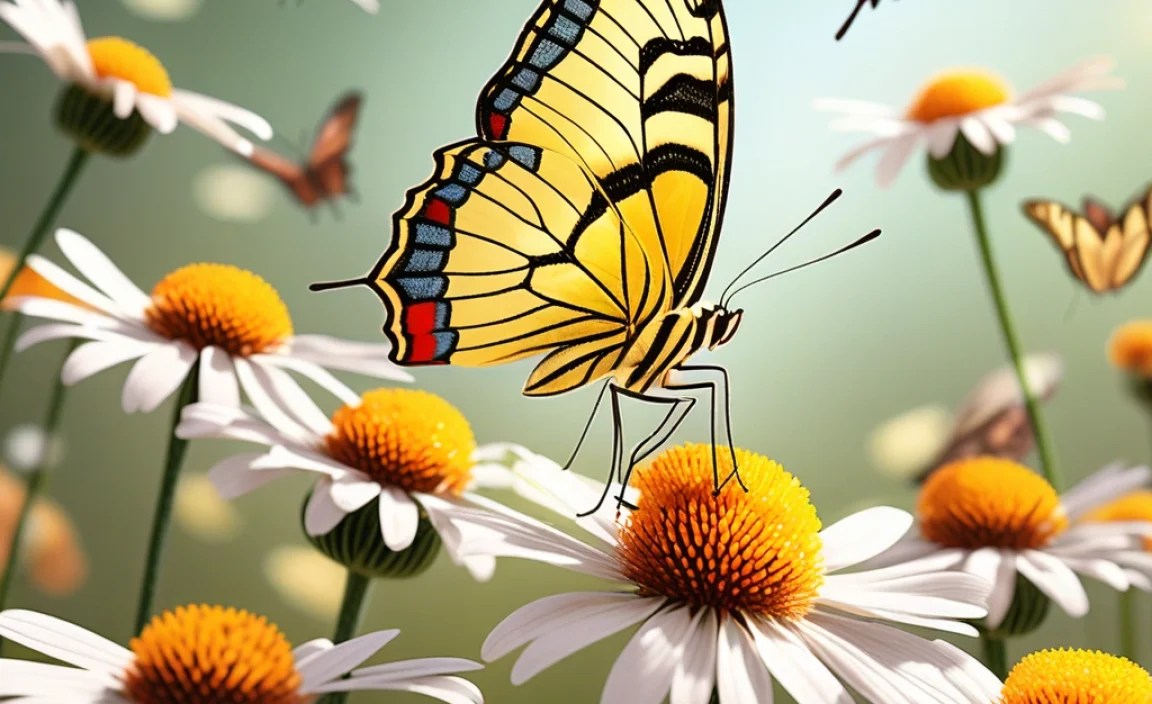
Unfortunately, butterfly populations are declining in many parts of the world. This decline is due to a variety of factors, including habitat loss, pesticide use, and climate change. These threats not only impact butterfly populations but also have consequences for the ecosystems that rely on butterfly pollination.
Habitat Loss
Habitat loss is one of the biggest threats to butterfly populations. As natural areas are converted to farmland, urban areas, and other developments, butterflies lose the plants they need for food and shelter. This can lead to declines in butterfly populations and reduced pollination rates.
Pesticide Use
Pesticides can harm or kill butterflies and other beneficial insects. Even pesticides that are not directly toxic to butterflies can harm them by reducing the availability of their food sources. Neonicotinoids, a class of systemic insecticides, are particularly harmful to pollinators and should be avoided.
Climate Change
Climate change is also a threat to butterfly populations. Changes in temperature and precipitation patterns can disrupt butterfly life cycles and reduce the availability of their food plants. Extreme weather events, such as droughts and floods, can also harm butterfly populations.
How to Protect and Support Butterfly Pollination
There are many things that you can do to protect and support butterfly pollination. By taking action in your own backyard and community, you can help ensure that these beautiful and important creatures continue to thrive.
Planting Butterfly-Friendly Gardens
One of the best ways to support butterfly pollination is to plant a butterfly-friendly garden. By providing host plants and nectar-rich flowers, you can attract butterflies to your yard and help them thrive. Be sure to avoid pesticides and provide a water source.
Supporting Conservation Organizations
Many conservation organizations are working to protect butterflies and their habitats. By supporting these organizations, you can help fund research, habitat restoration, and education programs. Some reputable organizations include the Xerces Society and the National Wildlife Federation.
Advocating for Change
You can also advocate for change by contacting your elected officials and urging them to support policies that protect butterflies and their habitats. This includes policies that reduce pesticide use, protect natural areas, and address climate change.
Educating Others
One of the most powerful things you can do is educate others about the importance of butterfly pollination. Share your knowledge with friends, family, and neighbors. Encourage them to plant butterfly-friendly gardens and support conservation efforts. The more people who understand the importance of butterfly pollination, the more likely we are to protect these valuable creatures.
Fun Facts About Butterfly Pollination
Here are some fun and interesting facts about butterfly pollination that you can share with others:
- Butterflies can taste with their feet! They have taste receptors on their feet that help them identify suitable host plants for laying their eggs.
- Some butterflies migrate thousands of miles each year. The Monarch butterfly, for example, migrates from Canada and the United States to Mexico for the winter.
- Butterflies are attracted to bright colors, especially red, orange, yellow, and purple.
- The proboscis of a butterfly is actually two tubes that are held together by hooks. When the butterfly is not feeding, the proboscis is coiled up under its head.
- Butterflies play a vital role in pollinating many of the foods we eat, including blueberries, cranberries, and almonds.
Frequently Asked Questions (FAQ)
Here are some frequently asked questions about pollination by butterflies:
1. Are butterflies good pollinators?
Yes, butterflies are good pollinators, though generally less efficient than bees. They visit flowers to drink nectar, and in the process, they transfer pollen from one flower to another.
2. What flowers do butterflies pollinate?
Butterflies are attracted to brightly colored, fragrant flowers with long, narrow tubes. Some examples include butterfly bush, zinnias, coneflowers, and milkweed.
3. How can I attract more butterflies to my garden?
To attract more butterflies, plant host plants (for caterpillars) and nectar-rich flowers (for adult butterflies). Also, provide a water source, avoid pesticides, and offer shelter from wind and rain.
4. What is a butterfly puddler?
A butterfly puddler is a shallow dish filled with water and pebbles or marbles. It provides butterflies with a safe and accessible water source, as they prefer to drink from shallow puddles.
5. Why are butterfly populations declining?
Butterfly populations are declining due to habitat loss, pesticide use, and climate change. Protecting their habitats and reducing pesticide use can help support butterfly populations.
6. How do butterflies carry pollen?
Butterflies carry pollen on their bodies, particularly their legs and proboscis, as they move from flower to flower in search of nectar.
7. What is the difference between butterfly and bee pollination?
Bees are generally more efficient pollinators because they have specialized structures for carrying pollen. Butterflies, however, can access nectar in flowers with long, narrow tubes that bees may have difficulty reaching.
Conclusion
Butterflies are so much more than just beautiful creatures fluttering through our gardens. They are vital contributors to the health of our ecosystems, playing a significant role in pollination. By understanding how butterflies pollinate and the challenges they face, we can all take steps to support these delicate creatures. Whether it’s planting a butterfly-friendly garden, supporting conservation organizations, or educating others about the importance of butterfly pollination, every action counts. Let’s work together to ensure that butterflies continue to grace our world with their beauty and contribute to the vibrant web of life for generations to come. Every small act of conservation makes a big difference in securing the future of these winged wonders and the ecosystems they support.


