
Little Known Rare Butterflies: Secret Guide

Have you ever wondered about secret creatures? Some animals live hidden lives. They are little known rare butterflies. These butterflies are special. They are hard to find. They live in faraway places. What makes them so rare? Let’s explore their hidden world.
These butterflies need our help. We can learn about them. We can protect their homes. Every butterfly matters.
Did you know some butterflies are tiny? Others are as big as your hand. Each one has a story. Discover the amazing world of butterflies.
Key Takeaways
- Many little known rare butterflies face threats like habitat loss.
- Studying these butterflies helps us understand nature better.
- Some rare butterflies have unique colors and patterns.
- Protecting their habitats is key to their survival.
- These butterflies play important roles in their ecosystems.
Discovering Little Known Rare Butterflies

Little known rare butterflies are like hidden gems. They live in specific places. These places can be rainforests or mountains. Finding them is like a treasure hunt. Scientists and nature lovers search for them. They want to learn about these butterflies. They study their habits and needs. This helps us protect them. Rare butterflies often have special diets. Some eat only one type of plant. If that plant disappears, the butterfly does too. Climate change also affects them. Warmer temperatures can change their habitats. We need to act now to save them. These butterflies are a part of our world.
- Butterflies are important pollinators.
- They add beauty to our world.
- Protecting them helps other species.
- Butterflies are sensitive to change.
- Learning about them is very interesting.
Protecting little known rare butterflies requires effort. We need to protect their habitats. This means saving forests and grasslands. We can also create butterfly gardens. These gardens provide food and shelter. Educating people is also important. When people know about butterflies, they care more. They will want to help protect them. Every small action makes a difference. Together, we can save these amazing creatures. They are a vital part of our planet. Their survival depends on us.
Fun Fact or Stat: Some rare butterfly species are only found on single islands, making them extremely vulnerable!
Why Are Some Butterflies Rare?
Have you ever wondered why some things are hard to find? Some butterflies are rare because of their homes. Their habitats are getting smaller. People are building houses and farms. This takes away the butterflies’ food. It also removes their places to live. Some butterflies need specific plants to survive. If those plants disappear, so do the butterflies. Climate change also plays a role. Warmer weather can change where butterflies can live. Pollution can also harm them. Protecting these butterflies means protecting their homes. It also means reducing pollution.
What Makes a Butterfly Unique?
Imagine a butterfly with colors you’ve never seen. Some little known rare butterflies have amazing patterns. These patterns help them hide. They can blend in with leaves or flowers. Some butterflies have special shapes. Their wings might look like leaves. This helps them avoid predators. Other butterflies have bright colors. These colors warn predators that they are poisonous. Each butterfly has its own special features. These features help them survive in their environment. Learning about these features is fascinating. It shows how amazing nature can be.
Where Do Rare Butterflies Live?
Do you dream of going on an adventure? Some little known rare butterflies live in faraway places. They live in rainforests, mountains, and islands. These places are often hard to reach. This is why the butterflies are not well known. Some butterflies live high in the Andes Mountains. Others live on small islands in the Pacific Ocean. These places are full of unique plants and animals. Protecting these habitats is important. It helps protect the butterflies. It also helps protect all the other creatures that live there.
Fun Fact or Stat: Many rare butterflies live in tropical rainforests, which are among the most biodiverse habitats on Earth!
Habitat Loss and Rare Butterfly Populations

Habitat loss is a big problem for little known rare butterflies. When forests are cut down, butterflies lose their homes. Farms and cities also take away their land. This makes it hard for butterflies to find food. It also makes it hard to find mates. Some butterflies can only live in certain types of habitats. If those habitats disappear, the butterflies disappear too. Protecting habitats is key to saving these butterflies. We can create protected areas. We can also help farmers use land in a butterfly-friendly way. Every little bit helps.
- Deforestation harms butterfly habitats.
- Farming can reduce butterfly food sources.
- Urban development destroys butterfly homes.
- Climate change alters butterfly habitats.
- Pollution can poison butterfly food.
What can we do to help? We can support organizations that protect habitats. We can also plant butterfly gardens in our own yards. These gardens provide food and shelter for butterflies. We can also reduce our use of resources. This helps protect forests and other habitats. Educating others is also important. The more people know about the problem, the more they can help. Together, we can make a difference. We can protect the homes of these amazing butterflies.
Fun Fact or Stat: Some butterfly species have declined by over 90% due to habitat loss in the last few decades!
What is Habitat Fragmentation?
Imagine a forest that is cut into small pieces. This is called habitat fragmentation. It is bad for little known rare butterflies. They need large areas to find food and mates. When the forest is broken up, they cannot move around easily. This can lead to smaller populations. It can also make them more vulnerable to predators. Connecting these fragments with corridors can help. These corridors allow butterflies to move between habitats. This can help them find food and mates. It can also help them avoid predators.
How Does Farming Affect Butterflies?
Farms can be both good and bad for butterflies. Some farms use pesticides. These chemicals can kill butterflies. Other farms grow only one type of crop. This does not provide enough food for butterflies. However, some farmers are using butterfly-friendly practices. They plant wildflowers along the edges of their fields. This provides food and shelter for butterflies. They also avoid using pesticides. These practices can help butterflies thrive on farms. Supporting these farmers is a good way to help butterflies.
What Can We Do to Restore Habitats?
Have you ever planted a tree? Planting trees is a great way to restore habitats. We can also remove invasive species. These plants can take over butterfly habitats. They can crowd out the plants that butterflies need. We can also create butterfly gardens. These gardens provide food and shelter for butterflies. Restoring habitats takes time and effort. But it is worth it. It helps protect little known rare butterflies. It also helps protect all the other creatures that live there.
Fun Fact or Stat: Habitat restoration projects can increase butterfly populations by up to 50% in some areas!
Climate Change Impacts on Butterfly Distribution
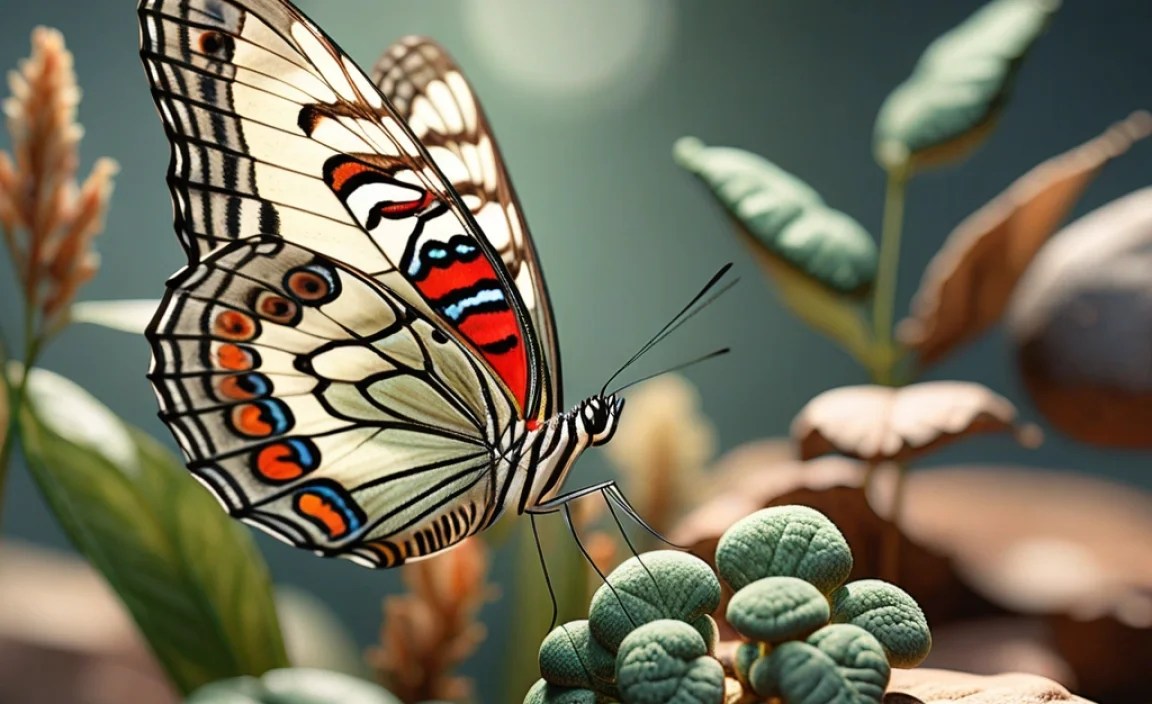
Climate change is changing the world. It is also affecting little known rare butterflies. As the climate warms, butterflies are moving. They are trying to find cooler places to live. But some butterflies cannot move fast enough. Their habitats are changing too quickly. This can lead to smaller populations. It can also make them more vulnerable to extinction. Climate change also affects the plants that butterflies eat. Some plants are dying out. This means butterflies have less food. Reducing our carbon footprint can help. This means using less energy. It also means driving less. Every small action makes a difference.
- Warmer temperatures change butterfly habitats.
- Butterflies may move to cooler areas.
- Some butterflies cannot adapt quickly enough.
- Changes in rainfall affect plant growth.
- Extreme weather events harm butterflies.
What can we do to help butterflies adapt to climate change? We can protect their habitats. This gives them a place to move to. We can also help them find food. We can plant butterfly gardens with a variety of plants. This provides them with a diverse food source. We can also support research. Scientists are studying how climate change affects butterflies. This can help us find ways to protect them. Together, we can help these amazing creatures survive.
Fun Fact or Stat: Some butterfly species are shifting their ranges northward by as much as 6 miles per year due to climate change!
How Does Temperature Affect Butterflies?
Imagine a butterfly trying to fly in very hot weather. Butterflies are sensitive to temperature. They need the right temperature to be active. If it is too cold, they cannot fly. If it is too hot, they can overheat. Climate change is making temperatures more extreme. This can make it hard for butterflies to survive. Some butterflies are adapted to specific temperatures. If those temperatures change, they may not be able to adapt. Protecting their habitats is important. It gives them a place to escape extreme temperatures.
How Does Rainfall Affect Butterflies?
Have you ever seen a butterfly after a rainstorm? Rainfall is important for butterflies. It helps plants grow. Butterflies need plants for food. But too much rain can be bad. It can wash away butterfly eggs and caterpillars. Climate change is changing rainfall patterns. Some areas are getting more rain. Other areas are getting less rain. This can make it hard for butterflies to survive. Protecting their habitats is important. It helps them survive changes in rainfall.
What Can We Do to Reduce Our Carbon Footprint?
Reducing our carbon footprint is important. It helps protect little known rare butterflies. We can use less energy. This means turning off lights when we leave a room. It also means using energy-efficient appliances. We can drive less. This means walking, biking, or taking the bus. We can also eat less meat. Raising animals for meat uses a lot of energy. Every small action makes a difference. Together, we can reduce our impact on the climate.
Fun Fact or Stat: Reducing your shower time by just 2 minutes can save up to 5 gallons of water, helping conserve resources for butterfly habitats!
Conservation Efforts for Rare Butterflies
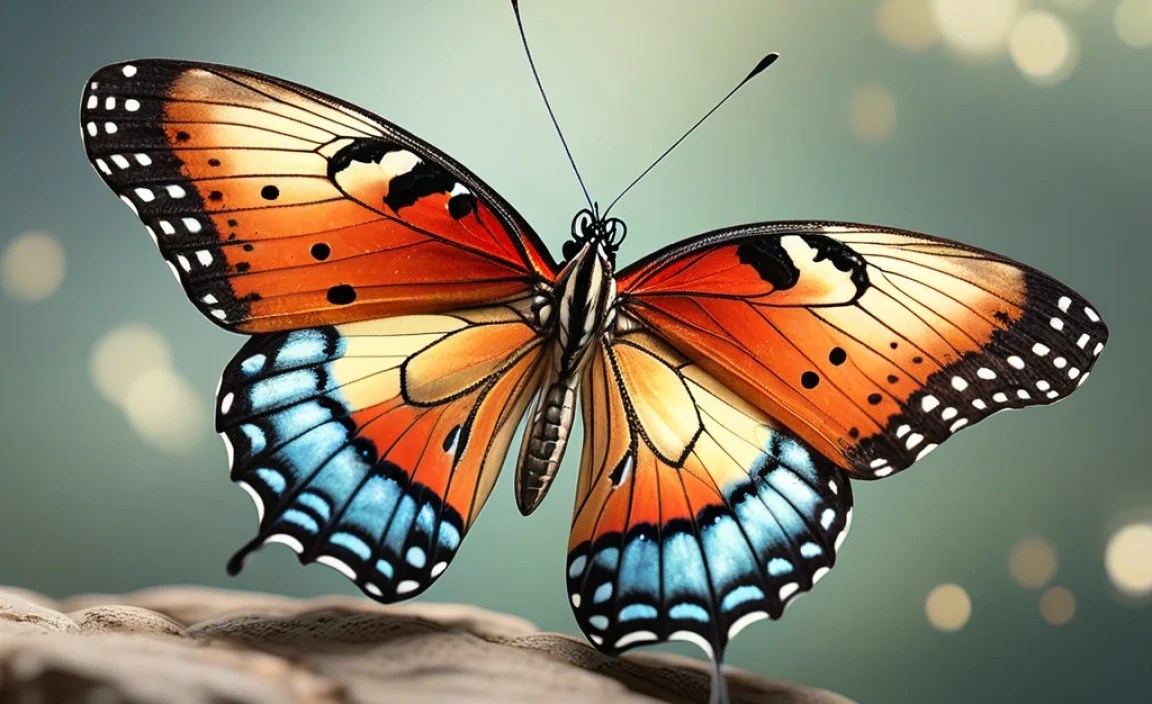
Many people are working to save little known rare butterflies. Conservation groups are protecting habitats. They are also breeding butterflies in captivity. These butterflies are then released into the wild. Scientists are studying butterfly populations. They are trying to understand what butterflies need to survive. Governments are passing laws to protect butterflies. These laws can protect their habitats. They can also prevent people from collecting butterflies. Education is also important. The more people know about butterflies, the more they will want to help.
- Protecting butterfly habitats is crucial.
- Captive breeding programs help boost populations.
- Research helps understand butterfly needs.
- Laws protect butterflies and their habitats.
- Education raises awareness about butterflies.
How can you help? You can support conservation groups. You can also plant butterfly gardens. You can avoid using pesticides. You can educate others about butterflies. Even small actions can make a big difference. Together, we can save these amazing creatures. They are a vital part of our planet. Their survival depends on us. Let’s work together to protect them.
Fun Fact or Stat: Some conservation programs have successfully reintroduced butterfly species to areas where they had disappeared!
What are Butterfly Sanctuaries?
Imagine a safe place for butterflies. Butterfly sanctuaries are special areas. These areas are protected from development. They provide food and shelter for butterflies. They also allow butterflies to breed. Some sanctuaries are open to the public. You can visit them and see butterflies up close. Sanctuaries play an important role in conservation. They help protect little known rare butterflies. They also educate people about the importance of butterflies.
How Does Captive Breeding Work?
Captive breeding is like a butterfly nursery. Scientists raise butterflies in a safe environment. They provide them with food and shelter. They also protect them from predators. When the butterflies are grown, they are released into the wild. This helps boost butterfly populations. Captive breeding is used for some of the rarest butterflies. It is a way to prevent them from going extinct. It is a lot of work, but it can be very effective.
What Laws Protect Butterflies?
Laws can help protect little known rare butterflies. Some laws protect their habitats. These laws prevent development in important butterfly areas. Other laws prevent people from collecting butterflies. Collecting butterflies can harm their populations. It is important to follow these laws. They help ensure that butterflies can survive. You can learn about the laws in your area. You can also support laws that protect butterflies.
Fun Fact or Stat: The Endangered Species Act in the United States has helped protect several rare butterfly species from extinction!
The Role of Citizen Science in Butterfly Research

You can be a scientist! Citizen science is when everyday people help scientists. You can help study little known rare butterflies. You can count butterflies in your backyard. You can report your sightings to scientists. This data helps scientists understand butterfly populations. It also helps them track changes in butterfly habitats. Citizen science is a fun way to learn about butterflies. It is also a great way to help protect them. Anyone can participate. You don’t need to be a scientist.
- Citizen scientists collect butterfly data.
- They report sightings to researchers.
- This data helps track butterfly populations.
- Citizen science is fun and educational.
- Anyone can participate in butterfly surveys.
How can you get involved? There are many citizen science projects. Some projects focus on counting butterflies. Others focus on identifying butterflies. You can find projects online. You can also contact local nature centers. They may have citizen science programs. Participating in citizen science is a great way to make a difference. You can help protect these amazing creatures.
Fun Fact or Stat: Citizen scientists have contributed millions of butterfly observations, helping researchers understand butterfly distribution and abundance!
What is a Butterfly Count?
A butterfly count is like a treasure hunt. Instead of treasure, you look for butterflies. You go to a specific area. You count all the butterflies you see. You record the types of butterflies you find. This information is then sent to scientists. They use it to track butterfly populations. Butterfly counts are a fun way to learn about butterflies. They are also a great way to help scientists. You can find butterfly counts in your area.
How Can I Identify Butterflies?
Identifying butterflies can be tricky. There are many different types of butterflies. But with a little practice, you can learn. You can use a butterfly guidebook. These books show pictures of different butterflies. They also describe their features. You can also use a butterfly identification app. These apps can help you identify butterflies based on photos. Practice makes perfect. The more you look at butterflies, the easier it will become.
What Data Do Scientists Need?
Scientists need a lot of data about butterflies. They need to know where butterflies live. They need to know how many butterflies there are. They need to know what kinds of plants butterflies eat. They also need to know how climate change is affecting butterflies. All of this data helps scientists protect butterflies. When you participate in citizen science, you are helping scientists collect this data.
Fun Fact or Stat: Scientists use citizen science data to create maps of butterfly distribution, which help them identify important habitats for conservation!
Creating Butterfly Gardens to Support Rare Species
You can create a butterfly paradise in your backyard. Butterfly gardens provide food and shelter. They attract little known rare butterflies. To create a butterfly garden, you need the right plants. Butterflies need nectar plants for food. They also need host plants for their caterpillars. Native plants are best. They are adapted to your local climate. They also provide the best food for butterflies. A butterfly garden can be any size. Even a small garden can make a difference.
| Plant Name | Type | Benefits |
|---|---|---|
| Milkweed | Host Plant | Food for Monarch caterpillars |
| Butterfly Bush | Nectar Plant | Attracts many butterfly species |
| Aster | Nectar Plant | Provides late-season nectar |
| Violets | Host Plant | Food for fritillary caterpillars |
- Plant native nectar plants for food.
- Provide host plants for caterpillars.
- Avoid using pesticides in your garden.
- Provide a water source for butterflies.
- Offer shelter from wind and rain.
How can you make your garden even better? You can add a water source. Butterflies need water to drink. You can put out a shallow dish of water with some rocks. The rocks give butterflies a place to land. You can also provide shelter from wind and rain. Plant trees or shrubs to create a sheltered area. Avoid using pesticides in your garden. Pesticides can harm butterflies and other insects. A butterfly garden is a beautiful and beneficial addition to any yard.
Fun Fact or Stat: A well-designed butterfly garden can attract over 50 different butterfly species to your yard!
What are Nectar Plants?
Nectar is like butterfly juice. It is a sweet liquid that butterflies drink. Nectar plants produce nectar. Butterflies use their long tongues to drink the nectar. Different butterflies prefer different nectar plants. Some popular nectar plants include butterfly bush, coneflowers, and zinnias. Planting a variety of nectar plants will attract more butterflies. It will also provide them with a constant food source.
What are Host Plants?
Host plants are like butterfly baby food. They are the plants that caterpillars eat. Different butterflies need different host plants. Monarch caterpillars only eat milkweed. Black swallowtail caterpillars eat parsley and dill. Planting the right host plants is essential. It allows butterflies to complete their life cycle. Without host plants, butterflies cannot reproduce.
How Can I Avoid Using Pesticides?
Pesticides are bad for butterflies. They can kill butterflies and other insects. There are many ways to avoid using pesticides. You can use natural pest control methods. You can attract beneficial insects to your garden. These insects will eat the pests that harm your plants. You can also handpick pests off your plants. This is a safe and effective way to control pests. Avoiding pesticides will help protect butterflies and other wildlife.
Fun Fact or Stat: Organic gardening practices can increase butterfly populations by up to 80% compared to gardens that use pesticides!
Summary
Little known rare butterflies are amazing creatures. They play a vital role in our ecosystems. They are facing many threats. These threats include habitat loss and climate change. We can help protect them. We can protect their habitats. We can reduce our carbon footprint. We can also create butterfly gardens. Every small action makes a difference.
Citizen science is a great way to get involved. You can count butterflies. You can report your sightings to scientists. This data helps scientists understand butterfly populations. It also helps them track changes in butterfly habitats. Together, we can save these amazing creatures. They are a vital part of our planet. Their survival depends on us.
Conclusion
Little known rare butterflies need our help. These butterflies are important. They make our world beautiful. Protecting them is our job. We must act now. We can all make a difference. Even small actions help. Plant a garden. Reduce pollution. Support conservation. Together, we can protect these amazing creatures. Let’s save the butterflies.
Frequently Asked Questions
Question No 1: What makes a butterfly rare?
Answer: A butterfly can be rare for many reasons. Sometimes it is because their habitat is small. They might only live in one specific place. Habitat loss is a big problem. When forests are cut down, butterflies lose their homes. Climate change also affects them. Warmer temperatures can change where butterflies can live. Pollution can also harm them. Some butterflies need specific plants to survive. If those plants disappear, so do the butterflies.
Question No 2: Where do little known rare butterflies live?
Answer: Rare butterflies live in many different places. Some live in rainforests. Others live in mountains. Some even live on small islands. These places are often far away. This is why the butterflies are not well known. For example, some rare butterflies live high in the Andes Mountains. Others live on small islands in the Pacific Ocean. These places are full of unique plants and animals. Protecting these habitats is important.
Question No 3: How does climate change affect butterflies?
Answer: Climate change is a big problem for butterflies. As the climate warms, butterflies are moving. They are trying to find cooler places to live. But some butterflies cannot move fast enough. Their habitats are changing too quickly. This can lead to smaller populations. It can also make them more vulnerable. Climate change also affects the plants that butterflies eat. Some plants are dying out. This means butterflies have less food. We need to reduce our carbon footprint to help.
Question No 4: What can I do to help rare butterflies?
Answer: There are many things you can do! You can plant a butterfly garden. This provides food and shelter for butterflies. You can also avoid using pesticides. Pesticides can harm butterflies and other insects. You can support conservation groups. These groups are working to protect butterfly habitats. You can also educate others about butterflies. The more people know, the more they can help. Even small actions can make a big difference for little known rare butterflies.
Question No 5: What is citizen science?
Answer: Citizen science is when everyday people help scientists. You can help study butterflies! You can count butterflies in your backyard. You can report your sightings to scientists. This data helps scientists understand butterfly populations. It also helps them track changes in butterfly habitats. Citizen science is a fun way to learn about nature. It is also a great way to help protect it. Anyone can participate. You don’t need to be a scientist to help little known rare butterflies.
Question No 6: Why are host plants important for butterflies?
Answer: Host plants are very important for butterflies. They are the plants that caterpillars eat. Different butterflies need different host plants. For example, Monarch caterpillars only eat milkweed. Without host plants, butterflies cannot reproduce. Planting the right host plants is essential. It allows butterflies to complete their life cycle. If you want to help little known rare butterflies, plant their host plants in your garden.


