
Butterfly Close-Up Identification: Your Easy Guide

Have you ever been mesmerized by the intricate patterns on a butterfly’s wings and wondered what its name is? Many of us find it challenging to distinguish one butterfly from another. Don’t worry; you’re not alone! Identifying butterflies can seem daunting at first, but with a few simple techniques, it becomes a rewarding and fascinating hobby.
This guide will walk you through the essential steps to confidently identify butterflies up close. We’ll explore everything from wing markings and body shapes to behavior and habitat. Soon, you’ll be able to appreciate these beautiful creatures even more, and contribute to citizen science efforts. Let’s get started!
Understanding Butterfly Anatomy
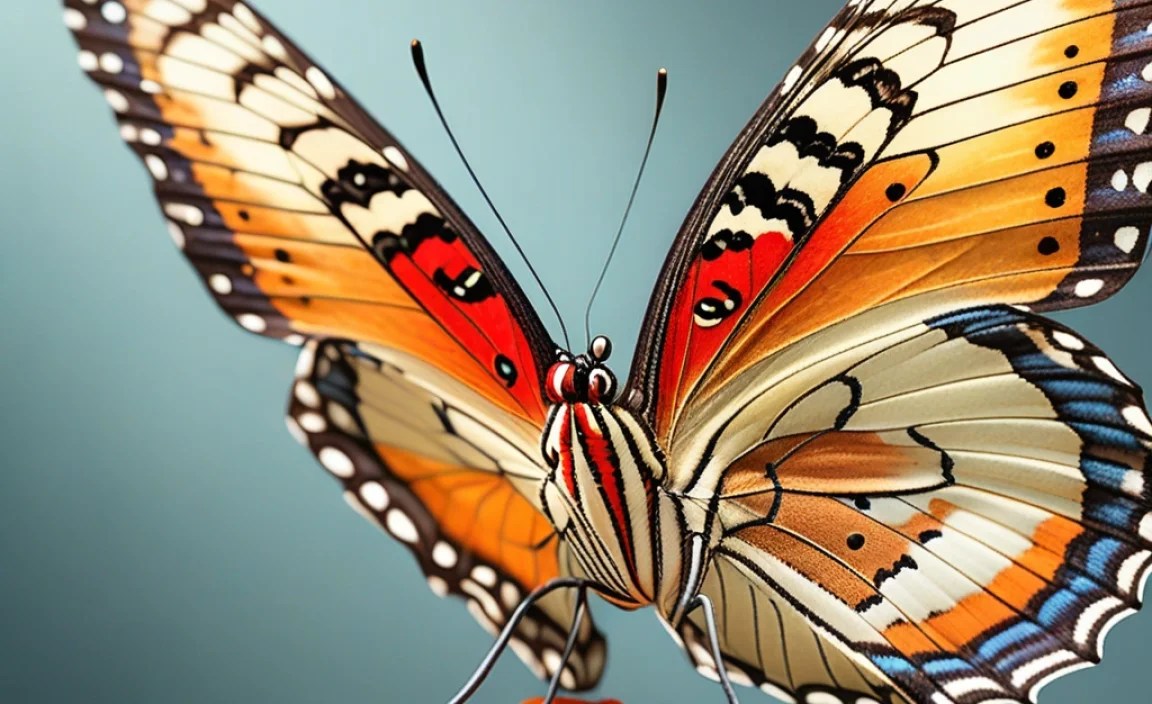
Before diving into identification, let’s understand the basic anatomy of a butterfly. Knowing the different parts will help you describe and compare butterflies more accurately. Here’s a simple overview:
- Wings: Butterflies have four wings – a forewing and a hindwing on each side.
- Body: The body consists of the head, thorax, and abdomen.
- Antennae: These sensory organs help butterflies detect scents and navigate.
- Proboscis: A long, straw-like tongue used for feeding on nectar.
- Legs: Butterflies have six legs, though some species may appear to have only four functional legs.
Essential Tools for Butterfly Identification
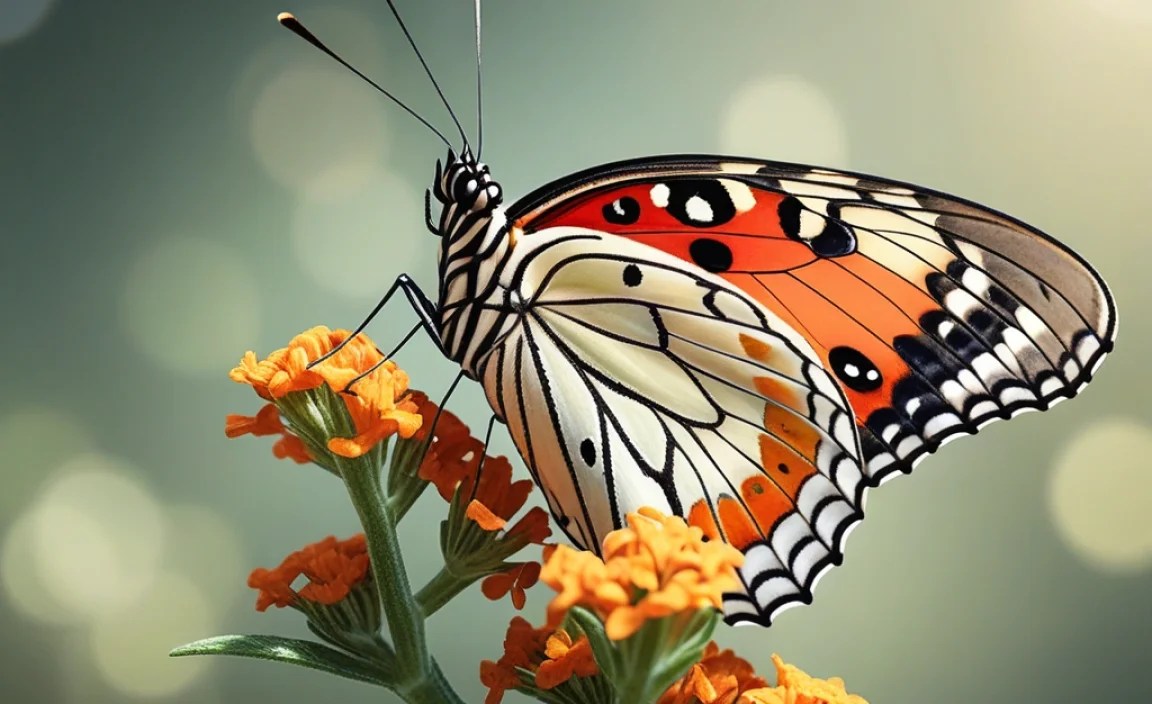
Having the right tools can make butterfly identification easier and more enjoyable. Here are some items you might find helpful:
- Field Guide: A comprehensive guide with pictures and descriptions of local butterfly species.
- Binoculars: For observing butterflies from a distance without disturbing them.
- Magnifying Glass: To examine fine details on the wings and body.
- Camera: To capture photos for later comparison and identification.
- Notebook and Pen: For recording observations about the butterfly’s appearance, behavior, and location.
Step-by-Step Guide to Butterfly Identification
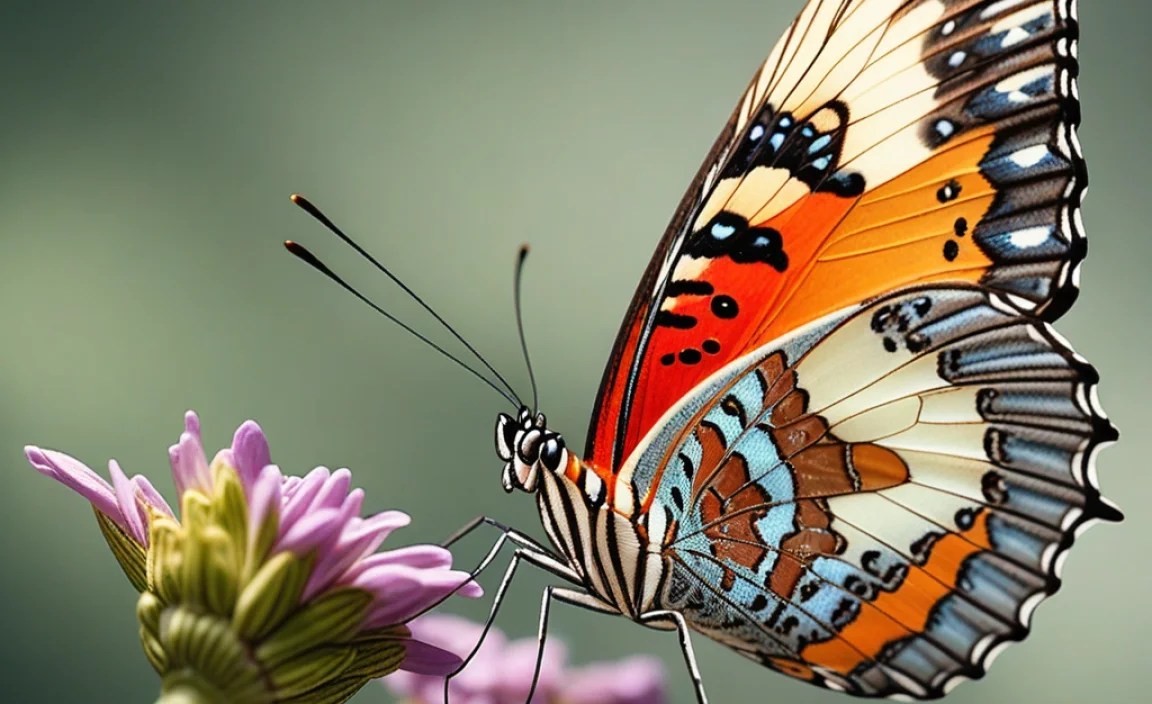
Follow these steps to identify butterflies with confidence:
Step 1: Observe the Butterfly’s Size and Shape
Start by noting the overall size and shape of the butterfly. Is it large or small? Are the wings broad or narrow? These initial observations can help narrow down the possibilities.
Consider these categories:
- Large: Over 4 inches in wingspan (e.g., Monarch, Swallowtail)
- Medium: 2 to 4 inches in wingspan (e.g., Painted Lady, Buckeye)
- Small: Under 2 inches in wingspan (e.g., Blues, Skippers)
Step 2: Examine Wing Patterns and Colors
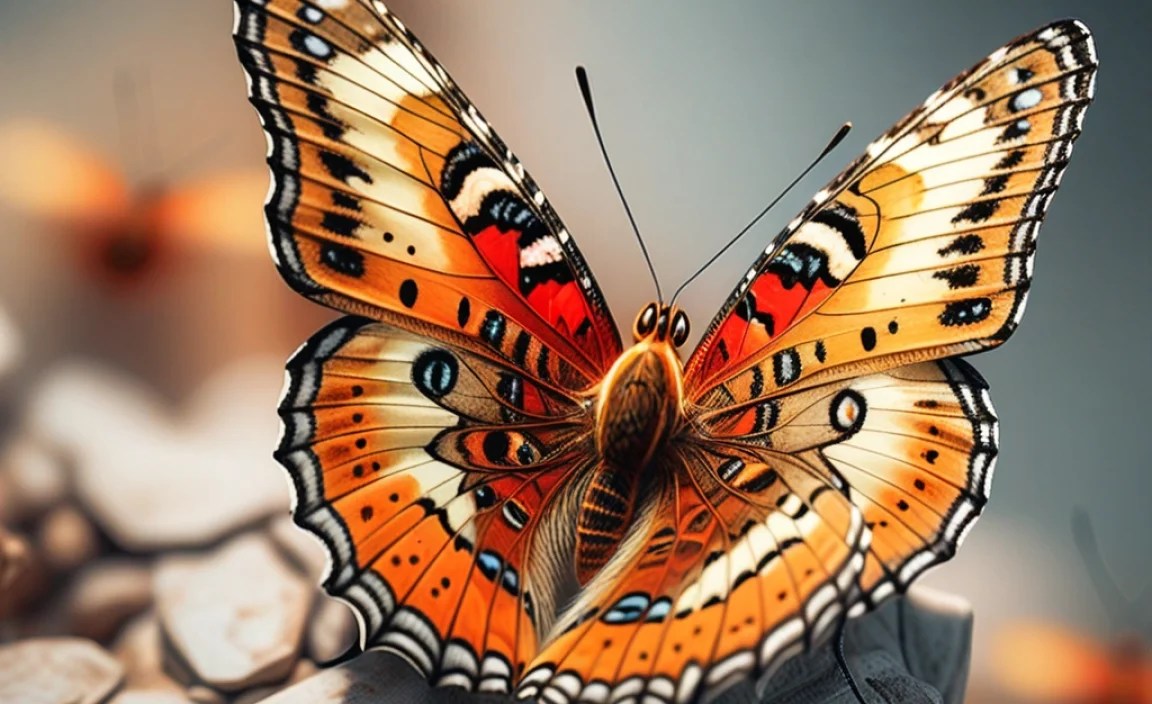
The patterns and colors on a butterfly’s wings are key identifiers. Pay attention to the following:
- Color: Note the dominant colors, such as orange, yellow, blue, or brown.
- Patterns: Look for spots, stripes, bands, or other distinctive markings.
- Wing Underside: The underside of the wings often has different patterns than the top, which can be crucial for identification.
For example, the Monarch butterfly is easily recognized by its bright orange wings with black veins and white spots along the edges. In contrast, the Viceroy butterfly mimics the Monarch but has a black line across the hindwing.
Step 3: Identify Key Markings and Features
Focus on specific markings and features that can help distinguish between similar species. Some common features to look for include:
- Eye Spots: Circular markings that resemble eyes, often found on the hindwings.
- Tails: Elongated extensions on the hindwings, common in Swallowtail butterflies.
- Hairstreaks: Fine lines or streaks on the wings, often metallic in color.
The presence or absence of these features can significantly narrow down your search.
Step 4: Observe Behavior and Habitat
A butterfly’s behavior and habitat can provide valuable clues to its identity. Consider the following:
- Flight Pattern: Is the flight erratic or steady? Some butterflies, like Skippers, have a fast, darting flight.
- Feeding Habits: What type of flowers is the butterfly visiting? Some species prefer specific nectar sources.
- Habitat: Where did you find the butterfly? Different species are found in different habitats, such as meadows, forests, or gardens.
For instance, if you see a butterfly flitting around milkweed plants in a meadow, it’s likely a Monarch, as milkweed is their primary food source and breeding ground.
Step 5: Use a Field Guide or Online Resource
Once you’ve gathered your observations, consult a field guide or online resource to compare your findings with known species. Here are some reputable resources:
- Butterflies and Moths of North America (BAMONA): A comprehensive website with photos, descriptions, and distribution maps. butterfliesandmoths.org
- The Xerces Society: An organization dedicated to invertebrate conservation, with valuable information on butterfly identification and habitat. xerces.org
- Local Field Guides: Books specific to your region, providing detailed information on local butterfly species.
Compare your observations with the images and descriptions in the guide. Pay attention to key characteristics and distribution maps to confirm your identification.
Step 6: Take Photos for Later Comparison
If possible, take photos of the butterfly from different angles. These photos can be invaluable for later comparison and identification. Focus on capturing clear images of the wing patterns, body shape, and any distinctive markings.
Use a camera or smartphone with a good zoom function to capture detailed images without disturbing the butterfly. Try to get shots of both the upper and lower sides of the wings.
Detailed Characteristics to Observe

To enhance your identification skills, focus on these detailed characteristics:
Wing Shape and Size
The shape and size of a butterfly’s wings can vary significantly between species. Some butterflies have rounded wings, while others have pointed or elongated wings. The size of the wings can also be a helpful indicator.
Consider these variations:
- Rounded Wings: Common in many butterfly families, such as Nymphalidae (Brush-footed butterflies).
- Pointed Wings: Often seen in Swallowtail butterflies (Papilionidae).
- Elongated Wings: Characteristic of Longwing butterflies (Heliconiidae).
Color Patterns and Markings
The color patterns and markings on butterfly wings are incredibly diverse and can provide critical clues for identification. Pay attention to the arrangement, shape, and color of spots, stripes, and bands.
Common patterns include:
- Spots: Can be round, oval, or irregular in shape, and may be arranged in rows or scattered across the wings.
- Stripes: Can be longitudinal, transverse, or diagonal, and may be continuous or broken.
- Bands: Broad, often contrasting areas of color that run across the wings.
Body Features
The body of a butterfly, including the head, thorax, and abdomen, can also provide clues for identification. Look at the color, shape, and any distinctive features.
Key features to observe:
- Antennae: The shape and length of the antennae can vary between species. Some butterflies have clubbed antennae, while others have hooked or feathery antennae.
- Thorax: The color and hairiness of the thorax can be helpful. Some butterflies have a smooth, shiny thorax, while others have a fuzzy or hairy thorax.
- Abdomen: The shape and color of the abdomen can also vary. Some butterflies have a slender abdomen, while others have a more rounded or elongated abdomen.
Geographic Location and Habitat
The geographic location and habitat where you find a butterfly can significantly narrow down the possibilities. Different species are found in different regions and habitats.
Consider these factors:
- Region: Are you in North America, Europe, Asia, or another part of the world?
- Habitat: Are you in a meadow, forest, garden, or wetland?
- Elevation: Are you at sea level or in the mountains?
Use distribution maps in field guides or online resources to determine which species are likely to be found in your area.
Examples of Butterfly Identification
Let’s walk through a couple of examples to illustrate the identification process:
Example 1: Monarch Butterfly (Danaus plexippus)
Imagine you see a large, bright orange butterfly with black veins and white spots along the edges of its wings in your garden. It is feeding on milkweed flowers. Here’s how you might identify it:
- Size and Shape: Large butterfly with broad wings.
- Color and Pattern: Bright orange with black veins and white spots.
- Behavior and Habitat: Feeding on milkweed in a garden.
- Field Guide: Consulting a field guide, you find that the Monarch butterfly matches these characteristics.
Based on these observations, you can confidently identify the butterfly as a Monarch.
Example 2: Eastern Tiger Swallowtail (Papilio glaucus)
You spot a large, yellow butterfly with black stripes and “tails” on its hindwings in a deciduous forest. Here’s how you might identify it:
- Size and Shape: Large butterfly with pointed wings and tails.
- Color and Pattern: Yellow with black stripes.
- Behavior and Habitat: Found in a deciduous forest.
- Field Guide: Consulting a field guide, you find that the Eastern Tiger Swallowtail matches these characteristics.
Based on these observations, you can identify the butterfly as an Eastern Tiger Swallowtail.
Tips for Improving Your Butterfly Identification Skills
Here are some tips to help you become a more skilled butterfly identifier:
- Practice Regularly: The more you observe butterflies, the better you’ll become at recognizing different species.
- Join a Butterfly Club: Connect with other enthusiasts to share knowledge and learn from experienced identifiers.
- Visit Butterfly Gardens: Observe a variety of butterfly species in a controlled environment.
- Take a Butterfly Identification Workshop: Learn from experts and gain hands-on experience.
- Contribute to Citizen Science Projects: Participate in butterfly surveys and monitoring programs to help scientists track butterfly populations.
Butterfly Conservation
Butterfly populations are declining due to habitat loss, pesticide use, and climate change. By learning to identify butterflies, you can contribute to conservation efforts. Here are some ways to help:
- Create a Butterfly Garden: Plant native flowers that provide nectar and host plants for caterpillars.
- Avoid Pesticides: Use natural pest control methods to protect butterflies and other beneficial insects.
- Support Conservation Organizations: Donate to organizations that work to protect butterfly habitats.
- Educate Others: Share your knowledge and passion for butterflies with friends, family, and community members.
Table: Common Butterfly Species and Their Characteristics
| Species | Size | Color and Pattern | Habitat |
|---|---|---|---|
| Monarch (Danaus plexippus) | Large (3.5-4 inches) | Orange with black veins and white spots | Meadows, gardens, milkweed patches |
| Eastern Tiger Swallowtail (Papilio glaucus) | Large (3-5.5 inches) | Yellow with black stripes, “tails” on hindwings | Deciduous forests, gardens |
| Painted Lady (Vanessa cardui) | Medium (2-2.5 inches) | Orange-brown with black spots and white markings | Various habitats, including gardens, fields, and open areas |
| Cabbage White (Pieris rapae) | Small (1.5-2 inches) | White with black spots on forewings | Gardens, fields, and disturbed areas |
| Red Admiral (Vanessa atalanta) | Medium (2-3 inches) | Black with red bands on wings and white spots | Woodlands, gardens, and open areas |
Table: Butterfly Wing Morphology
| Wing Feature | Description | Significance in Identification |
|---|---|---|
| Wing Shape | Rounded, pointed, elongated, or irregular | Helps narrow down butterfly families and genera |
| Wing Size | Wingspan measured in inches or millimeters | Distinguishes between small, medium, and large species |
| Color Patterns | Arrangement of colors in spots, stripes, bands, or washes | Primary identifier for distinguishing between species |
| Markings | Presence of eyespots, tails, hairstreaks, or other distinctive features | Unique identifiers for specific species |
| Veins | Network of lines supporting the wing membrane | Venation patterns can be diagnostic at the family level |
FAQ: Butterfly Identification
What is the best field guide for butterfly identification?
The best field guide depends on your location. Look for guides specific to your region or state. Popular options include “Butterflies of North America” by Jim P. Brock and Kenn Kaufman, and guides published by the Audubon Society.
How can I attract butterflies to my garden?
Plant a variety of native flowers that provide nectar for adult butterflies and host plants for caterpillars. Include plants like milkweed, butterfly bush, and coneflowers. Also, provide a water source and avoid using pesticides.
What is the difference between a butterfly and a moth?
Butterflies typically have brightly colored wings, slender bodies, and clubbed antennae. They are active during the day. Moths, on the other hand, often have duller colors, thicker bodies, and feathery or comb-like antennae. Most moths are active at night.
How do I take good photos of butterflies for identification?
Use a camera or smartphone with a good zoom function. Try to get close to the butterfly without disturbing it. Focus on capturing clear images of the wing patterns, body shape, and any distinctive markings. Take photos from different angles, including the upper and lower sides of the wings.
What do butterflies eat?
Adult butterflies primarily feed on nectar from flowers, using their long, straw-like proboscis to sip the sweet liquid. Caterpillars, on the other hand, feed on the leaves of host plants. Different butterfly species have different host plant preferences.
Why are butterfly populations declining?
Butterfly populations are declining due to habitat loss, pesticide use, climate change, and pollution. Habitat loss occurs when natural areas are converted to agriculture, urban development, or other uses. Pesticides can kill butterflies and other beneficial insects. Climate change can disrupt butterfly life cycles and alter their habitats.
How can I contribute to butterfly conservation?
You can contribute to butterfly conservation by creating a butterfly garden, avoiding pesticides, supporting conservation organizations, and educating others about the importance of butterflies. You can also participate in citizen science projects, such as butterfly surveys and monitoring programs.
Conclusion
Butterfly identification is a rewarding journey that combines observation, knowledge, and a deep appreciation for nature. By following the steps outlined in this guide, you can confidently identify butterflies up close and contribute to their conservation. Remember to observe their size, shape, color patterns, behavior, and habitat. Use field guides and online resources to compare your findings and confirm your identification.
As you become more skilled, you’ll develop a deeper understanding of the intricate relationships between butterflies and their environment. So, grab your binoculars, head outdoors, and start exploring the wonderful world of butterflies! Every butterfly you identify is a step towards understanding and protecting these beautiful creatures for future generations. Happy butterflying!


