
How to Spot Rare Butterflies: Easy Guide

Have you ever seen a flash of color in the garden? Was it a bird, a flower, or something else? Maybe it was a butterfly! Some butterflies are very common. But some are super rare. Learning how to spot rare butterflies can be like a treasure hunt. It’s fun and helps nature.
Butterflies are important. They help flowers make seeds. These seeds grow into new plants. We need to protect rare butterflies. This helps keep our world healthy and beautiful.
Sometimes, finding a rare butterfly feels like magic. Imagine you are a nature detective. You look for clues. You learn about their favorite plants. You watch where they like to fly. This guide will help you become a great butterfly spotter. Are you ready to start your adventure and learn how to spot rare butterflies?
Key Takeaways
- Knowing how to spot rare butterflies helps protect these amazing creatures.
- Look for butterflies in their specific habitats and during their flight seasons.
- Use binoculars and cameras to observe butterflies without disturbing them.
- Learn to identify butterflies by their unique wing patterns and colors.
- Join local butterfly groups to gain knowledge and share sightings.
Understanding Butterfly Habitats
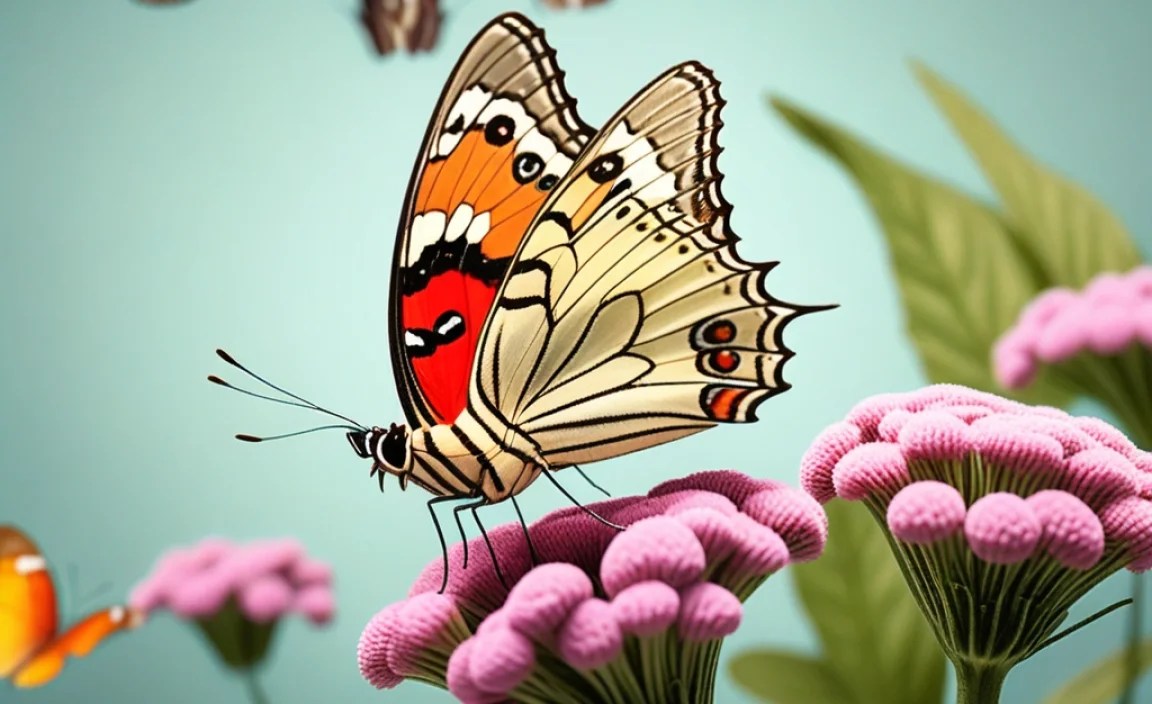
Butterflies need special places to live. These places are called habitats. Different butterflies like different habitats. Some like sunny meadows. Others like shady forests. Rare butterflies often live in very specific places. These places might be small or far away. To find them, you need to know where to look. Understanding butterfly habitats is the first step in how to spot rare butterflies. Look for areas with the plants they eat. These are called host plants. Also, look for places where they get nectar. Nectar is a sweet drink from flowers. It gives butterflies energy. The right habitat is like a perfect home for a butterfly. It has everything they need to survive and thrive. Knowing this helps you narrow your search and increases your chances of seeing something special.
- Sunny meadows attract many butterfly species.
- Forest edges provide shelter and diverse food sources.
- Wetlands are home to unique, moisture-loving butterflies.
- Mountainous regions have alpine butterfly species.
- Gardens with native plants can attract local butterflies.
Knowing what a butterfly eats is very important. Caterpillars eat leaves. Adult butterflies drink nectar from flowers. Some rare butterflies only eat one kind of plant. If you find that plant, you might find the butterfly! Look for plants that are native to your area. These plants are best for local butterflies. Also, pay attention to the time of year. Butterflies are more common in warm weather. Spring and summer are good times to look. Understanding habitats helps you know where and when to search. This makes finding rare butterflies much easier. This knowledge is key in how to spot rare butterflies.
Fun Fact or Stat: Some butterfly species migrate thousands of miles each year, just like birds!
Why Habitat Matters
Why does habitat matter so much to butterflies? Imagine your home only had one kind of food. What if it was always too hot or too cold? You wouldn’t be very happy! Butterflies are the same way. They need the right temperature. They need the right food. They need shelter from the wind and rain. A good habitat provides all of these things. When a habitat is destroyed, butterflies lose their homes. This can make them rare or even extinct. That’s why it’s important to protect butterfly habitats. You can help by planting native plants in your yard. You can also support organizations that protect natural areas. By protecting habitats, you help butterflies survive and thrive. This is a big part of how to spot rare butterflies: making sure they have a place to live.
Finding the Right Location
So, how do you find the right location to spot rare butterflies? Start by doing some research. Learn about the butterflies in your area. What are their favorite habitats? What plants do they eat? You can find this information in books and online. You can also talk to local experts. Butterfly clubs and nature centers are great resources. Once you know what to look for, start exploring. Visit different habitats in your area. Look for the plants that rare butterflies need. Pay attention to the weather. Butterflies are most active on warm, sunny days. Be patient and persistent. It might take time to find a rare butterfly. But the reward is worth the effort. Seeing a rare butterfly in its natural habitat is an amazing experience.
Protecting Butterfly Homes
Protecting butterfly homes is something everyone can do. Even small actions can make a big difference. Plant native plants in your garden. Avoid using pesticides. Pesticides can harm butterflies and other insects. Support local conservation groups. They work to protect butterfly habitats. Educate your friends and family about butterflies. The more people who care about butterflies, the better. You can also create a butterfly garden in your school or community. This provides a safe place for butterflies to feed and reproduce. By working together, we can protect butterfly homes. We can help ensure that these beautiful creatures thrive for generations to come. This is an essential part of how to spot rare butterflies: ensuring they continue to exist.
Identifying Butterfly Wing Patterns
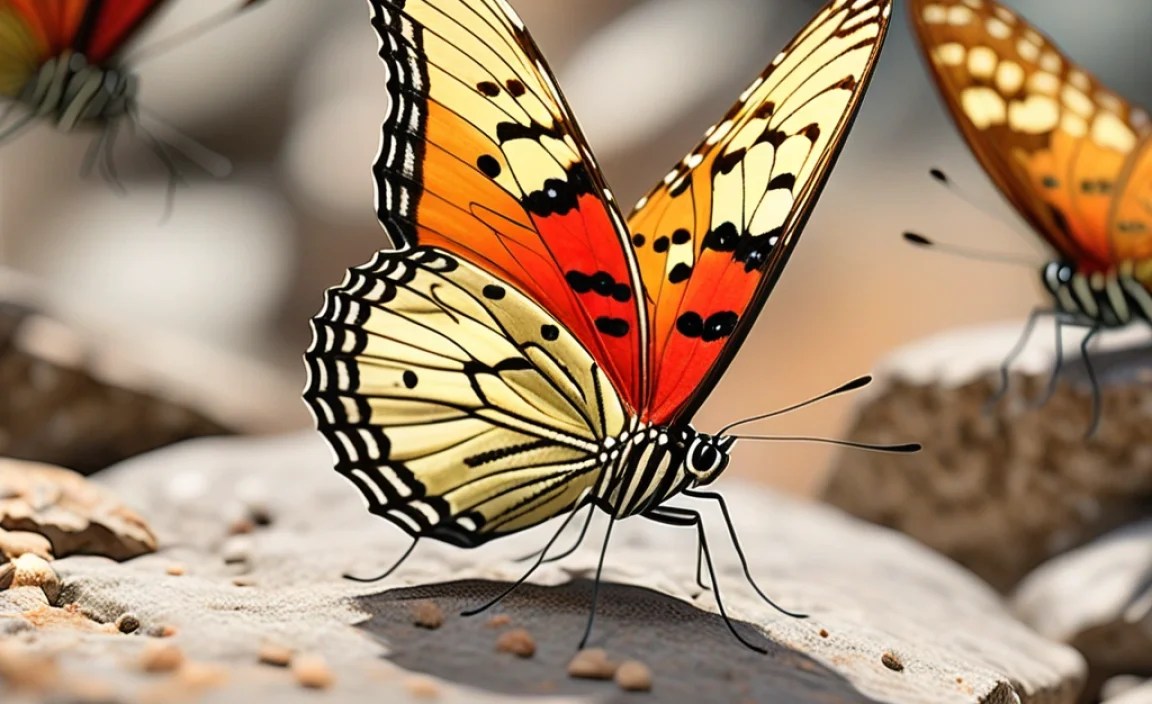
Butterflies have amazing wing patterns. Each species has its own unique design. These patterns help butterflies in many ways. They can help them hide from predators. They can help them attract mates. They can also help them control their body temperature. Learning to identify butterfly wing patterns is key. It is an important part of how to spot rare butterflies. Look closely at the colors and shapes on the wings. Notice any spots, stripes, or bands. Pay attention to the size and shape of the butterfly. Some butterflies are very small. Others are quite large. Some have long, narrow wings. Others have broad, rounded wings. The more you learn about wing patterns, the easier it will be to identify different species. This skill will make your butterfly spotting adventures much more rewarding.
- Observe the colors and patterns on both sides of the wings.
- Note the size and shape of the wings.
- Look for distinctive markings like spots, stripes, or tails.
- Compare your observations with field guides or online resources.
- Consider the geographical location when identifying species.
- Photograph the butterfly for later identification if possible.
Field guides are a great tool for identifying butterflies. These books have pictures and descriptions of different species. They also have information about their habitats and behaviors. You can find field guides at bookstores and libraries. There are also many online resources for identifying butterflies. Websites and apps can help you identify butterflies based on their wing patterns. It’s fun to compare your photos to the pictures in the guides. This helps you learn the different patterns. Remember, practice makes perfect. The more you look at butterflies, the better you will become at identifying them. This skill is vital in learning how to spot rare butterflies.
Fun Fact or Stat: Some butterfly wings are covered in tiny scales, just like fish scales!
Understanding Color Variation
Butterflies can come in many different colors. Some are bright and bold. Others are dull and muted. The colors of a butterfly’s wings can depend on several things. These include their diet, their environment, and their genes. Sometimes, butterflies of the same species can have different colors. This is called color variation. Understanding color variation can be tricky. But it’s important for identifying butterflies. Don’t assume that two butterflies are different species just because they look different. Pay attention to other features, such as their wing patterns and size. Use a field guide to compare your observations. This will help you determine if the butterflies are the same species or different ones. Recognizing color variations helps refine how to spot rare butterflies.
Spotting Unique Markings
Unique markings can help you identify rare butterflies. Some butterflies have spots that look like eyes. These eye spots can scare away predators. Other butterflies have tails or streamers on their wings. These tails can help them fly more easily. Look for any unusual markings on the butterfly’s wings. These markings can be key to identifying the species. Pay attention to the shape and size of the markings. Note their location on the wings. Compare your observations with a field guide or online resource. Unique markings are often the best way to identify a rare butterfly. This is a critical skill in how to spot rare butterflies.
Using Technology to Identify
Technology can be a great tool for identifying butterflies. There are many apps and websites that can help you identify butterflies based on their wing patterns. Some apps even use your phone’s camera to identify butterflies in real time. To use these tools, take a clear photo of the butterfly’s wings. Then, upload the photo to the app or website. The app will compare your photo to its database of butterfly images. It will then suggest the most likely species. Keep in mind that these tools are not always perfect. They can sometimes make mistakes. It’s always a good idea to double-check the results with a field guide or expert. Technology can make learning how to spot rare butterflies much more accessible and fun.
Learning Butterfly Flight Patterns

Butterflies don’t just look pretty. They also fly in interesting ways! Each type of butterfly has its own flight pattern. Some butterflies flutter gently. Others swoop and glide. Learning to recognize these patterns is useful. It can help you identify butterflies from a distance. This is especially helpful for rare butterflies. These butterflies might be hard to see up close. Pay attention to how the butterfly moves through the air. Does it fly in a straight line? Does it zig-zag? Does it hover? Note the speed of the butterfly. Does it fly quickly or slowly? Observe the height at which the butterfly flies. Does it stay close to the ground? Does it fly high in the trees? All of these details can help you identify the butterfly. Understanding these flight patterns is key to how to spot rare butterflies.
- Observe the speed and direction of the flight.
- Note if the butterfly flutters, glides, or hovers.
- Pay attention to the height at which the butterfly flies.
- Look for any unique movements, like zig-zagging.
- Consider the butterfly’s size and wing shape in relation to its flight.
Different butterflies fly in different ways. Swallowtails are strong fliers. They can fly long distances. Monarchs also fly far. They migrate thousands of miles. Skippers are small and fast. They dart around quickly. Nymphalids have a bouncy flight. They flap their wings and then glide. Learning these flight styles helps you ID butterflies. It is also important to consider the butterfly’s size and wing shape. A large butterfly with broad wings will fly differently than a small butterfly with narrow wings. By paying attention to these details, you can become a butterfly flight expert. This skill helps in how to spot rare butterflies.
Fun Fact or Stat: Some butterflies can fly up to 30 miles per hour!
Recognizing Flight Styles
To recognize flight styles, spend time watching butterflies. Go to a local park or garden. Sit quietly and observe. Pay attention to how different butterflies fly. Try to identify the different flight patterns. Use a field guide to help you. Practice makes perfect. The more you watch butterflies, the better you will become at recognizing their flight styles. You can also watch videos of butterflies flying. This can help you learn the different patterns. Remember to consider the butterfly’s size and wing shape. A large butterfly will fly differently than a small butterfly. This knowledge is very useful in how to spot rare butterflies.
How Weather Affects Flight
Weather plays a big role in butterfly flight. Butterflies are cold-blooded. This means they need warmth to fly. They are most active on warm, sunny days. On cool or cloudy days, they may stay hidden. Wind can also affect butterfly flight. Strong winds can make it difficult for butterflies to fly. They may seek shelter in trees or bushes. Rain can also stop butterflies from flying. They will usually find a safe place to hide until the rain stops. Pay attention to the weather when you are butterfly spotting. Choose warm, sunny days for the best chance of seeing butterflies. Knowing this helps in how to spot rare butterflies.
Using Flight for Identification
You can use flight patterns to help identify butterflies. Even if you can’t see the butterfly clearly, you can still get clues from its flight. For example, if you see a large butterfly gliding through the air, it might be a swallowtail. If you see a small butterfly darting around quickly, it might be a skipper. If you see a butterfly with a bouncy flight, it might be a nymphalid. Use your knowledge of flight patterns to narrow down the possibilities. Then, try to get a closer look at the butterfly to confirm its identity. Combining flight patterns with other clues can make how to spot rare butterflies easier.
Using Butterfly Attractants

Butterflies love certain things. They like sweet smells and bright colors. You can use these things to attract butterflies to your yard. This can help you see more butterflies, including rare ones. Plant flowers that are rich in nectar. Butterflies love these flowers. Choose flowers that bloom at different times of the year. This will provide a constant source of food. Put out a butterfly feeder. Fill it with a sugar-water solution. This will attract butterflies that are looking for a quick meal. Create a mud puddle. Butterflies need water and minerals. A mud puddle provides both. Place some rotting fruit in your yard. Butterflies love the sweet smell of rotting fruit. By using these attractants, you can create a butterfly paradise in your own backyard. This makes how to spot rare butterflies more convenient.
| Attractant | Description | Benefits |
|---|---|---|
| Nectar-rich flowers | Flowers with abundant nectar, like butterfly bush and zinnias. | Provides a natural food source for butterflies. |
| Butterfly feeder | A feeder filled with a sugar-water solution. | Offers a quick and easy source of energy. |
| Mud puddle | A shallow puddle of mud with minerals. | Provides essential minerals and water. |
| Rotting fruit | Overripe fruit, like bananas and oranges. | Attracts butterflies with its sweet smell. |
- Plant nectar-rich flowers in your garden.
- Provide a water source, like a shallow dish with pebbles.
- Create a mud puddle for butterflies to gather minerals.
- Offer rotting fruit as a sweet treat.
- Avoid using pesticides in your yard.
- Provide shelter from the wind and rain.
When choosing flowers, pick native plants. Native plants are best for local butterflies. They are also easier to care for. Avoid using pesticides. Pesticides can harm butterflies and other insects. Choose organic gardening methods instead. This will protect the butterflies in your yard. Be patient. It may take time for butterflies to find your yard. But once they do, you will be rewarded with their beauty. Attracting butterflies to your yard is a great way to learn about them. It also helps you in how to spot rare butterflies.
Fun Fact or Stat: Butterflies taste with their feet!
Choosing the Right Flowers
Choosing the right flowers is important for attracting butterflies. Butterflies are attracted to flowers with bright colors and sweet smells. Choose flowers that bloom at different times of the year. This will provide a constant source of food. Some good choices include butterfly bush, zinnias, and milkweed. Butterfly bush is a popular choice for attracting butterflies. It has long, colorful flower spikes that are rich in nectar. Zinnias are another good choice. They come in a variety of colors and bloom all summer long. Milkweed is essential for monarch butterflies. It is the only plant that monarch caterpillars eat. Picking these flowers makes how to spot rare butterflies easier.
Making a Butterfly Feeder
Making a butterfly feeder is easy. You can use a plastic bottle or a shallow dish. Fill it with a sugar-water solution. The solution should be one part sugar and four parts water. You can add a few drops of food coloring to make the solution more attractive. Red and yellow are good colors to use. Place the feeder in a sunny spot in your yard. Make sure it is protected from the wind. Clean the feeder regularly to prevent mold from growing. A butterfly feeder can attract butterflies that are looking for a quick meal. This is a great way to see more butterflies in your yard and improve your chances in how to spot rare butterflies.
Creating a Mud Puddle
Butterflies need water and minerals. A mud puddle provides both. To create a mud puddle, dig a shallow hole in your yard. Line the hole with plastic. Fill the hole with mud and water. You can add some rocks or pebbles for the butterflies to land on. Place the mud puddle in a sunny spot. Keep the mud puddle moist by adding water regularly. Butterflies will gather at the mud puddle to drink and absorb minerals. This is a great way to attract butterflies to your yard. This improves your chances in how to spot rare butterflies.
Joining Butterfly Groups
One of the best ways to learn about butterflies is to join a butterfly group. These groups are made up of people who love butterflies. They go on butterfly walks together. They share information about butterflies. They also work to protect butterfly habitats. Joining a butterfly group can help you learn a lot about butterflies. You can learn about their habitats, their behaviors, and their identification. You can also meet other people who share your interest in butterflies. Butterfly groups are a great resource for learning how to spot rare butterflies. They can also help you find rare butterflies in your area.
- Connect with experienced butterfly enthusiasts.
- Learn about local butterfly species and their habitats.
- Participate in butterfly walks and surveys.
- Contribute to butterfly conservation efforts.
- Share your butterfly sightings and photos.
To find a butterfly group in your area, search online. You can also contact your local nature center or museum. They may have information about butterfly groups. When you join a butterfly group, be prepared to learn. Ask questions and share your own experiences. Butterfly groups are a great way to improve your knowledge of butterflies. They also help you connect with other people who love butterflies. This community support is invaluable in learning how to spot rare butterflies.
Fun Fact or Stat: The largest butterfly in the world is the Queen Alexandra’s birdwing, with a wingspan of up to 12 inches!
Learning from Experts
Butterfly groups often have experts. These experts can teach you a lot about butterflies. They can help you identify different species. They can also teach you about butterfly habitats and behaviors. Don’t be afraid to ask experts questions. They are usually happy to share their knowledge. You can also learn from other members of the group. Everyone has something to contribute. Sharing knowledge is a great way to learn more about butterflies. Learning from experts is a crucial part of how to spot rare butterflies.
Participating in Butterfly Counts
Butterfly counts are a great way to help butterflies. During a butterfly count, volunteers go out and count the number of butterflies they see. This information is used to track butterfly populations. It can also help identify areas where butterflies are declining. Participating in a butterfly count is a great way to learn about butterflies. It also helps you contribute to butterfly conservation. Butterfly counts provide valuable data for scientists and conservationists. Your participation can make a real difference. This is an active way to learn how to spot rare butterflies.
Contributing to Conservation
Butterfly groups often work to protect butterfly habitats. They may work to restore damaged habitats. They may also work to prevent development in important butterfly areas. You can contribute to conservation efforts by volunteering your time. You can also donate money to support conservation projects. Protecting butterfly habitats is essential for ensuring the survival of butterflies. By contributing to conservation, you can help protect these beautiful creatures for future generations. Protecting the butterflies’ environment helps in how to spot rare butterflies and helps to protect their species.
Photographing Butterflies Responsibly
Taking pictures of butterflies is fun. It lets you share their beauty. But, you must photograph them responsibly. Do not disturb their habitat. Stay on trails. Do not touch the butterflies. Use a long lens to take pictures from a distance. This will avoid scaring them. Be patient. Wait for the butterfly to land. Then, take your picture. Do not chase butterflies. This can stress them out. Respect their space. Remember, the goal is to enjoy their beauty. It is also to protect them. Responsible photography is key for how to spot rare butterflies.
- Maintain a respectful distance from butterflies.
- Avoid disturbing their natural habitat.
- Use a telephoto lens to capture close-up shots.
- Be patient and wait for the right moment.
- Minimize your impact on the environment.
- Never capture or handle butterflies.
When sharing your photos, be mindful. Do not reveal the location of rare butterflies. This can attract unwanted attention. It can also put the butterflies at risk. Instead, share general information about the habitat. Educate others about butterfly conservation. Encourage them to respect butterflies and their environment. By being responsible, you can help protect butterflies. You can also inspire others to appreciate these beautiful creatures. Respectful observation is an important part of how to spot rare butterflies.
Fun Fact or Stat: Butterflies use the sun to help them navigate!
Using the Right Equipment
Using the right equipment can help you take better butterfly photos. A good camera with a zoom lens is essential. This will allow you to take close-up shots from a distance. A tripod can also be helpful. It will help you keep your camera steady. This is especially important when taking photos in low light. A macro lens is great for taking extreme close-up shots. This will allow you to capture the details of the butterfly’s wings. Remember to use a flash sparingly. Flashes can disturb butterflies. They can also wash out the colors in your photos. Using the right gear helps capture the beauty in how to spot rare butterflies.
Approaching Butterflies Carefully
Approaching butterflies carefully is important. Move slowly and quietly. Avoid making sudden movements. This can scare the butterfly away. Try to approach the butterfly from the side. This will give it a better chance to see you. Wait for the butterfly to land. Then, take your picture. Do not try to touch the butterfly. This can damage its wings. Respect the butterfly’s space. By approaching butterflies carefully, you can get better photos. You will also avoid disturbing them. Careful behavior is key for how to spot rare butterflies.
Sharing Photos Responsibly
When sharing your butterfly photos, be responsible. Do not reveal the exact location of rare butterflies. This can put them at risk. Instead, share general information about the habitat. Educate others about butterfly conservation. Encourage them to respect butterflies and their environment. Use your photos to inspire others to appreciate these beautiful creatures. By sharing your photos responsibly, you can help protect butterflies. You can also promote butterfly conservation. This helps others learn how to spot rare butterflies responsibly.
Summary
Learning how to spot rare butterflies is a rewarding experience. It requires knowledge of habitats, wing patterns, and flight styles. Using butterfly attractants and joining butterfly groups can also help. Responsible photography ensures butterflies are not harmed. By combining these skills, anyone can become a successful butterfly spotter. Remember to be patient, respectful, and observant. With practice, you will be able to identify even the rarest butterflies. This knowledge contributes to butterfly conservation. It helps protect these beautiful creatures for future generations.
Conclusion
Butterflies are beautiful and important. They need our help to survive. Learning how to spot rare butterflies is a great way to help. By understanding their needs, we can protect their habitats. We can also educate others about butterfly conservation. Every effort, big or small, makes a difference. Let’s work together to ensure these amazing creatures thrive. Let’s keep our world colorful and full of butterflies.
Frequently Asked Questions
Question No 1: What makes a butterfly “rare”?
Answer: A butterfly is considered “rare” when its population is small or its habitat is limited. This can happen for many reasons. Habitat loss, climate change, and pesticide use can all contribute to a butterfly’s rarity. Sometimes, a butterfly is only found in one specific area. This makes it vulnerable to any changes in that area. Understanding what makes a butterfly rare helps us protect it. By knowing the threats they face, we can take action to help them survive. Learning how to spot rare butterflies also means understanding their unique challenges.
Question No 2: What equipment do I need to spot rare butterflies?
Answer: You don’t need a lot of fancy equipment to spot rare butterflies. A good pair of binoculars can help you see butterflies from a distance. A field guide is essential for identifying different species. A camera can help you document your sightings. A notebook and pen are useful for taking notes. Comfortable shoes are important for walking in butterfly habitats. A water bottle and snacks will keep you energized. Most importantly, you need patience and a keen eye. With these simple tools, you can embark on your butterfly spotting adventure. Remember, the goal is to observe and appreciate these beautiful creatures. Knowing how to spot rare butterflies starts with being prepared.
Question No 3: What is the best time of year to look for rare butterflies?
Answer: The best time of year to look for rare butterflies depends on the species and your location. Generally, butterflies are most active during the warmer months. Spring and summer are often the best times to look. However, some butterflies may emerge in the fall or even winter. Research the specific butterflies you are interested in seeing. Find out when their flight season is. This is the time of year when they are most active. Pay attention to the weather. Butterflies are most active on warm, sunny days. Knowing the right time to look will increase your chances of success in how to spot rare butterflies.
Question No 4: How can I attract rare butterflies to my garden?
Answer: Attracting rare butterflies to your garden requires providing the right resources. Plant native plants that are host plants for their caterpillars. These are the plants that the caterpillars eat. Also, plant nectar-rich flowers that provide food for the adult butterflies. Provide a water source, such as a shallow dish with pebbles. Avoid using pesticides, which can harm butterflies. Create a sheltered area with trees and shrubs. This will provide butterflies with a place to rest and hide. By creating a butterfly-friendly habitat, you can attract rare butterflies to your garden. This helps to conserve these beautiful creatures, while practicing how to spot rare butterflies in your own backyard.
Question No 5: What should I do if I find a rare butterfly?
Answer: If you find a rare butterfly, it’s important to observe it carefully. Take photos if possible. Note the date, time, and location of your sighting. If you know the butterfly’s name, record it. If you don’t know the name, describe its appearance. Wing patterns, colors, and size are important details. Report your sighting to a local butterfly group or nature center. They can use this information to track butterfly populations. Be careful not to disturb the butterfly or its habitat. Enjoy the experience of seeing a rare butterfly. Also, you can contribute to its conservation. This helps ensure the survival of these amazing creatures. By observing and reporting, you are helping in how to spot rare butterflies and track their populations.
Question No 6: How can I help protect rare butterflies?
Answer: There are many ways to help protect rare butterflies. You can support organizations that work to protect butterfly habitats. You can plant native plants in your yard. You can avoid using pesticides. You can educate others about butterfly conservation. You can participate in butterfly counts. You can also advocate for policies that protect butterflies and their habitats. Every action, big or small, can make a difference. By working together, we can ensure that these beautiful creatures thrive for generations to come. By taking action, you are helping in how to spot rare butterflies and helping protect their species.


