
Butterfly Identification for Beginners: Easy Guide

Have you ever seen a butterfly and wondered what kind it was? Butterflies are beautiful and amazing creatures. Figuring out their names can be a fun adventure. {Butterfly identification for beginners} might seem hard. But with a few simple tips, you can become a butterfly expert!
Butterflies come in all shapes, sizes, and colors. Some are big and bright. Others are small and blend in with nature. Learning how to tell them apart is like solving a puzzle. Are you ready to start your butterfly journey?
Did you know that butterflies taste with their feet? It’s true! They also have amazing eyesight. They can see colors that humans can’t. Understanding butterflies helps us appreciate nature. Let’s learn how to identify these fluttering friends.
Key Takeaways
- Butterfly identification for beginners involves looking at size, color, and patterns.
- Observe the butterfly’s habitat to narrow down possible species in your area.
- Use a butterfly field guide or app to compare your observations.
- Pay attention to the shape and markings on the butterfly’s wings.
- Record your observations to track your progress and learn more over time.
Basics of Butterfly Identification for Beginners
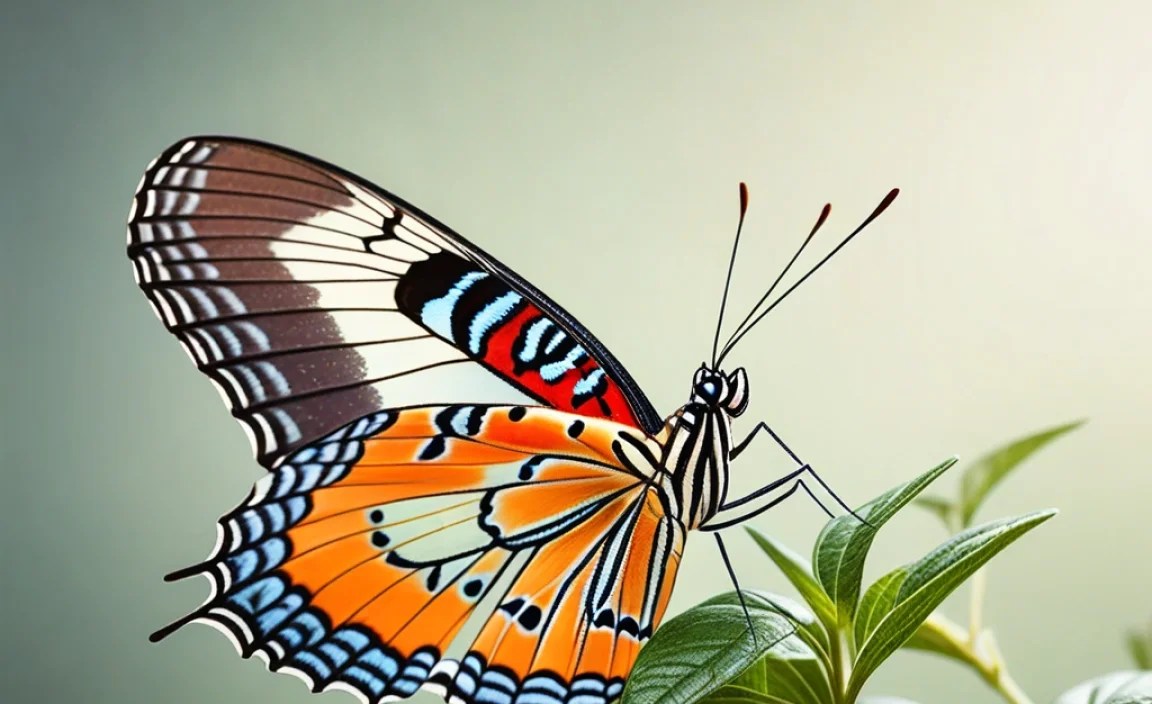
Identifying butterflies can be a very rewarding hobby. It connects you with nature. It also teaches you about science and observation. The first step in butterfly identification for beginners is to notice the key features. Look at the size of the butterfly. Is it small, medium, or large? Then, focus on the colors. What are the main colors on its wings? Are there any patterns, like spots, stripes, or bands? Take note of where you found the butterfly. Was it in a garden, a forest, or a meadow? The habitat can give you clues about the butterfly’s identity. Don’t worry if you can’t identify every butterfly right away. It takes practice and patience. Keep observing, and you will get better over time. Use field guides and online resources to help you learn. Most importantly, have fun exploring the world of butterflies!
- Note the size of the butterfly.
- Observe the colors on the wings.
- Look for patterns like spots or stripes.
- Consider the habitat where you saw it.
- Use a field guide for comparison.
Butterfly watching is more than just naming butterflies. It’s about understanding their role in the environment. Butterflies are important pollinators. They help flowers and plants reproduce. They are also a food source for birds and other animals. By learning to identify butterflies, you become more aware of the ecosystem around you. You can also contribute to citizen science projects. These projects help scientists track butterfly populations and understand their habitats. Next time you see a butterfly, take a moment to observe it. Notice its colors, patterns, and behavior. You might be surprised at how much you can learn. Butterfly identification connects you to nature in a meaningful way.
What Makes a Butterfly a Butterfly?
Have you ever wondered what makes a butterfly a butterfly? Butterflies belong to a group of insects called Lepidoptera. This group also includes moths. One of the main differences between butterflies and moths is their antennae. Butterflies have thin antennae with a small club at the end. Moths usually have feathery antennae. Butterflies are also usually active during the day. Moths are often active at night. Another key difference is how they hold their wings. Butterflies usually hold their wings upright when they are resting. Moths usually hold their wings flat against their bodies. Butterflies are truly unique and beautiful insects.
Why are Butterflies Important?
Why should we care about butterflies? Butterflies play a vital role in our ecosystem. They are important pollinators. As they fly from flower to flower, they carry pollen. This helps plants reproduce. Many plants rely on butterflies for pollination. Without butterflies, some plants might disappear. Butterflies are also an important food source for other animals. Birds, lizards, and other insects eat butterflies and caterpillars. If butterfly populations decline, it can affect the entire food chain. Protecting butterflies means protecting our environment.
Butterfly Habitats: Where Do They Live?
Where can you find butterflies? Butterflies live in many different habitats. Some butterflies prefer gardens with lots of flowers. Others live in forests, meadows, or even deserts. The type of habitat a butterfly lives in depends on its needs. Butterflies need food, water, and shelter. They also need specific plants for their caterpillars to eat. Some butterflies are very picky about their food. They will only lay their eggs on one type of plant. Understanding butterfly habitats is important for conservation. We need to protect these habitats to help butterflies survive.
Fun Fact or Stat: The largest butterfly in the world is the Queen Alexandra’s birdwing. Its wingspan can reach up to 12 inches!
Wing Patterns: A Key to Butterfly Identification for Beginners

Wing patterns are very important for butterfly identification for beginners. Each butterfly species has its own unique wing pattern. These patterns can include spots, stripes, bands, and other markings. The colors and arrangement of these patterns help to identify the butterfly. Look closely at the wing patterns. Notice the shape, size, and color of each marking. Some butterflies have very simple patterns. Others have complex and intricate designs. Use a field guide or online resource to compare the wing patterns. Pay attention to both the upper and lower sides of the wings. Sometimes the patterns are different on each side. This can help you narrow down the possibilities. Learning to recognize wing patterns is a key skill for butterfly identification.
- Observe the shapes and sizes of the spots.
- Note the direction and width of the stripes.
- Look for any distinct bands or borders.
- Check if the patterns are symmetrical.
- Compare the upper and lower wing patterns.
Butterfly wing patterns serve several important purposes. They can help butterflies camouflage themselves from predators. Some patterns mimic leaves or bark. This makes it harder for birds and other animals to see them. Wing patterns can also help butterflies attract mates. Bright colors and intricate designs can make them more appealing to potential partners. Some butterflies have patterns that look like eyes. These eye spots can startle predators and give the butterfly a chance to escape. Wing patterns are not just pretty decorations. They are essential for survival.
How Do Wing Patterns Help Butterflies Survive?
Wing patterns play a crucial role in a butterfly’s survival. Camouflage is one of the most important functions of wing patterns. Butterflies with wing patterns that resemble leaves or bark can blend in with their surroundings. This makes it difficult for predators to spot them. Other wing patterns serve as a warning to predators. Bright colors and bold patterns can indicate that a butterfly is poisonous or distasteful. Predators learn to avoid butterflies with these warning colors. Wing patterns also help butterflies regulate their body temperature. Darker colors absorb more heat from the sun, while lighter colors reflect heat.
Common Wing Pattern Types
There are many different types of wing patterns found on butterflies. Some common patterns include spots, stripes, bands, and eye spots. Spots can be round, oval, or irregular in shape. Stripes can be horizontal, vertical, or diagonal. Bands are wide stripes that often run along the edge of the wing. Eye spots are circular markings that resemble eyes. These patterns can be combined in different ways to create unique designs. Some butterflies have intricate patterns with many different elements. Others have simple patterns with just a few markings.
Using Wing Patterns for Identification
How can you use wing patterns to identify butterflies? The first step is to observe the patterns carefully. Note the colors, shapes, and arrangement of the markings. Then, compare your observations to a field guide or online resource. Look for butterflies with similar wing patterns. Pay attention to any subtle differences in the patterns. These differences can help you narrow down the possibilities. It can take practice to become skilled at identifying butterflies by their wing patterns. Keep observing and comparing, and you will get better over time.
Fun Fact or Stat: Some butterflies have wing patterns that change depending on the season. This helps them adapt to different environments.
Butterfly Size and Shape Identification for Beginners
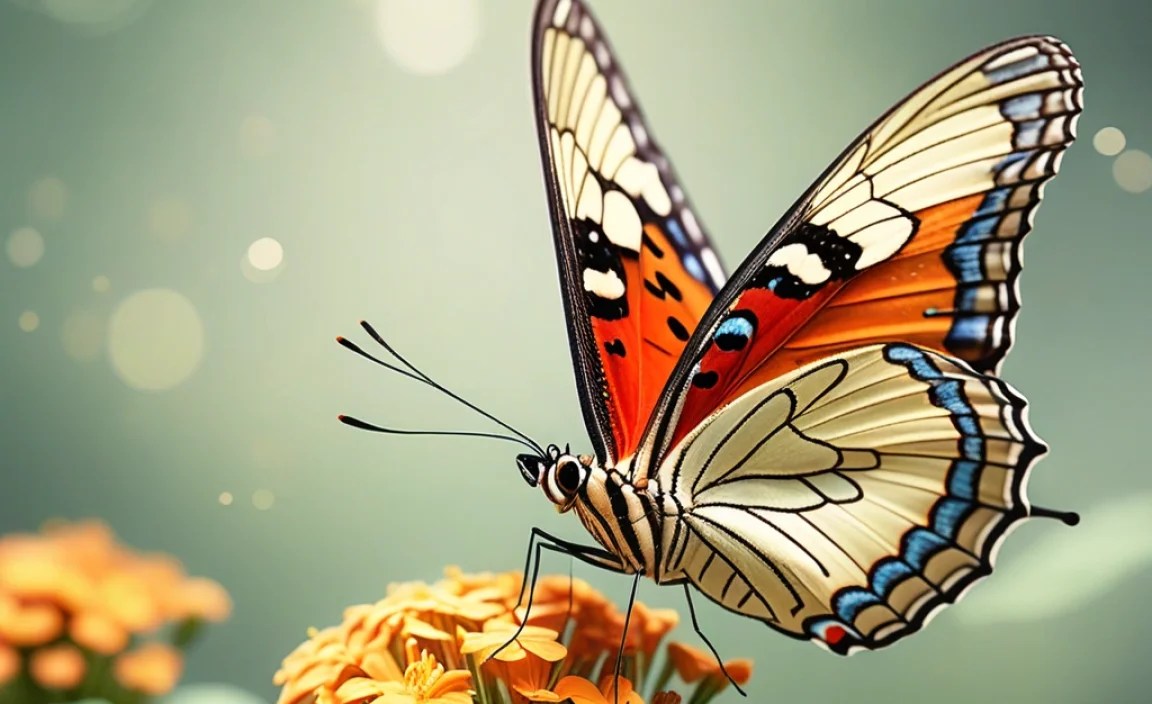
Size and shape are also important clues for butterfly identification for beginners. Butterflies come in a wide range of sizes. Some are tiny, with wingspans of less than an inch. Others are quite large, with wingspans of several inches. Pay attention to the overall size of the butterfly. Is it smaller than your thumb, or larger than your hand? The shape of the wings can also be helpful. Some butterflies have rounded wings. Others have pointed or angular wings. Some have tails or extensions on their hindwings. These features can help you narrow down the possibilities. Combine your observations of size and shape with other clues, such as wing patterns and habitat. This will help you identify the butterfly more accurately.
- Estimate the wingspan of the butterfly.
- Note the overall shape of the wings.
- Look for tails or extensions on the wings.
- Compare the size and shape to field guide images.
- Consider how size and shape vary within species.
Butterfly size and shape can be influenced by several factors. The species of butterfly is the most important factor. Different species have different typical sizes and shapes. The environment can also play a role. Butterflies that live in warmer climates tend to be larger than those that live in colder climates. The availability of food can also affect size. Butterflies that have access to plenty of food may grow larger than those that are food-limited. Even within the same species, there can be some variation in size and shape. This is due to individual differences and genetic factors.
Measuring Butterfly Size
How do you measure the size of a butterfly? The most common way is to measure its wingspan. This is the distance from the tip of one wing to the tip of the other wing. You can use a ruler or tape measure to get an accurate measurement. It can be difficult to measure a live butterfly. They tend to move around a lot! You can try to estimate the wingspan by comparing it to a familiar object. For example, you might say that the butterfly is about the size of a quarter or a dollar bill. When you record your observations, be sure to include your estimate of the wingspan.
Wing Shape Variations
Butterflies have a variety of wing shapes. Some have rounded wings, while others have pointed or angular wings. Some have tails or extensions on their hindwings. The shape of the wings can be influenced by the butterfly’s flight style. Butterflies with rounded wings tend to be slower and more fluttering in their flight. Butterflies with pointed wings tend to be faster and more direct in their flight. The shape of the wings can also help with camouflage. Butterflies with irregular wing shapes can blend in better with their surroundings.
Size and Shape as Identification Clues
How can you use size and shape to identify butterflies? The first step is to observe the butterfly carefully. Note its overall size and the shape of its wings. Then, compare your observations to a field guide or online resource. Look for butterflies with similar size and shape. Pay attention to any subtle differences in these features. These differences can help you narrow down the possibilities. Combine your observations of size and shape with other clues, such as wing patterns and habitat. This will help you identify the butterfly more accurately.
Fun Fact or Stat: The smallest butterfly in the world is the Western Pygmy Blue. Its wingspan is only about 0.5 inches!
Butterfly Habitat and Location for Beginners
Habitat and location are also very useful for butterfly identification for beginners. Where you find a butterfly can give you clues about its identity. Different butterfly species live in different habitats. Some prefer gardens, while others prefer forests, meadows, or wetlands. The location can also be helpful. Some butterflies are only found in certain regions or countries. If you know the general area where you saw the butterfly, you can narrow down the possibilities. Use a field guide or online resource to find out which butterflies are common in your area. Consider the type of plants that are growing in the habitat. Some butterflies are associated with specific plants. Their caterpillars feed on these plants. By paying attention to habitat and location, you can greatly improve your chances of identifying the butterfly.
- Identify the type of habitat (garden, forest, meadow).
- Note the specific location (city, state, region).
- Check which butterflies are common in the area.
- Observe the plants growing in the habitat.
- Look for butterflies near their host plants.
Butterfly habitats are under threat from several factors. Habitat loss is one of the biggest threats. As humans develop land for agriculture, housing, and other uses, butterfly habitats are destroyed. Pollution can also harm butterfly habitats. Pesticides and other chemicals can kill butterflies and their host plants. Climate change is another threat. Changes in temperature and rainfall patterns can affect butterfly habitats. This can make it difficult for butterflies to survive. Protecting butterfly habitats is essential for the survival of these beautiful creatures.
| Butterfly Habitat | Common Butterfly Species | Typical Plants |
|---|---|---|
| Gardens | Monarch, Swallowtail, Painted Lady | Milkweed, Butterfly Bush, Zinnias |
| Forests | Wood Nymph, Viceroy, Question Mark | Oak, Maple, Willow |
| Meadows | Fritillary, Skipper, Blue | Grasses, Clover, Wildflowers |
| Wetlands | Swallowtail, Buckeye, Azure | Cattails, Sedges, Water Lilies |
Understanding Butterfly Ecology
Butterfly ecology is the study of how butterflies interact with their environment. This includes their relationships with plants, animals, and other factors. Butterflies are an important part of the food chain. They are a food source for birds, lizards, and other animals. They also play a role in pollination. As they feed on nectar, they transfer pollen from one flower to another. Butterflies are sensitive to changes in their environment. This makes them good indicators of environmental health. By studying butterfly ecology, we can learn more about the health of our ecosystems.
Host Plants and Butterfly Life Cycles
Host plants are plants that butterfly caterpillars feed on. Different butterfly species have different host plants. Some butterflies are very specific about their host plants. They will only lay their eggs on one type of plant. Others are more generalists and will feed on a variety of plants. Understanding the host plants of different butterfly species is important for conservation. If we want to protect butterflies, we need to protect their host plants. The butterfly life cycle has four stages: egg, larva (caterpillar), pupa (chrysalis), and adult. Each stage requires different resources and habitats.
Butterfly Migration Patterns
Some butterfly species migrate long distances. The most famous example is the Monarch butterfly. Monarchs migrate from Canada and the United States to Mexico each year. They travel thousands of miles to reach their overwintering grounds. Other butterfly species also migrate, but not as far. Migration is a complex behavior that is influenced by many factors. These factors include temperature, food availability, and day length. Understanding butterfly migration patterns is important for conservation. We need to protect the habitats that butterflies rely on during their migration.
Fun Fact or Stat: Some butterflies can fly up to 30 miles per hour!
Butterfly Behavior and Activity for Beginners
Observing butterfly behavior and activity can help with butterfly identification for beginners. How does the butterfly fly? Does it flutter, glide, or soar? What is the butterfly doing? Is it feeding, resting, or mating? When is the butterfly active? Some butterflies are active in the morning, while others are active in the afternoon or evening. Where is the butterfly located? Is it on a flower, a leaf, or the ground? These observations can provide clues about the butterfly’s identity. Some butterflies have very distinctive behaviors. For example, some butterflies are known for their fast, erratic flight. Others are known for their habit of basking in the sun. By paying attention to behavior and activity, you can learn more about the butterfly and improve your identification skills.
- Observe the butterfly’s flight pattern.
- Note what the butterfly is doing (feeding, resting).
- Check the time of day the butterfly is active.
- Look for the butterfly’s preferred perch.
- Observe interactions with other butterflies.
Butterfly behavior is influenced by many factors. Temperature is one of the most important factors. Butterflies are cold-blooded animals. This means that their body temperature depends on the temperature of their environment. They need to bask in the sun to warm up their bodies. Food availability also affects butterfly behavior. Butterflies need nectar to fuel their flight. They will spend more time searching for food when nectar is scarce. Mating behavior is also an important aspect of butterfly behavior. Male butterflies often engage in elaborate courtship displays to attract females.
Butterfly Feeding Habits
What do butterflies eat? Adult butterflies feed on nectar from flowers. They use their long, straw-like proboscis to suck up the nectar. Some butterflies also feed on other liquids, such as sap, fruit juice, and even mud. Butterflies need nectar to fuel their flight and other activities. They also need it for reproduction. The type of flowers that a butterfly visits can provide clues about its identity. Some butterflies are very picky about the flowers they visit. Others are more generalists and will feed on a variety of flowers.
Butterfly Mating Rituals
Butterfly mating rituals are often elaborate and fascinating. Male butterflies often engage in courtship displays to attract females. These displays can involve flying, dancing, and releasing pheromones (scented chemicals). The male may also present the female with a gift, such as a nutritious spermatophore. The female will choose a mate based on his display and the quality of his gift. Mating can last for several hours. After mating, the female will lay her eggs on or near the host plant.
Butterfly Resting Postures
How do butterflies rest? Butterflies have different resting postures. Some butterflies rest with their wings open, while others rest with their wings closed. Some butterflies bask in the sun with their wings open to warm up their bodies. Others seek shade with their wings closed to cool down. The resting posture can provide clues about the butterfly’s identity. Some butterfly species are known for their characteristic resting postures.
Fun Fact or Stat: Some butterflies can migrate over 3,000 miles during their lifetime!
Using Butterfly Field Guides and Apps
Using butterfly field guides and apps is very helpful for butterfly identification for beginners. Field guides are books that contain information about different butterfly species. They usually include pictures, descriptions, and range maps. Apps are electronic versions of field guides that can be used on smartphones and tablets. Both field guides and apps can help you identify butterflies by comparing your observations to the information provided. Look for field guides and apps that are specific to your region. This will make it easier to narrow down the possibilities. Practice using these resources regularly to improve your identification skills.
- Choose a field guide or app for your region.
- Learn how to use the identification keys.
- Compare your observations to the images.
- Read the descriptions and range maps.
- Practice using the guide or app regularly.
Field guides and apps are valuable tools for butterfly identification, but they are not perfect. It is important to use them critically. Remember that butterfly appearances can vary. Wing patterns, colors, and sizes can differ depending on the individual butterfly, its age, and its environment. Also, field guides and apps may not include every butterfly species in your area. New species are sometimes discovered, and ranges can change over time. Use these resources as a starting point, but always rely on your own observations and critical thinking skills. If you are unsure about an identification, consult with an expert or experienced butterfly watcher.
Choosing the Right Field Guide
How do you choose the right field guide? There are many different field guides available. Some are specific to certain regions, while others are more general. Look for a field guide that covers your area. Also, consider the level of detail provided. Some field guides are designed for beginners, while others are more advanced. Choose a field guide that matches your skill level. Look for a field guide with clear pictures, accurate descriptions, and helpful identification keys. Read reviews from other butterfly watchers to get an idea of the quality of the guide.
Exploring Butterfly Identification Apps
Butterfly identification apps can be a convenient and useful tool. They allow you to identify butterflies in the field using your smartphone or tablet. Many apps include features such as image recognition, range maps, and species descriptions. Some apps also allow you to record your sightings and share them with other butterfly watchers. When choosing an app, consider its accuracy, ease of use, and the quality of its images and descriptions. Read reviews from other users to get an idea of the app’s performance.
Tips for Using Field Guides and Apps
How can you use field guides and apps effectively? Start by familiarizing yourself with the basic features of the guide or app. Learn how to use the identification keys to narrow down the possibilities. When you see a butterfly, take careful notes on its appearance, behavior, and habitat. Then, compare your observations to the images and descriptions in the guide or app. Pay attention to any subtle differences that might help you identify the butterfly. Practice using these resources regularly to improve your identification skills. Don’t be afraid to ask for help from experienced butterfly watchers.
Fun Fact or Stat: There are over 20,000 species of butterflies in the world!
Recording and Sharing Your Butterfly Sightings
Recording and sharing your butterfly sightings is a great way to enhance your butterfly identification for beginners skills. Keeping a record of the butterflies you see helps you track your progress. It also allows you to learn more about butterfly distribution and behavior. Sharing your sightings with others can contribute to citizen science projects. These projects help scientists monitor butterfly populations and understand their habitats. You can use a notebook, a spreadsheet, or an online platform to record your sightings. Be sure to include details such as the date, time, location, butterfly species, and any interesting observations.
- Keep a notebook or digital record of sightings.
- Include the date, time, and location.
- Note the butterfly species and behavior.
- Share sightings with online communities.
- Contribute to citizen science projects.
Citizen science projects are a great way to get involved in butterfly research and conservation. These projects rely on volunteers to collect data on butterfly populations and habitats. The data is then used by scientists to track trends, assess conservation needs, and develop management strategies. There are many different citizen science projects available. Some focus on specific butterfly species, while others are more general. You can find these projects through organizations such as the North American Butterfly Association and the Xerces Society. By participating in citizen science, you can make a real difference in butterfly conservation.
Why Record Butterfly Sightings?
Why should you record your butterfly sightings? Recording your sightings has many benefits. It helps you track your progress and learn more about butterfly identification. It allows you to contribute to citizen science projects. It also helps you appreciate the beauty and diversity of butterflies. By keeping a record of your sightings, you can become a more knowledgeable and engaged butterfly watcher. You can also help protect these amazing creatures for future generations.
How to Share Your Observations
How can you share your butterfly observations with others? There are many ways to share your observations. You can post them on social media, such as Facebook or Instagram. You can join online butterfly watching groups and share your sightings there. You can also contribute to citizen science projects. These projects often have online platforms where you can submit your data. When sharing your observations, be sure to include clear pictures and detailed descriptions. This will help others identify the butterflies and learn from your experience.
Contributing to Butterfly Conservation
How can you contribute to butterfly conservation? There are many ways to contribute to butterfly conservation. You can protect and restore butterfly habitats. You can plant butterfly-friendly gardens with native plants. You can avoid using pesticides and other chemicals that can harm butterflies. You can also support organizations that are working to protect butterflies and their habitats. By taking these actions, you can help ensure that butterflies thrive for years to come.
Fun Fact or Stat: Some butterflies can live for only a few weeks, while others can live for several months!
Summary
Butterfly identification for beginners is a fun and rewarding activity. By learning to identify butterflies, you can connect with nature and contribute to conservation efforts. Start by observing the key features of the butterfly, such as its size, shape, wing patterns, and behavior. Use field guides and apps to compare your observations to known species. Pay attention to the butterfly’s habitat and location. Record your sightings and share them with others. With practice and patience, you can become a skilled butterfly identifier. Remember to have fun and enjoy the beauty of these amazing creatures.
Conclusion
Learning about {butterfly identification for beginners} opens a new world. Butterflies are all around us. They are beautiful and important. By learning to identify them, we can appreciate nature more. We can also help protect these important pollinators. So grab a field guide and head outside. See what butterflies you can find. Happy butterfly watching!
Frequently Asked Questions
Question No 1: What is the best way to start learning about butterfly identification for beginners?
Answer: The best way to start is by getting a good field guide or downloading a butterfly identification app. Focus on the butterflies that are common in your area. Start with the basics, such as size, color, and wing patterns. Practice observing butterflies in your garden or local park. Join a butterfly watching group or online forum to connect with other enthusiasts and learn from their experience. Don’t be afraid to ask questions. Most importantly, have fun and enjoy the process of learning about these amazing creatures.
Question No 2: How do I tell the difference between a butterfly and a moth?
Answer: Butterflies and moths are both members of the Lepidoptera order, but there are several key differences. Butterflies typically have thin antennae with a club-shaped tip. Moths usually have feathery antennae. Butterflies are generally active during the day, while moths are often active at night. When at rest, butterflies usually hold their wings upright, while moths hold their wings flat against their bodies. Butterflies tend to be more colorful than moths, although there are exceptions to this rule. By observing these characteristics, you can usually tell the difference between a butterfly and a moth.
Question No 3: What is a host plant, and why is it important for butterflies?
Answer: A host plant is a plant that a butterfly caterpillar feeds on. Different butterfly species have different host plants. The female butterfly will lay her eggs on or near the host plant. When the eggs hatch, the caterpillars will feed on the leaves of the plant. Host plants are essential for butterfly survival. Without them, the caterpillars cannot grow and develop into adult butterflies. By planting host plants in your garden, you can help support butterfly populations and contribute to their conservation. For example, Monarch caterpillars only eat milkweed.
Question No 4: How can I attract more butterflies to my garden?
Answer: You can attract more butterflies to your garden by providing them with the resources they need. Plant a variety of butterfly-friendly flowers that provide nectar for adult butterflies. Include host plants for butterfly caterpillars. Provide a water source, such as a shallow dish of water with pebbles for the butterflies to land on. Avoid using pesticides and other chemicals that can harm butterflies. Create a sunny and sheltered environment with plenty of places for butterflies to bask and rest. By following these tips, you can create a butterfly-friendly garden that will attract these beautiful creatures.
Question No 5: What are some common mistakes that beginners make when trying butterfly identification for beginners?
Answer: Some common mistakes include not paying attention to details. Also, relying too heavily on pictures without reading descriptions, and not considering the location or habitat. It’s easy to jump to conclusions without carefully observing all the features of the butterfly. Another mistake is using outdated or inaccurate field guides. Make sure you have a reliable source of information. Remember to be patient and persistent. Butterfly identification takes practice. Don’t get discouraged if you make mistakes along the way.
Question No 6: How can I contribute to butterfly conservation efforts?
Answer: You can contribute to butterfly conservation in many ways. Protect and restore butterfly habitats by planting native trees, shrubs, and flowers. Avoid using pesticides and other chemicals that can harm butterflies and other pollinators. Support organizations that are working to protect butterflies and their habitats. Participate in citizen science projects. This helps scientists monitor butterfly populations. Educate others about the importance of butterflies and the threats they face. By taking these actions, you can make a real difference in butterfly conservation and protect these amazing creatures for future generations. Learning butterfly identification for beginners is a great start!


