
Do Rare Butterflies Migrate? Find Out Now!

Have you ever seen a butterfly flutter by? They are so pretty. Some butterflies are very common. You see them all the time. But what about the rare ones? Do rare butterflies migrate like other animals? It’s a very interesting question!
Butterflies are insects. They have colorful wings. They fly from flower to flower. They drink nectar. Some travel very far. Let’s learn more about butterfly migration. Let’s see if rare butterflies join the journey.
Key Takeaways
- Some butterflies, including rare ones, migrate to find better climates.
- Do rare butterflies migrate to breed and lay their eggs in warmer places?
- Migration helps butterflies find food and escape cold weather.
- The monarch butterfly is famous for its long migration.
- Scientists study butterfly migration to learn about their behavior.
Why Do Rare Butterflies Migrate?

Butterflies are delicate creatures. They need warm weather to survive. Many butterflies cannot live in cold places. When winter comes, they have to move. This is why some butterflies migrate. Migration is a long journey. Butterflies fly to warmer areas. They look for food and places to lay eggs. But why do rare butterflies migrate? Rare butterflies also need to survive. They face the same challenges as common butterflies. They need warmth and food. So, they also migrate to find better conditions. Migration is important for their survival. They fly south where it is warmer. They can find flowers and plants. They can lay their eggs safely. This helps them to continue their species. Without migration, many butterflies would not survive the winter.
- Butterflies migrate to find warmer weather.
- They need food to survive the winter.
- Migration helps them lay eggs.
- Rare butterflies migrate for survival.
- Cold weather can kill butterflies.
Migration is a big event for butterflies. They fly long distances. They face many dangers. Birds and other animals can eat them. The weather can be bad. They need a lot of energy to fly. They get energy from nectar. Nectar is a sweet liquid in flowers. Butterflies drink nectar. It gives them the energy they need. Some butterflies travel thousands of miles. The monarch butterfly is famous for this. They fly from Canada to Mexico. It is an amazing journey. Other butterflies also migrate. They may not fly as far. But their journey is still important. It helps them survive the winter. When spring comes, they fly back north.
What Triggers Migration?
What makes a butterfly start its journey? Many things can trigger migration. The change in weather is a big one. As the days get shorter, butterflies know it is time to move. The temperature drops, and food becomes scarce. They sense these changes. It tells them to fly south. The availability of food also plays a role. When flowers start to die, butterflies need to find new sources of nectar. This pushes them to migrate. Instinct also plays a big part. Butterflies are born with the knowledge to migrate. They don’t need to be taught. They just know when and where to go. It’s amazing how they know the way. They use the sun and the earth’s magnetic field to guide them. This helps them stay on course. So, weather, food, and instinct all work together.
How Do Butterflies Navigate?
Have you ever wondered how butterflies find their way? They fly thousands of miles. How do they know where to go? Butterflies use many clues to navigate. They use the sun as a compass. They can see the angle of the sun. This helps them keep their direction. They also use the earth’s magnetic field. They can sense the magnetic pull. This helps them stay on course. The wind also plays a role. Butterflies can feel the wind. They use it to help them fly. They also use landmarks. They can see mountains, rivers, and forests. These landmarks help them know where they are. Some butterflies also follow other butterflies. They learn from each other. It’s like they have a map in their heads. It’s truly amazing how they navigate.
Why Is Navigation Important?
Navigation is very important for butterflies. Without it, they would get lost. They would not be able to find their way to warmer climates. They would not be able to find food. They would not be able to lay their eggs. Navigation helps them survive. It helps them continue their species. It also helps the environment. Butterflies pollinate flowers. They help plants grow. When they migrate, they bring pollen with them. This helps plants in different areas. So, navigation is important for butterflies and for the world. It ensures they can complete their life cycle. It also helps the ecosystem thrive. Butterflies play a vital role in nature. Their ability to navigate is essential.
Fun Fact or Stat: Monarch butterflies use the same overwintering sites in Mexico each year, some for hundreds of years!
What Types Of Butterflies Migrate?

Not all butterflies migrate. Some butterflies stay in one place. They can survive the winter. They may hide under leaves or in trees. But many types of butterflies do migrate. The most famous is the monarch butterfly. Monarchs fly thousands of miles. They travel from Canada and the United States to Mexico. Other migrating butterflies include the painted lady. Painted ladies are found all over the world. They migrate in large numbers. The cloudless sulphur butterfly also migrates. They are yellow and fly from north to south. Even some swallowtail butterflies migrate. They are big and beautiful. These butterflies migrate to find warmer weather. They also look for food and places to lay eggs. Do rare butterflies migrate among these species? Yes, some rare species do migrate, but often less is known about their journeys.
- Monarch butterflies migrate to Mexico.
- Painted ladies migrate worldwide.
- Cloudless sulphurs migrate north to south.
- Swallowtail butterflies also migrate.
- Migration helps butterflies survive.
- Some rare butterflies migrate too.
Butterfly migration is a fascinating event. Scientists study butterfly migration. They want to learn more about it. They track butterflies using small tags. These tags help them follow the butterflies’ journey. They also use radar to track butterflies. Radar can detect large groups of butterflies. Scientists learn a lot from this research. They learn about butterfly behavior. They learn about their migration patterns. They also learn about the challenges they face. This information helps them protect butterflies. They can create habitats for them. They can also protect them from dangers. Protecting butterflies is important. They are important for the environment. They help pollinate plants. They are also beautiful to watch.
Monarch Butterfly Migration
The monarch butterfly has an amazing migration. It is one of the longest migrations of any insect. Monarchs fly from Canada and the United States to Mexico. They travel over 3,000 miles. It takes them several generations to complete the journey. The butterflies that start the journey do not finish it. They lay eggs along the way. Their offspring continue the migration. When they reach Mexico, they gather in large groups. They stay in the oyamel fir forests. These forests provide them with shelter. They stay there until spring. Then, they start the journey back north. The monarch migration is a natural wonder. It is important to protect it.
Painted Lady Migration
The painted lady butterfly is another amazing migrant. They are found all over the world. They migrate in large numbers. Sometimes, millions of painted ladies migrate together. They can fly up to 100 miles a day. They travel long distances. They fly from North Africa to Europe. They also migrate in North America. They are very adaptable butterflies. They can survive in many different climates. They lay their eggs on thistle plants. The caterpillars eat the thistle leaves. The painted lady migration is a spectacular sight. It shows the power of nature. These butterflies travel far and wide. They bring beauty to many places.
Other Migratory Butterflies
Besides monarchs and painted ladies, many other butterflies migrate. The cloudless sulphur is a common migrant in North America. They fly from north to south. They are bright yellow. They are easy to spot. Swallowtail butterflies also migrate. They are large and beautiful. They have long tails on their wings. Some skipper butterflies also migrate. They are small and fast. They fly in short bursts. All these butterflies migrate for the same reasons. They need to find warmer weather. They need to find food. They need to lay their eggs. Migration is a vital part of their life cycle. It helps them survive and thrive. Each species has its own unique migration pattern.
Fun Fact or Stat: Some painted lady butterflies travel over 7,500 miles during their migration!
How Far Do Rare Butterflies Travel?

The distance that butterflies travel varies. It depends on the type of butterfly. It also depends on the location. Monarch butterflies travel the farthest. They can fly over 3,000 miles. Other butterflies travel shorter distances. Painted ladies may fly hundreds of miles. Cloudless sulphurs fly shorter distances too. But what about rare butterflies? How far do rare butterflies migrate? It is hard to know for sure. Rare butterflies are not studied as much. Scientists don’t have as much data about them. But we can guess that they travel similar distances. They need to find warmer weather. They need to find food. So, they must travel far enough to reach these resources. Some rare butterflies may travel thousands of miles. Others may only travel a few hundred miles. It all depends on their specific needs.
- Monarchs travel over 3,000 miles.
- Painted ladies travel hundreds of miles.
- Rare butterflies travel varying distances.
- Distance depends on the butterfly’s needs.
- Migration helps them find resources.
Studying butterfly migration is hard work. Scientists need to track butterflies. They use small tags. These tags are attached to the butterflies’ wings. The tags have numbers on them. People can report the numbers if they see the butterflies. This helps scientists track their movements. Scientists also use radar. Radar can detect large groups of butterflies. But it is hard to track individual butterflies with radar. Another way to study migration is to use genetics. Scientists can study the DNA of butterflies. This helps them learn about their origins. It also helps them learn about their migration routes. Studying butterfly migration is important. It helps us understand these amazing creatures. It also helps us protect them.
Tracking Butterfly Migration
Tracking butterflies is a challenging task. Butterflies are small and delicate. They fly long distances. Scientists use different methods to track them. One method is tagging. They attach small tags to the butterflies’ wings. These tags have unique numbers. People can report the numbers if they see the butterflies. Another method is using radar. Radar can detect large groups of butterflies. But it cannot track individual butterflies. Scientists also use GPS trackers. These trackers are very small and lightweight. They can track the exact location of a butterfly. But they are expensive. Tracking butterflies helps us learn about their migration routes. It also helps us understand their behavior. It is important for conservation efforts.
Challenges in Studying Rare Butterflies
Studying rare butterflies is even more difficult. Rare butterflies are hard to find. They live in specific habitats. They are not as common as other butterflies. This makes it hard to track them. Scientists need to spend a lot of time searching for them. They also need special permits to study them. Some rare butterflies are protected by law. It is illegal to catch or harm them. This makes it hard to attach tags to them. Scientists need to be very careful. They need to minimize their impact on the butterflies. Despite these challenges, scientists are working hard. They are using new technologies to study rare butterflies. They are learning more about their migration patterns. This information is important for protecting these amazing creatures.
The Role of Citizen Scientists
Citizen scientists play a big role in studying butterfly migration. Citizen scientists are regular people. They are not professional scientists. But they help collect data. They report sightings of butterflies. They report tag numbers. They take photos of butterflies. They share their observations with scientists. This helps scientists track butterflies. It also helps them learn about their behavior. Citizen scientists are very important. They provide a lot of data. They also help raise awareness about butterflies. They help protect butterflies and their habitats. Anyone can be a citizen scientist. You can report butterfly sightings in your area. You can help protect these amazing creatures.
Fun Fact or Stat: Some scientists use stable isotopes in butterfly wings to determine their origin and migration patterns!
What Dangers Do Migrating Butterflies Face?
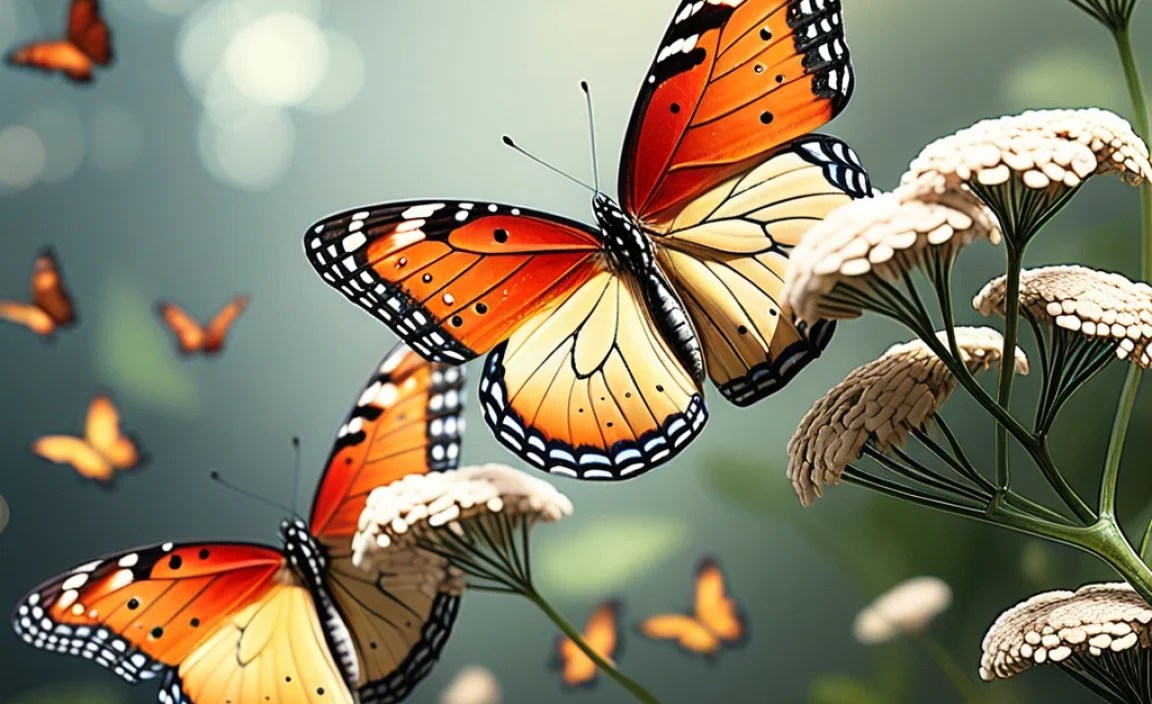
Migrating butterflies face many dangers. One of the biggest dangers is habitat loss. Butterflies need places to live and feed. When their habitats are destroyed, they have nowhere to go. Another danger is pesticide use. Pesticides are chemicals that kill insects. They can also kill butterflies. Climate change is also a threat. Changes in temperature and weather patterns can affect butterflies. They can disrupt their migration. They can also make it harder for them to find food. Predators also pose a threat. Birds and other animals eat butterflies. Butterflies also face dangers during their migration. They can get caught in storms. They can run out of energy. Do rare butterflies migrate and face even greater risks due to their smaller populations? Yes, their limited numbers make them more vulnerable to these dangers.
- Habitat loss threatens butterflies.
- Pesticides can kill butterflies.
- Climate change disrupts migration.
- Predators eat butterflies.
- Storms can harm butterflies.
Protecting butterflies is important. We can help them by planting flowers. Butterflies need nectar from flowers. We can also avoid using pesticides. Pesticides can harm butterflies and other insects. We can also support organizations that protect butterfly habitats. These organizations work to conserve land. They also educate people about butterflies. We can also spread awareness about the dangers that butterflies face. The more people know, the more they can help. Every little bit helps. Even planting a single flower can make a difference. Protecting butterflies is important for the environment. They play a vital role in the ecosystem. They pollinate plants. They are also beautiful to watch.
Habitat Loss and Fragmentation
Habitat loss is a major threat to butterflies. When forests are cut down, butterflies lose their homes. When fields are paved over, they lose their food sources. Habitat fragmentation is also a problem. This happens when habitats are broken up into smaller pieces. Butterflies need large areas to roam. They need to be able to find food and mates. When habitats are fragmented, they cannot do this. Habitat loss and fragmentation can lead to a decline in butterfly populations. It is important to protect butterfly habitats. We can do this by conserving land. We can also restore damaged habitats. We can plant native plants. Native plants provide food and shelter for butterflies.
Pesticide Use and Its Impact
Pesticides are chemicals that kill insects. They are used in agriculture and gardening. Pesticides can harm butterflies. They can kill them directly. They can also kill the plants that butterflies need for food. Pesticides can also affect butterfly larvae. The larvae eat the plants that have been sprayed with pesticides. This can kill them. It is important to avoid using pesticides. There are other ways to control pests. We can use natural methods. We can also use pesticides that are less harmful to butterflies. Protecting butterflies from pesticides is important. It helps them survive and thrive.
Climate Change and Its Effects
Climate change is a global problem. It is affecting butterflies in many ways. Changes in temperature can affect their migration patterns. They may start migrating earlier or later. They may also migrate to different areas. Climate change can also affect the plants that butterflies need for food. Some plants may not be able to survive in the changing climate. This can lead to a decline in butterfly populations. We need to take action to address climate change. We can reduce our carbon footprint. We can support policies that protect the environment. Protecting butterflies from climate change is important. It helps them survive and thrive.
Fun Fact or Stat: Some butterfly populations have declined by over 90% in recent years due to habitat loss and climate change!
How Can We Protect Rare Butterflies?

Protecting rare butterflies is very important. They are a part of our ecosystem. They help pollinate plants. They are also beautiful to watch. There are many things we can do to help. We can protect their habitats. We can plant native plants. We can avoid using pesticides. We can also support organizations that protect butterflies. We can educate others about the importance of butterflies. The more people who know, the more they can help. Even small actions can make a big difference. We can all do our part to protect these amazing creatures. Do rare butterflies migrate through areas we can help protect? Absolutely, and protecting these areas is crucial.
- Protect butterfly habitats.
- Plant native plants for food.
- Avoid using harmful pesticides.
- Support butterfly conservation groups.
- Educate others about butterflies.
One of the best things we can do is to plant native plants. Native plants are plants that grow naturally in our area. They provide food and shelter for butterflies. They are also adapted to the local climate. This means they are easier to grow. Some good native plants for butterflies include milkweed, asters, and coneflowers. We can also create butterfly gardens. Butterfly gardens are gardens that are designed to attract butterflies. They include a variety of native plants. They also provide water and shelter for butterflies. Creating butterfly gardens is a fun and rewarding way to help butterflies. It also adds beauty to our yards and gardens.
Creating Butterfly Gardens
Creating a butterfly garden is a great way to help butterflies. First, choose a sunny spot in your yard. Butterflies need sunlight to warm their wings. Then, plant a variety of native plants. Choose plants that bloom at different times of the year. This will provide food for butterflies throughout the growing season. Include plants that provide nectar for adult butterflies. Also include plants that provide food for butterfly larvae. Milkweed is a great choice for monarch butterflies. It is the only plant that monarch larvae eat. Provide water for butterflies. You can put out a shallow dish of water. Add some pebbles so the butterflies can land and drink. Avoid using pesticides in your butterfly garden. Pesticides can harm butterflies and other insects.
Supporting Conservation Organizations
Many organizations are working to protect butterflies. They conserve land. They restore habitats. They educate people about butterflies. You can support these organizations by donating money. You can also volunteer your time. You can help with habitat restoration projects. You can also help with educational events. Supporting conservation organizations is a great way to help butterflies. These organizations are making a big difference. They are protecting butterflies and their habitats. They are also helping to educate people about the importance of butterflies. By supporting these organizations, you can help ensure that butterflies will be around for future generations.
Educating Others About Butterflies
Educating others about butterflies is important. The more people who know about butterflies, the more they can help. You can talk to your friends and family about butterflies. You can share information about butterflies on social media. You can also volunteer at educational events. You can teach people about the importance of butterflies. You can also teach them how to protect butterflies. Educating others about butterflies is a great way to make a difference. It helps raise awareness about the challenges that butterflies face. It also inspires people to take action to protect them.
Fun Fact or Stat: Butterfly gardens can increase local butterfly populations by as much as 50%!
Do All Rare Butterflies Migrate The Same Way?
Not all butterflies migrate the same way. Different species have different migration patterns. Some butterflies migrate long distances. Others migrate shorter distances. Some butterflies migrate in large groups. Others migrate alone. Some butterflies migrate during the day. Others migrate at night. Even within the same species, there can be variations in migration patterns. Factors such as weather, food availability, and habitat can affect migration. Do rare butterflies migrate following the same routes as common species? Sometimes they do, but their smaller numbers and specific needs can lead to different pathways. Let’s compare migration patterns.
| Butterfly Species | Migration Distance | Migration Direction | Migration Season |
|---|---|---|---|
| Monarch Butterfly | Up to 3,000 miles | North to South | Fall |
| Painted Lady | Up to 100 miles per day | Varies | Spring and Fall |
| Cloudless Sulphur | Varies | North to South | Fall |
| Swallowtail Butterfly | Varies | Varies | Spring and Fall |
- Migration patterns vary by species.
- Some migrate long distances.
- Others migrate shorter distances.
- Migration can be solitary or in groups.
- Weather affects migration patterns.
Understanding butterfly migration patterns is important. It helps us protect butterflies. It helps us conserve their habitats. It also helps us understand the effects of climate change. By studying butterfly migration, we can learn more about the natural world. We can also learn how to protect it. Butterfly migration is a complex and fascinating phenomenon. It is a testament to the resilience and adaptability of these amazing creatures. By learning more about it, we can help ensure that butterflies will continue to migrate for generations to come.
Variations in Migration Routes
Butterfly migration routes can vary depending on several factors. Weather patterns play a big role. Strong winds can push butterflies off course. They may have to adjust their route to avoid the wind. Food availability also affects migration routes. Butterflies need to find nectar sources along the way. They may have to deviate from their original route to find food. Habitat availability is another important factor. Butterflies need places to rest and shelter. They may have to adjust their route to find suitable habitats. Even within the same species, migration routes can vary from year to year. This is due to changes in weather, food availability, and habitat. Understanding these variations is important for conservation efforts.
The Role of Genetics in Migration
Genetics play a role in butterfly migration. Some butterflies are genetically predisposed to migrate. They have genes that control their migration behavior. These genes affect their navigation skills. They also affect their ability to store energy. Different populations of the same species may have different genes. This can lead to variations in migration patterns. Scientists are studying the genetics of butterfly migration. They want to understand how these genes work. They also want to understand how they have evolved. This research can help us protect butterflies. It can also help us understand the evolution of migration.
Impact of Human Activity on Migration
Human activity can have a significant impact on butterfly migration. Habitat destruction is a major threat. When forests and fields are destroyed, butterflies lose their homes. Pesticide use is also a problem. Pesticides can kill butterflies directly. They can also kill the plants that butterflies need for food. Climate change is another threat. Changes in temperature and weather patterns can disrupt migration. We need to take action to reduce our impact on butterflies. We can protect their habitats. We can reduce our use of pesticides. We can also take action to address climate change. By doing so, we can help ensure that butterflies will continue to migrate for generations to come.
Fun Fact or Stat: Some butterfly migrations are multigenerational, meaning that it takes several generations to complete the journey!
What Research Is Being Done On Butterfly Migration?
Scientists are doing a lot of research on butterfly migration. They are using different methods to study butterflies. They are tracking butterflies. They are studying their genetics. They are also studying their behavior. They want to understand how butterflies migrate. They want to know what factors affect their migration. They also want to know how to protect them. This research is important for butterfly conservation. It helps us understand the challenges that butterflies face. It also helps us develop strategies to protect them. Do rare butterflies migrate in ways that we can learn from these studies? Yes, the research helps us understand the general principles of migration, which can be applied to rare species.
- Scientists track butterfly migration.
- They study butterfly genetics.
- They study butterfly behavior.
- Research aids butterfly conservation.
- Studies help understand migration factors.
One area of research is focused on tracking butterflies. Scientists use different methods to track butterflies. They attach small tags to their wings. They use radar to detect large groups of butterflies. They also use GPS trackers to track individual butterflies. This data helps them understand where butterflies are migrating. It also helps them understand how fast they are flying. Another area of research is focused on butterfly genetics. Scientists are studying the DNA of butterflies. This helps them understand their origins. It also helps them understand their migration patterns. This research is helping us to protect butterflies.
Using Technology to Track Butterflies
Technology is playing a big role in butterfly migration research. Scientists are using GPS trackers to track individual butterflies. These trackers are very small and lightweight. They can track the exact location of a butterfly. Scientists are also using radar to detect large groups of butterflies. Radar can detect butterflies from miles away. Scientists are also using drones to study butterfly migration. Drones can fly over large areas. They can take photos and videos of butterflies. This technology is helping us to learn more about butterfly migration. It is also helping us to protect butterflies.
Studying Butterfly Genetics
Studying butterfly genetics is important for understanding migration. Scientists are studying the DNA of butterflies. This helps them understand their origins. It also helps them understand their migration patterns. Scientists are also studying the genes that control migration behavior. They want to know how these genes work. They also want to know how they have evolved. This research can help us protect butterflies. It can also help us understand the evolution of migration. Genetic studies are uncovering new information about butterfly populations. This helps scientists understand how to protect them.
Analyzing Migration Patterns
Analyzing migration patterns is crucial for conservation efforts. Scientists are analyzing data from butterfly tracking. They are also analyzing data from butterfly genetics. This data helps them understand where butterflies are migrating. It also helps them understand why they are migrating. Scientists are also studying the factors that affect migration. These factors include weather, food availability, and habitat. By analyzing migration patterns, scientists can identify important habitats. They can also identify threats to migration. This information can be used to develop conservation strategies. Analyzing migration patterns is helping us to protect butterflies.
Fun Fact or Stat: Scientists are developing tiny, lightweight GPS trackers that can be attached to butterflies to track their movements in real-time!
Summary
Butterflies are beautiful insects. Many butterflies migrate to survive. They fly to warmer places. They find food and lay eggs. Monarch butterflies are famous migrants. They travel thousands of miles. Other butterflies migrate too. Painted ladies and cloudless sulphurs are examples. Do rare butterflies migrate as well? Yes, many rare species also migrate. They face dangers like habitat loss and pesticides. We can help them by planting flowers. We can also support conservation efforts. Studying butterfly migration is important. Scientists track butterflies and study their genes. This helps us protect them. Butterfly migration is a fascinating natural event. It is important to protect it for future generations.
Conclusion
Butterfly migration is an amazing journey. Butterflies travel long distances to survive. They face many dangers. Habitat loss and climate change threaten them. We must protect these delicate creatures. Planting native plants helps. Avoiding pesticides is important. Supporting conservation groups is useful. Do rare butterflies migrate? Yes, and they need our help too. By working together, we can ensure their survival.
Frequently Asked Questions
Question No 1: Why do butterflies migrate?
Answer: Butterflies migrate to survive. They move to warmer climates. They need to find food. They also need to find places to lay their eggs. Cold weather can kill butterflies. So, they fly south for the winter. They return north in the spring. Migration helps them continue their life cycle. It is a natural way for them to survive. Without migration, many butterfly species would not exist. They would not be able to cope with the changing seasons. Migration is essential for their survival. It helps them thrive in different environments. Some butterflies migrate thousands of miles each year. It’s an amazing feat of nature.
Question No 2: What is the longest butterfly migration?
Answer: The longest butterfly migration belongs to the monarch butterfly. These amazing insects travel up to 3,000 miles. They fly from Canada and the United States to Mexico. They gather in oyamel fir forests. They stay there for the winter. Then, they fly back north in the spring. This migration takes several generations. The butterflies that start the journey do not finish it. They lay eggs along the way. Their offspring continue the migration. The monarch migration is a natural wonder. It is important to protect it. The oyamel fir forests are threatened by logging. Protecting these forests is crucial for monarch survival. Conservation efforts are underway to protect this amazing migration.
Question No 3: How do butterflies know where to migrate?
Answer: Butterflies use many clues to navigate. They use the sun as a compass. They can see the angle of the sun. This helps them keep their direction. They also use the earth’s magnetic field. They can sense the magnetic pull. This helps them stay on course. The wind also plays a role. Butterflies can feel the wind. They use it to help them fly. They also use landmarks. They can see mountains, rivers, and forests. These landmarks help them know where they are. Some butterflies also follow other butterflies. They learn from each other. It’s like they have a map in their heads. It’s truly amazing how they navigate. Their instincts guide them on their long journey.
Question No 4: What are the dangers of butterfly migration?
Answer: Butterflies face many dangers during migration. One of the biggest dangers is habitat loss. Butterflies need places to live and feed. When their habitats are destroyed, they have nowhere to go. Another danger is pesticide use. Pesticides are chemicals that kill insects. They can also kill butterflies. Climate change is also a threat. Changes in temperature and weather patterns can affect butterflies. They can disrupt their migration. They can also make it harder for them to find food. Predators also pose a threat. Birds and other animals eat butterflies. They also face dangers during their migration. They can get caught in storms. They can run out of energy. These dangers threaten their survival. Protecting their habitats is crucial. Reducing pesticide use can help.
Question No 5: How can I help protect migrating butterflies?
Answer: You can help protect migrating butterflies in many ways. Plant native plants in your garden. Native plants provide food and shelter for butterflies. Avoid using pesticides. Pesticides can harm butterflies and other insects. Support organizations that protect butterfly habitats. These organizations work to conserve land. They also educate people about butterflies. Educate others about the importance of butterflies. The more people who know, the more they can help. Even small actions can make a big difference. You can also report butterfly sightings. This helps scientists track their movements. Do rare butterflies migrate through your area? If so, your efforts are even more important. Every little bit helps. Protecting butterflies is important for the environment.
Question No 6: Do all types of butterflies migrate?
Answer: No, not all types of butterflies migrate. Some butterflies stay in one place. They can survive the winter. They may hide under leaves or in trees. But many types of butterflies do migrate. The most famous is the monarch butterfly. Other migrating butterflies include the painted lady. Painted ladies are found all over the world. They migrate in large numbers. The cloudless sulphur butterfly also migrates. They are yellow and fly from north to south. Even some swallowtail butterflies migrate. They are big and beautiful. These butterflies migrate to find warmer weather. They also look for food and places to lay eggs. Do rare butterflies migrate? Yes, some rare species also migrate, but not all butterfly species undertake these long journeys.


