
Common Emigrant Butterfly: Easy ID Guide

The Common Emigrant butterfly is known for its vibrant yellow wings and impressive migratory habits across Africa, Asia, and Australia. These butterflies are relatively easy to spot and can be a delight to watch as they flutter around gardens and fields. Attracting them to your garden involves planting their favorite nectar sources and host plants, which will not only beautify your space but also support these fascinating creatures.
Have you ever seen a bright yellow butterfly flitting about and wondered what it was? Chances are, you’ve spotted a Common Emigrant! These butterflies are widespread and known for their long migrations. If you’re curious about identifying them, attracting them to your garden, or understanding their life cycle, you’re in the right place. Don’t worry; it’s easier than you think! We’ll walk through everything you need to know, step by step, so you can appreciate and support these beautiful travelers.
What is a Common Emigrant Butterfly?
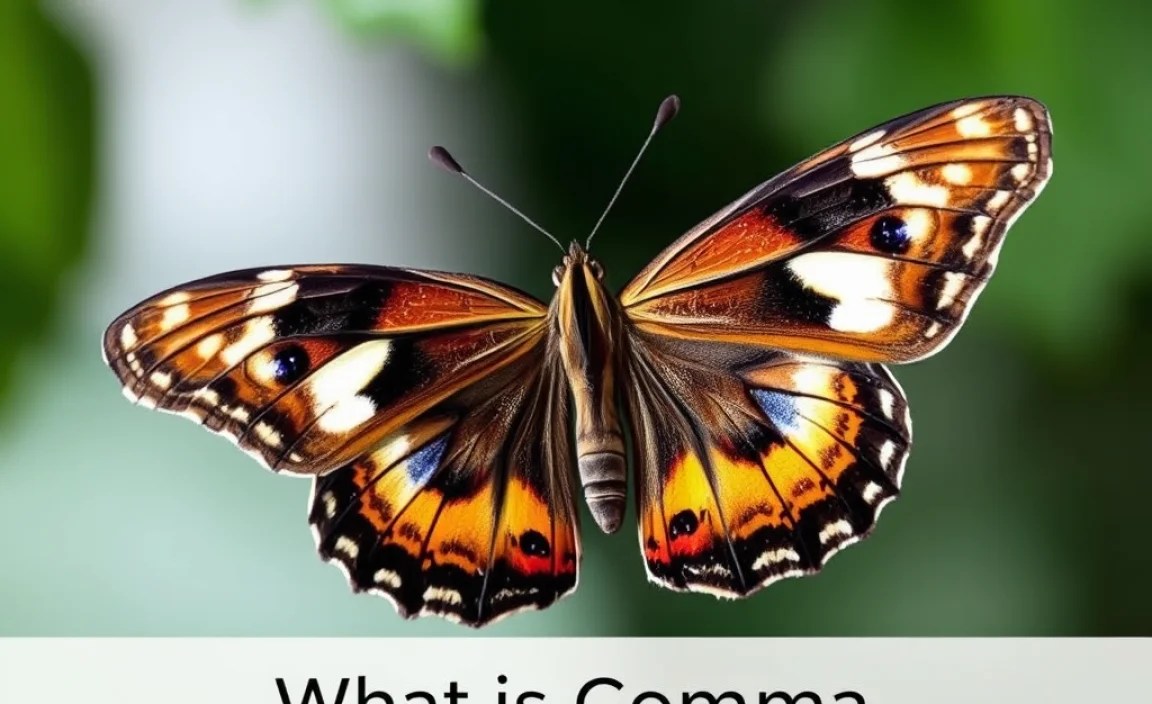
The Common Emigrant butterfly, scientifically known as Catopsilia pomona, is a medium-sized butterfly belonging to the Pieridae family, which includes whites and yellows. Native to Africa, Asia, and Australia, these butterflies are known for their migratory behavior and can be found in a variety of habitats, from gardens to open fields.
Identifying the Common Emigrant
Identifying Common Emigrants involves looking at key characteristics such as size, color, and wing patterns. Here’s what to look for:
- Size: Medium-sized, with a wingspan of about 5 to 7 centimeters (2 to 2.8 inches).
- Color: Predominantly yellow or white, with variations depending on the season and region.
- Wing Shape: The wings have a slightly curved shape, with pointed forewings.
- Markings: Some individuals have small black markings or spots on the wing margins.
Distinguishing Males from Females
Distinguishing between male and female Common Emigrants can be tricky, but there are subtle differences:
- Males: Typically have brighter yellow or white wings with minimal markings.
- Females: Tend to have more pronounced black markings along the wing edges and may have a duller color.
Common Emigrant Varieties
The Common Emigrant exhibits several forms and variations based on environmental conditions and genetics. Some notable forms include:
- pomona: The typical yellow form.
- catilla: A white form, often seen during the wetter seasons.
- Other forms: Various intermediate forms with different patterns and intensities of yellow or white coloration.
Life Cycle of the Common Emigrant

Understanding the life cycle of the Common Emigrant can deepen your appreciation for these butterflies and help you support their populations. The life cycle consists of four stages: egg, larva (caterpillar), pupa (chrysalis), and adult.
Egg Stage
Female Common Emigrants lay their eggs singly on the leaves of their host plants. The eggs are typically small, pale, and spindle-shaped. These are usually laid on plants from the Cassia or Senna families.
Larva (Caterpillar) Stage
Once the eggs hatch, the larvae emerge as caterpillars. The caterpillars feed voraciously on the host plant’s leaves. These caterpillars are usually green, helping them blend in with the foliage.
- Feeding: Caterpillars eat constantly, growing rapidly through several molts (shedding their skin).
- Appearance: They are typically green to blend in with leaves, making them harder for predators to spot.
Pupa (Chrysalis) Stage
After several weeks of feeding and growing, the caterpillar transforms into a pupa, also known as a chrysalis. The pupa is usually green and attached to a stem or leaf of the host plant. Inside the pupa, the caterpillar undergoes metamorphosis, transforming into a butterfly.
- Camouflage: The green color of the pupa helps it blend in with the surrounding foliage, providing camouflage from predators.
- Duration: This stage lasts about one to two weeks, depending on environmental conditions.
Adult Stage
Finally, the adult butterfly emerges from the pupa. The newly emerged butterfly unfolds its wings and allows them to dry before taking its first flight. Adult butterflies primarily feed on nectar from flowers, using their long proboscis to sip the sweet liquid. They then begin the cycle anew by mating and laying eggs.
- Feeding: Adult butterflies feed on nectar from various flowers, contributing to pollination.
- Reproduction: Adult butterflies mate, and females lay eggs on host plants, starting the life cycle again.
Attracting Common Emigrants to Your Garden
Creating a butterfly-friendly garden can attract Common Emigrants and support their populations. Here’s how to do it:
Choosing the Right Host Plants
Host plants are essential because they provide food for the caterpillars. Common Emigrants primarily use plants from the Cassia and Senna families. Some excellent choices include:
- Cassia fistula (Golden Shower Tree)
- Senna didymobotrya (African Senna)
- Senna spectabilis (Spectacular Senna)
Selecting Nectar Plants
Nectar plants provide food for the adult butterflies. Choose a variety of flowering plants that offer nectar throughout the butterfly season. Some good options include:
- Lantana
- Pentas
- Zinnia
- Marigold
Creating a Butterfly-Friendly Environment
In addition to host and nectar plants, consider these factors to create an inviting habitat:
- Sunlight: Butterflies need sunlight to warm their bodies, so ensure your garden has sunny spots.
- Shelter: Provide shelter from wind and rain with shrubs and trees.
- Water Source: A shallow dish of water with pebbles can provide a place for butterflies to drink.
- Avoid Pesticides: Pesticides can harm or kill butterflies and caterpillars, so avoid using them in your garden.
Migration Patterns of Common Emigrants
One of the most fascinating aspects of Common Emigrants is their migratory behavior. These butterflies are known to undertake long-distance migrations in search of food and suitable breeding conditions.
Understanding Migration Triggers
Several factors can trigger migration in Common Emigrants:
- Food Availability: When host plants become scarce in one area, butterflies may migrate to find new food sources.
- Weather Conditions: Changes in temperature and rainfall can influence migration patterns.
- Population Density: High population densities can lead to increased competition for resources, prompting some butterflies to migrate.
Tracking Migration Routes
While tracking individual butterflies over long distances is challenging, scientists use various methods to study migration patterns:
- Mark and Recapture: Butterflies are marked with a small tag, and researchers track their movements when they are recaptured.
- Citizen Science: Butterfly enthusiasts report sightings, helping to map migration routes.
Impact of Migration on Populations
Migration plays a crucial role in the survival and distribution of Common Emigrant populations. It allows them to colonize new areas and avoid unfavorable conditions. However, migration can also be risky, as butterflies may face predators, habitat loss, and other challenges along the way.
Conservation Status and Threats
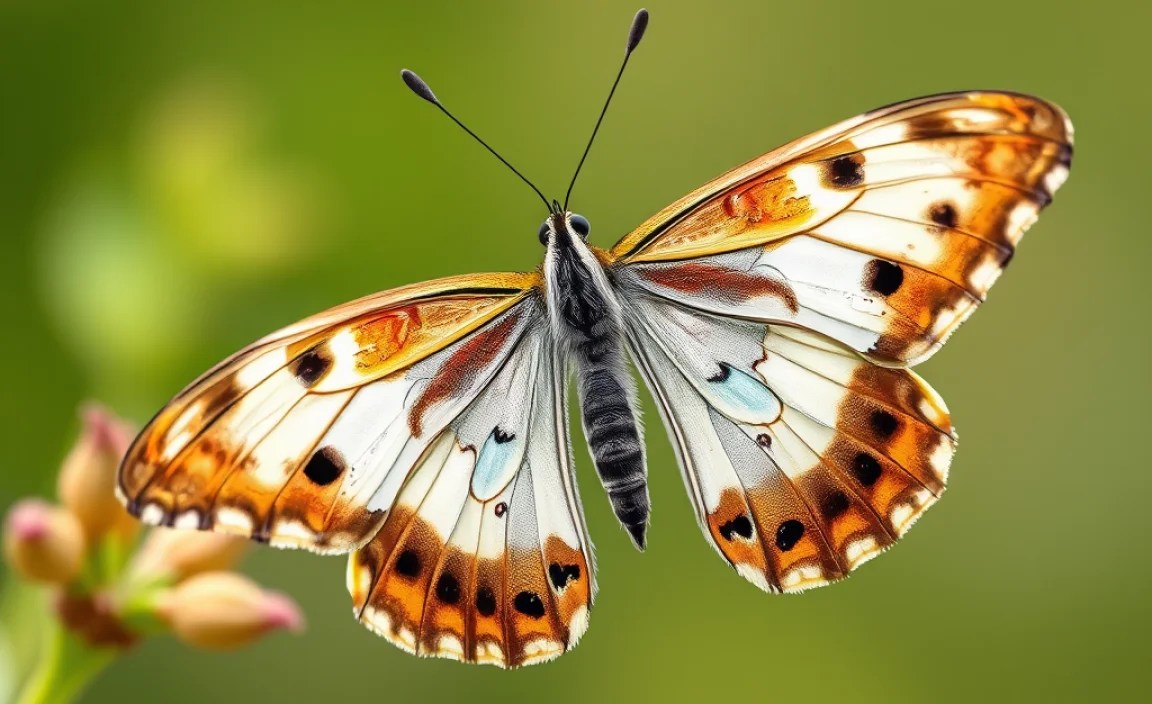
While Common Emigrants are widespread and not currently considered endangered, they still face several threats that could impact their populations.
Habitat Loss
Habitat loss is a significant threat to many butterfly species, including Common Emigrants. Urban development, agriculture, and deforestation can reduce the availability of host plants and nectar sources.
Climate Change
Climate change can disrupt butterfly life cycles and migration patterns. Changes in temperature and rainfall can affect the availability of host plants and nectar sources, as well as the timing of butterfly emergence and breeding.
Pesticide Use
Pesticides used in agriculture and gardens can harm or kill butterflies and caterpillars. Even pesticides that are not directly toxic to butterflies can reduce the availability of host plants and nectar sources.
Conservation Efforts
There are several ways to support Common Emigrant conservation:
- Create Butterfly-Friendly Gardens: Planting host and nectar plants can provide essential resources for butterflies.
- Reduce Pesticide Use: Avoid using pesticides in your garden and support sustainable agriculture practices.
- Support Habitat Conservation: Donate to organizations that protect and restore butterfly habitats.
- Educate Others: Share your knowledge about butterflies and conservation with friends, family, and community members.
Common Emigrant Butterfly in Culture and Symbolism
Butterflies, including the Common Emigrant, hold symbolic meanings in various cultures around the world. These meanings often revolve around transformation, beauty, and freedom.
Symbolism in Different Cultures
- Transformation: The butterfly’s life cycle, from caterpillar to pupa to butterfly, symbolizes transformation and rebirth.
- Beauty: The butterfly’s colorful wings and graceful flight are often associated with beauty and elegance.
- Freedom: The butterfly’s ability to fly freely is often seen as a symbol of freedom and independence.
Spiritual Meanings
In some spiritual traditions, butterflies are seen as messengers from the spirit world. They may represent loved ones who have passed away or serve as reminders of hope and renewal. Some people believe that seeing a butterfly is a sign that you are on the right path in life.
Artistic Representations
Butterflies have been a popular subject in art for centuries. They are often depicted in paintings, sculptures, and jewelry, representing beauty, transformation, and the ephemeral nature of life. The Common Emigrant, with its bright yellow wings, is a particularly striking subject for artistic expression.
Interesting Facts About Common Emigrant Butterflies
To deepen your appreciation for Common Emigrant butterflies, here are some interesting facts:
- Color Variation: The color of Common Emigrant butterflies can vary depending on the season and region. Some individuals are bright yellow, while others are white or pale yellow.
- Migratory Behavior: Common Emigrants are known for their long-distance migrations, which can cover hundreds of kilometers.
- Host Plants: The caterpillars of Common Emigrants feed on plants from the Cassia and Senna families, which are often used in traditional medicine.
- Nectar Sources: Adult butterflies feed on nectar from a variety of flowers, including lantana, zinnia, and marigold.
- Widespread Distribution: Common Emigrants are found in Africa, Asia, and Australia, making them one of the most widespread butterfly species in the world.
Observing Common Emigrants in the Wild
One of the best ways to learn about Common Emigrant butterflies is to observe them in their natural habitat. Here are some tips for successful butterfly watching:
Best Times and Locations
- Time of Day: Butterflies are most active during the warm, sunny hours of the day.
- Locations: Look for Common Emigrants in gardens, parks, open fields, and along roadsides where their host and nectar plants grow.
- Seasons: The best time to see Common Emigrants depends on the region, but they are typically active during the warmer months.
Tips for Butterfly Watching
- Be Patient: Butterflies can be elusive, so be patient and take your time.
- Bring Binoculars: Binoculars can help you get a closer look at butterflies without disturbing them.
- Use a Field Guide: A field guide can help you identify different butterfly species and learn about their habits.
- Take Notes: Record your observations, including the date, time, location, and behavior of the butterflies you see.
- Respect the Environment: Avoid disturbing butterfly habitats and follow Leave No Trace principles.
Photographing Common Emigrants
Photographing butterflies can be a rewarding way to capture their beauty and document your observations. Here are some tips for taking great butterfly photos:
- Use a Macro Lens: A macro lens allows you to get close-up shots of butterflies.
- Focus Carefully: Make sure your focus is sharp on the butterfly’s eyes or other key features.
- Use Natural Light: Natural light is best for butterfly photography, so avoid using flash if possible.
- Be Patient: Butterflies move quickly, so be patient and wait for the right moment.
- Capture the Environment: Include the butterfly’s surroundings in your photos to provide context and tell a story.
Frequently Asked Questions (FAQ)
What do Common Emigrant caterpillars eat?
Common Emigrant caterpillars primarily eat the leaves of plants from the Cassia and Senna families. These plants are their main food source and are essential for their growth and development.
Are Common Emigrant butterflies poisonous?
No, Common Emigrant butterflies are not poisonous. However, their caterpillars may sequester compounds from their host plants that make them distasteful to some predators.
How long do Common Emigrant butterflies live?
The lifespan of a Common Emigrant butterfly is typically a few weeks to a few months, depending on environmental conditions and the availability of food.
Where are Common Emigrant butterflies found?
Common Emigrant butterflies are found in Africa, Asia, and Australia. They are one of the most widespread butterfly species in the world, inhabiting a variety of habitats, from gardens to open fields.
What is the best time of year to see Common Emigrant butterflies?
The best time of year to see Common Emigrant butterflies depends on the region, but they are typically active during the warmer months when their host and nectar plants are in bloom.
How can I tell if a butterfly is male or female?
Male Common Emigrants typically have brighter yellow or white wings with minimal markings, while females tend to have more pronounced black markings along the wing edges and may have a duller color.
Do Common Emigrant butterflies migrate?
Yes, Common Emigrant butterflies are known for their long-distance migrations. They migrate in search of food and suitable breeding conditions, often covering hundreds of kilometers.
Conclusion
The Common Emigrant butterfly is a fascinating creature, with its vibrant colors, interesting life cycle, and impressive migratory habits. By understanding these butterflies and creating butterfly-friendly habitats, you can play a part in supporting their populations and enjoying their beauty in your own backyard. Whether you’re a seasoned butterfly enthusiast or just starting to explore the world of butterflies, there’s always something new to discover and appreciate about these wonderful insects. So, get outside, observe, and let the beauty of the Common Emigrant butterfly inspire you!


