
Hannyngton’s Apollo Butterfly: Discover This Beauty!

Have you ever seen a butterfly so special it felt like magic? Imagine a butterfly with wings like delicate paintings. The Hannyngton’s Apollo butterfly is one of those butterflies. It is a rare and beautiful insect. These butterflies live high in the mountains. They are truly amazing creatures!
Did you know some butterflies can only live in one place? The Hannyngton’s Apollo butterfly is one of them. They need specific plants to survive. This makes them very special and also at risk. We must help protect them. They are an important part of our world.
These butterflies are like tiny jewels. Their wings have spots of red and black. They fly in the sunshine. People who see them feel lucky. But where do they live? What do they eat? Let’s find out more about the amazing Hannyngton’s Apollo butterfly!
Key Takeaways
- The Hannyngton’s Apollo butterfly is a rare and beautiful species found in specific mountain regions.
- These butterflies are threatened due to habitat loss and climate change impacts on their environment.
- Conservation efforts are essential to protect their habitats and ensure their survival for future generations.
- Hannyngton’s Apollo butterflies rely on specific host plants for their caterpillars to feed on.
- Their unique wing patterns and colors make them a fascinating subject for scientific study and appreciation.
What is Hannyngton’s Apollo Butterfly?
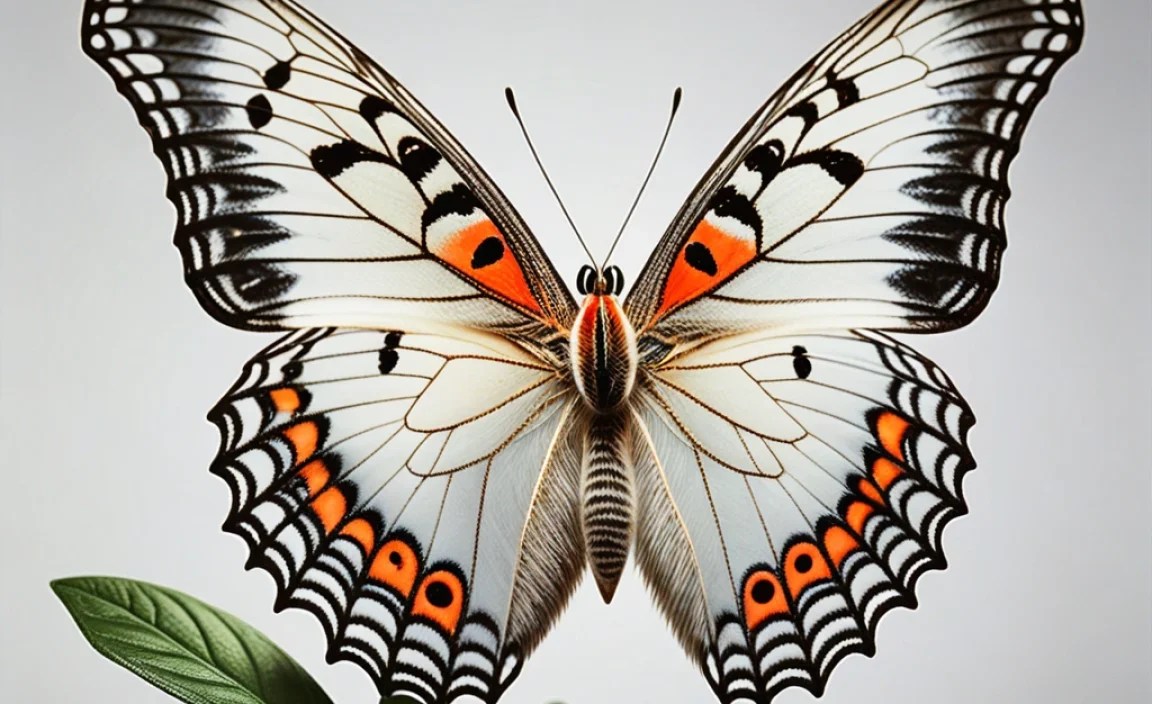
The Hannyngton’s Apollo butterfly is a very special insect. It belongs to the Apollo butterfly family. These butterflies are known for their beauty. They have striking wing patterns. The Hannyngton’s Apollo butterfly is found in specific mountain areas. These areas are in Asia. They live in places like the Himalayas. These butterflies are adapted to high altitudes. This means they can live where it’s cold. They can also handle thin air. They are a symbol of the unique wildlife in these regions. Their existence is threatened by habitat loss. People need to protect them. Their survival is very important. They are a part of our planet’s biodiversity. These butterflies show how amazing nature is. We should all learn about them and care for them.
- It belongs to the Apollo butterfly family.
- They are found in high mountain areas.
- They are adapted to cold and thin air.
- Habitat loss threatens their survival.
- These butterflies are part of our biodiversity.
The Hannyngton’s Apollo butterfly is more than just a pretty insect. It’s a sign of a healthy environment. When these butterflies are doing well, it means their habitat is healthy too. Scientists study them to learn about the environment. They can tell if the climate is changing. They can also see if the plants they need are growing. Protecting these butterflies helps protect everything around them. It’s like saving a small piece of a big puzzle. This puzzle is our planet. Every piece is important. These butterflies are a reminder of that. We must work together to keep them safe.
Fun Fact or Stat: The Hannyngton’s Apollo butterfly can only live in areas above 8,000 feet!
Where Do They Live?
Have you ever wondered where these butterflies make their home? The Hannyngton’s Apollo butterfly lives in the mountains. They prefer high altitudes. These areas are often cold and rocky. The butterflies need special plants to survive. These plants grow only in certain places. This means the butterflies can only live where these plants are found. It’s like they have a secret garden. Only they know where to find it. Protecting these gardens is very important. It helps the butterflies have a place to live. Without these places, they would disappear. Imagine a world without these beautiful butterflies. It’s up to us to keep their homes safe.
What Do They Eat?
What do you think these butterflies eat? The Hannyngton’s Apollo butterfly eats nectar. Nectar is a sweet liquid found in flowers. They use a long straw-like tongue to drink it. The caterpillars of these butterflies eat plants. They need specific plants to grow. These plants are called host plants. The caterpillars eat a lot of these plants. This helps them grow big and strong. Then they can turn into butterflies. If the host plants disappear, the caterpillars can’t survive. This is why it’s important to protect these plants. It helps the butterflies have food to eat.
Why Are They Special?
Imagine a butterfly that is only found in one place. That’s the Hannyngton’s Apollo butterfly! They are special because they are rare. They are also beautiful. Their wings have unique patterns. These patterns help them hide from predators. They also help them attract mates. These butterflies are also important for the environment. They help pollinate flowers. This means they help plants make seeds. Without them, some plants might disappear. These butterflies are a treasure. We need to protect them. They are a part of our world that we can’t lose.
Hannyngton’s Apollo Butterfly Habitat

The habitat of the Hannyngton’s Apollo butterfly is very important. These butterflies live in mountain areas. The areas have to be just right for them. They need the right kind of plants. They also need the right climate. The climate has to be cold but sunny. These butterflies are very picky about where they live. If their habitat is destroyed, they can’t survive. This is why it’s important to protect their homes. People can do things to help. They can plant the right kind of plants. They can also stop pollution. This will help keep the butterflies safe. The habitat of the Hannyngton’s Apollo butterfly is their lifeline. We must do everything we can to protect it.
- They need specific mountain habitats.
- The climate must be cold and sunny.
- They need specific host plants.
- Habitat destruction threatens them.
- Protecting their homes is very important.
Think of their habitat as their castle. The Hannyngton’s Apollo butterfly needs this special place to live and grow. Without it, they are like a king without a kingdom. These areas provide everything they need. It gives them food, shelter, and a place to raise their young. When we protect their habitat, we are protecting their future. It’s like building a strong wall around their castle. This keeps them safe from harm. We can all be heroes by helping protect these amazing creatures and their homes. Every little bit helps to ensure their survival for years to come.
Fun Fact or Stat: The habitat of the Hannyngton’s Apollo butterfly is getting smaller due to climate change!
Why is the Habitat Important?
Why is it so important to protect where they live? The habitat provides food for the caterpillars. It also gives shelter to the butterflies. Without a good habitat, they can’t survive. It’s like a house for people. We need a safe place to live. Butterflies need a safe place too. The habitat also helps them find mates. They need to find other butterflies to have babies. If their habitat is gone, they can’t find each other. Protecting their habitat is like protecting their family. It helps them live happy and healthy lives. It’s something we should all care about.
What Threats Does the Habitat Face?
Imagine someone taking away your home. That’s what’s happening to the butterflies! The Hannyngton’s Apollo butterfly faces many threats. One big threat is habitat destruction. People are building roads and houses. This destroys the butterflies’ homes. Another threat is climate change. The climate is getting warmer. This changes the plants that the butterflies need. Pollution is also a problem. It can harm the plants and the butterflies. We need to stop these threats. We need to protect their homes. It’s up to us to help them survive.
How Can We Protect Their Habitat?
What can we do to help the butterflies? We can protect their habitat. One way is to plant the right kind of plants. These plants provide food for the caterpillars. We can also stop pollution. This will keep the plants healthy. We can also support organizations. These groups are working to protect the butterflies. We can also tell others about the butterflies. The more people know, the more they can help. Protecting their habitat is a big job. But we can do it together. Every little bit helps. We can make a difference.
Threats to the Hannyngton’s Apollo Butterfly

The Hannyngton’s Apollo butterfly faces many dangers. These dangers threaten their survival. One of the biggest threats is habitat loss. People are destroying their homes. They are building roads and cities. This leaves the butterflies with nowhere to live. Climate change is also a big problem. The weather is changing. This makes it hard for the butterflies to find food. Pollution is another threat. It can harm the butterflies and their food. These threats are serious. We need to do something about them. We need to protect these beautiful creatures. Their future depends on it.
- Habitat loss is a major threat.
- Climate change is affecting their food.
- Pollution harms the butterflies.
- Illegal collection is a risk.
- Lack of awareness is a challenge.
Imagine if your home was being destroyed. That’s what it’s like for the Hannyngton’s Apollo butterfly. They are losing their homes because of human activities. We need to be more careful. We need to think about how our actions affect them. Every time we build something new, we should consider the butterflies. We can find ways to build without hurting their homes. It’s important to balance our needs with their needs. They have a right to live too. By working together, we can protect them from these threats.
Fun Fact or Stat: Some people illegally collect these butterflies, which further endangers them!
What is Habitat Loss?
What does it mean to lose a home? Habitat loss means that the places where animals live are being destroyed. People are cutting down forests. They are building roads and cities. This leaves animals with nowhere to live. The Hannyngton’s Apollo butterfly is affected by this. Their homes are being destroyed. This makes it hard for them to find food and shelter. Habitat loss is a big problem. We need to stop it. We need to protect the places where animals live. It’s important for the survival of many species.
How Does Climate Change Affect Them?
Have you ever felt too hot or too cold? The Hannyngton’s Apollo butterfly is also affected by the weather. Climate change is making the weather change. It’s getting warmer in some places. This can change the plants that the butterflies need. They might not be able to find food. Climate change can also cause extreme weather. There might be more floods or droughts. This can destroy their homes. We need to stop climate change. We need to protect the butterflies.
What Can We Do About These Threats?
What can we do to help? We can do many things to protect the butterflies. We can reduce pollution. We can use less energy. This will help stop climate change. We can also protect their habitats. We can plant trees and flowers. This will give them food and shelter. We can also support organizations. These groups are working to protect the butterflies. Every little bit helps. We can make a difference. We can help the butterflies survive.
Conservation Efforts for Hannyngton’s Apollo
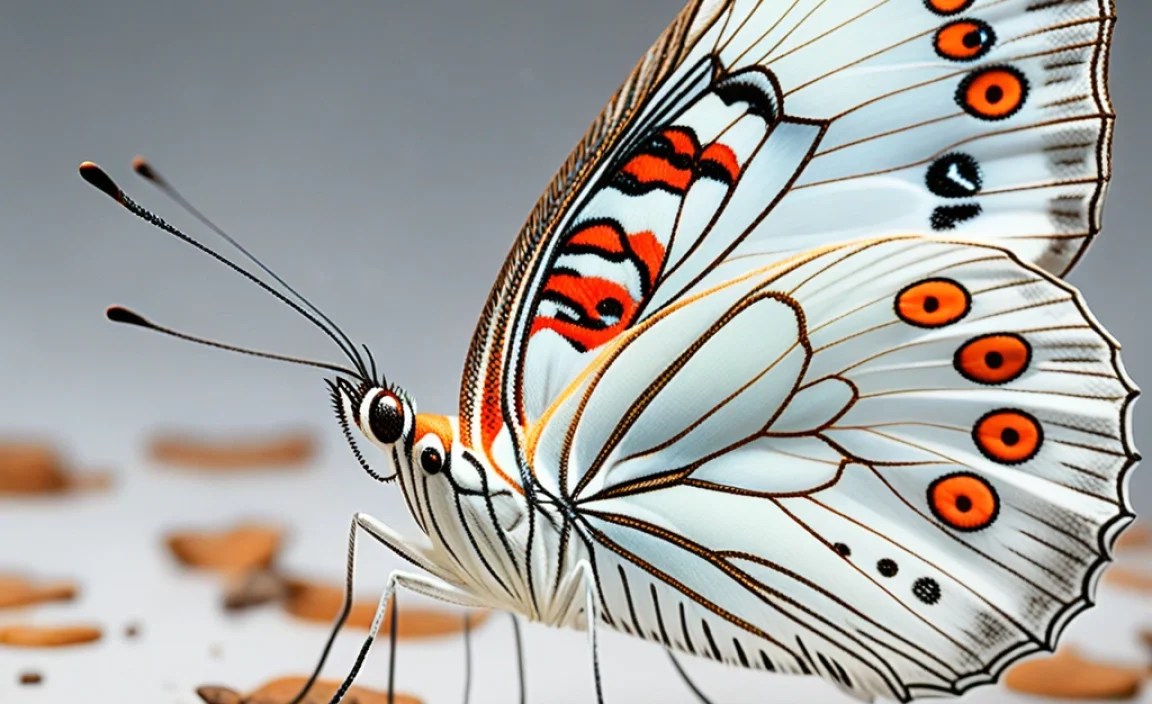
Saving the Hannyngton’s Apollo butterfly requires a lot of work. Many people are working hard to protect them. These efforts are called conservation. Conservation means protecting nature. It means making sure that animals and plants can survive. Scientists are studying the butterflies. They are learning about their needs. They are also protecting their habitats. They are working with local communities. They are teaching people about the butterflies. They are also helping them find ways to live without harming the butterflies. These conservation efforts are very important. They are helping to save these beautiful creatures.
- Scientists study their needs.
- Habitats are being protected.
- Local communities are involved.
- Awareness campaigns are ongoing.
- Research helps conservation efforts.
Imagine you are a superhero. Your mission is to save the Hannyngton’s Apollo butterfly. What would you do? Conservationists are like superheroes for nature. They work tirelessly to protect these butterflies. They study their behavior. They protect their homes. They educate others about their importance. They are making a real difference. We can all be a part of this superhero team. We can support their efforts. We can also do our part to protect the environment. Together, we can save the Hannyngton’s Apollo butterfly.
Fun Fact or Stat: Some conservation groups are breeding these butterflies to increase their numbers!
What Kind of Research is Being Done?
What do scientists want to know? Scientists are studying the Hannyngton’s Apollo butterfly. They want to learn about their life cycle. They want to know what they eat. They also want to know where they live. They are also studying their DNA. This can help them understand how they are related to other butterflies. This research is very important. It helps us understand how to protect them. It gives us the information we need to make good decisions. Science is our friend. It can help us save these beautiful creatures.
How Are Habitats Being Protected?
How can we keep their homes safe? Habitats are being protected in many ways. Some areas are being made into protected areas. This means that people can’t build there. They can’t cut down trees. They can’t pollute the area. Other areas are being restored. This means that people are planting trees and flowers. They are cleaning up pollution. This makes the area a better place for the butterflies to live. Protecting their habitats is very important. It gives them a safe place to live and grow.
How Can People Get Involved?
Do you want to help? There are many ways to get involved. You can support conservation organizations. You can donate money. You can also volunteer your time. You can help plant trees and flowers. You can also educate others about the butterflies. Tell your friends and family. Share information on social media. Every little bit helps. You can make a difference. You can help save the Hannyngton’s Apollo butterfly.
Life Cycle of the Hannyngton’s Apollo Butterfly
The Hannyngton’s Apollo butterfly has a fascinating life. It starts as a tiny egg. The egg hatches into a caterpillar. The caterpillar eats a lot of plants. It grows bigger and bigger. Then the caterpillar turns into a pupa. The pupa is like a sleeping bag. Inside the pupa, the caterpillar changes. It turns into a butterfly. The butterfly comes out of the pupa. It flies away. This is called metamorphosis. It’s a magical process. The life cycle of the Hannyngton’s Apollo butterfly is amazing. It shows how nature can transform things.
- It starts as a tiny egg.
- The egg hatches into a caterpillar.
- The caterpillar eats plants and grows.
- It turns into a pupa.
- The pupa transforms into a butterfly.
- The butterfly flies away.
Imagine you are watching a time-lapse video. You see a tiny egg. Then you see a caterpillar munching on leaves. Next, you see a pupa hanging from a branch. Finally, you see a beautiful butterfly emerging. This is the life cycle of the Hannyngton’s Apollo butterfly in fast motion. Each stage is important. The egg needs to be protected from harm. The caterpillar needs plenty of food. The pupa needs to be undisturbed. The butterfly needs a safe place to fly. Understanding their life cycle helps us protect them better.
Fun Fact or Stat: The entire life cycle of the Hannyngton’s Apollo butterfly takes about one year!
What Does the Egg Look Like?
Have you ever seen a butterfly egg? The egg of the Hannyngton’s Apollo butterfly is very small. It is usually laid on a plant. The egg is often a light color. It can be white or yellow. The egg is tiny. It is hard to see. But it is the start of a new life. The egg contains everything the caterpillar needs to grow. It is a tiny package of potential. The egg is a reminder that even small things can be amazing.
What Does the Caterpillar Eat?
What do you think caterpillars like to eat? The caterpillar of the Hannyngton’s Apollo butterfly eats plants. It needs specific plants to survive. These plants are called host plants. The caterpillar eats a lot of these plants. It grows bigger and bigger. The caterpillar needs to eat a lot. This helps it get ready to turn into a butterfly. The caterpillar is a eating machine. It is preparing for its big transformation.
How Long Does the Butterfly Live?
How long does a butterfly live? The Hannyngton’s Apollo butterfly lives for a few weeks. This is not very long. But they make the most of their time. They fly around. They drink nectar. They find mates. They lay eggs. They complete their life cycle. Even though they don’t live long, they are important. They help pollinate flowers. They are also beautiful to watch. They are a reminder that life is precious.
Identifying Hannyngton’s Apollo Butterfly
Knowing how to spot a Hannyngton’s Apollo butterfly is key. This helps us protect them. These butterflies have unique markings. They have white wings. The wings have black spots. They also have red spots. These spots are bright and colorful. The wings are delicate. They look like they are made of paper. The Hannyngton’s Apollo butterfly is a beautiful insect. If you see one, you will know it. It is a special sight. Remember to look closely. You might be lucky enough to see one.
- They have white wings.
- Black spots are on their wings.
- Red spots add color.
- Their wings look delicate.
- They are a beautiful sight.
Imagine you are a detective. Your mission is to find the Hannyngton’s Apollo butterfly. What clues would you look for? The white wings are a big clue. The black and red spots are another clue. The size of the butterfly is also important. They are not very big. They are also found in specific places. They live in the mountains. By putting all these clues together, you can identify them.
| Feature | Description |
|---|---|
| Wings | White with black and red spots |
| Size | Medium-sized butterfly |
| Habitat | High mountain areas |
| Behavior | Flies in sunny weather |
Fun Fact or Stat: The red spots on their wings can vary in size and shape!
What Are Their Unique Markings?
What makes them different from other butterflies? The unique markings are the black and red spots. These spots are arranged in a specific pattern. No two butterflies have the same pattern. The spots help them hide from predators. They also help them attract mates. The markings are like a fingerprint. They are unique to each butterfly. The markings make them special and beautiful.
Where Do They Typically Fly?
Where can you find them? They typically fly in high mountain areas. They prefer sunny weather. They fly during the day. They are often seen near flowers. They drink nectar from the flowers. They are active butterflies. They are always on the move. If you want to see one, go to the mountains. Look for them on a sunny day. You might be lucky enough to spot one.
How Big Are They?
Are they big or small? They are medium-sized butterflies. They are not very big. But they are not very small either. They are just the right size. Their wingspan is about 5-7 centimeters. This is about the size of your hand. They are easy to see. But they are also delicate. Be careful when you are near them. You don’t want to hurt them.
Why Hannyngton’s Apollo Butterfly Matters
The Hannyngton’s Apollo butterfly is more than just a pretty insect. It is important for the environment. It helps pollinate flowers. This means it helps plants make seeds. Plants need seeds to grow. Without these butterflies, some plants might disappear. They are also part of the food chain. They are food for other animals. If they disappear, other animals might suffer. They are also a sign of a healthy environment. If they are doing well, it means the environment is healthy. They are important for many reasons. We need to protect them.
- They pollinate flowers.
- They are part of the food chain.
- They indicate a healthy environment.
- They are beautiful and inspiring.
- They are a unique species.
Imagine a world without butterflies. It would be a sad world. The Hannyngton’s Apollo butterfly adds beauty to our planet. They inspire us with their delicate wings and bright colors. They remind us of the wonders of nature. They are a symbol of hope. They show us that even small creatures can make a big difference. By protecting them, we are protecting our planet. We are preserving the beauty of nature. We are ensuring that future generations can enjoy these amazing creatures.
Fun Fact or Stat: Butterflies are important pollinators, just like bees!
How Do They Help the Environment?
What good do they do? They help the environment in many ways. They pollinate flowers. This helps plants make seeds. They are also food for other animals. They are part of the food chain. They also help keep the ecosystem balanced. They are important for the health of the planet. Without them, the environment would suffer. They are a vital part of our world.
Why Are They Important to Us?
Why should we care about them? We should care about them because they are important. They are part of our world. They add beauty to our lives. They inspire us. They teach us about nature. They are also a sign of a healthy environment. If they are doing well, it means we are doing well. We need to protect them. We need to care about them. They are worth saving.
What Can We Learn From Them?
What can they teach us? They can teach us many things. They can teach us about nature. They can teach us about the environment. They can teach us about beauty. They can teach us about hope. They can also teach us about resilience. They survive in harsh conditions. They are strong and adaptable. We can learn a lot from them. They are a valuable part of our world.
Summary
The Hannyngton’s Apollo butterfly is a rare and beautiful butterfly. It lives in high mountain areas. It faces many threats, including habitat loss and climate change. Conservation efforts are underway to protect it. It is important to understand its life cycle and how to identify it. This butterfly is important for the environment. It helps pollinate flowers. It is also a sign of a healthy ecosystem. It matters to us because it adds beauty to our world. We can learn a lot from it. We need to protect it for future generations.
Protecting the Hannyngton’s Apollo butterfly is a shared responsibility. We can all do our part to help. By reducing pollution, protecting habitats, and supporting conservation efforts, we can make a difference. Every little action counts. Together, we can ensure that these beautiful butterflies continue to thrive in their mountain homes. They are a treasure worth saving.
Conclusion
The Hannyngton’s Apollo butterfly is a special creature. It faces many challenges. But there is hope. We can help protect it. By learning about it, we can spread awareness. We can support conservation efforts. We can make a difference. Let’s work together. We can ensure that this beautiful butterfly survives. It will continue to inspire us for years to come. Let’s save the Hannyngton’s Apollo butterfly!
Frequently Asked Questions
Question No 1: Where does the Hannyngton’s Apollo butterfly live?
Answer: The Hannyngton’s Apollo butterfly lives in high mountain areas. They are often found in the Himalayas. These areas are cold and rocky. They need special plants to survive. These plants grow only in certain places. This means the butterflies can only live where these plants are found. They are adapted to the cold and thin air of these high-altitude environments. Protecting these habitats is very important for their survival.
Question No 2: What does the caterpillar of this butterfly eat?
Answer: The caterpillar eats specific plants. These plants are called host plants. The caterpillar needs these plants to grow. They eat a lot of these plants. This helps them grow big and strong. Then they can turn into butterflies. If the host plants disappear, the caterpillars can’t survive. This is why it’s important to protect these plants. It helps the butterflies have food to eat. Conservation efforts often focus on preserving these essential host plants.
Question No 3: Why is the Hannyngton’s Apollo butterfly important?
Answer: This butterfly is important for several reasons. They help pollinate flowers. This helps plants make seeds. They are also part of the food chain. They are food for other animals. They are also a sign of a healthy environment. If they are doing well, it means the environment is healthy. Protecting them helps protect the whole ecosystem. They are a valuable part of our world.
Question No 4: What are the threats to this butterfly?
Answer: The Hannyngton’s Apollo butterfly faces many threats. One big threat is habitat destruction. People are building roads and houses. This destroys the butterflies’ homes. Another threat is climate change. The climate is getting warmer. This changes the plants that the butterflies need. Pollution is also a problem. These threats are serious and require action.
Question No 5: How can people help protect this butterfly?
Answer: People can help in many ways. You can support conservation organizations. You can donate money. You can also volunteer your time. You can help plant trees and flowers. You can also educate others about the butterflies. Tell your friends and family. Share information on social media. Every little bit helps. You can make a difference. Protecting the Hannyngton’s Apollo butterfly is a shared responsibility.
Question No 6: What are some unique features of the Hannyngton’s Apollo butterfly?
Answer: The Hannyngton’s Apollo butterfly has unique markings. They have white wings with black and red spots. These spots are bright and colorful. The wings are delicate. The butterflies are medium-sized. They live in high mountain areas. Their unique appearance and habitat make them special and fascinating to study. They are a symbol of the beauty and fragility of nature.


