
Species Identification by Shell Pattern: Easy Guide

Have you ever found a cool shell on the beach? Did you wonder what kind of animal made it? Figuring out species identification by shell pattern can be like being a detective. Each shell has clues. These clues help us learn about the creatures that lived inside.
Shells come in many shapes and colors. Some are smooth. Others have bumps and ridges. The patterns on shells are not just pretty. They tell us about the animal. They tell us where it lived and how it survived.
Learning about shells is fun. It helps us understand the ocean. It helps us appreciate the animals that live there. So, let’s explore the world of shells. We can discover how to identify different species. We can do this by looking at their unique shell patterns.
Key Takeaways
- Shell patterns offer critical clues for accurate species identification by shell pattern.
- Different shell shapes, sizes, and colors indicate various marine species.
- Specific shell features relate to an animal’s habitat and survival.
- Comparing shell patterns helps distinguish between similar species.
- Observing shell details enhances our understanding of marine biodiversity.
Understanding Shell Pattern Types
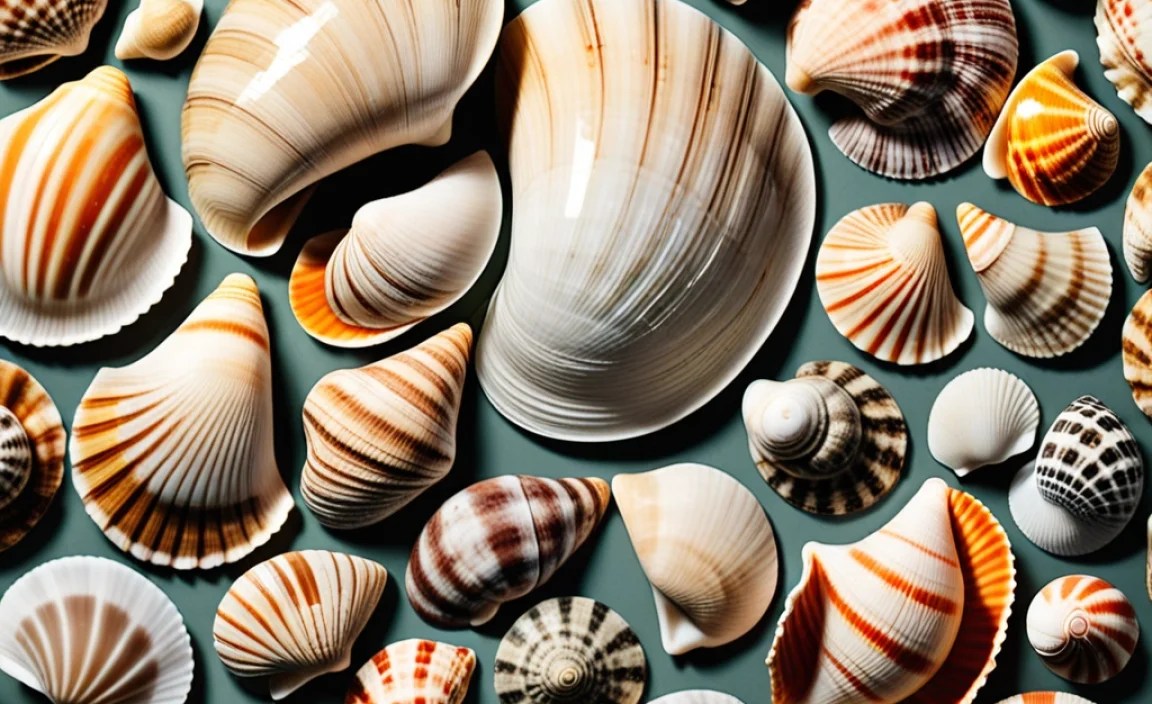
Shells are like tiny homes for many sea creatures. They protect animals like snails and clams. These shells come in amazing varieties. They have different shapes, colors, and patterns. Each pattern tells us something special. It helps us with species identification by shell pattern. Some shells have spirals. Others have lines or spots. The texture can be smooth or bumpy. All these features help us identify the animal that made the shell. Shell patterns are not random. They are formed by the animal as it grows. The environment also plays a part. The water, food, and even the sun can affect the shell’s pattern. By studying these patterns, we can learn a lot about the animal and its life. It’s like reading a story written on the shell itself. So next time you find a shell, take a close look. You might be surprised at what you can discover.
- Spirals are common in snail shells.
- Lines and spots can help camouflage the animal.
- Bumpy textures can provide extra protection.
- Shell color can indicate the animal’s diet.
- The size of the shell often relates to the animal’s age.
Shell patterns aren’t just for show. They serve important purposes. Camouflage helps animals hide from predators. The color and pattern blend in with the surroundings. This makes it harder for enemies to find them. Some patterns help animals attract mates. Bright colors and unique designs can make them stand out. The shell’s texture can also help the animal grip surfaces. This is important in strong currents. Studying shell patterns is like unlocking a secret code. We can learn about the animal’s life. We can learn about its environment. We can use species identification by shell pattern to understand our oceans better. It’s a fascinating way to explore the natural world. Every shell has a story to tell, if we know how to listen.
Fun Fact or Stat: The Great Barrier Reef has over 4,000 different kinds of mollusks, each with unique shell patterns!
What Makes a Shell Pattern Unique?
Have you ever wondered why no two shells look exactly alike? It’s because many things affect a shell’s pattern. Genetics play a big role. Just like people inherit traits from their parents, shells inherit traits too. The animal’s diet can also change the shell’s color. Eating different foods can make the shell darker or lighter. The water where the animal lives matters. Salty water and fresh water can create different patterns. Even the temperature of the water can have an impact. Warmer waters might lead to brighter colors. Colder waters might result in duller shades. All these factors work together. They create the unique patterns we see on shells. This makes species identification by shell pattern an interesting puzzle.
How Do Shell Patterns Help Animals Survive?
Imagine you’re a little sea snail. You need to hide from hungry fish. How do you do it? Your shell pattern might be your best defense. Some shells have patterns that look like seaweed. This helps them blend in with the plants. Other shells have colors that match the sand. This makes them hard to spot on the beach. Shell patterns can also confuse predators. Bold stripes or spots can break up the animal’s outline. This makes it harder for the predator to see the snail. Some shells even have spikes or bumps. These can make it painful for a predator to eat them. The shell’s pattern is a vital tool. It helps the animal survive in a dangerous world. Paying attention to these patterns helps with species identification by shell pattern.
Can Shell Patterns Change Over Time?
Shell patterns are not always set in stone. They can change as the animal grows. Young shells often have different patterns than adult shells. Some shells get bigger and add new layers. Each layer might have a different color or design. The environment can also cause changes. If the water gets polluted, the shell might become discolored. If the animal moves to a new area, the pattern could change. These changes show that shells are alive. They react to the world around them. They adapt to survive. Studying these changes can teach us a lot. It can teach us about the health of our oceans. It can help us understand how animals respond to change. This knowledge is valuable for species identification by shell pattern and conservation efforts.
Key Shell Features for Identification
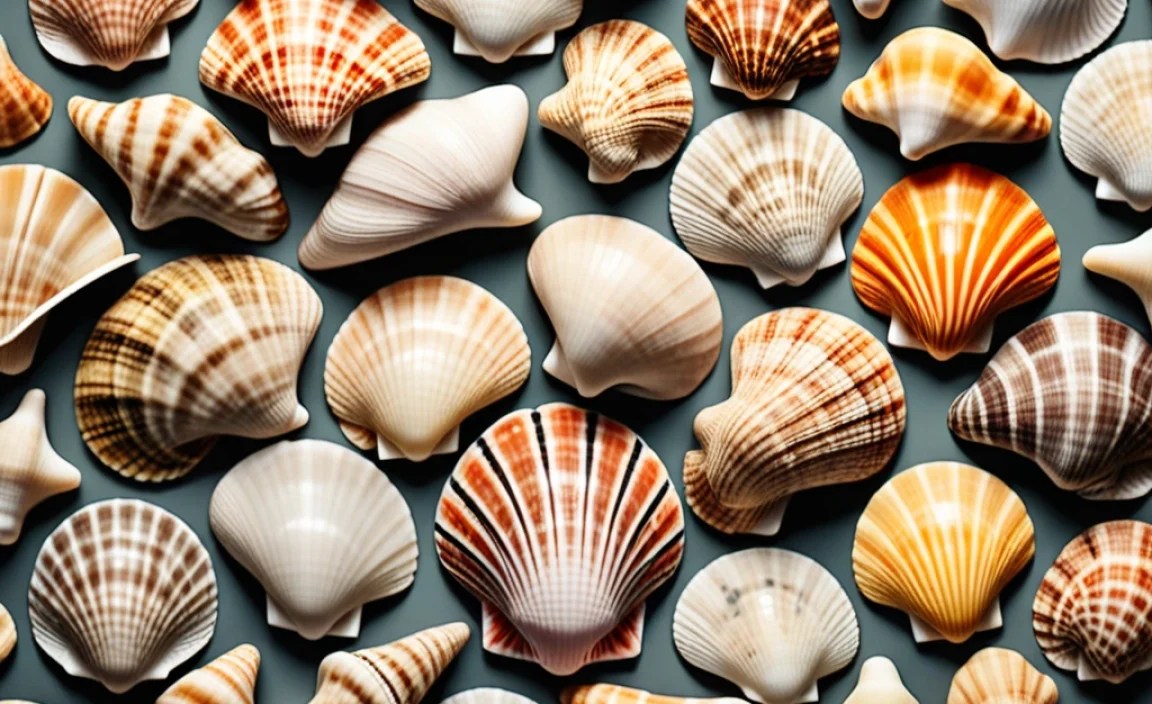
Identifying shells can be like solving a puzzle. You need to look closely at all the details. The shape of the shell is important. Some are round, while others are long and pointy. The size of the shell also matters. Is it tiny or large? The color can give you clues too. Is it bright and colorful, or dull and plain? The texture of the shell is another thing to consider. Is it smooth, rough, or bumpy? Look for any special features. Does it have spines, ridges, or knobs? All these details can help you figure out what kind of animal made the shell. Using these features aids in species identification by shell pattern. Comparing the shell to pictures in a book or online can also help. With a little practice, you’ll become a shell-identifying expert!
- Shape: Round, oval, spiral, or cone-shaped shells.
- Size: Measure the length and width of the shell.
- Color: Note the main color and any patterns.
- Texture: Describe the surface, like smooth or rough.
- Features: Look for spines, ribs, or other details.
There are many tools that can help you identify shells. A magnifying glass can help you see small details. A ruler can help you measure the shell’s size. A field guide is a book with pictures and descriptions of different shells. There are also websites and apps that can help. These resources can provide information about shell patterns. They can explain where the animal lives. They can even tell you what it eats. Don’t be afraid to ask for help. Experts at museums and aquariums can identify shells. They can share their knowledge with you. Identifying shells is a fun and rewarding activity. It connects you to the natural world. It helps you learn about the amazing creatures that live in our oceans. This is essential for accurate species identification by shell pattern.
Fun Fact or Stat: Some shells have been used as money in different cultures throughout history!
How Does Shell Shape Aid Identification?
Imagine you see a shell that’s shaped like a cone. This tells you something important. Cone-shaped shells often belong to snails that live in sandy areas. They use the cone shape to burrow into the sand. Now, picture a shell that’s flat and round. This shape is common for clams. Clams live in the mud or sand. They use their flat shape to stay stable. The shape of a shell is a big clue. It can help you narrow down the possibilities. It can help you identify the animal that made it. Different shapes match different lifestyles. So, pay attention to the shell’s form. It’s a key part of species identification by shell pattern.
Why is Shell Color Important for Identification?
Have you ever noticed how colorful some shells are? These colors are not just for decoration. They can tell you a lot about the animal. Bright colors can mean the animal lives in shallow water. The sunlight makes the colors look even brighter. Dull colors can mean the animal lives in deep water. There is less light there, so bright colors aren’t needed. Some colors help the animal blend in. Green shells might live among seaweed. Brown shells might live on rocks. The color of a shell is like a secret code. It can reveal where the animal lives. It can tell you how it survives. It’s an important part of species identification by shell pattern.
What Do Shell Textures Reveal About Species?
Run your fingers over a shell. What does it feel like? Is it smooth, rough, or bumpy? The texture of a shell can tell you about the animal’s lifestyle. Smooth shells often belong to animals that live in fast-moving water. The smooth surface helps them glide through the water. Rough shells might belong to animals that live on rocks. The rough texture helps them grip the surface. Bumpy shells can provide extra protection. They can make it harder for predators to eat them. The texture of a shell is like a fingerprint. It’s unique to each species. It’s a valuable clue for species identification by shell pattern.
Tools for Shell Pattern Analysis
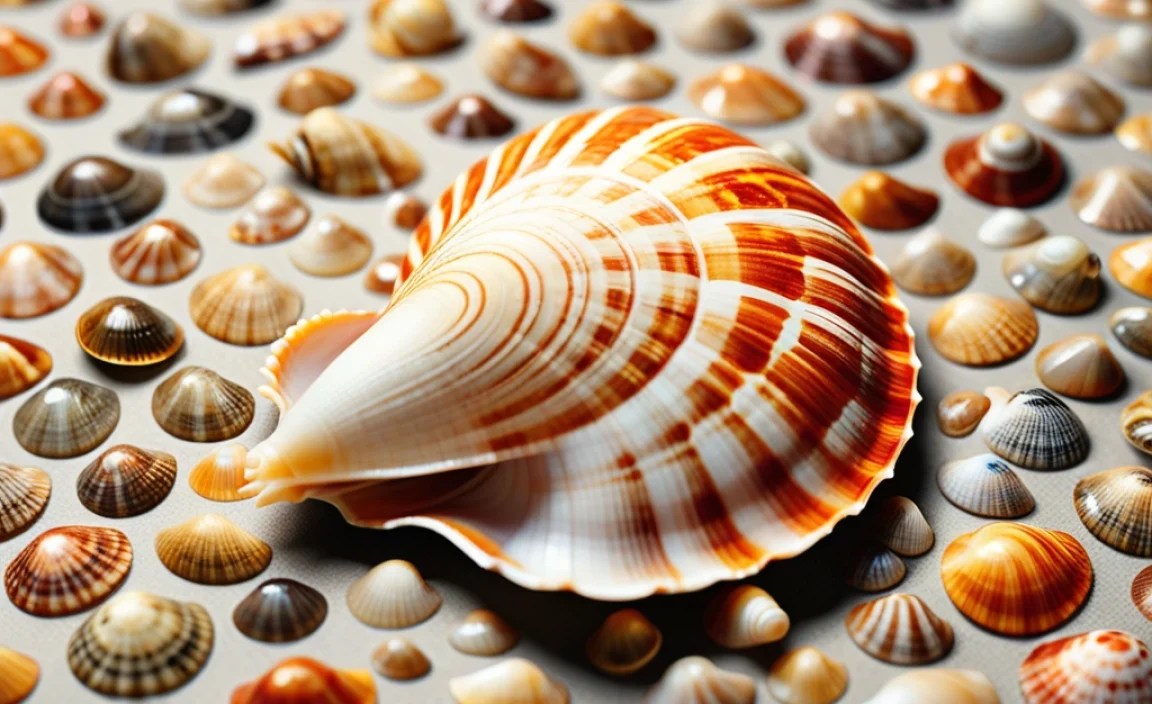
Identifying shells can be an adventure. You can use many tools to help you. A good field guide is a must-have. It has pictures and descriptions of different shells. A magnifying glass can help you see small details. A ruler can help you measure the shell’s size. A notebook is useful for taking notes. Write down the shell’s shape, color, and texture. There are also online resources. Websites and apps can help you identify shells. They often have pictures and information. You can even join a shell club. You can learn from other shell enthusiasts. These tools make species identification by shell pattern easier. They help you become a shell-detective!
- Field guides provide pictures and descriptions.
- Magnifying glasses help see small details.
- Rulers measure shell size and proportions.
- Notebooks record observations about shells.
- Online resources offer vast databases of shells.
- Shell clubs connect you with other enthusiasts.
Sometimes, it can be tricky to identify a shell. Shells can be damaged or worn. The color might be faded. The pattern might be hard to see. Don’t give up! There are ways to overcome these challenges. Try cleaning the shell gently. This can reveal hidden patterns. Use a bright light to examine the shell. This can make the colors easier to see. Compare the shell to multiple pictures. Look for similar features. Ask an expert for help. They can share their knowledge and experience. Even if you can’t identify the shell, you can still learn. You can learn about the animal’s habitat. You can learn about its behavior. Every shell tells a story, even if you don’t know its name. Species identification by shell pattern is a journey of discovery.
Fun Fact or Stat: Shell collecting has been a popular hobby for centuries, with some collections worth millions of dollars!
What Field Guides Are Best for Shell Identification?
A field guide is like a treasure map for shell hunters. It helps you find your way through the world of shells. But, with so many field guides, how do you choose the best one? Look for a guide with clear pictures. The pictures should show different angles of the shell. They should also show variations in color and pattern. Make sure the guide covers your area. A guide to shells in Florida won’t help you in California. Read reviews from other shell enthusiasts. See what they recommend. A good field guide is an investment. It will help you identify shells for years to come. It’s a key tool for accurate species identification by shell pattern.
How Do Online Databases Assist Shell Identification?
The internet is a vast ocean of information. It can be a great resource for identifying shells. Online databases have pictures and information on thousands of shells. You can search by shape, color, or pattern. Many websites have interactive tools. You can compare your shell to pictures in the database. Some websites even have experts who can help. Be careful, though. Not all websites are accurate. Check the source of the information. Look for reputable museums or universities. Use multiple sources to confirm your identification. Online databases are powerful tools. They can make species identification by shell pattern easier and more fun.
Why is a Magnifying Glass Essential for Shell Study?
Imagine trying to read a tiny book without glasses. That’s what it’s like to study shells without a magnifying glass. Shells have intricate details. These details can be hard to see with the naked eye. A magnifying glass lets you see the tiny ridges. It lets you see the subtle color changes. It lets you see the patterns that are invisible otherwise. These details are crucial for identification. They can help you distinguish between similar species. A magnifying glass is a simple tool. But, it’s essential for unlocking the secrets of shells. It’s a must-have for anyone interested in species identification by shell pattern.
Comparing Similar Shell Patterns
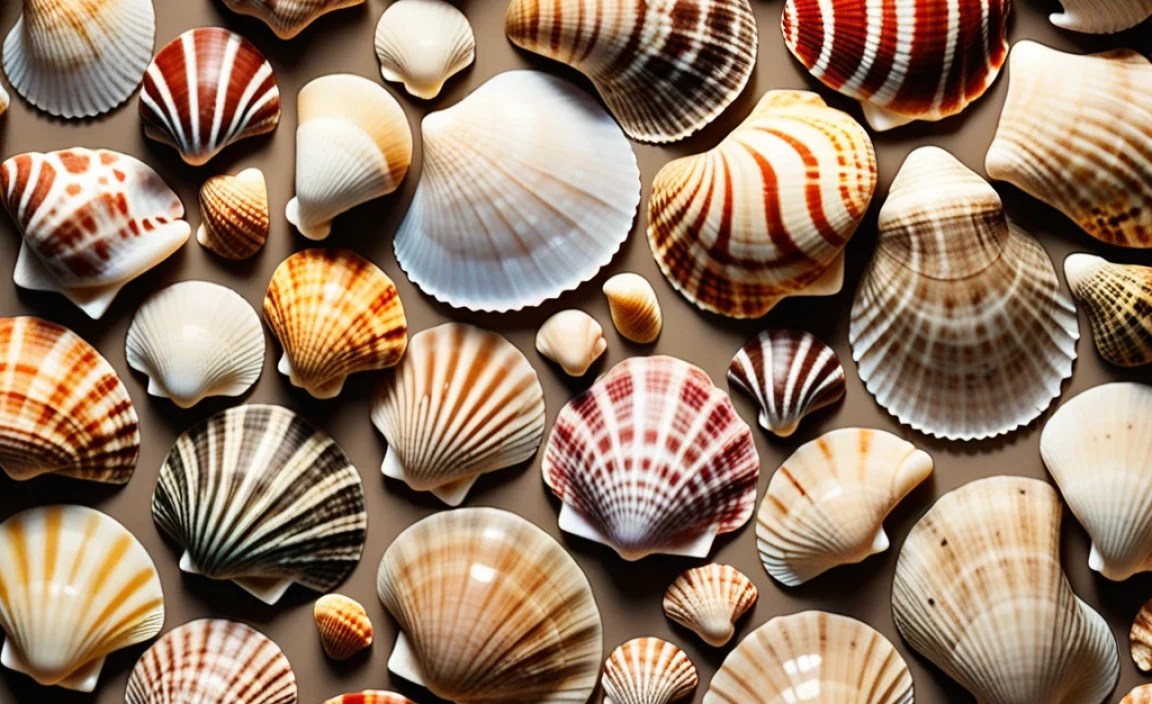
Sometimes, shells can look very similar. This can make identification tricky. You need to pay close attention to the details. Look for small differences in shape. Check the number of spirals. Notice the texture of the shell. Compare the colors carefully. Even slight variations can be important. Use a field guide to compare the shells. Look at pictures and descriptions. If you’re still not sure, ask an expert. They can help you spot the subtle differences. Learning to compare shells takes practice. But, it’s a rewarding skill. It allows you to appreciate the diversity of marine life. It’s a key part of mastering species identification by shell pattern.
- Compare the overall shape of the shells.
- Count the number of spirals or whorls.
- Examine the texture, looking for ridges or bumps.
- Note any color variations or patterns.
- Consult a field guide for detailed comparisons.
One way to compare shells is to use a table. A table can help you organize the information. You can list the features of each shell. Then, you can compare them side by side. This makes it easier to spot the differences. For example, you could compare two shells that look like conches. One might have a smoother surface. The other might have more pronounced spines. The table can help you see these differences clearly. This can help you identify the shells correctly. Here is an example of a shell comparison table for different types of seashells:
| Feature | Shell A | Shell B |
|---|---|---|
| Shape | Oval | Round |
| Color | Brown with stripes | White with spots |
| Texture | Smooth | Rough |
| Size | Small (2 cm) | Medium (5 cm) |
Comparing shells is like being a detective. You’re looking for clues. You’re trying to solve a mystery. The more you practice, the better you’ll get. You’ll start to notice subtle differences. You’ll learn to identify shells quickly and easily. It’s a fun and rewarding way to explore the natural world. It helps you appreciate the beauty and diversity of marine life. This detective work is essential for accurate species identification by shell pattern.
Fun Fact or Stat: Some shells can live for over 100 years, growing larger and more patterned with age!
What Are Key Differences Between Similar Shells?
Imagine you’re looking at two shells that seem identical. How do you tell them apart? Start by looking at the overall shape. Is one slightly longer or wider? Next, check the edges. Are they smooth or jagged? Then, examine the surface. Are there any ridges or bumps? Pay attention to the colors. Are they the same shade, or are there subtle variations? Look closely at the opening of the shell. Is it round or oval? Even the smallest difference can be a clue. It can help you identify the shell correctly. Detailed observation is vital for species identification by shell pattern.
How Do You Use a Dichotomous Key for Shells?
A dichotomous key is like a choose-your-own-adventure book for shell identification. It presents you with a series of choices. Each choice leads you closer to the correct identification. For example, the first choice might be: “Is the shell spiral-shaped?” If yes, you go to the next question. If no, you go to a different question. Each question narrows down the possibilities. Eventually, you’ll reach the end of the key. You’ll find the name of the shell. Dichotomous keys can be tricky at first. But, they’re a powerful tool for identification. They help you think logically and systematically. Using dichotomous keys advances species identification by shell pattern.
Why is Location Important When Comparing Shells?
Imagine you find a shell on the beach in Florida. It looks like a shell you saw in a book about California shells. Is it the same? Maybe not. Location is an important clue. Different species live in different areas. A shell that’s common in Florida might be rare in California. Check the range of the species. Field guides usually list where each species lives. This can help you narrow down the possibilities. It can prevent you from making a mistake. Location is a valuable piece of the puzzle. It aids accurate species identification by shell pattern.
The Role of Color in Shell Identification

Color is a very important part of identifying shells. Shells come in many colors. They can be bright and bold. They can be dull and muted. The color of a shell can tell you about the animal’s diet. It can tell you about its habitat. It can even tell you about its age. For example, a shell with bright colors might live in shallow water. The sunlight makes the colors look brighter. A shell with dull colors might live in deep water. There is less light there, so bright colors aren’t needed. The color of a shell is like a secret message. It can help you unlock the mystery of the shell. Using color is vital for species identification by shell pattern.
- Bright colors often indicate shallow-water species.
- Dull colors can suggest deep-water habitats.
- Patterns can provide camouflage or attract mates.
- Color variations can indicate diet or age.
- Environmental factors can also affect shell color.
Sometimes, the color of a shell can change. This can make identification difficult. The sun can fade the color. The water can wear it away. Algae can grow on the shell, covering its true color. Don’t be fooled by these changes. Look for areas of the shell that are protected. The inside of the shell is often a good place to see the original color. You can also clean the shell gently. This can remove dirt and algae. Remember that color is just one clue. Use it in combination with other features. This will help you identify the shell accurately. Accurate identification relies on careful species identification by shell pattern.
Fun Fact or Stat: Some shells contain pigments that were historically used to make dyes for clothing and art!
How Does Diet Influence Shell Color?
Imagine you eat a lot of carrots. Your skin might turn a little orange. The same thing can happen with shells. The food that an animal eats can affect the color of its shell. Some animals eat algae that contain pigments. These pigments can be deposited in the shell. This can change the shell’s color. For example, an animal that eats red algae might have a pink shell. An animal that eats green algae might have a green shell. The diet of an animal is like a painter’s palette. It provides the colors that create the shell’s unique appearance. It helps with species identification by shell pattern.
What Role Does Habitat Play in Shell Coloration?
Think about a chameleon. It changes color to blend in with its surroundings. Shells can do something similar. The habitat where an animal lives can affect the color of its shell. Animals that live on rocks might have brown or gray shells. This helps them camouflage with the rocks. Animals that live in sandy areas might have light-colored shells. This helps them blend in with the sand. The habitat is like a backdrop. It influences the colors that the animal uses to decorate its shell. Understanding this helps with species identification by shell pattern.
Can Shell Color Indicate Species Age?
Just like people get wrinkles as they age, shells can change color as they get older. Young shells often have brighter colors. This is because the pigments are still fresh. As the shell gets older, the colors can fade. The surface can become worn. Algae and other organisms can grow on the shell. This can change its color. Older shells might be duller and less vibrant. The color of a shell can be a clue to its age. But, it’s not always a reliable indicator. Other factors can also affect the color. Still, it is a factor in species identification by shell pattern.
Shell Pattern and Environmental Factors
Shells are not just beautiful objects. They are also records of the environment. The patterns on a shell can tell you about the water where the animal lived. They can tell you about the food it ate. They can even tell you about the pollution in the water. For example, shells that grow in polluted water might have unusual colors or patterns. Shells that grow in warm water might be larger. Shells that grow in salty water might be thicker. The environment plays a big role in shaping the shell. It’s like a sculptor, molding the shell into a unique form. Understanding this interaction helps with species identification by shell pattern.
- Water temperature affects shell size and growth rate.
- Salinity influences shell thickness and composition.
- Pollution can cause discoloration or deformities.
- Food availability impacts shell color and pattern.
- Climate change can alter shell distribution and size.
Climate change is affecting the oceans. This is having an impact on shells. Warmer water can cause shells to grow faster. It can also cause them to become thinner. Acidification, caused by increased carbon dioxide, can dissolve shells. This makes it harder for animals to survive. Pollution can also harm shells. Chemicals can weaken the shell. They can also disrupt the animal’s growth. It’s important to protect our oceans. This will help protect the animals that live there. It will also help preserve the beauty and diversity of shells. This preservation ensures continued, accurate species identification by shell pattern.
Fun Fact or Stat: Ocean acidification, caused by climate change, is making it harder for shellfish to build their shells!
How Does Water Temperature Affect Shell Patterns?
Imagine you’re baking a cake. The temperature of the oven affects how the cake turns out. The same is true for shells. The temperature of the water affects how the shell grows. Warmer water can cause shells to grow faster. It can also cause them to have different colors and patterns. Colder water can slow down shell growth. It can also make the shells thicker and more robust. The water temperature is like a dial. It controls the way the shell develops. Knowledge of temperature helps with species identification by shell pattern.
What Impact Does Pollution Have on Shells?
Think about a dirty window. It’s hard to see through it. Pollution can have a similar effect on shells. It can cover the shell with dirt and grime. It can also damage the shell’s surface. Chemicals in the water can weaken the shell. They can also disrupt the animal’s growth. Polluted water can cause shells to become discolored or deformed. It can even kill the animal. Pollution is a serious threat to shells. It’s important to keep our oceans clean. This will protect the animals that live there. Clean oceans are essential for accurate species identification by shell pattern.
How Does Salinity Influence Shell Formation?
Salt is important for building strong shells. The saltiness of the water, or salinity, affects how well shells form. Animals use calcium carbonate to build their shells. They get this from the water. Salty water has more calcium carbonate. This makes it easier for the animals to build strong, thick shells. Fresh water has less calcium carbonate. This can make it harder for the animals to build their shells. The salinity of the water is like a key ingredient. It’s essential for creating a strong and healthy shell. Healthy shells support accurate species identification by shell pattern.
Summary
Identifying shells by their patterns is a fun and educational activity. Shell patterns are not just pretty. They tell us about the animal that made the shell. They tell us about its habitat. They tell us about its diet. By looking closely at the shape, color, and texture of a shell, we can learn a lot. Field guides, magnifying glasses, and online resources can help us. Comparing shells side by side can reveal subtle differences. Environmental factors like water temperature and pollution can also affect shell patterns.
Learning about species identification by shell pattern connects us to the natural world. It helps us appreciate the diversity of marine life. It also helps us understand the challenges that these animals face. By studying shells, we can become better stewards of our oceans. We can help protect these amazing creatures for future generations. Every shell has a story to tell. We just need to learn how to listen.
Conclusion
Learning to identify shells by their patterns is a rewarding skill. It opens up a world of discovery. You can explore the beaches with a new sense of wonder. You can learn about the animals that live in the ocean. You can appreciate the beauty and diversity of marine life. Keep practicing, and you’ll become a shell expert. Share your knowledge with others. Encourage them to explore the natural world. Use your skills in species identification by shell pattern to appreciate our oceans more.
Frequently Asked Questions
Question No 1: Why is it important to identify shell species correctly?
Answer: Correct species identification by shell pattern is important for several reasons. It helps us understand the biodiversity of our oceans. It allows us to monitor the health of marine ecosystems. It also helps us track the impact of climate change and pollution on marine life. Accurate identification is essential for conservation efforts. It helps us protect endangered species. It also helps us manage marine resources sustainably. By identifying shells correctly, we can learn more about the world around us. We can make better decisions about how to protect it.
Question No 2: Can shell patterns be used to determine the age of a shellfish?
Answer: Shell patterns can sometimes give clues about the age of a shellfish, but it’s not always a perfect method. Some shells have growth rings, similar to trees. You can count these rings to estimate the age of the animal. However, the rings can be hard to see. They can also be affected by environmental factors. The color and texture of the shell can also change with age. Older shells might be duller and more worn. However, these changes can also be caused by other factors, like sunlight and water conditions. So, while shell patterns can provide some information about age, they should not be the only factor considered. Accurate aging requires expert analysis and sometimes cannot rely on species identification by shell pattern alone.
Question No 3: What are some common mistakes people make when identifying shells?
Answer: There are several common mistakes that people make when identifying shells. One mistake is relying too much on color. Shell color can vary depending on the animal’s diet and habitat. Another mistake is not considering the location where the shell was found. Different species live in different areas. A shell that’s common in one area might be rare in another. Another mistake is not paying attention to the details. Small differences in shape, texture, and pattern can be important. Finally, some people rely too much on online pictures. These pictures might not always be accurate. It’s important to use multiple sources. Avoiding these mistakes will help you improve your species identification by shell pattern skills.
Question No 4: How does pollution affect the patterns and colors of shells?
Answer: Pollution can have a significant impact on the patterns and colors of shells. Chemicals in the water can disrupt the animal’s growth. This can lead to deformities in the shell. Pollution can also cause the shell to become discolored. It can make the colors dull and faded. Some pollutants can even cause the shell to dissolve. This makes it harder for the animal to survive. Oil spills can coat shells with a thick layer of oil. This can smother the animal and prevent it from getting food. Pollution is a serious threat to marine life. It’s important to reduce pollution. This will protect the animals that live in our oceans. Monitoring these effects is critical for tracking species identification by shell pattern.
Question No 5: Are there any shells that are toxic or dangerous to handle?
Answer: Yes, there are some shells that are toxic or dangerous to handle. Cone snails are one example. These snails have a venomous harpoon that they use to hunt prey. The venom can be very painful, and in some cases, it can be fatal. It’s important to never handle live cone snails. Other shells can be sharp and can cut your skin. Always wear gloves when handling shells. This will protect you from cuts and scrapes. Some shells can also harbor bacteria. Wash your hands thoroughly after handling shells. If you are unsure about a shell, it’s best to leave it alone. It is important to be careful and respectful when exploring the natural world. This is especially true when considering species identification by shell pattern.
Question No 6: Where can I find reliable resources for learning more about shell identification?
Answer: There are many reliable resources for learning more about shell identification. Field guides are a great place to start. Look for guides that are specific to your region. Museums and aquariums often have exhibits on shells. They can also provide expert advice. Online resources can also be helpful. Look for websites from reputable museums, universities, and scientific organizations. Shell clubs are a great way to connect with other shell enthusiasts. They can share their knowledge and experience with you. Libraries also have books and resources on shell identification. With so many resources available, you can easily expand your knowledge of shells and improve your species identification by shell pattern skills.


